
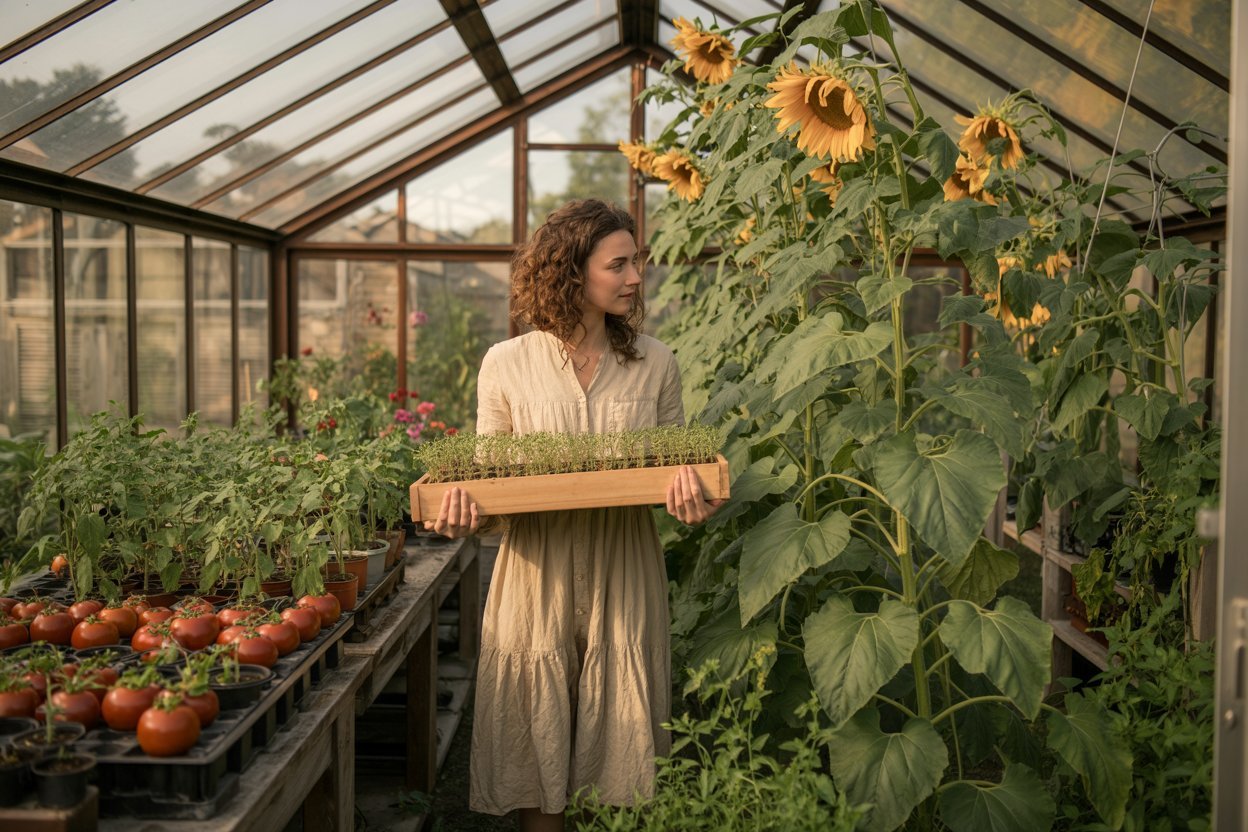

I still remember the first time I proudly closed the door to my greenhouse, stood back, and admired what I thought was a perfectly planned little paradise.
Seed trays lined the shelves. Pots were neatly labeled. Tomato vines stretched confidently toward the roof. I felt organized, intentional, and deeply hopeful.
Three months later, I was frustrated, sweaty, and confused.
Some plants were thriving gloriously so. But others? They were struggling in ways I couldn’t understand. Leaves scorched. Flowers dropped without fruiting.
A few crops grew tall and leafy but never produced what I planted them for. I blamed myself at first. Maybe I watered too much. Maybe not enough. Maybe I used the wrong soil.
What I eventually learned through trial, error, and more than a few honest conversations with seasoned growers changed everything:
Not every plant belongs in a greenhouse.
And knowing what not to grow can be just as powerful as knowing what to grow.
Today, I want to walk you through this thoughtfully and clearly. We’ll explore which plants struggle in greenhouse conditions, why they struggle, and how to make better choices.
We’ll also dive into Factors Affecting Plant Growth in Greenhouses, so you can understand the environment you’re creating and how it influences your plants.
Let’s step inside together.
Understanding Your Greenhouse First
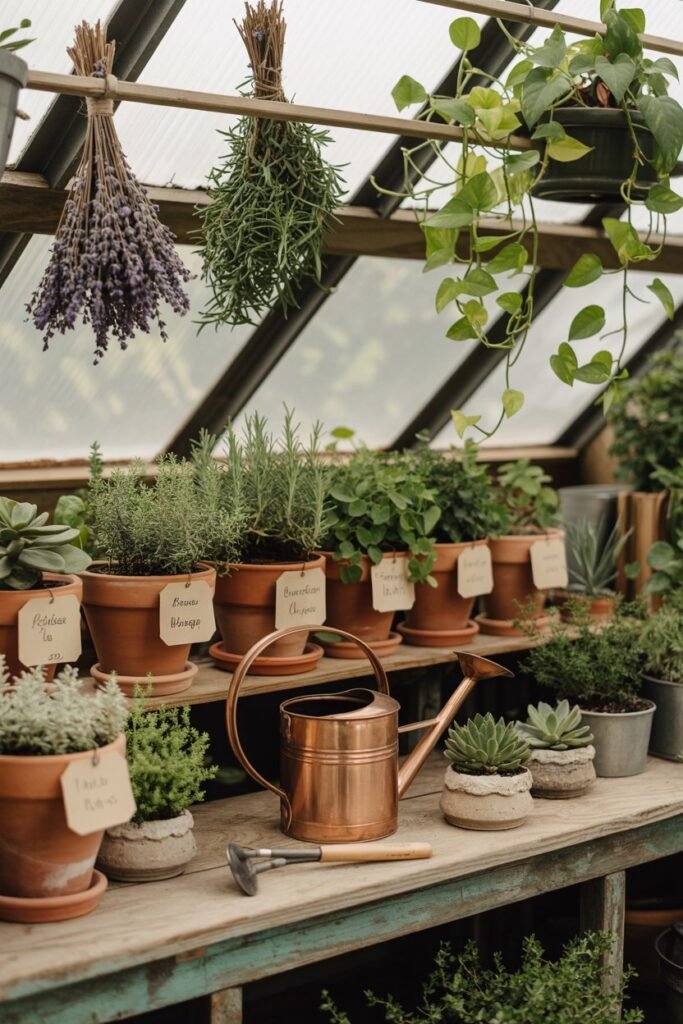
Before we talk about what doesn’t belong inside a greenhouse, we need to understand what a greenhouse really is and what it isn’t.
A greenhouse is a controlled environment. It traps heat, manages humidity, and protects plants from wind, pests, and unpredictable weather. It can extend growing seasons and make tender plants flourish.
But that controlled environment also creates:
- Higher heat levels
- Increased humidity
- Limited airflow (unless intentionally ventilated)
- Restricted root space (especially in containers)
- Absence of natural weather cycles (wind, rainfall, temperature drops)
Some plants love this. Others quietly resent it.
And when a plant resents its environment, it shows you slowly at first, then dramatically.
Factors Affecting Plant Growth in Greenhouses
Understanding these factors will help you avoid planting the wrong crops inside.
1. Temperature
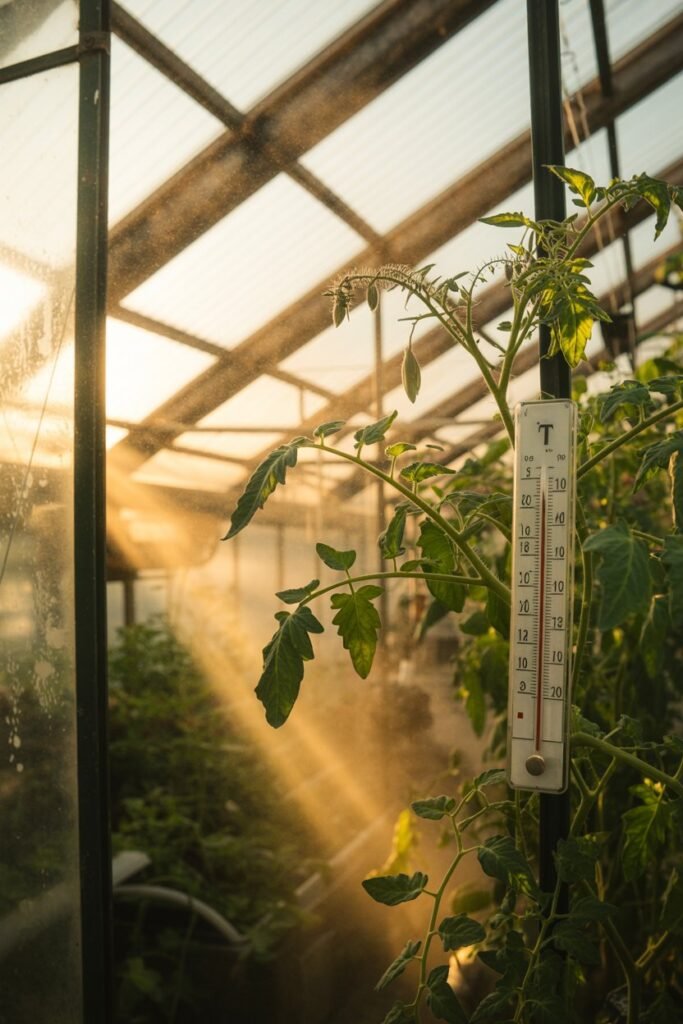
Greenhouses trap solar heat. On a sunny day, interior temperatures can climb rapidly sometimes 10–30°F higher than outside.
Warm-season crops like tomatoes and peppers thrive in this environment. But cool-season crops may bolt or fail under excessive heat.
Key temperature realities:
- Daytime heat builds quickly
- Nighttime temperatures may not drop enough
- Heat stress accumulates over time
Plants that require seasonal cold periods often struggle.
2. Humidity
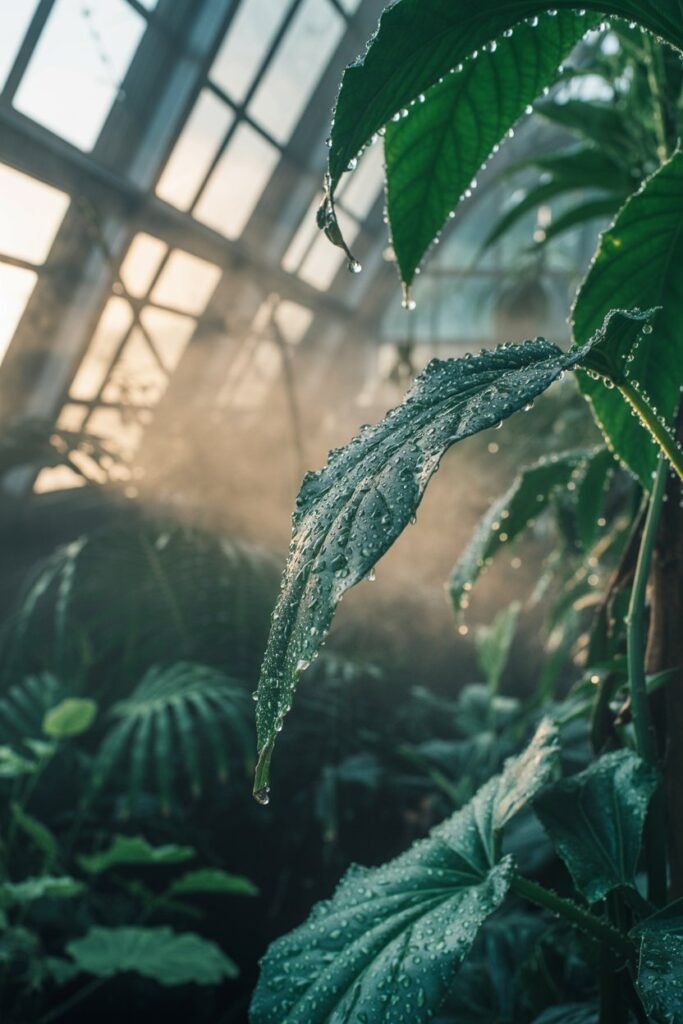
Humidity levels in greenhouses are usually higher than outdoors, especially if ventilation is limited.
High humidity can cause:
- Fungal diseases
- Poor pollination
- Leaf mold
- Powdery mildew
Some plants tolerate humidity well. Others develop disease quickly.
3. Air Circulation
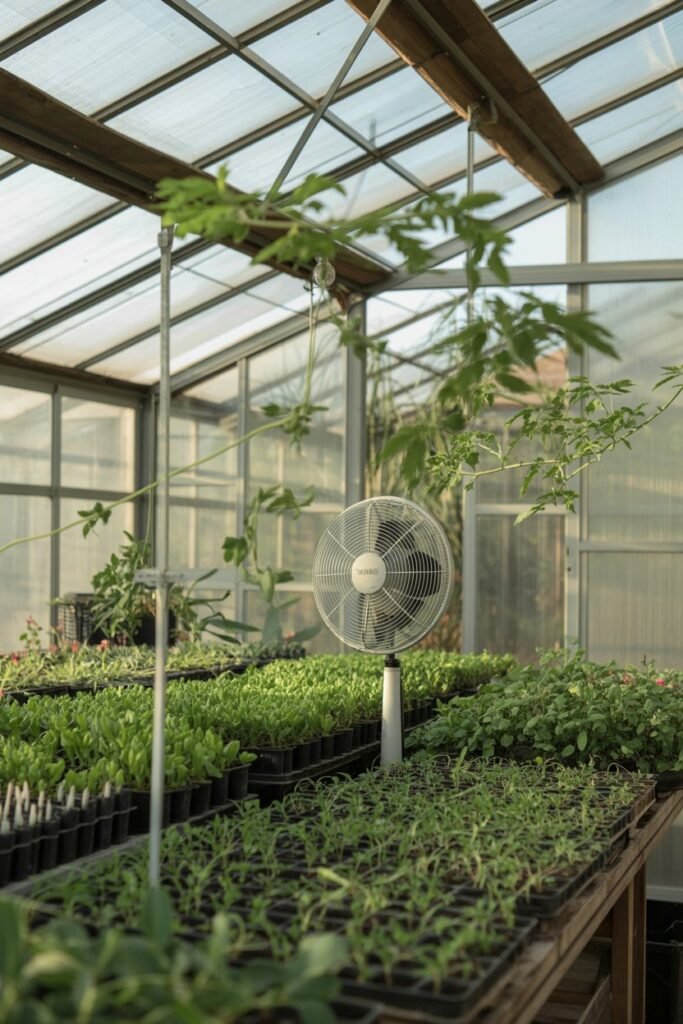
Without wind, plants don’t strengthen their stems naturally. Air circulation also helps regulate moisture on leaves.
Poor airflow leads to:
- Fungal outbreaks
- Weak stems
- Poor fruit set
- Pest infestations
Plants that rely on wind pollination or strong airflow often underperform inside.
4. Light Intensity
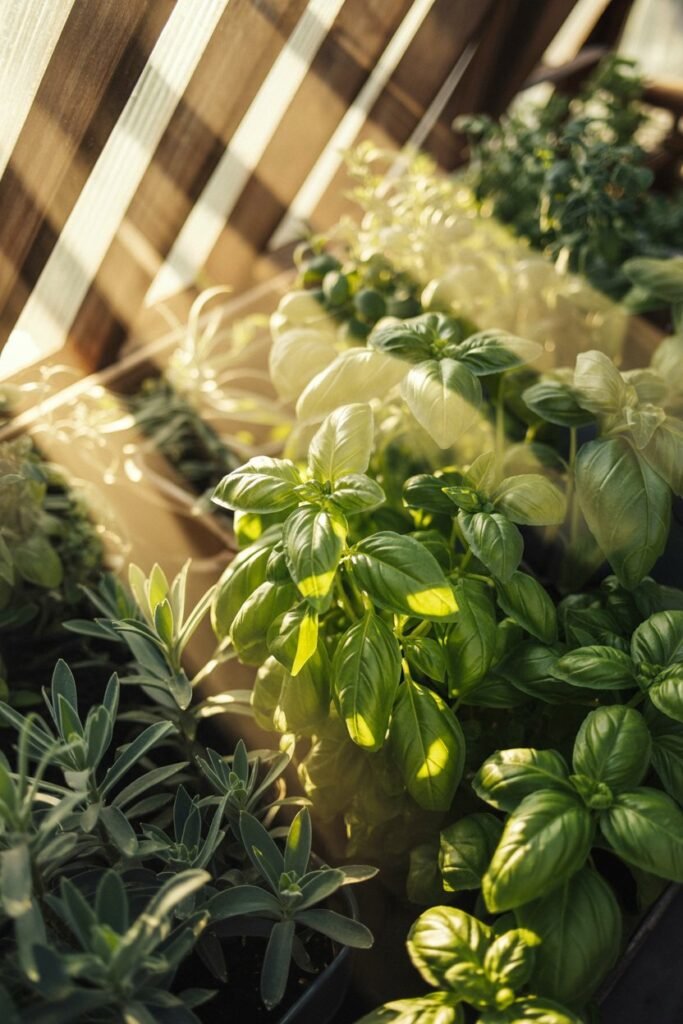
While greenhouses amplify warmth, they can slightly reduce direct light intensity due to glazing materials.
Certain plants need:
- Full, direct, intense sunlight
- Long daylight hours
- Seasonal light variation
Some crops respond poorly when light is filtered or inconsistent.
5. Root Space and Soil Volume
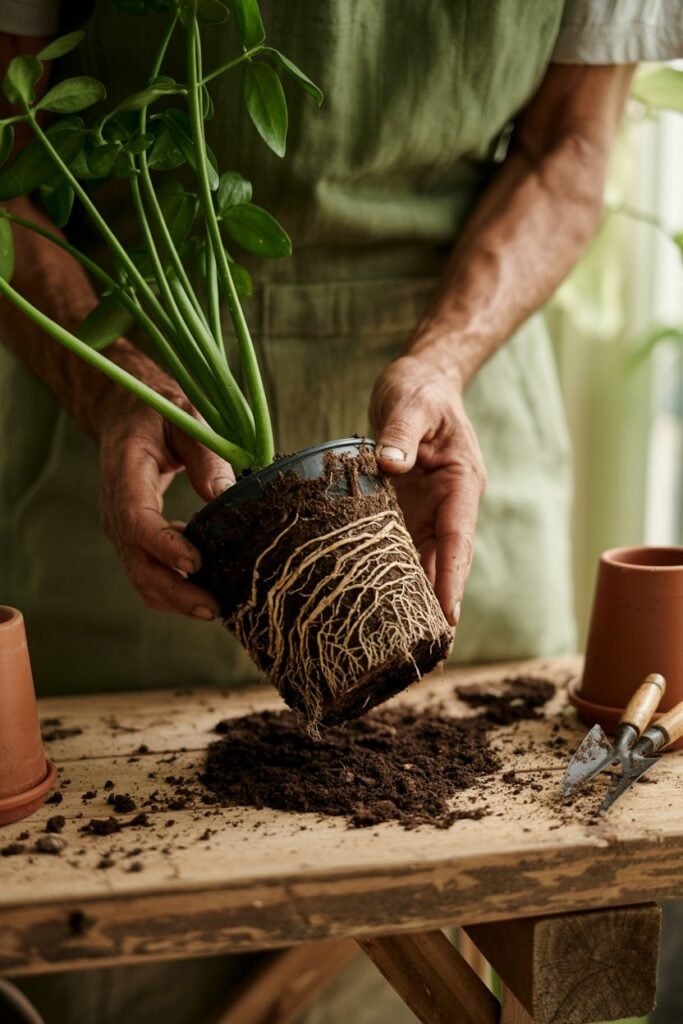
Greenhouse growing often involves containers or raised beds.
Large-rooted plants may:
- Become root-bound
- Experience nutrient deficiencies
- Stunt growth
Plants that naturally spread wide underground may struggle in confined soil.
6. Pollination Challenges
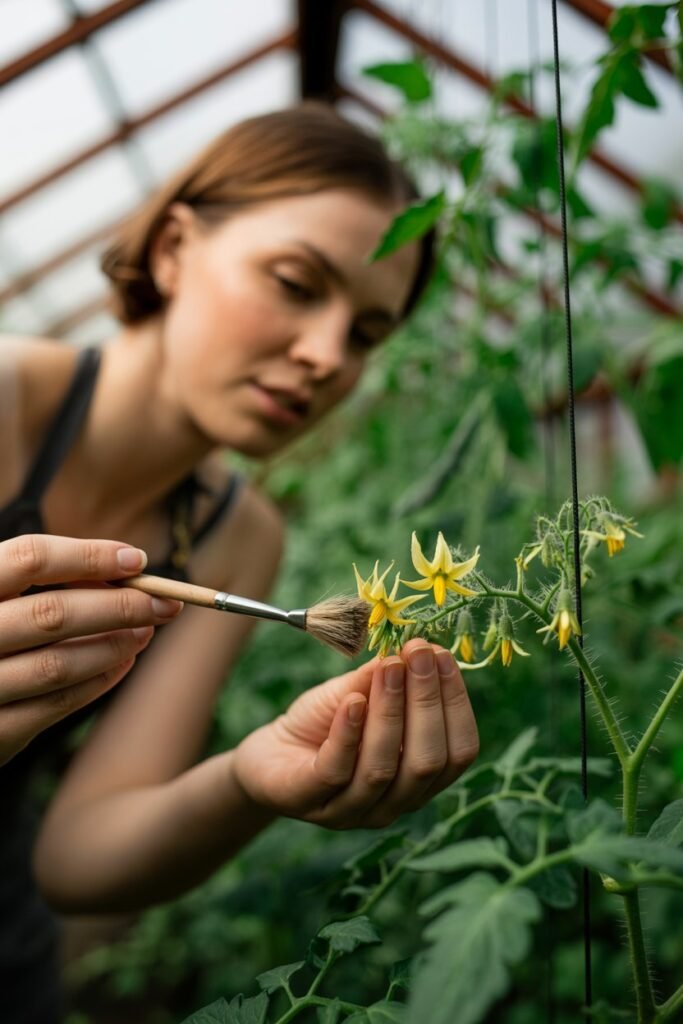
Bees and natural pollinators don’t always enter greenhouses freely.
Without:
- Hand pollination
- Ventilation access
- Supplemental pollinators
Fruit production can decline.
Understanding these factors sets the stage for choosing wisely.
Now let’s talk about what not to grow.
What Not to Grow in a Greenhouse
1. Large Root Vegetables (Carrots, Parsnips, Turnips in Bulk)
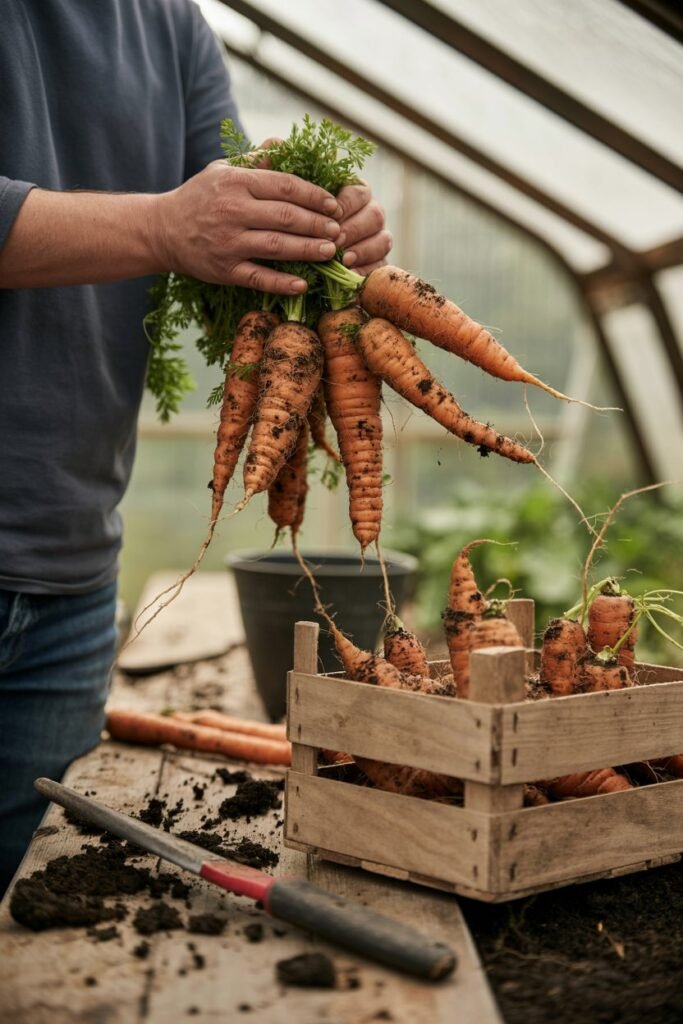
While small batches can work, growing large quantities of root vegetables in greenhouse containers often leads to disappointment.
Why they struggle:
- Deep root systems need loose, deep soil
- Overly warm soil can affect root formation
- Humidity increases fungal rot risk
- Limited soil depth causes misshapen roots
Root crops are often happier outdoors in well-drained garden beds.
Greenhouse space is precious and these crops rarely justify the square footage.
2. Corn
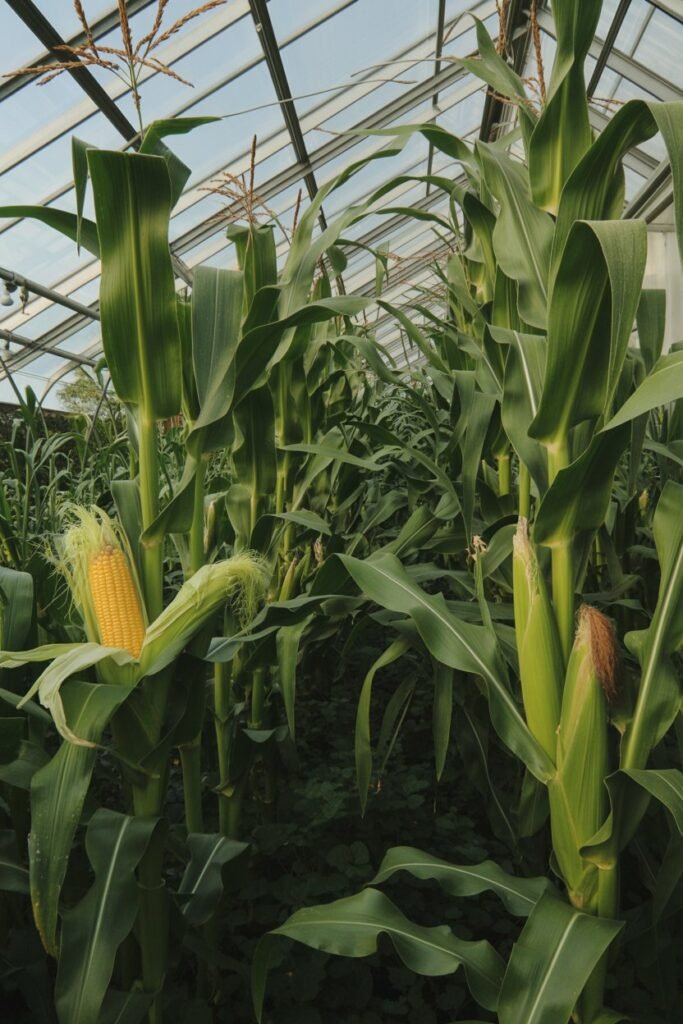
Corn needs:
- Large blocks for pollination
- Strong wind for pollen movement
- Significant vertical space
- Large soil volume
Inside a greenhouse, corn faces:
- Poor pollination
- Heat stress
- Excessive humidity
- Space limitations
Even tall greenhouses struggle to support proper corn pollination. You’ll likely end up with poorly filled ears.
Corn belongs outside.
3. Large Fruit Trees
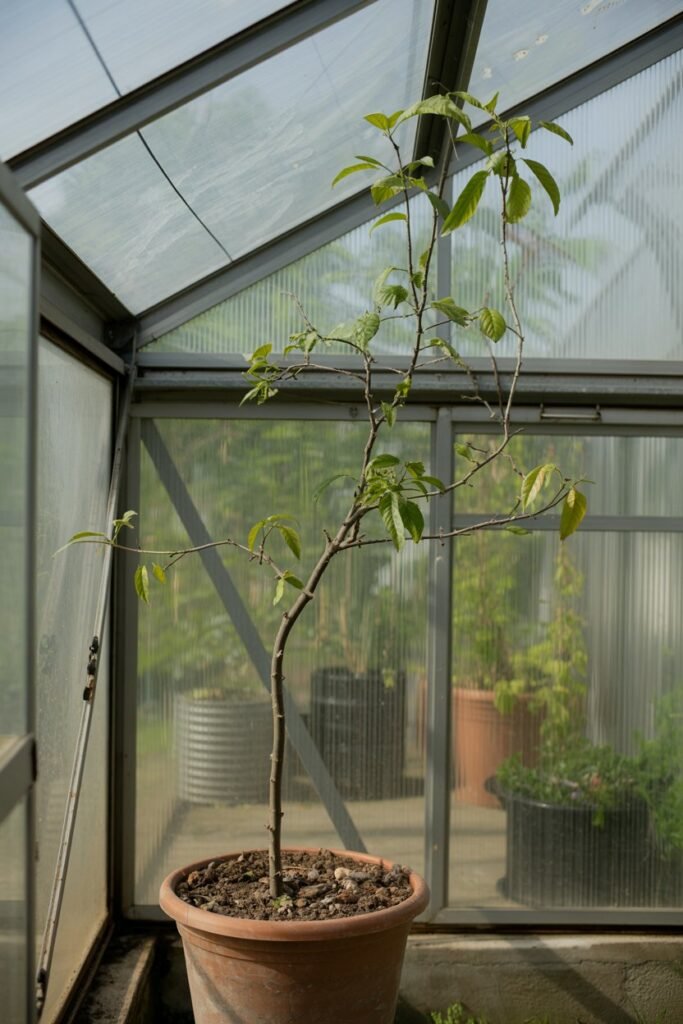
Dwarf fruit trees can work in carefully managed greenhouse systems. But full-sized fruit trees? Not ideal.
Challenges include:
- Root expansion needs
- Height restrictions
- Pollination complexity
- Seasonal dormancy requirements
Many fruit trees need a proper winter chill cycle to set fruit. A warm greenhouse can disrupt that natural rhythm.
4. Pumpkins and Winter Squash (Large Varieties)
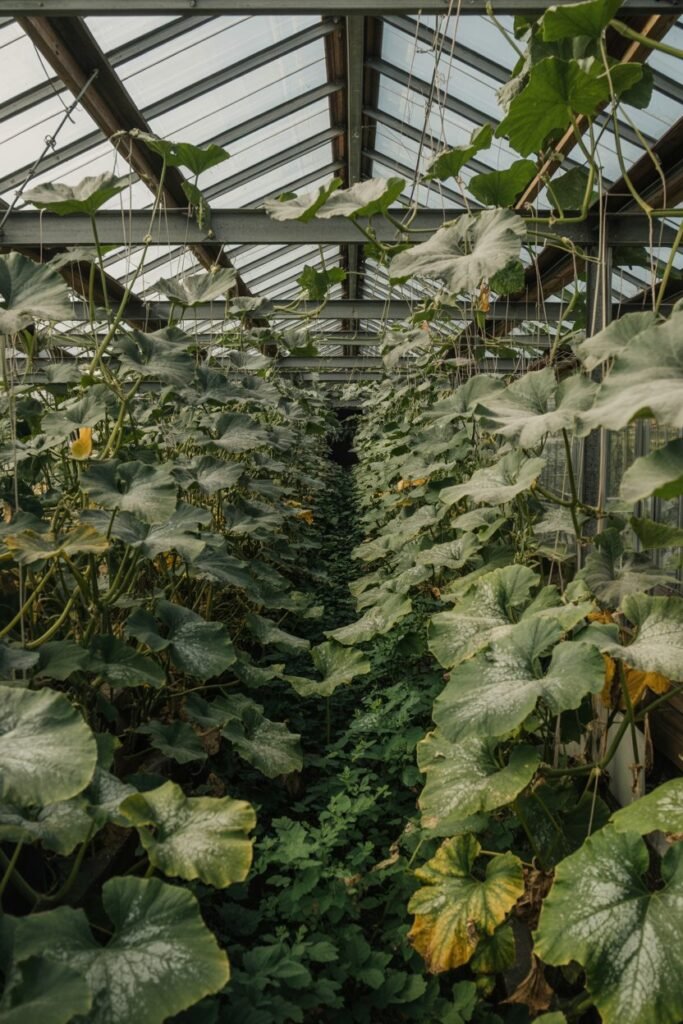
Vining pumpkins are vigorous and demanding.
Inside a greenhouse, they:
- Overtake space quickly
- Block light from other plants
- Increase humidity
- Invite mildew
Hand pollination becomes necessary. Powdery mildew becomes common.
Unless you have a very large greenhouse dedicated to vines, it’s usually not worth it.
5. Sunflowers (Tall Varieties)
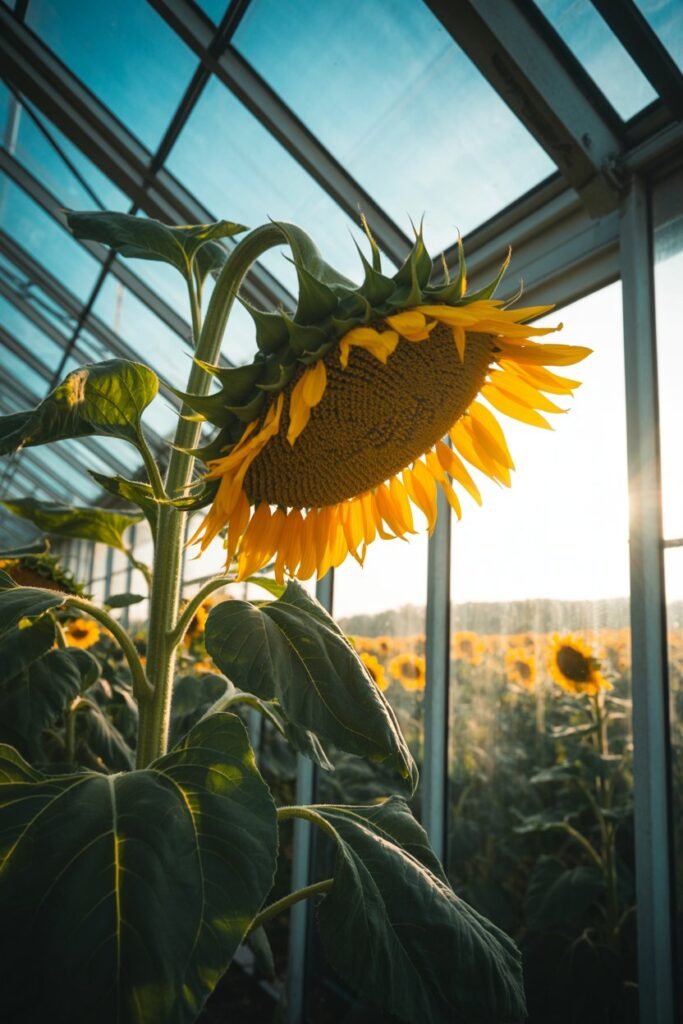
Sunflowers love:
- Direct outdoor sunlight
- Wind stimulation
- Open skies
Inside:
- They outgrow the ceiling
- Become leggy without full-spectrum exposure
- Struggle without wind support
Smaller dwarf varieties may work in pots, but tall sunflowers belong outside in the breeze.
6. Invasive Herbs (Mint, Lemon Balm, Comfrey)
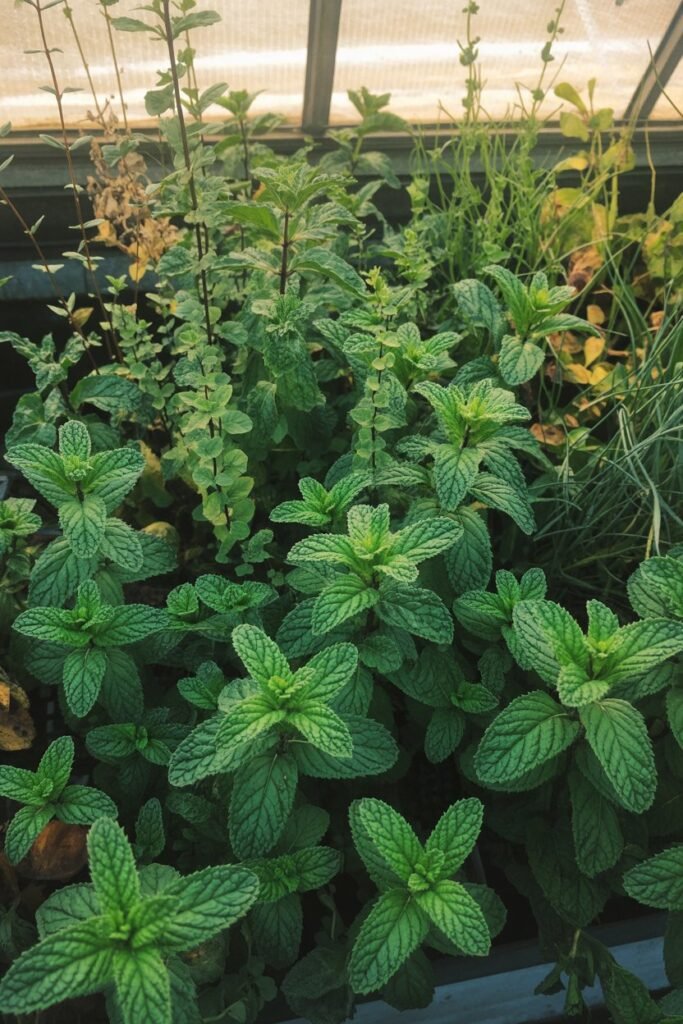
Greenhouses intensify growth.
Mint especially becomes aggressive in warm, humid conditions. It can:
- Overtake beds
- Invade containers
- Compete aggressively for nutrients
These herbs are better contained outdoors or in isolated pots.
7. Cool-Season Crops in Summer (Spinach, Lettuce, Cilantro)
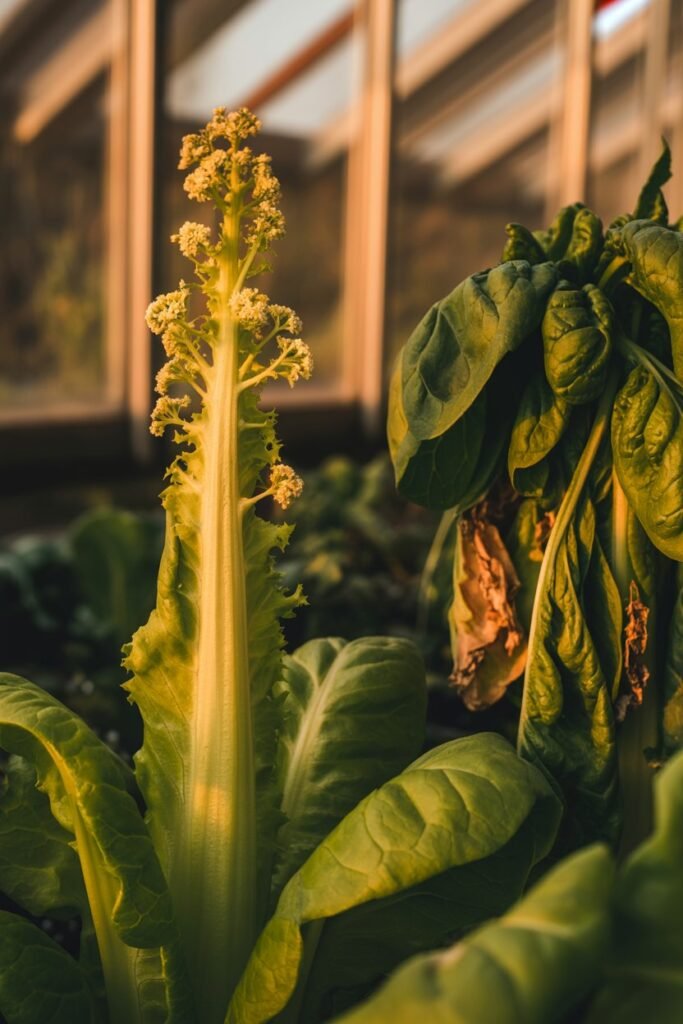
Greenhouses amplify heat.
Cool-season greens:
- Bolt quickly
- Become bitter
- Stop producing
- Flower prematurely
Unless you have temperature control and shade systems, these are better grown in early spring or outdoors.
8. Potatoes (Large-Scale)
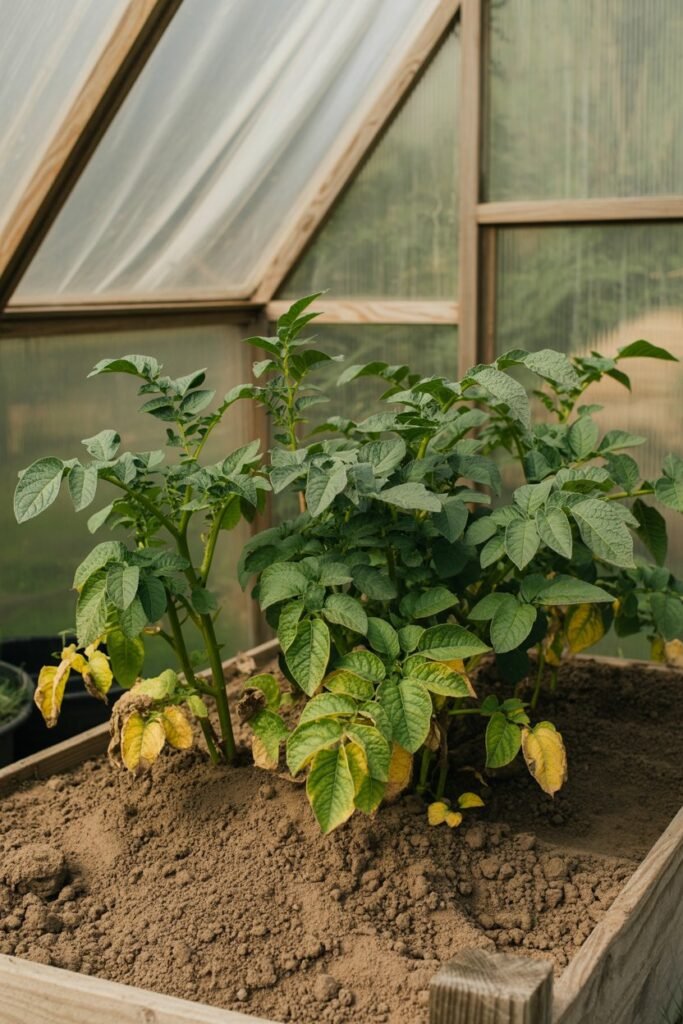
Potatoes need:
- Deep soil
- Hilling
- Ample space
- Good airflow
In greenhouse conditions, they’re prone to:
- Blight
- Humidity-related disease
- Overheating soil
Small experimental batches are fine. Large production is not efficient indoors.
9. Native Wildflowers
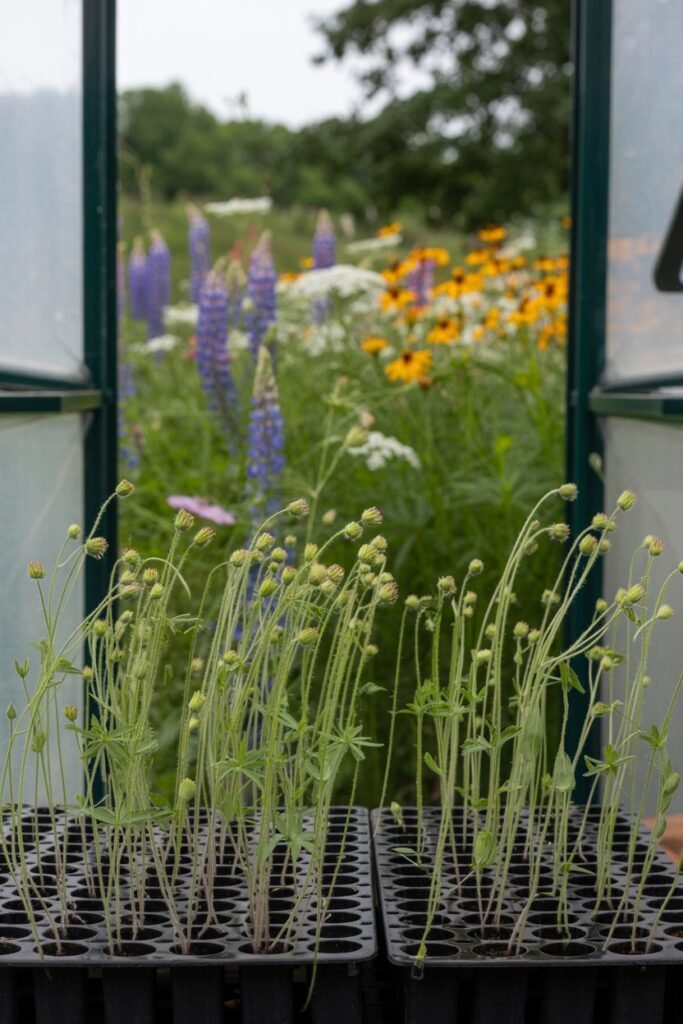
Wildflowers evolved for natural ecosystems.
They rely on:
- Seasonal temperature fluctuations
- Native soil microbes
- Natural rainfall patterns
- Wind and insect pollination
Inside a greenhouse, they often:
- Grow leggy
- Fail to bloom properly
- Develop fungal issues
Let wildflowers live wild.
10. Crops That Require Heavy Rainfall Patterns
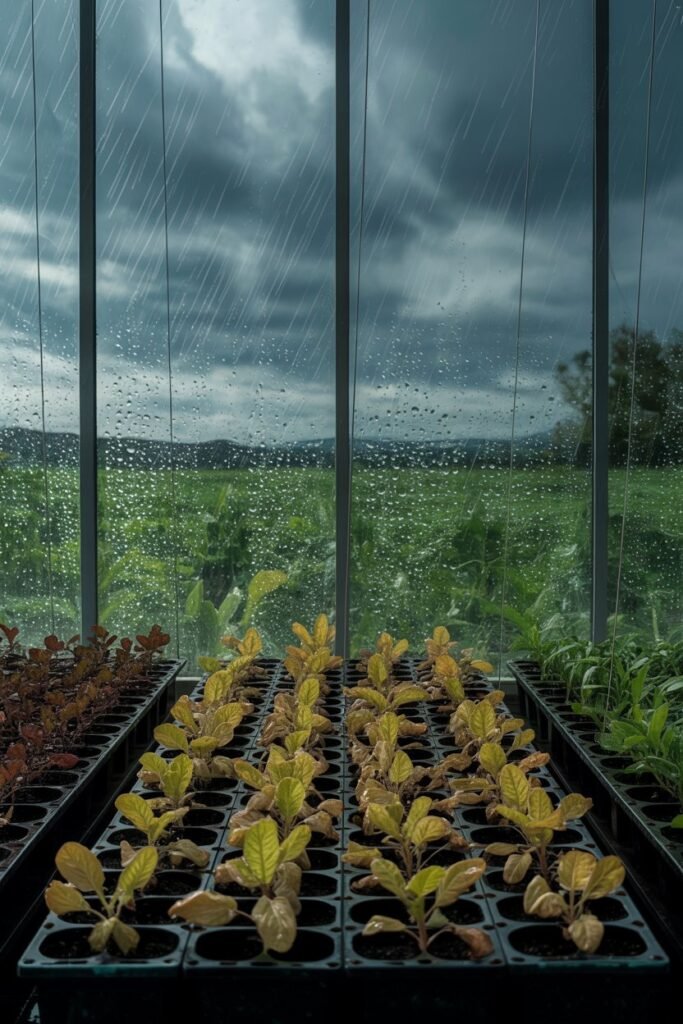
Some plants depend on natural rainfall cycles to thrive.
Greenhouse irrigation cannot perfectly replicate:
- Intense seasonal rain
- Dry-down cycles
- Natural soil flushing
Certain grains and field crops simply perform better outdoors.
The Hidden Cost of Growing the Wrong Plants
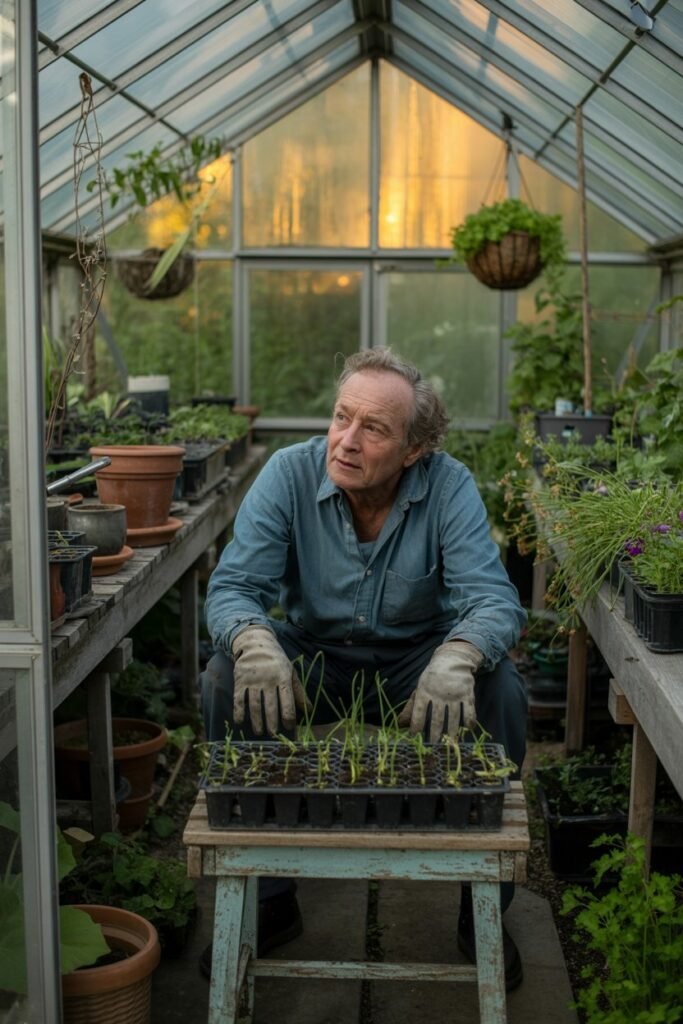
Growing the wrong crops in a greenhouse doesn’t just affect yield.
It can lead to:
- Increased pest pressure
- Higher disease rates
- Poor soil health
- Wasted energy and resources
- Emotional frustration
And I say this gently the emotional part matters.
A greenhouse should feel empowering, not exhausting.
When plants constantly struggle, it drains the joy from gardening.
What to Grow Instead (Smarter Alternatives)
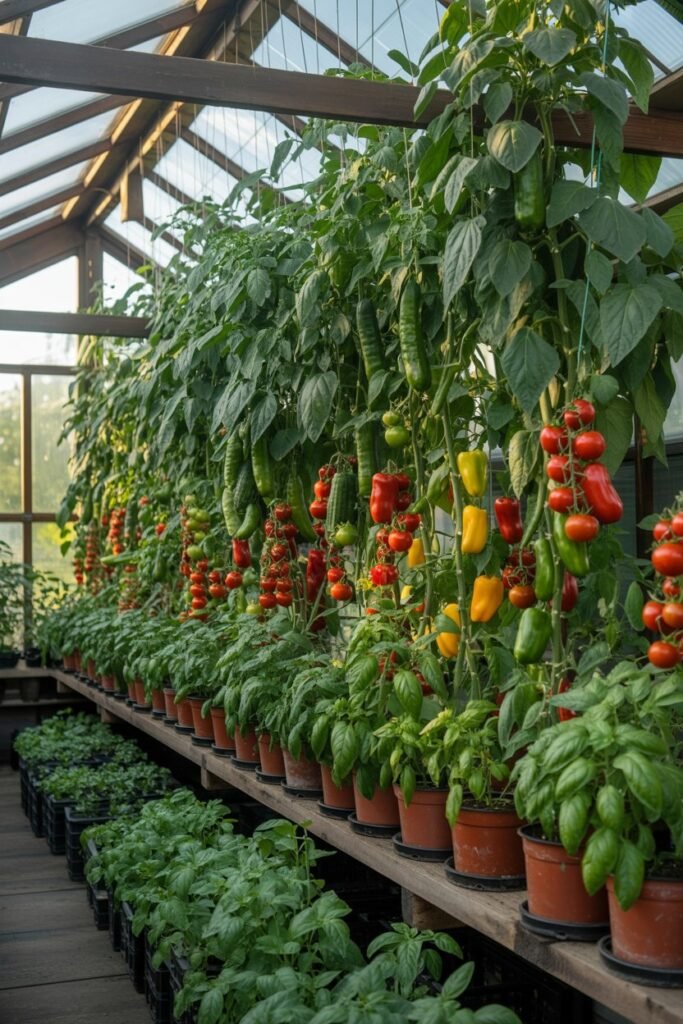
Rather than filling your greenhouse with space-hogging crops, focus on plants that truly benefit from protection.
Greenhouse-friendly crops include:
- Tomatoes
- Peppers
- Cucumbers (trained vertically)
- Eggplant
- Basil
- Parsley
- Seedlings and transplants
- Strawberries (in containers)
- Dwarf citrus
- Microgreens
These plants:
- Thrive in warmth
- Handle humidity better
- Benefit from season extension
- Justify the protected space
Signs a Plant Doesn’t Belong in Your Greenhouse
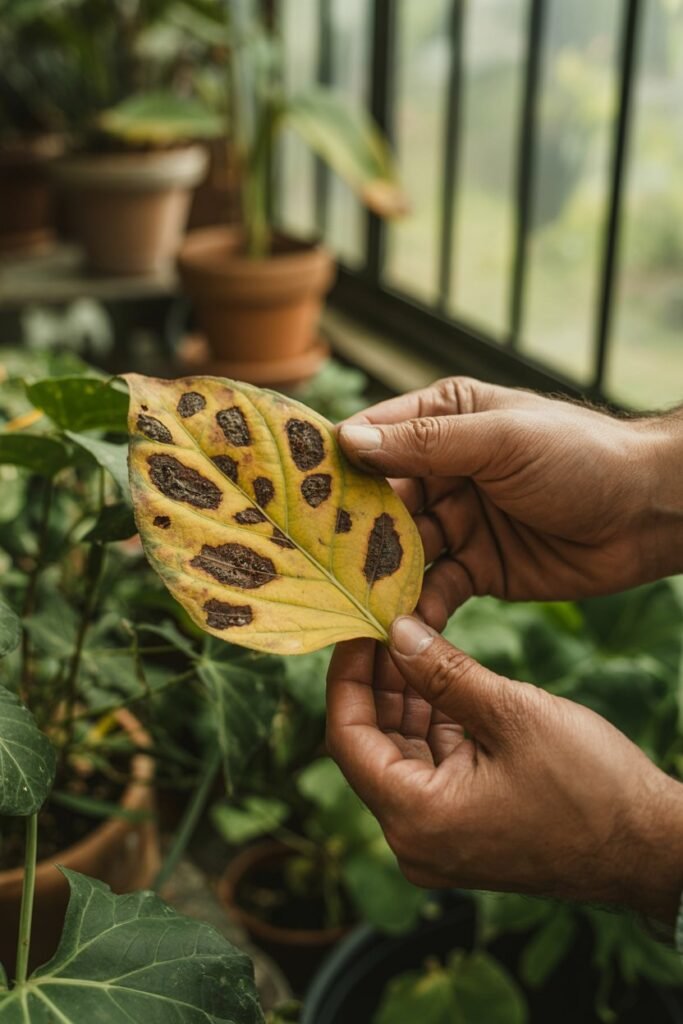
If you’re unsure about a plant, watch for these red flags:
- Constant leaf yellowing despite proper care
- Weak flowering
- Poor fruit set
- Fungal outbreaks
- Rapid, uncontrollable spreading
- Stunted root growth
- Bolting too early
Your plants will tell you when they’re uncomfortable.
Listen early.
How to Decide Before You Plant
Before adding anything to your greenhouse, ask:
- Does this plant need wind pollination?
- Does it require winter chill?
- Does it need deep soil?
- Is it aggressive or invasive?
- Does it prefer cooler temperatures?
- Will it dominate valuable space?
If the answer to several of these is yes, reconsider.
Creating Balance Inside Your Greenhouse
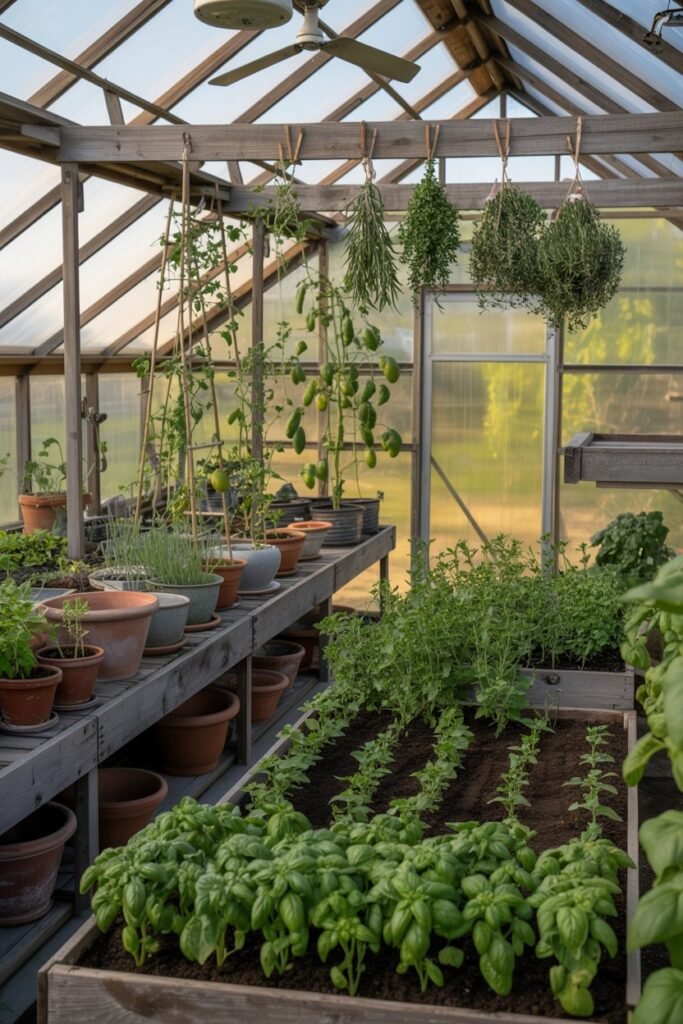
A greenhouse works best when it feels intentional.
Think of it as a curated ecosystem.
Prioritize:
- Vertical growing
- Airflow
- Crop rotation
- Humidity management
- Pollination planning
- Soil health
The goal is harmony, not crowding.
Final Thoughts
Learning what not to grow in a greenhouse transformed the way I garden.
I stopped trying to force plants into spaces that didn’t suit them. I stopped blaming myself when crops failed. I started choosing wisely — and suddenly everything felt lighter.
Your greenhouse is not meant to grow everything.
It’s meant to grow the right things beautifully.
When you choose plants that thrive in warmth, humidity, and protection, your greenhouse becomes what it was always meant to be:
A place of abundance.
A place of calm.
A place where growth feels natural, not forced.
And that, dear gardener, changes everything.
