
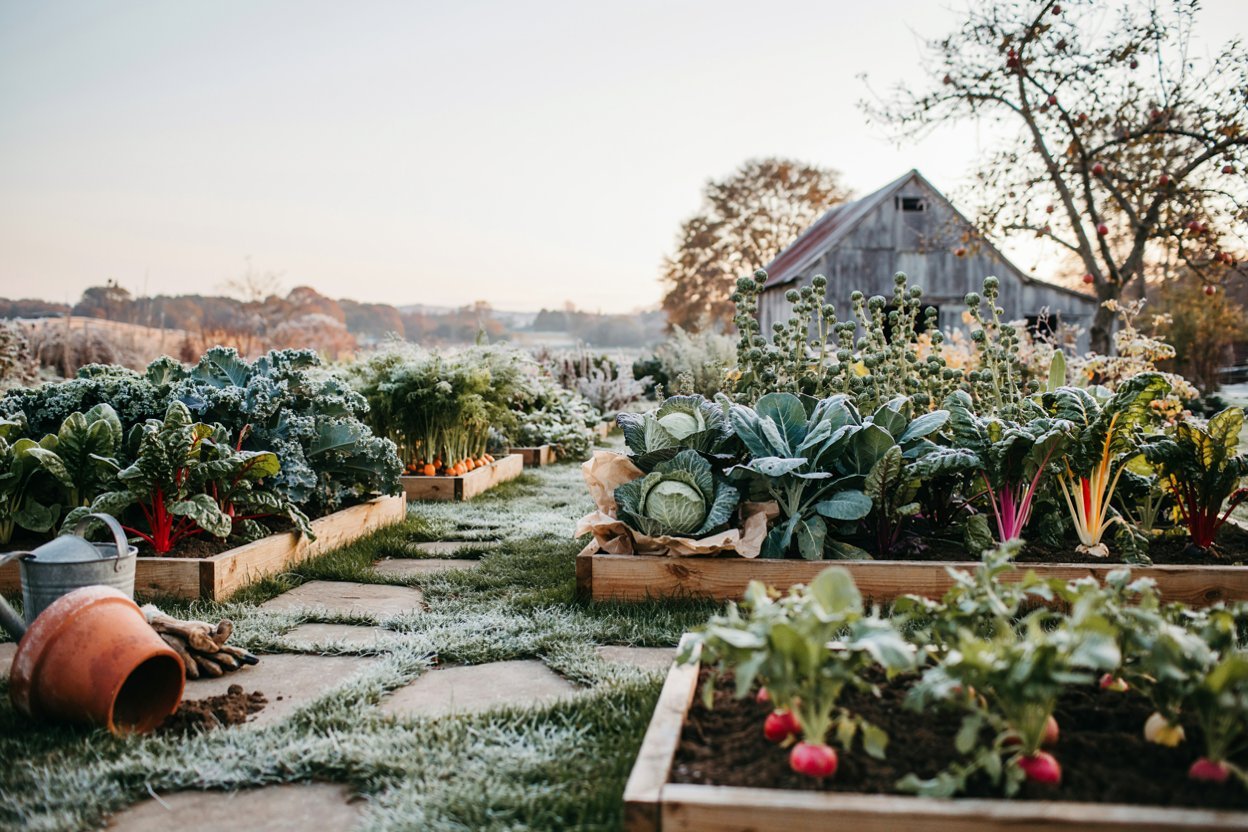

I used to think my vegetable garden had to slow down completely once the colder weather arrived.
Then I discovered how many vegetables actually prefer chilly days and can handle light frost beautifully.
Some even taste sweeter after a touch of cold! If you want to keep harvesting fresh food beyond the usual growing season, winter gardening is worth trying.
From leafy greens to sturdy root vegetables, these crops can give your garden plenty of life when summer favorites have finished.
With the right planting time, a little protection, and regular harvesting, you can enjoy a productive vegetable garden well into the colder months.
1. Kale
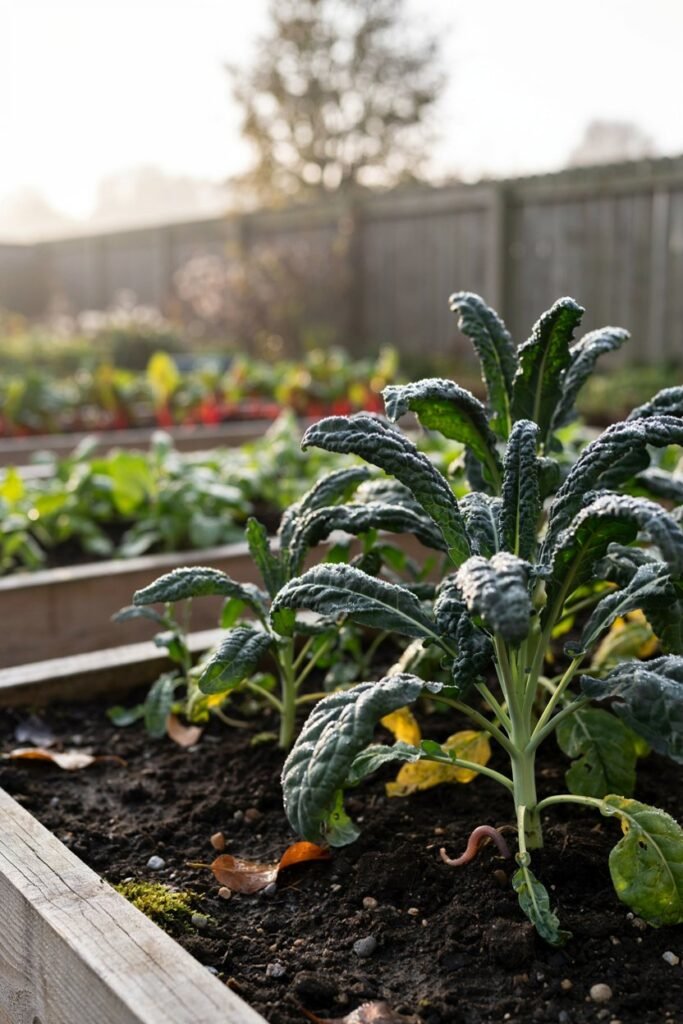
Kale is one of my favorite vegetables for a fall and winter garden because it is remarkably tough and easy to grow.
It can tolerate frost and cold weather better than many common garden vegetables. University of Minnesota Extension lists kale among the hardiest crops, with mature plants able to withstand temperatures around 20°F (-7°C) under suitable conditions.
Growing tips
- Plant kale in full sun to partial shade.
- Give it fertile, well-draining soil.
- Keep the soil consistently moist.
- Harvest the outer leaves first.
- Leave the growing center intact so the plant can continue producing.
A light frost can actually improve kale’s flavor by making the leaves sweeter.
2. Spinach
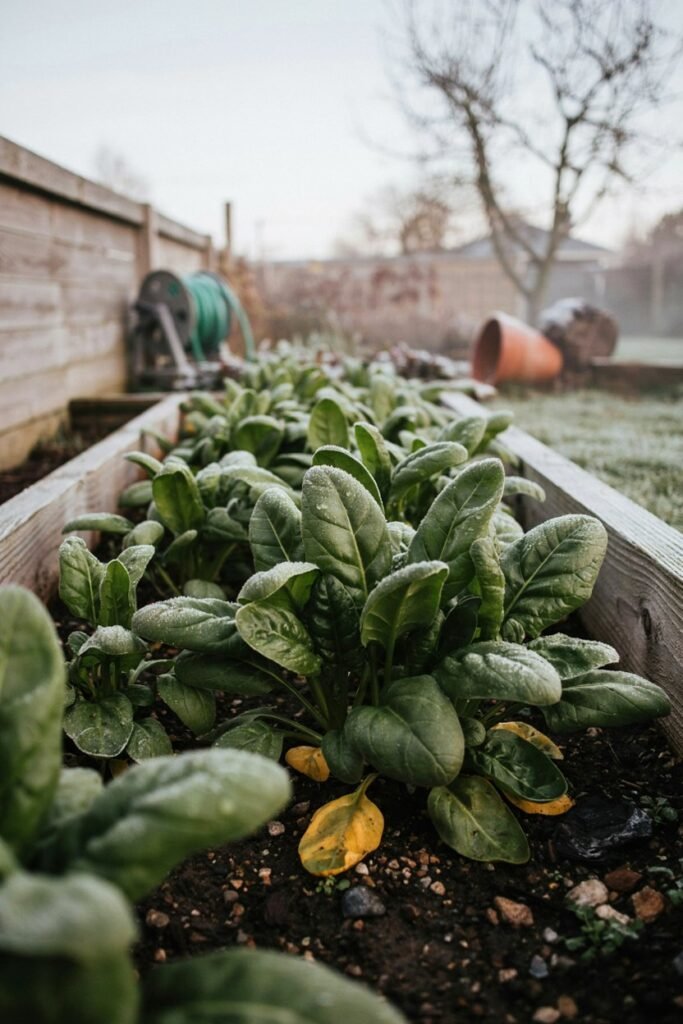
Spinach grows beautifully during cool weather and is an excellent choice for a fall or winter garden.
It can survive light frost and, depending on the variety and growing conditions, may overwinter and begin producing again when conditions improve.
For the best results, sow spinach early enough that the plants become established before severe cold arrives.
Growing tips
- Choose a sunny location.
- Keep the soil moist but not soggy.
- Harvest individual outer leaves.
- Consider growing cold-hardy savoy types for winter conditions.
Spinach is especially useful because you can harvest what you need instead of pulling up the entire plant.
3. Carrots
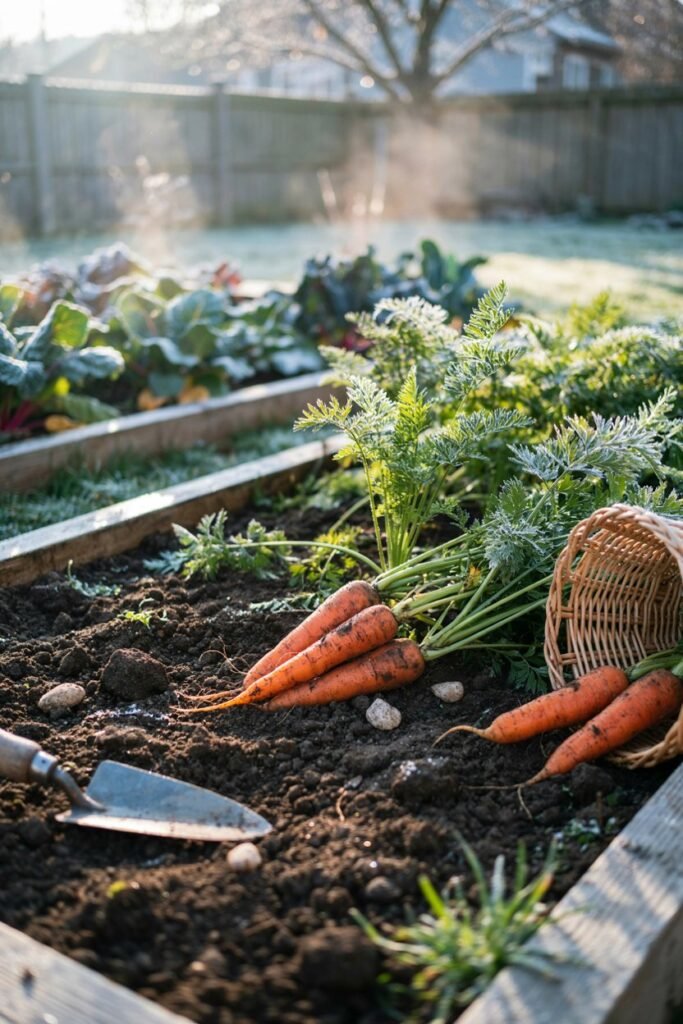
Carrots are wonderful winter vegetables because their roots can remain underground while temperatures drop.
They are considered frost-tolerant at maturity, and cold weather can make carrots taste sweeter.
The key is giving them loose soil so the roots can develop properly.
Growing tips
- Sow seeds directly into the garden.
- Avoid rocky or compacted soil.
- Keep the soil evenly moist while seeds germinate.
- Cover the soil with mulch as temperatures fall.
- Harvest as needed.
A thick layer of mulch can help protect carrots from freezing soil and makes winter harvesting easier.
4. Brussels Sprouts
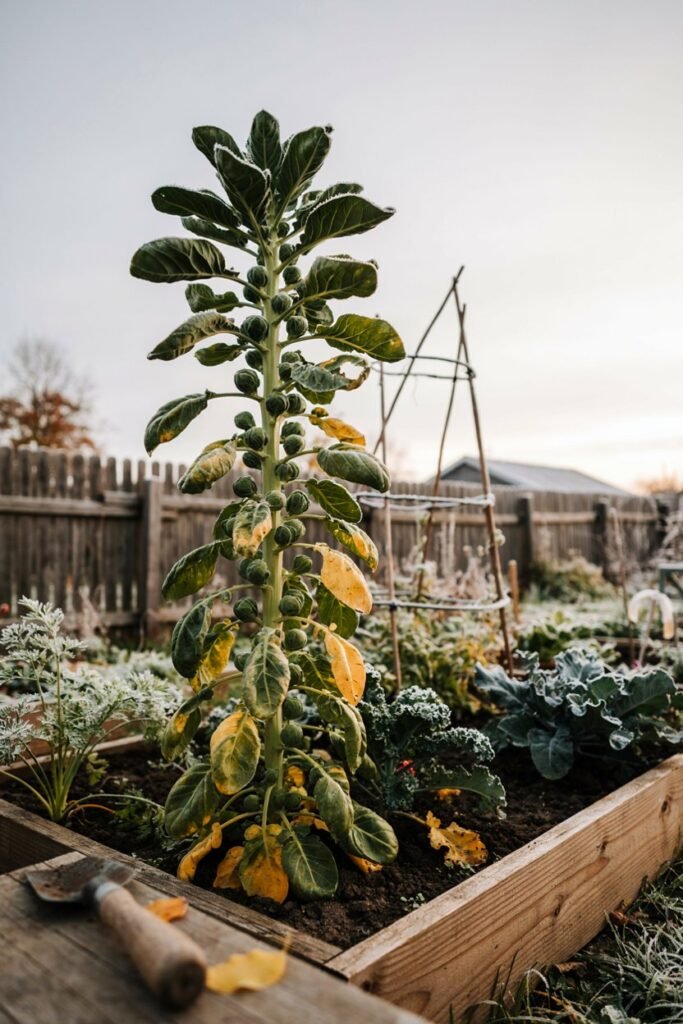
Brussels sprouts are practically made for cool weather.
They take a long time to mature, so they are generally planted early enough to produce during fall. Their flavor can improve as temperatures become cooler.
The little sprouts develop along a tall central stalk, giving you plenty to harvest over time.
Growing tips
- Give plants full sun.
- Use rich, well-draining soil.
- Water consistently.
- Provide plenty of space between plants.
- Harvest the lower sprouts first.
University of Minnesota Extension notes that Brussels sprouts can remain in the garden while temperatures stay above about 20°F (-7°C).
5. Cabbage
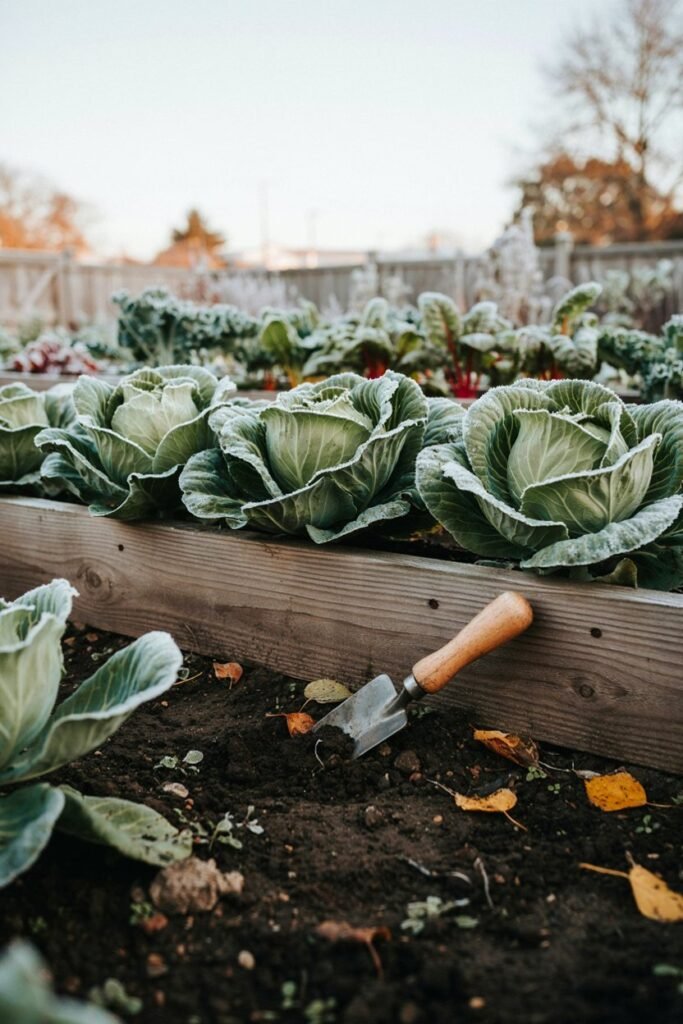
Cabbage is another dependable cold-weather vegetable.
It can tolerate frost and is classified among the hardiest cool-season crops.
Fall-grown cabbage can be especially rewarding because the cooler weather helps the heads develop without the intense heat that can stress the plants.
Growing tips
- Choose a location with plenty of sunlight.
- Plant in fertile soil.
- Water regularly.
- Give each plant enough room to form a head.
- Use mulch around the plants.
Harvest cabbage when the heads feel firm and compact.
6. Collard Greens
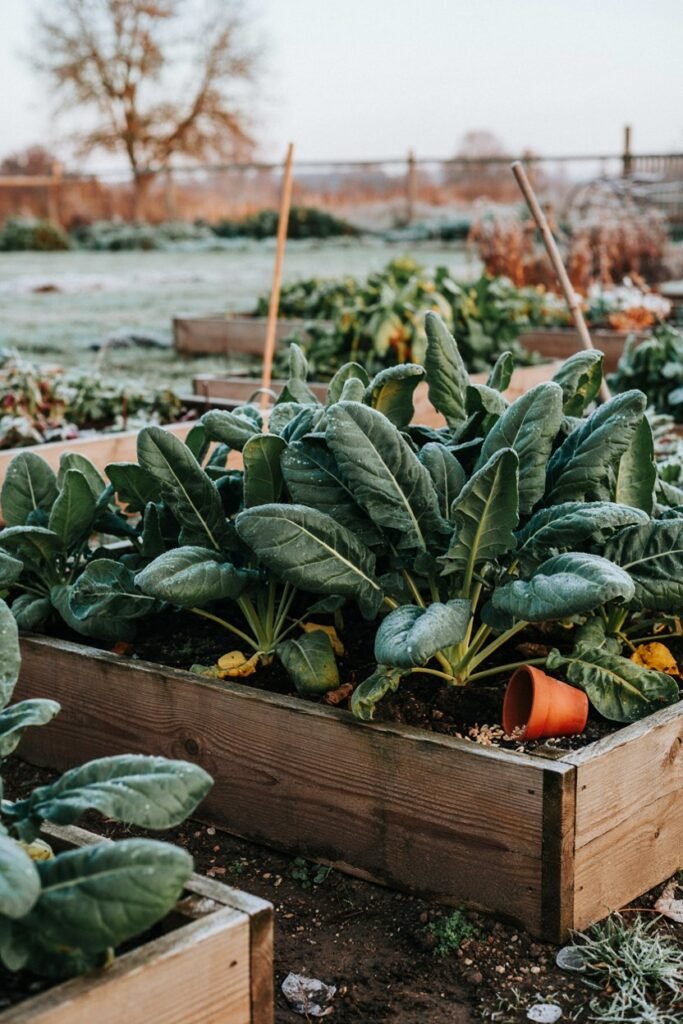
If you want a vegetable that can really handle cold weather, don’t overlook collard greens.
Collards are among the hardiest leafy vegetables and can withstand temperatures around 20°F (-7°C) under suitable conditions.
They are also excellent for repeated harvesting.
Growing tips
Pick the larger outer leaves while leaving the central growing point untouched. This allows the plant to continue producing fresh leaves.
Collards also benefit from:
- Full sun
- Fertile soil
- Consistent moisture
- Mulching
- Protection from extreme weather
7. Broccoli
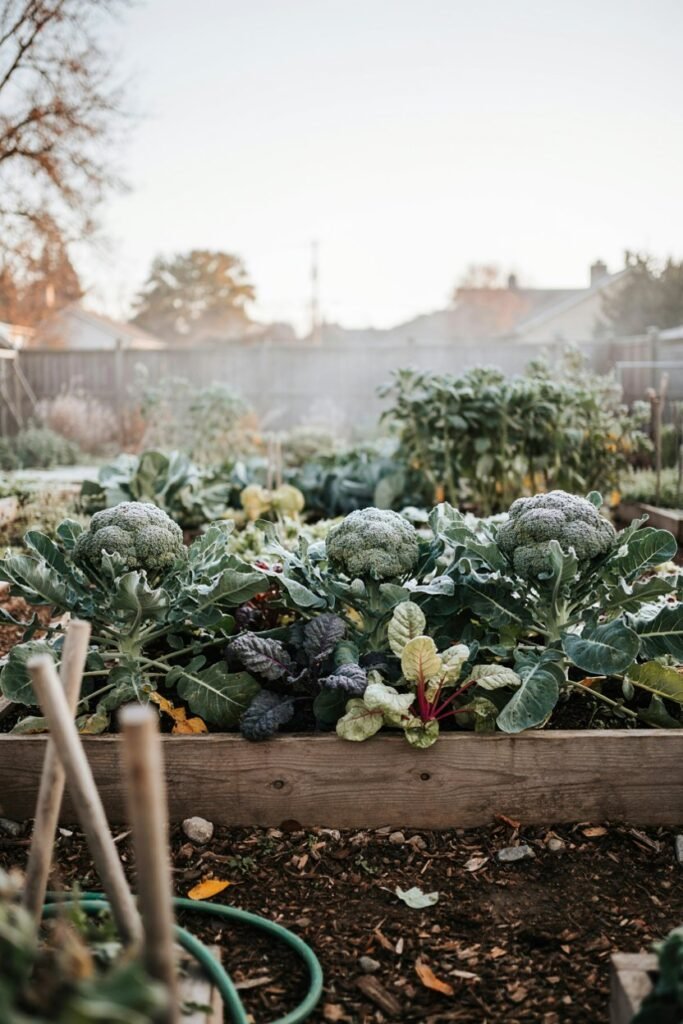
Broccoli prefers cool growing conditions and can tolerate light frost.
It is especially useful as a fall crop because cooler temperatures can help the plant produce quality heads.
Growing tips
Start broccoli early enough for the heads to mature before severe winter conditions arrive.
Keep plants watered and use mulch around their base. Once the main head is harvested, many varieties can produce smaller side shoots.
Don’t wait too long to harvest mature heads because they can eventually open into flowers.
8. Cauliflower
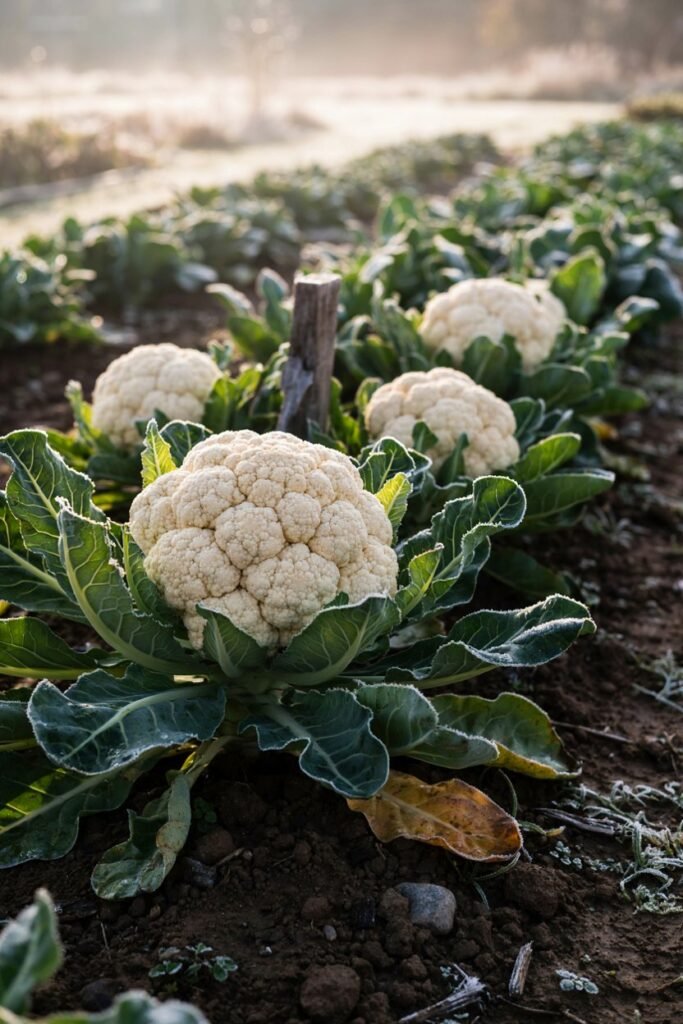
Cauliflower can tolerate light frost, although it isn’t quite as cold-hardy as kale, cabbage, or collards.
It performs best when temperatures remain cool but not extremely cold.
Growing tips
- Grow in fertile soil.
- Keep moisture consistent.
- Avoid allowing the plants to dry out.
- Give plants plenty of sunlight.
- Harvest heads while they are still firm.
Cauliflower can be a little more demanding than broccoli, but a fall crop can be very rewarding.
9. Turnips
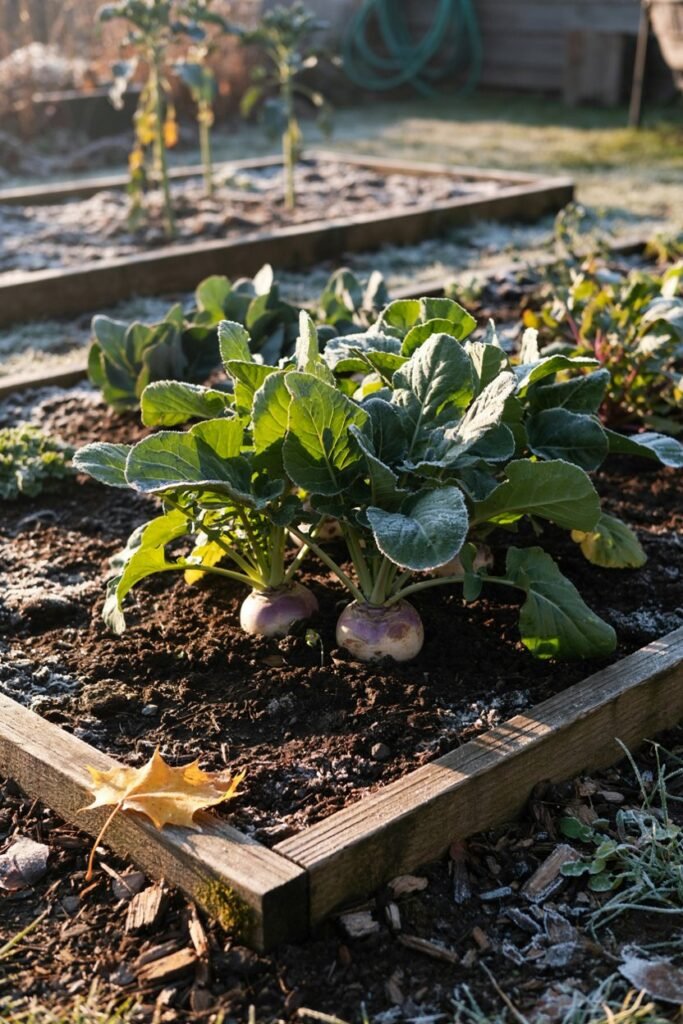
Turnips are fast-growing root vegetables that are perfect for extending the harvest season.
They tolerate light frost, and their roots can become sweeter as temperatures cool.
You can harvest both the roots and the greens.
Growing tips
Sow turnip seeds directly into loose soil. Keep them watered while they establish, then thin seedlings so the roots have enough room to develop.
A layer of mulch can provide extra protection as winter approaches.
10. Beets
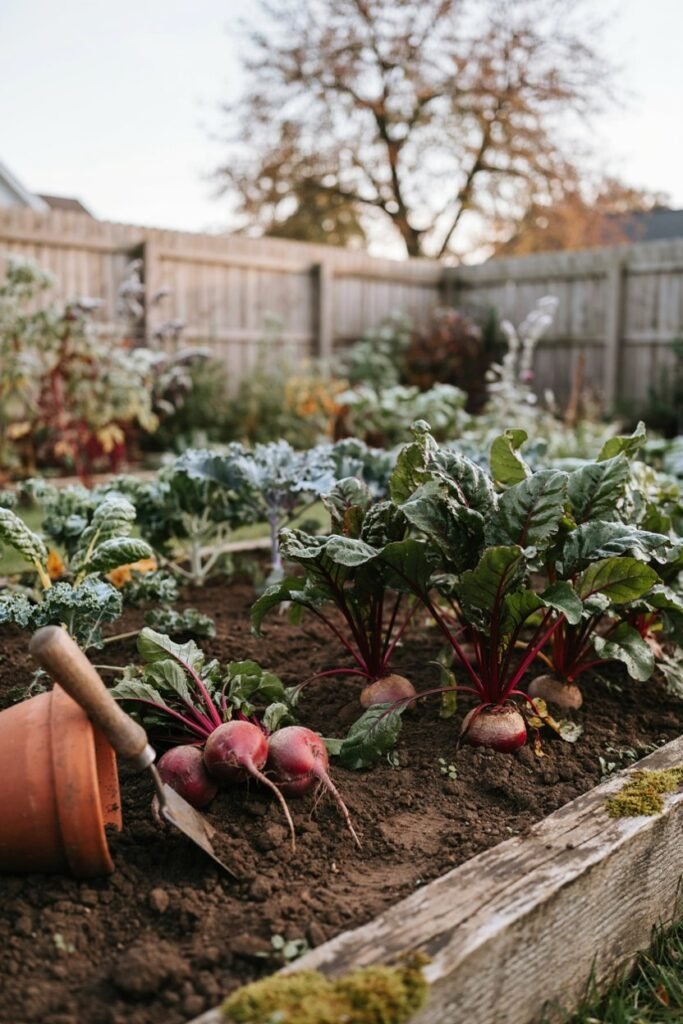
Beets are another excellent choice for a fall garden.
They tolerate cold better once established, and their roots can become sweeter in cool weather.
Don’t forget about the leafy tops. Young beet greens can be harvested and cooked just like other sturdy greens.
Growing tips
- Sow seeds directly.
- Thin crowded seedlings.
- Keep soil evenly moist.
- Add mulch before severe cold.
- Harvest roots when they reach a useful size.
Beets are especially useful for gardeners who want both a root crop and edible greens from one plant.
11. Radishes
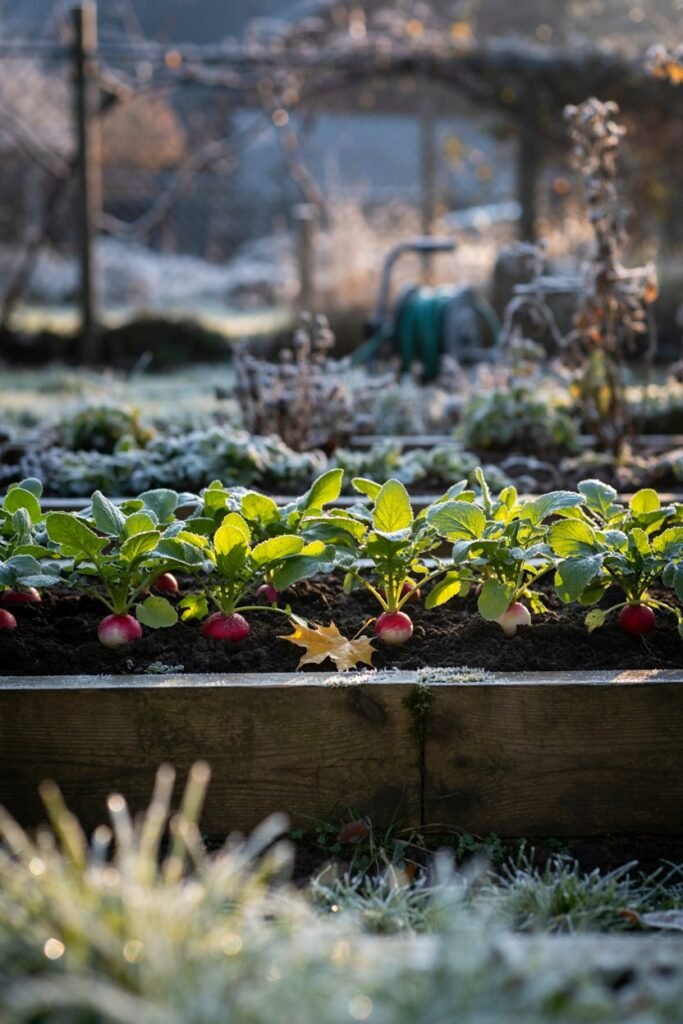
Radishes are one of the quickest vegetables to grow, making them useful for fall planting.
They tolerate frost, although extremely cold conditions will eventually freeze the soil and make harvesting difficult.
Growing tips
Sow seeds directly into the garden and keep the soil moist while they germinate.
Because radishes mature quickly, you can make several plantings during the cooler months rather than planting everything at once.
Harvest them while they are young and tender for the best texture.
12. Swiss Chard
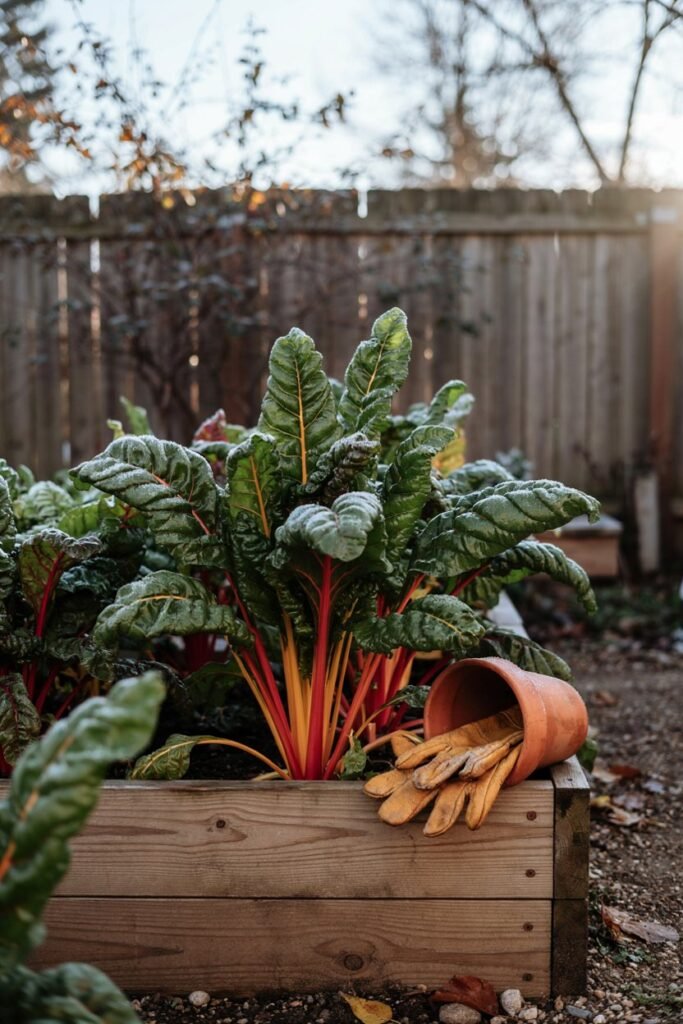
Swiss chard is a beautiful vegetable that can handle light frost.
It produces colorful stems and nutritious leaves, making it both productive and attractive in the garden. Extension guidance lists Swiss chard as tolerant of light frost.
Growing tips
Grow chard in full sun or partial shade and keep the soil consistently moist.
Harvest the outside leaves first. Avoid removing the entire plant unless you are ready to finish the crop.
In areas with mild winters, established plants may continue producing for an extended period.
13. Peas
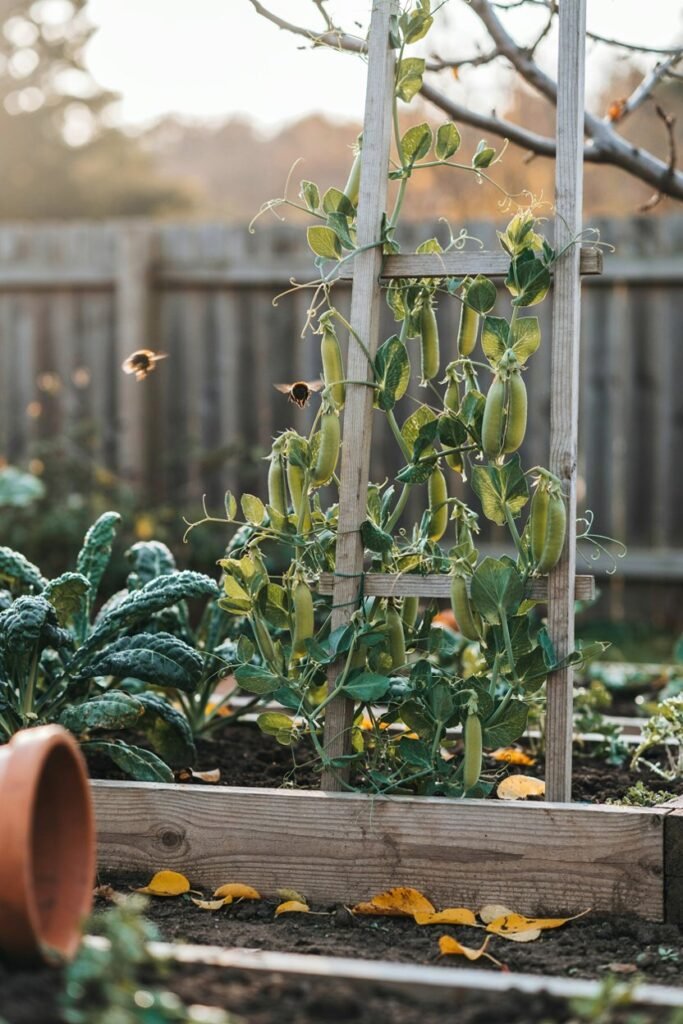
Peas are cool-season vegetables that can handle chilly weather much better than warm-season crops.
They can survive temperatures in the upper 20s°F under suitable conditions.
Snap peas and snow peas are particularly enjoyable because you can eat the pods.
Growing tips
- Plant in fertile, well-draining soil.
- Give climbing varieties a trellis.
- Keep plants watered.
- Sow early enough for them to establish before severe cold.
- Harvest pods regularly.
Peas don’t enjoy extreme heat, so fall and early spring can be excellent growing seasons in many climates.
14. Kohlrabi
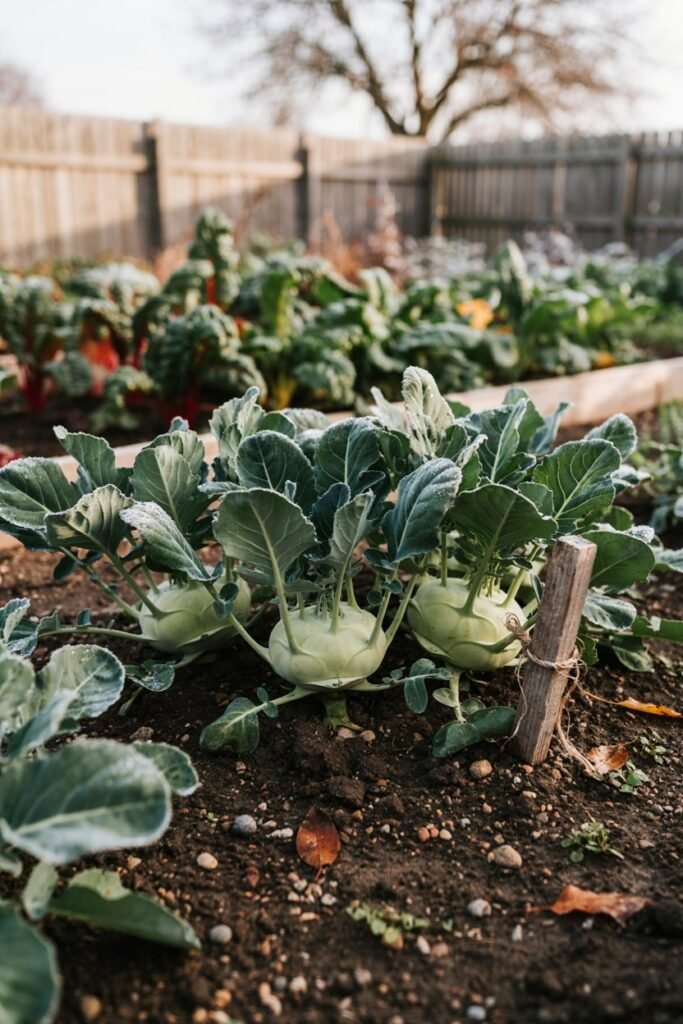
Kohlrabi is sometimes overlooked, but it is a fantastic cool-season vegetable.
It can tolerate light frost and develops its best quality during cooler growing conditions.
The swollen stem is the part most commonly harvested.
Growing tips
Give kohlrabi plenty of sunlight and fertile soil. Keep plants evenly watered and harvest when the swollen stems are still tender.
If you allow them to become oversized, they may become tougher and less enjoyable to eat.
15. Mustard Greens
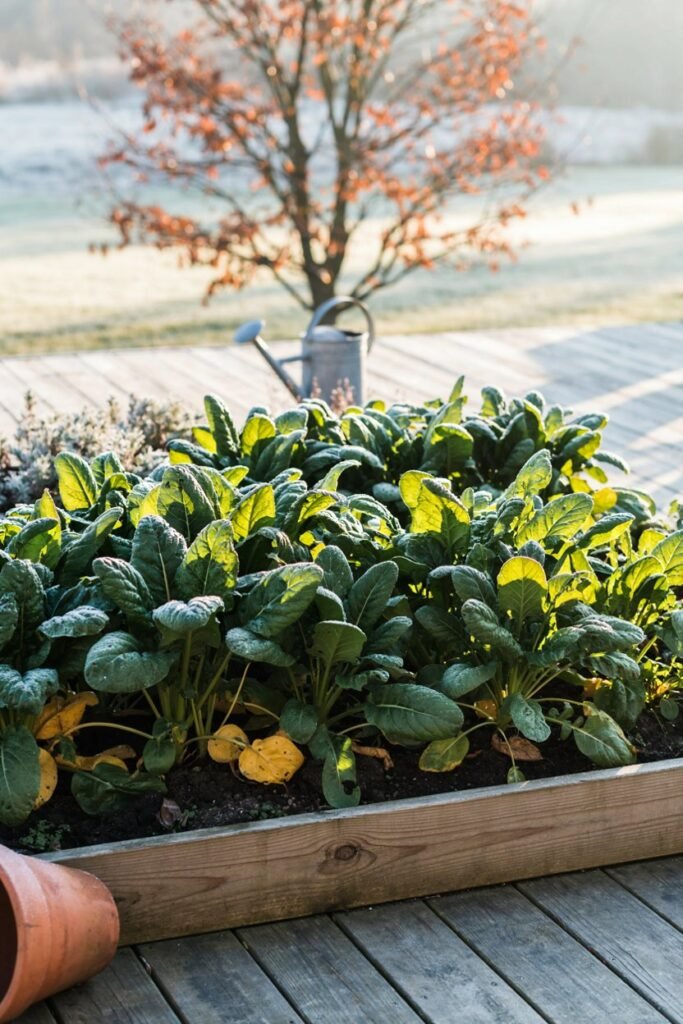
Mustard greens are fast-growing leafy vegetables that love cool weather.
They tolerate light frost and are particularly useful for fall and early spring gardens.
Their slightly peppery flavor makes them a wonderful addition to salads, soups, stir-fries, and cooked dishes.
Growing tips
Sow seeds directly into prepared soil and keep the soil moist during germination.
Harvest young leaves for a milder flavor. If you prefer stronger mustard flavor, allow the leaves to grow larger before harvesting.
How to Protect Your Winter Vegetable Garden
Even cold-hardy vegetables have limits. A vegetable being frost-tolerant does not mean it can survive every freezing temperature or prolonged exposure to severe cold.
Here are a few simple ways to give your plants extra protection.
1. Add Mulch
Mulch is one of the easiest ways to protect the soil.
Use materials such as:
- Clean straw
- Shredded leaves
- Compost
- Herbicide-free grass clippings
A layer of mulch helps moderate soil temperature and can reduce rapid temperature changes around plant roots.
2. Use Row Covers
Lightweight row covers can provide additional protection when frost is expected.
They are particularly useful for leafy greens and other crops that tolerate cool weather but may struggle during a sudden temperature drop.
Make sure plants have adequate ventilation when temperatures rise.
3. Choose the Right Planting Time
Timing is just as important as choosing a cold-hardy vegetable.
Planting too late may leave crops too small to withstand winter. Planting too early can expose young plants to heat that causes stress or poor-quality growth.
For fall crops, check the expected first frost date for your area and work backward based on the crop’s days to maturity.
4. Water Before a Frost
If the soil is dry before a predicted frost, giving the garden a good watering can help because moist soil generally holds more heat than dry soil.
However, avoid creating waterlogged conditions. Your vegetables still need well-draining soil.
5. Harvest Regularly
Don’t wait until the entire garden is ready to harvest.
Pick mature leaves, roots, and vegetables regularly. This encourages you to keep checking your garden and lets you enjoy crops at their best.
Tips for Planning a Winter Vegetable Garden
You don’t need a huge garden to grow winter vegetables.
A small raised bed, container garden, or sunny section of your backyard can produce plenty of cold-season food.
Start with easy crops
If this is your first winter garden, begin with:
- Kale
- Spinach
- Radishes
- Carrots
- Turnips
- Collards
These are relatively straightforward choices for extending the growing season.
Grow a mixture of crops
I like combining leafy greens with root vegetables.
For example, you could grow kale and spinach alongside carrots and radishes. This gives you vegetables that can be harvested at different times rather than having everything ready at once.
Leave some crops in the ground
Root vegetables such as carrots and beets can sometimes be left in the garden longer with adequate protection. Cold weather can also improve the sweetness of several root crops.
Don’t forget sunlight
Winter sunlight is weaker than summer sunlight, so choose the sunniest location available.
Avoid placing your winter vegetable garden underneath dense trees or beside structures that block the low winter sun.
Final Thoughts
A cold-weather garden doesn’t have to be complicated. Once you choose vegetables that naturally tolerate cool temperatures, growing food through fall and winter becomes much easier.
Kale, spinach, carrots, Brussels sprouts, cabbage, collards, and the other vegetables on this list can help keep your garden productive after summer crops have disappeared.
My biggest tip is to start early enough. Give your vegetables time to establish healthy roots before the coldest weather arrives, then use mulch or row covers when extra protection is needed.
With a little planning, those chilly months can become one of the most rewarding times in your vegetable garden.
