
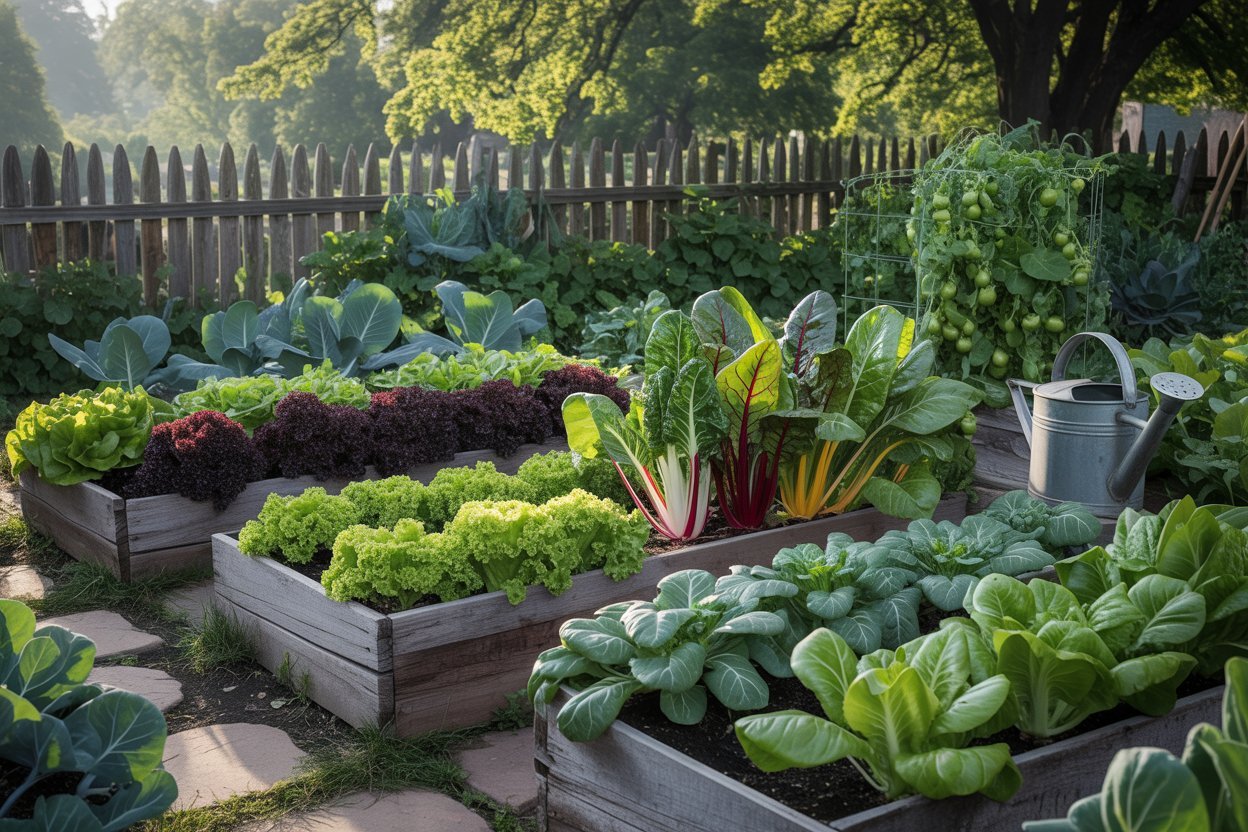

Gardening taught me very early that sunshine is not always easy to come by.
Between tall fences, shady balconies, mature trees, and cloudy corners of the yard, I used to think those dim spots were simply wasted growing space.
For years, I focused all my attention on the brightest beds in the garden while the shaded areas sat empty and forgotten.
Then one spring, I decided to experiment.
I tucked a few lettuce seedlings beneath a fruit tree where the afternoon light barely reached. I planted spinach beside the north side of the fence.
A row of kale went into a spot that only received morning sun. To my surprise, those vegetables didn’t just survive many of them actually thrived.
That little experiment completely changed the way I garden.
Some vegetables genuinely prefer cooler temperatures and softer light. In fact, too much harsh afternoon sun can make certain crops bolt, wilt, or turn bitter far too quickly. Shade gardening opened up an entirely new world for me, especially during hot summers when tender greens struggle in full sun.
If your garden has shady patches, don’t worry. You can still grow an abundant, productive vegetable garden. You simply need to choose the right crops and understand how shade affects growth.
In this guide, I’m sharing 17 vegetables that grow beautifully in partial shade, along with practical growing tips, lessons I’ve learned firsthand, and ways to get the best harvest possible from those cooler corners of the garden.
Understanding Shade in the Garden
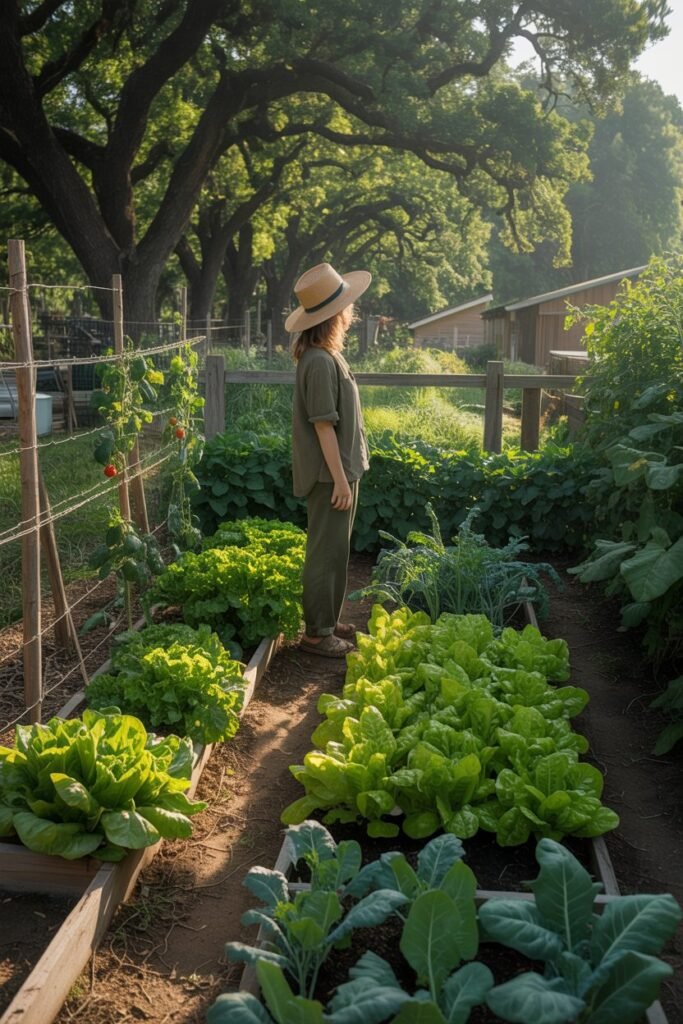
Before planting shade-loving vegetables, it helps to understand what “shade” actually means in gardening.
Most vegetables need at least 6–8 hours of direct sunlight daily. However, many leafy vegetables and root crops grow perfectly well with much less.
Here are the common types of garden shade:
Light Shade
Areas that receive filtered sunlight through trees or open fencing.
Partial Shade
Spaces that get around 3–6 hours of direct sunlight each day.
Dappled Shade
Sunlight that shifts throughout the day beneath tree branches.
Full Shade
Areas with less than 3 hours of direct sun. Very few vegetables perform well here.
From my experience, partial shade is the sweet spot for many cool-season vegetables. The soil stays moist longer, plants suffer less heat stress, and leafy greens remain tender much longer into summer.
1. Lettuce
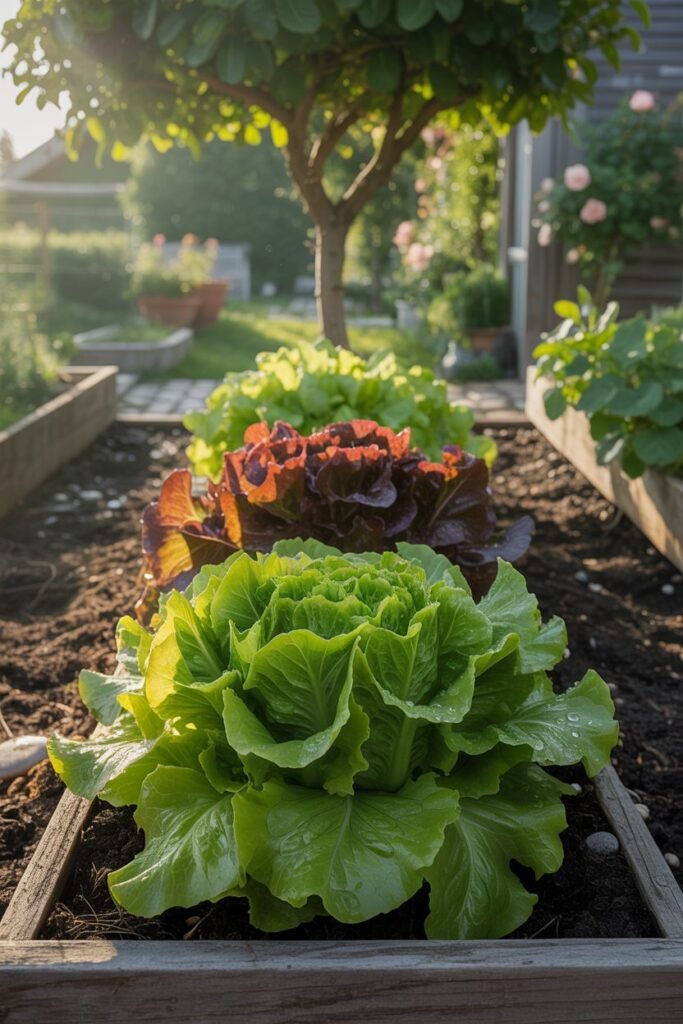
Lettuce completely changed the way I viewed shady gardens. I used to struggle with bitter leaves and fast bolting every summer until I tried growing it in a cooler corner beneath a small tree. The difference was unbelievable.
The leaves stayed soft, sweet, and productive for weeks longer. Now, whenever I have a partially shaded spot, lettuce is always one of the first vegetables I plant there.
Why Lettuce Grows Well in Shade
Lettuce naturally prefers cool temperatures and gentle sunlight. Too much intense heat causes stress, bitterness, and rapid bolting. Partial shade helps maintain cooler soil temperatures and slows down the plant’s urge to flower too early.
Best Lettuce Types for Shade
- Butterhead lettuce
- Romaine lettuce
- Loose leaf lettuce
- Oakleaf lettuce
Growing Tips
- Keep soil consistently moist
- Add compost before planting
- Harvest outer leaves regularly
- Plant every few weeks for continuous harvests
2. Spinach
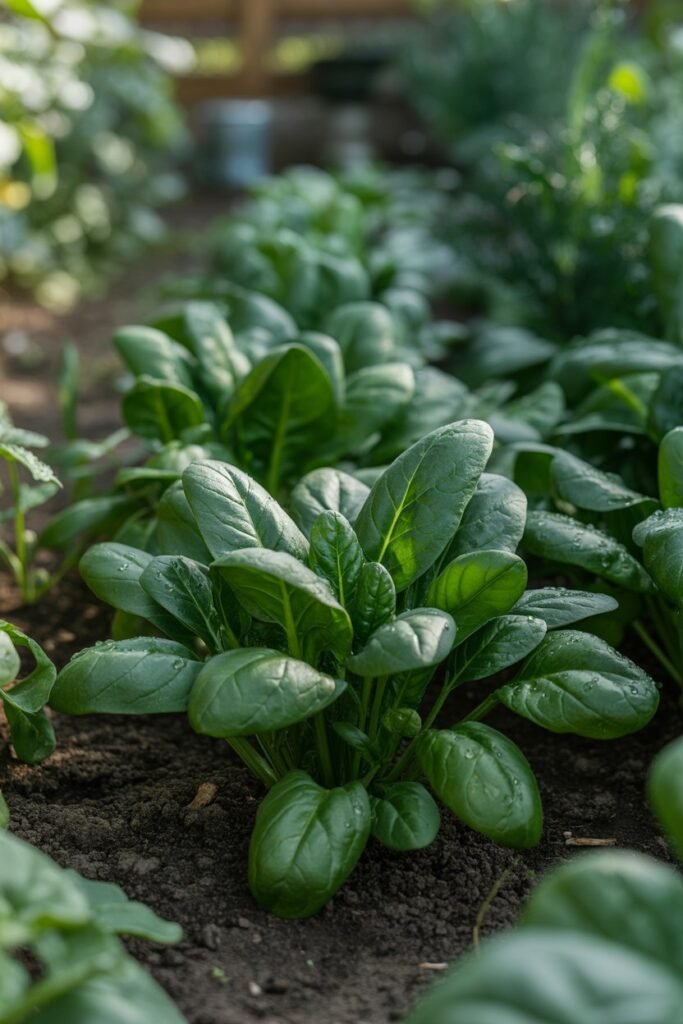
Spinach has always been one of my favorite vegetables to grow during cooler months because it practically thrives in soft light.
The first time I planted spinach in partial shade, I noticed how much healthier and greener the leaves looked compared to the ones growing in direct sun.
Instead of bolting quickly during warm weather, the plants remained lush, tender, and productive for much longer than I expected.
Why Spinach Loves Shade
Spinach prefers cooler growing conditions and often struggles in heat. Shade protects the plants from stress and helps extend the harvest season significantly.
Best Growing Conditions
- Rich fertile soil
- Consistent moisture
- Cool temperatures
- Morning sunlight with afternoon shade
Helpful Growing Tips
- Mulch around plants
- Harvest leaves frequently
- Avoid dry soil
- Sow seeds early in spring and fall
3. Kale
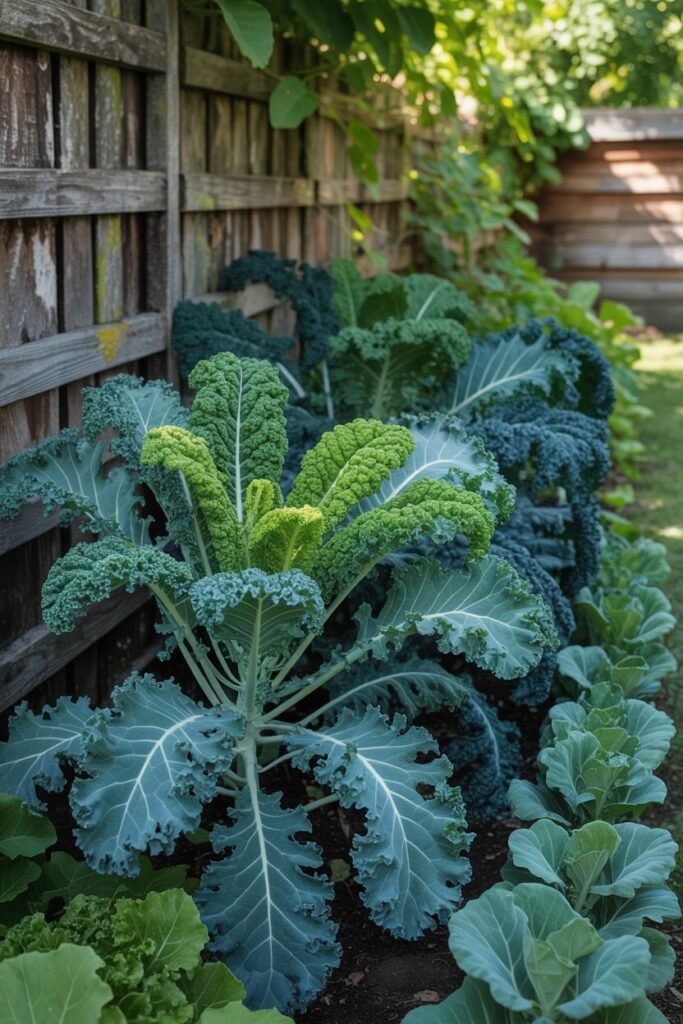
Kale is one of the toughest vegetables I’ve ever grown, and it performs beautifully even in less sunny spaces. Some of my healthiest kale plants actually grew beside a fence where they only received morning sunlight.
The cooler temperatures kept the leaves incredibly tender and sweet. Even during warmer months, kale continues producing steadily in partial shade without showing much stress at all.
Why Kale Tolerates Shade
Kale adapts well to lower light conditions because it focuses heavily on leafy growth rather than fruit production. Cooler temperatures also improve its flavor.
Best Varieties
- Curly kale
- Lacinato kale
- Red Russian kale
Growing Tips
- Feed plants regularly
- Harvest older leaves first
- Water deeply during dry weather
- Space plants properly for airflow
4. Swiss Chard
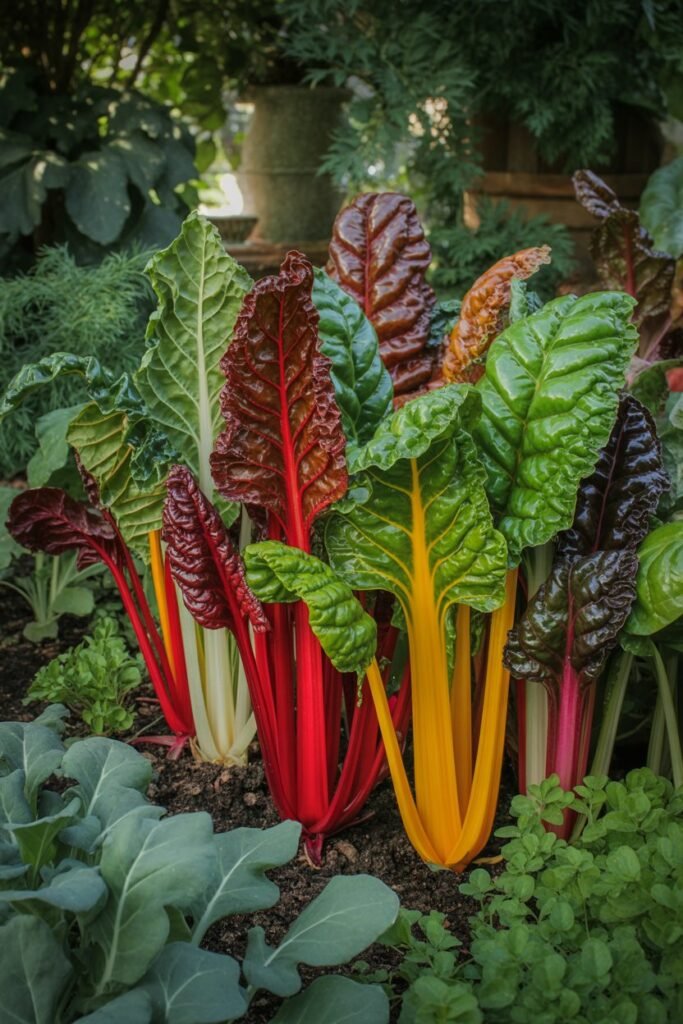
Swiss chard became one of my favorite shade vegetables simply because it grows so reliably. Even when other vegetables struggled during hot weather, chard continued producing colorful leaves without much effort.
I especially love planting rainbow chard in shady corners because the vibrant stems brighten up darker spaces beautifully. It’s one of those dependable vegetables that keeps rewarding you all season long.
Why Swiss Chard Grows Well in Shade
Swiss chard tolerates reduced sunlight better than many vegetables and continues producing leafy growth steadily in cooler conditions.
Best Conditions
- Moist fertile soil
- Partial shade
- Regular watering
- Good drainage
Growing Advice
- Harvest outer leaves first
- Add compost monthly
- Water consistently
- Mulch around plants
5. Arugula
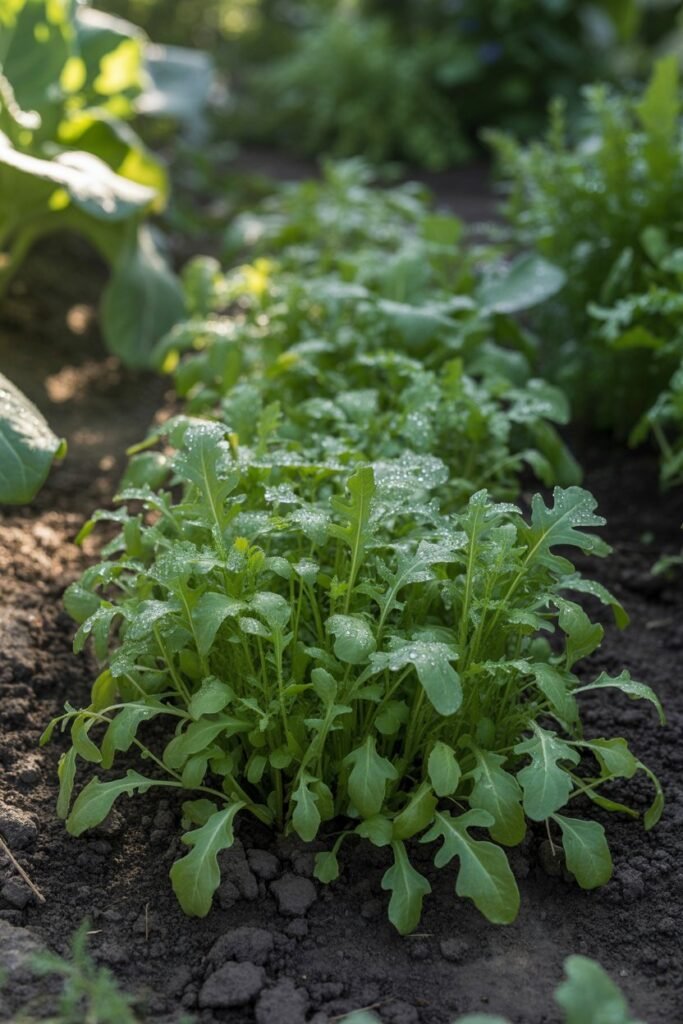
Arugula grows incredibly fast, and I’ve noticed it tastes much better when grown in partial shade. In full summer sun, the leaves often become overly spicy and bitter within days.
Once I started planting arugula in cooler shaded beds, the flavor became milder and more enjoyable. It’s now one of my favorite quick-growing greens for filling small empty spaces around the garden.
Why Arugula Prefers Shade
Shade slows bolting and helps maintain tender flavorful leaves. Cooler conditions improve both texture and taste.
Best Growing Tips
- Sow seeds directly
- Keep soil moist
- Harvest leaves young
- Plant successively every few weeks
Ideal Growing Seasons
- Spring
- Early summer
- Fall
6. Radishes
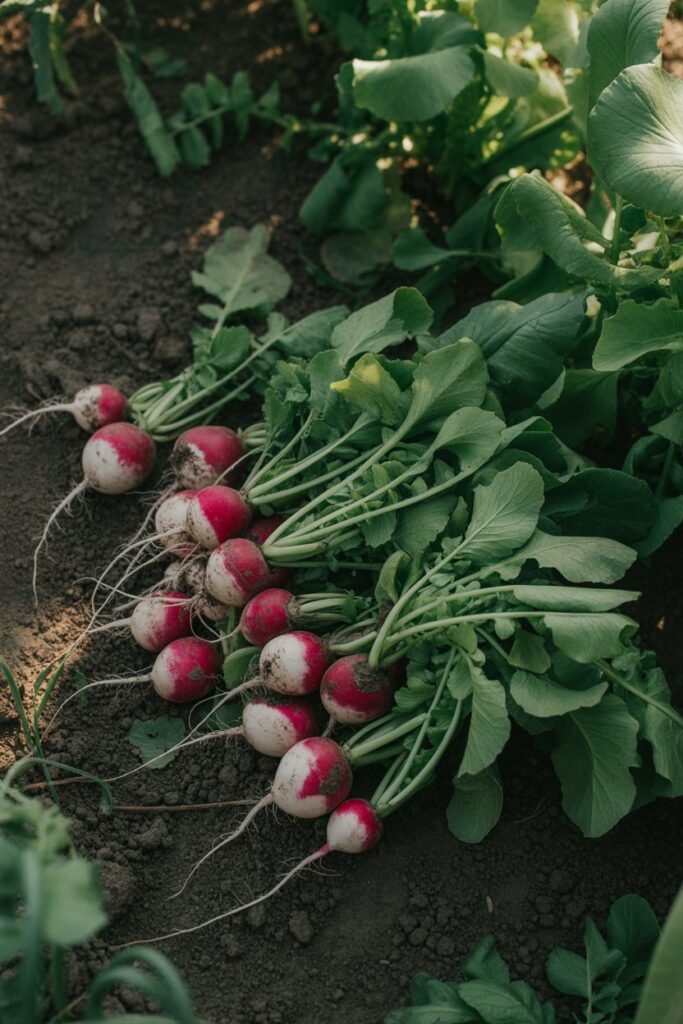
Radishes surprised me when I first tried growing them in partial shade. I expected tiny roots and poor harvests, but instead I ended up with crisp, tender radishes that tasted less spicy than usual.
While they may mature slightly slower in lower light, the cooler temperatures help prevent woody roots. They’re especially useful for squeezing into small shaded gaps beneath taller vegetables.
Why Radishes Handle Shade Well
Cool shaded conditions help radishes stay crisp and tender while reducing the risk of bitterness and splitting.
Growing Tips
- Use loose soil
- Thin seedlings properly
- Keep moisture consistent
- Harvest before roots become oversized
Best Shade Conditions
Partial shade with several hours of morning sun works best.
7. Beets
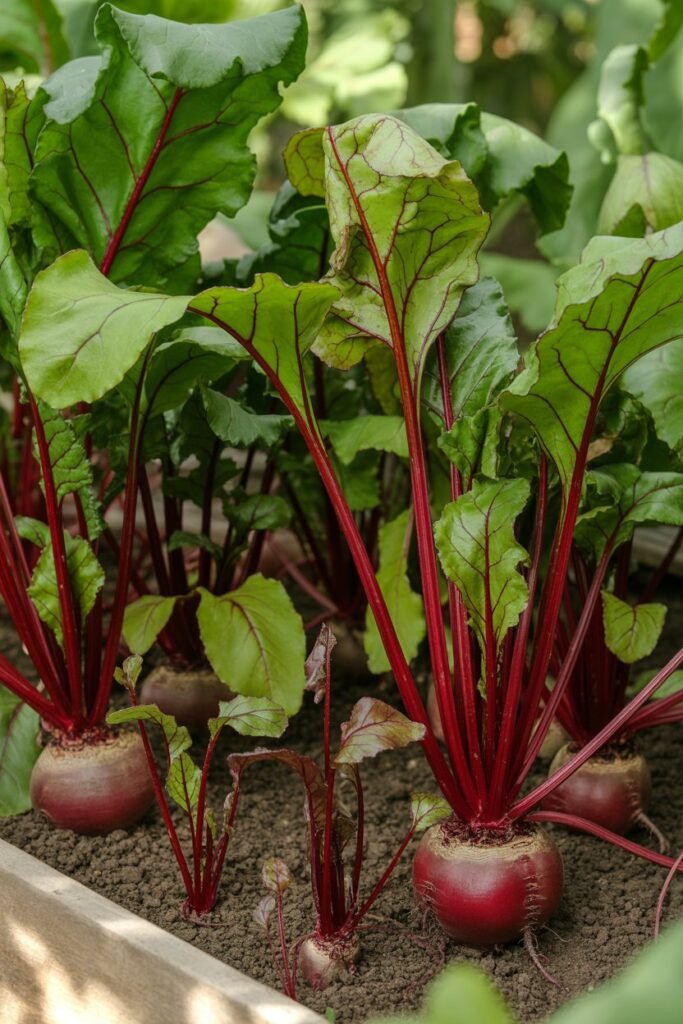
Beets taught me that root vegetables can still perform surprisingly well without full sun. Although the roots may stay a little smaller in shady beds, the leafy tops become incredibly lush and delicious.
I often harvest the greens regularly while waiting for the roots to mature. Growing beets in cooler shaded areas also seems to improve their sweetness and overall texture in my experience.
Why Beets Grow in Shade
Beets tolerate moderate shade because they don’t demand intense sunlight for healthy root development.
Helpful Growing Tips
- Thin seedlings early
- Water evenly
- Harvest greens regularly
- Use compost-rich soil
Extra Benefit
You get both edible roots and nutrient-rich greens from one plant.
8. Carrots
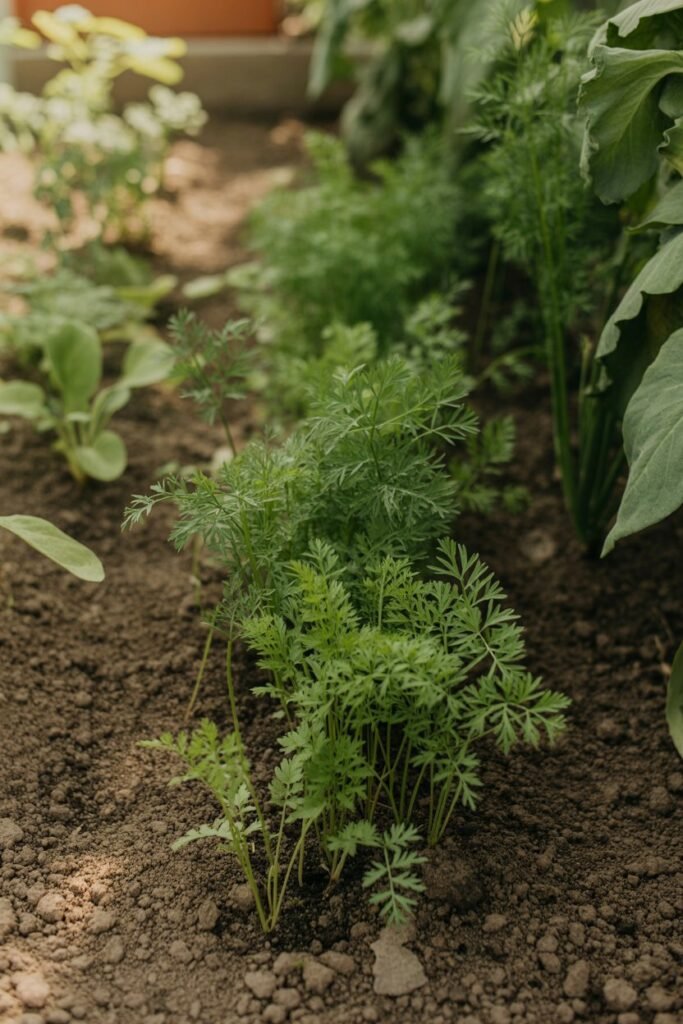
Carrots may take slightly longer to mature in partial shade, but I’ve found the flavor is often sweeter and more delicate. Cooler soil temperatures help the roots develop slowly and evenly without becoming tough.
One season, I planted carrots beside taller beans that blocked afternoon sunlight, and the harvest turned out surprisingly beautiful, straight, and tender despite the reduced light.
Why Carrots Tolerate Shade
Carrots adapt well to cooler conditions and can still form healthy roots with moderate sunlight.
Growing Tips
- Use deep loose soil
- Keep soil consistently moist
- Thin seedlings carefully
- Avoid rocky ground
Best Conditions
Morning sunlight with afternoon shade works beautifully.
9. Green Onions
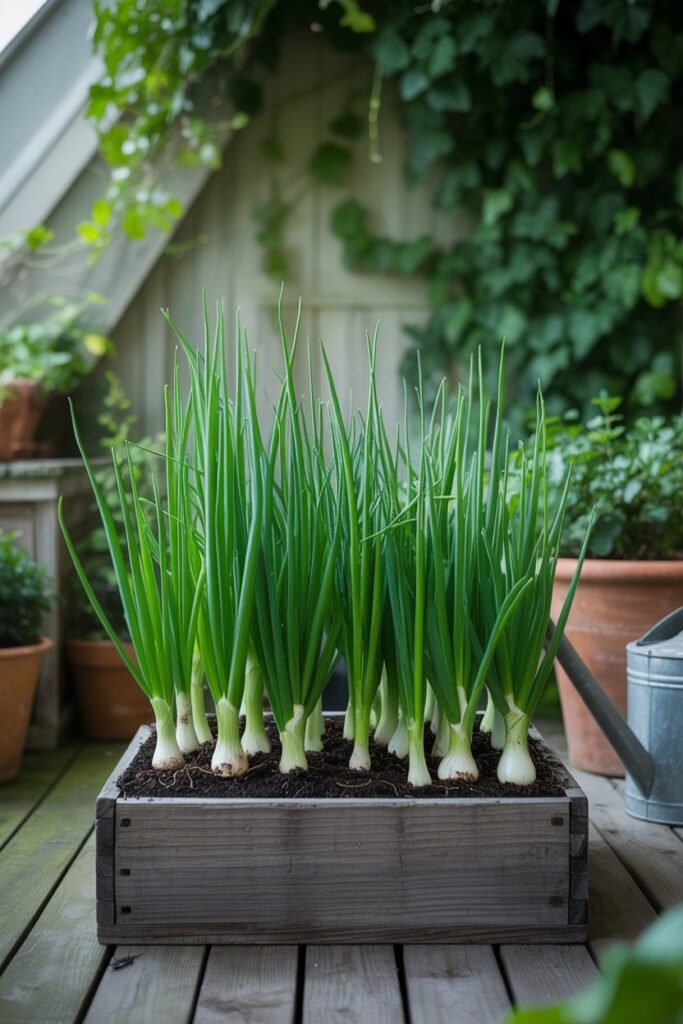
Green onions are one of the easiest vegetables I’ve ever grown in shady spaces. They don’t seem overly picky about sunlight, and they fit almost anywhere in the garden.
I often plant them along pathways, beside raised beds, or in containers sitting on shaded patios. Even with limited light, they continue producing slender flavorful stalks that are perfect for everyday cooking.
Why Green Onions Grow Well in Shade
Their compact growth habit and low sunlight requirements make them excellent for partially shaded gardens.
Growing Advice
- Plant closely together
- Water lightly but consistently
- Harvest often
- Feed occasionally with compost
Extra Tip
Regrow kitchen scraps easily in shady containers.
10. Peas
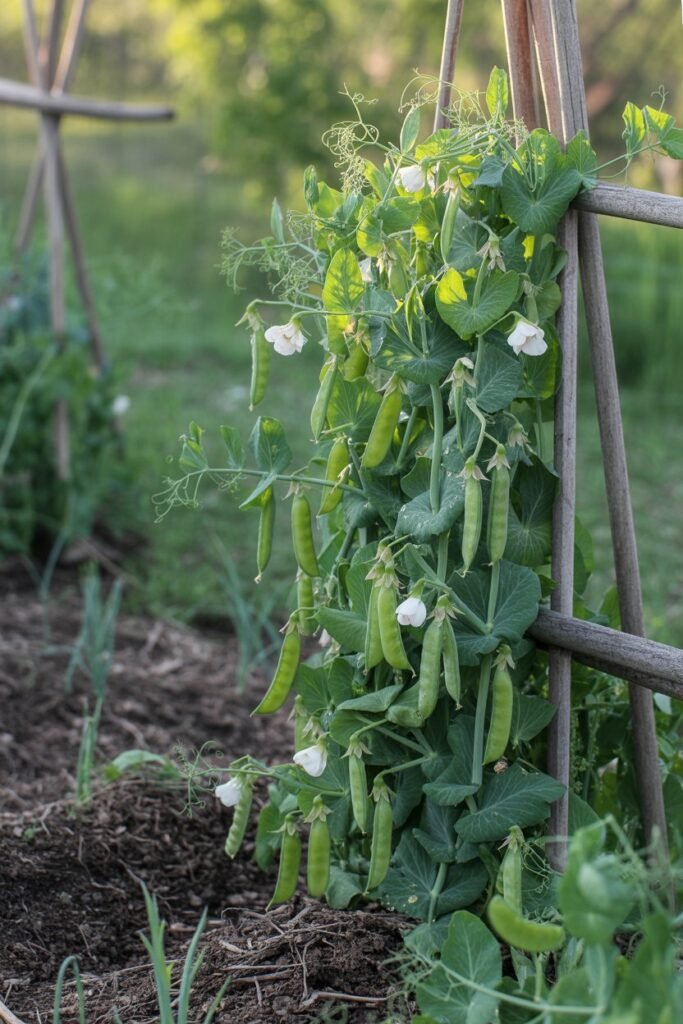
Peas absolutely love cooler weather, which makes partial shade surprisingly beneficial. One unusually hot spring taught me this lesson clearly when my shaded pea plants outperformed every vine growing in full sun.
The cooler temperatures helped extend the harvest season significantly. Instead of drying out quickly, the vines remained productive, healthy, and packed with sweet pods for several extra weeks.
Why Peas Benefit From Shade
Shade keeps temperatures cooler and prevents plants from suffering during unexpected heat.
Best Growing Conditions
- Cool weather
- Moist soil
- Strong support structures
- Morning sunlight
Growing Tips
- Use trellises
- Harvest pods frequently
- Water deeply
- Mulch around roots
11. Broccoli
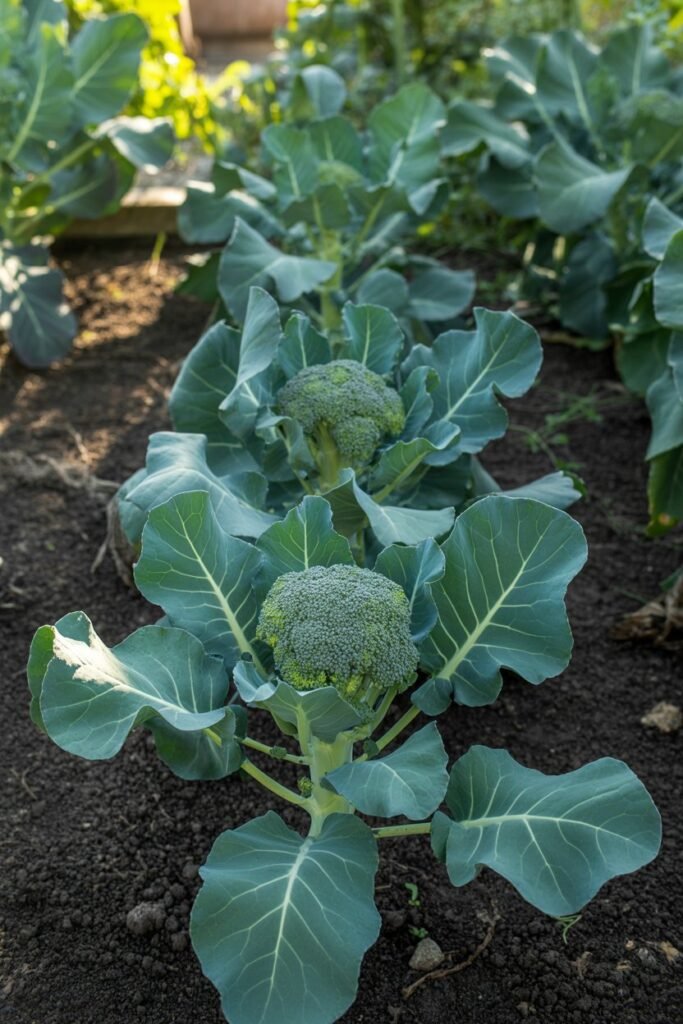
Broccoli can struggle badly during hot weather, which is why I’ve had better success growing it in partially shaded beds. The cooler conditions help the plants develop slowly and steadily without bolting too quickly.
Although the heads may occasionally stay smaller than full-sun broccoli, the flavor is often sweeter and the plants remain healthier overall throughout the growing season.
Why Broccoli Handles Shade
Broccoli prefers cooler temperatures and benefits from protection against harsh afternoon heat.
Helpful Growing Tips
- Add compost regularly
- Keep soil moist
- Mulch heavily
- Space plants properly
Best Shade Situation
Morning sun with afternoon protection gives excellent results.
12. Cauliflower
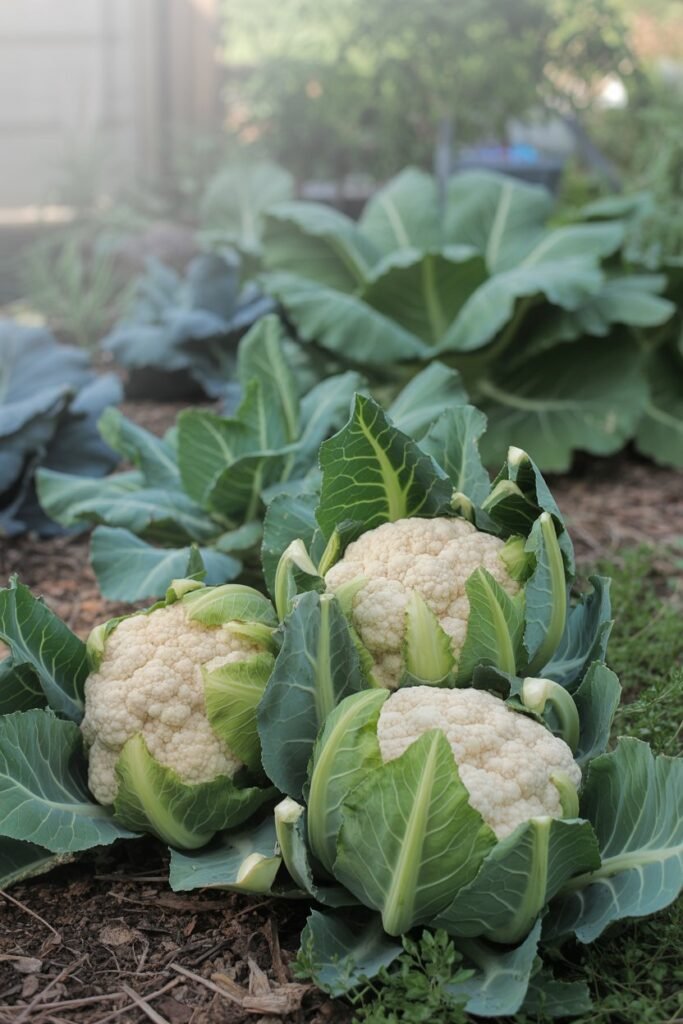
Cauliflower has a reputation for being difficult, but partial shade actually helped me grow healthier heads. In hot weather, full sun often stresses the plants and causes uneven growth.
Once I moved cauliflower into a cooler section of the garden, the heads developed more slowly and beautifully. The shade helped maintain moisture levels while protecting the plants from intense summer heat.
Why Cauliflower Prefers Cooler Conditions
Shade reduces heat stress and supports slow steady growth for compact tender heads.
Growing Tips
- Water consistently
- Use fertile soil
- Avoid temperature swings
- Mulch heavily
Extra Advice
Plant during cooler seasons whenever possible.
13. Cabbage
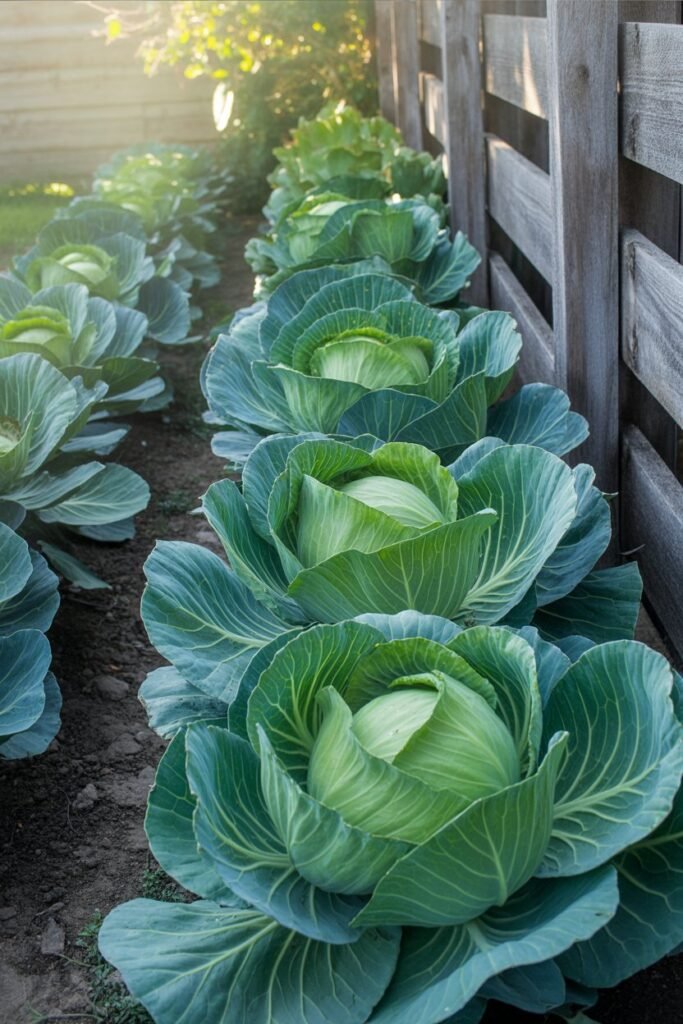
Cabbage performs wonderfully in partial shade, especially during warm summers. I once planted a row beside a wooden fence where they only received soft morning sunlight, and they grew beautifully.
The leaves stayed healthy and crisp without scorching. Cooler shaded conditions also seemed to reduce stress on the plants, allowing them to mature slowly and develop dense flavorful heads over time.
Why Cabbage Grows Well in Shade
Cabbage enjoys cool temperatures and tolerates reduced sunlight better than many vegetables.
Helpful Tips
- Water deeply
- Watch for slugs
- Feed plants regularly
- Space properly for airflow
Best Conditions
Cool moist soil and partial shade produce the healthiest heads.
14. Mustard Greens
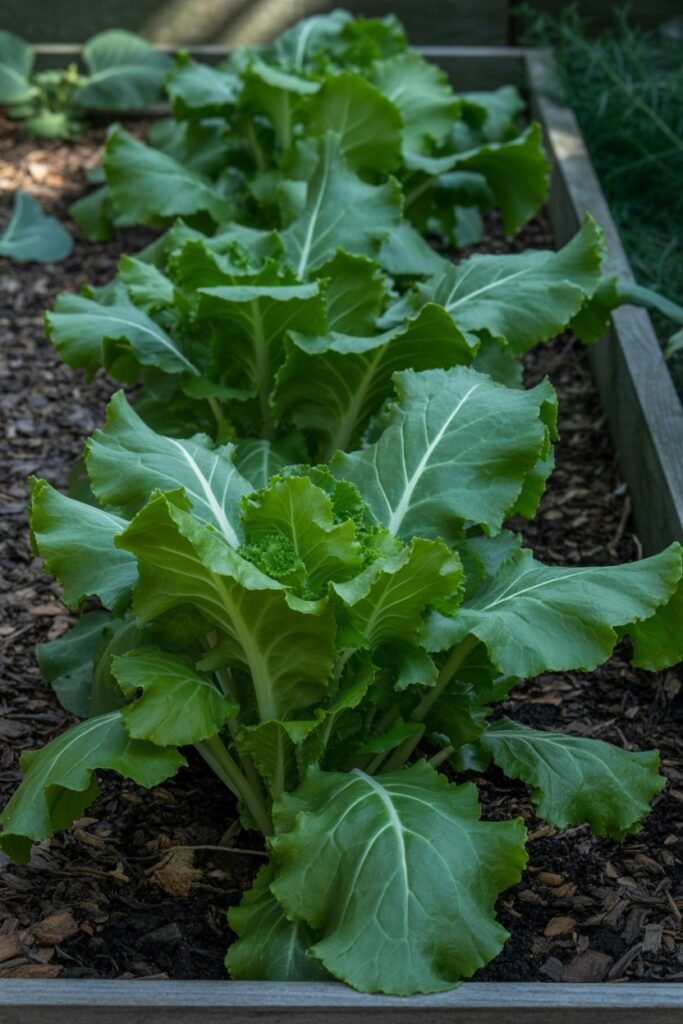
Mustard greens grow quickly and vigorously in cooler shaded gardens. I’ve learned that growing them in full summer sun often creates overly spicy leaves that become tough very fast. Partial shade softens the flavor and keeps the foliage tender longer.
They’re one of my favorite leafy greens for continuous harvesting because they regrow quickly after cutting and require very little maintenance overall.
Why Shade Improves Mustard Greens
Cooler temperatures slow bolting and create milder more tender leaves.
Growing Advice
- Harvest leaves young
- Water regularly
- Sow seeds successively
- Use rich soil
Best Seasons
Spring and fall are ideal for growing mustard greens.
15. Bok Choy
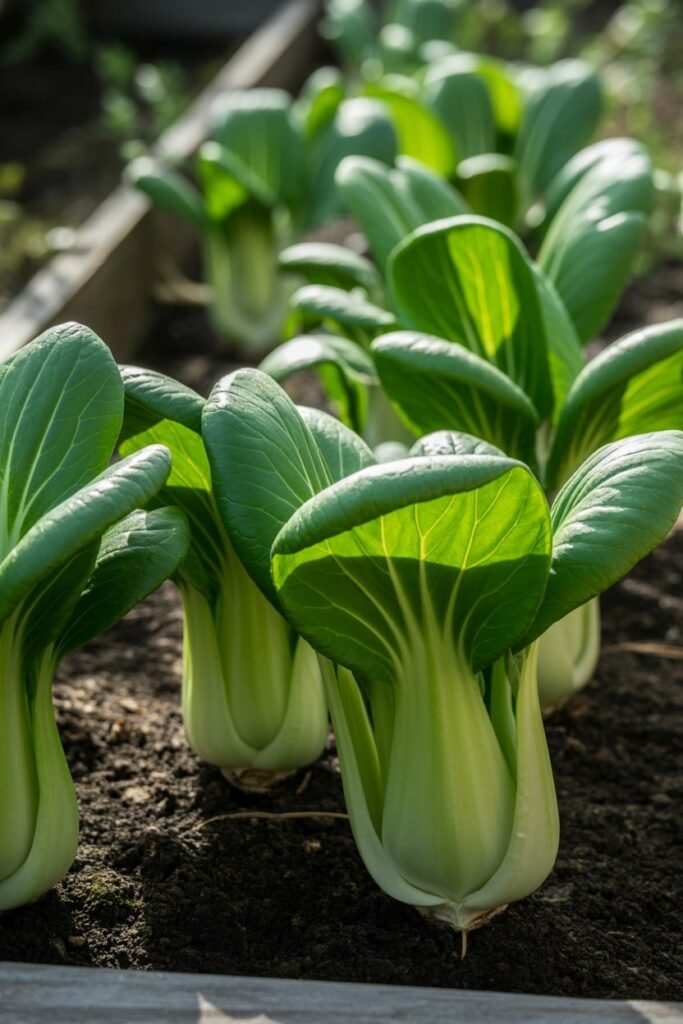
Bok choy became one of my favorite shade vegetables after repeated failures in hot sunny beds.
Every time temperatures climbed, the plants bolted almost instantly. In partial shade, though, they stayed compact, crisp, and productive much longer.
The stems developed beautifully while the leaves remained tender and flavorful. It’s now one of the first vegetables I plant in cooler shaded garden spaces.
Why Bok Choy Loves Shade
Shade protects bok choy from heat stress and prevents rapid bolting.
Helpful Growing Tips
- Keep soil consistently moist
- Plant in cool seasons
- Harvest before extreme heat
- Mulch around plants
Best Growing Conditions
Cool weather and filtered sunlight work best.
16. Celery
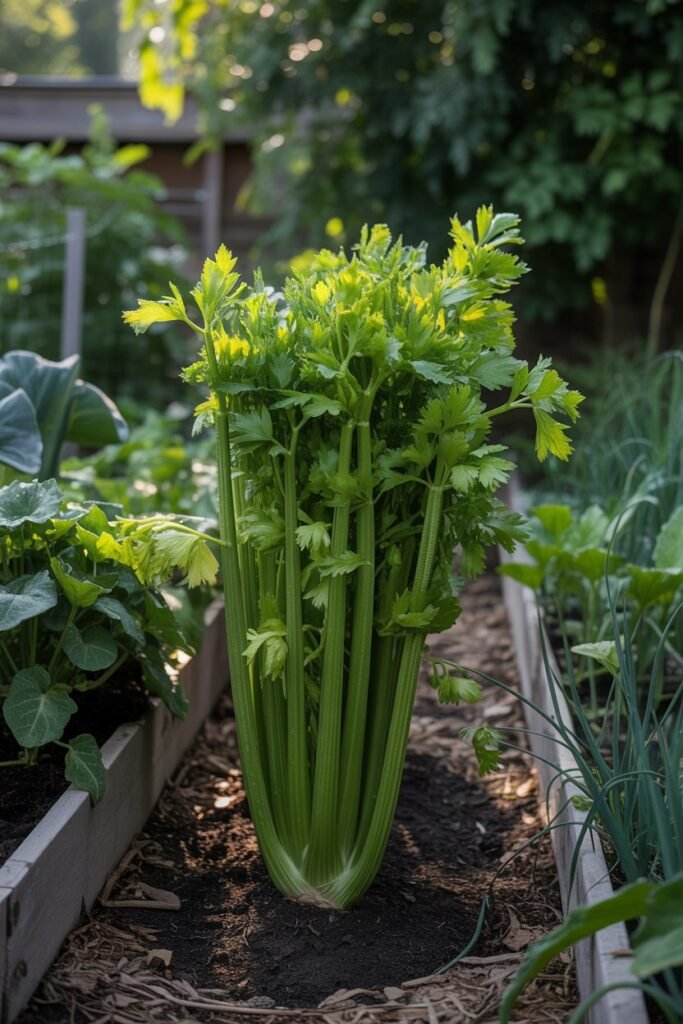
Celery surprised me with how well it adapted to partial shade. Since celery requires constant moisture, cooler shaded beds actually made growing it easier.
The soil stayed damp longer, and the stalks developed slowly without becoming bitter.
While celery does take patience, the improved tenderness and flavor from shaded growing conditions made the extra effort feel completely worthwhile in my garden.
Why Celery Performs Well in Shade
Shade helps preserve soil moisture and protects celery from drying heat.
Growing Tips
- Water deeply and regularly
- Feed heavily with compost
- Mulch thickly
- Avoid letting soil dry out
Extra Advice
Consistent moisture is the secret to tender celery stalks.
17. Turnips
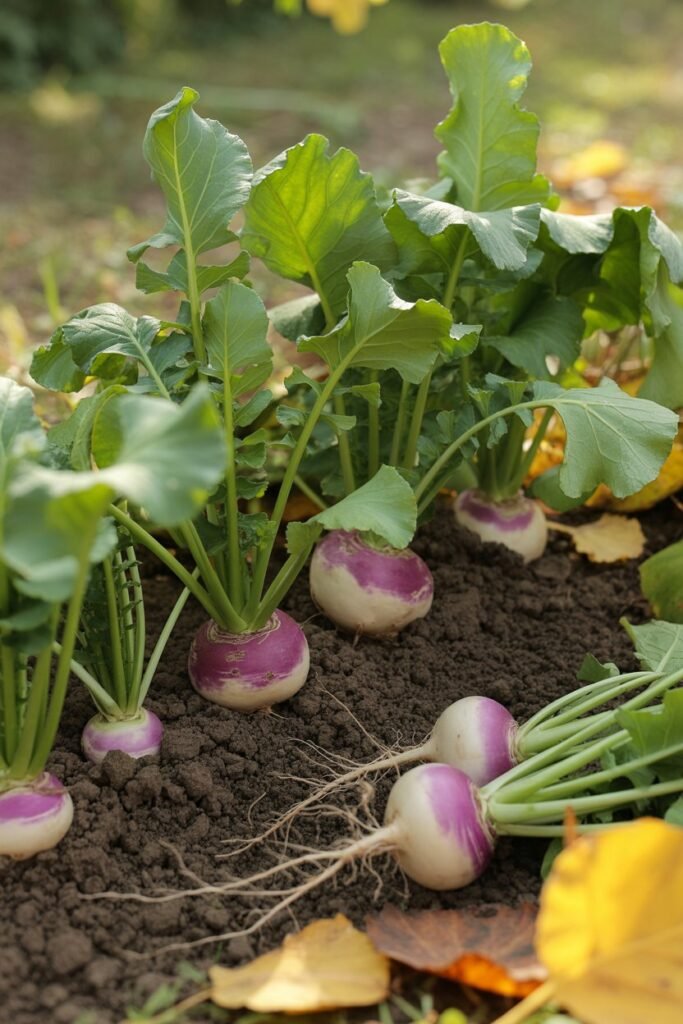
Turnips are wonderfully reliable in shady gardens because both the roots and greens tolerate cooler lower-light conditions. I especially enjoy growing them during fall when the weather begins cooling down naturally.
The roots stay tender while the leafy tops become lush and productive. Even in spots that receive only partial sunlight, turnips continue growing steadily and provide surprisingly generous harvests throughout the season.
Why Turnips Grow in Shade
Turnips tolerate moderate shade while still producing flavorful roots and nutritious greens.
Helpful Growing Tips
- Thin seedlings early
- Keep soil evenly moist
- Harvest roots young
- Use loose fertile soil
Extra Benefit
The greens are just as delicious as the roots.
Tips for Growing Vegetables in Shade
After years of experimenting with shady garden beds, I’ve learned a few tricks that make a huge difference.
1. Maximize Available Light
Even shaded gardens benefit from reflected sunlight. White walls, light-colored mulch, and reflective surfaces can help brighten darker areas.
2. Prioritize Leafy Crops
Leafy vegetables generally perform much better in shade than fruiting crops like tomatoes or peppers.
3. Improve Soil Quality
Shade gardens often stay moist longer, so rich well-draining soil is essential.
4. Watch Moisture Carefully
Shaded soil dries more slowly, meaning overwatering can become a problem.
5. Grow in Containers
Containers let you move vegetables around to capture shifting sunlight.
6. Prune Nearby Trees
Sometimes trimming low branches can dramatically improve light exposure.
Common Problems With Shade Gardening
Shade gardening is rewarding, but it does come with challenges.
Slower Growth
Most vegetables grow more slowly with less sunlight.
Increased Slug Activity
Cool damp conditions attract slugs and snails.
Smaller Harvests
Root vegetables may stay smaller than full-sun crops.
Extra Moisture
Poor airflow can encourage mildew and fungal issues.
I’ve learned that spacing plants properly and avoiding overcrowding solves many of these problems naturally.
Vegetables That Usually Do NOT Grow Well in Shade
While many vegetables tolerate shade, some truly need strong sunlight.
These usually struggle:
- Tomatoes
- Peppers
- Eggplants
- Cucumbers
- Squash
- Corn
- Melons
I once tried growing tomatoes beside a large fence with only four hours of sun. The plants became tall, weak, and barely produced fruit. Since then, I reserve sunny spots for heat-loving crops and keep shaded areas for greens and cool-weather vegetables.
Final Thoughts
One of the most encouraging lessons gardening has taught me is that every space has potential. A shady corner doesn’t have to remain empty or unproductive. In many cases, it can become the perfect environment for leafy greens, root crops, and cool-season vegetables.
Some of my most reliable harvests now come from areas I once ignored completely.
If your garden lacks full sun, don’t let that stop you from growing food. Start with a few easy shade-tolerant vegetables like lettuce, spinach, kale, or radishes.
Observe how the light moves through your space each day, experiment with different crops, and allow yourself to learn through the process.
Gardening in the shade feels softer, calmer, and surprisingly forgiving. And once you discover which vegetables truly enjoy those cooler corners, you may start appreciating your shaded garden just as much as the sunny one.
