
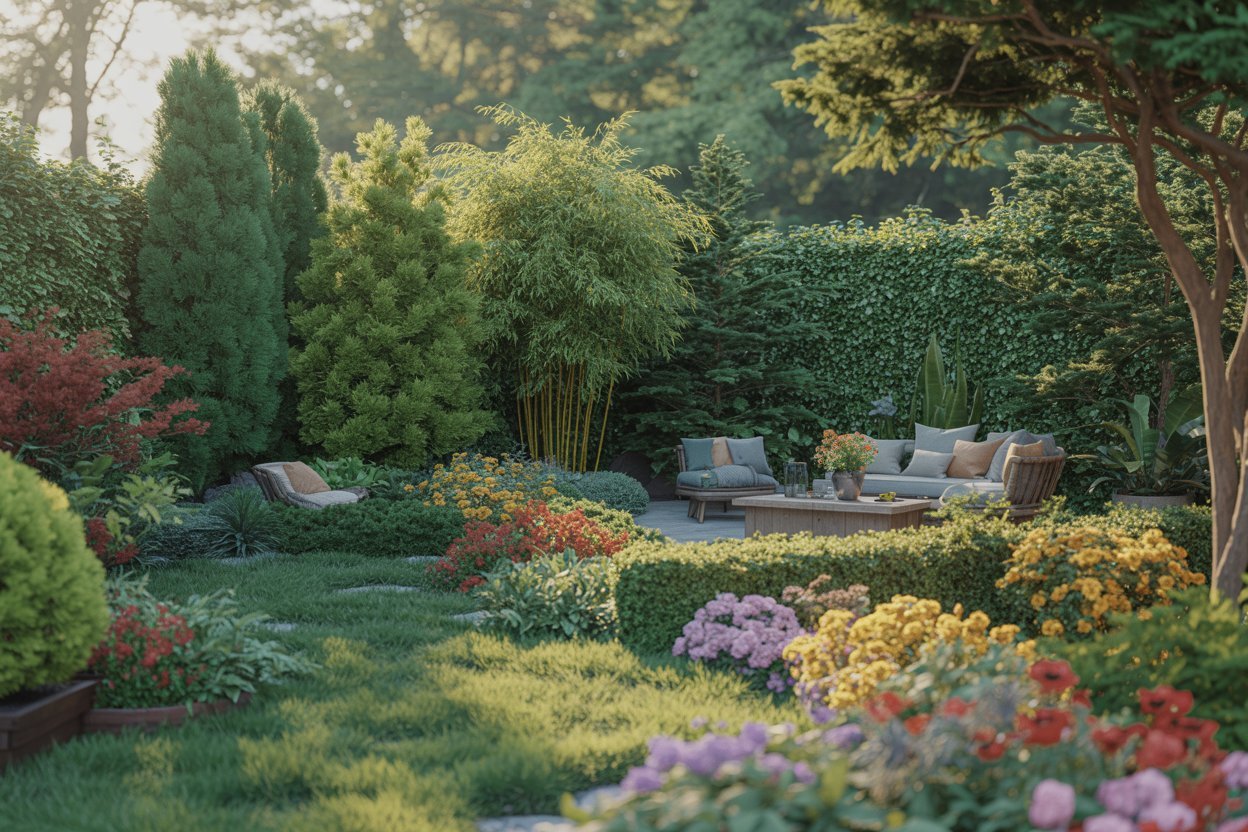

A backyard should feel like your own private retreat a place where you can relax with a cup of coffee, enjoy family gatherings, or simply unwind without feeling like the neighbors are watching.
The good news is you don’t have to install expensive fences or build tall walls to create that peaceful space.
The right privacy plants can transform your yard into a lush, green sanctuary while adding color, texture, fragrance, and even wildlife to your landscape.
Whether you have a tiny patio, a suburban backyard, or a large property, there’s a perfect privacy plant for your space.
In this guide, you’ll discover the 20 best backyard privacy plants, how to choose the right ones, planting tips, maintenance advice, and everything else you need to grow a living privacy screen that looks beautiful year-round.
Why Choose Plants for Backyard Privacy?
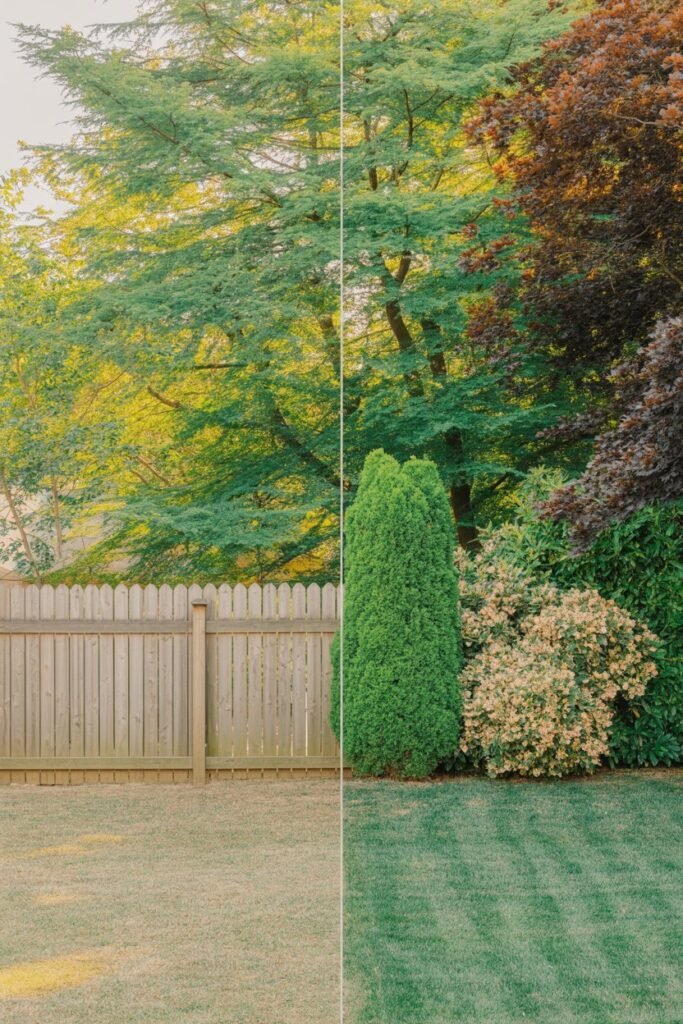
Living privacy screens offer benefits that traditional fences simply can’t match.
They Improve Your Landscape
Privacy plants soften hard edges, create natural beauty, and make your backyard feel more inviting.
They Reduce Noise
Dense hedges and trees help absorb sound from nearby roads and neighbors.
They Provide Shade
Many taller privacy plants create cooler outdoor spaces during hot summer months.
They Support Wildlife
Flowering shrubs and evergreen trees provide shelter and food for birds, butterflies, bees, and other beneficial wildlife.
They Increase Property Value
Well-maintained landscaping often improves curb appeal and may increase the value of your home.
They Improve Air Quality
Plants filter dust, trap pollutants, and release oxygen, making your outdoor space healthier.
How to Choose the Right Backyard Privacy Plants
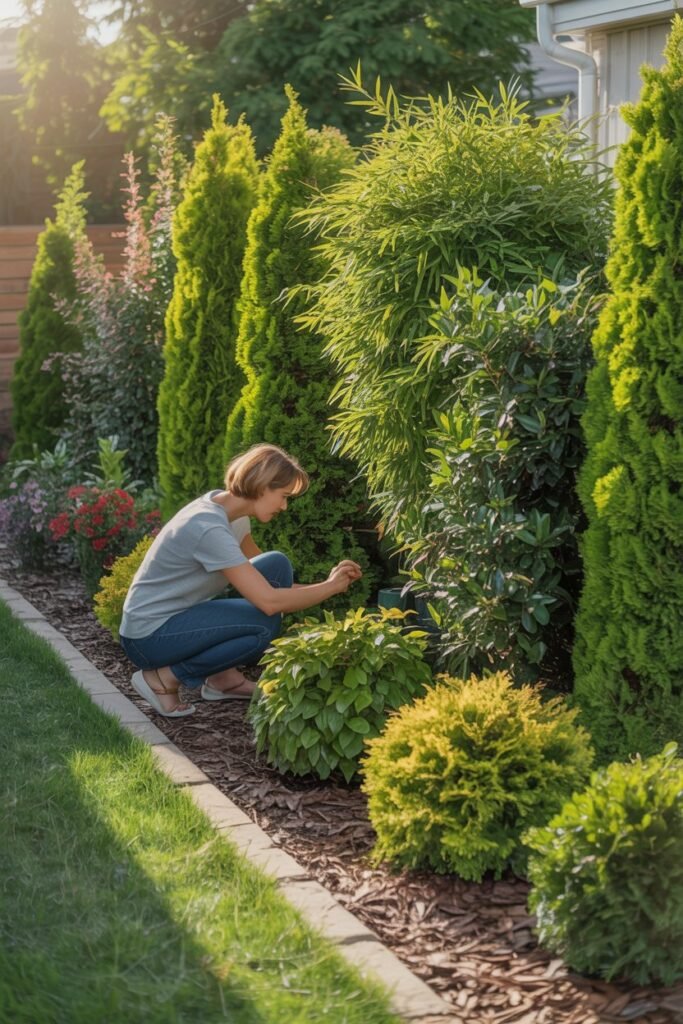
Before buying plants, consider several important factors.
Climate
Choose varieties that thrive in your USDA hardiness zone.
Sunlight
Determine whether your planting area receives:
- Full sun (6+ hours)
- Partial sun
- Partial shade
- Full shade
Mature Size
Think long-term. Some plants stay compact while others grow over 50 feet tall.
Growth Rate
Fast-growing plants provide quicker privacy but often require more maintenance.
Slow-growing plants usually develop stronger structure and need less pruning.
Evergreen vs. Deciduous
Evergreen plants provide year-round screening.
Deciduous plants lose their leaves in winter but often offer beautiful seasonal color.
Maintenance
Ask yourself how much pruning, watering, and trimming you’re willing to do each year.
20 Best Backyard Privacy Plants
1. Emerald Green Arborvitae
Intro (25 words):
If you’re looking for a neat, elegant privacy screen that won’t overwhelm your yard, Emerald Green Arborvitae is one of the easiest and most reliable choices.
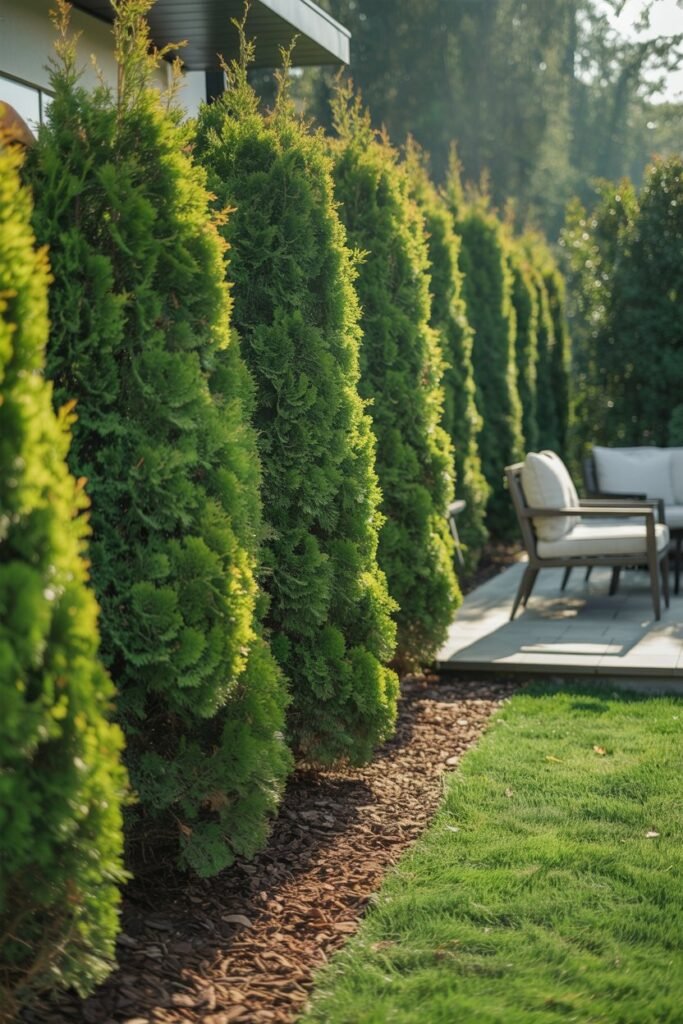
Emerald Green Arborvitae grows into a dense, upright column of vibrant green foliage that stays attractive throughout every season.
Its naturally narrow shape makes it perfect for homeowners who want year-round privacy without sacrificing valuable yard space. Once established, it requires very little maintenance and keeps its rich green color even during winter.
Best for: Narrow privacy screens
Mature height: 10–15 feet
Sun requirements: Full sun to partial shade
Growth rate: Moderate (about 1 foot per year)
Why You’ll Love It
- Evergreen for year-round privacy
- Low maintenance
- Compact growth habit
- Perfect for smaller backyards
- Cold hardy
- Creates a formal, tidy hedge
Growing Tip:
Plant trees about 3–4 feet apart. Water regularly during the first growing season, then mulch around the base to help retain moisture and reduce weeds.
2. Green Giant Arborvitae
Intro (25 words):
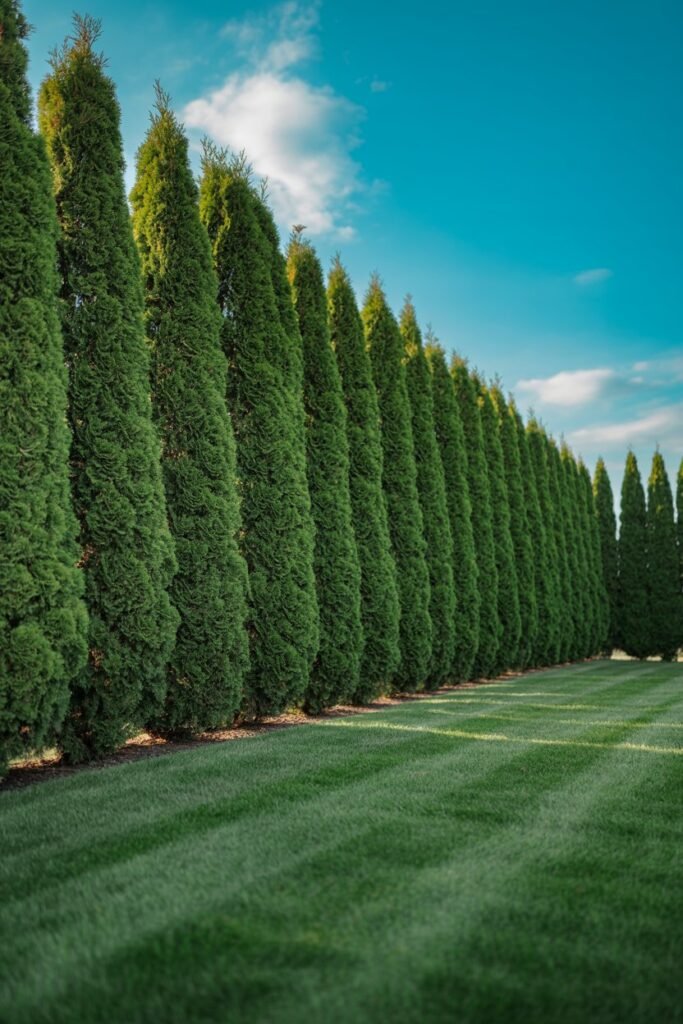
Need privacy fast? Green Giant Arborvitae is famous for its impressive growth rate and quickly transforms open spaces into lush, green living walls.
Green Giant Arborvitae is one of the fastest-growing evergreen privacy trees available. It develops thick, soft foliage from the ground up, creating an excellent natural barrier against neighbors, roads, and strong winds.
Because it’s resistant to many common pests and diseases, it’s a favorite among homeowners looking for a dependable privacy tree.
Best for: Large backyards
Mature height: 30–50 feet
Sun requirements: Full sun
Growth rate: Fast (3–5 feet per year)
Benefits
- Extremely fast growing
- Dense evergreen foliage
- Wind resistant
- Disease resistant
- Drought tolerant once established
- Requires minimal pruning
Growing Tip:
Give each tree at least 5–8 feet of spacing to allow for mature growth and better air circulation, which helps keep the trees healthy.
3. Bamboo (Clumping Varieties)
Intro (25 words):
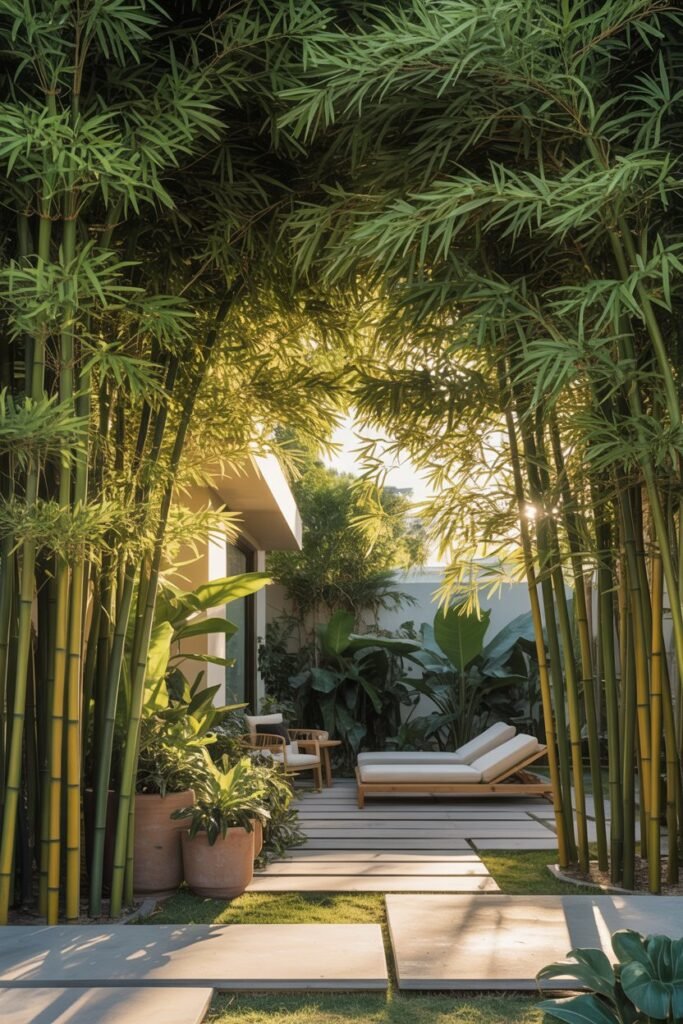
For a modern tropical feel and incredibly fast privacy, clumping bamboo creates a lush green wall while adding movement and calming sounds to your backyard.
Clumping bamboo is an excellent option for homeowners who want quick results without worrying about aggressive spreading. Unlike running bamboo, clumping varieties stay contained and form attractive upright clusters.
Their graceful canes and narrow leaves create a peaceful atmosphere while providing excellent screening.
Best for: Contemporary landscapes
Height: 8–20 feet
Sun requirements: Full sun to partial shade
Growth rate: Very fast
Pros
- Creates privacy quickly
- Elegant tropical appearance
- Gentle movement in the breeze
- Produces relaxing rustling sounds
- Low maintenance after establishment
- Works well in containers and garden beds
Important:
Always choose clumping bamboo instead of running bamboo. Adding a layer of mulch and watering regularly during dry periods encourages healthy, vigorous growth.
4. Skip Laurel
Intro (25 words):
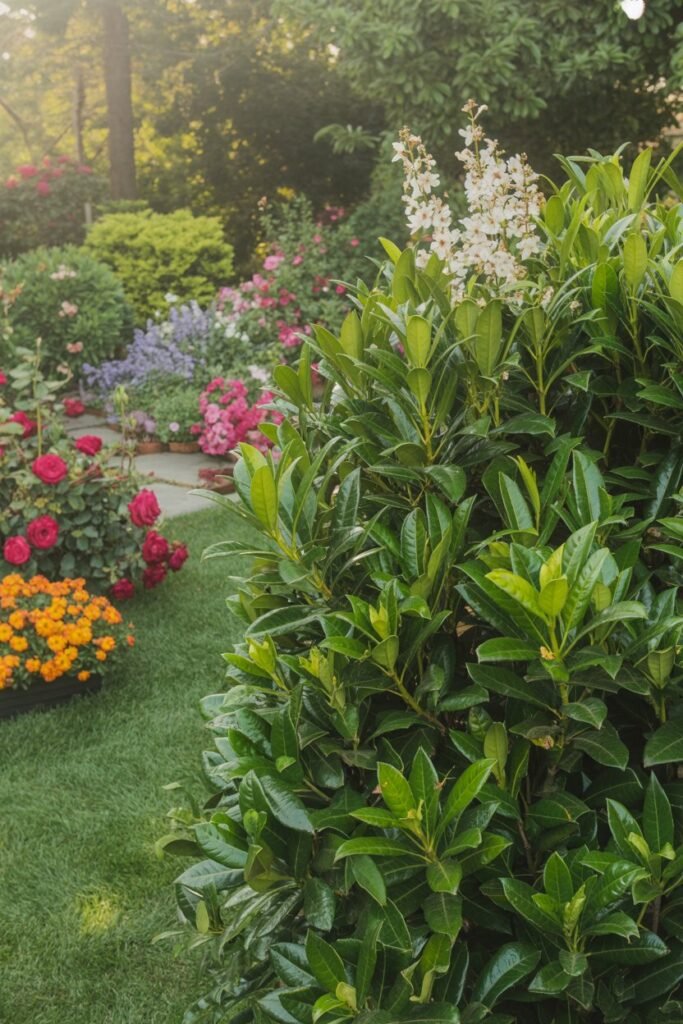
Skip Laurel offers glossy evergreen leaves, beautiful spring blooms, and thick year-round coverage, making it one of the most attractive natural privacy hedges available.
Skip Laurel is a versatile evergreen shrub that grows into a dense hedge with minimal effort.
Its shiny dark green leaves provide year-round screening, while fragrant white flowers appear in spring and are followed by small berries that birds love. It adapts well to pruning, making it easy to maintain at your preferred height.
Best for: Traditional gardens
Height: 10–18 feet
Sun requirements: Full sun to partial shade
Benefits
- Thick evergreen foliage
- Beautiful white spring flowers
- Produces berries for birds
- Easy to shape
- Fast-growing hedge
- Excellent year-round privacy
Maintenance Tip:
Prune lightly once each year after flowering to maintain a full, healthy hedge while encouraging fresh new growth.
5. Leyland Cypress
Intro (25 words):
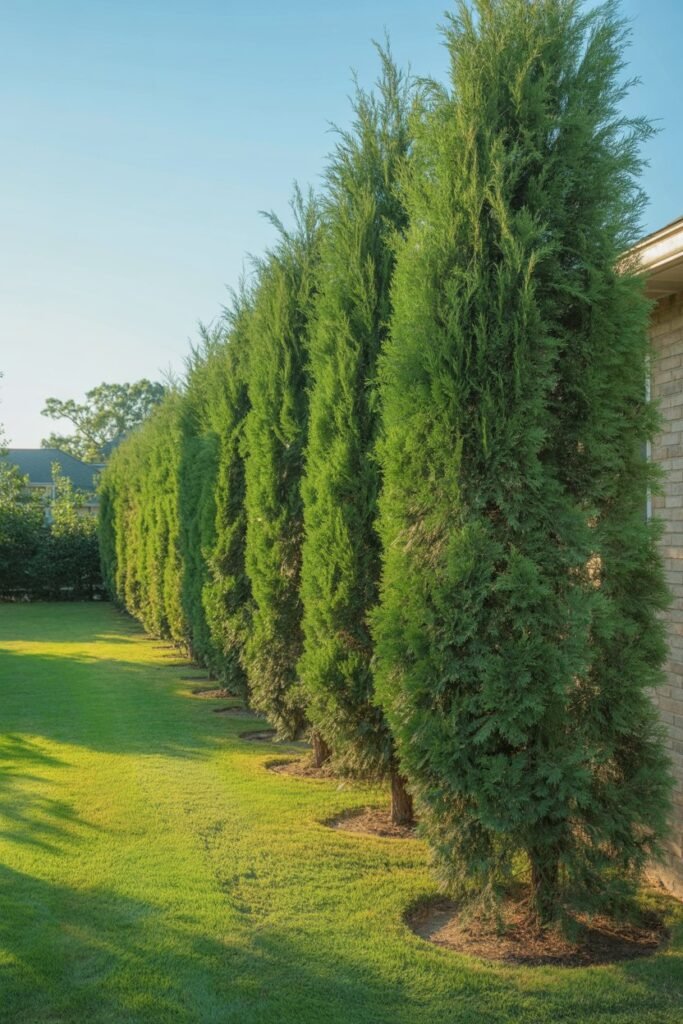
When creating privacy as quickly as possible is your goal, Leyland Cypress delivers towering evergreen coverage that transforms large yards in just a few years.
Leyland Cypress is one of the fastest-growing evergreen trees available for privacy screens.
Its soft, feathery foliage creates a dense barrier that blocks neighboring views, reduces wind, and adds year-round greenery. It’s especially popular for large properties where homeowners want a tall natural fence.
Best for: Quick privacy
Height: 40–60 feet
Sun requirements: Full sun
Growth rate: Very fast
Advantages
- Rapid growth
- Evergreen year-round
- Dense foliage
- Excellent windbreak
- Great for large landscapes
- Provides quick screening
Keep in Mind:
Allow plenty of space between trees and avoid overcrowding. Good airflow helps reduce disease and keeps the trees healthier over time.
6. Wax Myrtle
Intro (25 words):
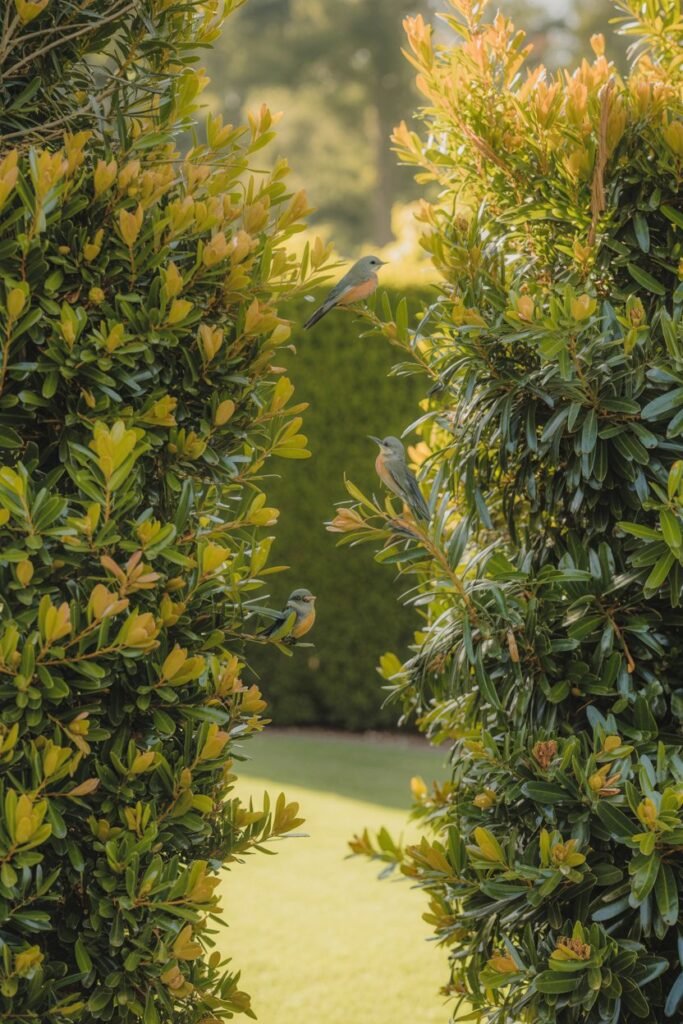
Wax Myrtle combines fast growth, fragrant foliage, and a soft natural appearance, making it perfect for homeowners who prefer relaxed, informal backyard privacy.
Wax Myrtle is a hardy native shrub that quickly grows into a full privacy screen. Its aromatic leaves release a pleasant scent when brushed, while its dense branches provide excellent shelter for birds.
It tolerates drought, wind, and poor soils once established, making it a dependable low-maintenance option.
Best for: Informal hedges
Height: 10–20 feet
Sun requirements: Full sun
Highlights
- Fast growing
- Fragrant foliage
- Evergreen in warmer climates
- Attracts birds
- Drought tolerant
- Adapts to different soil types
Growing Tip:
Lightly trim the branches once or twice a year to encourage fuller growth and maintain a dense, attractive privacy screen.
7. American Holly
Intro (25 words):
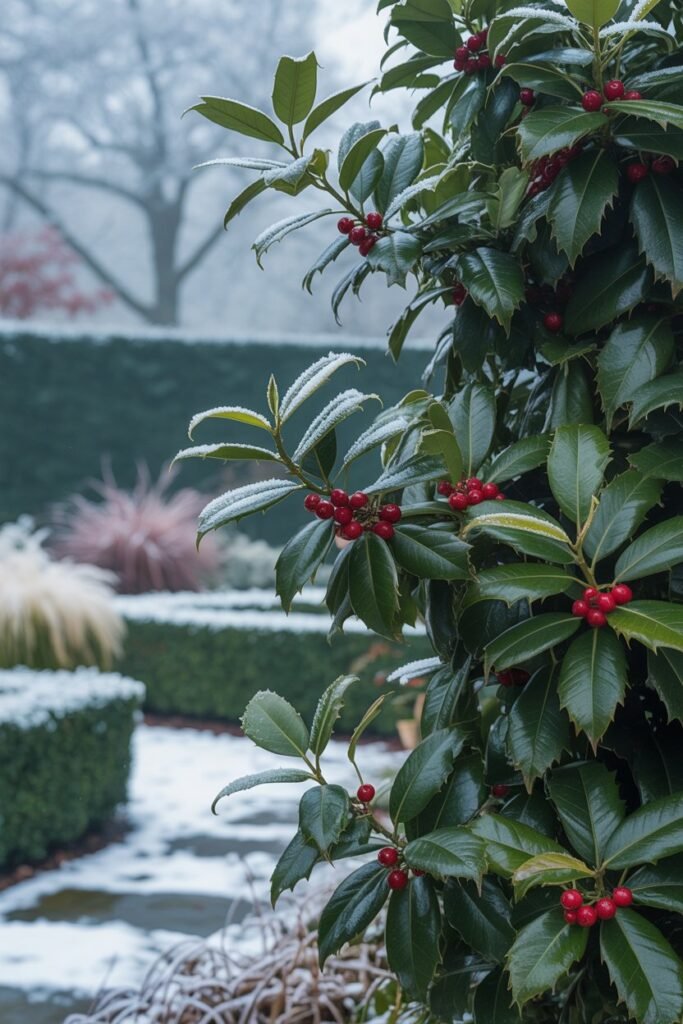
American Holly brings year-round greenery, colorful winter berries, and excellent privacy while adding classic beauty and valuable habitat for backyard wildlife.
American Holly is a beautiful evergreen tree known for its glossy leaves and bright red berries that appear during winter.
Its dense branching creates an effective privacy screen while providing food and shelter for birds throughout the colder months. It’s a long-lived tree that becomes even more attractive with age.
Best for: Four-season beauty
Height: 15–30 feet
Sun requirements: Full sun to partial shade
Benefits
- Evergreen foliage
- Bright winter berries
- Excellent wildlife habitat
- Attractive year-round
- Strong privacy screen
- Long lifespan
Note:
Plant both a male and female American Holly nearby if you’d like the female trees to produce their beautiful red berries each winter.
8. Privet
Intro (25 words):
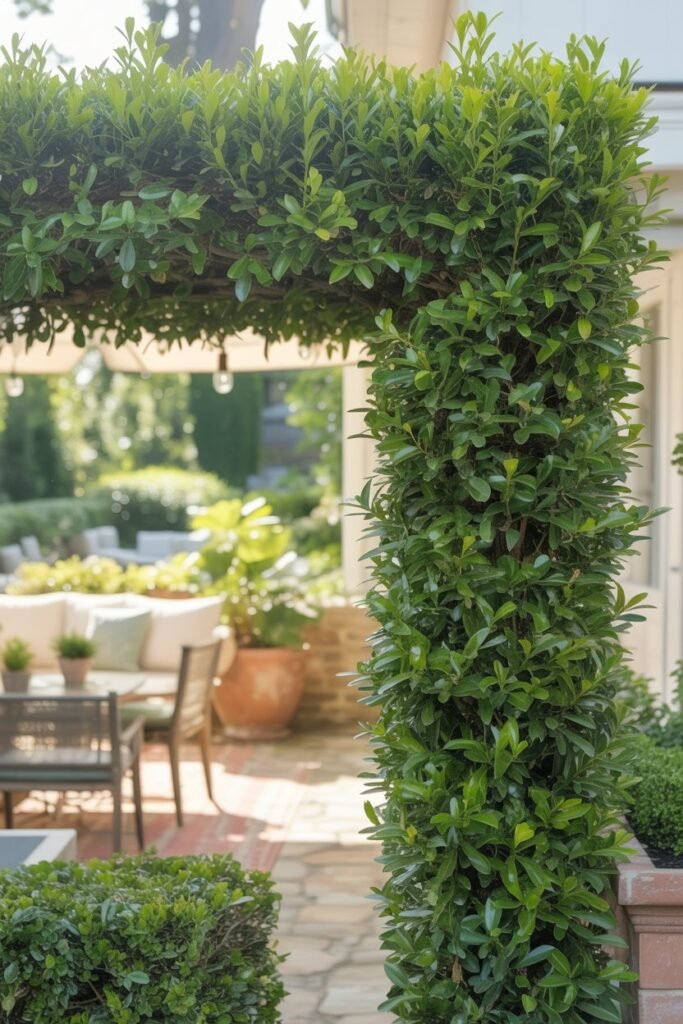
Privet has long been a favorite for classic hedges because it grows quickly, responds well to pruning, and forms a thick living wall for privacy.
Privet is a vigorous shrub that can be shaped into a formal hedge or allowed to grow into a more natural screen.
Its dense branches and small green leaves create excellent coverage, making it ideal for blocking unwanted views. Regular trimming helps maintain a neat appearance while encouraging even thicker growth.
Best for: Formal hedges
Mature height: 8–15 feet
Sun requirements: Full sun to partial shade
Growth rate: Fast
Why You’ll Love It
- Fast-growing
- Easy to trim and shape
- Dense foliage
- Great for creating clean hedge lines
- Tolerates urban conditions
- Affordable and widely available
Growing Tip:
Trim two to three times each growing season to encourage a fuller hedge and maintain your desired height.
9. Red Tip Photinia
Intro (25 words):
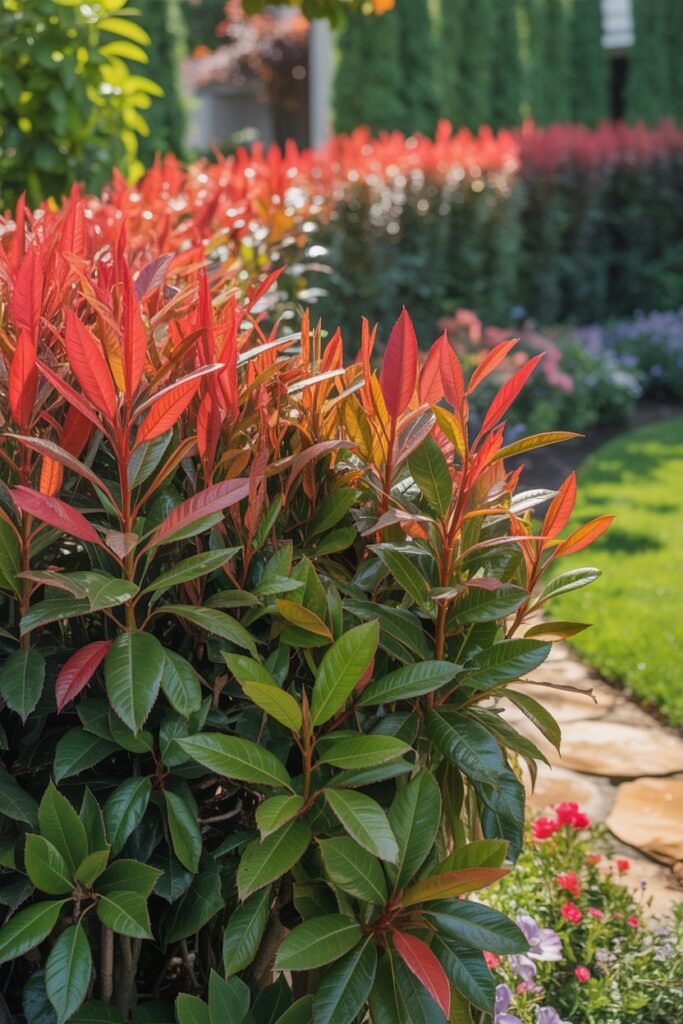
If you want privacy with a splash of color, Red Tip Photinia stands out with vibrant red new growth before maturing into glossy green leaves.
Red Tip Photinia offers both beauty and function. The bright red young leaves create striking seasonal color, while mature foliage forms a dense evergreen screen. White spring flowers add extra ornamental appeal, making it an excellent choice for decorative privacy hedges.
Best for: Colorful privacy hedges
Mature height: 10–15 feet
Sun requirements: Full sun
Growth rate: Moderate to fast
Benefits
- Bright red new foliage
- Evergreen in warm climates
- White spring flowers
- Thick hedge growth
- Easy to shape
- Attractive year-round
Growing Tip:
Avoid overhead watering and provide good air circulation to help reduce the risk of leaf spot diseases.
10. Cherry Laurel
Intro (25 words):
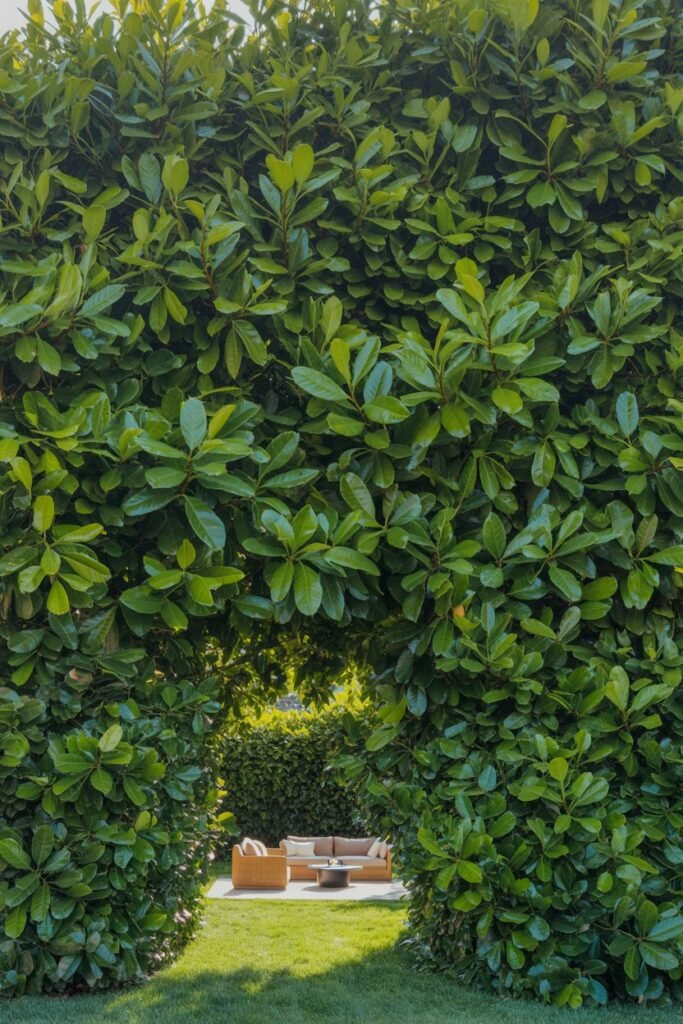
Cherry Laurel quickly creates a lush evergreen screen with broad, glossy leaves that offer excellent privacy while adding elegance to any backyard landscape.
Cherry Laurel is one of the easiest evergreen shrubs to grow. Its large, shiny leaves create a dense barrier that effectively blocks views throughout the year. It also produces fragrant white flower spikes in spring, followed by dark berries that attract birds.
Best for: Large evergreen hedges
Mature height: 15–30 feet
Sun requirements: Full sun to full shade
Growth rate: Fast
Why You’ll Love It
- Large glossy leaves
- Excellent privacy
- Tolerates shade
- Fragrant flowers
- Wildlife friendly
- Easy to maintain
Growing Tip:
Prune after flowering to maintain a tidy shape and remove any damaged branches.
11. Nellie R. Stevens Holly
Intro (25 words):
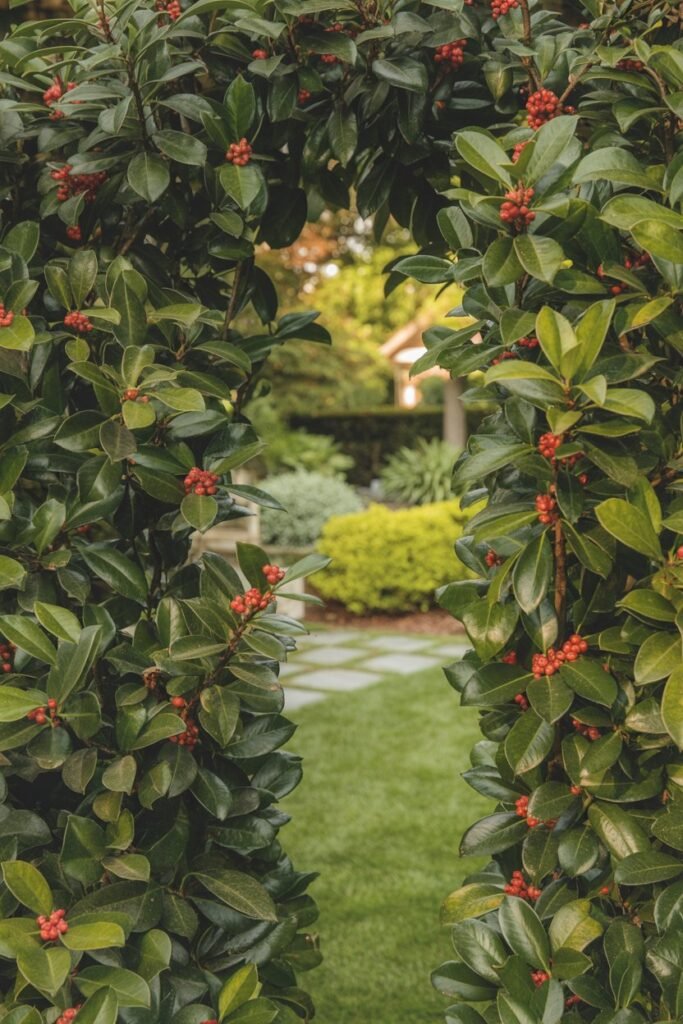
This beautiful holly grows faster than many other varieties while producing dense evergreen foliage and brilliant red berries that brighten winter landscapes.
Nellie R. Stevens Holly is prized for its rapid growth, natural pyramidal shape, and year-round beauty. It forms an excellent privacy screen with little pruning and produces colorful berries that attract birds during winter.
Best for: Evergreen privacy screens
Mature height: 15–25 feet
Sun requirements: Full sun to partial shade
Growth rate: Fast
Benefits
- Fast-growing evergreen
- Produces bright red berries
- Dense foliage
- Low maintenance
- Excellent winter interest
- Disease resistant
Growing Tip:
Water deeply during dry spells while the tree becomes established to encourage a strong root system.
12. Eastern Red Cedar
Intro (25 words):
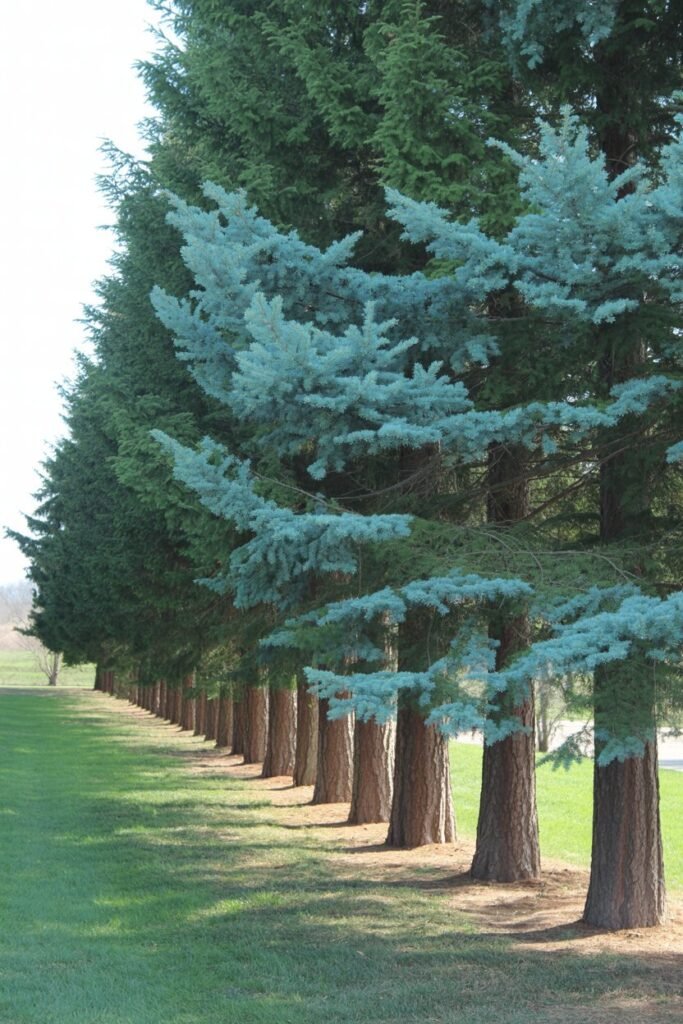
Eastern Red Cedar is a rugged native evergreen that provides outstanding privacy, handles difficult growing conditions, and supports birds throughout every season.
This hardy tree naturally develops into a dense pyramid shape with blue-green foliage that remains attractive all year. It tolerates drought, poor soils, and windy locations, making it a dependable privacy choice for many landscapes.
Best for: Windbreaks and rural properties
Mature height: 30–40 feet
Sun requirements: Full sun
Growth rate: Moderate
Highlights
- Native tree
- Evergreen
- Extremely hardy
- Drought tolerant
- Wildlife friendly
- Excellent windbreak
Growing Tip:
Plant in well-drained soil and avoid overwatering once the tree has become established.
13. Viburnum
Intro (25 words):
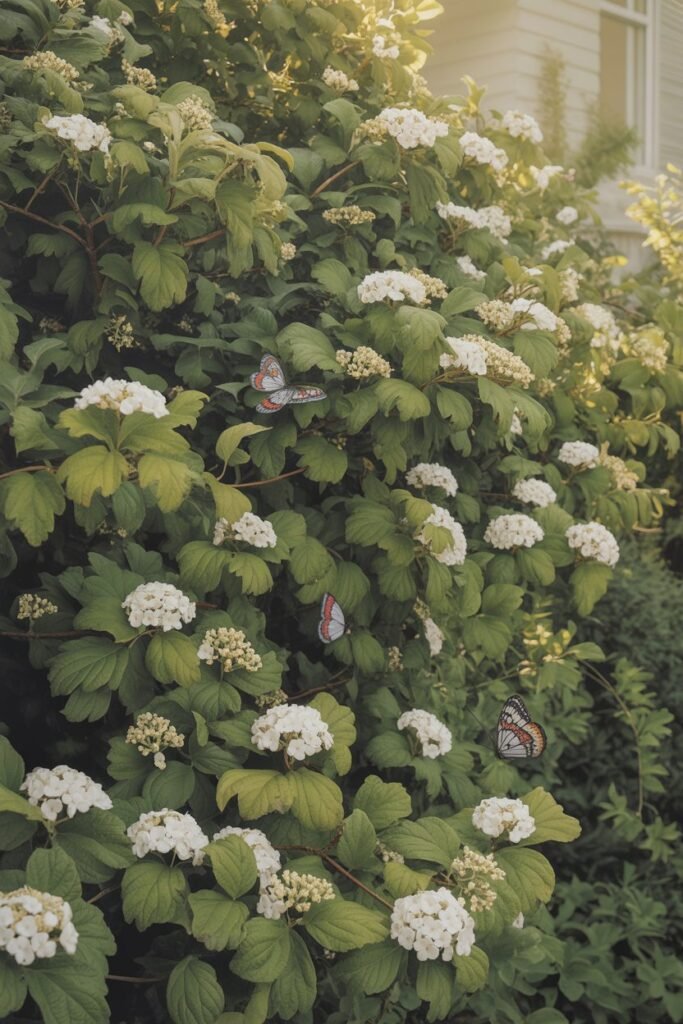
Viburnum offers more than privacy by filling your backyard with fragrant flowers, colorful berries, and dense foliage that changes beautifully through the seasons.
Depending on the variety, Viburnum can be evergreen or deciduous. It grows into a thick shrub that provides excellent screening while producing attractive blooms and berries that benefit pollinators and birds alike.
Best for: Flowering privacy hedges
Mature height: 8–15 feet
Sun requirements: Full sun to partial shade
Growth rate: Moderate
Benefits
- Beautiful spring flowers
- Thick branching
- Wildlife friendly
- Attractive berries
- Easy to grow
- Seasonal interest
Growing Tip:
Apply compost each spring to encourage healthy flowering and vigorous new growth.
14. Boxwood
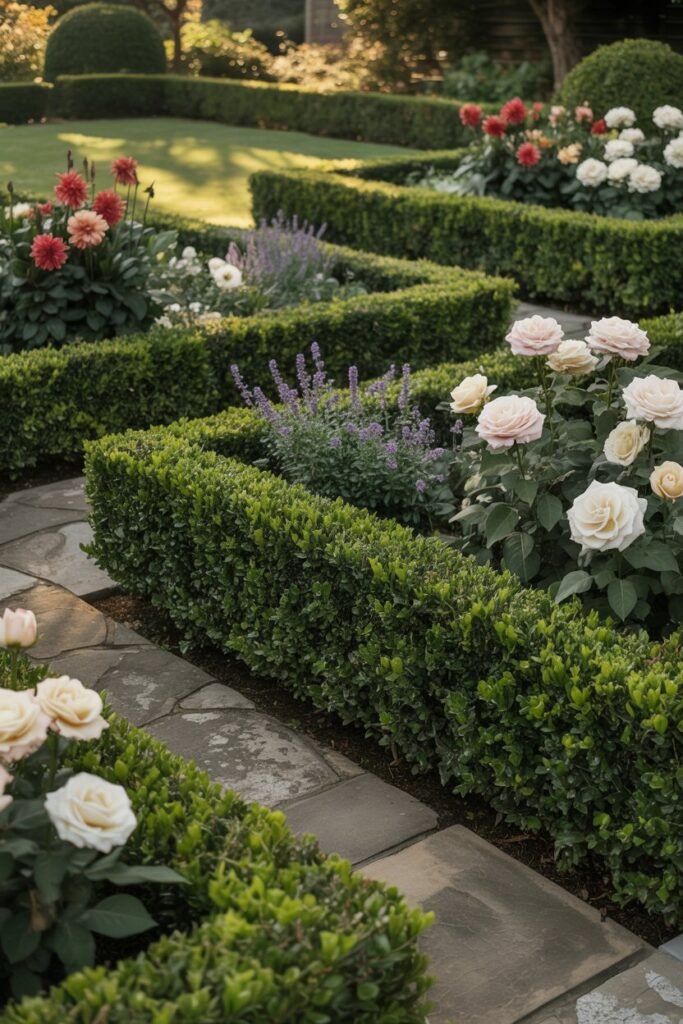
Intro (25 words):
Boxwood is perfect for homeowners who prefer a neat, polished landscape with evergreen foliage that creates attractive low privacy borders and formal garden rooms.
Although Boxwood doesn’t grow as tall as many privacy shrubs, it’s excellent for defining outdoor spaces and creating elegant hedges. Its dense leaves respond well to shaping, making it a favorite for formal gardens.
Best for: Low privacy hedges
Mature height: 3–8 feet
Sun requirements: Full sun to partial shade
Growth rate: Slow to moderate
Why You’ll Love It
- Classic appearance
- Evergreen
- Easy to shape
- Compact growth
- Long lifespan
- Great for formal landscapes
Growing Tip:
Prune lightly once or twice each year to maintain a dense, uniform hedge.
15. Japanese Pittosporum
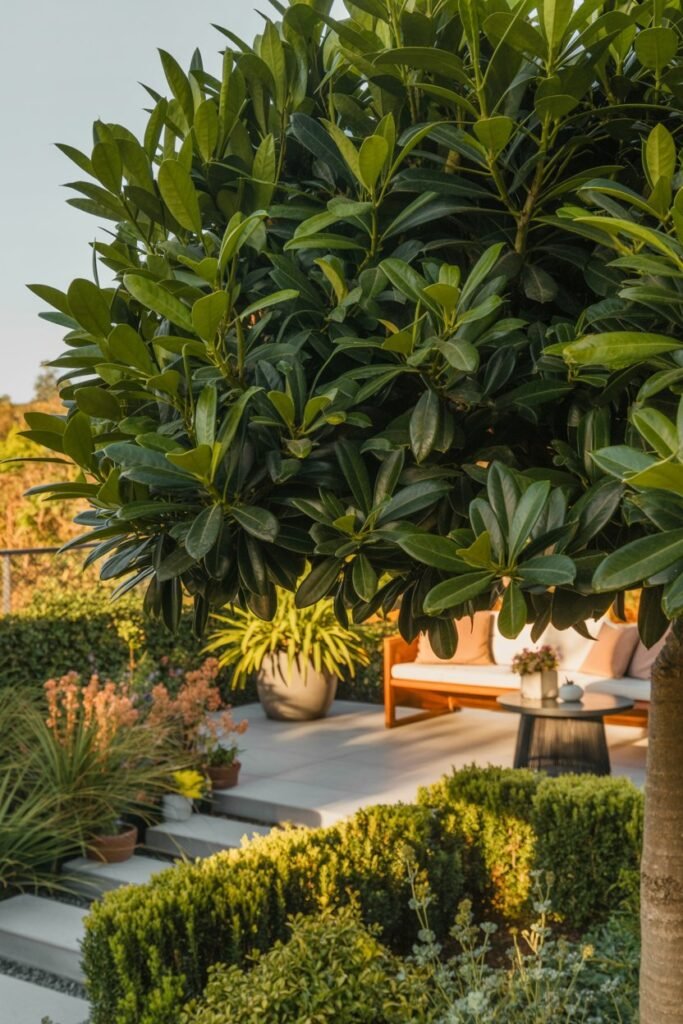
Intro (25 words):
Japanese Pittosporum brings glossy evergreen foliage, fragrant spring flowers, and excellent heat tolerance, making it ideal for warm-climate backyard privacy.
This attractive shrub develops into a thick, rounded hedge with dark green leaves that remain beautiful all year. Its sweetly scented flowers add another layer of appeal during spring.
Best for: Warm climates
Mature height: 8–15 feet
Sun requirements: Full sun to partial shade
Growth rate: Moderate
Benefits
- Evergreen
- Fragrant flowers
- Heat tolerant
- Low maintenance
- Attractive glossy foliage
- Great hedge plant
Growing Tip:
Trim after flowering to encourage compact growth and maintain a fuller privacy screen.
16. Eastern White Pine
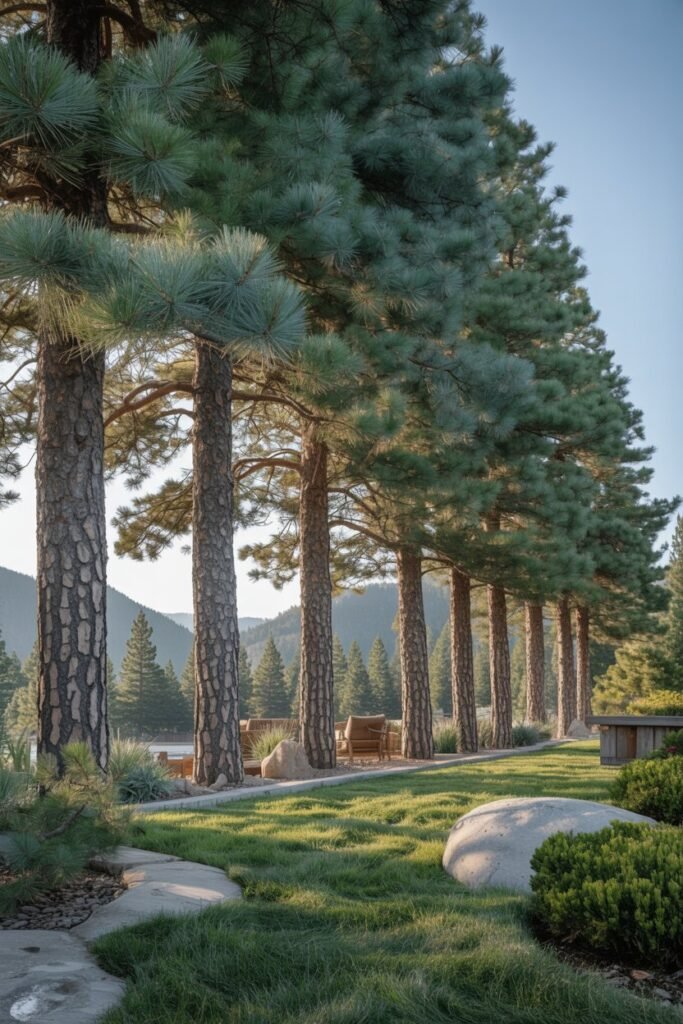
Intro (25 words):
If you have a large backyard, Eastern White Pine offers soft evergreen beauty, fast growth, and excellent year-round privacy with a graceful natural appearance.
Eastern White Pine is a magnificent evergreen tree that quickly develops into a tall, dense screen.
Its soft blue-green needles give it a lighter, more elegant look than many other conifers, while its thick branches provide excellent privacy and shelter for wildlife. It’s an ideal choice for large landscapes where plenty of growing space is available.
Best for: Large backyards and natural privacy screens
Mature height: 50–80 feet
Sun requirements: Full sun
Growth rate: Fast
Why You’ll Love It
- Soft, attractive evergreen needles
- Fast-growing
- Excellent year-round privacy
- Creates natural wind protection
- Wildlife friendly
- Long-lived tree
Growing Tip:
Plant in well-drained soil with plenty of space from buildings and power lines, as this tree becomes quite large at maturity.
17. Hicks Yew
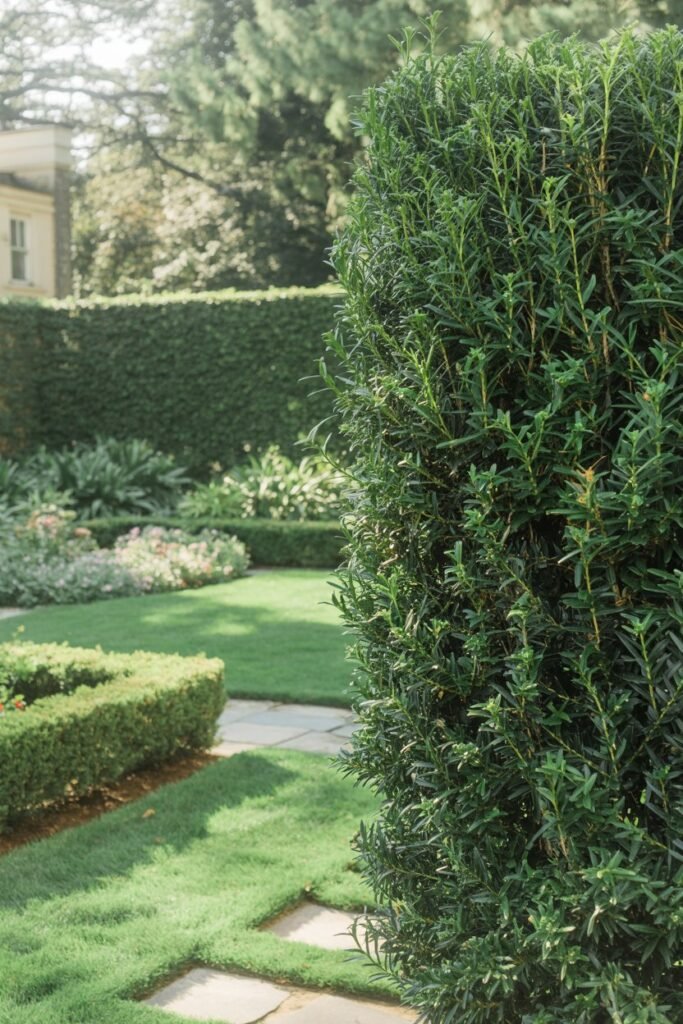
Intro (25 words):
Hicks Yew is a refined evergreen shrub that creates a dense, elegant privacy hedge while thriving in areas where many other evergreens struggle.
Hicks Yew is known for its rich dark green foliage and upright growth habit. Unlike many privacy plants, it tolerates partial shade exceptionally well and responds beautifully to pruning.
This makes it a fantastic choice for homeowners who want a formal, well-maintained hedge that stays attractive year-round.
Best for: Formal evergreen hedges
Mature height: 10–20 feet
Sun requirements: Full sun to partial shade
Growth rate: Slow to moderate
Benefits
- Dense evergreen foliage
- Excellent for shaping
- Shade tolerant
- Long lifespan
- Elegant appearance
- Low maintenance once established
Growing Tip:
Prune lightly in late winter or early spring before new growth begins to maintain a thick, healthy hedge.
18. Rose of Sharon
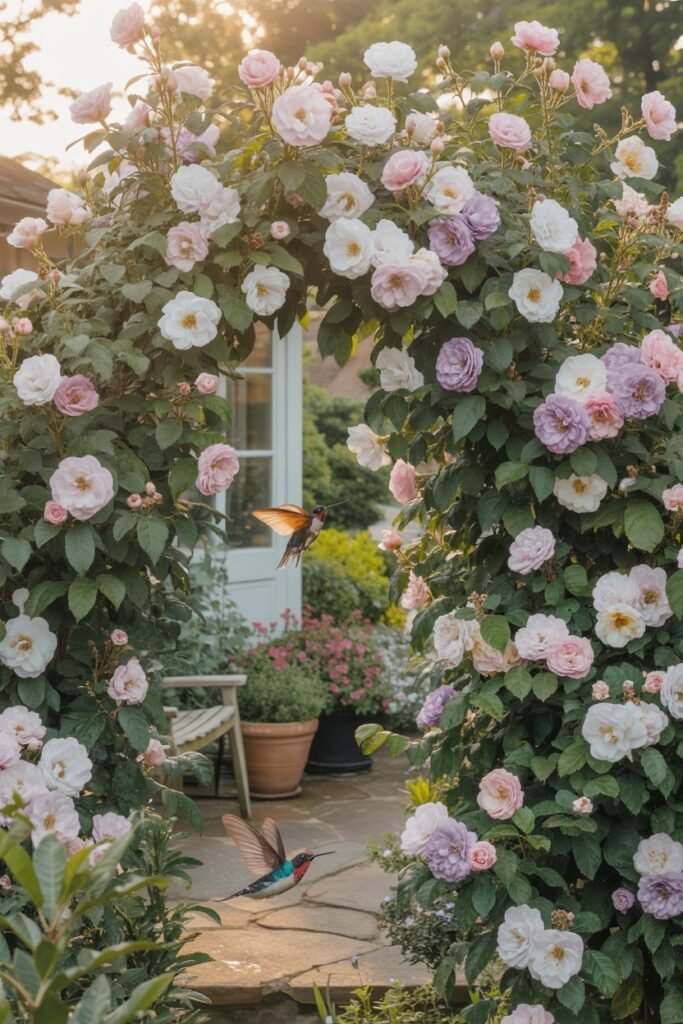
Intro (25 words):
Rose of Sharon combines colorful summer flowers with upright growth, giving homeowners beautiful seasonal privacy while attracting butterflies and hummingbirds all season long.
Rose of Sharon is a deciduous flowering shrub that brings vibrant blooms from midsummer into fall when many other plants have finished flowering.
While it loses its leaves during winter, its dense growth during the growing season provides excellent privacy while adding a burst of color to the landscape.
Best for: Flowering privacy screens
Mature height: 8–12 feet
Sun requirements: Full sun
Growth rate: Moderate
Why You’ll Love It
- Long blooming season
- Attracts butterflies and hummingbirds
- Beautiful flower colors
- Easy to grow
- Heat tolerant
- Great for mixed privacy hedges
Growing Tip:
Remove spent flowers and lightly prune in late winter to encourage abundant blooms and healthy new growth.
19. Italian Cypress
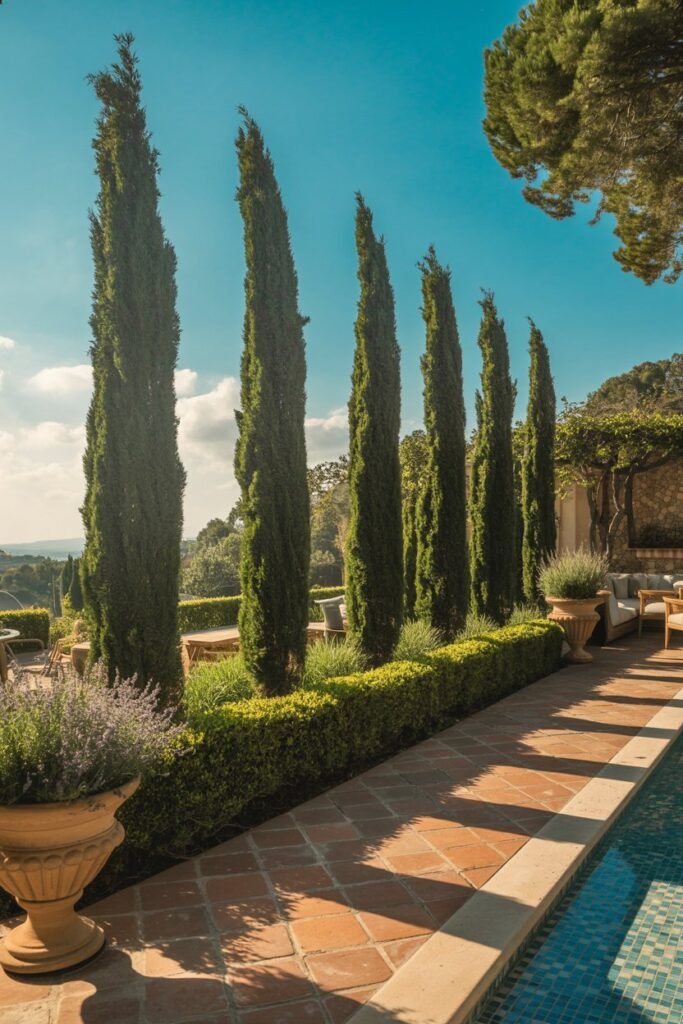
Intro (25 words):
Italian Cypress adds timeless Mediterranean charm while creating tall, narrow privacy screens that fit beautifully into both modern and traditional landscape designs.
Italian Cypress grows in a naturally slender column, making it perfect for narrow spaces where wider trees won’t fit.
Its dark green evergreen foliage provides year-round screening without taking up much room, making it especially popular for lining driveways, patios, and property boundaries.
Best for: Narrow spaces and elegant landscapes
Mature height: 30–40 feet
Sun requirements: Full sun
Growth rate: Moderate
Benefits
- Tall, narrow growth habit
- Evergreen year-round
- Minimal pruning needed
- Drought tolerant once established
- Great architectural accent
- Excellent for tight spaces
Growing Tip:
Plant at least 3–5 feet apart if creating a privacy row, allowing enough space for healthy air circulation.
20. Burning Bush
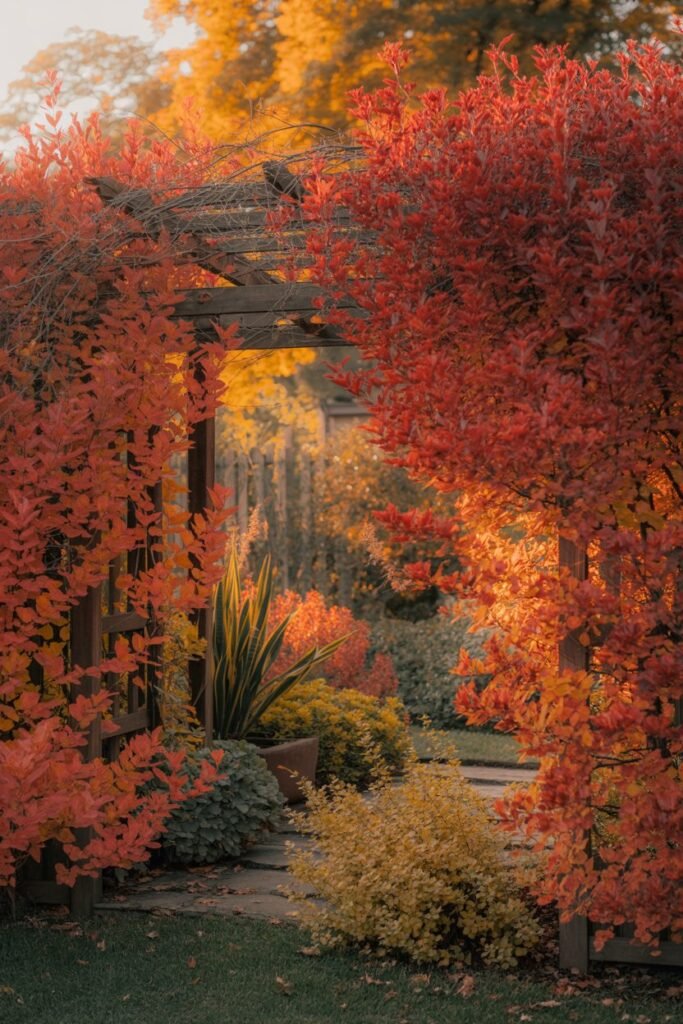
Intro (25 words):
Burning Bush delivers outstanding fall color while providing dense seasonal privacy, making it an eye-catching shrub that shines when autumn arrives each year.
Burning Bush is a deciduous shrub admired for its brilliant crimson-red foliage during fall.
Throughout spring and summer, its dense green leaves create an attractive privacy hedge, while its spectacular autumn display makes it one of the most colorful landscape shrubs available.
Best for: Seasonal privacy and fall color
Mature height: 8–12 feet
Sun requirements: Full sun to partial shade
Growth rate: Moderate
Why You’ll Love It
- Incredible red fall foliage
- Dense branching
- Easy to maintain
- Adapts to many soil types
- Provides seasonal privacy
- Excellent landscape focal point
Growing Tip:
Prune lightly in late winter to maintain its shape and remove any dead or crowded branches. Check whether this plant is considered invasive in your area before planting, as it is restricted in some regions.
Backyard Privacy Plant Care Tips
Once you’ve chosen the perfect privacy plants, proper care will help them grow into a thick, healthy screen that lasts for years. While each plant has slightly different needs, these simple tips apply to most privacy trees and shrubs.
Water Deeply During the First Year
Newly planted trees and shrubs need consistent moisture while they establish their root systems. Water deeply once or twice a week rather than giving them light, frequent watering.
After the first year, many privacy plants become much more drought tolerant, although they’ll still appreciate extra water during extended dry spells.
Add Mulch Around the Base
Spread a 2–3 inch layer of organic mulch, such as shredded bark, wood chips, or compost, around the base of each plant.
Mulch helps retain soil moisture, keeps roots cool during hot weather, suppresses weeds, and slowly improves the soil as it breaks down. Leave a small gap around the trunk to prevent rot.
Feed Plants Annually
Apply a balanced slow-release fertilizer or a layer of compost in early spring to encourage healthy foliage and strong root growth. Avoid over-fertilizing, as too much nitrogen can lead to weak, excessive growth that requires more pruning.
Prune Regularly
Light pruning helps privacy plants become fuller and denser. Remove dead, damaged, or crossing branches whenever you notice them.
For hedges, trim lightly once or twice each year instead of cutting back heavily all at once. Regular shaping keeps your living fence looking neat and encourages healthy new growth.
Give Plants Enough Space
Always consider the plant’s mature width before planting. Crowded trees and shrubs compete for sunlight, water, and nutrients, which can lead to poor growth and disease problems.
Proper spacing also improves air circulation, helping prevent fungal diseases.
Watch for Pests and Diseases
Inspect your plants every few weeks for yellowing leaves, holes, discoloration, or unusual spots. Catching problems early makes them much easier to treat. Healthy, well-watered plants are naturally more resistant to pests and diseases than stressed plants.
Common Mistakes to Avoid
Avoid these common planting mistakes to help your privacy screen thrive:
- Planting trees too close together.
- Choosing plants that aren’t suited to your climate.
- Ignoring the mature size of the plant.
- Overwatering or underwatering newly planted shrubs.
- Skipping mulch around the base.
- Pruning at the wrong time of year.
- Expecting instant privacy from slow-growing varieties.
- Planting without checking sunlight and soil conditions.
Frequently Asked Questions
What is the fastest-growing plant for backyard privacy?
Green Giant Arborvitae, Leyland Cypress, and clumping bamboo are among the fastest-growing privacy plants. Under ideal conditions, some can grow several feet each year, making them excellent choices if you want quick results.
Which privacy plants stay green all year?
Evergreen options like Emerald Green Arborvitae, Green Giant Arborvitae, American Holly, Cherry Laurel, Skip Laurel, Italian Cypress, and Hicks Yew provide year-round privacy because they keep their foliage throughout every season.
What privacy plant works best in a small backyard?
Emerald Green Arborvitae, Boxwood, Skip Laurel, and Italian Cypress are excellent choices for smaller spaces because they provide good screening without spreading too wide.
How far apart should privacy plants be planted?
Spacing depends on the mature width of each plant. Most shrubs are planted 3–6 feet apart, while larger trees may need 6–10 feet or more. Always check the mature size before planting to ensure healthy growth.
How long does it take to create a privacy screen?
Fast-growing plants can begin providing noticeable privacy in as little as 2–4 years, while slower-growing varieties may take 5–8 years to develop into a full, dense screen.
Final Thoughts
Creating a private backyard doesn’t have to mean installing expensive fences or walls.
The right combination of privacy trees and shrubs can turn your outdoor space into a peaceful retreat while adding beauty, shade, wildlife habitat, and year-round interest.
Whether you prefer the rapid growth of Green Giant Arborvitae, the colorful blooms of Rose of Sharon, or the timeless elegance of Italian Cypress, there’s a privacy plant that’s perfect for your landscape.
Before planting, consider your available space, climate, sunlight, and the mature size of each plant.
With proper watering, occasional pruning, and a little patience, your living privacy screen will reward you with years of natural beauty and a backyard that feels truly your own.
