
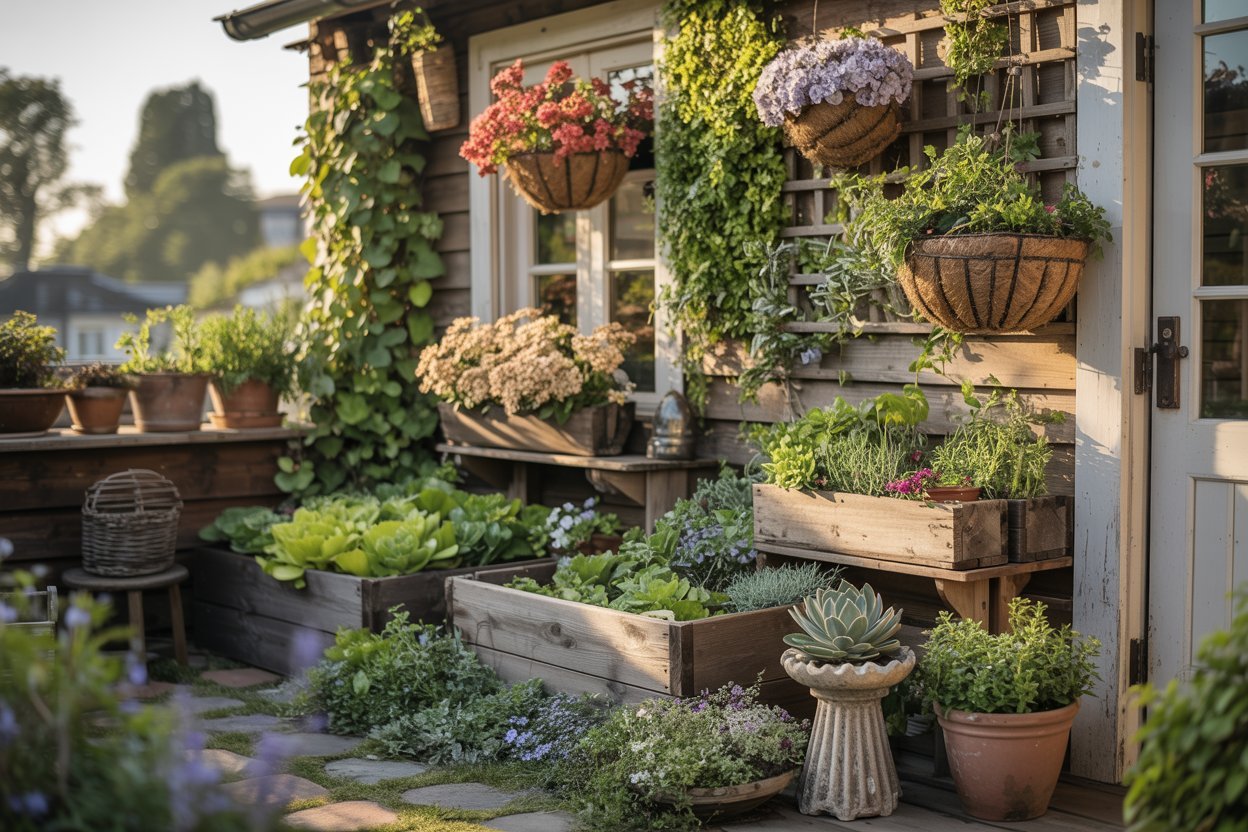

Limited space should never stop you from creating a beautiful, productive garden.
Whether you have a tiny balcony, a compact patio, a narrow side yard, or just a sunny windowsill, thoughtful planning can transform even the smallest corner into a thriving green retreat.
The secret lies in choosing the right plants, using vertical space wisely, and adding creative features that maximize every square inch.
This guide shares 25 practical tiny garden ideas that are attractive, easy to recreate, and suitable for beginners and experienced gardeners alike.
Each idea includes simple steps to help you bring it to life while making the most of your available space.
Why Tiny Gardens Are More Popular Than Ever
Small-space gardening has become one of the fastest-growing gardening trends, and it’s easy to understand why.
Many people now live in apartments, townhouses, or homes with limited outdoor areas. Others simply want a manageable garden that requires less maintenance.
Tiny gardens offer plenty of advantages:
- Lower maintenance than large landscapes
- Less water consumption
- Smaller gardening budget
- Easier weed control
- Ideal for beginners
- Great for growing herbs, vegetables, flowers, or houseplants
- Beautiful enough to increase curb appeal
The biggest lesson I’ve learned over years of gardening is this: a tiny garden doesn’t have to feel small. Smart design creates the illusion of a much larger, greener space.
1. Create a Vertical Garden Wall
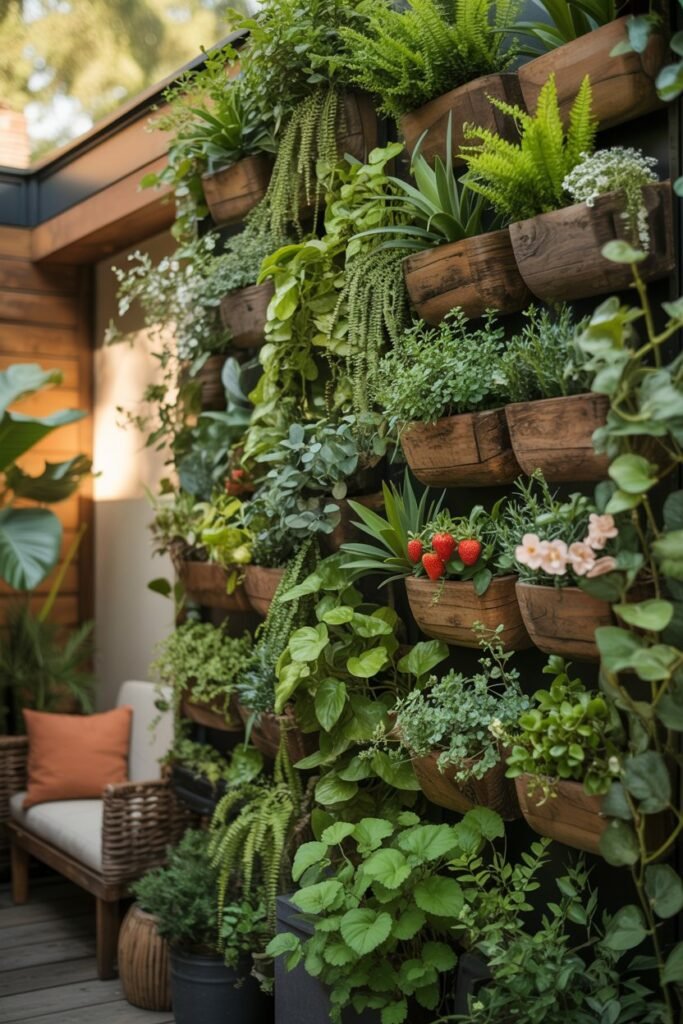
A vertical garden is one of the smartest ways to grow more plants in a small space. It transforms empty walls into lush, living displays while saving valuable floor space.
Best Plants
- Pothos
- Herbs (basil, thyme, parsley)
- Lettuce
- Spinach
- Strawberries
- Ferns
- Succulents
- Petunias
- Ivy
- Creeping Jenny
What You’ll Need
- Wooden pallet, trellis, or wall-mounted planter
- Screws and wall anchors
- Lightweight potting mix
- Healthy seedlings or seeds
- Watering can
- Slow-release fertilizer
- Garden gloves
- Small hand trowel
How to Create It
Step 1: Choose a wall that receives at least 6 hours of sunlight if growing vegetables or flowers.
Step 2: Secure your vertical planter or pallet firmly to the wall, making sure it can support the weight of wet soil.
Step 3: Fill each planting pocket or container with a high-quality potting mix designed for containers.
Step 4: Plant taller varieties near the top and trailing plants along the edges to create a full, cascading look.
Step 5: Water thoroughly after planting until water drains from the bottom.
Step 6: Feed the plants every four to six weeks with a balanced fertilizer and trim regularly to keep the display healthy and attractive.
2. Grow Herbs in a Kitchen Windowsill Garden
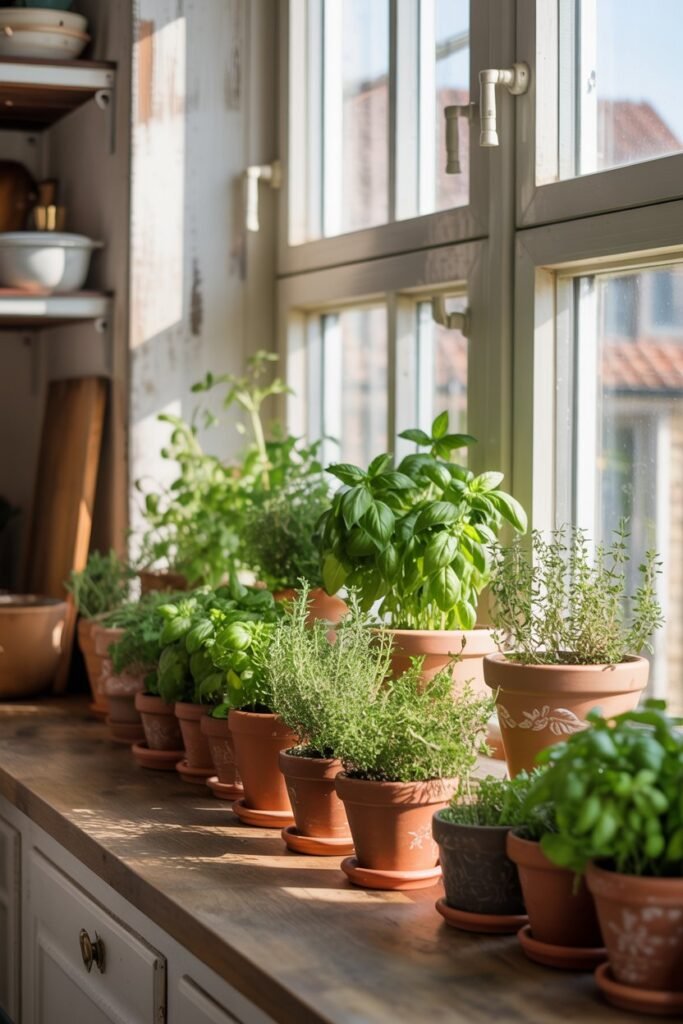
Fresh herbs on a sunny windowsill make cooking more enjoyable while bringing natural beauty indoors. This tiny garden is perfect for beginners and requires very little space.
Best Plants
- Basil
- Parsley
- Chives
- Thyme
- Oregano
- Mint
- Cilantro
- Sage
What You’ll Need
- Small pots with drainage holes
- Potting mix
- Herb seedlings or seeds
- Watering can
- Saucers for pots
- Liquid fertilizer
- Sunny window
How to Create It
Step 1: Select a window that receives at least six hours of sunlight each day.
Step 2: Fill each pot with fresh potting mix, leaving about an inch of space from the rim.
Step 3: Plant one herb per pot according to the planting depth recommended on the seed packet or nursery label.
Step 4: Water gently until excess water drains from the bottom.
Step 5: Place the pots where they’ll receive plenty of natural light.
Step 6: Harvest herbs regularly by snipping stems just above a leaf node to encourage fuller growth.
3. Build a Raised Garden Bed for Small Yards
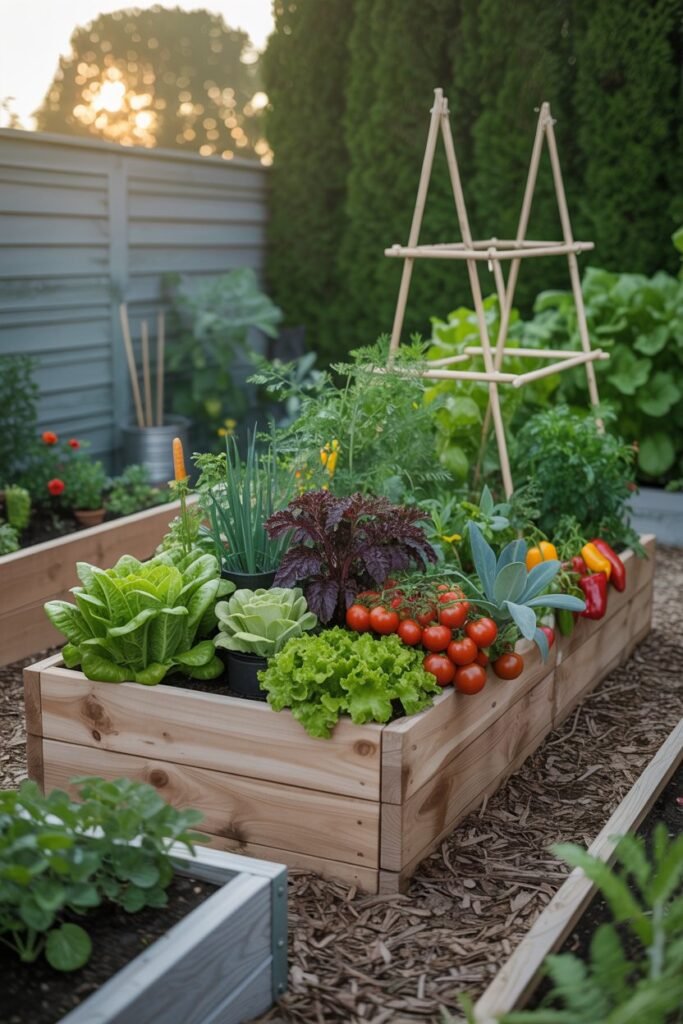
A raised garden bed creates a neat, productive growing area while improving drainage and making gardening more comfortable, even in compact backyards.
Best Plants
- Tomatoes
- Lettuce
- Spinach
- Carrots
- Radishes
- Peppers
- Bush beans
- Kale
What You’ll Need
- Cedar or composite boards
- Screws
- Drill
- Cardboard
- Garden soil
- Compost
- Mulch
- Trowel
- Watering hose
How to Create It
Step 1: Build or purchase a raised bed about 8–12 inches deep.
Step 2: Place cardboard underneath to suppress weeds naturally.
Step 3: Fill the bed with a blend of quality garden soil and compost.
Step 4: Arrange plants according to their spacing needs, placing taller crops toward the back.
Step 5: Water thoroughly after planting.
Step 6: Add mulch around plants to help retain moisture and reduce weeds.
4. Turn Hanging Baskets Into Mini Gardens
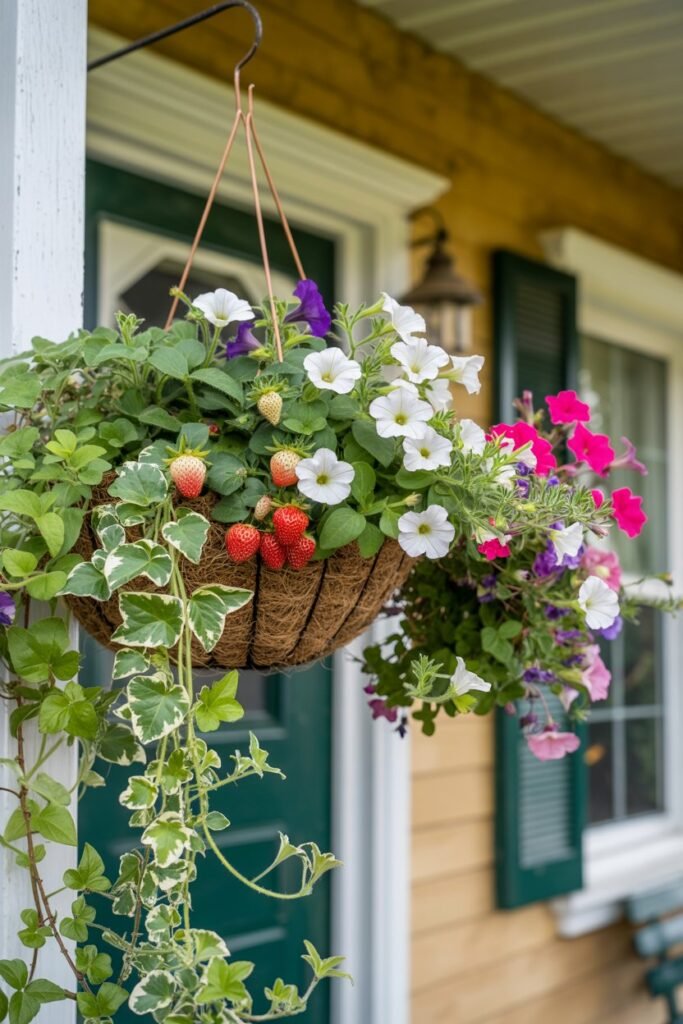
Hanging baskets aren’t just for flowers. They can produce herbs, strawberries, vegetables, and colorful blooms while making excellent use of overhead space.
Best Plants
- Petunias
- Lobelia
- Strawberries
- Cherry tomatoes
- Nasturtiums
- Ivy
- Sweet potato vine
- Bacopa
What You’ll Need
- Hanging baskets
- Coconut liner or basket insert
- Potting mix
- Seedlings
- Hanging hooks
- Watering can
- Slow-release fertilizer
How to Create It
Step 1: Line the basket if needed and fill it with moisture-retaining potting mix.
Step 2: Plant taller plants in the center and trailing plants around the edges.
Step 3: Hang the basket where it receives the appropriate amount of sunlight.
Step 4: Water thoroughly until water drains from the bottom.
Step 5: Fertilize every two to three weeks during the growing season.
Step 6: Remove faded flowers regularly to encourage continuous blooming.
5. Use Tiered Plant Stands
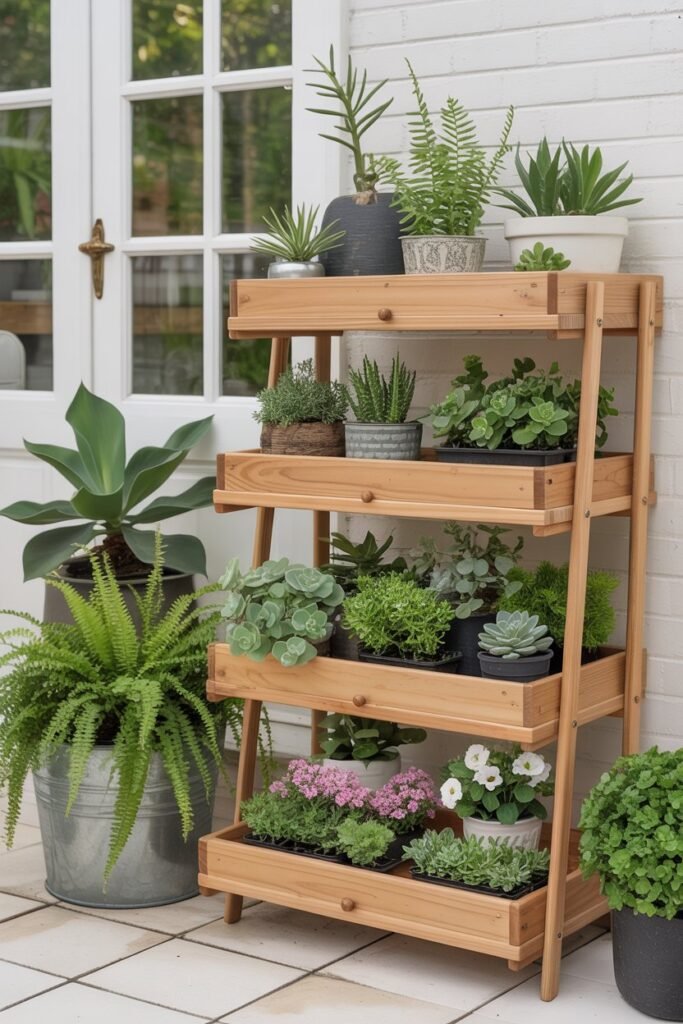
Tiered plant stands let you display many plants in a small footprint while adding height, texture, and visual interest to patios, balconies, and porches.
Best Plants
- Succulents
- Herbs
- Begonias
- African violets
- Ferns
- Spider plants
- Pothos
What You’ll Need
- Multi-tier plant stand
- Pots with drainage
- Potting mix
- Plants
- Watering can
- Decorative stones (optional)
How to Create It
Step 1: Position the stand where it receives suitable sunlight.
Step 2: Place larger pots on the bottom shelves for stability.
Step 3: Arrange smaller plants on the upper shelves.
Step 4: Mix upright and trailing plants for a balanced display.
Step 5: Water each pot according to its needs.
Step 6: Rotate the pots every week so all sides receive even sunlight.
6. Create a Tiny Fairy Garden
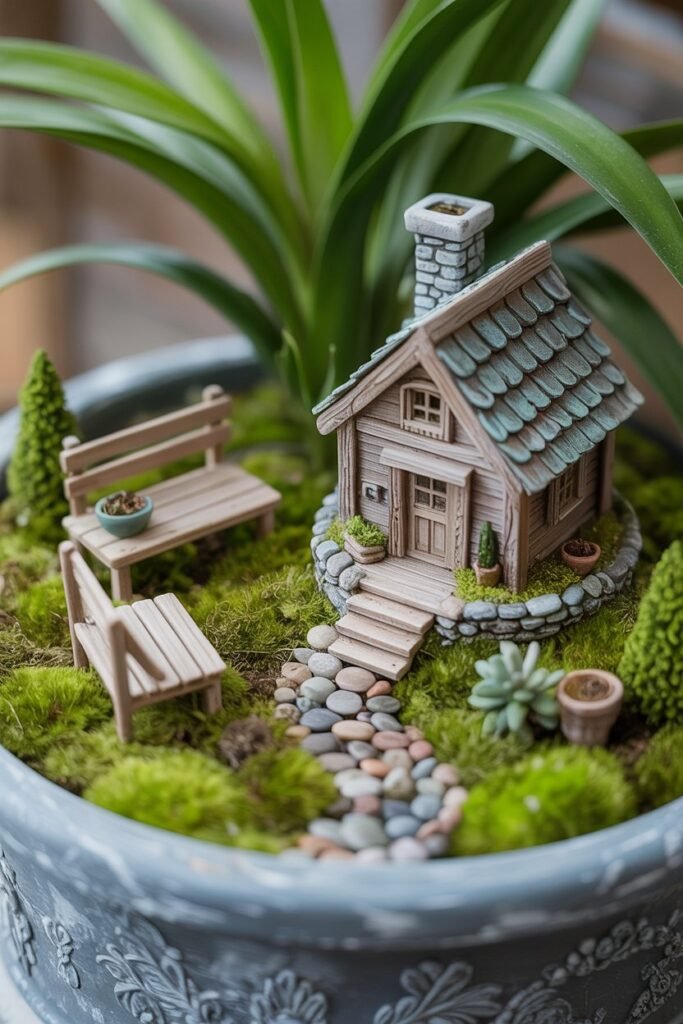
A fairy garden transforms an ordinary planter into a magical miniature landscape that’s fun to build and beautiful to display throughout the year.
Best Plants
- Moss
- Baby tears
- Creeping thyme
- Irish moss
- Mini succulents
- Dwarf ferns
What You’ll Need
- Shallow container
- Potting soil
- Mini fairy house
- Tiny furniture
- Pebbles
- Moss
- Small plants
- Decorative gravel
How to Create It
Step 1: Fill the container with potting soil.
Step 2: Arrange the miniature house and accessories before planting.
Step 3: Plant moss and miniature plants around the decorations.
Step 4: Add pebbles to create tiny walkways.
Step 5: Water gently without disturbing the layout.
Step 6: Trim plants regularly to keep the miniature scene in proportion.
7. Grow Vegetables in Containers
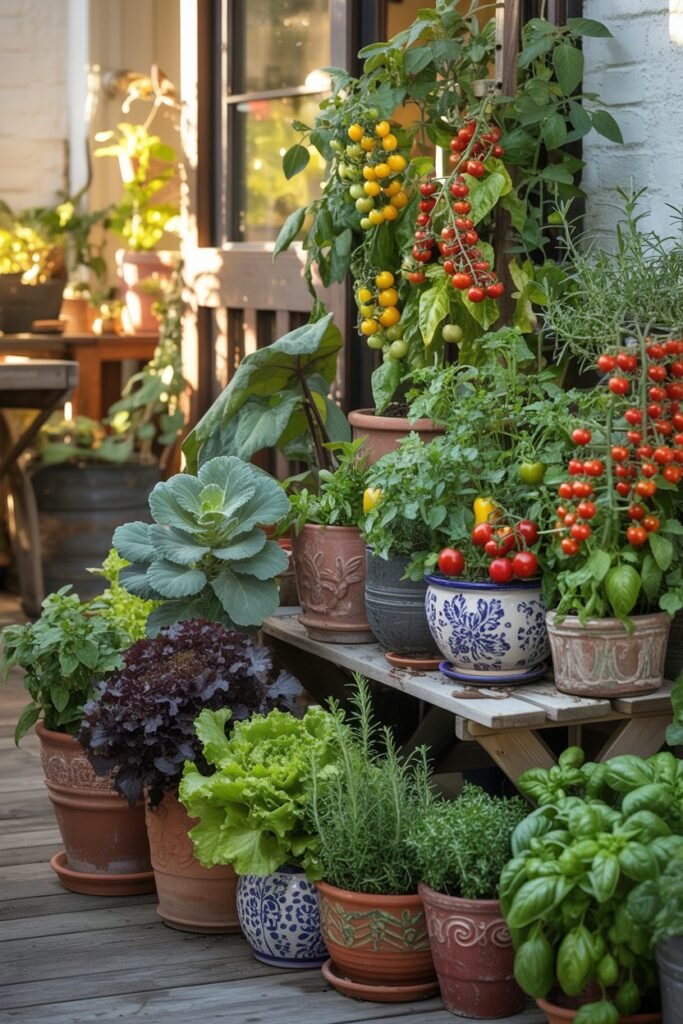
Container gardening makes it possible to enjoy homegrown vegetables even if your only outdoor space is a balcony, patio, or small porch.
Best Plants
- Tomatoes
- Peppers
- Lettuce
- Bush beans
- Eggplant
- Radishes
- Spinach
- Kale
What You’ll Need
- Large containers
- Potting mix
- Vegetable seedlings
- Tomato cages (if needed)
- Fertilizer
- Watering can
- Mulch
How to Create It
Step 1: Select containers with drainage holes that are large enough for your chosen crops.
Step 2: Fill them with quality potting mix.
Step 3: Plant vegetables according to their recommended spacing.
Step 4: Place containers where they’ll receive six to eight hours of sunlight.
Step 5: Water deeply whenever the top inch of soil feels dry.
Step 6: Feed regularly with a balanced vegetable fertilizer for healthy growth and better harvests.
8. Make a Succulent Bowl Garden
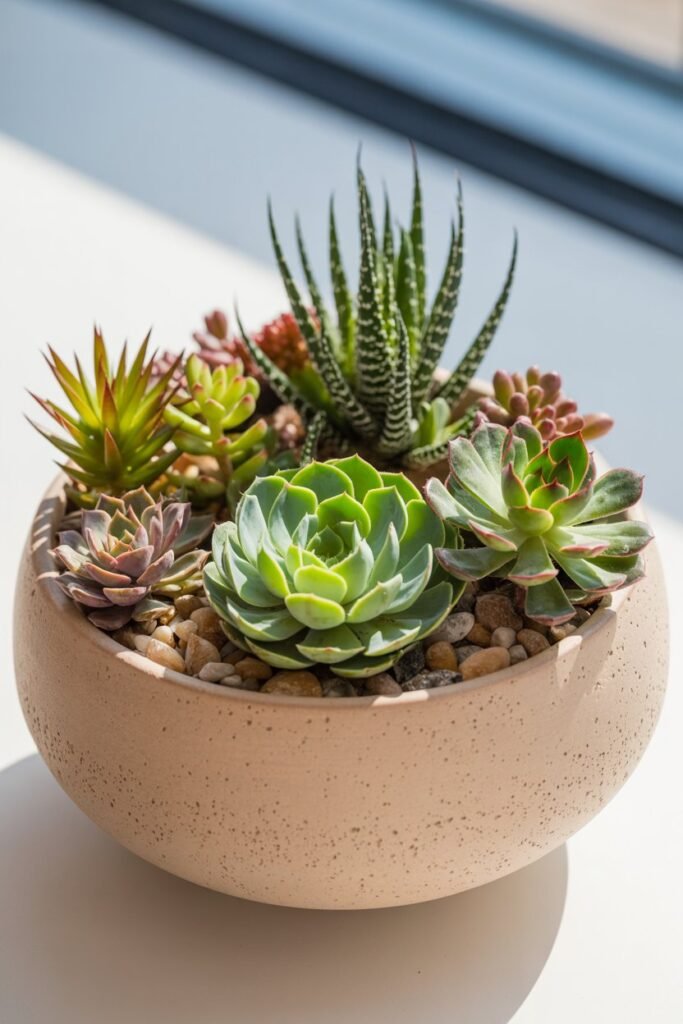
A succulent bowl garden combines different shapes, colors, and textures into one low-maintenance display that’s perfect for sunny indoor or outdoor spaces.
Best Plants
- Echeveria
- Jade Plant
- Haworthia
- Sedum
- Crassula
- Graptopetalum
- Aloe
What You’ll Need
- Shallow bowl with drainage
- Cactus potting mix
- Decorative gravel
- Succulents
- Small trowel
- Watering bottle
How to Create It
Step 1: Fill the bowl with cactus or succulent potting mix.
Step 2: Arrange the succulents before planting to find the most attractive layout.
Step 3: Plant taller varieties toward the center and smaller ones around the edges.
Step 4: Add decorative gravel to cover the soil surface.
Step 5: Place the bowl in bright sunlight.
Step 6: Water only when the soil has completely dried out.
9. Install a Trellis for Climbing Plants
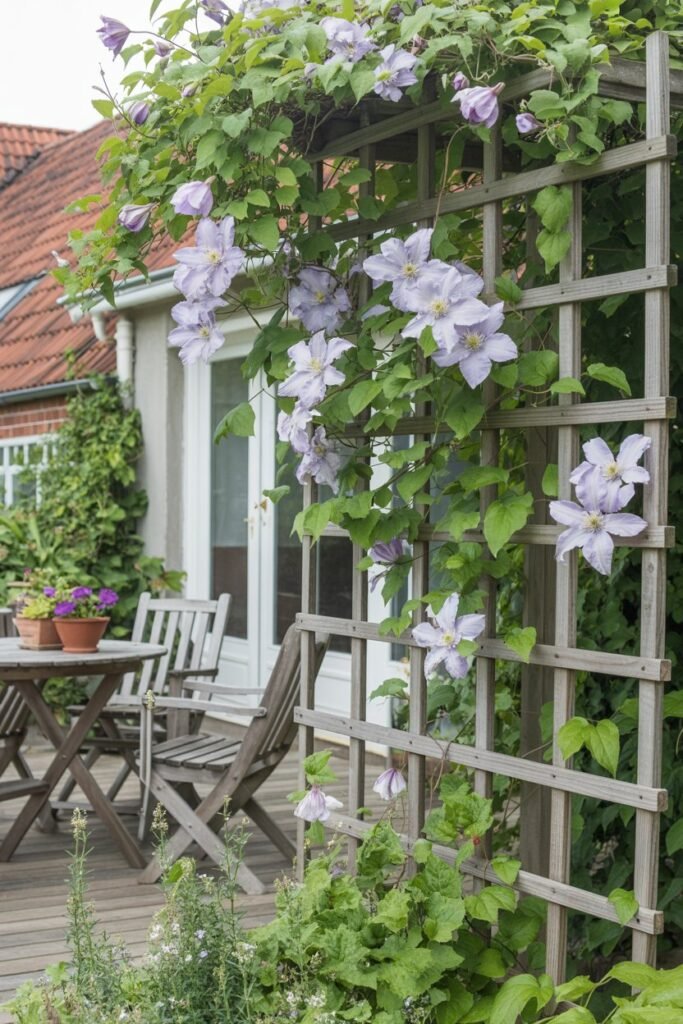
Climbing plants make the most of vertical space while adding privacy, colorful blooms, and fresh vegetables to even the smallest gardens.
Best Plants
- Clematis
- Jasmine
- Morning Glory
- Sweet Peas
- Cucumbers
- Pole Beans
- Black-eyed Susan Vine
What You’ll Need
- Wooden or metal trellis
- Screws or stakes
- Potting soil or garden soil
- Climbing plants
- Plant ties
- Watering can
How to Create It
Step 1: Secure the trellis firmly against a wall, fence, or in the ground.
Step 2: Plant climbing varieties about six inches from the base.
Step 3: Water thoroughly after planting.
Step 4: Tie young stems loosely to the trellis as they begin growing.
Step 5: Continue guiding vines across the support.
Step 6: Prune excess growth occasionally to keep the display tidy.
10. Design a Balcony Jungle
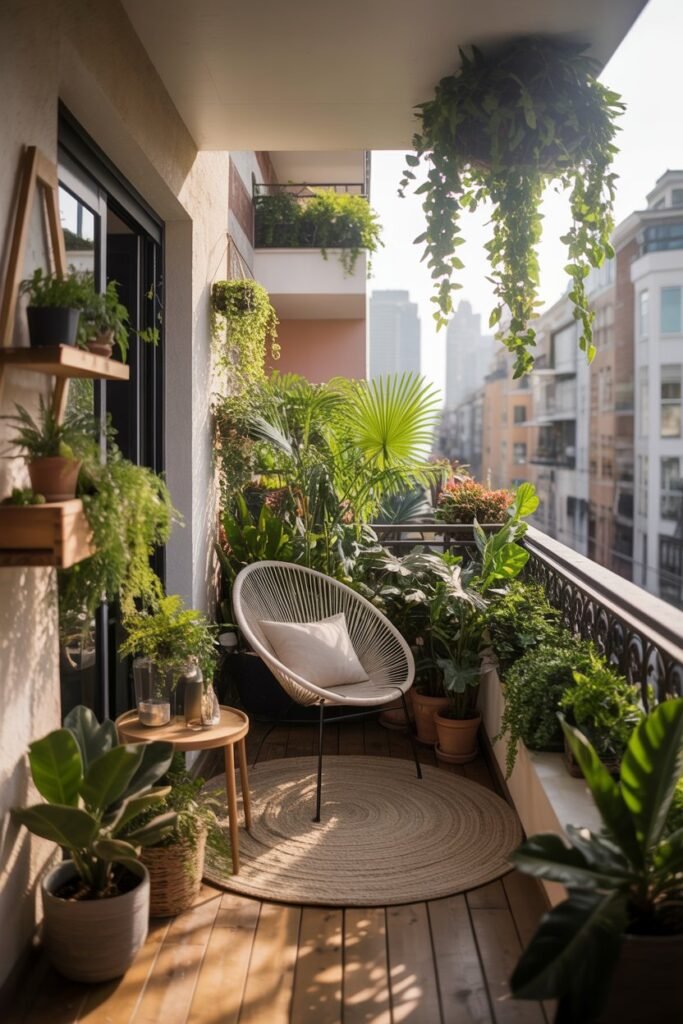
Turn a plain balcony into a lush retreat by layering plants of different heights, textures, and colors to create a relaxing outdoor escape.
Best Plants
- Areca Palm
- Boston Fern
- Snake Plant
- Monstera
- Pothos
- Caladium
- Coleus
- English Ivy
What You’ll Need
- Large and small pots
- Potting mix
- Plant stands
- Hanging baskets
- Watering can
- Outdoor rug (optional)
- Small chair (optional)
How to Create It
Step 1: Place the tallest plants in the back corners.
Step 2: Add medium-sized plants around seating areas.
Step 3: Hang trailing plants from railings or hooks.
Step 4: Fill empty spaces with compact potted plants.
Step 5: Group plants closely together to create a lush appearance.
Step 6: Water consistently and remove dead leaves to keep the space looking vibrant.
11. Build a Window Box Garden
A window box instantly adds charm and color to your home while making use of space that would otherwise go unused. It’s ideal for flowers, herbs, and even leafy vegetables.
Best Plants
- Petunias
- Geraniums
- Pansies
- Ivy
- Basil
- Parsley
- Lettuce
- Alyssum
What You’ll Need
- Window box planter
- Mounting brackets
- Potting mix
- Plants or seeds
- Hand trowel
- Watering can
- Slow-release fertilizer
How to Create It
Step 1: Secure the window box firmly beneath your window.
Step 2: Fill it with quality potting mix, leaving about an inch from the top.
Step 3: Plant taller varieties at the back, medium-sized plants in the middle, and trailing plants along the front edge.
Step 4: Water thoroughly until excess water drains out.
Step 5: Place the planter where it receives the appropriate amount of sunlight.
Step 6: Feed every four to six weeks and remove faded blooms to encourage continuous flowering.
12. Grow Strawberries in a Tower Planter
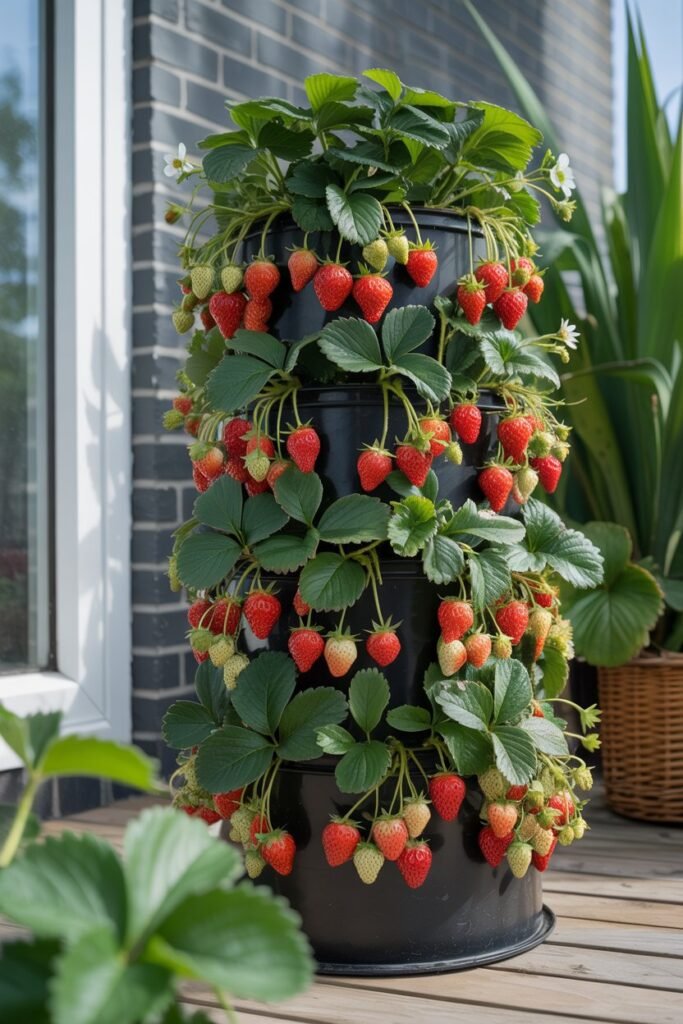
A strawberry tower lets you grow dozens of juicy berries while taking up only a small footprint, making it perfect for patios and balconies.
Best Plants
- Albion Strawberry
- Seascape Strawberry
- Quinault Strawberry
- Ozark Beauty Strawberry
- Everbearing Strawberries
What You’ll Need
- Strawberry tower planter
- Potting mix
- Strawberry plants
- Watering can
- Slow-release fertilizer
- Mulch (optional)
How to Create It
Step 1: Assemble the tower planter according to the manufacturer’s instructions.
Step 2: Fill each level with nutrient-rich potting mix.
Step 3: Plant one strawberry in every planting pocket.
Step 4: Water slowly from the top until moisture reaches every level.
Step 5: Place the tower in full sun.
Step 6: Harvest ripe berries regularly to encourage more fruit production.
13. Repurpose Old Wooden Crates
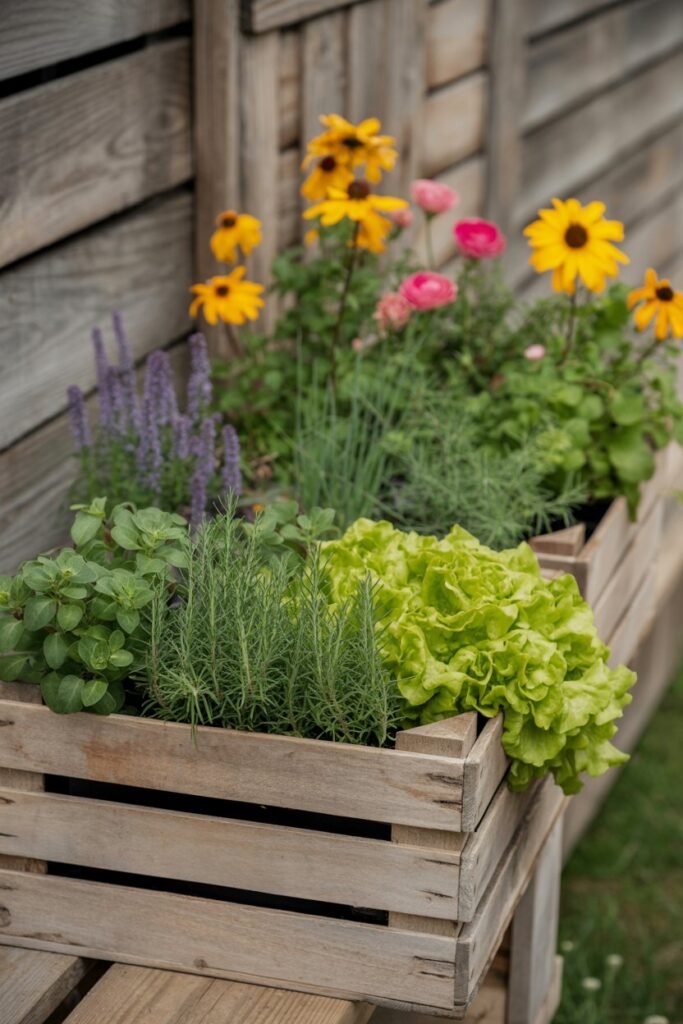
Old wooden crates make charming rustic planters that are inexpensive, eco-friendly, and perfect for growing flowers, herbs, or compact vegetables.
Best Plants
- Lavender
- Basil
- Lettuce
- Marigolds
- Spinach
- Petunias
- Chives
- Kale
What You’ll Need
- Wooden crates
- Landscape fabric
- Potting mix
- Drill
- Plants
- Watering can
- Decorative mulch
How to Create It
Step 1: Drill drainage holes if your crate doesn’t already have them.
Step 2: Line the inside with landscape fabric.
Step 3: Fill the crate with quality potting mix.
Step 4: Arrange and plant your chosen flowers or vegetables.
Step 5: Water thoroughly after planting.
Step 6: Place the crate in a sunny location and water as needed.
14. Add a Tiny Water Feature
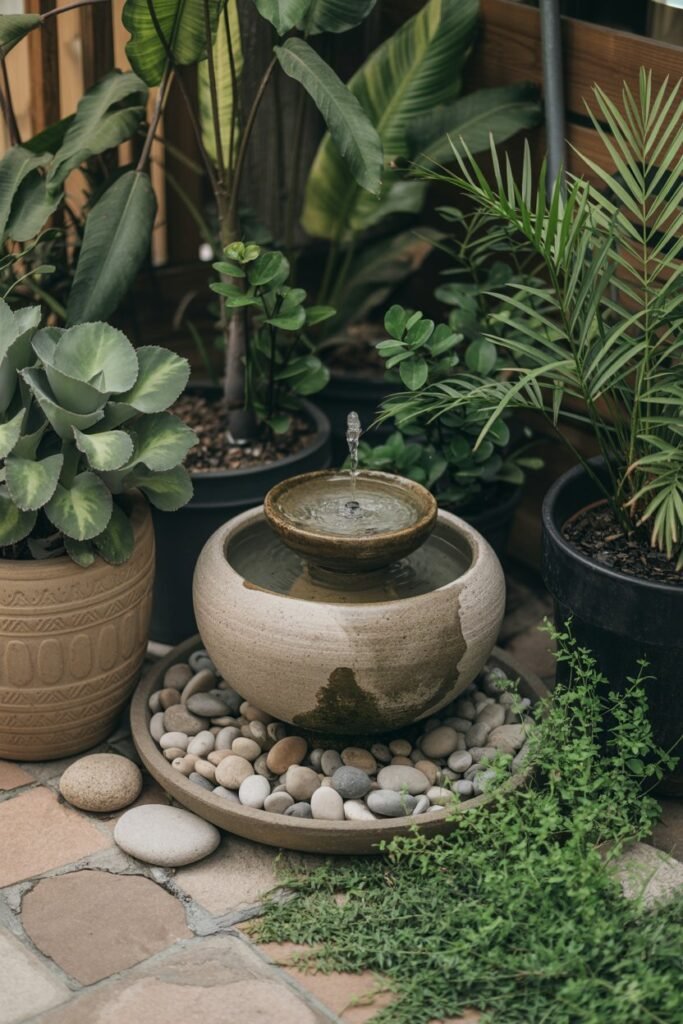
A miniature water feature brings soothing sounds and a peaceful atmosphere to even the smallest garden while attracting birds and beneficial wildlife.
Best Plants
- Water Lettuce
- Dwarf Papyrus
- Mini Water Lily
- Creeping Jenny
- Sweet Flag
What You’ll Need
- Large ceramic bowl or container
- Small fountain pump
- Smooth stones
- Aquatic plants
- Water
- Extension cord (if needed)
How to Create It
Step 1: Place the container on a stable, level surface.
Step 2: Install the small fountain pump inside the container.
Step 3: Arrange stones around the pump to hide it naturally.
Step 4: Add aquatic plants around the edges.
Step 5: Fill the container with clean water.
Step 6: Turn on the pump and top off the water level as needed.
15. Grow a Salad Garden
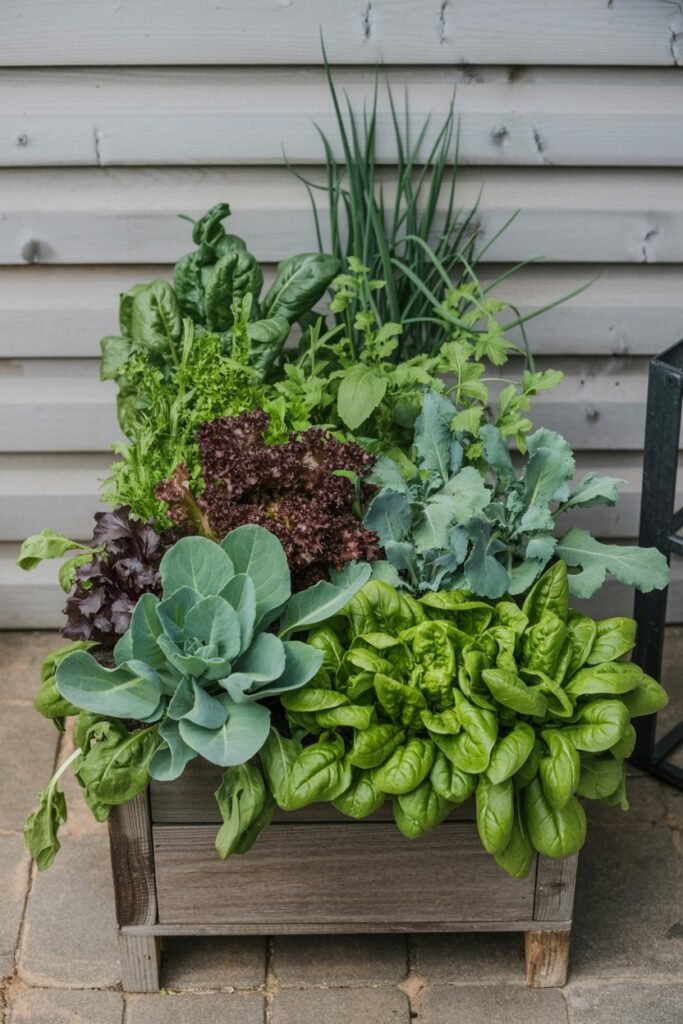
A salad garden provides fresh ingredients just steps from your kitchen and can supply delicious harvests throughout the growing season.
Best Plants
- Lettuce
- Arugula
- Spinach
- Kale
- Radishes
- Green Onions
- Swiss Chard
What You’ll Need
- Wide planter
- Potting mix
- Seeds or seedlings
- Watering can
- Fertilizer
- Garden scissors
How to Create It
Step 1: Fill your planter with nutrient-rich potting mix.
Step 2: Sow seeds according to their recommended spacing.
Step 3: Water gently after planting.
Step 4: Place the container in a sunny location.
Step 5: Keep the soil consistently moist.
Step 6: Harvest outer leaves regularly while allowing the center to continue growing.
16. Create a Mini Rock Garden
A miniature rock garden combines beautiful stones with drought-tolerant plants to create an eye-catching display that requires very little maintenance.
Best Plants
- Sedum
- Sempervivum
- Creeping Thyme
- Blue Fescue
- Ice Plant
- Dwarf Juniper
What You’ll Need
- Decorative rocks
- Gravel
- Cactus soil
- Small container or garden space
- Succulents
- Hand trowel
How to Create It
Step 1: Fill the container with gritty, well-draining soil.
Step 2: Arrange rocks naturally throughout the space.
Step 3: Plant succulents and alpine plants between the rocks.
Step 4: Cover exposed soil with decorative gravel.
Step 5: Water lightly after planting.
Step 6: Water only when the soil becomes completely dry.
17. Use Hanging Pocket Planters
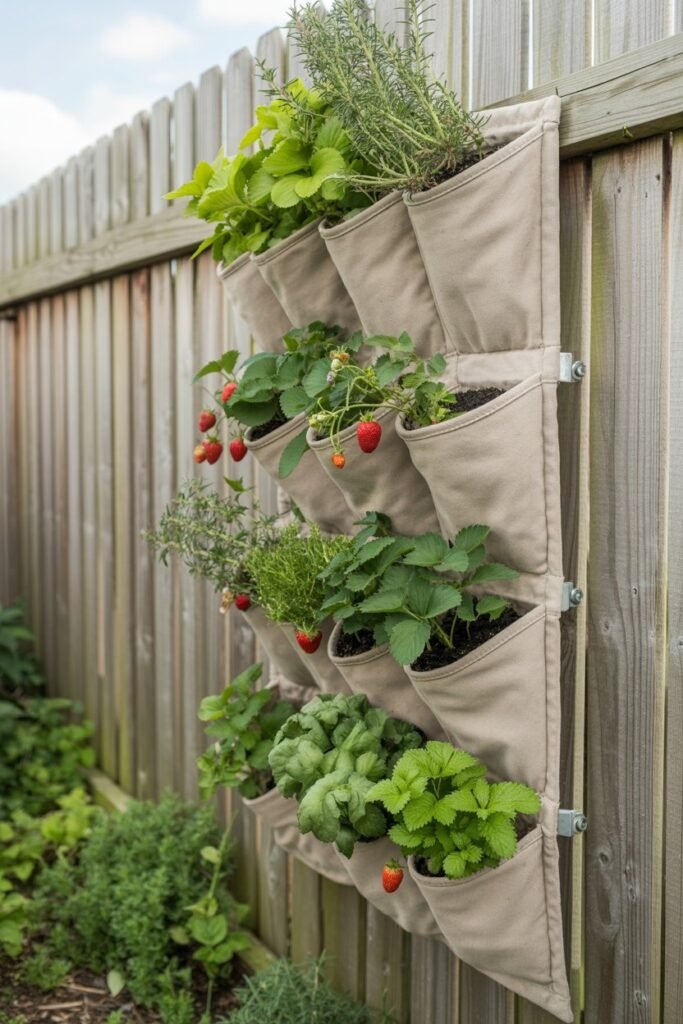
Pocket planters allow you to grow multiple plants vertically, making them one of the most space-saving solutions for tiny gardens.
Best Plants
- Herbs
- Strawberries
- Lettuce
- Spinach
- Pothos
- Petunias
- Ferns
What You’ll Need
- Fabric pocket planter
- Wall hooks
- Potting mix
- Plants
- Watering can
- Liquid fertilizer
How to Create It
Step 1: Secure the pocket planter firmly to a wall or fence.
Step 2: Fill each pocket with lightweight potting mix.
Step 3: Plant one seedling in each pocket.
Step 4: Water slowly from the top so every pocket receives moisture.
Step 5: Place the planter where it gets suitable sunlight.
Step 6: Feed monthly with a balanced liquid fertilizer.
18. Plant Dwarf Fruit Trees in Pots
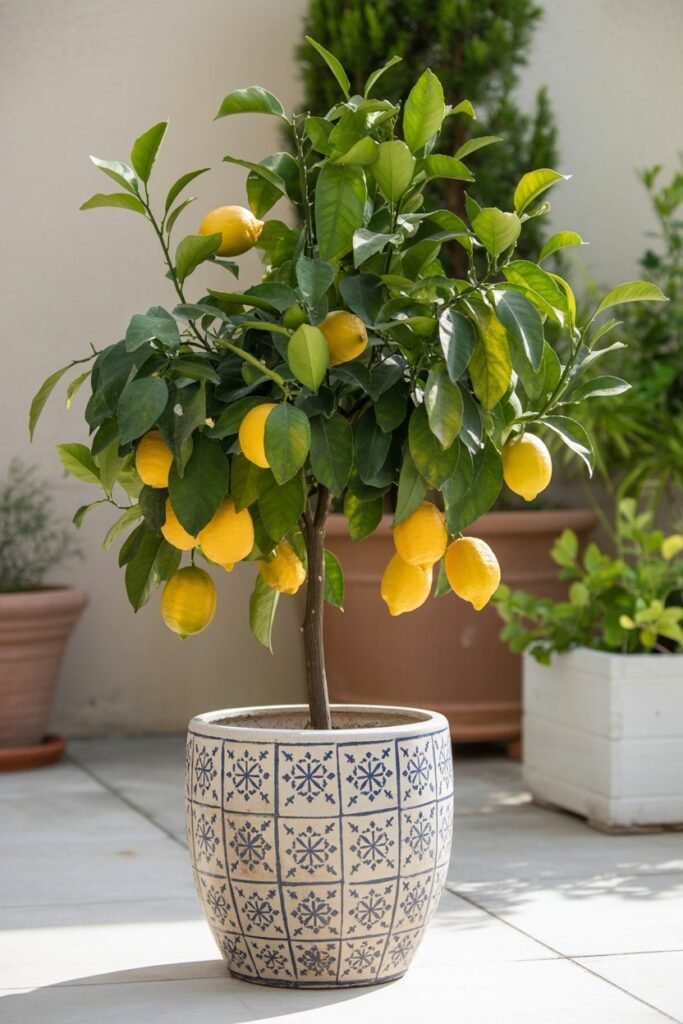
Compact fruit trees allow you to enjoy homegrown fruit without needing a large backyard, making them perfect for patios and balconies.
Best Plants
- Dwarf Lemon Tree
- Dwarf Lime Tree
- Dwarf Fig Tree
- Dwarf Peach Tree
- Dwarf Apple Tree
What You’ll Need
- Large container
- Potting mix
- Fruit tree
- Mulch
- Fertilizer
- Stakes (if needed)
- Watering can
How to Create It
Step 1: Choose a large container with excellent drainage.
Step 2: Fill it with rich potting mix.
Step 3: Plant the tree at the same depth it was growing in its nursery pot.
Step 4: Water thoroughly after planting.
Step 5: Place the container in full sun.
Step 6: Prune annually to maintain its compact size and improve fruit production.
19. Create a Color-Themed Garden
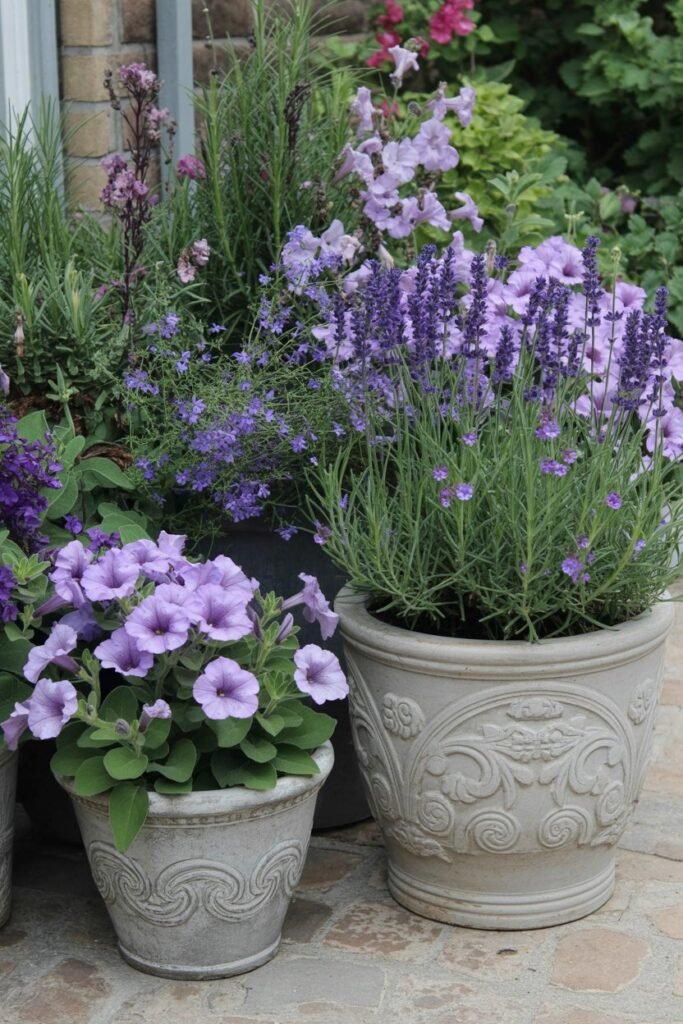
Choosing one color palette creates a cohesive, elegant garden that feels larger and more thoughtfully designed.
Best Plants
- Lavender
- White Petunias
- Purple Salvia
- Yellow Marigolds
- Pink Begonias
- White Alyssum
- Blue Lobelia
What You’ll Need
- Matching containers
- Potting mix
- Plants in your chosen color
- Decorative stones
- Watering can
- Fertilizer
How to Create It
Step 1: Select one or two colors to use throughout the garden.
Step 2: Purchase flowers and foliage that match your chosen palette.
Step 3: Arrange containers evenly throughout the space.
Step 4: Repeat the same colors to create visual harmony.
Step 5: Add decorative stones or accessories in complementary shades.
Step 6: Maintain the display by deadheading flowers regularly.
20. Use Decorative Ladder Shelves

An old ladder can become a beautiful vertical plant display that adds height and personality while saving valuable floor space.
Best Plants
- Ferns
- Herbs
- Succulents
- Spider Plants
- Pothos
- Begonias
- Coleus
What You’ll Need
- Wooden ladder
- Wooden boards (optional)
- Pots
- Potting mix
- Plants
- Outdoor sealant (optional)
How to Create It
Step 1: Clean and seal the ladder if it will remain outdoors.
Step 2: Add wooden shelves if needed.
Step 3: Place the largest pots on the bottom shelves.
Step 4: Arrange smaller plants toward the top.
Step 5: Add trailing plants along the sides.
Step 6: Rotate plants every week for even growth.
21. Grow Plants Along a Fence
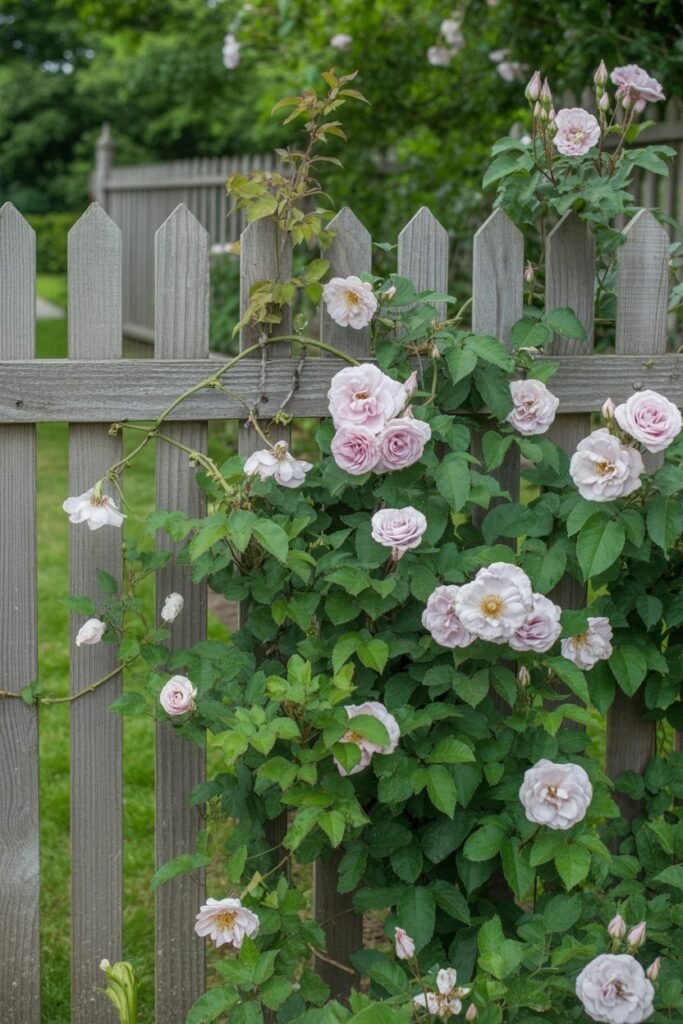
Your fence can become a beautiful living backdrop by supporting flowering vines, vegetables, or climbing plants that make the most of vertical space.
Best Plants
- Clematis
- Jasmine
- Climbing Roses
- Pole Beans
- Cucumbers
- Morning Glory
- Sweet Peas
What You’ll Need
- Trellis or garden wire
- Plant ties
- Garden soil
- Compost
- Plants
- Watering hose
How to Create It
Step 1: Install a trellis or garden wire securely against the fence.
Step 2: Improve the soil with compost before planting.
Step 3: Plant climbers several inches from the fence.
Step 4: Water thoroughly after planting.
Step 5: Tie young stems loosely as they begin climbing.
Step 6: Trim and guide new growth throughout the season.
22. Create a Tiny Pollinator Garden
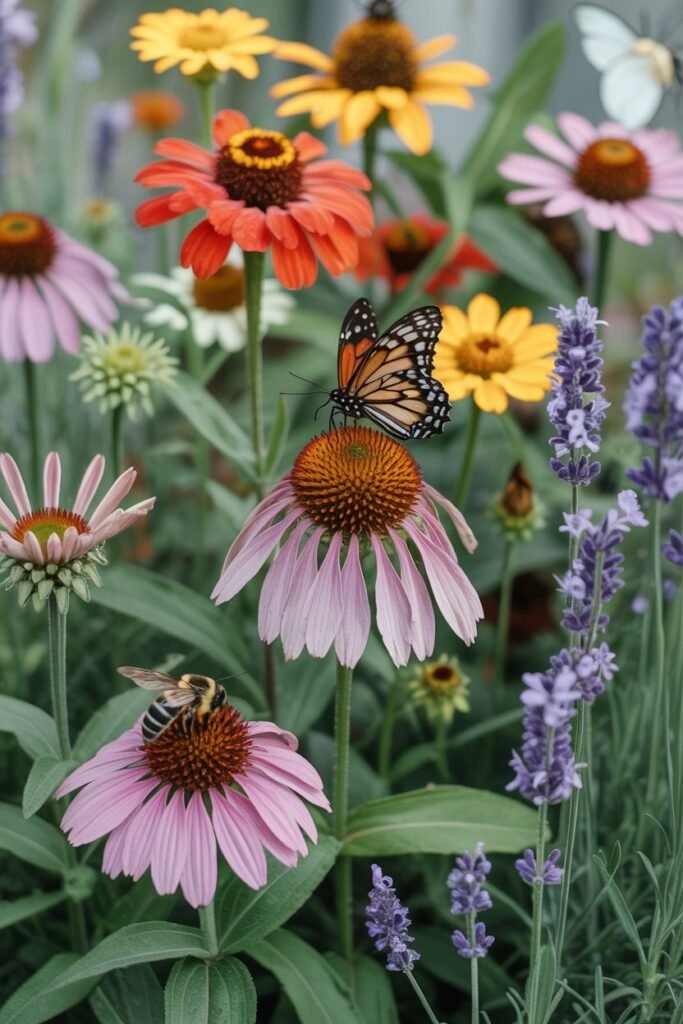
A pollinator garden fills your space with colorful blooms while attracting bees, butterflies, and other beneficial insects that help plants thrive.
Best Plants
- Lavender
- Coneflowers
- Zinnias
- Cosmos
- Salvia
- Bee Balm
- Black-Eyed Susan
What You’ll Need
- Flowering plants
- Potting mix
- Containers or garden bed
- Water source
- Mulch
- Garden trowel
How to Create It
Step 1: Choose a sunny location.
Step 2: Plant flowers in groups rather than individually.
Step 3: Include plants that bloom at different times of the year.
Step 4: Add a shallow dish filled with water and pebbles.
Step 5: Water regularly until plants become established.
Step 6: Avoid pesticides to protect visiting pollinators.
23. Design a Compact Zen Garden
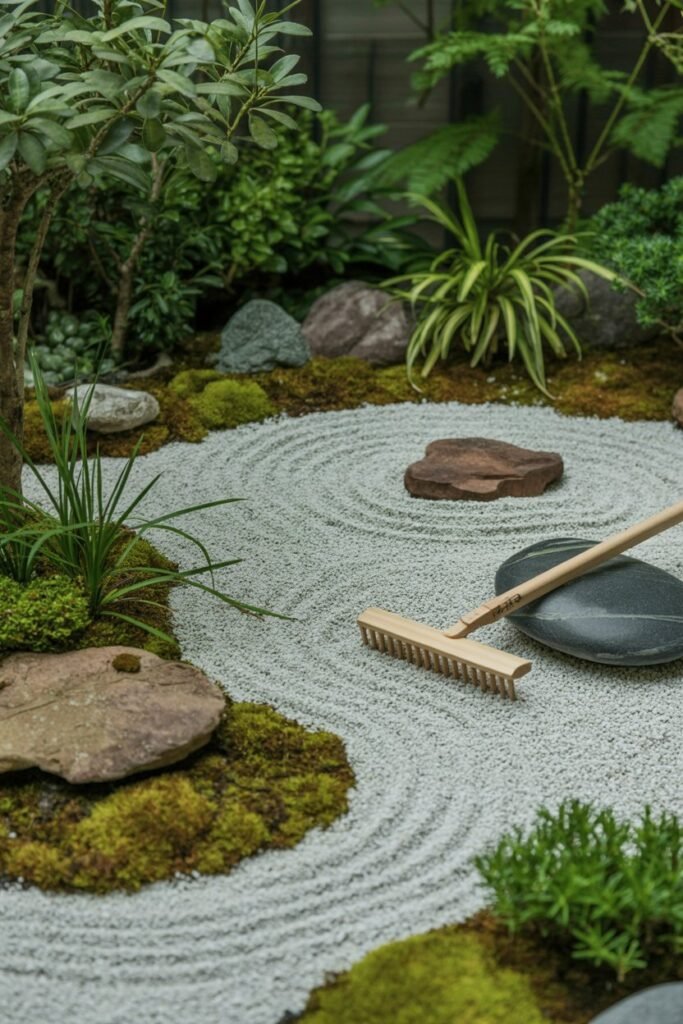
A Zen garden offers a peaceful retreat where simple natural elements create a calming atmosphere that’s perfect for relaxation and mindfulness.
Best Plants
- Moss
- Dwarf Juniper
- Japanese Forest Grass
- Black Mondo Grass
- Mini Bamboo
What You’ll Need
- Shallow tray or container
- Fine gravel or sand
- Decorative rocks
- Small rake
- Moss
- Mini plants
How to Create It
Step 1: Fill the container with fine gravel or sand.
Step 2: Arrange rocks naturally throughout the design.
Step 3: Add moss and small plants sparingly.
Step 4: Use a miniature rake to create flowing patterns.
Step 5: Place the garden in a quiet location.
Step 6: Refresh the rake patterns whenever you want a new look.
24. Use Recycled Containers as Planters
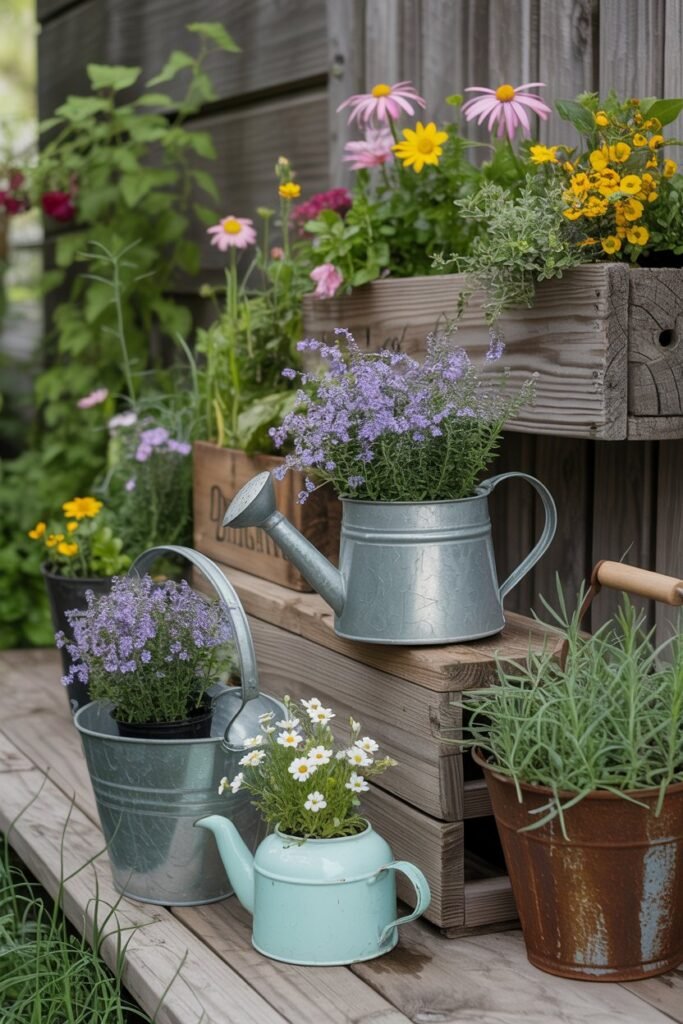
Give everyday household items a second life by turning them into creative planters that add personality and sustainability to your tiny garden.
Best Plants
- Succulents
- Herbs
- Pansies
- Marigolds
- Lettuce
- Ivy
- Petunias
What You’ll Need
- Old teapots, buckets, cans, or bowls
- Drill
- Potting mix
- Plants
- Decorative stones
- Watering can
How to Create It
Step 1: Clean your recycled container thoroughly.
Step 2: Drill drainage holes if needed.
Step 3: Fill with fresh potting mix.
Step 4: Plant flowers, herbs, or succulents.
Step 5: Water thoroughly after planting.
Step 6: Group several unique containers together for an eye-catching display.
25. Build a Mixed Container Garden
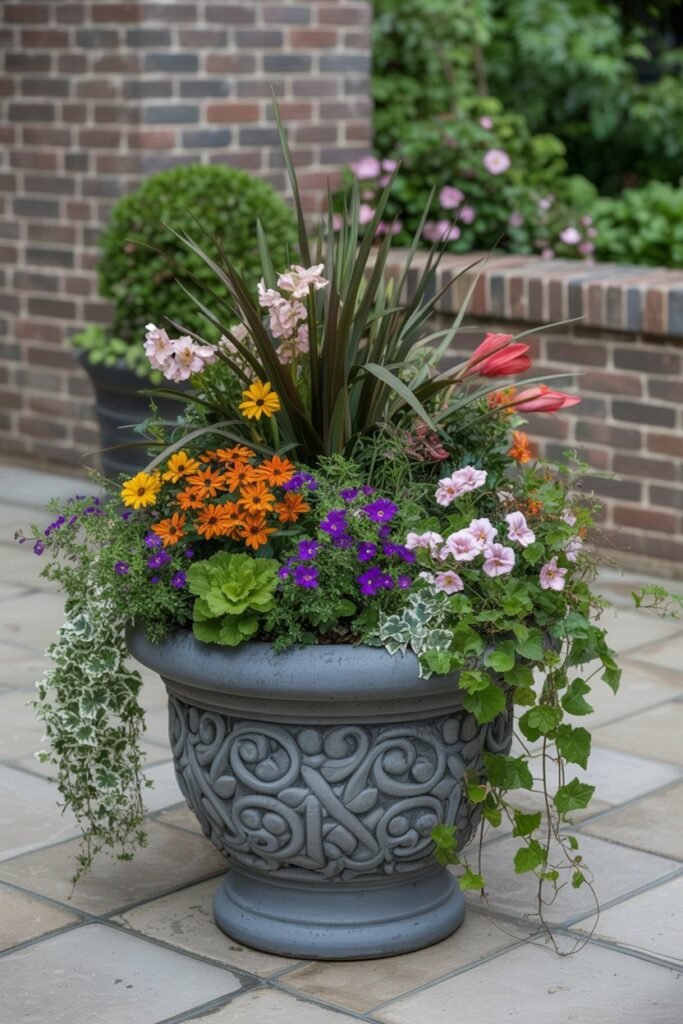
A mixed container garden combines flowers, foliage, and trailing plants into one stunning arrangement that becomes an instant focal point.
Best Plants
- Coleus
- Petunias
- Sweet Potato Vine
- Calibrachoa
- Geraniums
- Dusty Miller
- Lobelia
What You’ll Need
- Large decorative planter
- Potting mix
- Slow-release fertilizer
- Assorted plants
- Watering can
- Mulch (optional)
How to Create It
Step 1: Fill your planter with premium potting mix.
Step 2: Plant one tall “thriller” plant in the center or back.
Step 3: Surround it with medium-sized “filler” plants.
Step 4: Finish with trailing “spiller” plants around the edges.
Step 5: Water deeply after planting and place the container in the appropriate light.
Step 6: Fertilize every few weeks, deadhead spent flowers, and prune lightly to keep the arrangement lush and blooming all season long.
Essential Tips for Making Any Tiny Garden Thrive
No matter which ideas you choose, a few gardening habits will help your small space flourish:
- Prioritize sunlight: Most vegetables and flowering plants need at least six hours of direct sun.
- Use quality potting mix: Containers perform best with a lightweight, nutrient-rich mix rather than garden soil.
- Water consistently: Small containers dry out quickly, especially during hot or windy weather.
- Feed regularly: Apply a balanced liquid fertilizer every two to four weeks during active growth.
- Mulch when possible: A thin layer of mulch helps retain moisture and keeps roots cooler.
- Prune often: Pinching herbs, deadheading flowers, and trimming leggy growth encourages fuller, healthier plants.
- Think vertically: Walls, fences, railings, shelves, and trellises dramatically increase your growing area.
- Choose compact varieties: Dwarf vegetables, miniature shrubs, and compact flowers are better suited to small gardens.
Frequently Asked Questions
What is the easiest tiny garden to start?
A container herb garden is one of the simplest options. Herbs like basil, parsley, mint, and chives grow well in small pots, require minimal space, and provide fresh harvests throughout the season.
Can I grow vegetables in a tiny garden?
Absolutely. Tomatoes, peppers, lettuce, spinach, radishes, beans, carrots, and many herbs thrive in containers, raised beds, and vertical gardens when they receive enough sunlight and regular watering.
How do I make a small garden look bigger?
Use vertical planters, mirrors, repeating plant colors, layered heights, and compact furniture. Keeping pathways clear and avoiding overcrowding also creates a more spacious appearance.
How often should I water a tiny garden?
It depends on the weather, plant type, and container size. Check the soil daily by feeling the top inch. Water thoroughly when it feels dry, and remember that containers often need more frequent watering than plants in the ground.
What’s the best soil for container gardens?
A high-quality potting mix with added compost provides excellent drainage, moisture retention, and nutrients. Avoid using heavy garden soil in pots, as it can become compacted and restrict root growth.
Final Thoughts
Creating a beautiful garden doesn’t require a large backyard just a little creativity and thoughtful planning.
Whether you choose a lush vertical wall, a productive vegetable container, a charming fairy garden, or a peaceful Zen corner, every small project has the potential to transform an overlooked space into something special.
Start with one or two ideas that match your lifestyle, expand as your confidence grows, and enjoy the satisfaction of watching your tiny garden flourish.
With consistent care and smart design, even the smallest space can become a vibrant oasis filled with color, fragrance, and life.
