
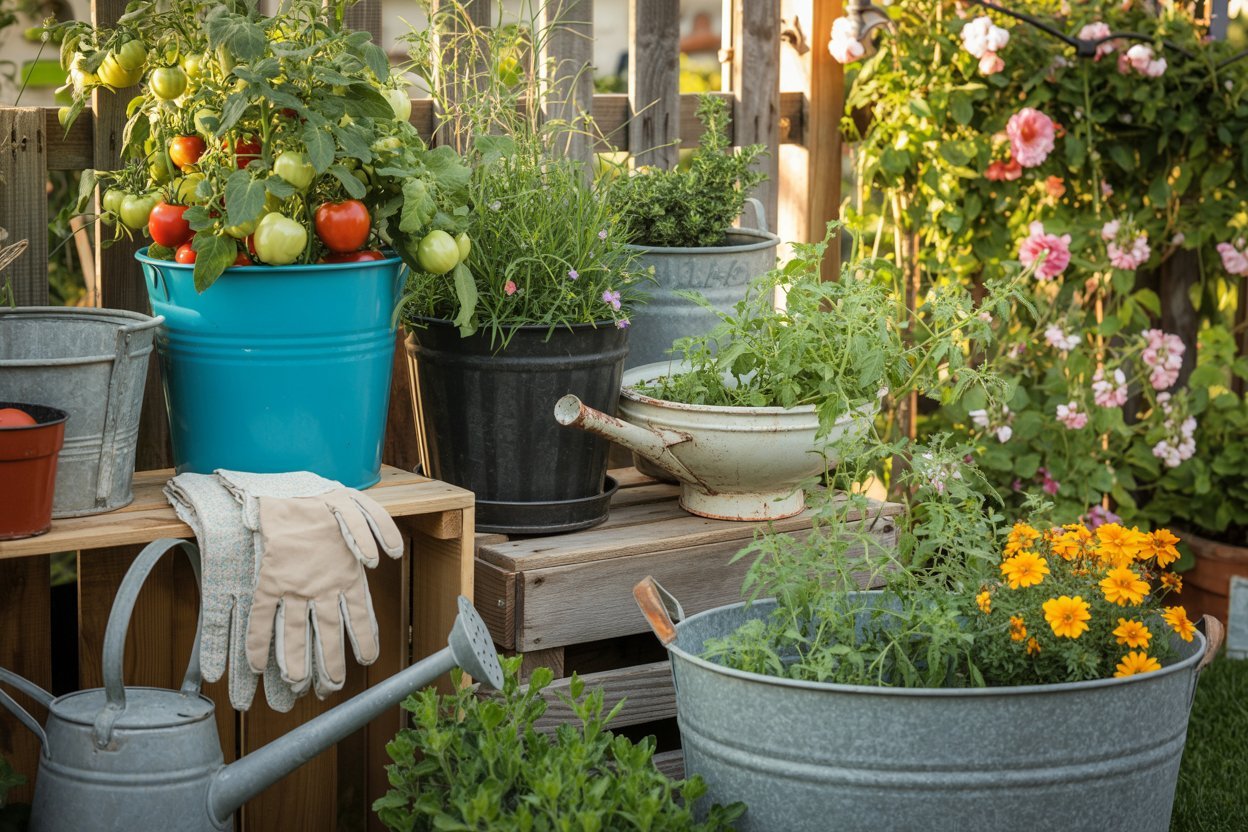

Container gardening doesn’t have to be expensive. In fact, some of the best planters are probably sitting around your home right now or waiting to be rescued from a local business before heading to the trash.
With a little creativity, you can grow herbs, flowers, vegetables, and even small fruit plants without spending money on fancy pots.
Free gardening containers are not only budget-friendly, but they also help reduce waste and give old items a second life. Whether you have a tiny balcony, a sunny patio, or a backyard garden, repurposed containers can turn almost any space into a productive growing area.
The secret is knowing where to look, which containers are safe to use, and how to prepare them properly for plants. Some containers work beautifully for vegetables, while others are better suited for flowers or herbs.
A few simple adjustments like adding drainage holes can transform everyday items into healthy homes for your plants.
This guide will walk you through eight of the best places to find free gardening containers, along with practical tips for cleaning, preparing, and using them successfully.
Let get into this 8 Places to Find Free Gardening Containers
Why Free Gardening Containers Are Worth Using
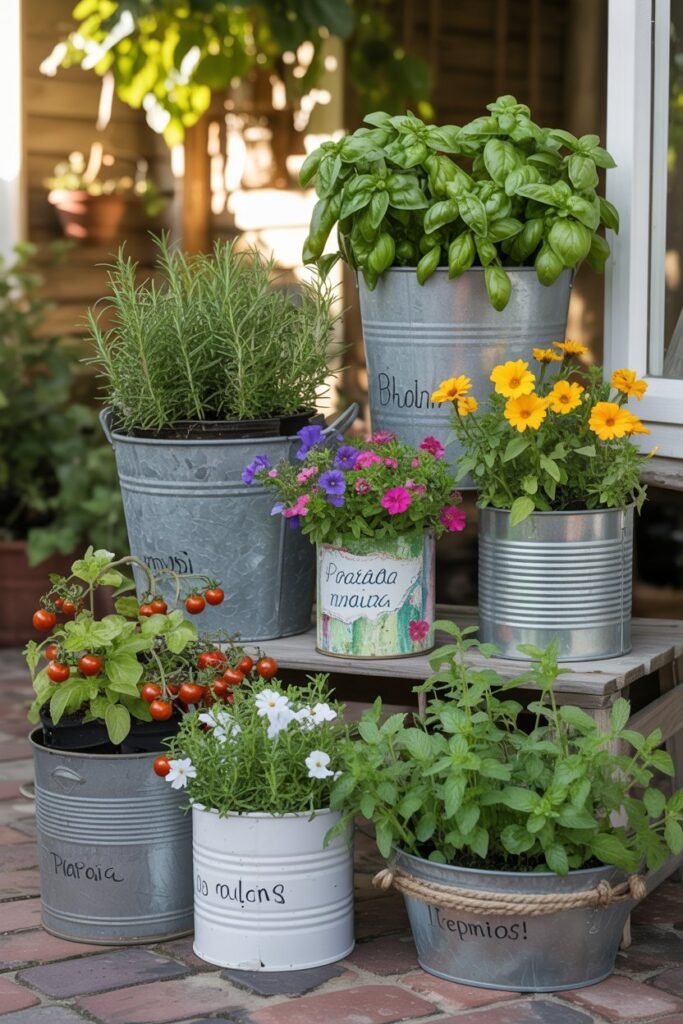
Buying decorative pots for a garden can quickly become expensive, especially if you plan to grow multiple plants. Large containers alone can cost more than the soil and seedlings combined.
Free containers solve that problem while offering several other benefits.
They Save Money
Gardening already comes with expenses like soil, fertilizer, seeds, and tools. Reusing free containers allows you to put more of your budget toward healthy plants and quality growing materials instead of expensive pots.
They Reduce Waste
Many sturdy containers are thrown away every day even though they can still serve a useful purpose. Reusing buckets, tubs, crates, and food containers keeps usable items out of landfills and supports a more sustainable lifestyle.
They Encourage Creativity
Some of the most beautiful container gardens are made from unexpected items. Mixing different shapes, textures, and sizes can create a charming garden that feels personal and unique.
They Work Just as Well as Store-Bought Pots
Plants care more about drainage, soil quality, sunlight, and watering than they do about whether the container came from a garden center. As long as your container is clean and has proper drainage, many repurposed items work perfectly.
What Makes a Good Gardening Container?
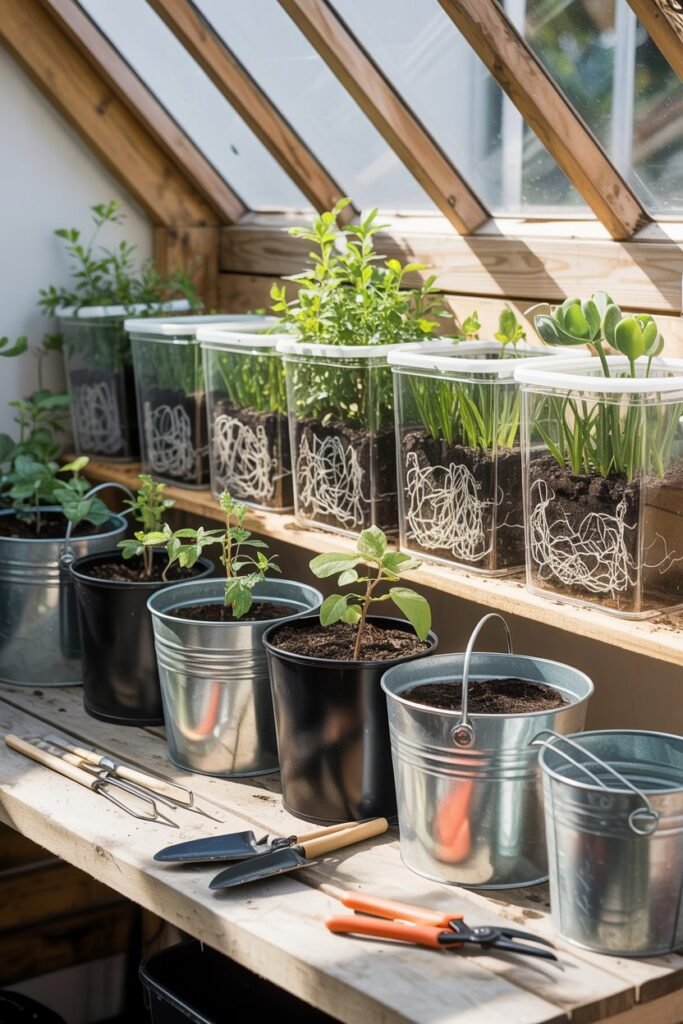
Before collecting random containers, it helps to know what plants actually need.
A good gardening container should:
- Hold enough soil for plant roots
- Have drainage holes
- Be sturdy enough to support wet soil
- Be safe and non-toxic
- Allow airflow and proper watering
Deep-rooted plants like tomatoes and peppers need larger containers, while shallow-rooted herbs and lettuce can thrive in smaller ones.
Always avoid containers that previously held toxic chemicals, paint thinner, pesticides, or motor oil. Even after cleaning, harmful residue may remain.
1. Grocery Store Bakeries and Deli Departments
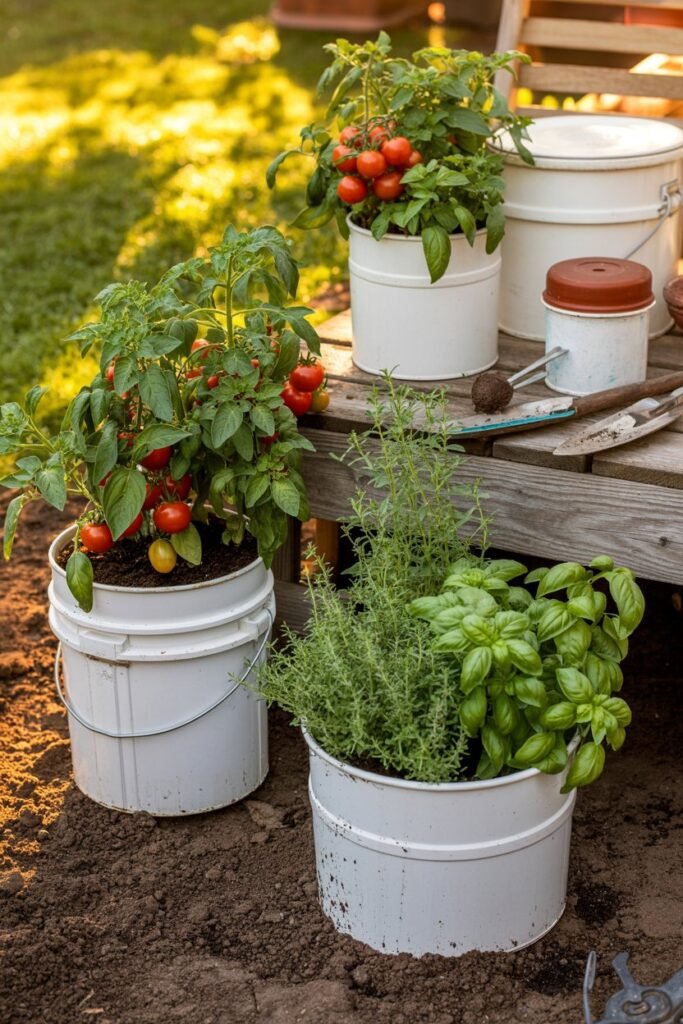
One of the easiest places to find free gardening containers is your local grocery store. Bakeries and deli sections often receive ingredients in large food-grade buckets that are usually thrown away once empty.
These containers are excellent for gardening because they are durable, lightweight, and safe for growing edible plants.
What You Can Find
- Frosting buckets
- Pickle buckets
- Potato salad tubs
- Large yogurt containers
- Food ingredient pails
Most buckets range from 2 to 5 gallons, making them ideal for vegetables.
Best Plants for These Containers
- Tomatoes
- Peppers
- Eggplants
- Cucumbers
- Herbs
- Lettuce
How to Ask Politely
Many stores are happy to give away empty containers if you ask kindly. Try visiting during quieter hours and speak with someone in the bakery or deli department.
You can say:
“Do you ever give away empty frosting or food buckets? I’m using them for gardening.”
Some stores may save them for you if you ask in advance.
Preparation Tips
Wash containers thoroughly with warm soapy water. If the bucket held strong-smelling foods like pickles, let it air out in sunlight for a day or two before use.
Drill several drainage holes in the bottom to prevent soggy soil.
2. Restaurants and Cafes
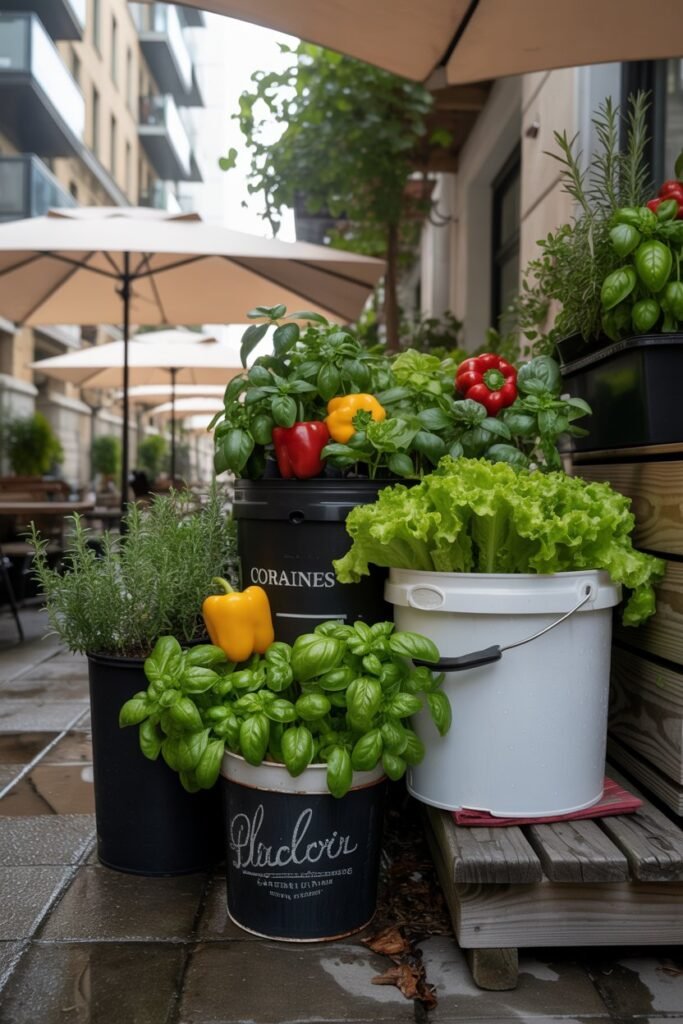
Restaurants go through large amounts of food ingredients every week, which means they often have empty containers available.
Many restaurant containers are heavy-duty and designed for repeated use, making them excellent for long-term gardening projects.
Containers You May Find
- Sauce buckets
- Cooking oil containers
- Plastic ingredient tubs
- Large coffee containers
- Food storage bins
Coffee shops sometimes have milk containers or used coffee grounds available as well.
Why These Containers Work Well
Restaurant containers are usually built to handle heavy loads and frequent handling. They’re durable enough for outdoor gardening and often come with lids that can later be reused for storage.
Best Uses in the Garden
- Grow potatoes in deep buckets
- Create herb gardens
- Use large tubs for dwarf fruit trees
- Make self-watering containers
Helpful Tip
Small local restaurants are often more willing to give away containers than larger chain locations.
3. Construction Sites and Hardware Stores
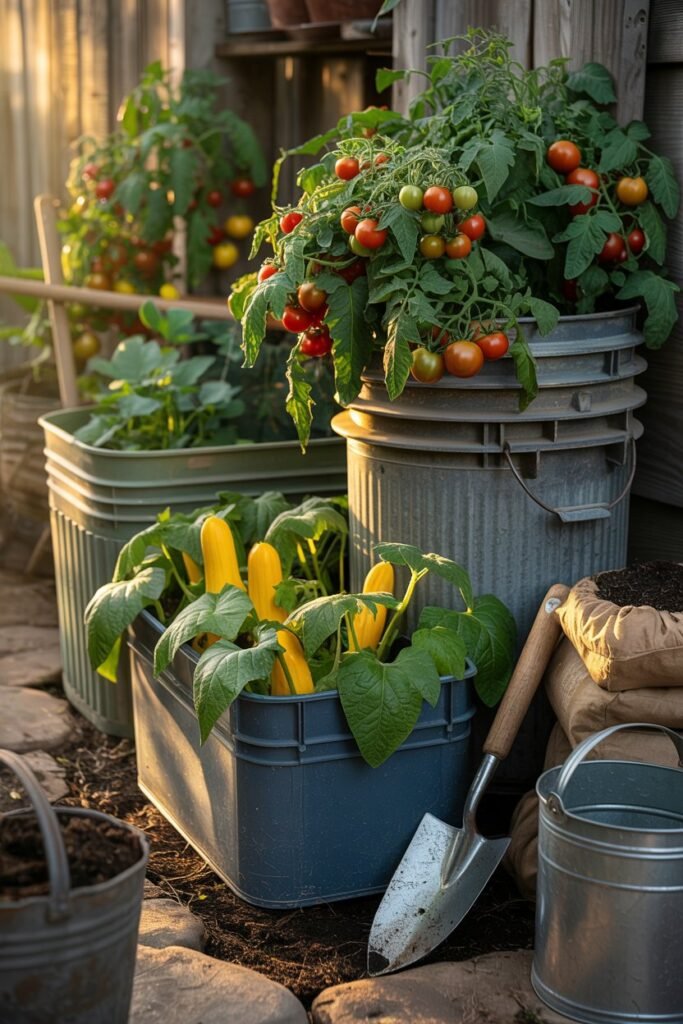
Construction sites can be surprisingly useful places to find sturdy gardening containers. Contractors often discard buckets and large containers that still have plenty of life left in them.
However, you must be careful about safety.
Safe Containers to Look For
- Clean drywall buckets
- Unused paint buckets
- Utility buckets
- Plastic storage bins
Only use containers that have never held toxic materials or that are completely new and unused.
Containers to Avoid
Never use containers that held:
- Paint
- Solvents
- Concrete chemicals
- Industrial cleaners
- Roofing materials
These substances can contaminate soil and harm plants.
Best Plants for Large Buckets
Large construction buckets are perfect for:
- Tomatoes
- Squash
- Zucchini
- Corn
- Large flowers
Their size allows roots to spread more comfortably.
Extra Gardening Idea
You can paint or decorate plain utility buckets to make them look more attractive on patios or balconies.
4. Your Own Kitchen and Recycling Bin
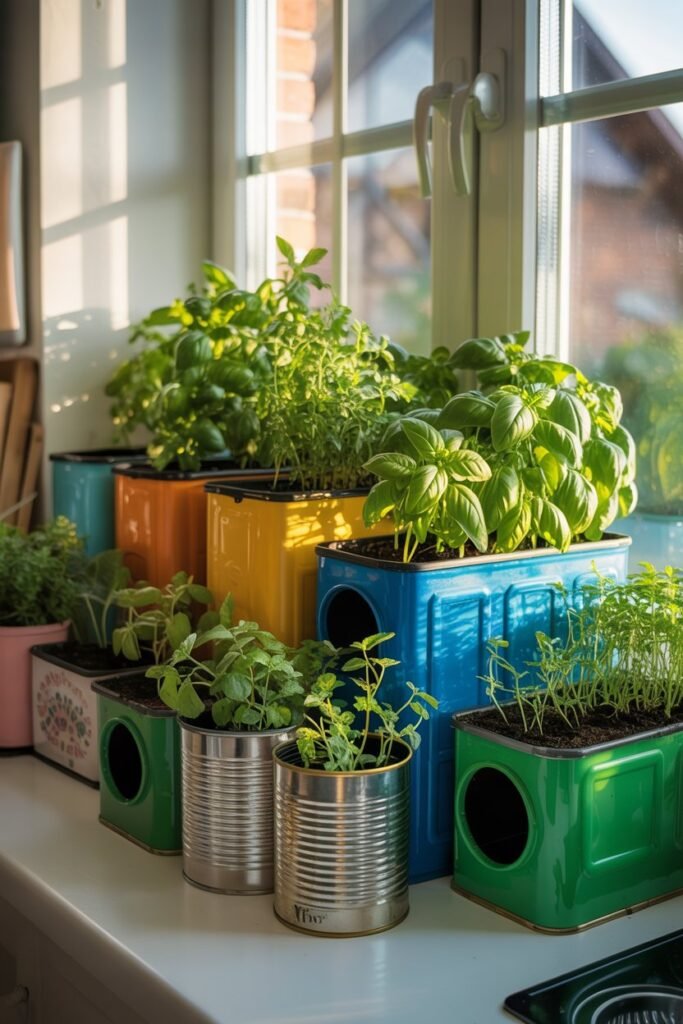
Before buying anything new, check your kitchen. Many everyday household items can become excellent planters.
This is one of the easiest and most accessible ways to start container gardening immediately.
Common Household Containers
- Yogurt tubs
- Ice cream containers
- Coffee cans
- Plastic bottles
- Egg cartons
- Tin cans
- Food storage containers
Best Uses for Small Containers
Smaller containers work well for:
- Seed starting
- Herbs
- Succulents
- Microgreens
- Small flowers
Turning Plastic Bottles Into Planters
Plastic bottles are incredibly versatile. You can:
- Cut them horizontally for shallow planters
- Hang them vertically on walls
- Create drip irrigation systems
- Use them for seed starting
Important Safety Tip
Always wash food containers thoroughly before planting. Remove labels if possible, especially if the container will sit in direct sunlight.
5. Garden Centers and Nurseries
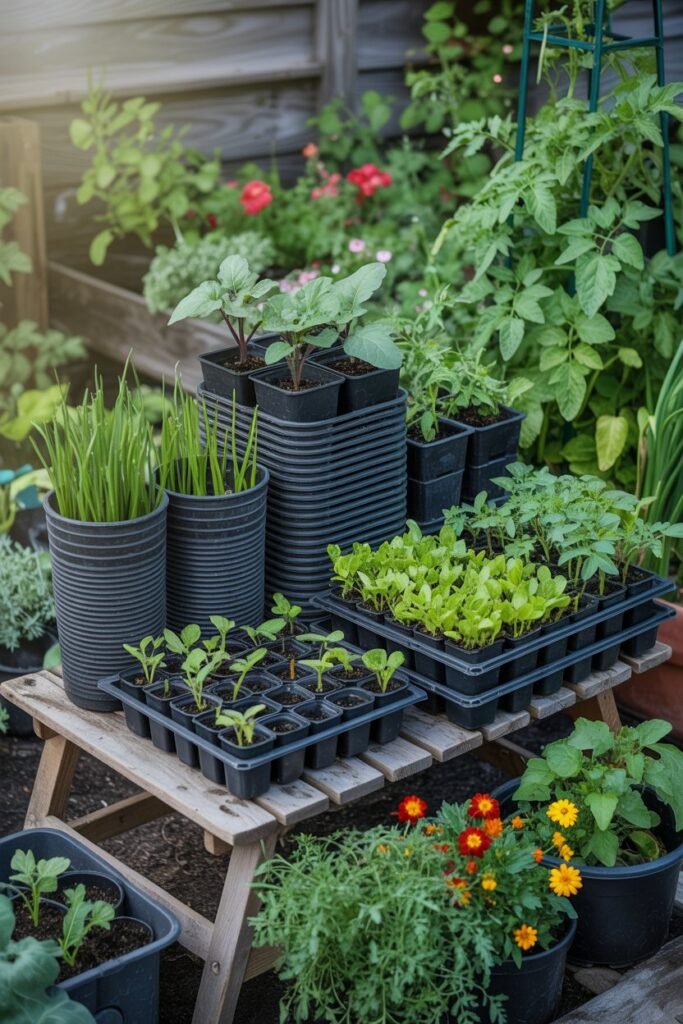
Garden centers throw away large numbers of plastic nursery pots throughout the growing season. Many are happy to let gardeners take them for free.
These containers are especially useful because they are already designed for plants.
What You Can Usually Find
- Black nursery pots
- Seedling trays
- Hanging baskets
- Plant flats
- Small starter pots
Why Nursery Pots Are So Useful
They already have:
- Proper drainage
- Lightweight material
- Correct depth for many plants
- Stackable storage design
Best Plants for Nursery Pots
- Herbs
- Annual flowers
- Vegetable seedlings
- Strawberry plants
When to Visit
Spring and early summer are often the best times to ask because garden centers go through large amounts of inventory during planting season.
6. Facebook Marketplace, Community Groups, and Freecycle
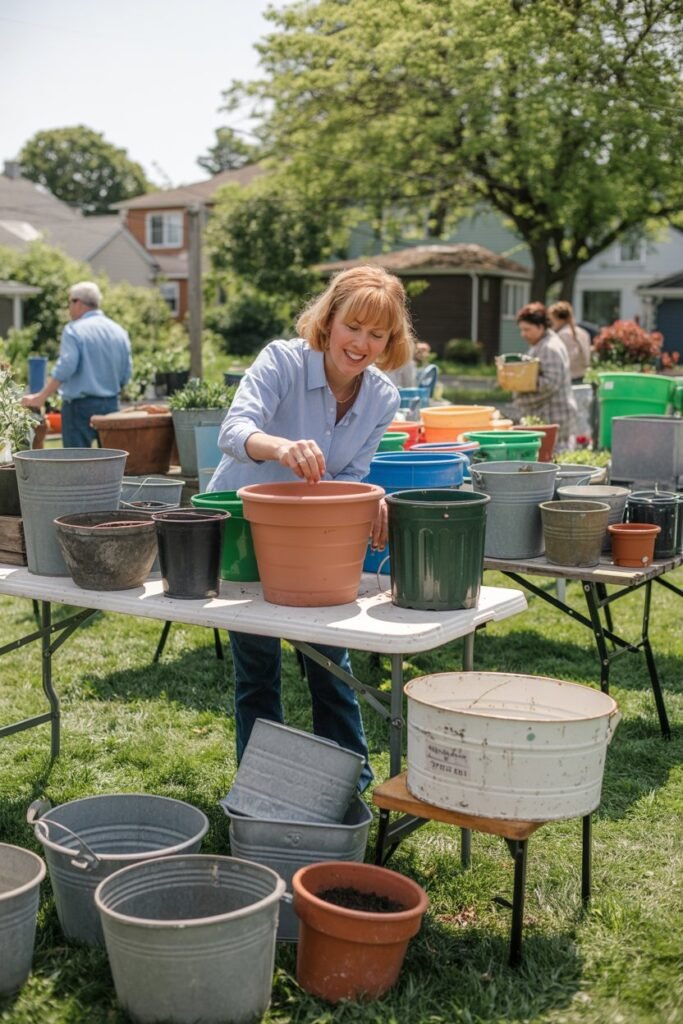
Many people give away unused gardening supplies online simply because they want to clear space.
Local online groups can be treasure troves for free gardening containers.
Places to Search
- Facebook Marketplace
- Freecycle groups
- Community gardening pages
- Neighborhood apps
- Local “Buy Nothing” groups
Search for terms like:
- Free pots
- Free buckets
- Gardening containers
- Plastic tubs
- Nursery pots
Why This Option Is Great
You can often find:
- Large decorative planters
- Raised bed containers
- Storage bins
- Buckets in bulk
- Hanging baskets
Sometimes people even give away soil and gardening tools at the same time.
Safety Reminder
Inspect containers before bringing them home. Avoid cracked plastic or containers that may have held harmful substances.
7. Laundromats and Car Washes
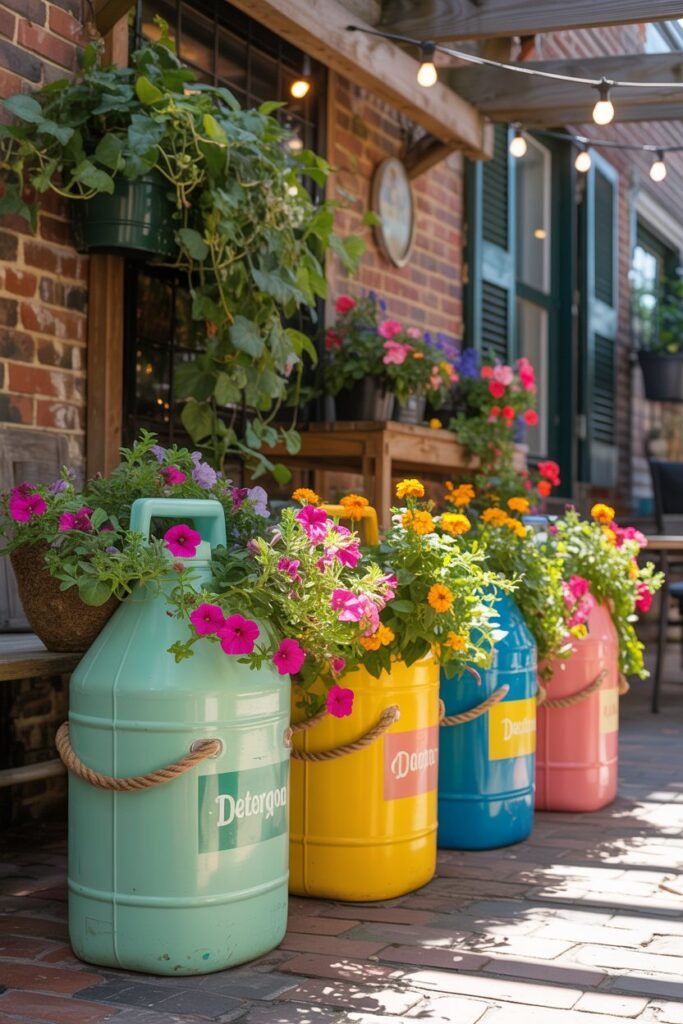
This might sound unusual, but laundromats and self-service car washes often use large detergent or soap containers that can later be repurposed for gardening.
What Makes These Containers Useful
These containers are usually:
- Large
- Durable
- Weather-resistant
- Lightweight
Important Cleaning Step
Because these containers held cleaning products, they must be rinsed extremely well before use.
Wash multiple times with warm water and allow them to air out fully before planting anything edible.
If you are unsure whether residue remains, use these containers only for ornamental flowers instead of vegetables or herbs.
Good Uses
- Flower planters
- Decorative patio plants
- Compost collection bins
- Rainwater collection containers
8. Schools, Offices, and Local Businesses
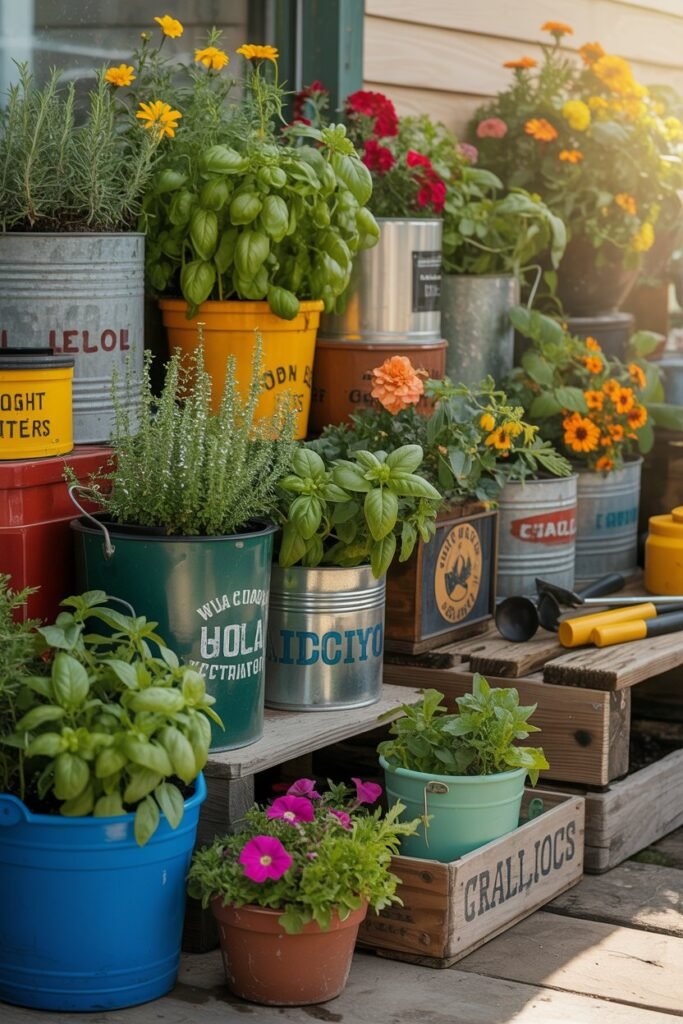
Many businesses receive supplies in sturdy containers that are discarded afterward.
Once you start asking around, you may be surprised by how many useful containers people are willing to give away.
Places Worth Checking
- Schools
- Offices
- Florists
- Hotels
- Cafeterias
- Pet stores
Containers You Might Find
- Storage bins
- Plant trays
- Food containers
- Water jugs
- Large buckets
Building Relationships Helps
If a business knows you garden regularly, they may start saving containers for you automatically.
This can become a reliable long-term source of free supplies.
How to Prepare Free Containers for Gardening
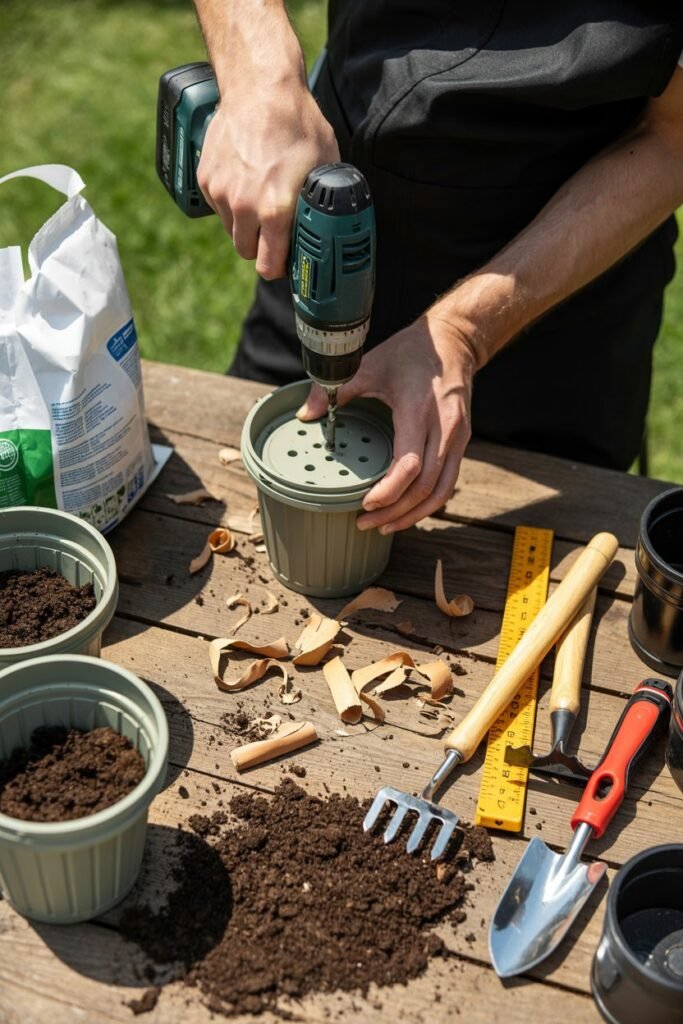
Not every free container is immediately ready for planting. Proper preparation is important for healthy plants.
Step 1: Clean Thoroughly
Wash containers using:
- Warm water
- Mild dish soap
- Scrub brush
Rinse several times.
For extra sanitation, you can use a diluted vinegar solution.
Step 2: Add Drainage Holes
Plants hate sitting in waterlogged soil.
Use:
- A drill
- Hammer and nail
- Heated metal tool
Add several holes at the bottom of the container.
Step 3: Check Container Size
Match container size to the plant’s needs.
Small Containers
Good for:
- Herbs
- Lettuce
- Succulents
Medium Containers
Good for:
- Peppers
- Bush beans
- Flowers
Large Containers
Good for:
- Tomatoes
- Cucumbers
- Potatoes
The Best Soil for Container Gardening
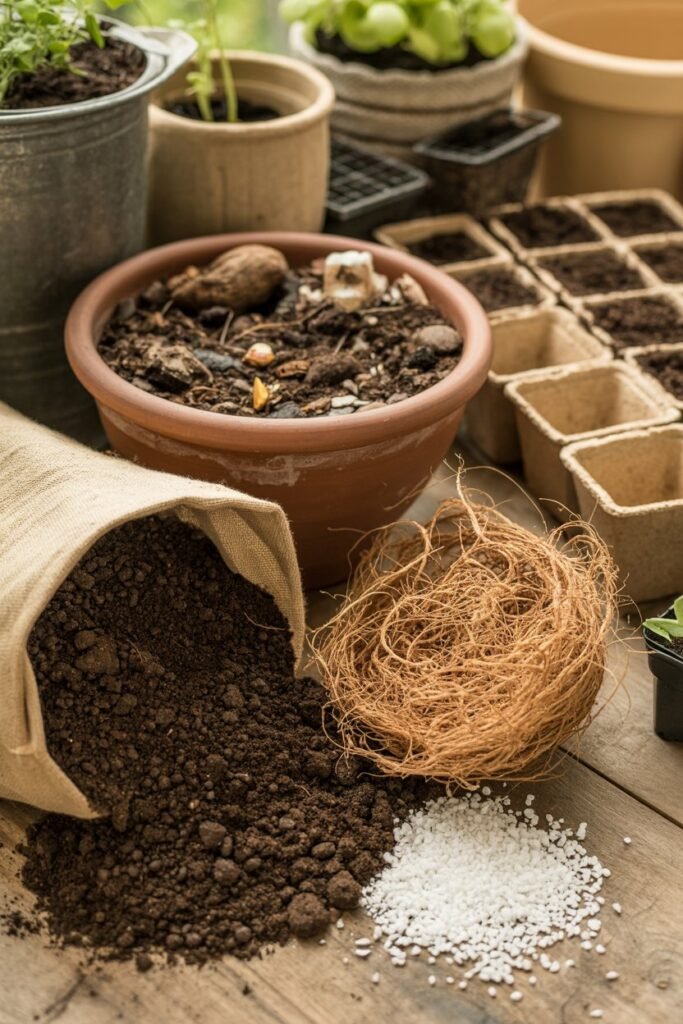
Even the best container will fail without quality soil.
Avoid using heavy garden soil because it becomes compacted in pots.
Instead, use:
- Potting mix
- Compost
- Coconut coir
- Perlite
A lightweight soil mix helps roots breathe and improves drainage.
Common Mistakes to Avoid
Using Containers Without Drainage
This is one of the biggest causes of root rot.
Choosing Containers That Are Too Small
Plants become stunted when roots run out of space.
Forgetting About Heat
Dark containers can heat up quickly in strong sunlight, especially during hot weather.
Using Unsafe Materials
Always avoid containers that held toxic substances.
Creative Ways to Make Free Containers Look Beautiful
Free doesn’t have to look cheap. A few simple touches can transform ordinary containers into charming garden decor.
Paint Them
Use outdoor-safe paint to add personality and color.
Wrap With Rope or Fabric
This softens the appearance of plain plastic buckets.
Group Containers Together
Cluster different sizes together for a more intentional garden design.
Use Wooden Crates as Covers
Slide plastic containers inside decorative wooden crates for a rustic look.
Best Plants for Beginner Container Gardeners
If you’re just getting started, some plants grow especially well in repurposed containers.
Herbs
- Basil
- Mint
- Parsley
- Cilantro
Vegetables
- Tomatoes
- Lettuce
- Spinach
- Radishes
Flowers
- Marigolds
- Petunias
- Zinnias
These plants are productive, forgiving, and suitable for container gardening.
How to Keep Container Plants Healthy
Container plants need slightly different care than plants grown directly in the ground.
Water More Frequently
Containers dry out faster, especially in warm weather.
Check soil moisture daily.
Feed Plants Regularly
Nutrients wash out of pots more quickly.
Use:
- Compost tea
- Liquid fertilizer
- Slow-release fertilizer
Watch for Crowding
Overcrowded plants compete for nutrients and airflow.
Give each plant enough space to grow comfortably.
Final Thoughts
Starting a container garden doesn’t require expensive supplies or designer pots. Some of the most practical and productive gardening containers can be found for free with a little creativity and resourcefulness.
From bakery buckets and restaurant tubs to nursery pots and household containers, there are countless ways to grow a beautiful garden on a budget. The key is choosing safe containers, preparing them properly, and matching them to the right plants.
Free gardening containers also encourage a more sustainable approach to gardening by reducing waste and giving everyday items a useful second life.
Once you begin looking around, you’ll likely notice gardening opportunities everywhere. A simple bucket, crate, or tub can become the perfect home for herbs, vegetables, or flowers and help you build a thriving garden without spending much money at all.
