
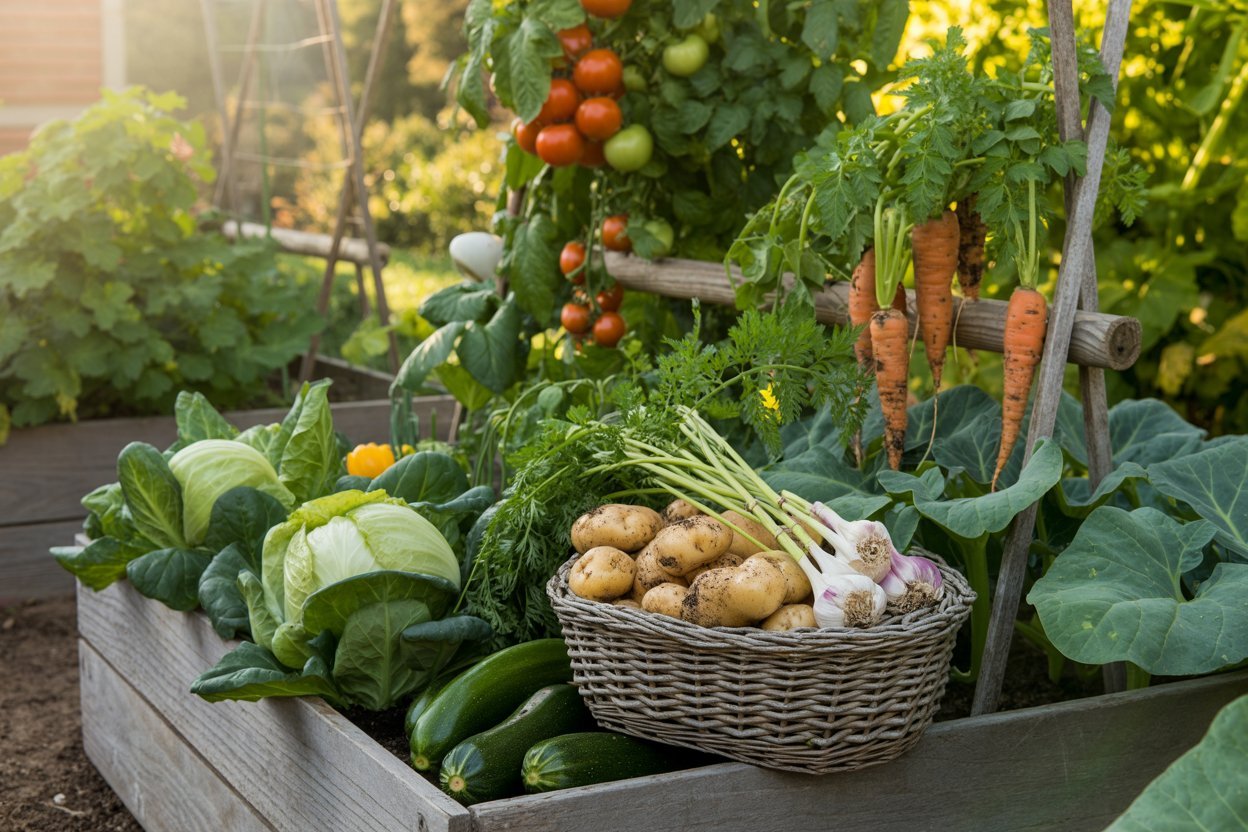

Growing your own food is one of the most rewarding ways to care for your household. A family vegetable garden offers more than fresh produce.
It gives you healthier meals, lowers grocery costs, teaches valuable life skills, and creates a dependable source of food through every season. Even a small backyard, raised bed, or container garden can produce an impressive harvest when you choose the right crops.
Many gardeners make the mistake of planting vegetables that are fun to grow but do not truly support everyday meals.
If your goal is to grow enough food to help feed your family all year, it is smarter to focus on crops that are productive, nutritious, easy to store, and useful in daily cooking.
The best vegetables for year-round family feeding are the ones that produce heavily in season, preserve well, or store naturally for months.
Some crops can be planted repeatedly for continuous harvests, while others can be cured and stored for winter meals.
In this guide, I’ll walk you through 9 vegetables to grow to feed your family all year, including how to plant them, care for them, harvest them, and the garden tools that make the job easier.
If you have been dreaming of a more productive garden, this is a beautiful place to begin.
Shop my amazon essentials
- Raised Garden Beds or Large Containers
- High-Quality Vegetable Garden Soil
- Organic Compost
- Garden Hoe
- Hand Trowel
- Watering Hose or Drip Irrigation Kit
- Mulch
- Plant Supports and Trellises
- Gardening Gloves
Why Grow Vegetables to Feed Your Family?
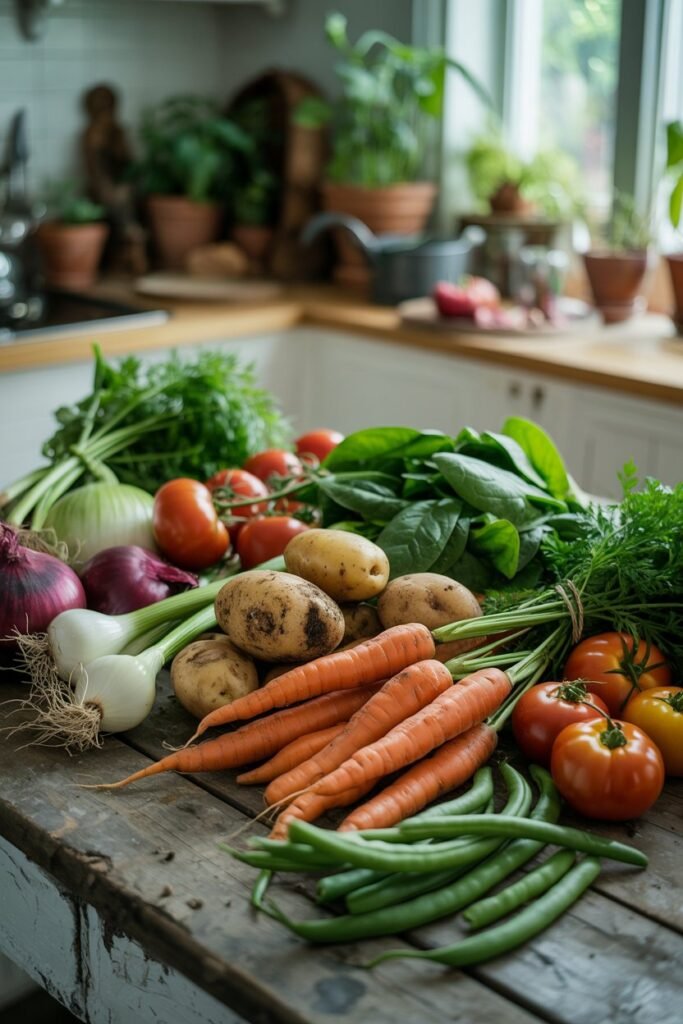
Growing food at home offers real, practical benefits.
Lower Grocery Bills
Fresh vegetables can be expensive, especially staples like onions, tomatoes, garlic, and greens. A garden helps reduce weekly food costs.
Better Flavor and Nutrition
Homegrown produce is often harvested at peak ripeness, which means better taste and higher nutritional value.
Food Security
Having fresh food growing outside your door adds peace of mind during rising food prices or shortages.
Healthier Lifestyle
Gardening keeps you active, connected to nature, and more likely to cook healthy meals at home.
Read Indoor Jungle Mastery: Creating Lush Living Spaces with House Plants
Essential Garden Tools You’ll Need
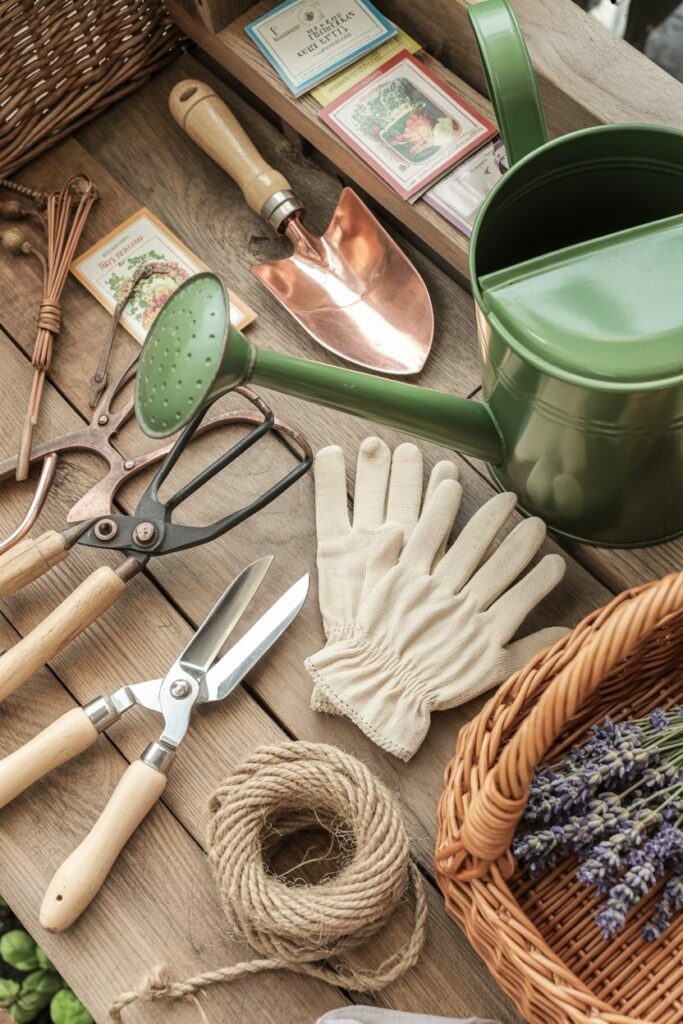
Before planting, gather a few dependable tools. They make gardening easier and gentler on your hands and back.
- Hand trowel
- Garden fork
- Spade or shovel
- Hoe
- Watering can or hose
- Rake
- Garden gloves
- Wheelbarrow
- Compost bin
- Mulch
- Seed trays
- Pruning shears
- Trellis or stakes
- Harvest basket
1. Potatoes
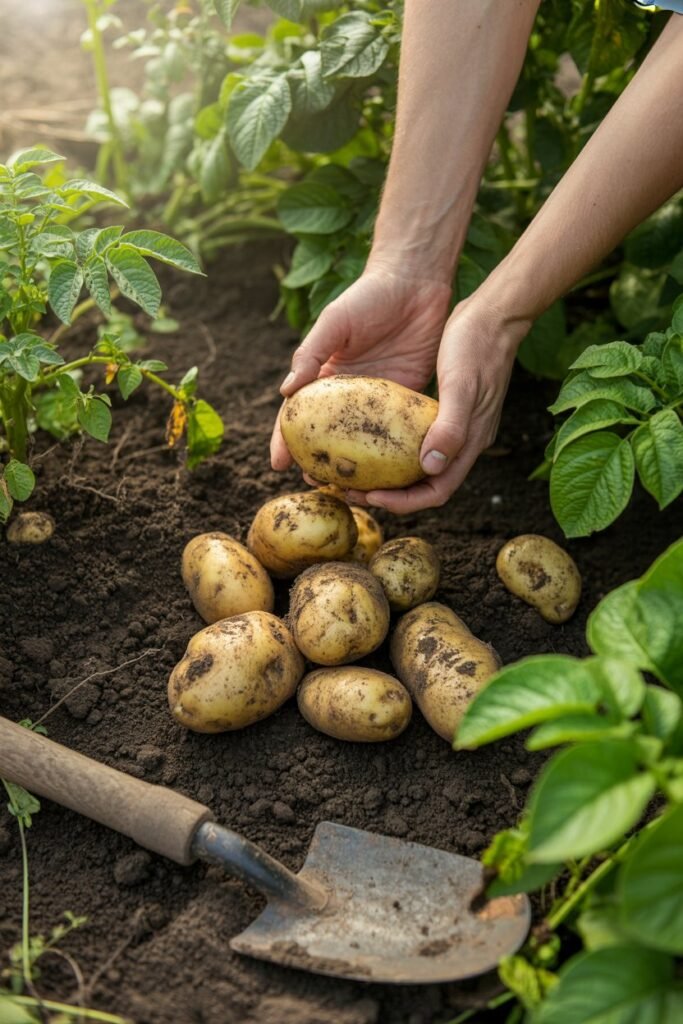
Potatoes are one of the best survival and family-feeding crops you can grow. They are filling, nutritious, versatile, and store for months.
Why Potatoes Matter
A small patch can produce a surprisingly large harvest. Potatoes provide carbohydrates, fiber, potassium, and many meal options.
How to Plant Potatoes
- Buy certified seed potatoes.
- Cut large potatoes into chunks with 2 eyes each.
- Let cut pieces dry for 24 hours.
- Dig trenches 4 inches deep.
- Place pieces 12 inches apart.
- Cover lightly with soil.
Care Tips
- Hill soil around stems as they grow.
- Water deeply once or twice weekly.
- Add compost before planting.
- Keep weeds down.
Harvest and Storage
Harvest new potatoes early or wait until tops die back for storage potatoes. Cure in a dry place before storing in a cool dark area.
Tools Needed
- Shovel
- Garden fork
- Harvest basket
2. Carrots
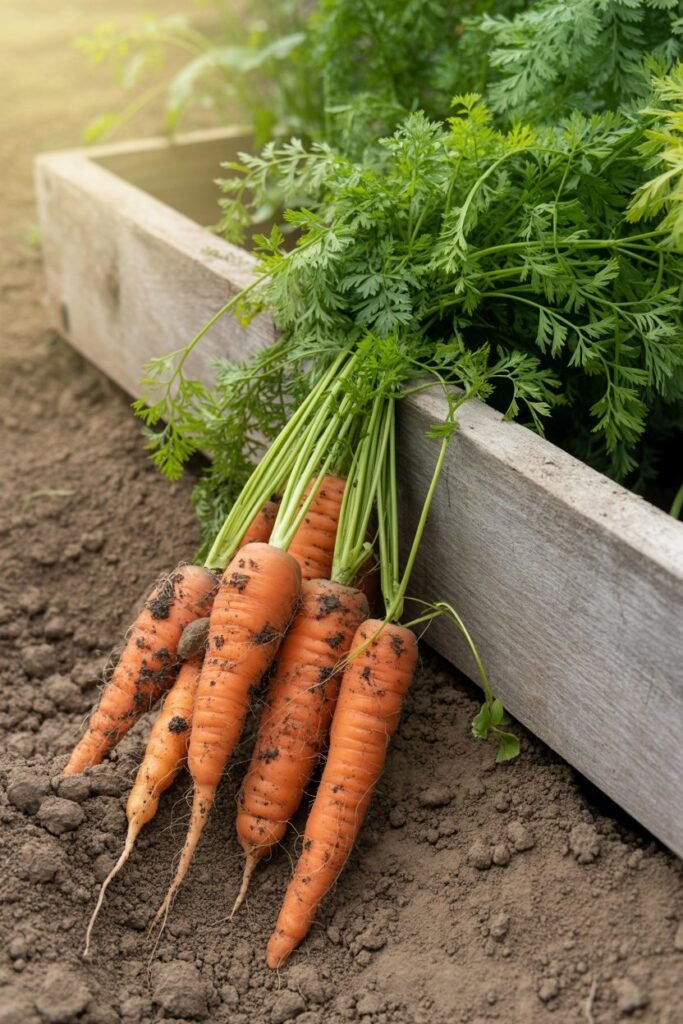
Carrots are reliable, nutritious, and wonderful for fresh eating, soups, roasting, juicing, and storing.
Why Grow Carrots?
Carrots are rich in vitamin A and can stay in the ground during cool weather or be stored after harvest.
How to Plant Carrots
- Choose loose stone-free soil.
- Rake soil smooth.
- Sow seeds thinly in rows.
- Cover with fine soil.
- Keep moist until seeds sprout.
Care Tips
- Thin seedlings early.
- Water evenly.
- Mulch lightly.
- Avoid overcrowding.
Harvest and Storage
Pull roots when mature. Store in sand, sawdust, or refrigerator drawers.
Tools Needed
- Hand rake
- Watering can
- Trowel
3. Onions
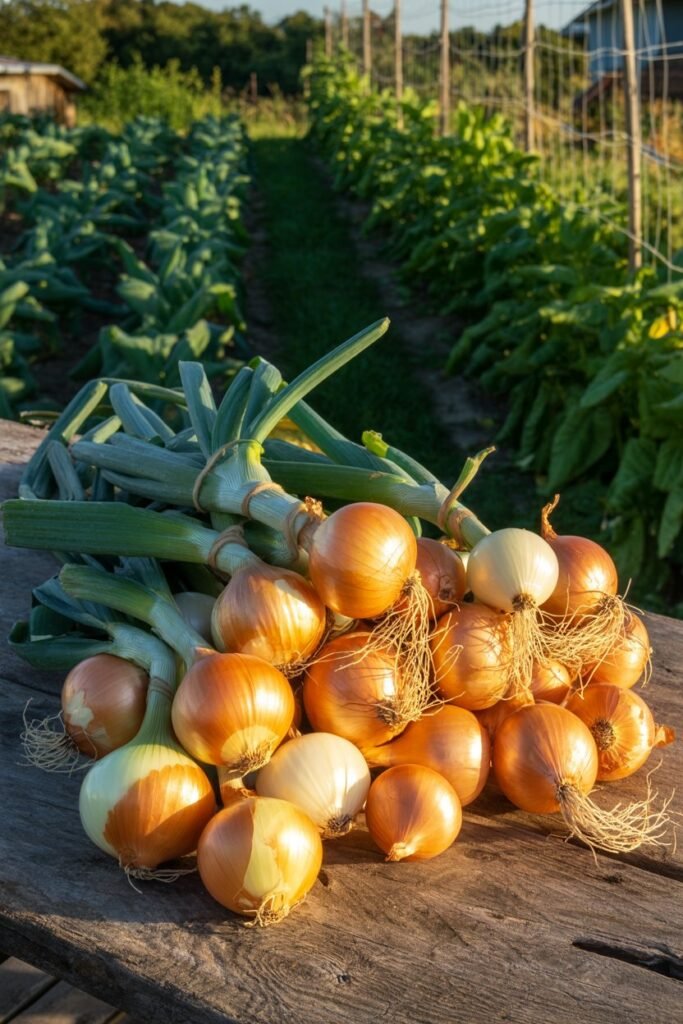
Onions are one of the most useful vegetables in any kitchen. Nearly every savory dish begins with them.
Why Grow Onions?
They are easy to grow, highly productive, and store for months after curing.
How to Plant Onions
- Use onion sets or seedlings.
- Plant in full sun.
- Space 4 inches apart.
- Keep roots covered but neck above soil line.
Care Tips
- Weed regularly.
- Water during bulb growth.
- Reduce watering near harvest.
Harvest and Storage
When tops fall over naturally, pull onions and cure in a dry airy place for 2 weeks.
Tools Needed
- Trowel
- Hoe
- Storage crate
Read How to Grow Limes Anywhere (A Complete Guide for Thriving Citrus Trees)
4. Tomatoes
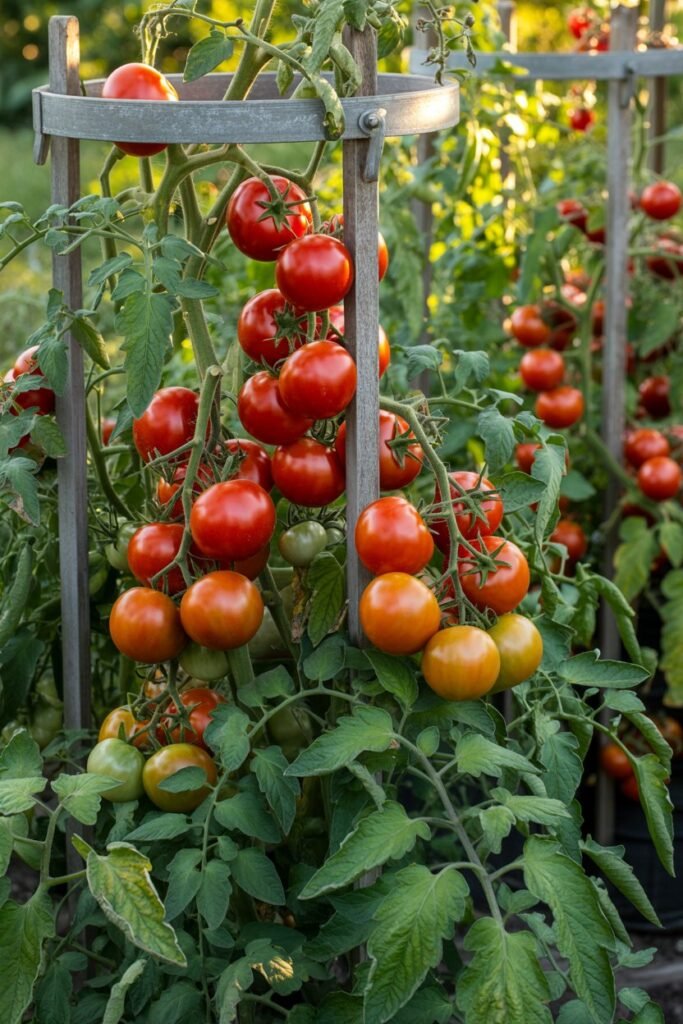
Tomatoes are one of the most rewarding crops in the summer garden. They are delicious fresh, cooked, canned, dried, or frozen.
Why Grow Tomatoes?
Tomatoes are productive and valuable because they can be preserved for later use.
How to Plant Tomatoes
- Start seeds indoors or buy seedlings.
- Plant after frost danger passes.
- Bury stems deeply.
- Add compost to planting hole.
- Install cages or stakes immediately.
Care Tips
- Water deeply.
- Mulch around roots.
- Remove diseased leaves.
- Feed monthly.
Harvest and Storage
Pick ripe fruit regularly. Preserve extras as sauce, paste, salsa, or frozen tomatoes.
Tools Needed
- Tomato cages
- Pruners
- Hose or watering can
5. Beans
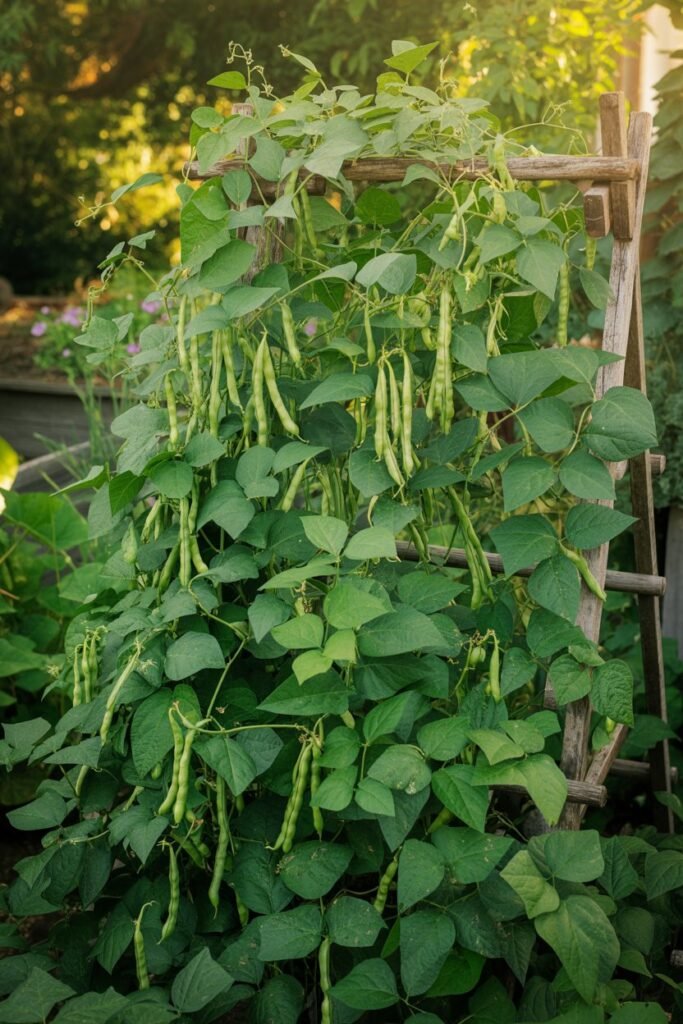
Beans are among the easiest and most productive vegetables for family gardens.
Why Grow Beans?
They produce quickly, enrich the soil, and offer protein and fiber. Fresh beans can be eaten immediately, while dry beans store for months.
How to Plant Beans
- Wait until soil warms.
- Sow seeds 1 inch deep.
- Space bush beans 4 inches apart.
- Give pole beans trellis support.
Care Tips
- Pick pods often.
- Water during flowering.
- Mulch roots.
Harvest and Storage
Harvest young pods fresh or allow pods to dry fully for storage beans.
Tools Needed
- Trellis
- Harvest basket
- Gloves
6. Cabbage
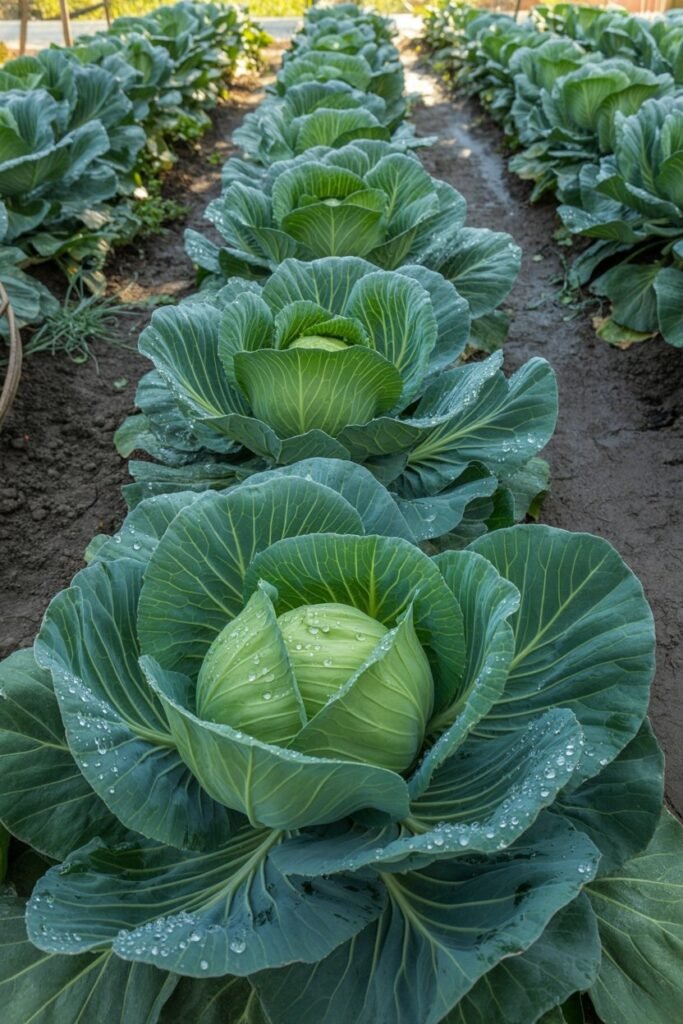
Cabbage is a dependable cool-weather crop that can provide large, filling harvests.
Why Grow Cabbage?
It is excellent for soups, stir fries, salads, slaws, and fermentation like sauerkraut.
How to Plant Cabbage
- Start seeds indoors.
- Transplant in cool weather.
- Space 18 inches apart.
- Add compost to soil.
Care Tips
- Water evenly.
- Protect from caterpillars.
- Feed regularly.
Harvest and Storage
Cut heads when firm. Store in cool humid conditions.
Tools Needed
- Trowel
- Garden knife
- Netting
7. Spinach
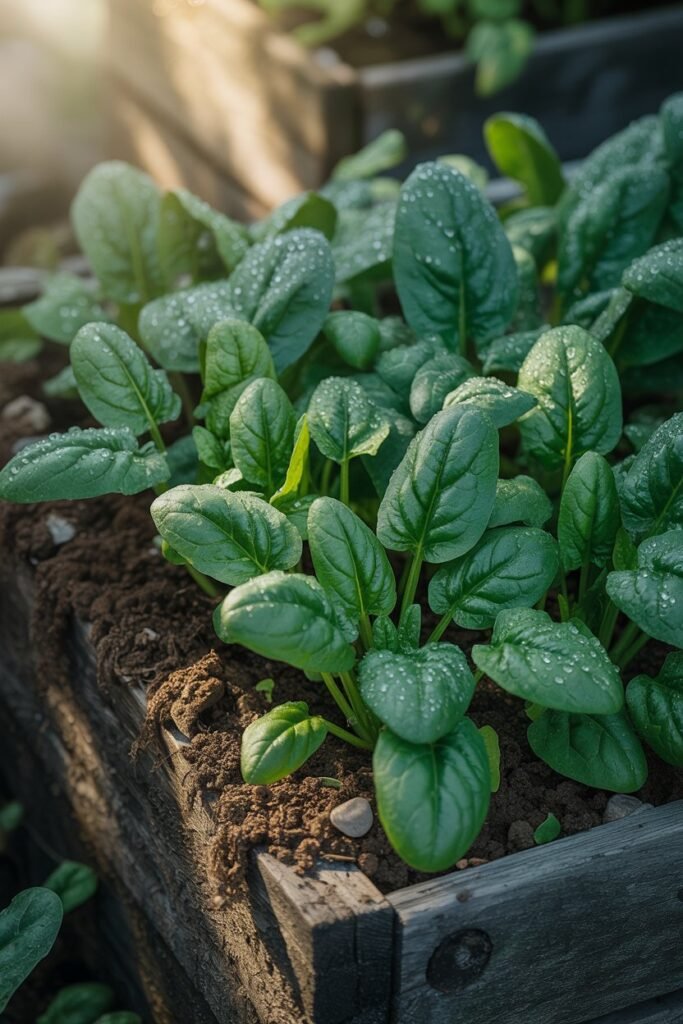
Spinach is one of the fastest and healthiest greens you can grow.
Why Grow Spinach?
It grows quickly, tolerates cool weather, and can be planted repeatedly.
How to Plant Spinach
- Sow seeds in early spring or autumn.
- Plant shallowly.
- Space a few inches apart.
Care Tips
- Keep moist.
- Harvest outer leaves first.
- Give partial shade in warm weather.
Harvest and Storage
Pick baby leaves early or mature leaves later. Use fresh or freeze after blanching.
Tools Needed
- Watering can
- Hand fork
8. Zucchini
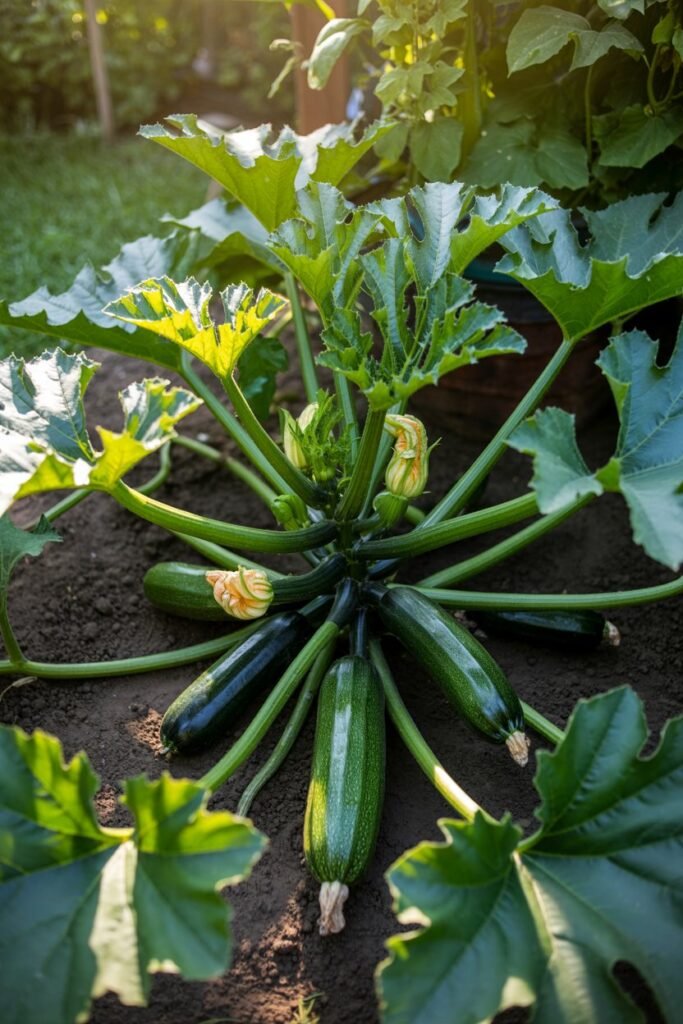
If you want abundance, zucchini delivers generously.
Why Grow Zucchini?
A few plants can feed an entire household during summer.
How to Plant Zucchini
- Plant after frost.
- Use rich composted soil.
- Space generously for airflow.
Care Tips
- Water deeply.
- Mulch well.
- Harvest while young and tender.
Harvest and Storage
Pick fruits at 6 to 8 inches for best texture. Grate and freeze extras.
Tools Needed
- Pruners
- Gloves
- Basket
9. Garlic
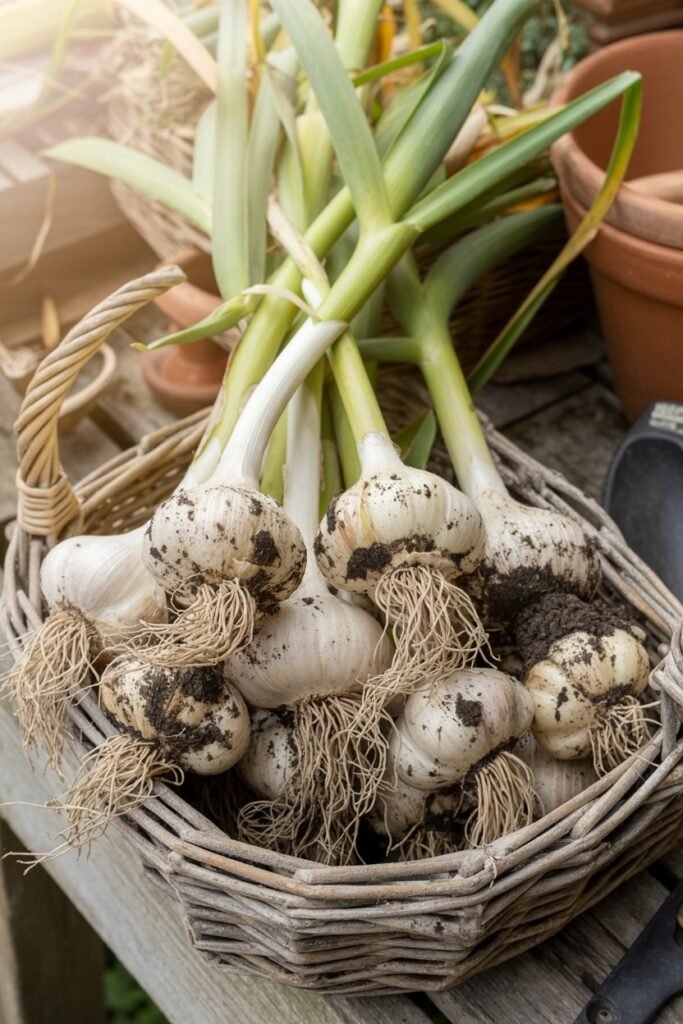
Garlic is one of the simplest crops to grow and one of the most valuable in cooking.
Why Grow Garlic?
It stores for months and adds flavor to countless meals.
How to Plant Garlic
- Separate cloves.
- Plant in autumn.
- Point tip upward.
- Space 6 inches apart.
- Mulch heavily.
Care Tips
- Weed regularly.
- Water in spring.
- Remove flower stalks.
Harvest and Storage
Harvest when lower leaves brown. Cure in shade before storing.
Tools Needed
- Trowel
- Mulch
- Drying rack
How to Feed Your Family All Year with Smart Planting
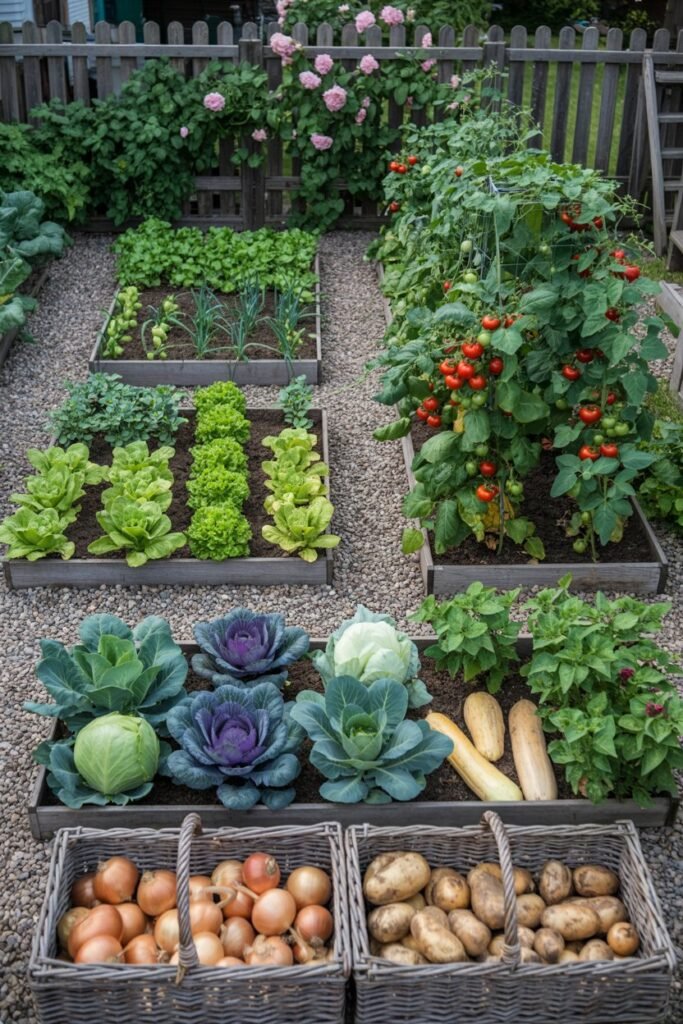
Growing food year-round requires planning, not just planting.
Spring Crops
- Spinach
- Carrots
- Onions
- Potatoes
Summer Crops
- Tomatoes
- Beans
- Zucchini
Autumn Crops
- Cabbage
- Spinach
- Carrots
- Garlic planting time
Winter Storage Crops
- Potatoes
- Onions
- Garlic
- Carrots
- Cabbage
Succession Planting for Continuous Harvests
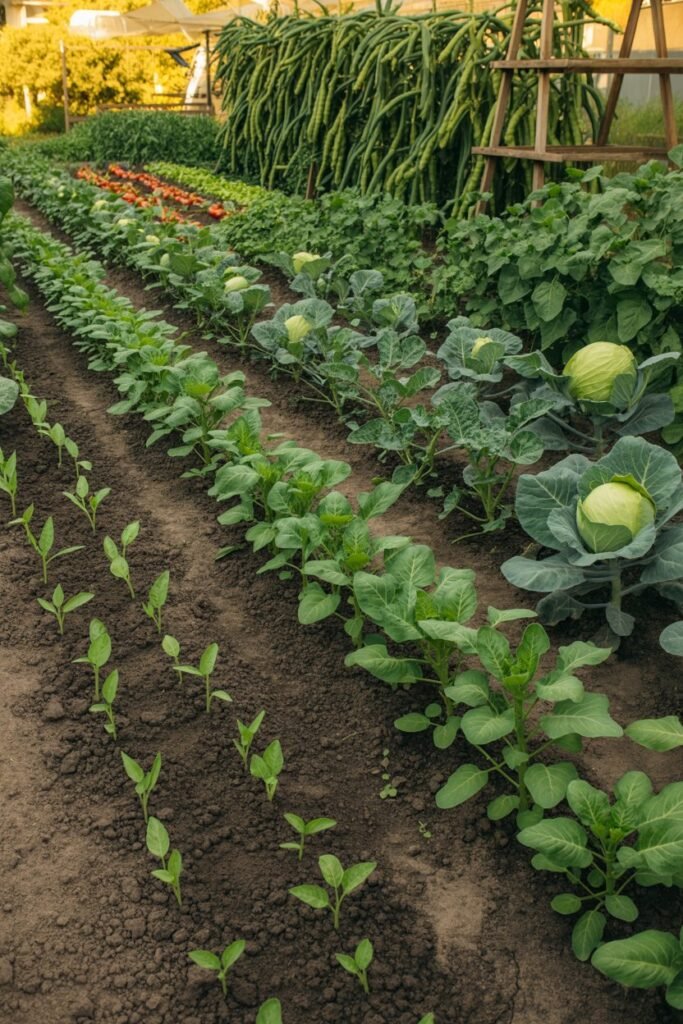
One of the best ways to keep food coming is to plant in small batches.
Instead of sowing all spinach or carrots at once, plant a new row every 2 to 3 weeks. This prevents feast-or-famine harvests and gives steady meals over longer periods.
How Much to Plant for a Family
This varies by family size, but here is a simple starting point for four people:
- Potatoes: 50–100 plants
- Carrots: Several rows every few weeks
- Onions: 75–100 bulbs
- Tomatoes: 6–10 plants
- Beans: Multiple rows
- Cabbage: 12 heads
- Spinach: Repeated sowings
- Zucchini: 2–4 plants
- Garlic: 40–60 cloves
Adjust based on what your family actually enjoys eating.
Tips for Bigger Harvests
Improve Soil Every Season
Healthy soil creates healthy plants. Add compost yearly.
Mulch Everything
Mulch keeps moisture in and weeds down.
Water Deeply
Deep watering encourages stronger roots than daily shallow watering.
Rotate Crops
Move crops each year to reduce disease and pests.
Harvest Often
Many vegetables produce more when picked regularly.
Common Mistakes to Avoid
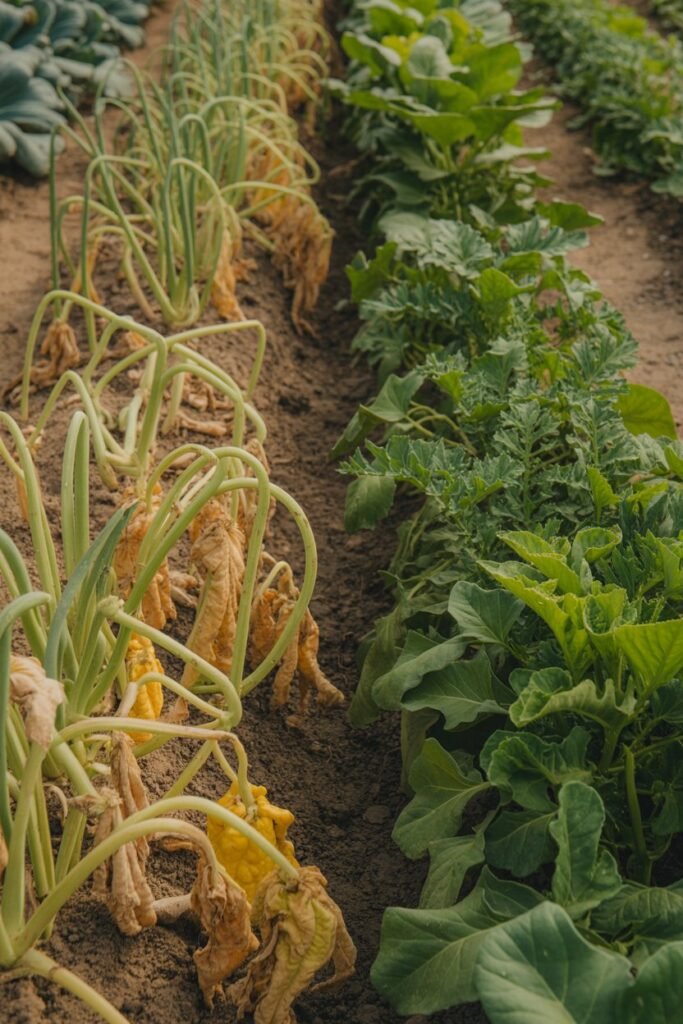
Planting Too Much Too Soon
Start manageable and expand yearly.
Ignoring Spacing
Crowded plants compete for light and nutrients.
Poor Watering Habits
Irregular watering causes stress and poor yields.
Growing What You Don’t Eat
Focus on vegetables your family truly uses.
Forgetting to Preserve Extras
Freeze, dry, pickle, or can surplus harvests.
Small Space Family Garden Ideas
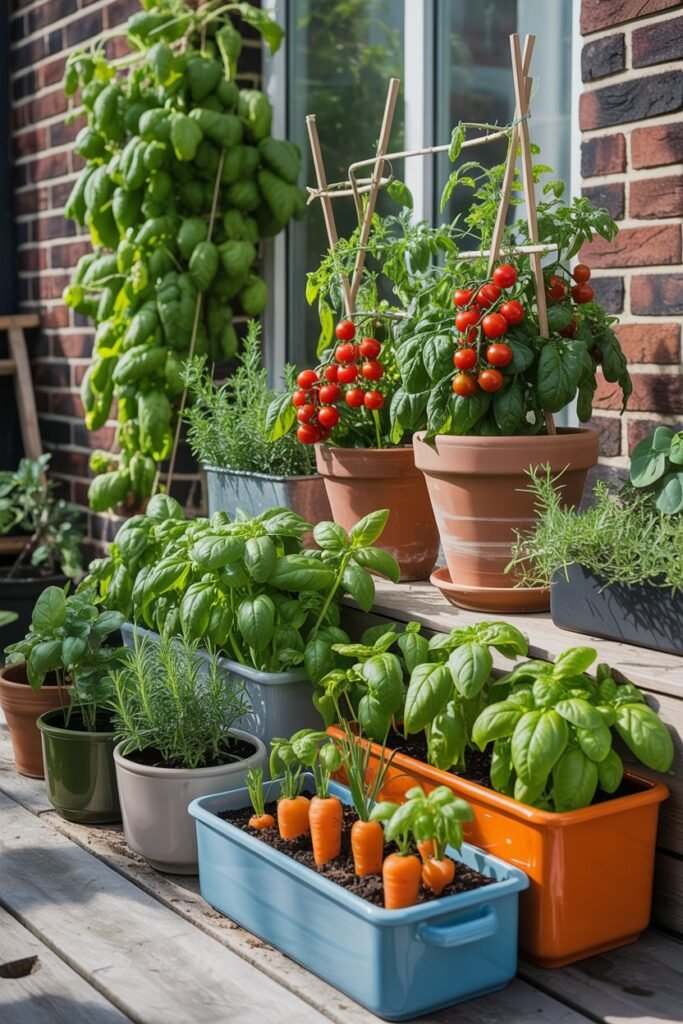
No large yard? You can still grow food.
Containers
Grow tomatoes, spinach, onions, carrots, and garlic in pots.
Raised Beds
Great for high production in compact spaces.
Vertical Gardening
Use trellises for beans.
Balcony Gardening
Use grow bags and railing planters.
Final Thoughts
Growing vegetables to feed your family all year is one of the most practical and satisfying goals a gardener can have.
With smart crop choices like potatoes, carrots, onions, tomatoes, beans, cabbage, spinach, zucchini, and garlic, you can create a garden that truly supports your home kitchen in every season.
Start small if needed. Even one raised bed can make a difference. Over time, your soil improves, your skills grow, and your harvest becomes more abundant. Every seed you plant is a loving investment in your family’s future.
