
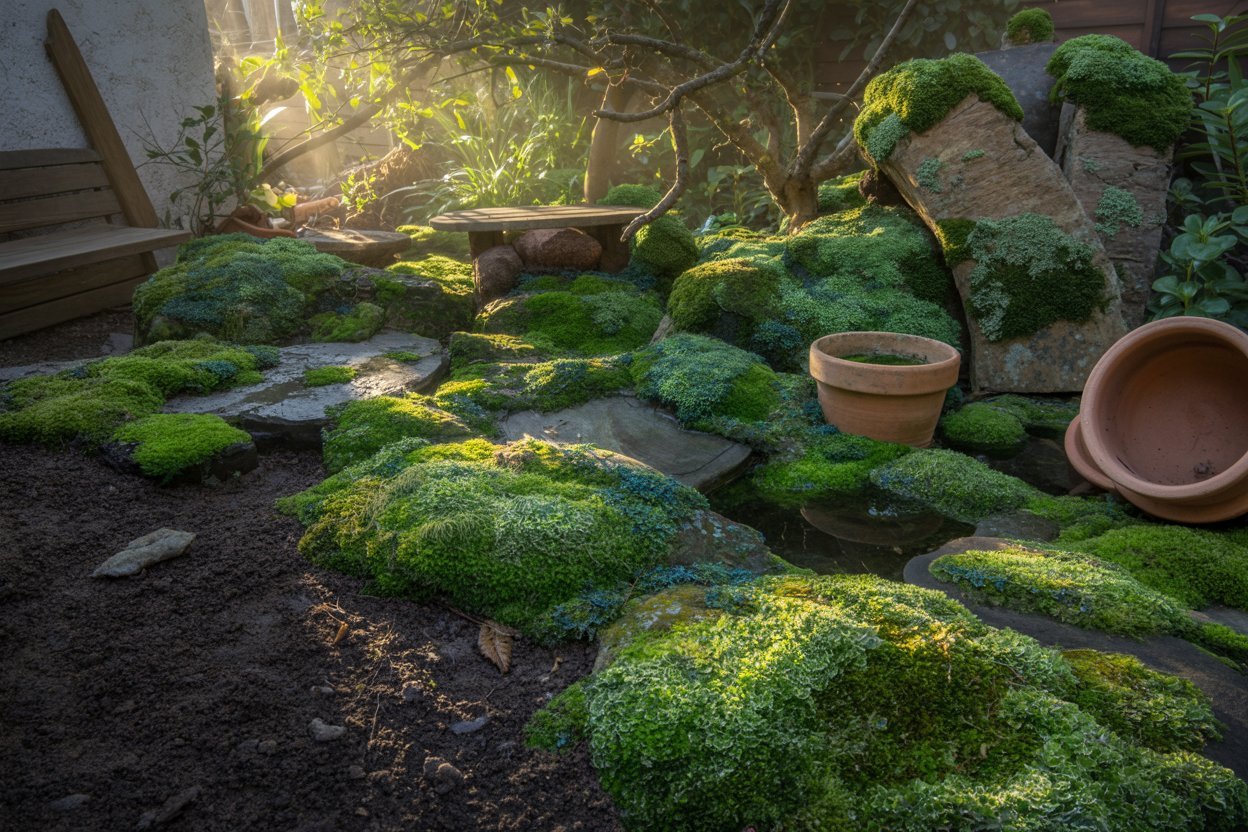

I still remember the first time I noticed moss growing quietly along the edge of an old clay pot in my garden. It wasn’t planted. I didn’t water it intentionally.
Yet there it was soft, green, and peaceful, almost like nature had placed a tiny carpet right where it wanted to be.
At first, I thought moss was something gardeners tried to get rid of.
But the more I observed it, the more I fell in love.
Moss doesn’t demand much. It doesn’t need fertilizer, fancy soil, or constant care. It grows slowly, gently, and beautifully.
And once I learned how to grow moss intentionally both indoors and outdoors it completely changed how I designed my garden spaces.
If you’ve ever dreamed of creating a calm, fairy-like garden corner, a moss bowl for your table, or a lush green ground cover in shady areas, this guide is for you.
Today I’m sharing:
• What moss really is
• Why it’s amazing for gardens and homes
• The best conditions for growing moss
• And 4 easy ways to grow moss successfully indoors and outdoors
All from my own experience as a gardener.
Let’s begin.
Shop my amazon essentials
- Moss Starter Kit
- Spray Bottle
- Watering Can
- Shallow Trays or Containers
- Garden Gloves
- Peat Moss
- Decorative Rocks
- Rake
- Gardening Trowel
- Moisture Meter
What Is Moss? (And Why It’s So Special)
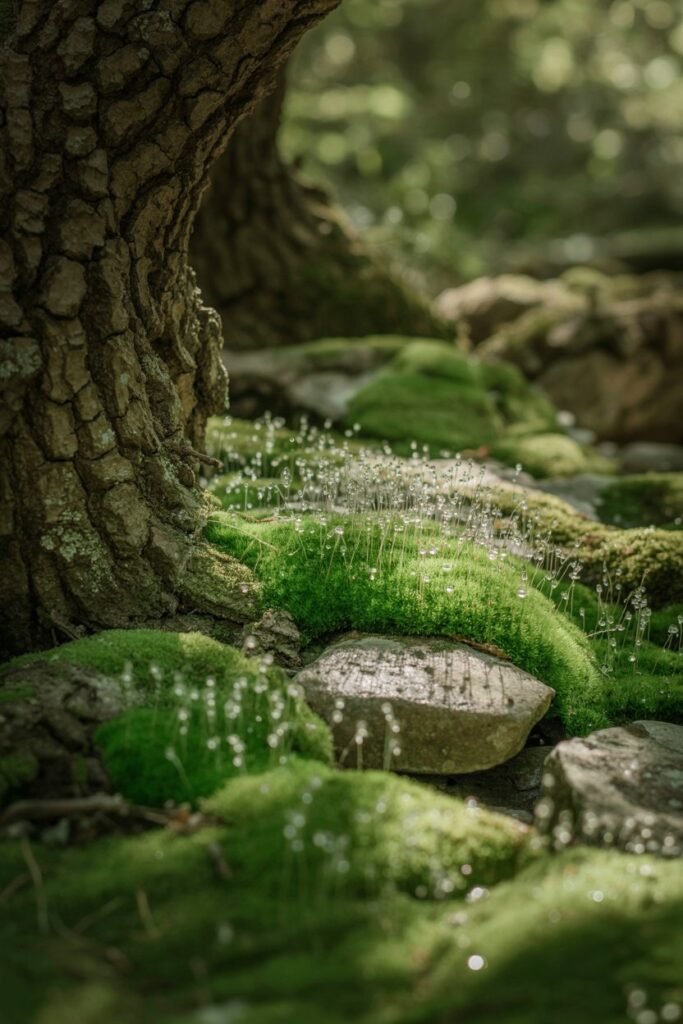
Moss is a small, soft plant that belongs to a group called bryophytes. Unlike most plants, moss doesn’t have true roots. Instead, it absorbs water and nutrients directly through its leaves.
This is why moss can grow:
• On rocks
• On soil
• On wood
• On bricks
• Even on old pots
It thrives in damp, shady environments and loves moisture.
What I adore most about moss is its peaceful look. It feels like something from a forest fairy tale quiet, green, and calming.
Benefits of Growing Moss (Why I Encourage Every Gardener to Try It)
Before I show you how to grow moss, here’s why it’s worth adding to your home or garden:
Low Maintenance
Moss doesn’t need fertilizer or pruning. Once established, it mostly takes care of itself.
Helps Retain Moisture
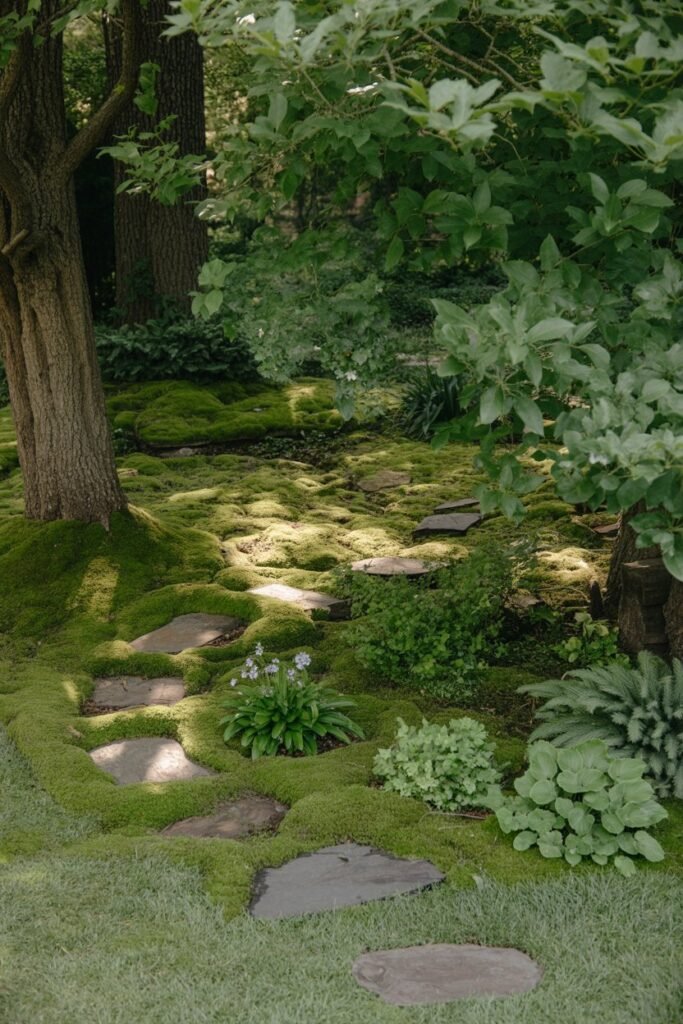
Outdoors, moss keeps soil cool and moist perfect for shady gardens.
Great for Small Spaces
You can grow moss in bowls, jars, terrariums, and tiny gardens.
Eco-Friendly
Moss improves air quality and helps prevent soil erosion.
Creates a Calm, Natural Look
Nothing feels more peaceful than a soft green moss garden.
Best Conditions for Growing Moss Successfully
Before planting moss, it helps to understand what it loves.
Light
Moss prefers:
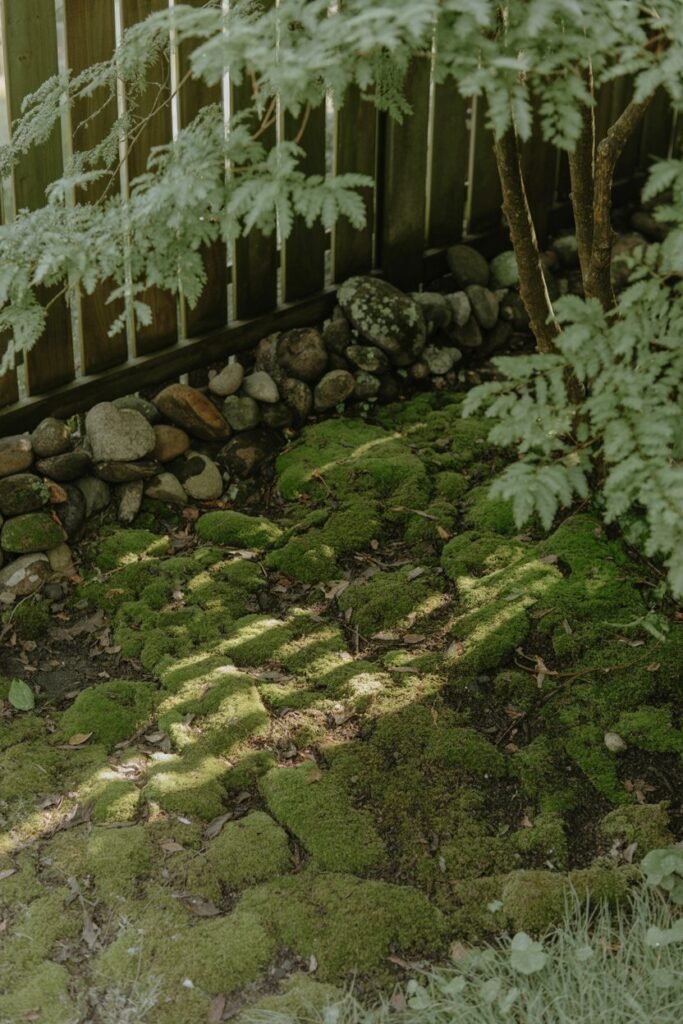
• Shade
• Partial shade
• Indirect sunlight indoors
Too much direct sun will dry it out.
Moisture
Moss loves consistent moisture, especially in the beginning.
Think damp not flooded.
Surface
Moss grows best on:
• Bare soil
• Rocks
• Clay pots
• Wood
• Concrete
It doesn’t do well on thick grass or heavily fertilized soil.
Airflow
Good airflow helps prevent mold indoors.
Types of Moss You Can Grow Easily
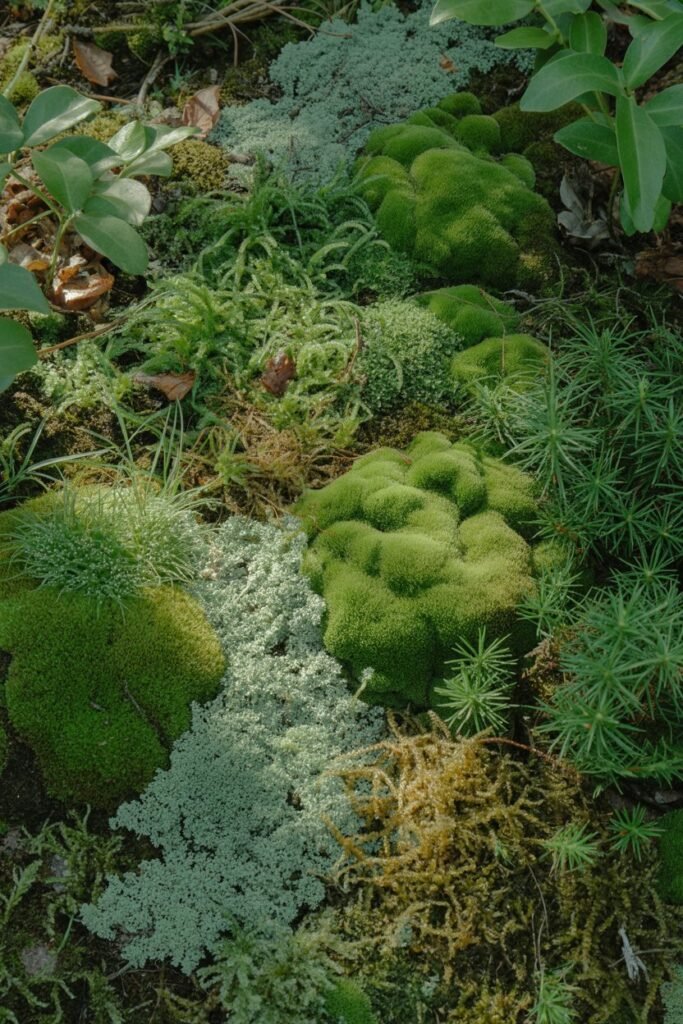
Some beginner-friendly moss varieties include:
• Sheet Moss – great ground cover
• Cushion Moss – forms little soft mounds
• Haircap Moss – taller, forest-like look
• Fern Moss – delicate and beautiful
Most wild moss you find growing naturally can be transplanted too.
Now let’s get into the heart of the post
Here are 4 easy ways to grow moss indoors and outdoors that actually work.
Read 44 Indoor Courtyards That Change Everything You Know About Gardens
Method 1: Transplanting Moss From Nature (My Favorite Way)
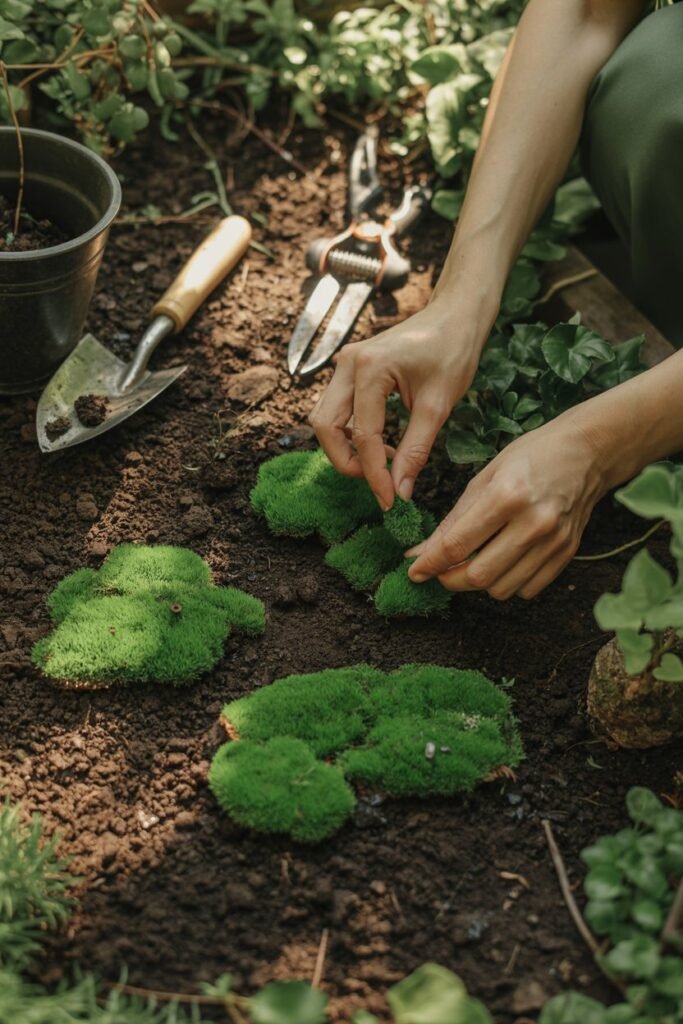
This is how I first started growing moss and it’s still my favorite.
What You’ll Need:
• Fresh moss (collected gently)
• A flat surface or soil area
• Water spray bottle
• Shady spot
Step-by-Step:
- Look for healthy moss growing naturally on rocks, soil, or old bricks.
- Gently lift it using your hands or a small tool. Try to keep it in pieces.
- Place it where you want it to grow on soil, a rock, pot, or garden bed.
- Press it down gently so it makes good contact.
- Spray with water until damp.
- Keep moist for the first 2–3 weeks.
Where This Works Best:
✔ Shady garden areas
✔ Under trees
✔ Along pathways
✔ In moss bowls
My Tip:
I mist mine every morning during the first weeks. Once it settles in, it needs much less water.
This method feels magical like moving a piece of the forest into your home.
Method 2: Growing Moss Using the Moss Slurry Technique
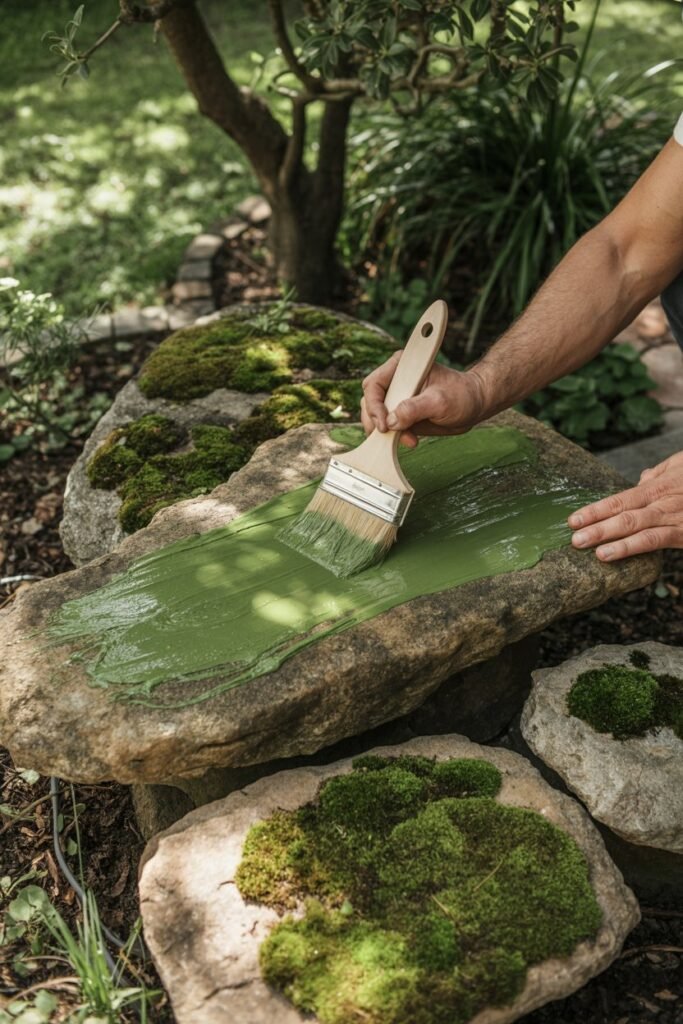
This is perfect if you want moss to spread over larger areas like rocks, walls, or soil.
It sounds funny, but it works wonderfully!
What You’ll Need:
• A handful of moss
• Blender
• Water or buttermilk/yogurt (optional)
• Spray bottle or brush
How To Make Moss Slurry:
- Put moss into a blender.
- Add: – 1–2 cups of water
(some gardeners use yogurt or buttermilk to help it stick) - Blend until it becomes a green liquid.
- Pour into a spray bottle or use a brush.
- Apply to surfaces where you want moss to grow.
- Keep damp daily.
Where It Works Best:
✔ Rocks
✔ Concrete
✔ Garden statues
✔ Shady soil
My Experience:
I used this on an old stone path in my garden. After about a month, soft green patches began appearing and within a few months, it looked like a forest walkway.
Patience is key with this method.
Read 11 Floating Plants to Grow Indoors in Bowls & Containers
Method 3: Growing Moss Indoors in Containers or Terrariums
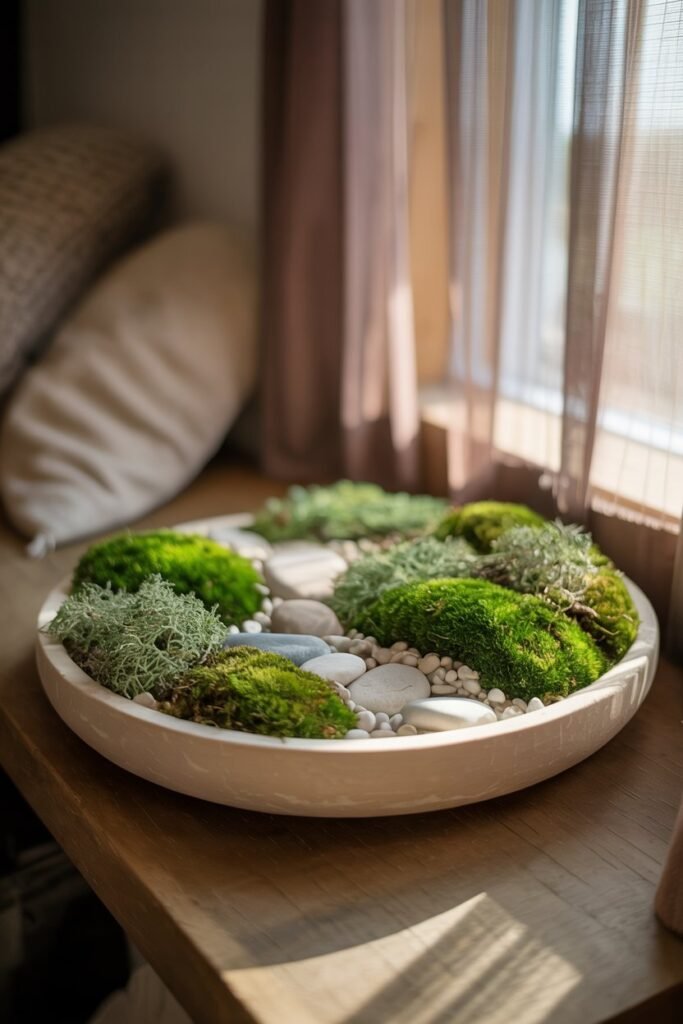
If you love indoor plants, this method is beautiful and easy.
What You’ll Need:
• A shallow bowl, pot, or glass container
• Pebbles (for drainage)
• A little soil or sand
• Moss pieces
• Spray bottle
Steps:
- Place a layer of pebbles at the bottom.
- Add a thin layer of soil or sand.
- Lay moss on top.
- Press gently.
- Mist with water.
- Place near a window with indirect light.
Care Tips:
• Mist 2–3 times a week
• Don’t let it dry out completely
• Avoid direct sunlight
Why I Love This:
I keep a moss bowl on my desk. It’s calming to look at while working and it always stays green.
You can even add small stones or mini figurines to create a tiny moss garden.
Method 4: Growing Moss Directly on Soil Outdoors
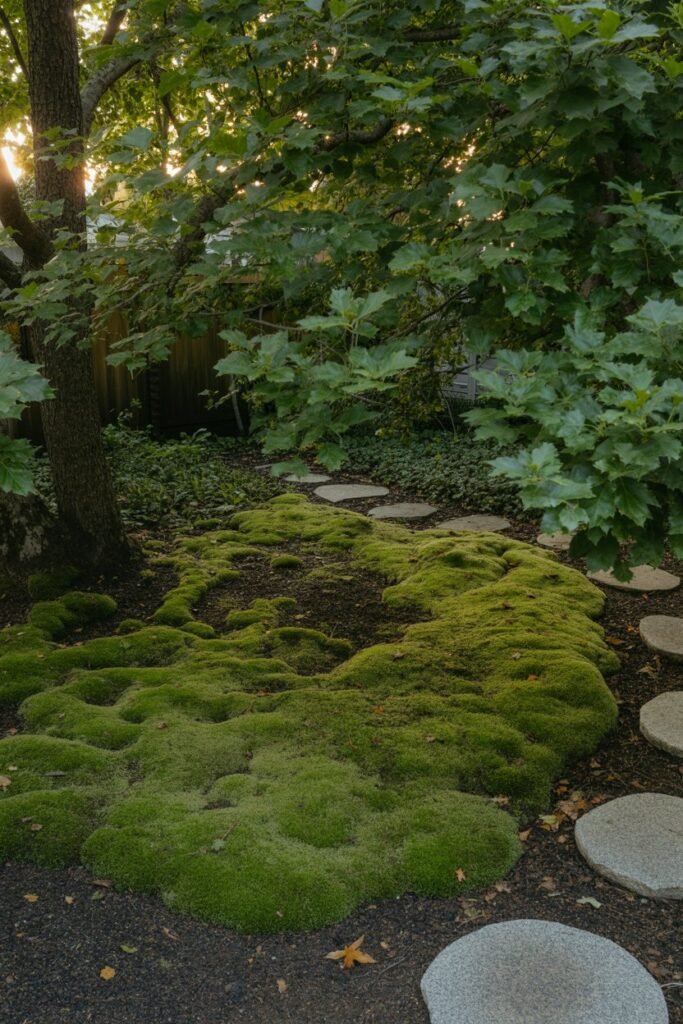
This is perfect if you want moss as a ground cover instead of grass in shady areas.
What You’ll Need:
• Moss patches
• Rake or small shovel
• Water
Steps:
- Remove grass and weeds from the area.
- Loosen the soil lightly.
- Lay moss pieces flat.
- Press firmly.
- Water thoroughly.
- Keep damp for several weeks.
Best Spots:
✔ Under trees
✔ Along fences
✔ Shady garden beds
My Tip:
If your soil is very dry, mix in a little compost to help hold moisture.
Over time, the moss spreads beautifully.
How Long Does Moss Take to Grow?
Moss is slow but steady.
You may notice:
• First signs in 2–4 weeks
• Visible spreading in 2–3 months
• Full coverage in 6–12 months
It’s not instant, but it’s worth the wait.
How to Care for Moss Properly
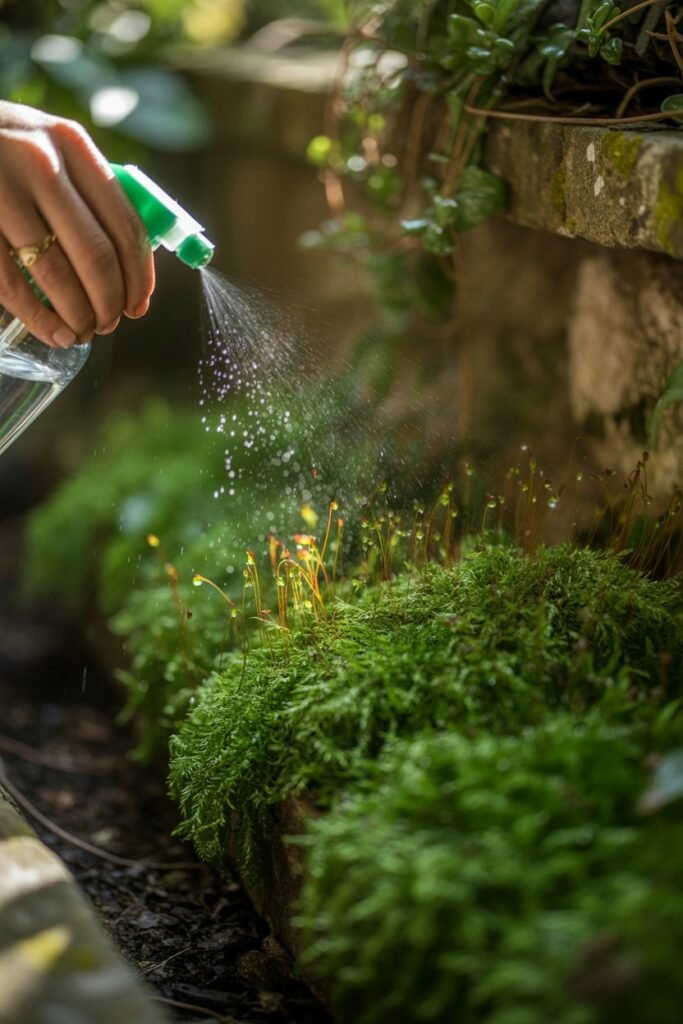
Once established, moss is easy.
Watering
• Mist when dry
• Outdoor moss often needs little watering after settling
Cleaning
• Remove fallen leaves so they don’t block light
Sunlight
• Keep mostly shaded
No Fertilizer Needed!
Fertilizer can actually harm moss.
Common Problems (And Easy Fixes)
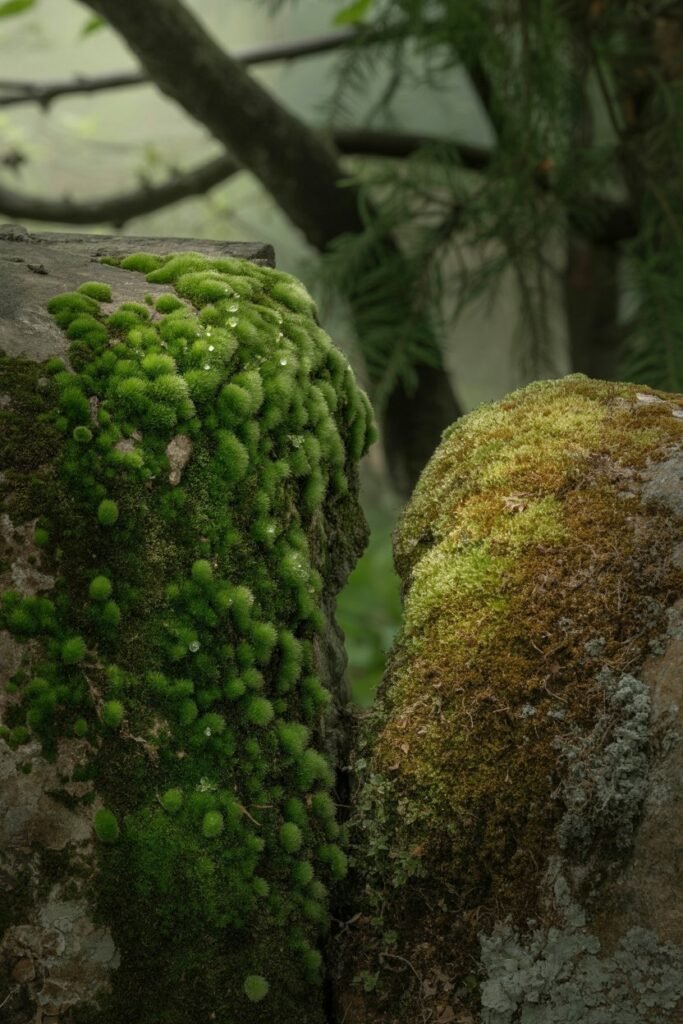
Moss Turning Brown
Usually means it’s too dry or getting too much sun.
✔ Move to shade and mist more often.
Moss Not Growing
Could be:
• Too sunny
• Too dry
• Poor contact with surface
✔ Increase moisture and shade.
Mold Indoors
This happens with too much water and poor airflow.
✔ Mist lightly and improve ventilation.
Helpful Tips From My Garden
- Collect moss on cloudy or damp days it transplants better
- Always keep new moss moist at first
- Don’t rush growth moss rewards patience
- Shade is your best friend
Final Thoughts: Why Moss Has a Special Place in My Garden
Growing moss taught me something beautiful about gardening.
Not every plant needs constant attention.
Not every garden has to be colorful and loud.
Sometimes the quiet green spaces bring the most peace.
Whether you grow moss in a bowl on your table or cover a shady corner of your garden with it, it adds a softness and calm that few plants can match.
If you’re new to gardening or just want something simple and soothing I truly recommend trying moss.
It might just become your favorite plant like it did mine 💚
