
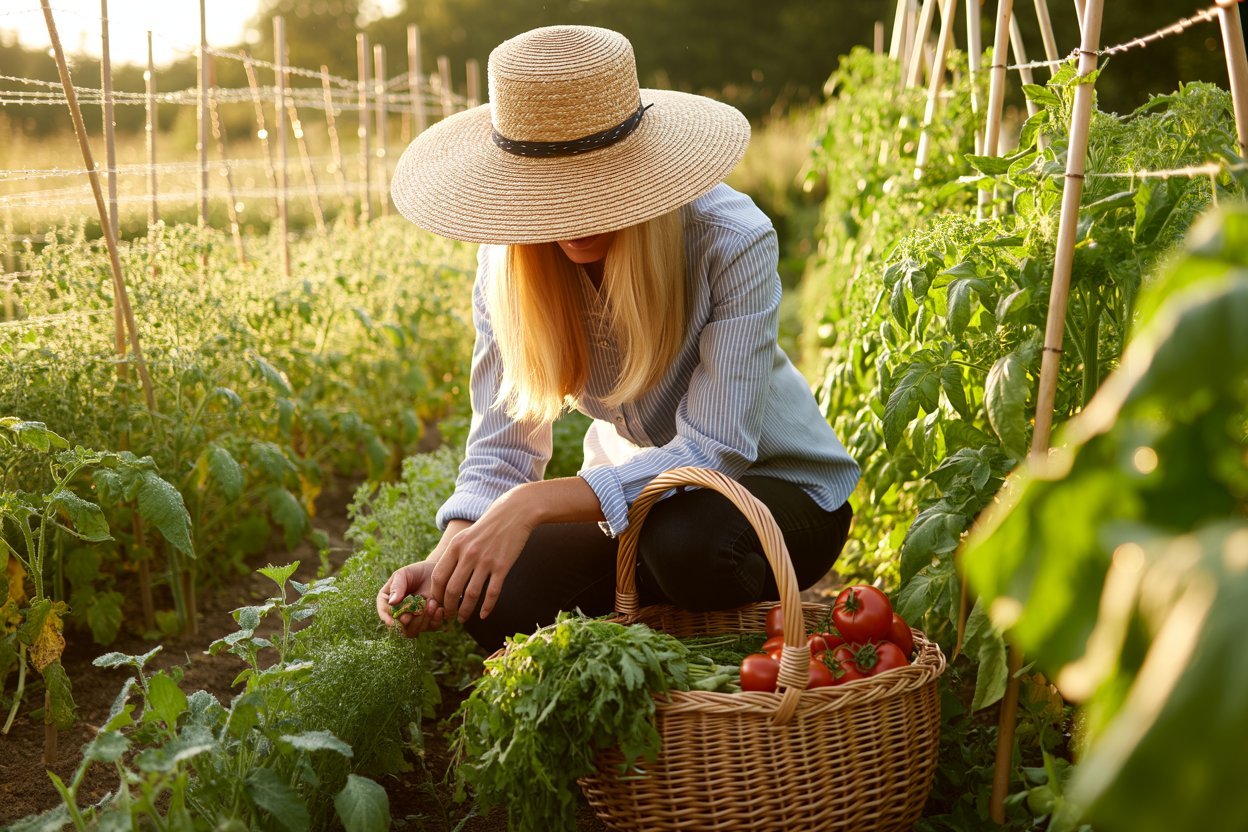

I remember the first August I gardened on my own, standing barefoot in the grass at 6am with a coffee going cold in my hand, watching my tomato plants practically wilt before my eyes in the heat.
Nobody warned me that August is its own strange season half harvest, half survival.
Over the years, I’ve learned to work with the month instead of against it, and this list is everything I wish someone had handed me back then.
Why August Deserves Its Own To-Do List
Spring gets all the glory, but August is where a garden either thrives or quietly falls apart.
The heat is relentless, the pests are hungry, and your plants are working overtime to produce everything they promised you back in May.
This is the month for steady hands and a little extra tenderness think of it as caring for a garden that’s tired but still giving.
Grab your sun hat, a tall glass of something cold, and let’s walk through it together.
1. Water Deeply, Water Wisely
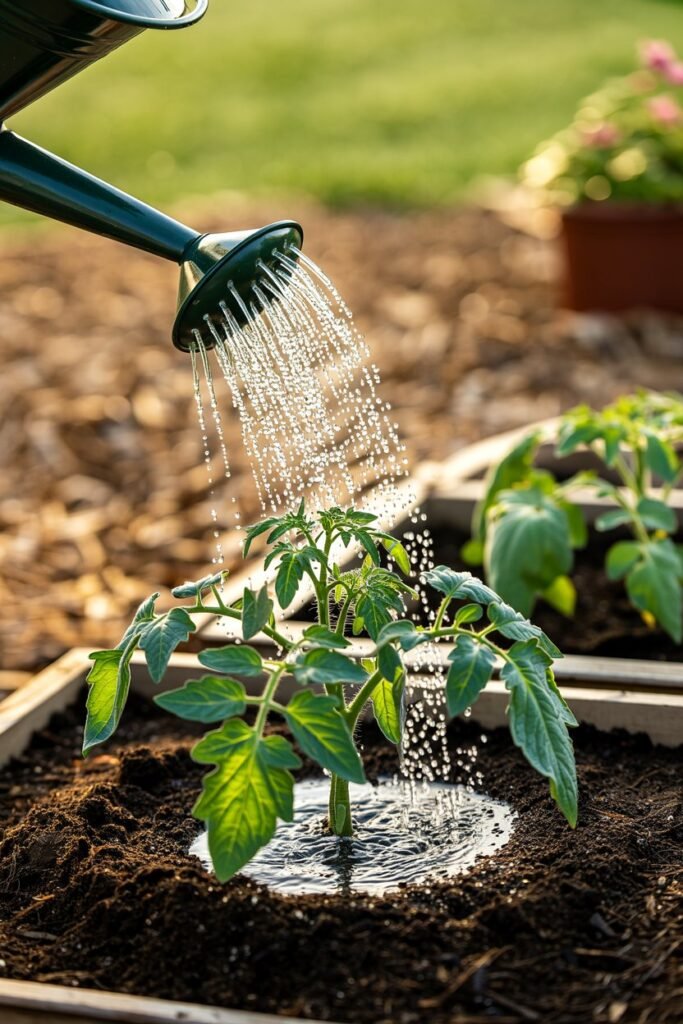
August sun doesn’t play fair, and shallow watering just won’t cut it anymore.
- Water early in the morning, ideally before 9am, so moisture soaks in before it evaporates and foliage has time to dry before evening (damp leaves overnight invite fungus).
- Go deep, not frequent. A long, slow soak that reaches the roots is far more valuable than a quick daily sprinkle. Aim for about an inch of water per week, more during heat waves.
- Mulch like you mean it. A two-to-three-inch layer of straw, shredded bark, or compost around your plants holds moisture in and keeps roots cooler. Think of it as tucking your garden in with a light blanket.
- Check container plants daily. Pots dry out shockingly fast in August heat, sometimes needing water twice a day during a real scorcher.
2. Harvest Often (Don’t Let Things Linger)
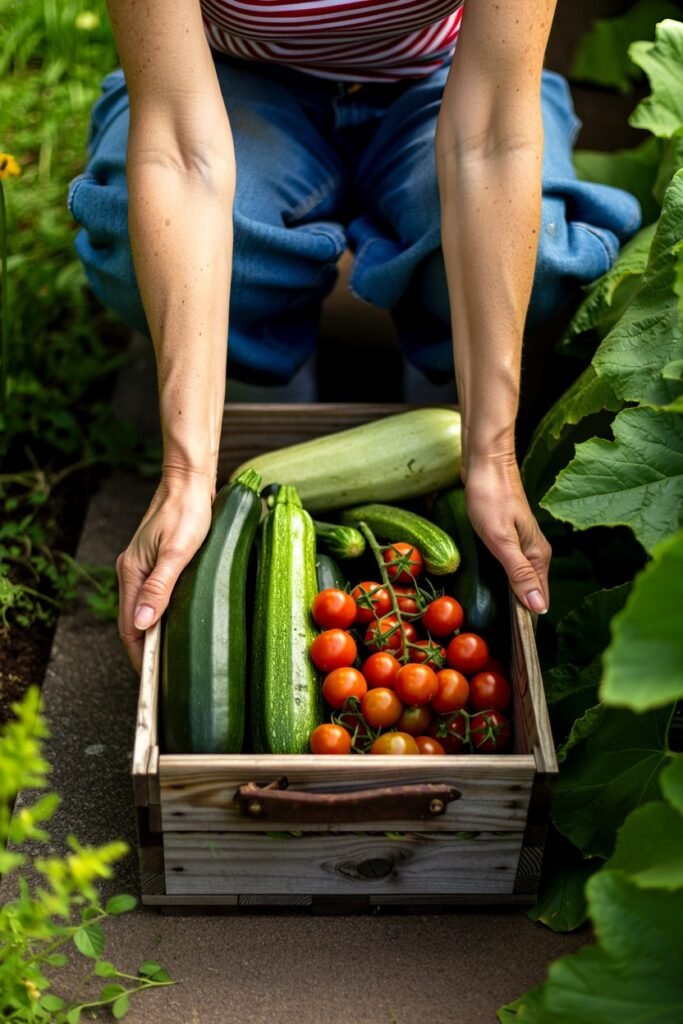
This is the reward month, darling, so don’t let it slip by unpicked.
- Pick vegetables at their peak, not a day past it. Zucchini and cucumbers turn from tender to woody in what feels like overnight.
- Harvest tomatoes as they ripen, even if it means picking daily. Leaving them on the vine too long invites cracking, pests, and rot.
- Cut herbs regularly to encourage bushier growth and to keep them from going to seed and turning bitter.
- Deadhead flowering plants like zinnias, cosmos, and dahlias so they keep producing blooms instead of putting energy into seed production.
- Share the abundance. If your squash plants are out of control, this is the month to become everyone’s favorite neighbor.
3. Keep an Eye Out for Pests and Disease
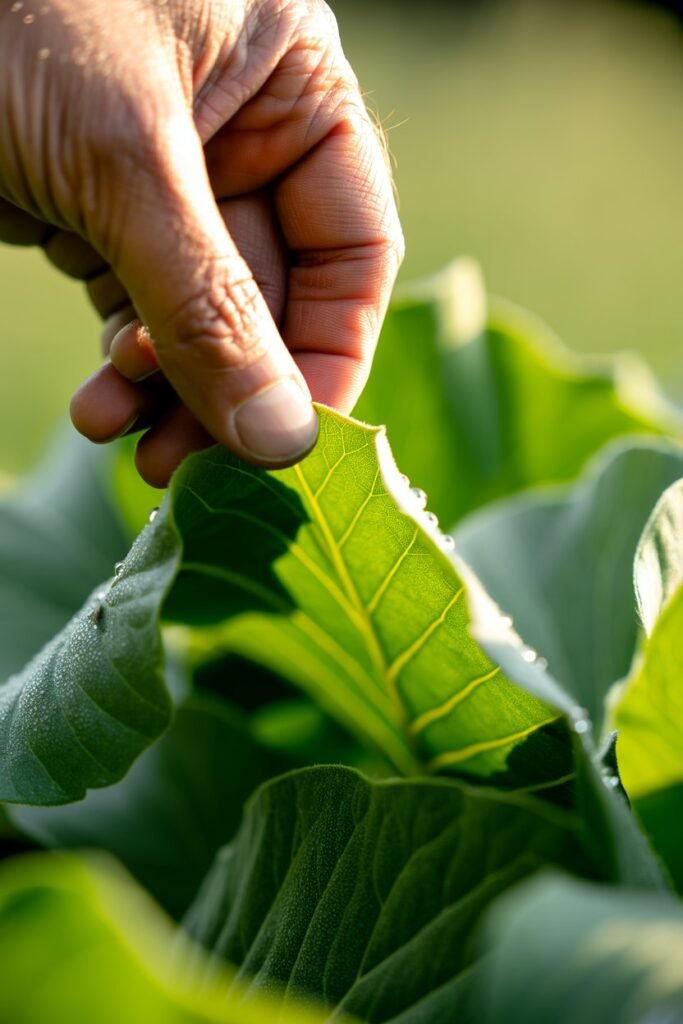
Heat and humidity are a breeding ground for trouble, so a little vigilance goes a long way.
- Inspect the undersides of leaves weekly for aphids, spider mites, and squash bugs — they love to hide where you’re not looking.
- Watch for powdery mildew, especially on squash, cucumbers, and roses. It shows up as a dusty white coating and spreads fast in humid air.
- Remove and destroy any diseased leaves or plants promptly rather than composting them, so problems don’t spread through your whole garden.
- Encourage beneficial insects like ladybugs and lacewings by planting dill, fennel, or yarrow nearby nature’s own pest patrol.
- Rotate what you’re watching for. Tomato hornworms, Japanese beetles, and cabbage worms are all especially active this time of year.
4. Feed Your Plants a Little Extra Love
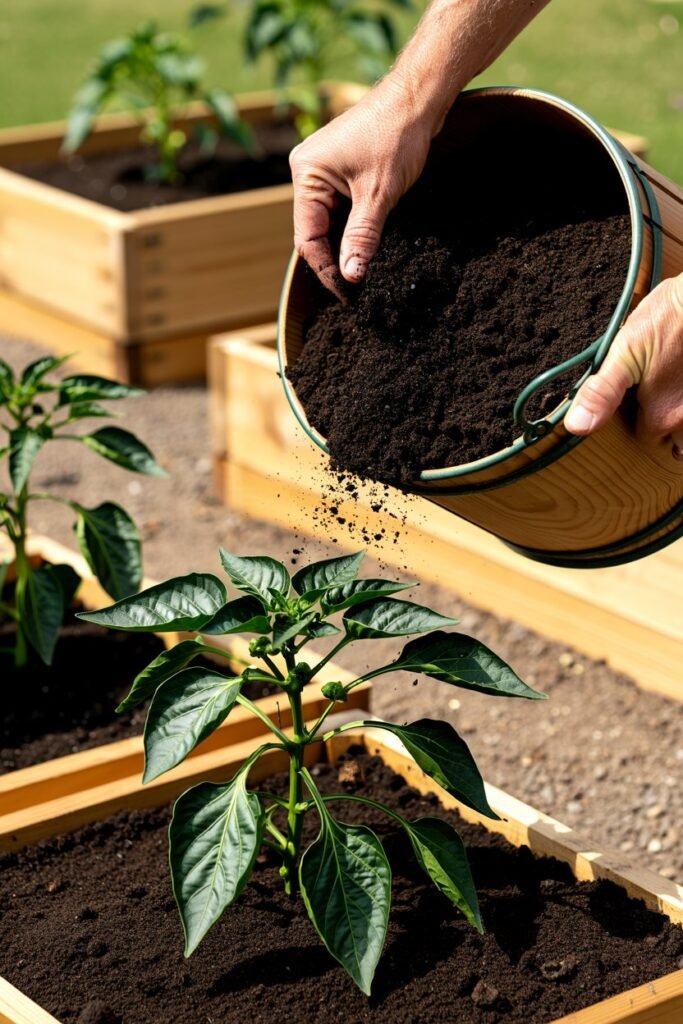
By August, your plants have been giving and giving, and the soil’s nutrients are running thin.
- Side-dress heavy feeders like tomatoes, peppers, and squash with compost or a balanced organic fertilizer to keep them producing strong.
- Skip high-nitrogen fertilizers on flowering plants right now you want blooms, not just leafy growth.
- Give roses a light feeding to support a second flush of blooms before fall.
- Top up mulch if it’s thinned out, since it’s doing double duty feeding the soil as it breaks down and protecting roots from heat.
5. Start Thinking About Fall (Yes, Already)
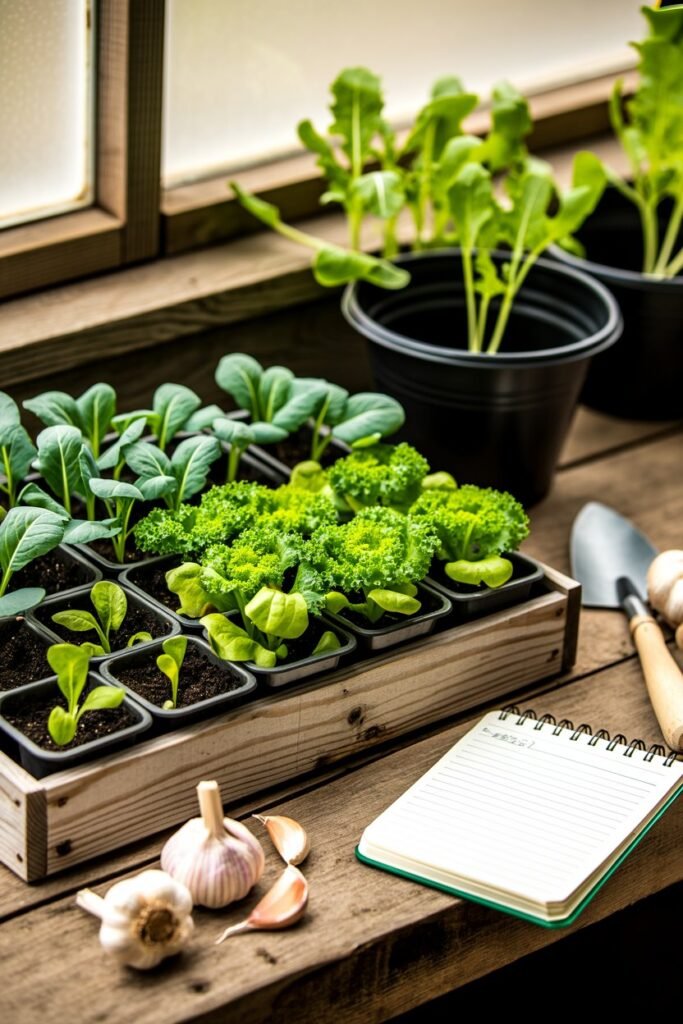
I know, I know it feels too soon. But a little planning now saves so much scrambling later.
- Sow fall crops like beets, carrots, kale, broccoli, and lettuce in the second half of the month, once the worst heat starts to ease.
- Order garlic for fall planting if you like to grow your own the good varieties sell out fast.
- Start seeds indoors for cool-season flowers like pansies and snapdragons so they’re ready to transplant come September.
- Take stock of your beds. Note what thrived, what struggled, and what you’d love to try differently next year. Future you will be so grateful for these notes.
6. Prune and Tidy with Purpose
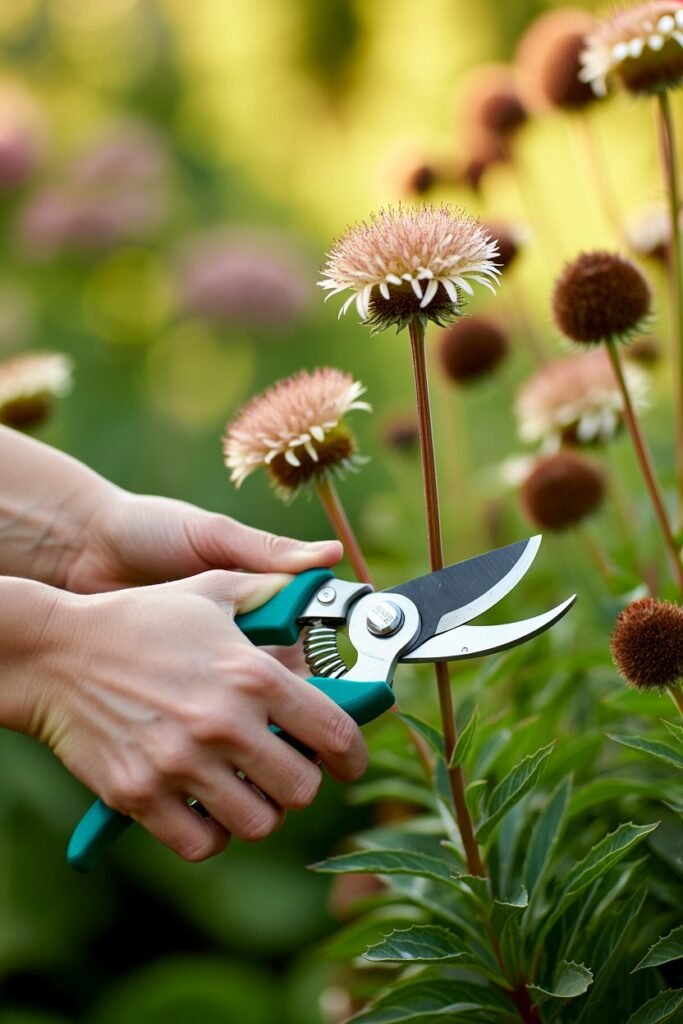
A little grooming keeps your garden looking cared for, even in the sleepy heat of late summer.
- Prune spent flower stalks on perennials to tidy things up and, in some cases, encourage a second bloom.
- Trim back leggy annuals like petunias to refresh their shape and coax out fresh growth.
- Cut back raspberry canes that have already fruited to make room for new growth.
- Remove yellowing lower leaves on tomato plants to improve air circulation and reduce disease risk.
7. Protect Your Garden (and Yourself) from the Heat
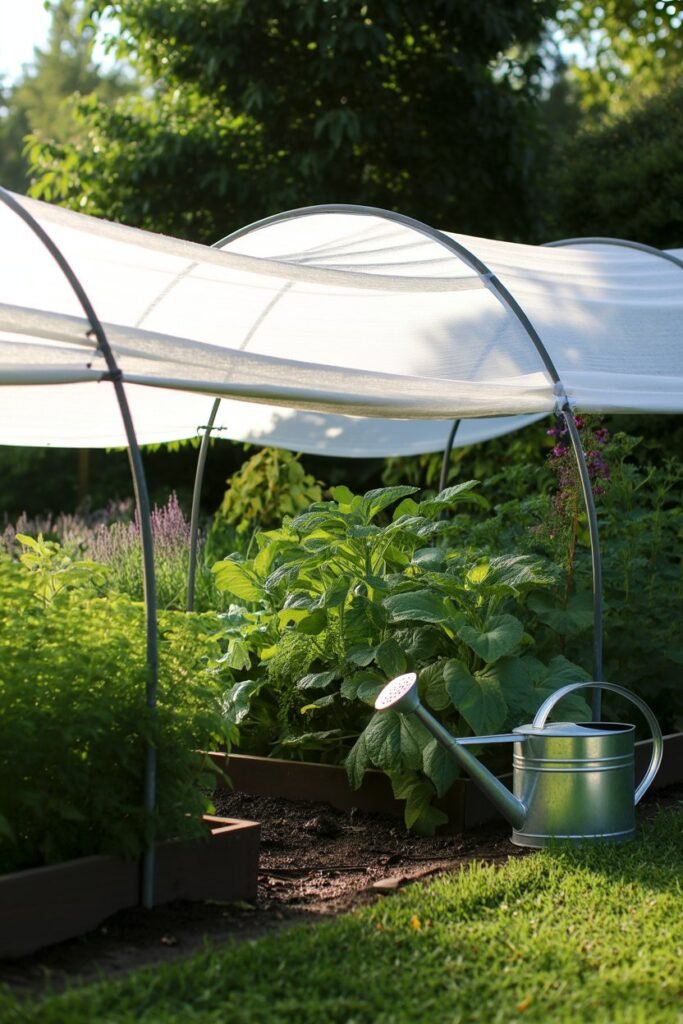
Some days, the kindest thing you can do is simply provide shade.
- Use shade cloth over particularly heat-sensitive crops like lettuce, spinach, and other cool-weather greens still hanging on.
- Avoid working in the peak heat of midday. Early morning or early evening are kinder to both you and your plants.
- Stay hydrated yourself. It sounds obvious, but it’s the tip most of us forget while we’re absorbed in weeding.
- Wear that wide-brimmed hat and don’t skip the sunscreen — your future self will thank you.
8. Lawn and Landscape Maintenance
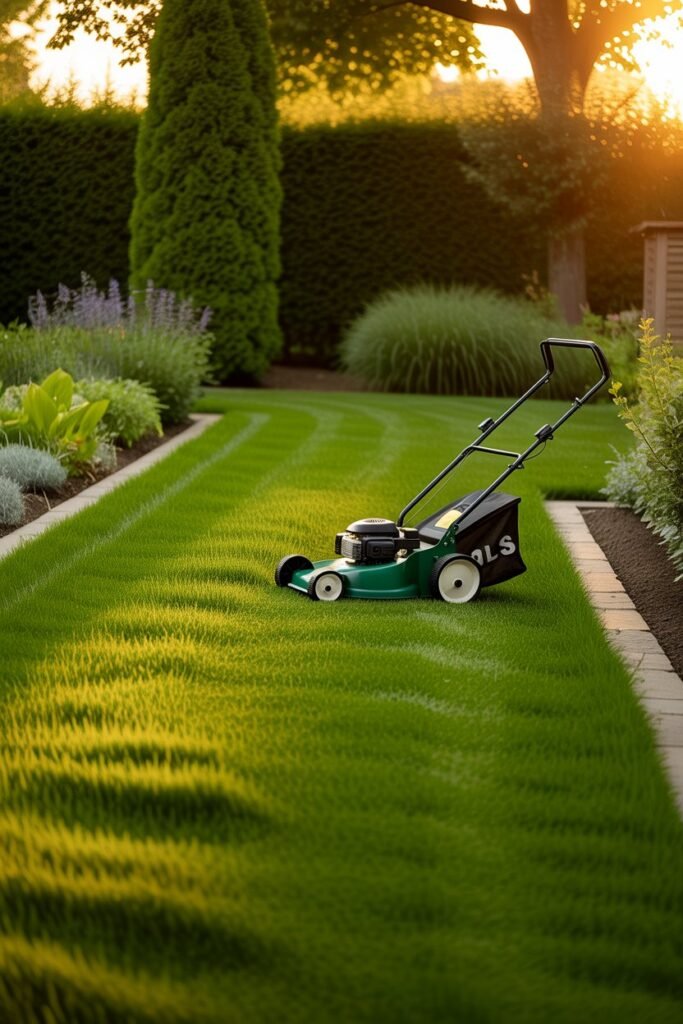
Your lawn is feeling the heat too, so give it a little grace.
- Raise your mower blade to leave grass a bit longer, which helps shade the soil and retain moisture.
- Water lawns deeply but infrequently, similar to your garden beds, rather than a light daily sprinkle.
- Avoid fertilizing cool-season grasses right now, as it can stress them further during dormancy-like heat stress.
- Check for grubs or brown patches, which tend to show themselves clearly in August’s stress conditions.
9. Tend to Your Tools and Supports
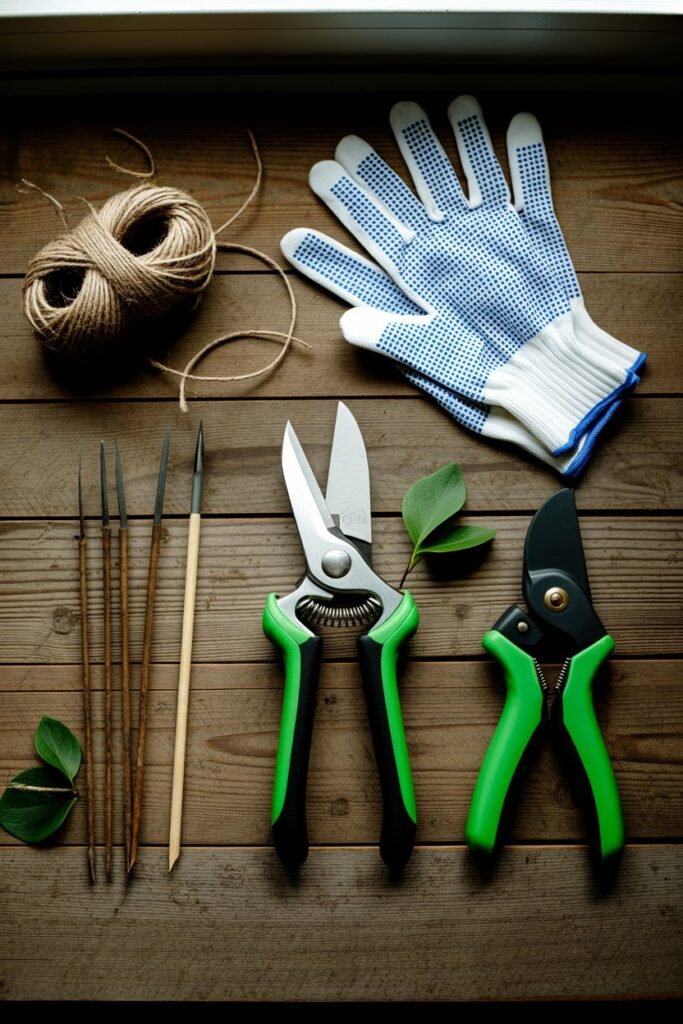
A little maintenance keeps your garden running smoothly through the rest of the season.
- Clean and sharpen pruners so they make clean cuts, which heal faster and reduce disease risk.
- Check stakes and trellises, especially for heavy tomato and bean vines, since August’s growth can outweigh spring supports.
- Repair or replace worn garden hoses, drip lines, or timers before you truly need them on a sweltering day.
10. Make Time to Simply Enjoy It
This one might be the most important task on the whole list.
August gardens are lush, a little wild, and full of color and fragrance in a way that feels different from any other month.
Take a slow walk through your beds in the evening light. Cut a small bouquet for your kitchen table.
Sit with the tomatoes still warm from the sun and just breathe it in. We spend so much time tending that it’s easy to forget to simply love what we’ve grown.
A Gentle Reminder Before You Go
Gardening in August is a balance of discipline and softness showing up for the watering and the weeding, but also giving yourself grace when the heat wins some days.
Your garden doesn’t need perfection, just presence. Tend it with the same patience you’d offer a good friend having a hard week, and it will reward you well into fall.
Wishing you cool mornings, full harvest baskets, and a little dirt under your nails this month. Happy gardening, friend.
