
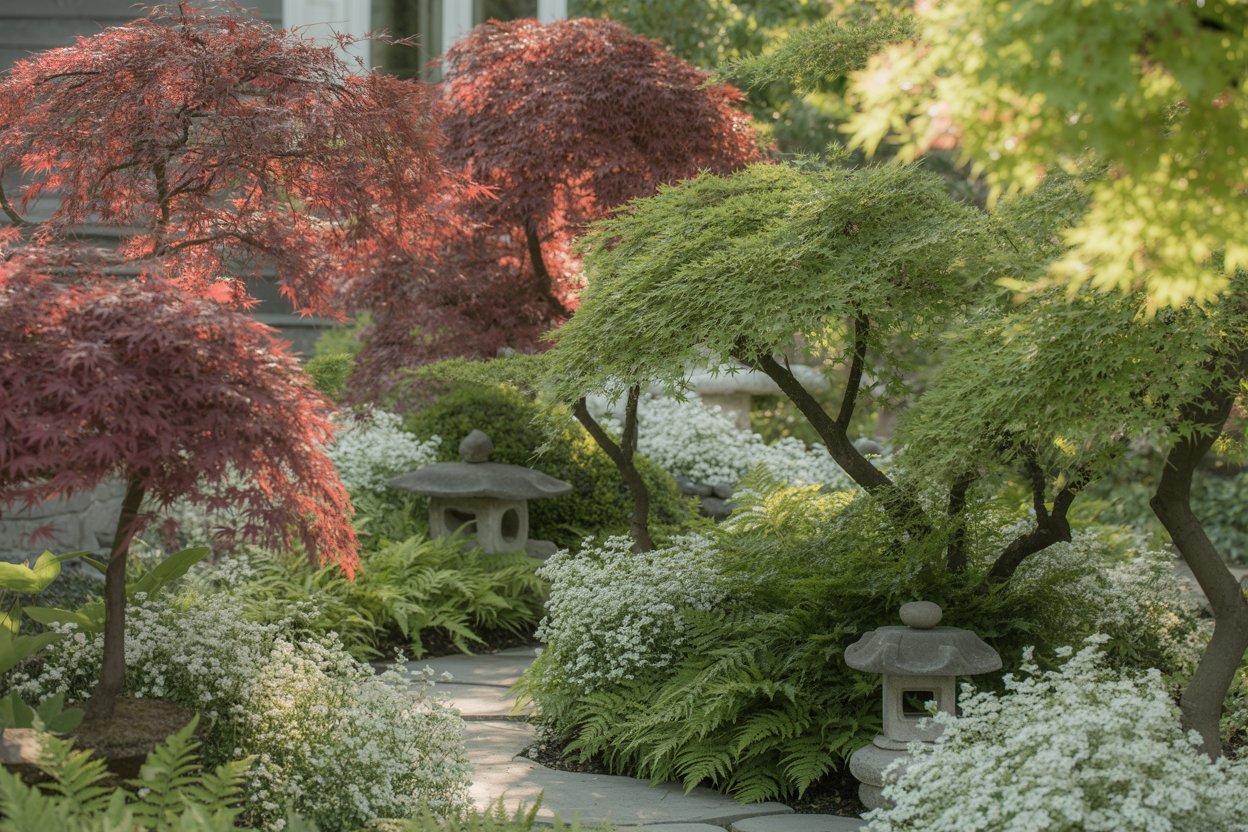

Soft layers of delicate leaves, graceful shapes, and rich seasonal color make dwarf Japanese maples one of the most beautiful additions to any garden.
These compact trees bring elegance without demanding constant care, making them perfect for small yards, patios, cottage gardens, and peaceful outdoor corners.
Whether you love deep burgundy foliage, bright green lace leaves, or fiery autumn color, there is a dwarf Japanese maple that can completely transform your space.
Many varieties stay naturally compact, grow slowly, and require very little pruning, which makes them ideal for gardeners who want beauty without extra work. With the right choice, your garden can feel calm, refined, and effortlessly charming all year long.
Why Choose Dwarf Japanese Maples?
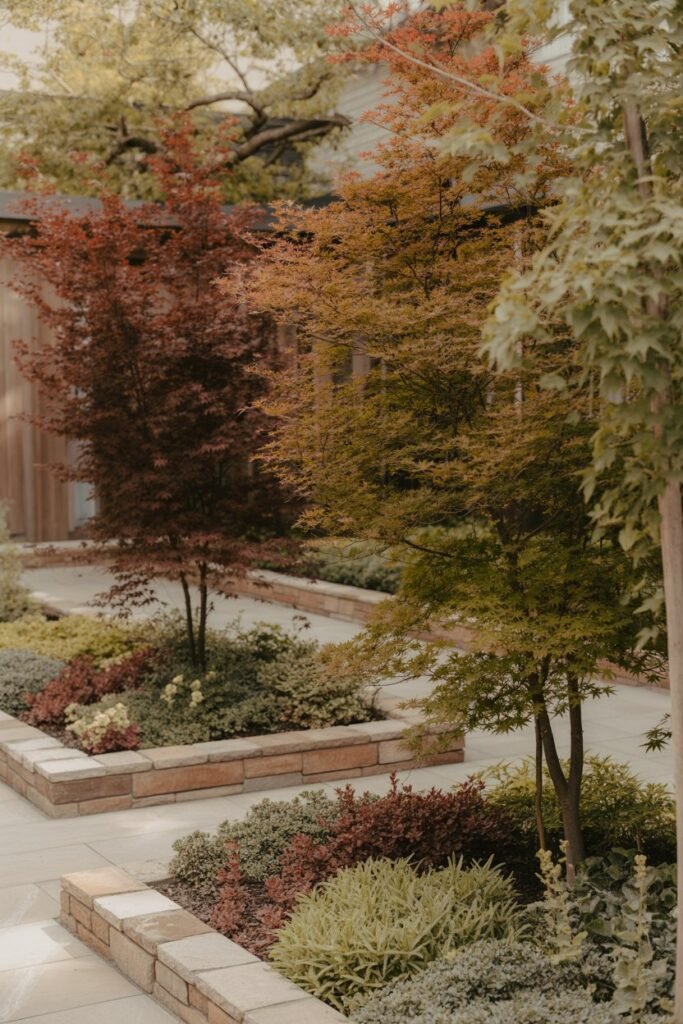
Dwarf Japanese maples are loved for their artistic appearance and manageable size.
Unlike larger landscape trees that quickly outgrow their space, these smaller varieties fit beautifully into modern gardens, urban yards, and container arrangements.
Here are a few reasons gardeners adore them:
- They grow slowly and stay compact
- Most varieties require minimal pruning
- Their foliage changes color beautifully through the seasons
- They thrive in containers and small spaces
- Many varieties tolerate partial shade
- They create a peaceful, elegant garden atmosphere
- Their sculptural branches look stunning even in winter
These trees are perfect for gardeners who want a luxurious-looking landscape without spending hours on maintenance.
What Makes a Japanese Maple “Dwarf”?
A dwarf Japanese maple is simply a smaller-growing variety that usually reaches between 3 and 10 feet tall at maturity.
Many grow wider than they grow tall, creating soft layered shapes that look especially beautiful near pathways, patios, ponds, and flower beds.
Some dwarf types have:
- Weeping forms
- Rounded shapes
- Lace-like foliage
- Compact upright growth
Their smaller size makes them easier to care for and easier to fit into decorative landscapes.
Best Dwarf Japanese Maples for Elegant Gardens
1. Crimson Queen
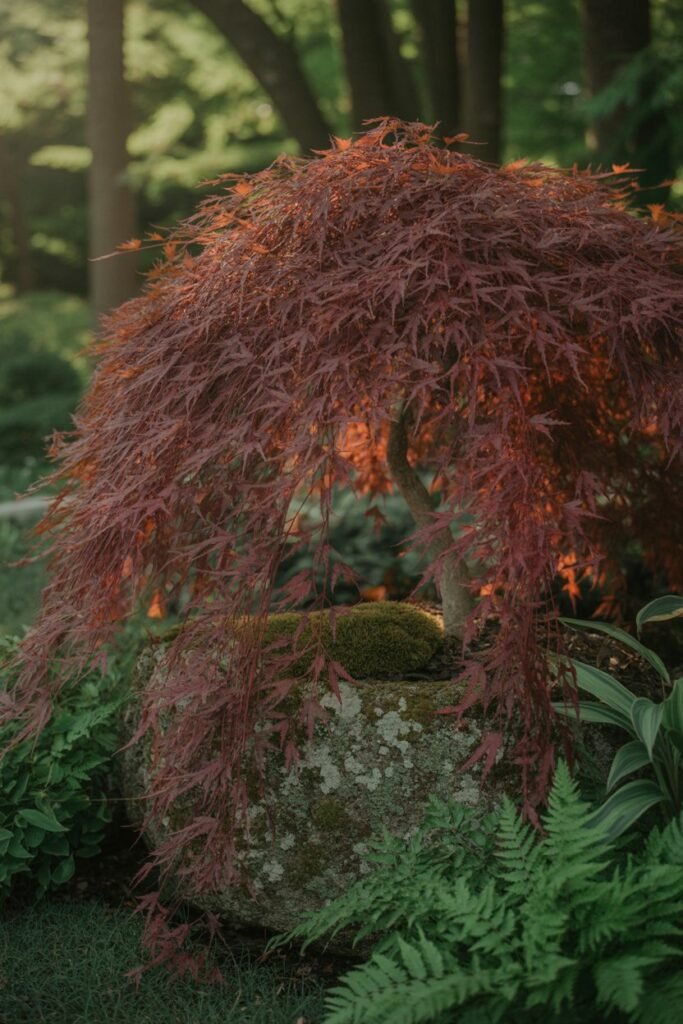
Crimson Queen is one of the most popular dwarf Japanese maples for a reason. Its finely cut laceleaf foliage creates a soft cascading shape that instantly adds elegance to a garden.
Why Gardeners Love It
- Deep burgundy-red leaves throughout the season
- Graceful weeping habit
- Excellent fall color
- Slow-growing and compact
Mature Size
- 8 to 10 feet tall
- 10 to 12 feet wide
Best Growing Conditions
Crimson Queen thrives in partial shade, especially in warmer climates. Morning sun and afternoon shade help protect its delicate leaves from scorching.
Maintenance Level
Very low maintenance. Occasional shaping is all it usually needs.
2. Shaina
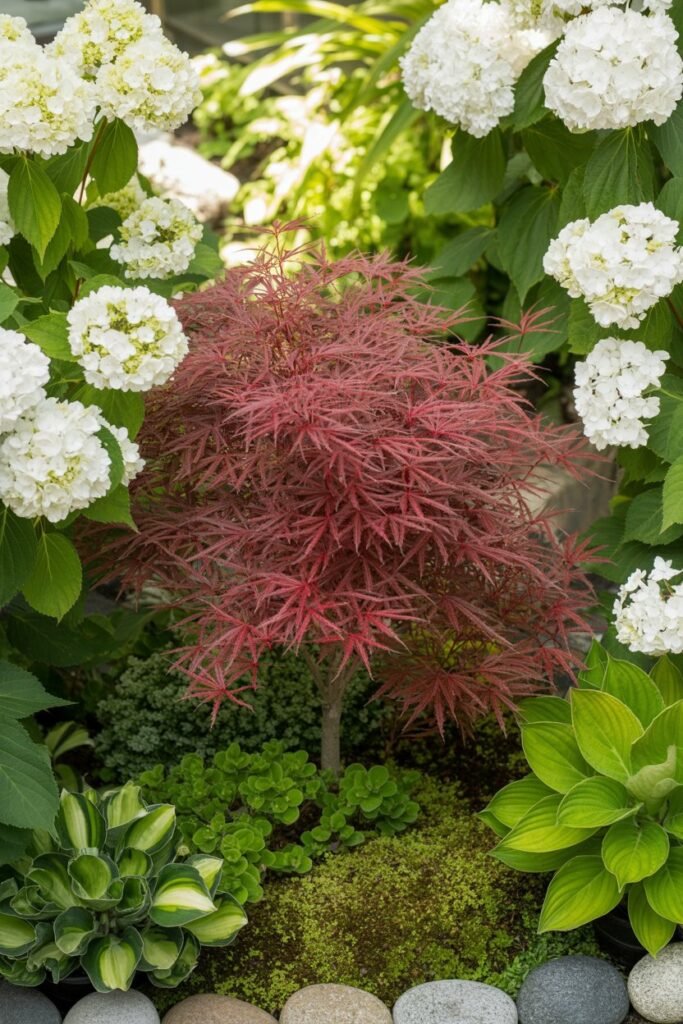
If you want dramatic red foliage in a truly compact form, Shaina is an excellent choice.
Its dense layered leaves create a rich, textured appearance that looks stunning in decorative landscapes or containers.
Why Gardeners Love It
- Compact rounded growth
- Bright crimson spring leaves
- Perfect for small gardens
- Easy to maintain
Mature Size
- 4 to 6 feet tall
- 4 to 6 feet wide
Best Growing Conditions
Shaina performs best in partial sun with moist, well-draining soil.
Maintenance Level
Minimal pruning required due to its naturally tidy shape.
3. Mikawa Yatsubusa
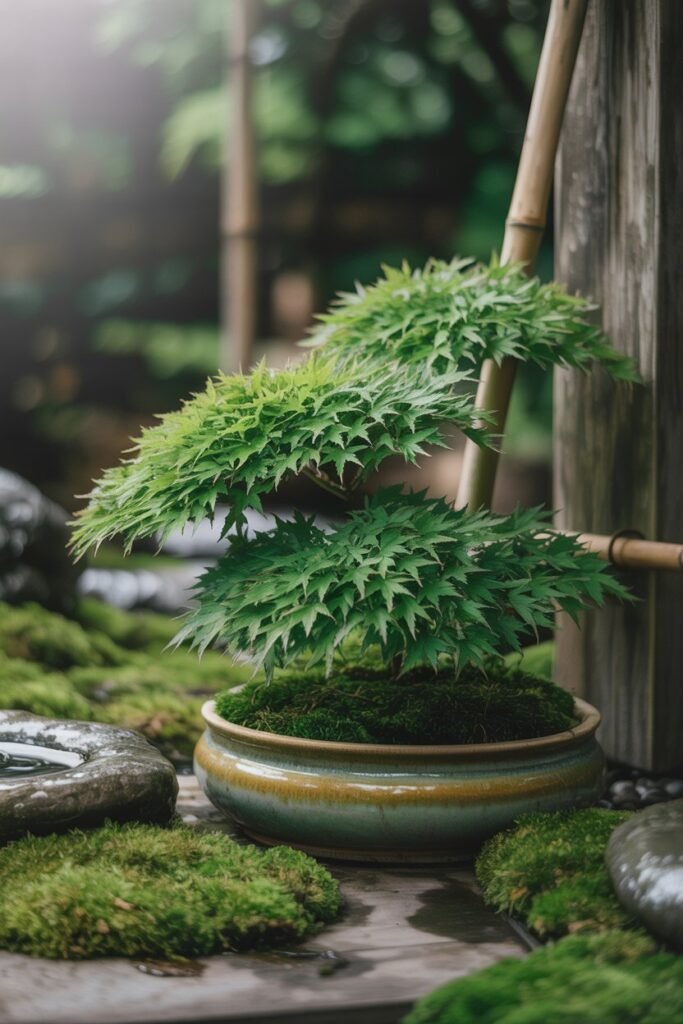
Mikawa Yatsubusa is a dream plant for collectors and elegant garden lovers. Its dense layered leaves almost resemble scales, giving it an artistic appearance.
Why Gardeners Love It
- Unique layered branching
- Compact growth
- Beautiful green foliage with orange fall color
- Excellent for containers and bonsai
Mature Size
- 3 to 5 feet tall
- 4 feet wide
Best Growing Conditions
This variety prefers filtered sunlight and protection from harsh afternoon heat.
Maintenance Level
Extremely easy to care for because of its slow growth.
4. Tamukeyama
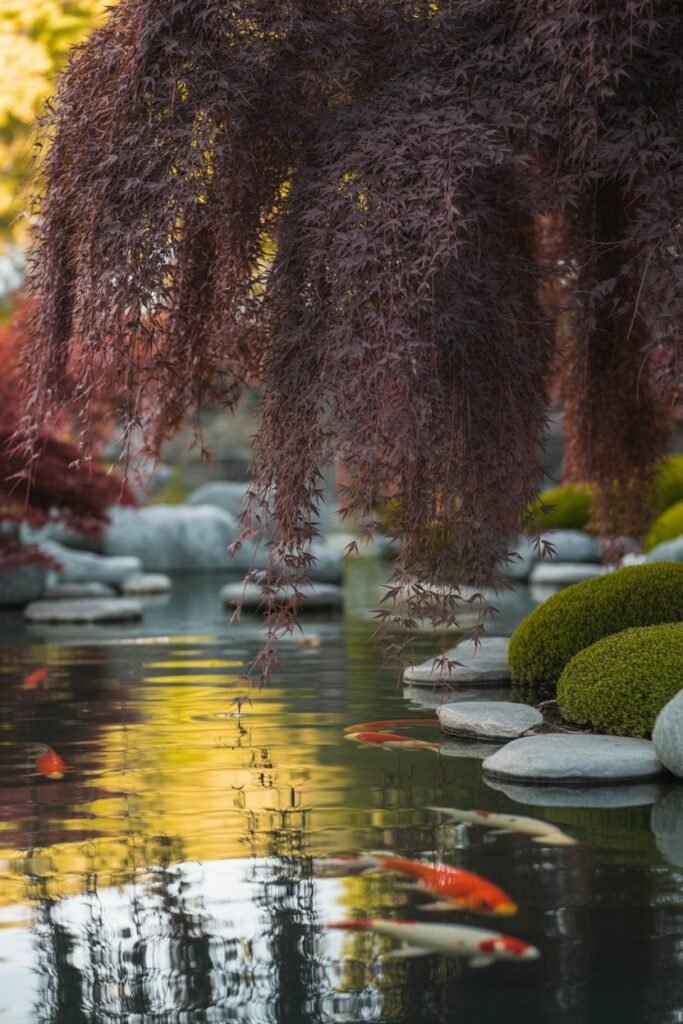
Tamukeyama is a classic weeping laceleaf variety known for its rich purple-red foliage and dramatic shape.
Why Gardeners Love It
- Elegant cascading branches
- Long-lasting leaf color
- Excellent heat tolerance
- Gorgeous fall display
Mature Size
- 6 to 8 feet tall
- 8 to 12 feet wide
Best Growing Conditions
Thrives in well-draining soil with partial shade.
Maintenance Level
Low maintenance and highly reliable once established.
5. Kiyohime
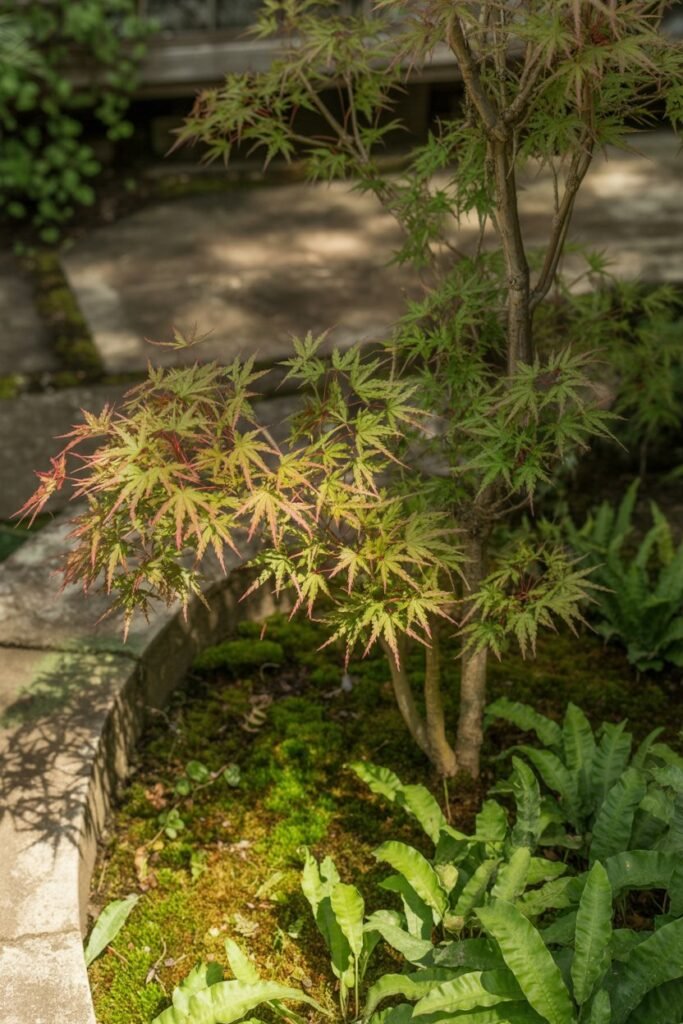
Kiyohime is ideal for tiny gardens, edging areas, or container planting. Its low spreading shape creates a soft layered effect close to the ground.
Why Gardeners Love It
- Petite compact habit
- Bright green leaves with reddish edges
- Lovely orange fall color
- Great for bonsai enthusiasts
Mature Size
- 2 to 4 feet tall
- 4 to 6 feet wide
Best Growing Conditions
Prefers partial shade and evenly moist soil.
Maintenance Level
Very low maintenance.
6. Red Dragon
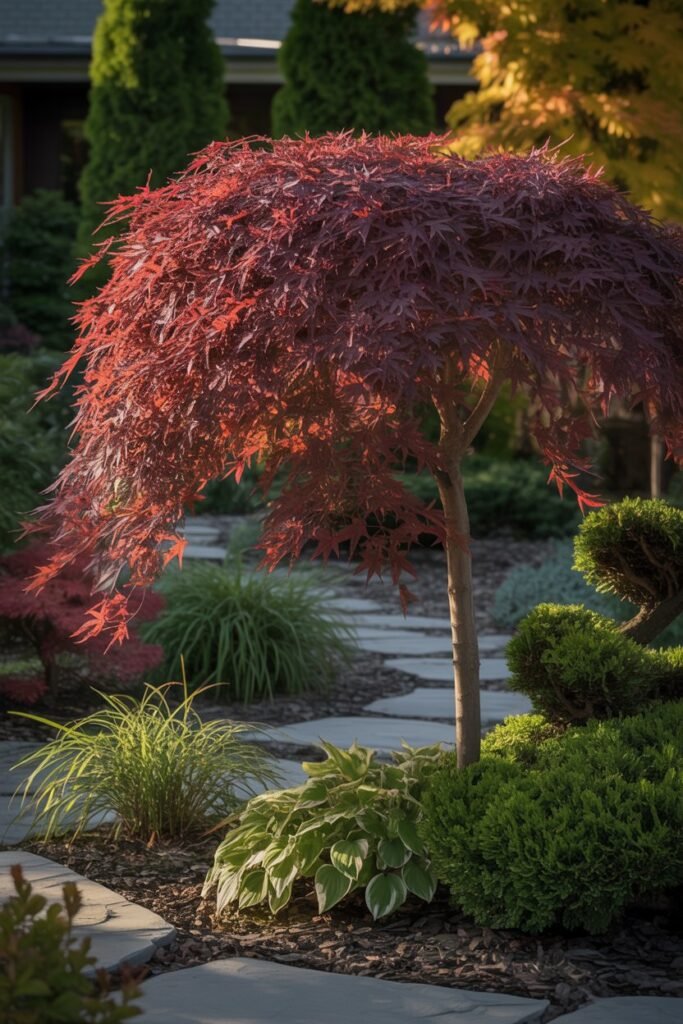
Red Dragon brings rich burgundy foliage and beautiful texture to elegant landscapes.
Unlike some red varieties that fade during summer, this one keeps its deep coloring longer.
Why Gardeners Love It
- Bold red-purple leaves
- Strong weeping shape
- Excellent color retention
- Compact and graceful
Mature Size
- 6 to 8 feet tall
- 8 feet wide
Best Growing Conditions
Does best in partial shade with protection from harsh afternoon sun.
Maintenance Level
Easy to maintain with occasional pruning.
7. Waterfall
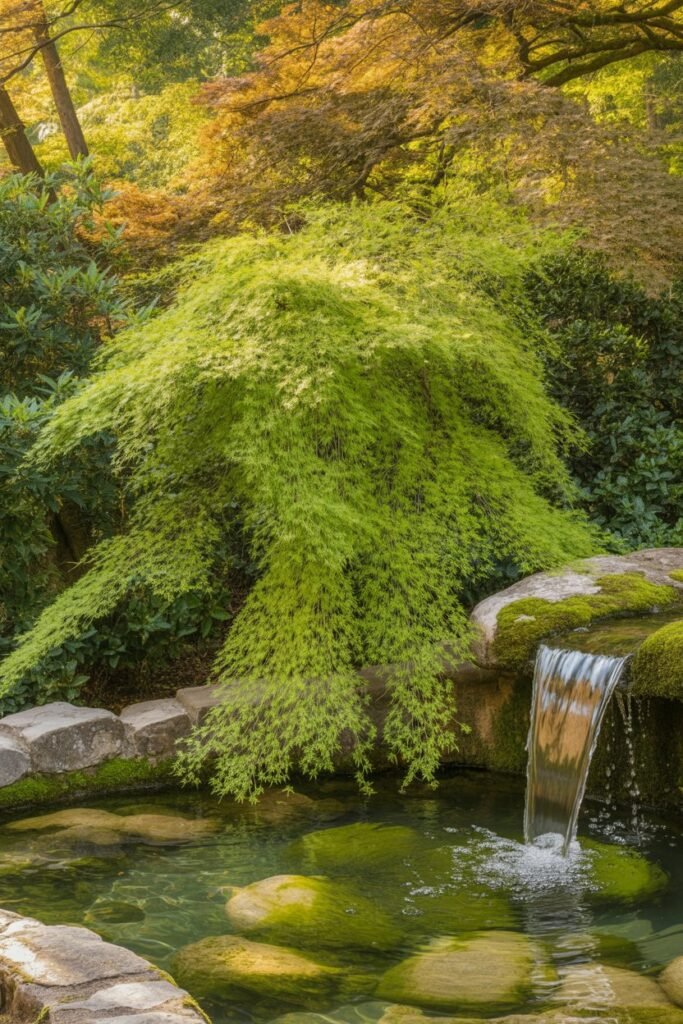
Waterfall is one of the prettiest green laceleaf Japanese maples. Its soft cascading branches look almost like flowing water in the garden.
Why Gardeners Love It
- Delicate green foliage
- Stunning golden-orange fall color
- Graceful cascading shape
- Creates a peaceful garden atmosphere
Mature Size
- 5 to 7 feet tall
- 6 to 10 feet wide
Best Growing Conditions
Thrives in moist, well-drained soil with partial shade.
Maintenance Level
Low maintenance and easy to grow.
8. Beni Hoshi
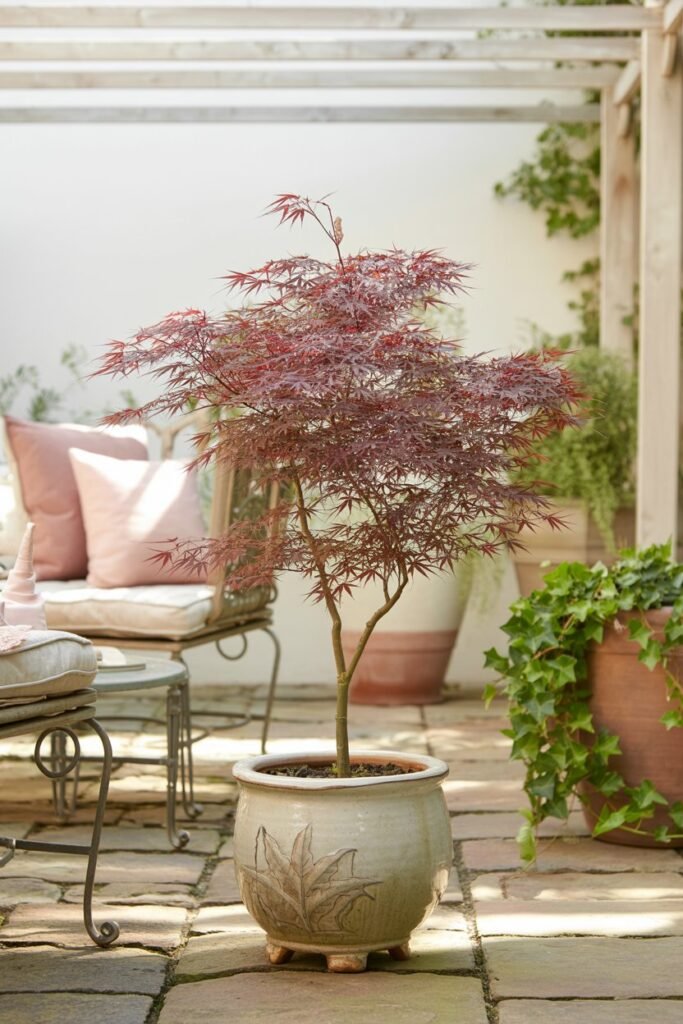
Beni Hoshi is perfect for gardeners who love tiny ornamental trees with rich color.
Its small leaves shift from bright red to deep burgundy through the season.
Why Gardeners Love It
- Tiny delicate foliage
- Compact structure
- Excellent for containers
- Beautiful seasonal color changes
Mature Size
- 4 to 6 feet tall
- 4 feet wide
Best Growing Conditions
Needs protection from intense heat and drying winds.
Maintenance Level
Simple and manageable.
Best Places to Plant Dwarf Japanese Maples
These elegant trees work beautifully in many areas of the garden.
Near Patios
Their graceful branches soften hard surfaces and create a relaxing atmosphere around outdoor seating spaces.
In Containers
Many dwarf varieties thrive in decorative pots, making them ideal for balconies, entryways, and porches.
Around Water Features
Japanese maples pair beautifully with ponds, fountains, and small waterfalls.
Woodland Gardens
Their layered foliage looks natural beneath taller trees or among shade-loving plants.
Cottage Gardens
They blend beautifully with hydrangeas, ferns, hostas, and flowering perennials.
How to Care for Dwarf Japanese Maples
Choose the Right Light
Most dwarf Japanese maples prefer:
- Morning sun
- Afternoon shade
- Filtered sunlight
Too much harsh sun can scorch delicate leaves, especially red laceleaf varieties.
Use Well-Draining Soil
These trees dislike soggy roots.
The ideal soil should be:
- Rich in organic matter
- Slightly acidic
- Moist but well-drained
Adding compost during planting helps improve soil quality.
Water Consistently
Young trees need regular watering while establishing roots.
Once mature:
- Water deeply during dry periods
- Avoid constantly wet soil
- Mulch to retain moisture
Mulch Around the Base
A layer of mulch helps:
- Keep roots cool
- Retain moisture
- Reduce weeds
- Protect shallow roots
Keep mulch a few inches away from the trunk to prevent rot.
Prune Lightly
Most dwarf Japanese maples naturally maintain beautiful shapes.
Only prune:
- Dead branches
- Crossing limbs
- Damaged growth
Heavy pruning is rarely necessary.
Common Problems and How to Avoid Them
Leaf Scorch
Brown crispy edges usually happen from:
- Too much direct sun
- Dry soil
- Hot winds
Solution:
Provide afternoon shade and consistent watering.
Root Rot
Overwatering or poorly draining soil can damage roots.
Solution:
Plant in well-draining soil and avoid waterlogged areas.
Winter Damage
Cold winds may dry out branches in harsh climates.
Solution:
Use mulch and protect young trees during extreme weather.
Best Companion Plants for Dwarf Japanese Maples
Japanese maples pair beautifully with soft textured plants and shade-loving flowers.
Excellent companion plants include:
- Hostas
- Ferns
- Hydrangeas
- Heuchera
- Astilbe
- Japanese forest grass
- Azaleas
- Moss gardens
Combining these plants creates a peaceful layered garden design.
Can You Grow Dwarf Japanese Maples in Pots?
Absolutely. Many dwarf varieties actually thrive in containers when given proper care.
Tips for Container Growing
- Use a large pot with drainage holes
- Choose high-quality potting mix
- Water more frequently during hot weather
- Protect roots during freezing temperatures
Container-grown Japanese maples are perfect for elegant patios and entryways.
Best Dwarf Japanese Maple for Beginners
If you are just starting out, these varieties are especially beginner-friendly:
| Variety | Why It’s Great for Beginners |
|---|---|
| Crimson Queen | Reliable and forgiving |
| Tamukeyama | Heat tolerant and easy |
| Shaina | Naturally compact |
| Waterfall | Adaptable and graceful |
These varieties offer stunning beauty without complicated care routines.
Final Thoughts
Dwarf Japanese maples bring timeless beauty to gardens in a way few plants can.
Their delicate leaves, sculptural forms, and breathtaking seasonal color create a peaceful atmosphere that feels elegant without being difficult to maintain.
Whether you choose a dramatic red laceleaf variety or a soft green cascading form, these compact trees can transform even the smallest outdoor space into something truly special.
With the right placement, gentle watering, and a little seasonal care, your dwarf Japanese maple can become the centerpiece of your garden for many years.
If you want a landscape that feels refined, calming, and effortlessly beautiful, these graceful trees are one of the best choices you can plant.
