
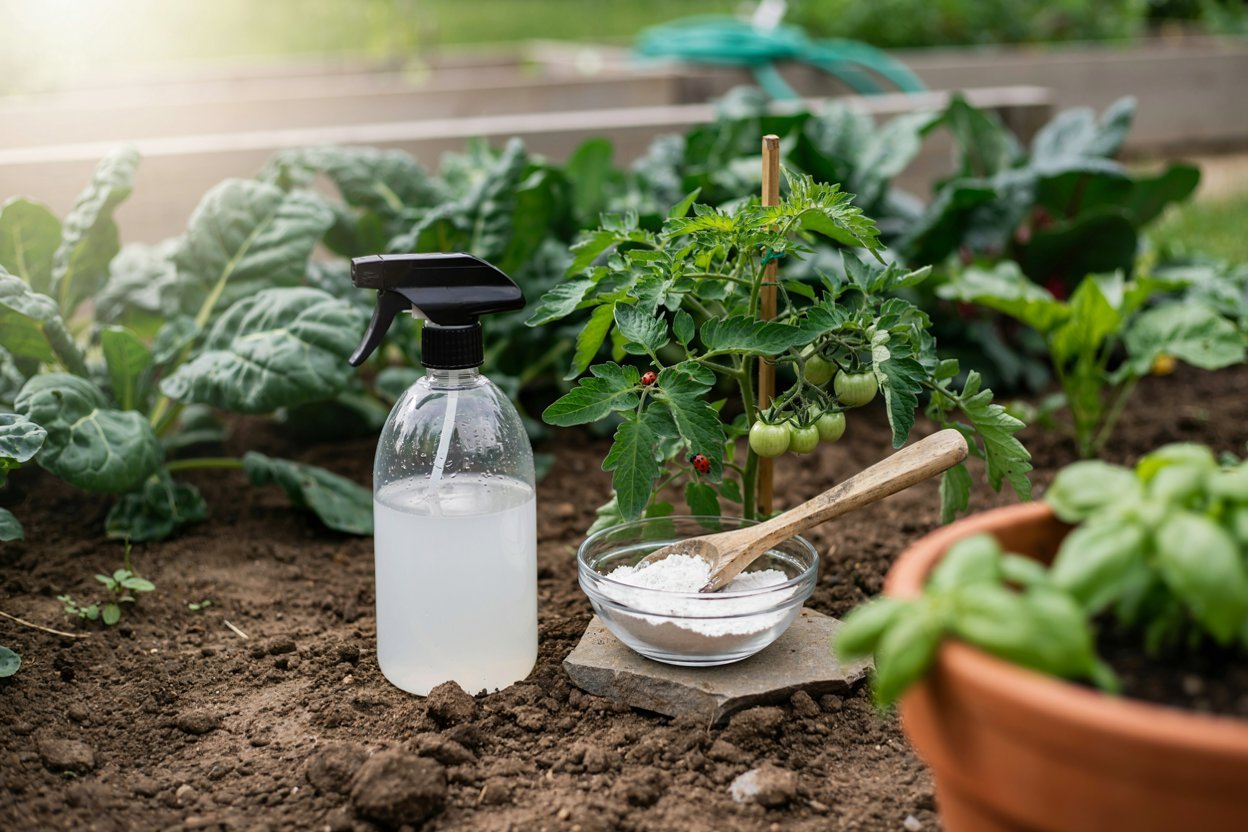

I have learned that few things are more frustrating than walking into the garden, expecting to enjoy healthy green leaves, only to notice suspicious white patches, dark spots, or powdery-looking growth appearing on my plants.
Garden fungus can spread quickly when the conditions are right, especially during humid or rainy weather.
While commercial fungicides are available, I often like starting with simple garden-friendly solutions for minor problems. One of the most popular homemade options is a baking soda spray.
When mixed and used correctly, it can help create less favorable conditions for certain fungal diseases while supporting a healthier garden routine.
What Is a Baking Soda Spray for Garden Fungus?
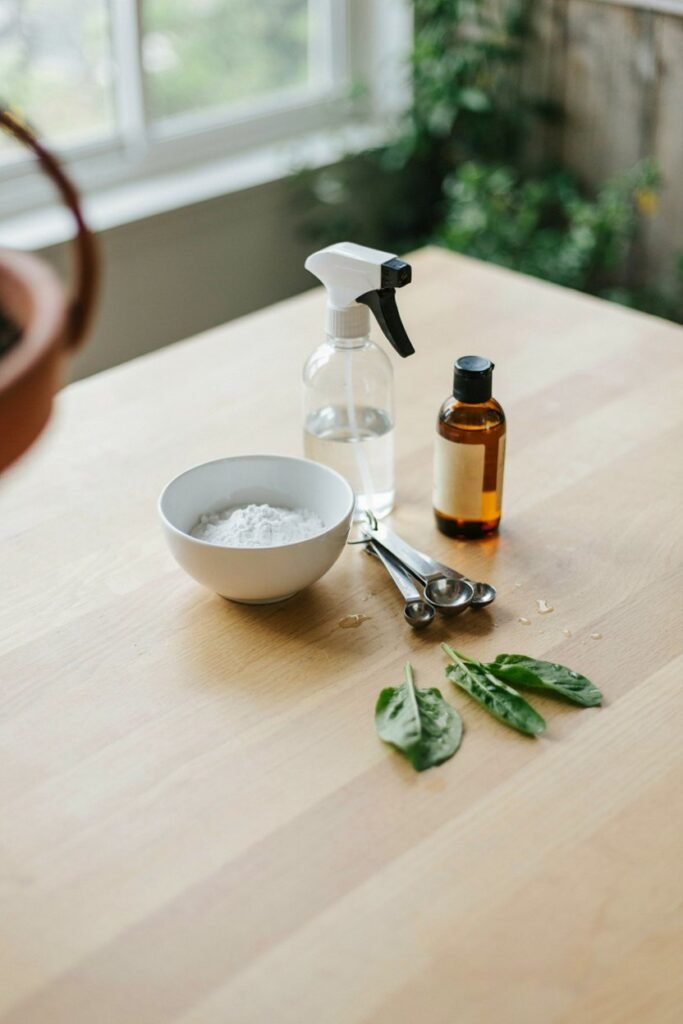
A baking soda spray is a simple homemade garden solution made primarily with baking soda and water, usually combined with a small amount of mild liquid soap or another ingredient that helps the mixture spread across plant surfaces.
Baking soda, also known as sodium bicarbonate, is alkaline. When used as a surface treatment, it can change the conditions on the leaf surface, making it more difficult for some fungal diseases to thrive.
However, one important thing I always want gardeners to understand is that baking soda is not a miracle cure for every plant disease.
It works best as part of an overall garden-care routine and may be most useful for helping manage or prevent the spread of certain fungal problems, particularly when symptoms are caught early.
A severely infected plant may require more than a homemade spray.
The goal is not simply to spray the plant and hope for the best. Healthy gardening usually requires looking at the entire problem:
- Is the plant getting enough airflow?
- Are the leaves staying wet for too long?
- Is the plant overcrowded?
- Are infected leaves being left on the plant?
- Is the plant receiving appropriate water and sunlight?
The baking soda spray can be one useful tool, but good gardening habits are what truly make the biggest difference over time.
The Simple DIY Baking Soda Spray Recipe
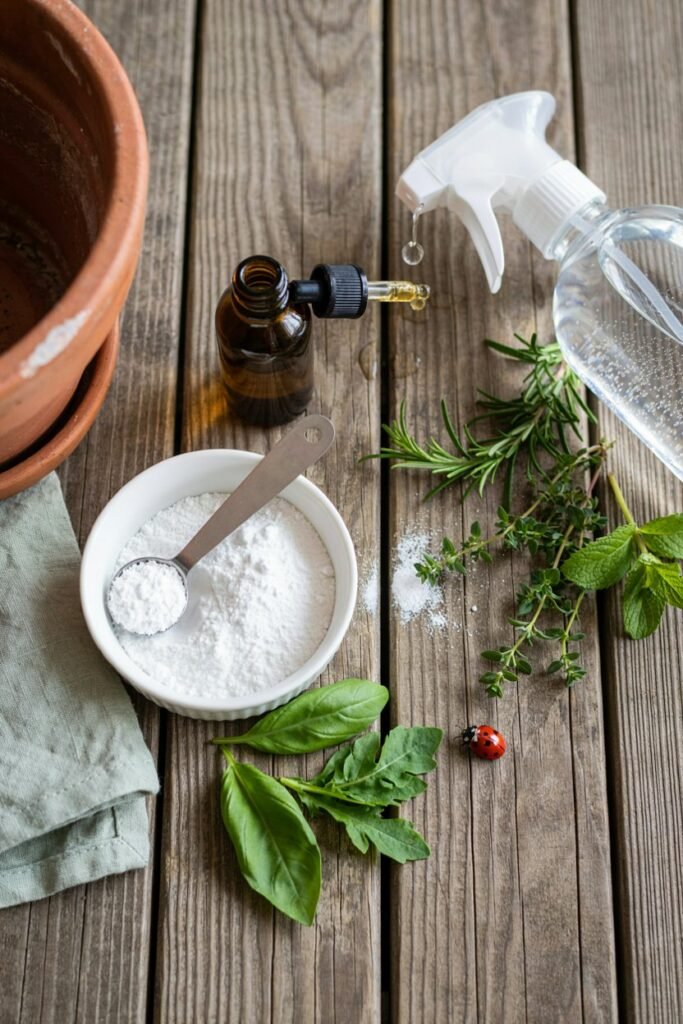
One of the simplest recipes uses a small amount of baking soda diluted thoroughly in water.
Basic Recipe
You will need:
- 1 teaspoon baking soda
- 1 quart (about 1 liter) of water
- A few drops of mild liquid soap
Add the ingredients to a clean spray bottle and gently shake until the baking soda is well distributed.
The soap can help the mixture spread more evenly across the leaf surface. However, I recommend using only a small amount because too much soap can damage plant tissue.
How to Mix It
- Pour the water into a clean spray bottle.
- Add the baking soda.
- Add a few drops of mild liquid soap.
- Close the bottle tightly.
- Shake gently before each use.
Because ingredients can settle over time, give the bottle a gentle shake before spraying.
Why I Recommend Starting With a Mild Mixture
When it comes to homemade garden sprays, stronger is not always better.
It can be tempting to think that adding extra baking soda will create a more powerful fungicide. Unfortunately, overly concentrated mixtures can damage leaves and cause additional stress to the plant.
Plants are living things, and their leaves can react to ingredients differently. Some plants are more sensitive than others, particularly young plants, tender foliage, or plants already stressed by heat or drought.
Starting with a mild mixture gives you a safer way to test how your plant responds.
Always Test Before Spraying the Entire Plant
Before covering an entire plant:
- Spray a small area or a few leaves.
- Wait at least 24 hours.
- Check for discoloration, spotting, wilting, or leaf damage.
- If the plant looks healthy, continue carefully.
This simple step can save you from accidentally damaging an entire plant.
How Does Baking Soda Help With Garden Fungus?
Baking soda changes the conditions on the surface of the plant.
Many fungi prefer particular environmental conditions to grow and spread successfully. The alkaline nature of baking soda may make the leaf surface less favorable for certain fungal problems.
The key thing to remember is that baking soda generally works as a surface treatment. It does not travel throughout the plant and cure every infection from the inside.
That is why good coverage and good timing matter.
If fungal symptoms are only beginning, treating the affected plant while also improving growing conditions may help slow the problem.
For more serious infections, however, you may need to remove heavily affected foliage or use a treatment specifically labeled for the particular disease affecting your plant.
Which Garden Fungal Problems May Benefit From Baking Soda Spray?
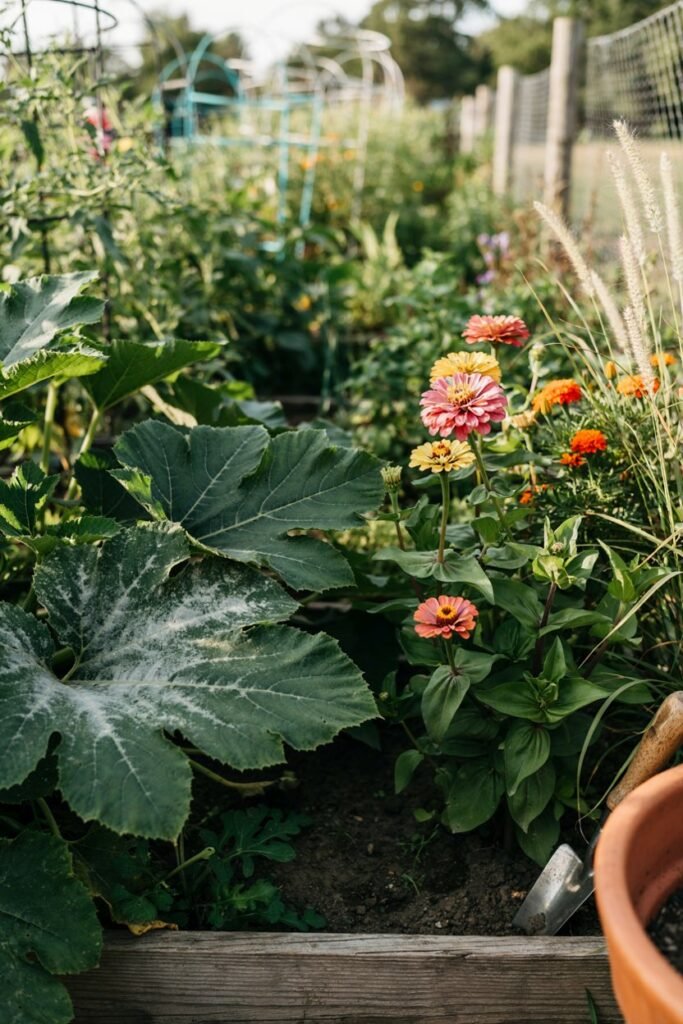
Baking soda sprays are commonly discussed for managing certain fungal issues, especially powdery mildew.
1. Powdery Mildew
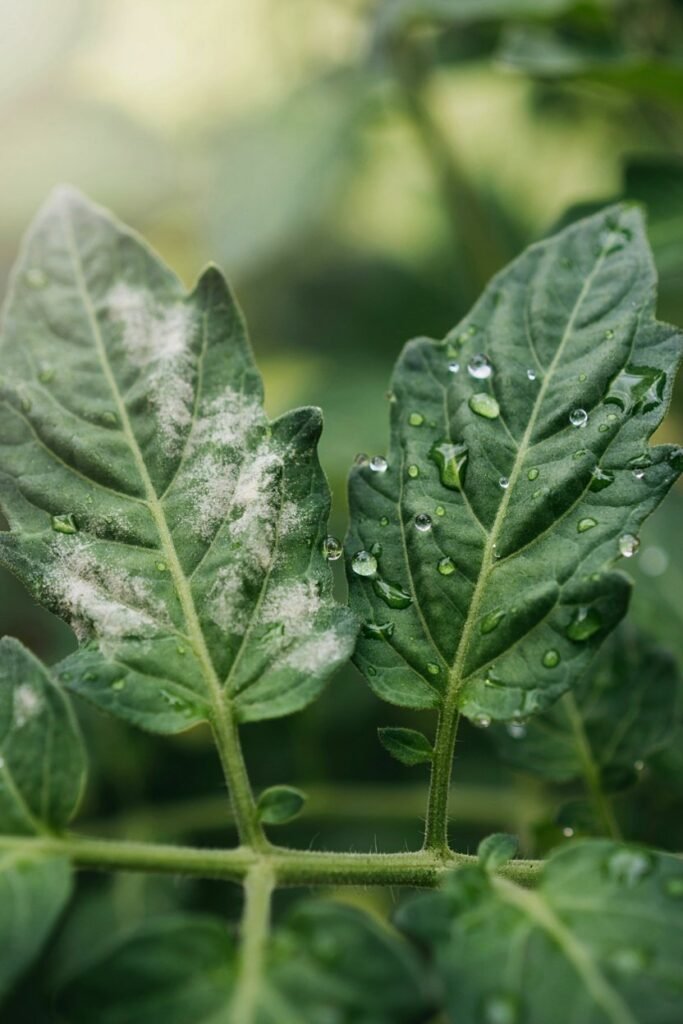
Powdery mildew is one of the most recognizable fungal problems in the garden.
It often appears as:
- White or grayish powdery patches
- Dust-like growth on leaves
- White spots that gradually spread
- Distorted or weakened foliage in severe cases
You may see powdery mildew on plants such as:
- Squash
- Cucumbers
- Zucchini
- Roses
- Bee balm
- Phlox
- Some ornamental plants
Warm days, humid conditions, poor airflow, and crowded plants can all contribute to fungal problems.
A baking soda spray may be helpful as part of an early management routine, but improving airflow and removing badly affected foliage are also important steps.
2. Mild Surface Fungal Problems
For minor fungal issues affecting leaf surfaces, a homemade spray may sometimes be used as part of a preventative garden routine.
However, correctly identifying the problem is important.
Not every spot on a leaf is caused by fungus.
Leaf damage can also be caused by:
- Insects
- Nutrient problems
- Heat stress
- Sun damage
- Bacterial diseases
- Viral diseases
- Watering problems
Before spraying anything, take a close look at your plant.
If you are unsure what is causing the problem, avoid repeatedly applying different homemade mixtures. Random treatments can stress the plant and make it harder to identify the real issue.
When Is the Best Time to Use Baking Soda Spray?
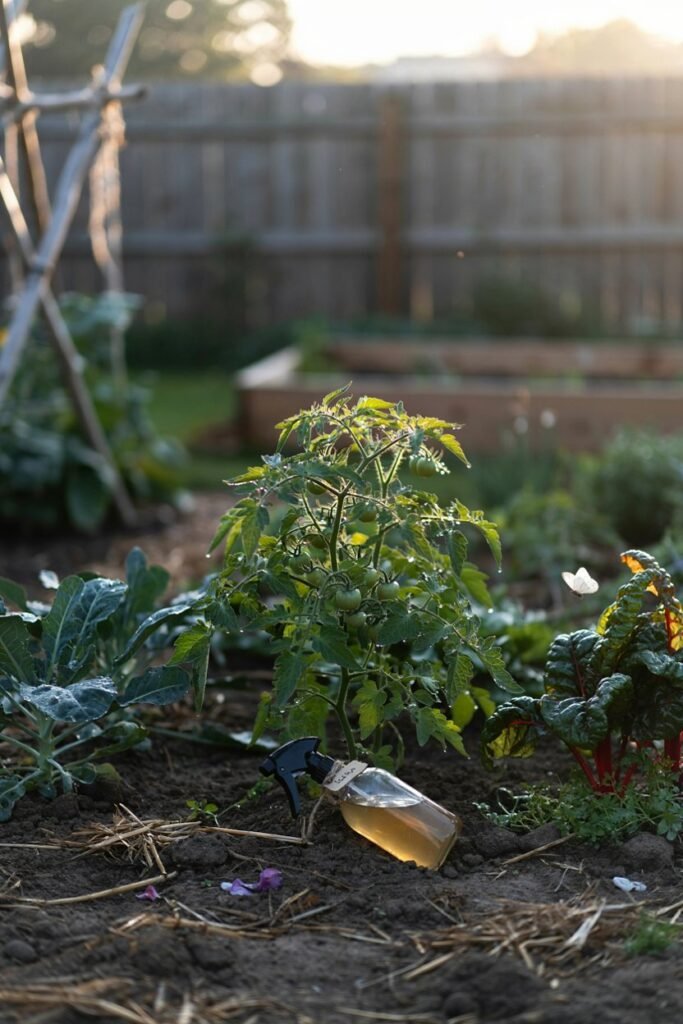
Timing can make a major difference.
I prefer to avoid spraying plants during the hottest, brightest part of the day.
The Best Time to Spray
Early morning or late afternoon is generally a better time.
Avoid spraying when:
- The sun is extremely intense
- Temperatures are very high
- The plant is visibly stressed
- Heavy rain is expected immediately
- The leaves are already suffering from heat or drought stress
Spraying during intense heat can increase the risk of leaf damage.
If rain washes the spray away soon after application, the treatment may not remain on the plant long enough to be useful.
How to Apply the Spray Correctly
Proper application is just as important as the recipe itself.
Step 1: Inspect the Plant
Before spraying, carefully look over the plant.
Check:
- The tops of leaves
- The undersides of leaves
- Stems
- New growth
- Nearby plants
Look for heavily affected areas that may need to be removed.
Step 2: Remove Severely Affected Leaves When Appropriate
If only a few leaves are badly affected, carefully removing them can help reduce the amount of diseased material remaining on the plant.
Use clean pruning tools when necessary.
Do not compost heavily diseased plant material unless you are confident your composting process can handle it safely. When in doubt, follow your local gardening guidance for disposing of diseased plant material.
Step 3: Shake the Spray Bottle
Baking soda can settle, so gently shake the mixture before using it.
You want the ingredients distributed as evenly as possible.
Step 4: Spray Lightly and Evenly
Apply a light coating rather than soaking the plant.
Focus on affected areas and, when appropriate, cover both sides of the leaves.
Do not assume that using more liquid will make the treatment work better.
A plant dripping heavily with spray is more likely to experience unnecessary stress.
Step 5: Monitor the Plant
Check your plant regularly after treatment.
Watch for:
- New fungal growth
- Spread to nearby leaves
- Improvement in overall plant health
- Signs of spray damage
If the problem continues spreading rapidly, reconsider your diagnosis and treatment approach.
How Often Should You Use Baking Soda Spray?
Homemade sprays should be used carefully rather than automatically every day.
A common mistake is repeatedly spraying a plant because the gardener wants quick results.
Unfortunately, frequent applications can sometimes cause leaf damage or stress, particularly when the weather is hot.
Instead, monitor the plant and apply only as needed according to a cautious schedule.
If you choose to repeat the treatment, always check the plant first.
Ask yourself:
- Has the fungal problem improved?
- Is the plant showing any signs of damage?
- Has the weather changed?
- Is the plant under heat or drought stress?
- Would improving airflow solve part of the problem?
Garden care works best when you respond to what the plant is actually telling you.
Important Safety Tips Before Using Baking Soda on Plants
Although baking soda is a common household ingredient, that does not mean it is automatically safe in every amount or for every plant.
Here are a few precautions I always recommend.
1. Do Not Make the Spray Too Strong
More baking soda does not mean better results.
High concentrations can potentially damage foliage.
Stick with a mild recipe and test it before widespread use.
2. Test Sensitive Plants First
Different plants can react differently.
Always test a small section before spraying:
- Young seedlings
- Tender new growth
- Houseplants moved outdoors
- Heat-stressed plants
- Unfamiliar plant varieties
Wait and observe the plant before treating the entire plant.
3. Avoid Spraying During Extreme Heat
Hot conditions can increase the risk of leaf damage.
Wait until temperatures are more comfortable and the plant is not under intense sunlight.
4. Do Not Spray Every Day
Overusing homemade sprays can create new problems.
Plants need time to respond, and you need time to observe whether the treatment is helping.
5. Avoid Over-Saturating the Soil
The spray is intended for the foliage.
Repeatedly allowing large amounts of baking soda solution to run into the soil may affect soil conditions over time. Use the spray carefully and avoid unnecessary runoff.
The Most Important Step: Improve Airflow
If I could give gardeners one piece of advice about preventing fungal problems, it would be this:
Do not rely on sprays alone.
Fungi often thrive when leaves remain damp and plants are crowded together.
Improving airflow can make an enormous difference.
How to Improve Airflow Around Plants
You can:
- Space plants properly
- Prune overcrowded growth when appropriate
- Remove dense weeds around plants
- Avoid packing containers too tightly
- Use supports for sprawling plants
- Keep foliage from resting constantly on wet soil
Plants need room for air to move.
A crowded garden may look lush and beautiful, but excessive crowding can trap moisture and create conditions that encourage disease.
Water the Soil Instead of the Leaves
How you water can have a huge effect on fungal problems.
When leaves stay wet for long periods, fungal diseases may spread more easily.
Whenever possible, aim water toward the soil rather than regularly soaking the foliage.
Better Watering Habits
Try to:
- Water near the base of the plant
- Water deeply when appropriate rather than giving frequent shallow watering
- Water early enough for accidental moisture on leaves to dry
- Avoid creating constantly soggy conditions
- Use mulch carefully to reduce soil splash
The right watering routine depends on your climate, soil, and the plant you are growing.
The goal is not to keep every garden completely dry. Plants need water. The goal is to avoid unnecessary moisture remaining on the foliage for long periods.
Clean Up Fallen Leaves and Plant Debris
A tidy garden can be healthier as well as more attractive.
Fallen leaves and infected plant material can create places where disease organisms remain close to your plants.
Regular cleanup helps you keep a better eye on what is happening in the garden.
Make it a habit to:
- Remove heavily diseased leaves
- Pick up fallen infected foliage
- Remove dead plant material
- Clean up overcrowded areas
- Inspect plants regularly
This does not mean your garden has to look perfectly manicured every day. Natural gardens can still support wildlife and beneficial insects.
The goal is simply to avoid allowing obviously diseased plant material to build up around vulnerable plants.
Baking Soda Spray vs. Commercial Fungicides
Both homemade and commercial products have a place in gardening.
Homemade Baking Soda Spray
A baking soda spray can be appealing because it is:
- Simple to make
- Inexpensive
- Made from common household ingredients
- Useful as part of an early-response routine
However, it also has limitations.
It may not be enough for severe disease outbreaks, and its effectiveness can vary depending on the fungal problem and growing conditions.
Commercial Fungicides
Commercial products may be formulated specifically for certain plant diseases and may have clearer instructions for:
- Which plants they can be used on
- Which diseases they control
- How often they should be applied
- How they should be stored and handled
If you choose a commercial product, always read and follow the label carefully.
The best option depends on the plant, the disease, the severity of the problem, and your gardening approach.
Common Mistakes to Avoid
I have noticed that many homemade garden remedies become less useful simply because of a few common mistakes.
Here are some of the biggest ones to avoid.
Mistake 1: Using Too Much Baking Soda
A stronger mixture can damage plants.
Always start mild.
Mistake 2: Spraying Without Identifying the Problem
Not every leaf problem is fungus.
Take time to inspect the symptoms before treating.
Mistake 3: Ignoring Garden Conditions
If plants are overcrowded and constantly damp, spraying alone will not solve the underlying problem.
Improve:
- Airflow
- Watering habits
- Plant spacing
- Garden cleanliness
Mistake 4: Spraying in Hot Sunshine
Hot weather can increase the risk of foliage damage.
Choose a gentler time of day.
Mistake 5: Expecting an Instant Cure
Gardening rarely works instantly.
You may need to monitor the plant, remove affected material, improve growing conditions, and use the appropriate treatment.
Patience is part of successful plant care.
Can You Add Other Ingredients to Baking Soda Spray?
Many homemade garden recipes include additional ingredients such as oils or other substances.
I recommend being cautious about combining multiple ingredients unless you understand why each one is being used.
More ingredients do not automatically make a spray better.
Some oils and soaps can increase the risk of leaf damage, especially in hot weather or when mixed incorrectly.
For beginners, a simple and mild recipe is easier to manage.
If you decide to try another formulation, always:
- Use a tested recipe from a reliable gardening source
- Follow measurements carefully
- Test a small area first
- Avoid applying during heat stress
- Monitor the plant afterward
How to Prevent Garden Fungus Naturally
Prevention is always easier than trying to manage a widespread disease problem.
Here are some of my favorite habits for maintaining healthier plants.
Give Plants Enough Space
Follow recommended spacing guidelines.
Crowded plants can trap humidity and reduce airflow.
Choose the Right Location
Different plants have different light requirements.
Growing a sun-loving plant in too much shade can weaken it and create conditions that make disease problems more likely.
Always match the plant to the location whenever possible.
Water Carefully
Aim for the soil and avoid unnecessarily keeping foliage wet.
Remove Diseased Growth Promptly
Catch problems early.
Regular inspections can help you notice symptoms before they become widespread.
Keep Gardening Tools Clean
Dirty pruning tools can potentially move problems from one plant to another.
Clean your tools regularly, especially after working with obviously diseased plants.
Choose Healthy Plants
Start with healthy plants whenever possible.
Before bringing home a new plant, check for:
- Spots
- Discoloration
- Insects
- Wilting
- Unusual growth
Healthy plants give you a better starting point.
A Simple Weekly Garden Fungus Prevention Routine
You do not need to spend hours every day worrying about plant diseases.
A simple routine can help you catch problems early.
Once a Week, Check:
Leaves: Look for spots, powdery growth, discoloration, or unusual patterns.
Airflow: Check whether plants have become overcrowded.
Watering: Make sure you are not constantly soaking foliage.
Plant debris: Remove heavily diseased or dead material when appropriate.
New growth: Look at fresh leaves because they can often reveal problems early.
A few minutes of observation each week can help prevent a small issue from becoming a much larger one.
Frequently Asked Questions About Baking Soda Spray for Garden Fungus
Will Baking Soda Kill All Garden Fungus?
No. Baking soda is not a universal cure for every fungal disease.
Its effectiveness depends on the specific problem, how severe the infection is, and how it is used.
Can I Use Baking Soda Spray on Every Plant?
No homemade spray is guaranteed to be suitable for every plant.
Always test a small area first, especially with sensitive plants or young growth.
Can I Spray It on Vegetables?
Homemade treatments used on edible plants should be used carefully. Always correctly identify the ingredients, avoid excessive application, and wash harvested produce thoroughly.
For serious disease problems on food crops, consider seeking guidance for the specific crop and disease you are dealing with.
Can I Use Baking Powder Instead?
No. Baking powder is not the same as baking soda.
Baking powder contains additional ingredients and should not simply be substituted into this recipe.
Use plain baking soda, also called sodium bicarbonate.
How Quickly Will I See Results?
Results can vary.
The spray may help manage conditions on the leaf surface, but already damaged leaves may not return to their original appearance.
Instead of expecting damaged spots to disappear immediately, watch for whether the problem is continuing to spread and whether new growth remains healthy.
When Baking Soda Spray Is Not Enough
Sometimes a homemade remedy simply is not the right solution.
If you notice that the problem is:
- Spreading rapidly
- Affecting multiple plants
- Causing severe leaf loss
- Returning repeatedly
- Damaging fruit or vegetables
- Causing significant decline
…it may be time to identify the disease more carefully.
A local gardening extension service, experienced nursery professional, or reliable plant disease resource may help you determine what is actually affecting your plants.
Correct identification is important because different diseases require different approaches.
Using the wrong treatment repeatedly can waste time while the real problem becomes worse.
My Final Thoughts
I love simple garden remedies because they remind me that gardening does not always have to be complicated or expensive.
A basic baking soda spray can be a useful addition to your gardening toolkit when used carefully, particularly as part of an early response to certain surface fungal problems such as powdery mildew.
But the real secret to a healthier garden goes far beyond one spray bottle.
Good spacing, proper watering, better airflow, regular plant inspections, and quick cleanup of diseased growth can all work together to create stronger, healthier growing conditions.
Think of baking soda spray as one helpful tool rather than a complete solution.
Start with a mild mixture, test your plants first, avoid overusing it, and pay close attention to the conditions that allowed the fungal problem to develop in the first place.
With a little observation and consistent care, you can often catch garden problems earlier and give your plants a much better chance to stay healthy, productive, and beautiful throughout the growing season.
