
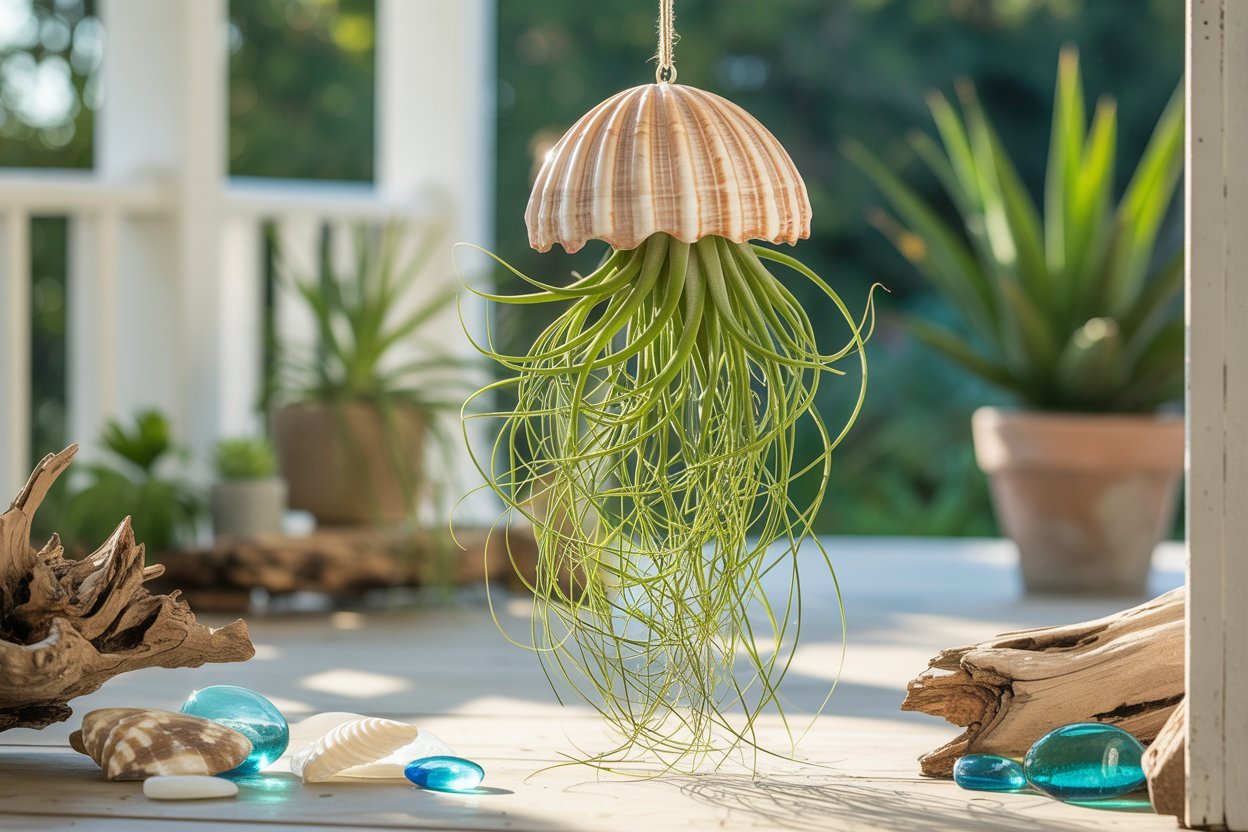

Few garden projects have brought me as much joy as creating hanging air plant jellyfish. The first time I saw one gently swaying on a porch, it looked like a tiny sea creature floating through the air.
I knew I had to make one myself. The best part is that these beautiful hanging decorations are surprisingly simple to create, inexpensive, and perfect for beginners.
Whether you’re decorating a patio, brightening a sunny window, or looking for a unique handmade gift, this guide will walk you through everything you need to know from choosing the right materials to caring for your air plant so it stays healthy for years.
What Is a Hanging Air Plant Jellyfish?
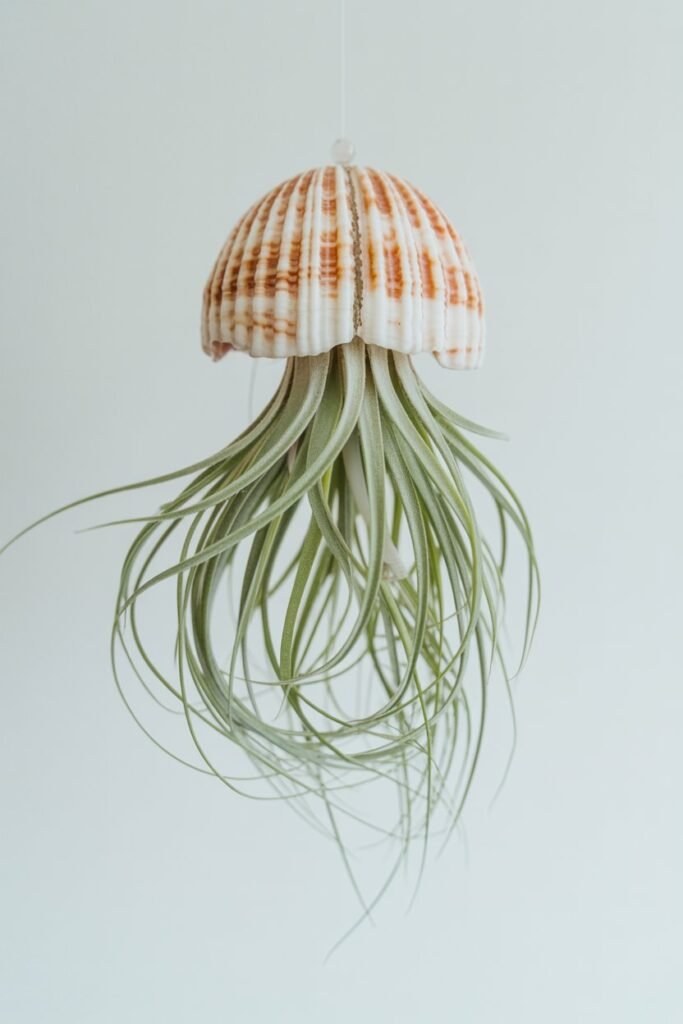
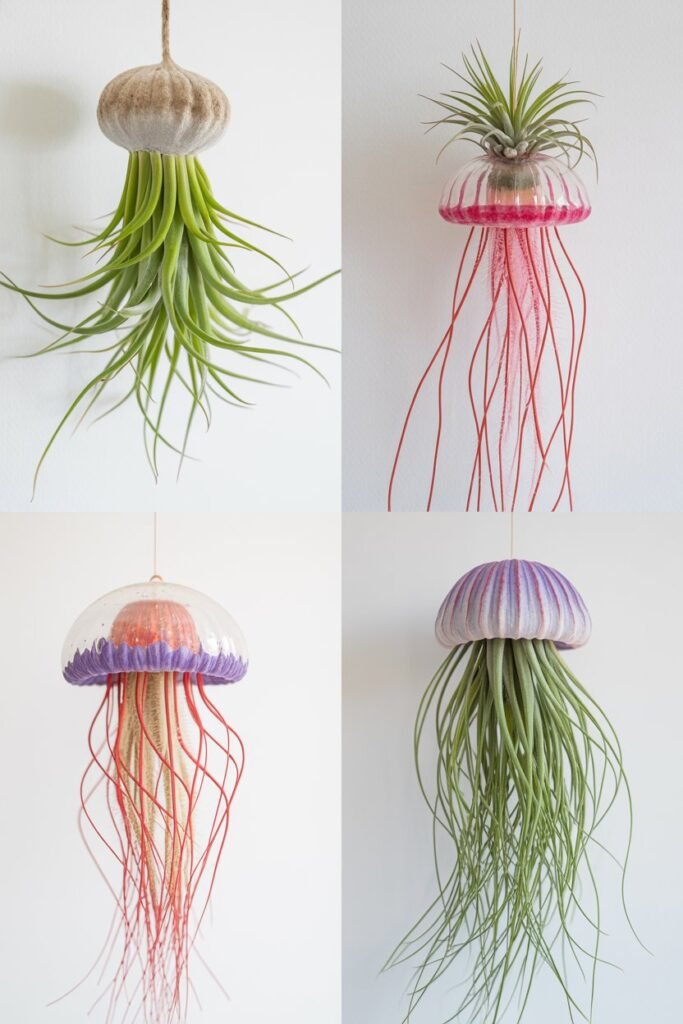
A hanging air plant jellyfish is a creative planter made by combining a seashell usually a large sea urchin shell, scallop shell, or jellyfish-shaped shell with an air plant (Tillandsia).
When the plant hangs beneath the shell, its long, curling leaves resemble the flowing tentacles of a jellyfish drifting through the ocean.
The result is a living piece of art that combines natural materials with one of the easiest houseplants to grow. Unlike traditional potted plants, air plants don’t require soil.
They absorb moisture and nutrients through tiny scales on their leaves, making them ideal for decorative displays.Hanging air plant jellyfish have become increasingly popular because they fit almost any decorating style.
Whether your home has a coastal theme, a modern minimalist look, a boho vibe, or a cottage garden feel, these floating planters add texture, movement, and greenery without taking up valuable shelf or floor space.
Another reason gardeners love them is their versatility. You can hang a single jellyfish in a sunny window, create a cluster on your porch, decorate a pergola, or even use them as unique centerpieces for weddings and garden parties.
Since every shell and every air plant is different, no two hanging jellyfish are exactly alike. Each one becomes a one-of-a-kind living decoration that reflects your own creativity.
Why Gardeners Love Hanging Air Plant Jellyfish
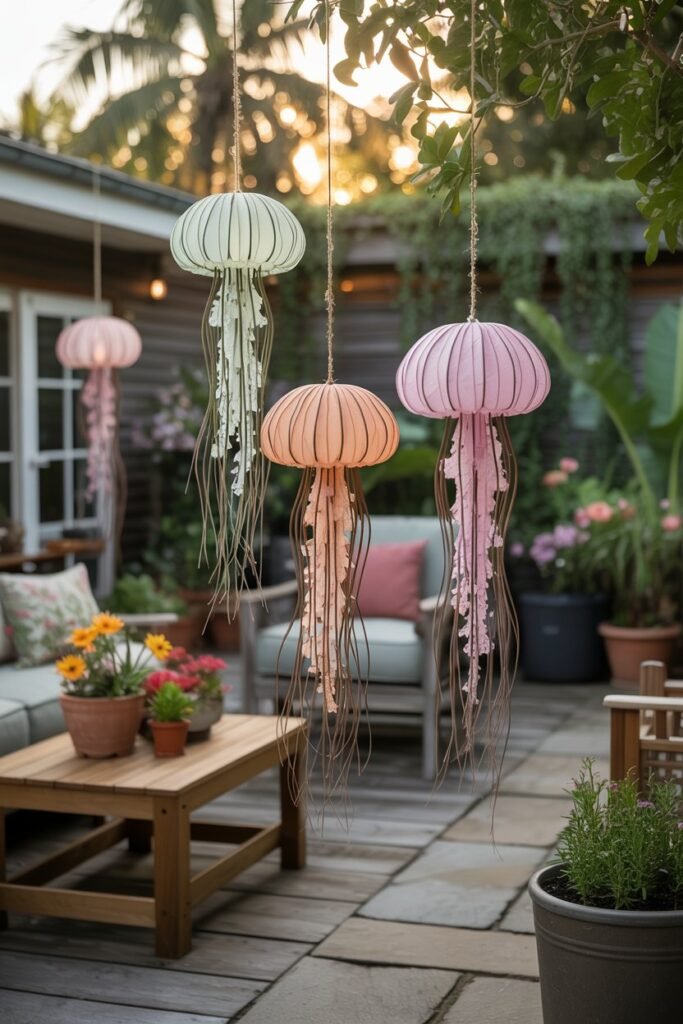
Hanging air plant jellyfish have become one of the most loved DIY garden projects for good reason. They combine creativity, simplicity, and nature into one beautiful display that’s easy to maintain and enjoyable to admire.
One of the biggest reasons gardeners are drawn to them is how beginner-friendly they are.
Even if you’ve never cared for an air plant before, these projects require very little experience. Without the need for soil or traditional pots, they’re much less messy than many other indoor plant displays.
They also make excellent space savers. If your shelves are already full of houseplants or your apartment has limited room, hanging your plants allows you to enjoy greenery without sacrificing valuable space.
Gardeners also appreciate how customizable these projects are. You can choose different shell sizes, experiment with colorful hanging cords, add beads or driftwood, or create collections using several varieties of Tillandsia. Every project feels personal and unique.
Another reason they’re so popular is their calming appearance. Watching the delicate leaves gently move with the breeze creates a peaceful, ocean-inspired atmosphere that instantly makes patios, balconies, sunrooms, and windows feel more relaxing.
Many people also enjoy giving hanging air plant jellyfish as gifts. They’re thoughtful, handmade, and long-lasting. Unlike cut flowers that fade within days, a healthy air plant can continue growing for years with proper care.
Perhaps the greatest reason gardeners love these living decorations is that they blur the line between gardening and art. Instead of simply growing a plant, you’re creating a beautiful piece of natural décor that brings life and personality to your home.
Supplies You’ll Need
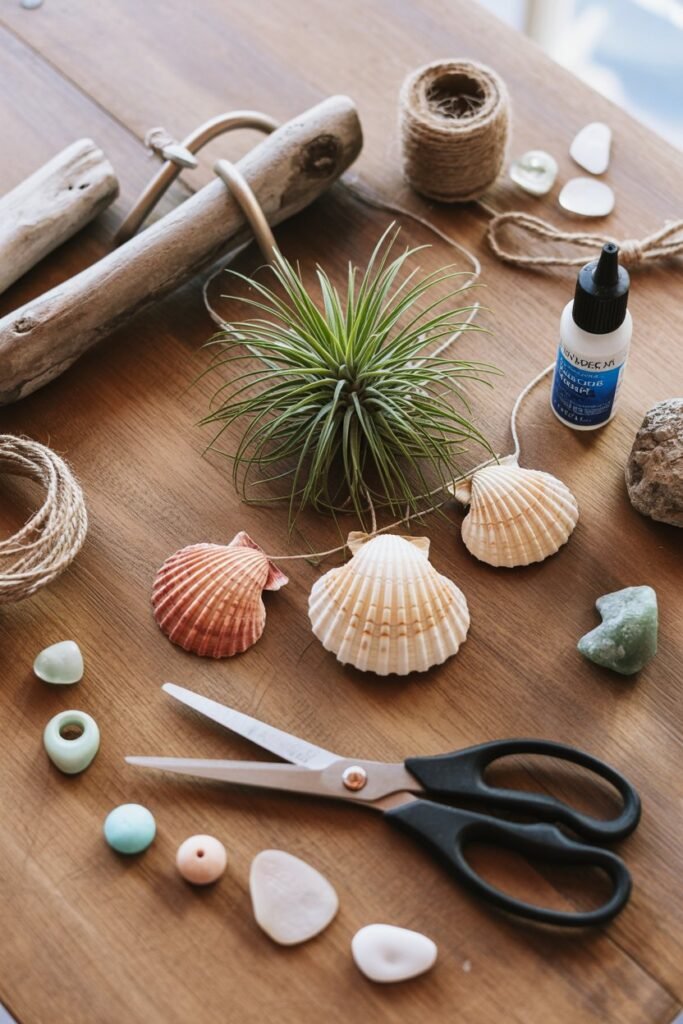
One of the reasons I love making hanging air plant jellyfish is that you don’t need a long shopping list or expensive tools.
Most of the supplies are affordable, and you may already have several of them at home. Once you gather everything together, the project can usually be completed in less than an hour.
Choosing quality materials from the start will help your finished jellyfish look more natural and last much longer. Since air plants don’t grow in soil, the shell and hanging materials become both the decoration and the support system for your plant.
Here are the supplies you’ll need:
Large Shell
The shell forms the “head” of your jellyfish. Choose one that is clean, sturdy, and large enough to comfortably hold your air plant.
Popular choices include:
- Sea urchin shells
- Scallop shells
- Oyster shells
- Large clam shells
- Decorative seashells with natural curves
Healthy Air Plant
Select an air plant that fits comfortably beneath the shell without being tightly squeezed.
Fishing Line or Clear Nylon Thread
Clear fishing line creates the illusion that your jellyfish is floating in the air. You can also use decorative twine, cotton cord, or jute rope if you prefer a rustic appearance.
Waterproof Craft Glue
A small amount of waterproof glue helps secure the hanging cord and any decorative accents. Be careful not to glue the base of the air plant, as it still needs airflow.
Small Drill or Hot Nail
You’ll need a small hole near the top of the shell for the hanging line. Some shells already have natural openings that work perfectly.
Decorative Extras (Optional)
Personalize your jellyfish with decorative touches such as:
- Driftwood
- Sea glass
- Small beads
- Pearls
- Twine
- Macramé cord
- Tiny shells
- Decorative stones
Remember, simple often looks the most elegant. The air plant should remain the star of the display.
How to Choose the Best Air Plant
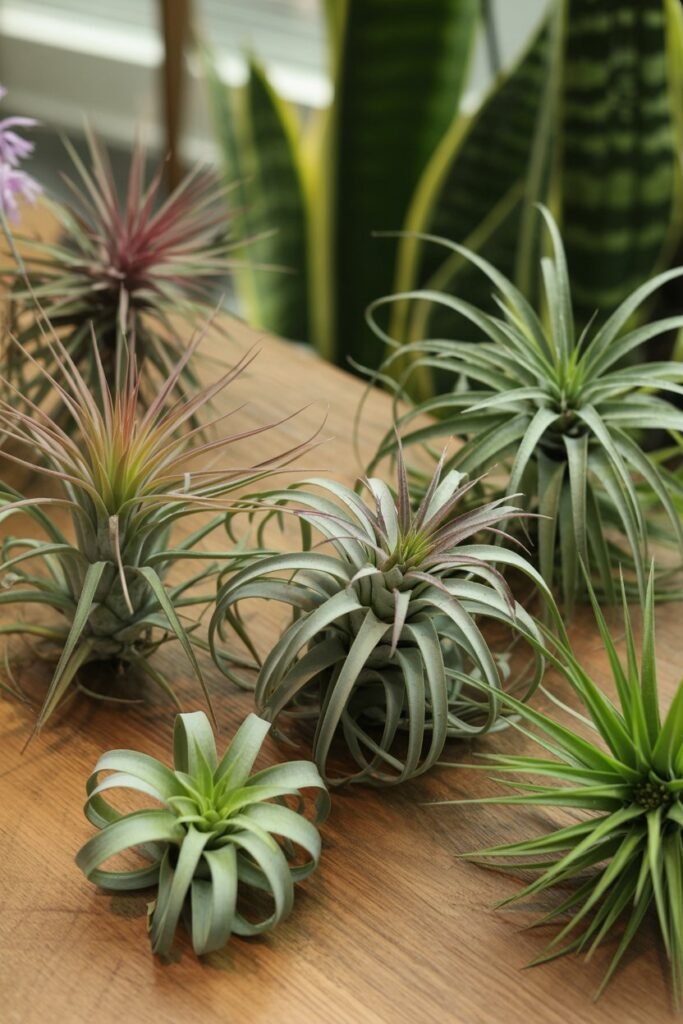
Not every air plant has the same shape or growth habit. While almost any Tillandsia can be used, some varieties naturally resemble flowing jellyfish tentacles much better than others.
When shopping, look for healthy plants with firm leaves, vibrant color, and no dark, mushy, or dried-out areas.
Here are the qualities to look for:
Long, Curving Leaves
Plants with arching or curling leaves create the graceful movement that makes hanging jellyfish so eye-catching.
Healthy Color
Most healthy air plants have green, silver, or slightly bluish leaves depending on the species. Avoid plants with large brown patches or leaves that fall off easily.
Compact Base
Since the plant sits inside the shell, the base should fit comfortably without forcing it into place.
Medium Size
Choose a shell first, then select an air plant that matches its size. A plant that’s too large may fall out, while one that’s too small can look out of proportion.
Excellent Air Plant Varieties
These varieties work especially well:
- Tillandsia bulbosa
- Tillandsia caput-medusae
- Tillandsia butzii
- Tillandsia ionantha
- Tillandsia streptophylla
- Tillandsia baileyi
- Tillandsia pseudobaileyi
Many gardeners enjoy mixing several different varieties together to create a unique hanging collection with different shapes and textures.
Best Shells for Hanging Air Plant Jellyfish
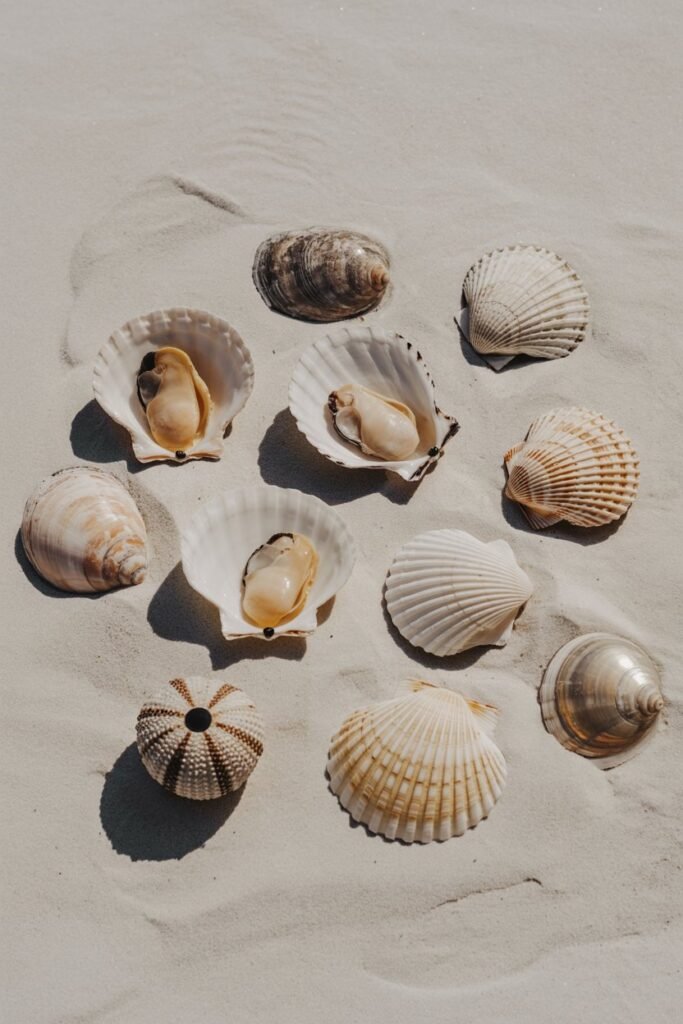
The shell is what transforms an ordinary air plant into a floating jellyfish. While almost any attractive shell can work, choosing the right shape makes a big difference in the finished appearance.
Here are some of the best options.
Sea Urchin Shells
Sea urchin shells are one of the most popular choices because their rounded shape naturally resembles the body of a jellyfish. Their delicate patterns also add beautiful texture.
Handle them carefully, as they can be fragile.
Pros
- Very realistic jellyfish appearance
- Lightweight
- Beautiful natural patterns
Cons
- Fragile
- Can be harder to find
Scallop Shells
Scallop shells are easy to find and come in many sizes and colors. Their fan-like shape creates a charming coastal look.
Pros
- Affordable
- Strong
- Easy to decorate
- Beginner-friendly
Cons
- Doesn’t create as rounded a jellyfish shape
Oyster Shells
Oyster shells offer a rustic, weathered appearance that fits perfectly with coastal or farmhouse décor.
Each shell has its own unique texture, making every jellyfish one of a kind.
Pros
- Durable
- Natural appearance
- Readily available
Cons
- Heavier than some other shell types
Clam Shells
Large clam shells provide plenty of room for medium-sized air plants.
Their smooth curves give the finished project a soft, elegant look.
Pros
- Spacious
- Strong
- Attractive natural colors
Cons
- Larger shells can be slightly heavier
Decorative Craft Shells
If you can’t find natural shells, craft stores often sell decorative shells in many sizes and colors.
These are perfect for beginners who want consistent shapes for multiple projects.
Tips for Choosing the Perfect Shell
Before bringing a shell home, keep these simple tips in mind:
- Choose a shell without major cracks.
- Make sure it’s large enough to support your air plant.
- Wash and dry the shell thoroughly before using it.
- Avoid shells with sharp edges that could damage the plant.
- Look for shells with interesting natural textures rather than heavily painted finishes.
A well-chosen shell not only supports your air plant but also becomes part of the artwork. Natural imperfections often make each hanging jellyfish even more beautiful, giving your finished creation a handcrafted charm that can’t be replicated.
Step-by-Step: How to Make a Hanging Air Plant Jellyfish
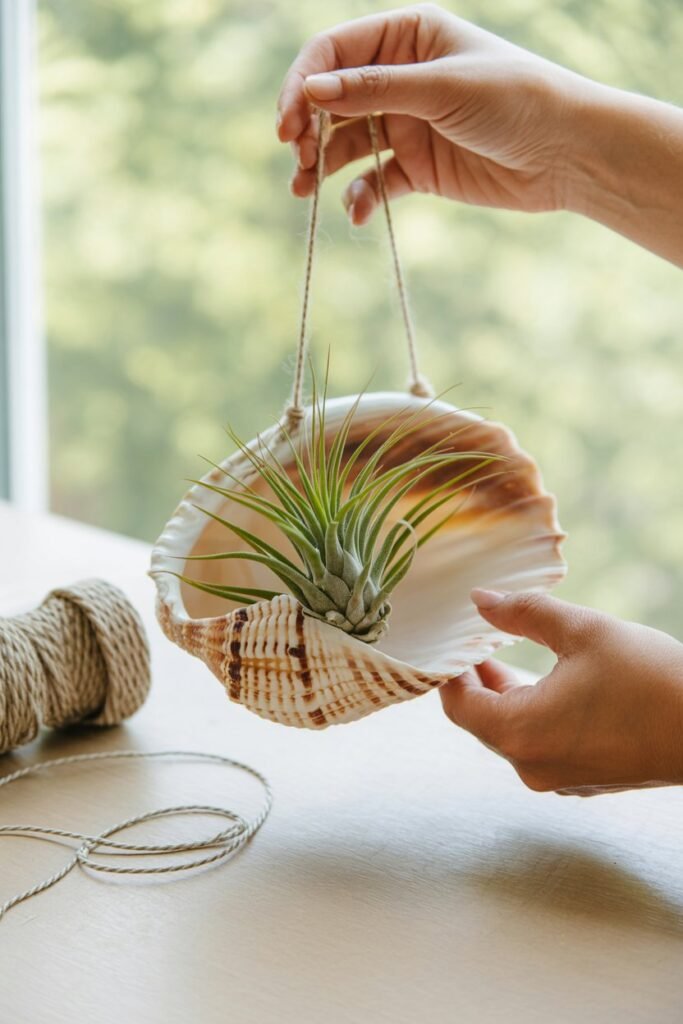
Now comes the fun part bringing your hanging air plant jellyfish to life. This beginner-friendly project doesn’t require advanced crafting skills, and you can usually finish it in under an hour.
Whether you’re making one for your home, creating several for your patio, or gifting one to a fellow plant lover, following these steps will help you create a beautiful display that lasts.
Take your time with each step, especially when working with delicate shells. A little patience goes a long way toward creating a polished, professional-looking piece.
Step 1: Clean and Prepare the Shell
Before assembling your jellyfish, make sure the shell is completely clean. Even decorative shells purchased from a craft store can collect dust during storage.
If you collected your shell from the beach, wash it thoroughly with warm water to remove sand, salt, and any organic matter. Use a soft brush or an old toothbrush to gently scrub away dirt trapped in small grooves.
Avoid using harsh cleaners, bleach, or strong chemicals, as residue can affect your air plant over time.
Once clean, allow the shell to dry completely before moving to the next step.
Tip: If your shell has rough or sharp edges, lightly sand them to prevent damage to the hanging cord or your hands.
Step 2: Drill or Create a Hanging Hole
Your jellyfish needs a secure place to attach the hanging line.
If your shell already has a natural hole near the top, you can use it. Otherwise, carefully drill a small hole close to the top edge.
Work slowly to avoid cracking delicate shells.
If you don’t have a drill, some thicker shells can be pierced by carefully heating a nail and pressing it through the shell. Always wear protective gloves and work on a stable surface if using this method.
The hole only needs to be large enough for your chosen hanging cord or fishing line.
Step 3: Attach the Hanging Cord
Cut a length of fishing line, nylon thread, twine, or decorative cord depending on where you plan to hang your jellyfish.
Thread the cord through the hole and tie a secure double knot.
Gently tug on the cord to make sure it won’t slip loose.
For extra security, add a tiny drop of waterproof craft glue over the knot. Allow the glue to dry completely before continuing.
Gardener’s Tip: Clear fishing line creates the illusion that your jellyfish is floating in midair, while natural jute or macramé cord gives it a cozy, handcrafted feel.
Step 4: Position the Air Plant
Now it’s time to add the living centerpiece.
Place your air plant inside the shell, allowing the leaves to hang downward like flowing jellyfish tentacles.
Try rotating the plant a few times until you find the angle that looks the most natural.
The plant should sit securely inside the shell without being tightly squeezed.
Avoid forcing the plant into a shell that’s too small, as compressed leaves can become damaged and airflow around the base may be reduced.
Step 5: Secure the Plant (If Needed)
Many air plants naturally stay in place because of the shell’s shape.
If yours feels loose, use one of these gentle methods:
- Wrap a small piece of floral wire loosely around the base.
- Use clear fishing line to lightly hold the plant in place.
- Add a tiny amount of waterproof glue only to the very base of the plant if absolutely necessary.
Avoid covering the leaves or gluing large portions of the plant. Air plants rely on air circulation around their leaves to stay healthy.
The goal is to stabilize the plant without restricting its natural growth.
Step 6: Add Decorative Details
This is where your creativity can shine.
Although the jellyfish looks beautiful on its own, a few carefully chosen accents can make it even more eye-catching.
Consider adding:
- Small seashells
- Sea glass
- Wooden beads
- Driftwood pieces
- Natural twine
- Macramé knots
- Decorative pearls
- Small crystals
Keep decorations balanced and avoid overcrowding the shell. Too many accessories can distract from the natural beauty of the air plant.
Sometimes the simplest designs have the biggest impact.
Step 7: Hang Your Jellyfish
Choose a bright location with plenty of indirect sunlight.
Hang your jellyfish where it has room to gently sway with the breeze without bumping into walls, windows, or other decorations.
Good locations include:
- Covered porches
- Sunrooms
- Bright windows
- Patios
- Pergolas
- Balconies
- Garden rooms
If hanging outdoors, avoid areas with strong winds that could damage the shell or dry out the air plant too quickly.
Final Check Before Displaying
Before stepping back to admire your work, do one last inspection.
Make sure:
- The hanging cord is secure.
- The shell is balanced.
- The air plant sits comfortably inside the shell.
- The leaves hang freely.
- Decorations are firmly attached.
- Nothing blocks airflow around the plant.
A quick check now can prevent problems later.
Where to Hang Your Air Plant Jellyfish
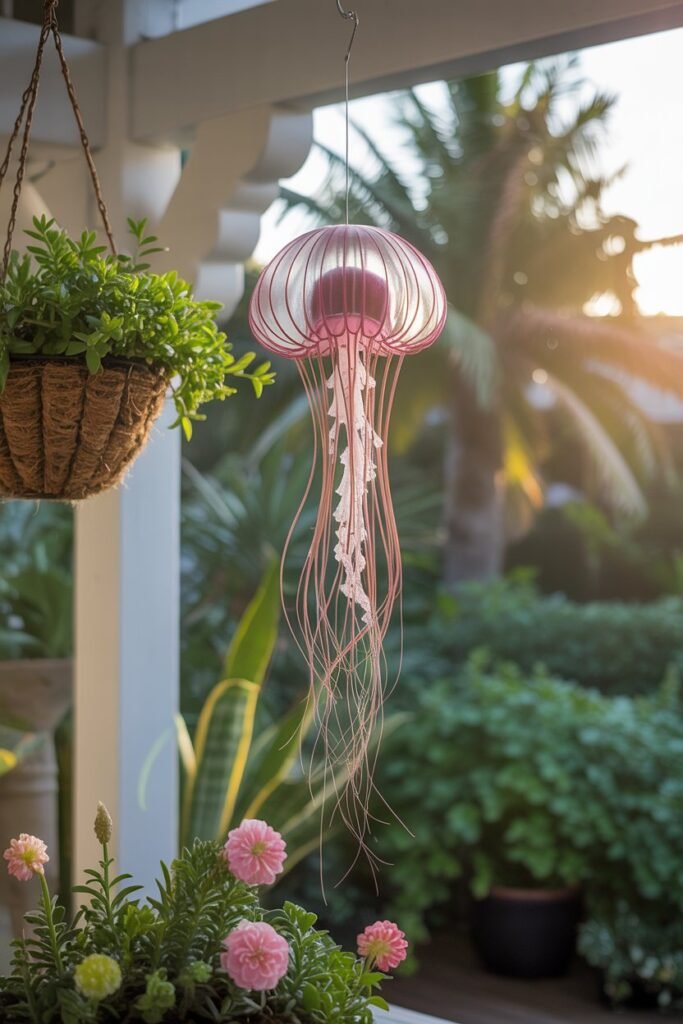
Finding the right location is just as important as building your jellyfish. Air plants are hardy, but they thrive when given the proper balance of light, airflow, and humidity.
Choosing the right spot will keep your plant healthy while also showing off your handmade creation.
Near a Bright Window
One of the easiest places to display your jellyfish is near an east- or south-facing window with bright, indirect light.
This gives the plant enough energy to grow while protecting it from harsh afternoon sun that can scorch the leaves.
If your window receives intense sunlight for several hours a day, hang the jellyfish a few feet back or use a sheer curtain to soften the light.
Covered Porch
A covered porch is one of my favorite places for hanging air plant jellyfish. The gentle breeze helps improve airflow, and the natural light brings out the beauty of both the shell and the plant.
Just be sure the jellyfish is protected from heavy rain, strong winds, and direct midday sun.
Patio or Pergola
If you enjoy spending time outdoors, hanging several jellyfish from a pergola or patio cover creates a beautiful coastal-inspired display.
Space them at different heights for added visual interest and allow enough room so they don’t bump into each other on windy days.
Bathroom with Natural Light
Bathrooms with a sunny window are surprisingly good homes for air plants. The extra humidity from showers can help keep the leaves hydrated between waterings.
Avoid placing them in bathrooms without natural light, as air plants still need bright conditions to grow well.
Sunroom
A sunroom offers one of the best environments for hanging air plant jellyfish.
The bright light, warm temperatures, and good airflow closely mimic the conditions many Tillandsia species enjoy in nature.
It’s also the perfect place to create a collection of multiple jellyfish for a stunning botanical display.
Indoor Plant Corner
If you have a favorite indoor plant shelf or greenery-filled corner, suspend one or two jellyfish above your other plants.
The different heights add depth and make your indoor garden feel more dynamic without taking up additional surface space.
Places to Avoid
To keep your air plant healthy, avoid hanging your jellyfish in locations such as:
- Dark rooms
- Air-conditioning vents
- Heating vents
- Fireplaces
- Direct afternoon sun
- Areas with freezing temperatures
- Constantly wet outdoor locations
- Extremely windy spots
The right location helps your hanging air plant jellyfish stay healthy, colorful, and beautiful while becoming a charming focal point in your home or garden.
How to Care for Your Hanging Air Plant Jellyfish
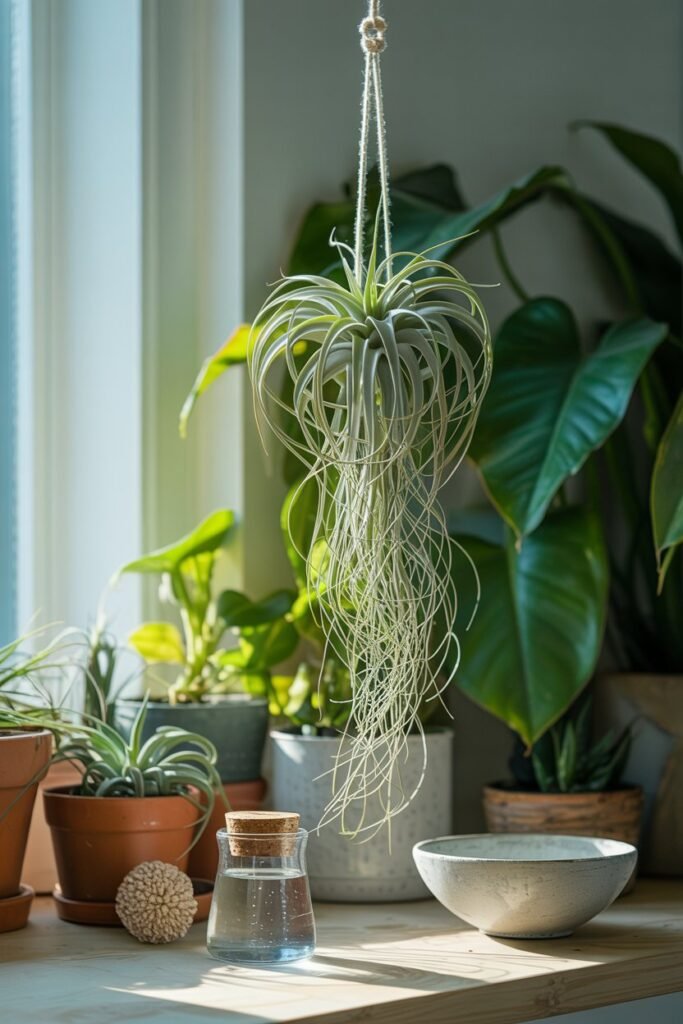
Creating your hanging air plant jellyfish is only the beginning. With the right care, your air plant can remain healthy, vibrant, and beautiful for several years.
The good news is that air plants are some of the easiest plants to maintain, making them perfect for busy gardeners and beginners alike.
Unlike traditional houseplants, air plants don’t grow in soil. Instead, they absorb water and nutrients through tiny scales on their leaves called trichomes.
This means their care routine is a little different, but once you understand their needs, keeping them healthy becomes second nature.
Let’s look at each part of their care in detail.
Watering Your Hanging Air Plant Jellyfish
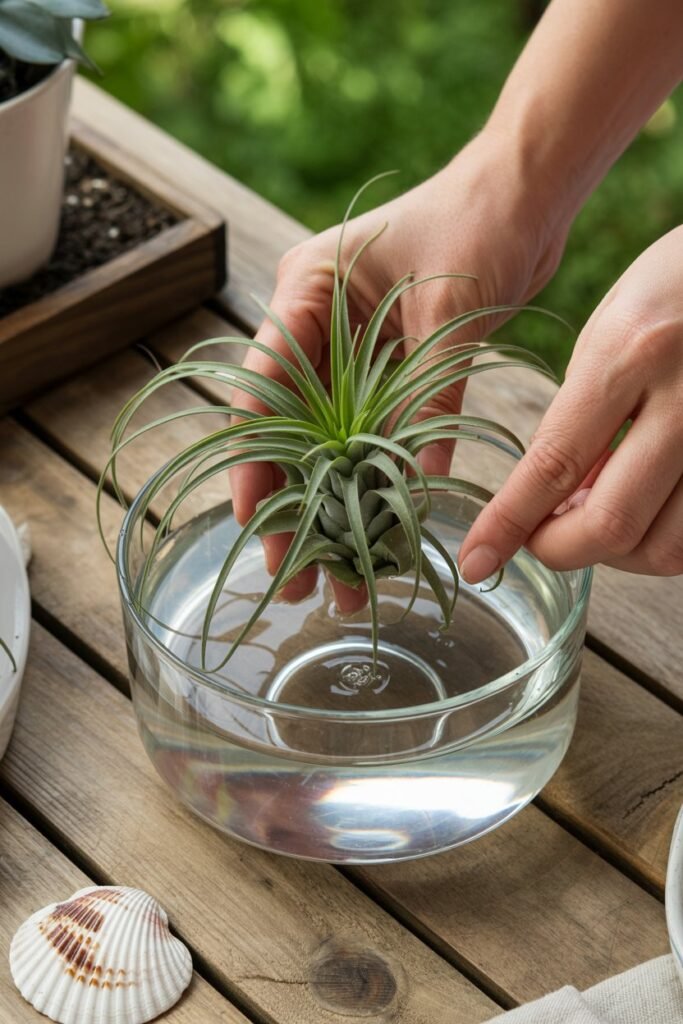
Watering is the most important part of caring for an air plant. Since the plant isn’t growing in soil, it relies entirely on you for moisture.
How often you’ll need to water depends on your climate, the humidity in your home, and whether your jellyfish is displayed indoors or outdoors.
General Watering Schedule
As a general guide:
- Water once a week in average indoor conditions.
- Water every 4–5 days during hot, dry weather.
- Water every 10–14 days in cool or humid environments.
Always observe your plant rather than sticking to a strict schedule. It will tell you when it needs more moisture.
The Best Way to Water
The easiest and most effective method is soaking.
Step 1
Carefully remove the air plant from the shell if possible.
Step 2
Place it in a bowl of room-temperature water.
Step 3
Allow it to soak for 20 to 30 minutes.
Step 4
Remove the plant and gently shake off excess water.
Step 5
Turn the plant upside down on a towel for one to two hours so any trapped water can drain away.
Step 6
Once completely dry, place it back into the shell.
This method allows the plant to absorb plenty of moisture while reducing the risk of rot.
Can You Mist Instead?
Yes but misting should be considered a supplement rather than a replacement for soaking.
A light mist between soakings can help if:
- Your home is very dry.
- You use indoor heating or air conditioning.
- The weather is especially hot.
However, misting alone usually doesn’t provide enough moisture for long-term health.
Signs Your Air Plant Needs Water
Learning to read your plant is one of the best gardening skills you can develop.
Watch for these signs:
- Leaves curl inward more than usual.
- Leaf tips turn brown.
- The plant feels unusually light.
- Leaves appear dull instead of vibrant.
- Growth slows noticeably.
If you notice these symptoms, increase watering slightly and monitor the plant over the next few weeks.
Signs of Overwatering
Too much water can be just as harmful as too little.
Common signs include:
- Soft or mushy leaves
- Black areas near the base
- Leaves falling off easily
- An unpleasant smell
- Rot beginning in the center of the plant
If this happens, allow the plant to dry thoroughly before watering again and improve airflow around it.
Light Requirements
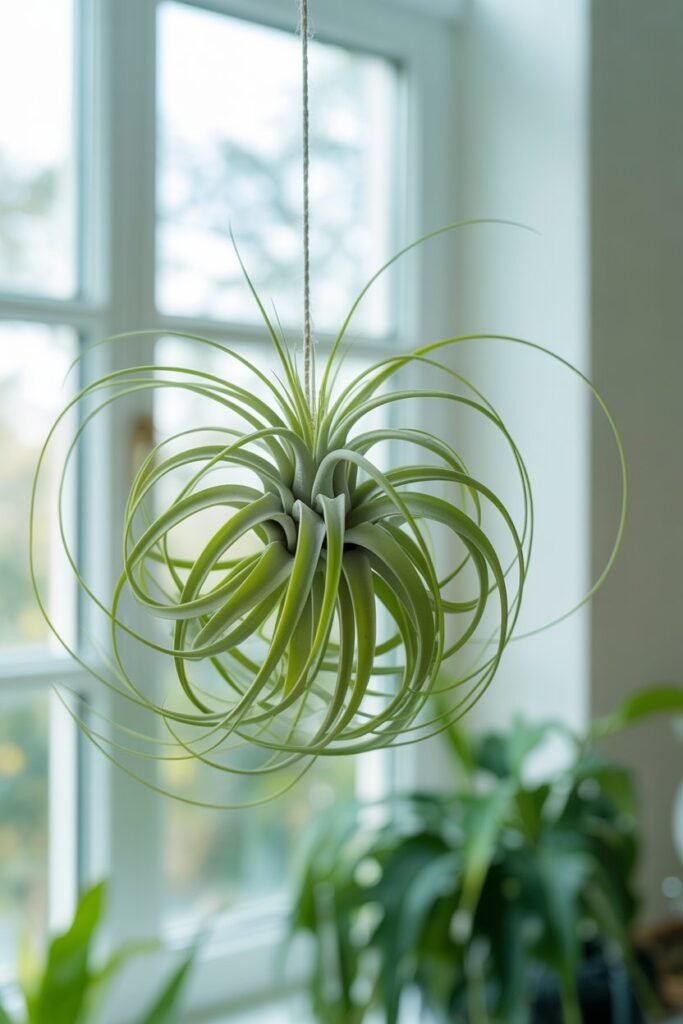
Air plants love bright conditions, but they don’t enjoy harsh sunlight for long periods.
Providing the right amount of light keeps the leaves healthy and encourages steady growth.
Best Light
Aim for:
- Bright indirect sunlight
- Filtered morning sun
- Bright rooms with natural daylight
East-facing windows are often ideal because they provide gentle morning sunshine without the intense afternoon heat.
Indoor Lighting
If natural light is limited, you can successfully grow air plants under grow lights.
Position the light about 6 to 12 inches above the plant and leave it on for 10 to 12 hours each day.
LED grow lights work especially well because they produce very little heat.
Outdoor Lighting
Outdoor displays can be beautiful, but placement matters.
Choose areas with:
- Filtered sunlight
- Morning sunshine
- Afternoon shade
- Good airflow
Avoid exposing your jellyfish to strong midday sun, especially during summer.
Signs Your Plant Needs More Light
If your plant isn’t receiving enough light, you may notice:
- Slow growth
- Dull coloring
- Weak leaves
- Reduced blooming
Move it gradually to a brighter location rather than making sudden changes.
Signs of Too Much Sun
Excessive sunlight may cause:
- Brown patches
- Crispy leaf tips
- Bleached-looking leaves
- Dry, brittle foliage
If this happens, relocate the plant to an area with softer light.
Temperature and Humidity
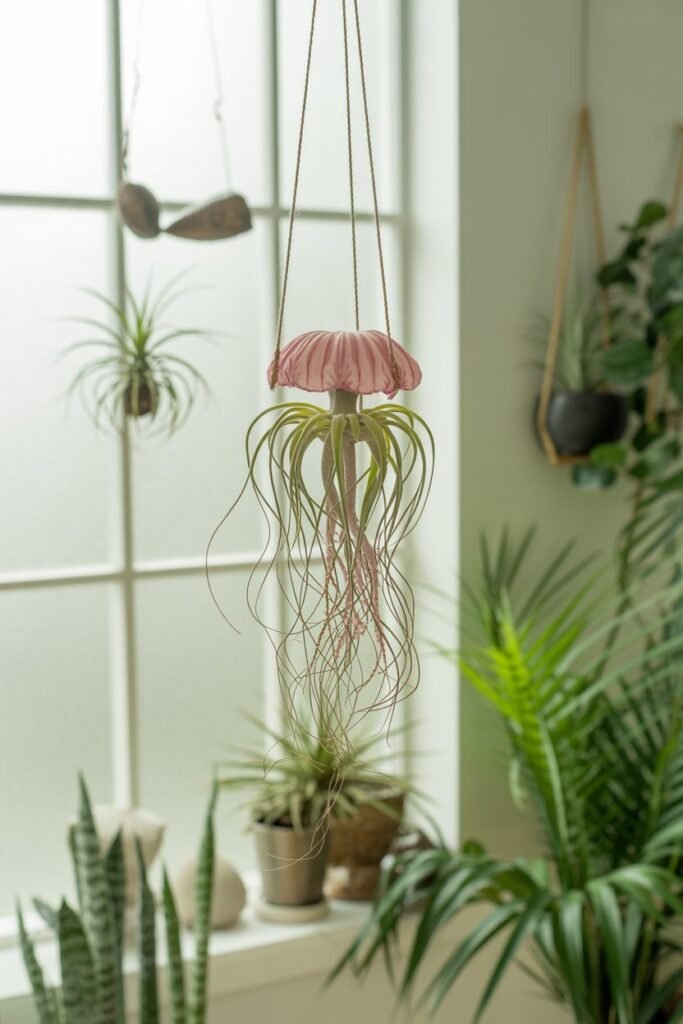
Air plants are native to warm regions, so they appreciate temperatures that most people find comfortable.
Ideal Temperature
Keep your plant between:
60°F and 85°F (16°C to 29°C)
They can tolerate slightly warmer conditions if watered more frequently.
Protect from Frost
Most air plants are not frost-tolerant.
If you hang your jellyfish outdoors during the warmer months, bring it inside before temperatures drop below 50°F (10°C).
Cold damage can happen quickly and may permanently injure the plant.
Humidity
Air plants naturally absorb moisture from the air, so moderate humidity helps them thrive.
Ideal humidity levels range from:
40% to 60%
If your home is very dry, you can:
- Mist occasionally.
- Run a humidifier nearby.
- Group air plants together.
- Place them in naturally humid rooms with good light.
Fertilizing Your Air Plant
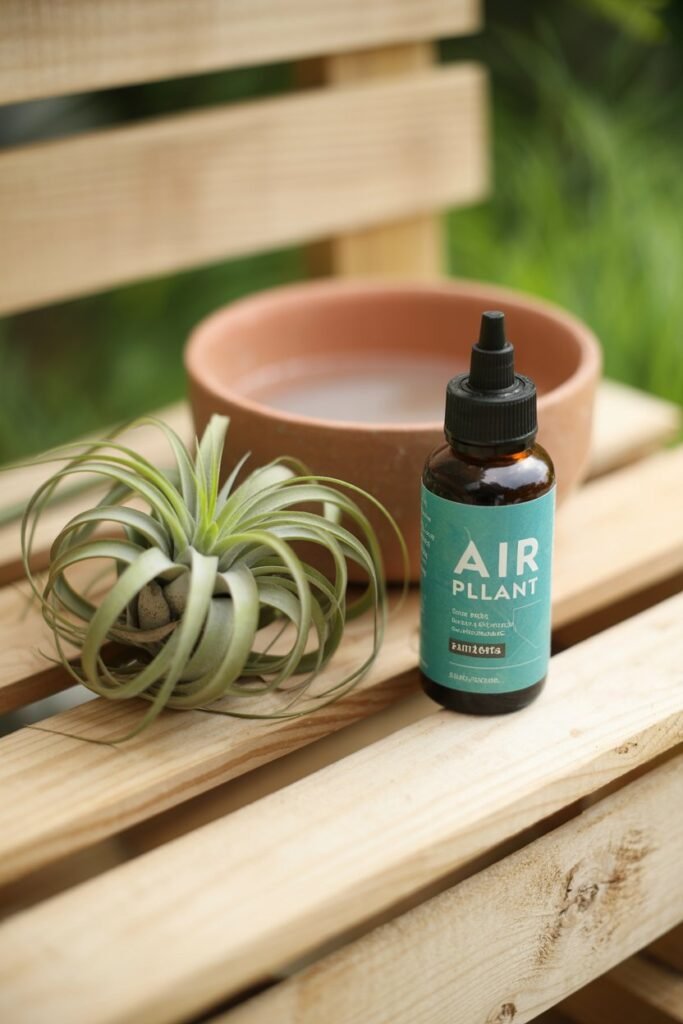
Although air plants can survive without fertilizer, occasional feeding encourages healthier growth, stronger leaves, and better flowering.
Think of fertilizer as a bonus rather than a necessity.
Which Fertilizer Should You Use?
Choose a fertilizer specifically designed for:
- Air plants
- Bromeliads
These formulas provide nutrients in the proper balance without overwhelming the plant.
Avoid fertilizers that contain high levels of copper, as air plants can be sensitive to it.
How Often to Fertilize
For healthy growth:
- Feed once every month during spring and summer.
- Reduce feeding during fall.
- Stop fertilizing during winter if growth slows naturally.
Always follow the dilution instructions on the fertilizer label.
More fertilizer does not mean faster growth.
How to Apply
The easiest method is to add diluted fertilizer to the soaking water.
Allow the plant to soak as usual, then remove it, shake away excess water, and let it dry completely before placing it back into the shell.
This method evenly distributes nutrients while keeping the process simple.
Routine Maintenance
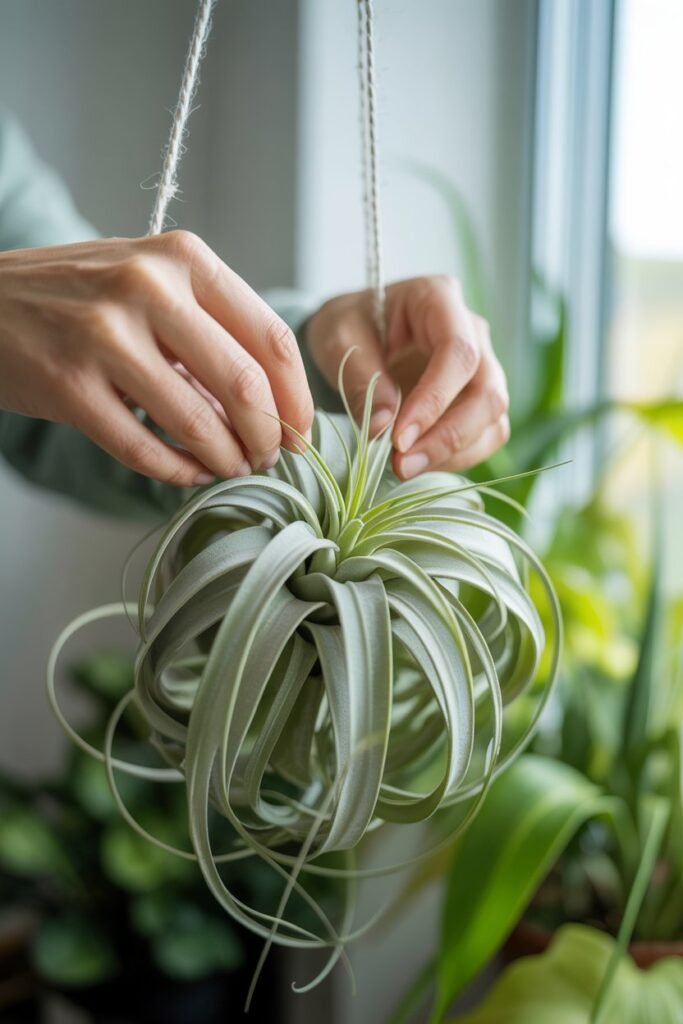
Besides watering and feeding, a few simple habits will keep your hanging air plant jellyfish looking its best.
Remove Dead Leaves
Every few weeks, gently pull away any leaves that have completely dried.
This improves the plant’s appearance and increases airflow around the base.
Dust the Leaves
Indoor plants can collect dust over time.
A gentle rinse during watering usually removes dust naturally, allowing the trichomes to absorb moisture more effectively.
Rotate the Plant
If your jellyfish hangs near a window, rotate it every few weeks.
This helps all sides receive equal light and encourages balanced growth.
Inspect for Problems
Whenever you water your plant, take a moment to inspect it for:
- Rot
- Brown spots
- Pest activity
- Loose hanging cords
- Cracked shells
Catching small issues early is much easier than fixing larger problems later.
With consistent care, your hanging air plant jellyfish can remain a beautiful living decoration for many years, rewarding you with fresh growth and, in some cases, stunning blooms.
Common Problems and How to Fix Them
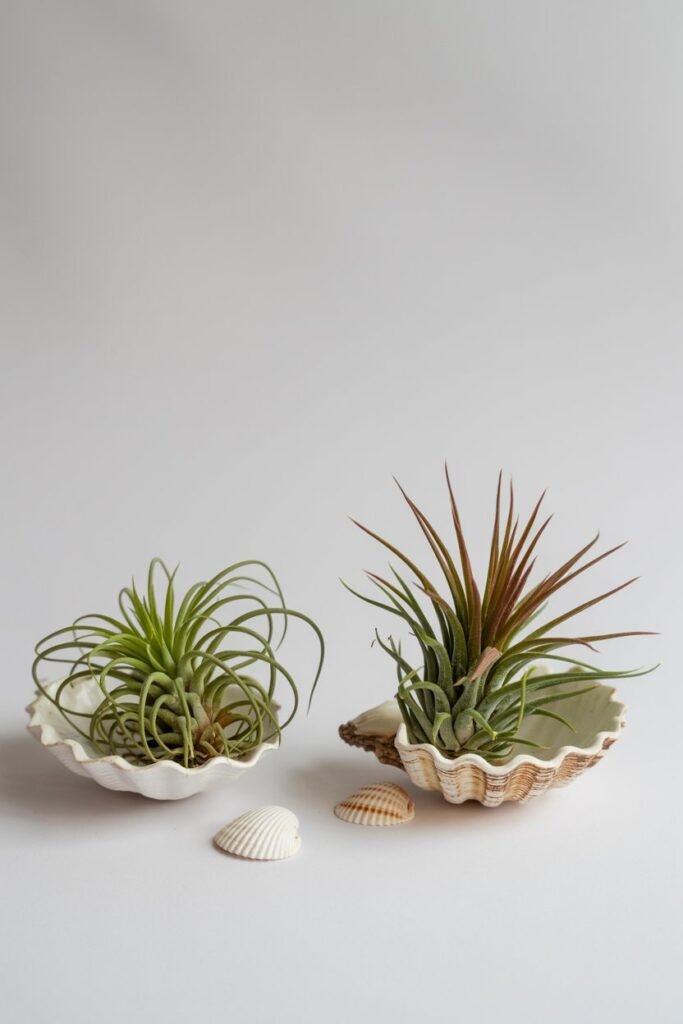
Even though air plants are low-maintenance, they can still run into a few problems from time to time.
The good news is that most issues are easy to correct once you know what to look for. Regularly checking your hanging air plant jellyfish will help you catch small problems before they become serious.
Here are some of the most common issues gardeners face and how to solve them.
Brown Leaf Tips
Brown tips are one of the most common concerns with air plants. While an occasional brown tip on an older leaf is normal, widespread browning usually indicates that your plant needs a little extra care.
Possible Causes
- Not enough water
- Very dry indoor air
- Too much direct sunlight
- Long periods without soaking
How to Fix It
- Increase the frequency of watering if the plant is drying out quickly.
- Soak the plant for 20–30 minutes instead of relying only on misting.
- Move it to a location with bright, indirect light.
- Increase humidity by placing the plant in a naturally humid room or using a humidifier.
Trim off the brown tips with clean scissors if desired, following the natural shape of the leaf for a tidy appearance.
Mushy or Black Base
A soft, black, or mushy base is usually a sign of rot. This is one of the few problems that can seriously damage an air plant if not addressed quickly.
Possible Causes
- Water trapped in the center of the plant
- Poor airflow
- Overwatering
- Putting the plant back into the shell before it dries completely
How to Fix It
- Remove the plant from the shell immediately.
- Gently remove any soft or damaged leaves.
- Allow the plant to dry upside down in a well-ventilated area.
- Reduce watering until the plant recovers.
- Always let the plant dry completely before placing it back into the shell.
Preventing rot is much easier than treating it, so good airflow is essential.
Wrinkled or Curled Leaves
Some air plants naturally have curled leaves, but if the entire plant looks shriveled or unusually wrinkled, it’s likely dehydrated.
Possible Causes
- Underwatering
- Hot, dry conditions
- Low humidity
How to Fix It
- Give the plant a thorough soak.
- Increase watering during warm weather.
- Mist occasionally between soakings if your home is very dry.
- Keep the plant out of intense afternoon sun.
Healthy leaves should gradually become firmer after proper watering.
Faded or Dull Color
Air plants should have fresh, healthy-looking foliage. If yours appears dull or pale, it may not be getting the conditions it needs.
Possible Causes
- Insufficient light
- Lack of nutrients
- Natural aging of older leaves
How to Fix It
- Move the plant to a brighter location with indirect sunlight.
- Feed it monthly during the growing season using a fertilizer made for air plants or bromeliads.
- Remove older leaves if they naturally dry out.
Slow Growth
Air plants are naturally slow growers, but if you notice no new growth for a long time, it may be time to adjust their care.
Possible Causes
- Low light
- Infrequent watering
- Lack of fertilizer
- Cool temperatures
How to Fix It
- Increase light exposure without placing the plant in direct afternoon sun.
- Water consistently.
- Fertilize during spring and summer.
- Keep the plant in temperatures between 60°F and 85°F (16°C to 29°C).
Remember that growth often slows during the cooler months, so patience is key.
Pests
Although air plants are generally resistant to pests, they can occasionally attract unwanted visitors.
Common Pests
- Mealybugs
- Scale insects
- Aphids
- Spider mites
How to Fix It
- Isolate the affected plant from your other houseplants.
- Gently wipe pests away with a cotton swab dipped in rubbing alcohol.
- Rinse the plant with water after treatment.
- Continue checking it weekly until the pests are gone.
Keeping your plant clean and providing good airflow can help prevent infestations.
Creative Decorating Ideas
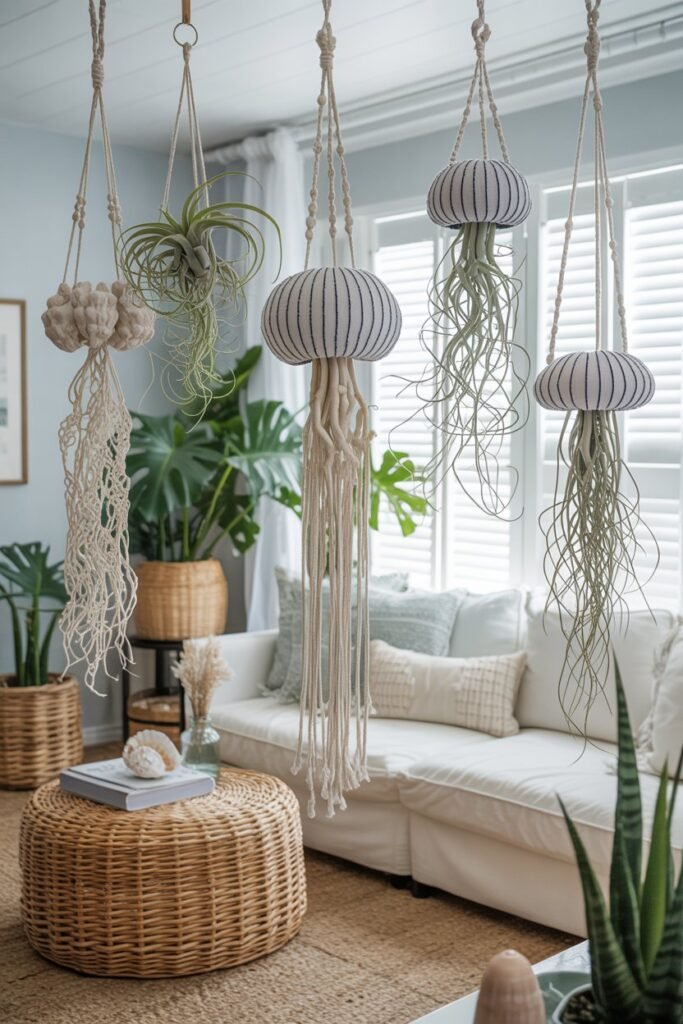
One of the best things about hanging air plant jellyfish is their versatility. They work beautifully in both indoor and outdoor spaces and can complement almost any decorating style.
Whether you prefer a coastal-inspired look or a modern botanical display, there are countless ways to showcase these living works of art.
Here are some creative ideas to inspire you.
Create a Coastal-Themed Corner
Pair your hanging jellyfish with natural beach-inspired décor such as:
- Driftwood
- Sea glass
- Woven baskets
- Rope accents
- White or sandy-colored pots
- Decorative coral (ethically sourced or faux)
This combination creates a relaxing seaside atmosphere, even if you live far from the coast.
Hang Them at Different Heights
Instead of displaying just one jellyfish, create a collection by hanging several at varying heights.
Using shells of different sizes and air plants with unique leaf shapes adds depth and visual interest. This layered look works especially well on covered porches, patios, or in front of large windows.
Add Them to a Plant Shelf
Suspend one or two jellyfish above your favorite houseplants.
The hanging display draws the eye upward and makes your indoor garden feel fuller without taking up extra shelf space.
Decorate a Reading Nook
Hang a jellyfish near a cozy chair or window seat to create a peaceful, nature-inspired retreat.
Its gentle movement in the breeze adds a calming touch while bringing a little greenery into your favorite relaxation spot.
Use Them for Special Occasions
Hanging air plant jellyfish make unique decorations for:
- Garden parties
- Weddings
- Baby showers
- Bridal showers
- Beach-themed events
- Summer celebrations
After the event, guests can even take them home as memorable living favors.
Make a Hanging Mobile
For an eye-catching display, suspend several jellyfish from a piece of driftwood or a decorative branch.
Vary the lengths of the hanging cords so each jellyfish floats at a different height. This creates a beautiful mobile that gently sways with the air.
Display Them on a Covered Patio
A covered patio is one of the best places to enjoy hanging air plant jellyfish.
Hang them where they’ll catch a gentle breeze, creating the illusion of jellyfish drifting through the air while still being protected from harsh weather.
Create Seasonal Displays
Your jellyfish can become part of your seasonal decorating throughout the year.
For example:
Spring
- Pastel ribbons
- Fresh flowers nearby
- Light-colored shells
Summer
- Bright coastal accents
- Driftwood
- Sea glass
Autumn
- Natural twine
- Wooden beads
- Warm earth tones
Winter
- White shells
- Silver ornaments
- Soft fairy lights (kept away from the plant)
Small seasonal changes keep your display feeling fresh without disturbing the air plant.
Seasonal Care Tips
Although air plants don’t experience dramatic seasonal changes like many garden plants, adjusting your care throughout the year helps keep them healthy.
Spring
Spring marks the beginning of active growth.
During this season:
- Resume regular fertilizing.
- Increase watering if temperatures rise.
- Check for new pups (baby plants).
- Refresh your display if needed.
Summer
Summer often brings higher temperatures and faster drying.
During hot weather:
- Water more frequently.
- Protect from intense afternoon sun.
- Watch for signs of dehydration.
- Ensure plenty of airflow.
Outdoor jellyfish may need more frequent attention during heat waves.
Autumn
As temperatures begin to cool:
- Reduce watering slightly.
- Continue providing bright light.
- Clean away dust and dried leaves.
- Inspect the hanging cord and shell for wear.
Autumn is also a great time to bring outdoor displays inside before cold weather arrives.
Winter
Winter care focuses on protecting the plant from cold temperatures and overly dry indoor air.
During winter:
- Water less often, but don’t allow the plant to dry out completely.
- Keep it away from heating vents and fireplaces.
- Place it near a bright window.
- Pause fertilizing if growth has slowed.
With a few seasonal adjustments, your hanging air plant jellyfish can remain healthy and attractive all year long.
Can You Use Other Plants Instead of Air Plants?
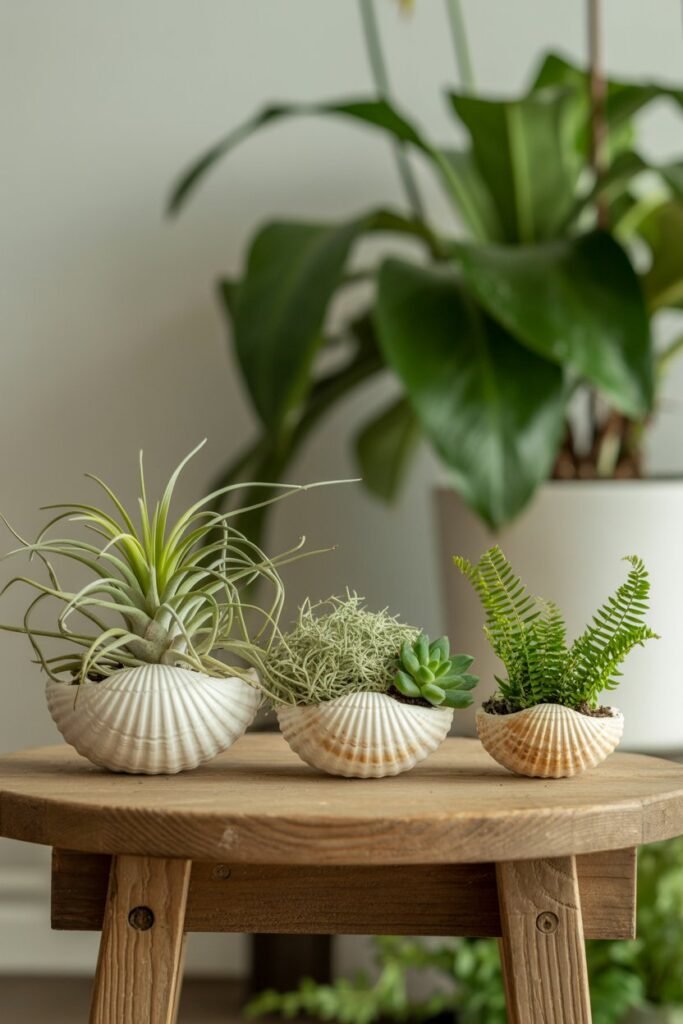
Air plants are the traditional choice for hanging jellyfish planters because they don’t require soil and naturally resemble floating tentacles. However, if you’re feeling creative, you may wonder whether other plants can achieve a similar look.
The answer is yes but with a few limitations. Most plants need soil, regular watering, and larger containers, so they aren’t as well suited to the lightweight shell design.
If you decide to experiment, choose plants that stay compact and have similar care requirements.
Here are a few options to consider.
Spanish Moss
Spanish moss is actually a relative of air plants, making it one of the best alternatives.
Its long, flowing strands closely resemble jellyfish tentacles and create a soft, whimsical appearance. You can use it on its own or pair it with a small air plant for added texture.
Keep it in bright, indirect light and mist it regularly to maintain its silvery-green color.
Small Succulents
Some tiny succulents can be displayed in decorative shells, but they require a small amount of well-draining soil.
Keep in mind that adding soil makes the shell heavier and changes the lightweight, floating effect that makes air plant jellyfish so unique.
Good choices include:
- Baby Echeverias
- Haworthias
- Mini Sedums
Be careful not to overwater, as succulents are prone to root rot.
Trailing Moss
Preserved moss is often used for decorative projects, but if you want a living option, certain mosses can be incorporated into larger shell planters with adequate moisture.
Living moss prefers consistently damp conditions, which differ from the dry conditions air plants enjoy. Because of this, moss is usually better suited to decorative arrangements rather than traditional hanging jellyfish.
Small Ferns
Tiny ferns can create an interesting cascading effect, but they require rich soil, regular watering, and higher humidity.
Unless you’re creating a much larger hanging planter, ferns are generally not practical for this type of project.
Why Air Plants Are Still the Best Choice
Although other plants can work in certain situations, air plants remain the best option because they:
- Don’t need soil
- Stay lightweight
- Are easy to remove for watering
- Have naturally flowing leaves
- Thrive with good airflow
- Come in many unique shapes and sizes
- Require very little maintenance
For most gardeners, sticking with air plants provides the healthiest plant and the most realistic jellyfish appearance.
Frequently Asked Questions
If you’re making your first hanging air plant jellyfish, it’s normal to have a few questions. Here are answers to some of the most common ones.
How long do air plants live?
With proper care, many air plants can live for several years. Some varieties may live even longer by producing “pups,” or baby plants, before the parent plant naturally declines.
These pups can be left attached to form a larger clump or gently separated once they are about one-third to one-half the size of the parent plant.
How often should I water my hanging air plant jellyfish?
Most air plants need watering about once a week. In hot, dry weather, you may need to water every four to five days, while cooler or more humid conditions may require watering only every 10 to 14 days.
Always adjust your watering routine based on your home’s environment and the appearance of your plant.
Can I leave the air plant inside the shell when watering?
If the shell is waterproof and allows excellent drainage, you may be able to water the plant without removing it.
However, it’s generally better to remove the air plant before soaking. This ensures it dries completely afterward and helps prevent water from becoming trapped inside the shell, reducing the risk of rot.
Can hanging air plant jellyfish stay outdoors?
Yes, they can be displayed outdoors in suitable weather.
Choose a location that offers:
- Bright, indirect light
- Protection from heavy rain
- Shelter from strong winds
- Warm temperatures
Bring the plant indoors before cold weather or frost arrives.
Do air plants flower?
Yes! Mature air plants often produce beautiful blooms in shades of pink, purple, red, yellow, or blue, depending on the variety.
Flowering is a natural part of the plant’s life cycle. After blooming, many air plants begin producing pups, allowing the plant to continue growing through the next generation.
Why are my air plant’s leaves curling?
Slight curling is normal for some varieties, especially those with naturally twisted foliage.
However, if the leaves become tightly curled or feel dry and brittle, the plant may need more water or slightly higher humidity.
A good soak usually helps restore healthy leaf texture.
Can I use hot glue to attach the air plant?
It’s best to avoid applying hot glue directly to the plant.
If you need to secure it, use fishing line, floral wire, or a tiny amount of waterproof craft glue on the base only. This keeps the leaves free to absorb moisture and allows for easy removal during watering.
How do I know if my air plant is healthy?
A healthy air plant usually has:
- Firm leaves
- Good color
- No mushy areas
- Steady growth
- Strong leaf attachment
- A fresh, clean appearance
Regular watering, bright indirect light, and good airflow will help keep it in excellent condition.
Final Thoughts
Hanging air plant jellyfish are a wonderful example of how gardening and creativity can come together.
They bring the beauty of nature indoors or onto your porch in a unique way, creating a display that is both eye-catching and surprisingly easy to care for.
One of the things I enjoy most about this project is that no two jellyfish are ever exactly alike. The shape of the shell, the variety of the air plant, and the decorative details you choose all come together to create something truly personal.
Whether you keep your design simple and natural or add coastal-inspired accents, your finished piece becomes a living decoration that reflects your own style.
The best part is that you don’t need years of gardening experience to succeed. With a healthy air plant, the right amount of light, regular watering, and good airflow, your hanging jellyfish can thrive for years and may even reward you with beautiful blooms and baby plants along the way.
If you’ve been looking for a fun DIY garden project that’s affordable, beginner-friendly, and guaranteed to spark conversations, a hanging air plant jellyfish is well worth trying.
Gather your favorite shell, choose a healthy air plant, and enjoy creating a beautiful living decoration that brings a touch of the ocean’s charm to your home or garden.
