
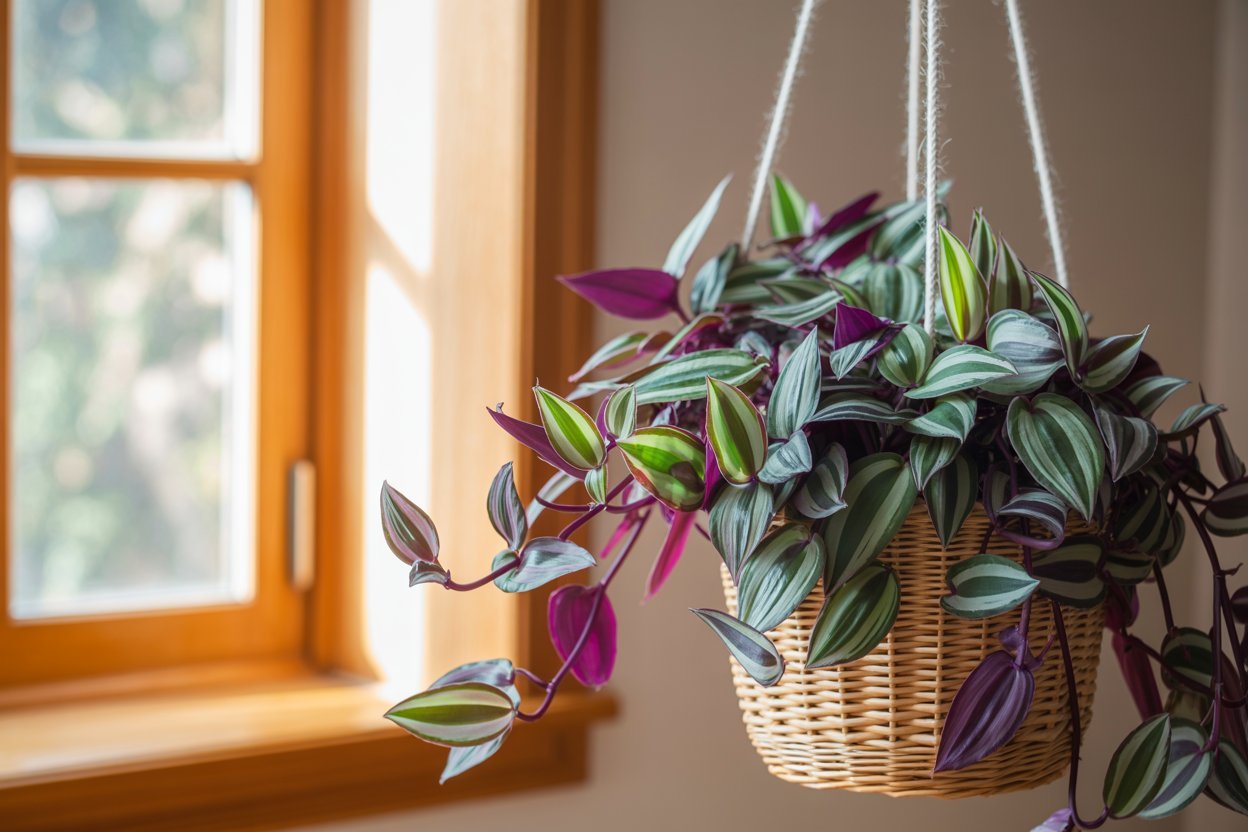

A trailing plant has a way of softening a space, but few do it as effortlessly and beautifully as wandering jew more respectfully known as Tradescantia.
The first time I grew it, I remember thinking it was just another easy houseplant.
Within weeks, it had draped itself over the pot, sending out vibrant purple and silver vines that felt almost alive with movement. That was the moment I realized this plant isn’t just easy it’s generous.
If you’re willing to understand its rhythm, Tradescantia will reward you with lush growth, endless propagation opportunities, and a living decoration that evolves constantly.
This guide is built from real growing experience the small mistakes, the quiet observations, and the simple habits that make all the difference. By the end, you’ll not only know how to grow wandering jew, but how to truly thrive with it.
Shop my Amazon essentials
- Hand Trowel
- Pruning Shears
- Watering Can with Long Spout
- Plant Mister Spray Bottle
- Soil Moisture Meter
- LED Grow Light
- Hanging Planter Basket
- Drainage Plant Pots
- Garden Gloves
- Plant Support Clips
Getting to Know Wandering Jew (Tradescantia)
Before planting anything, I’ve learned it’s always worth pausing to understand the plant itself.
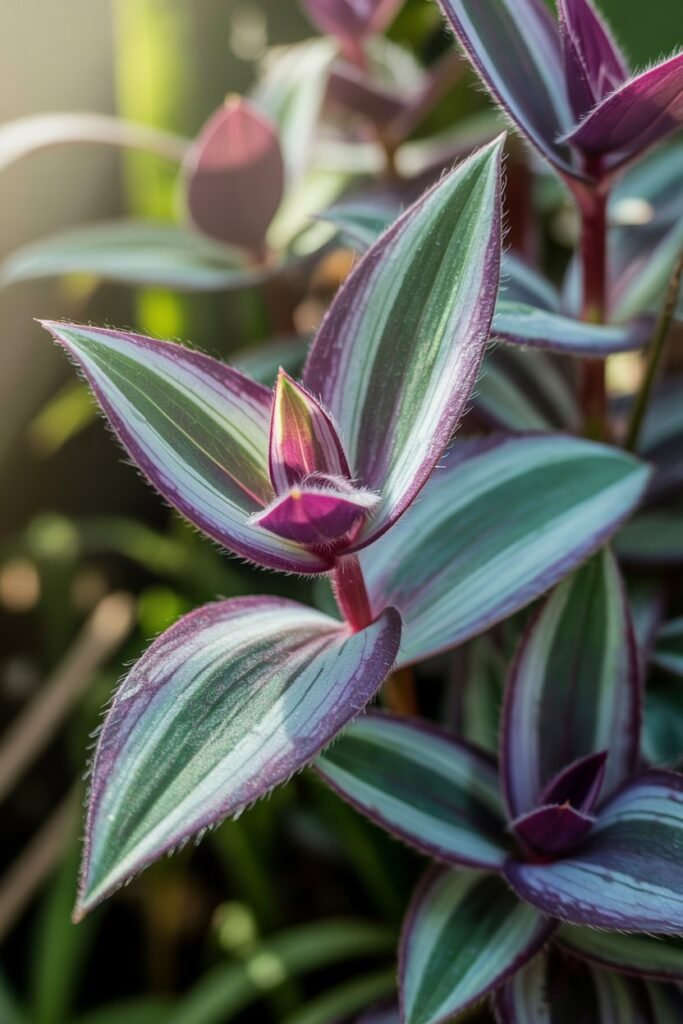
Tradescantia is a fast-growing, trailing perennial known for its colorful foliage. Depending on the variety, leaves may be striped, solid, or even metallic-looking, often blending shades of green, purple, pink, and silver.
Popular Varieties
- Tradescantia zebrina – Striking purple undersides with silver-striped tops
- Tradescantia fluminensis – Soft green, delicate and fast-spreading
- Tradescantia pallida – Deep purple, sun-loving and bold
Each variety grows similarly, so once you master one, you can confidently grow them all.
Why This Plant Is Perfect for Beginners (and Still Loved by Experts)
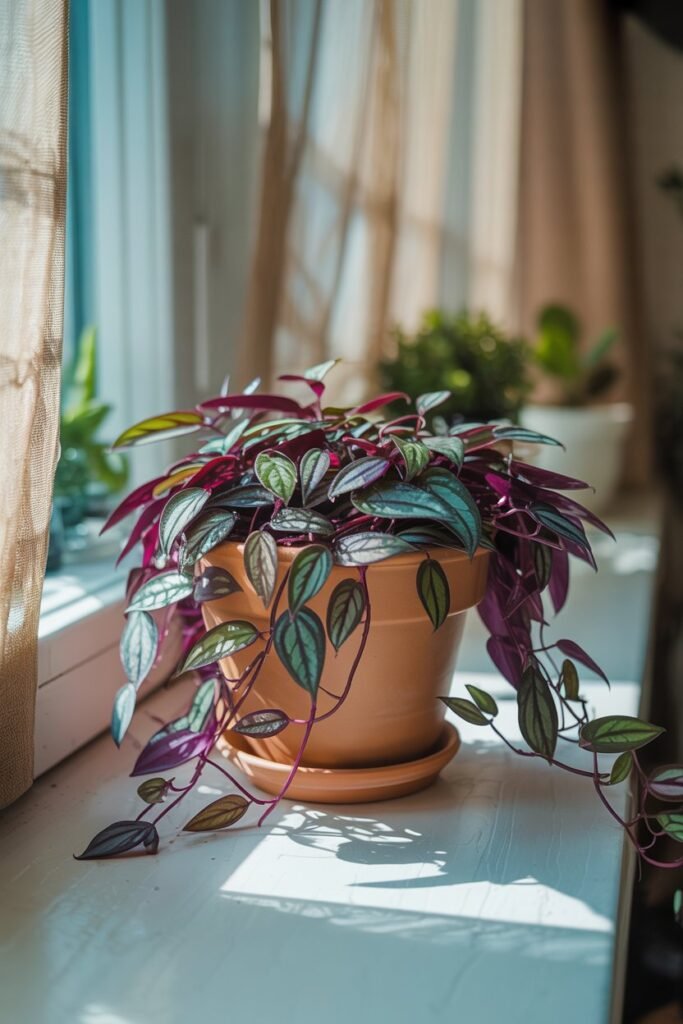
Wandering jew is one of those rare plants that meets you where you are.
- It tolerates small mistakes
- It grows quickly, so progress feels rewarding
- It propagates easily, multiplying your efforts
From my own experience, it’s one of the best plants for building confidence as a gardener. Even when I made mistakes early on watering too much, placing it in poor light it still found a way to bounce back.
Read 45 Beautiful Drought-Tolerant Flowering Plants for a Colorful Garden
Step 1: Choosing the Right Light (The Secret to Vibrant Color)
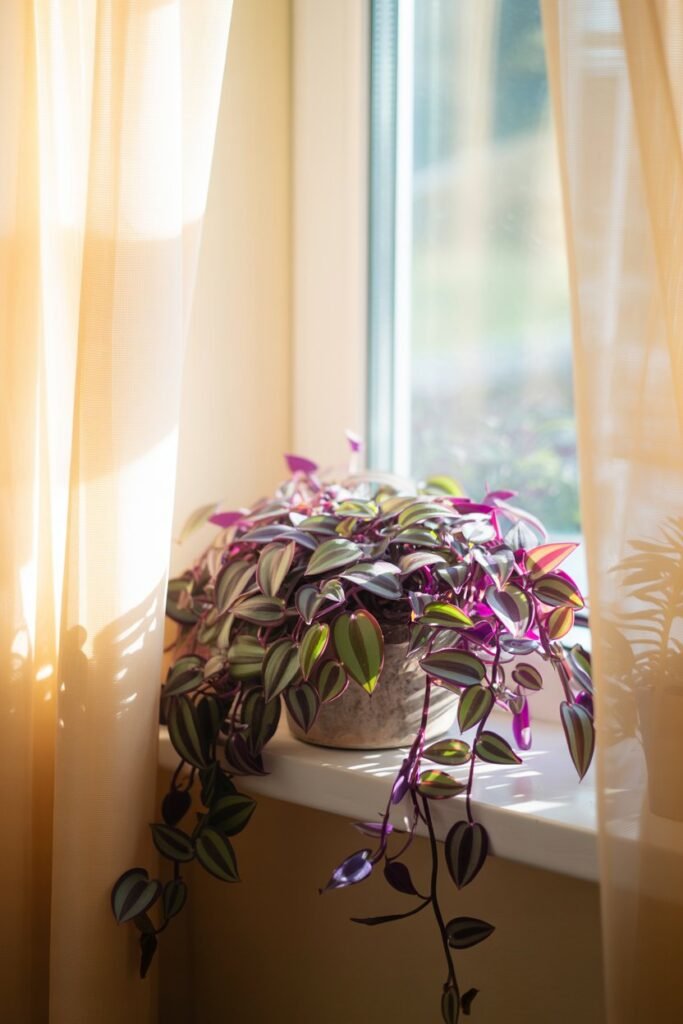
Light is everything with Tradescantia. If you get this right, you’re already halfway to success.
Ideal Lighting Conditions
- Bright, indirect sunlight
- Near a window (east or west-facing works beautifully)
What Happens in Different Light Levels
Low Light:
- Leaves lose their vibrant color
- Growth becomes leggy and stretched
Bright Light:
- Colors intensify (especially purples and silvers)
- Growth becomes fuller and more compact
My Personal Observation
I once kept a pot in a dim corner, and although it survived, it lost its personality. When I moved it closer to the window, within days the colors deepened, and within weeks it looked like a completely different plant.
Outdoor Light Tips
If growing outdoors:
- Provide partial shade
- Avoid intense afternoon sun, especially in hot climates
Step 2: Soil — Keeping Roots Happy and Healthy
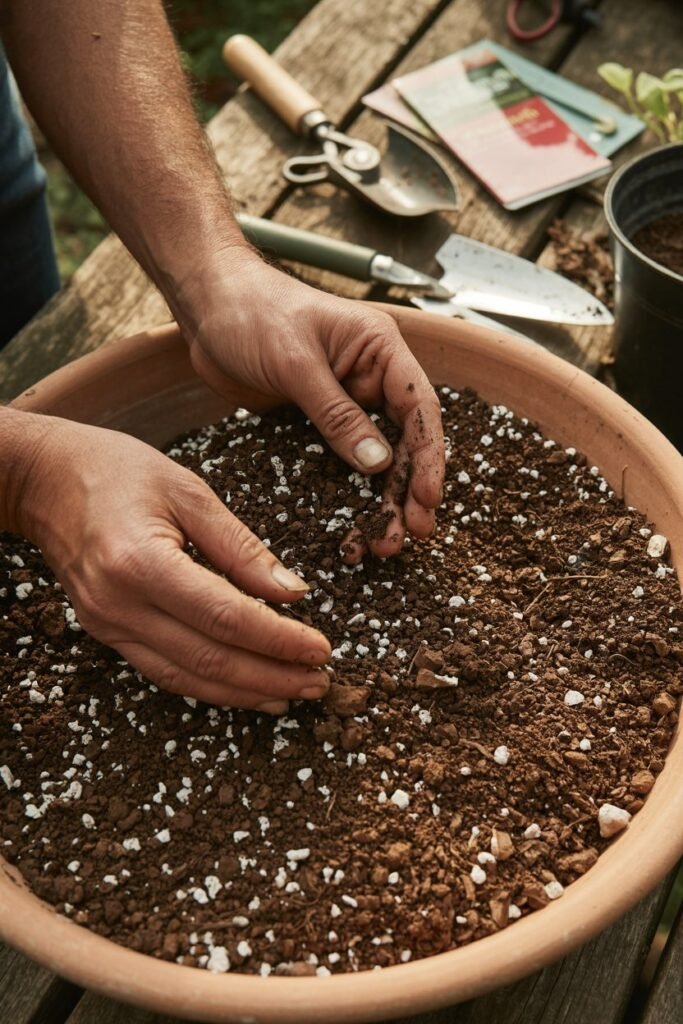
Wandering jew doesn’t demand fancy soil, but it absolutely needs good drainage.
Ideal Soil Mix
- Light and airy
- Drains excess water quickly
My Reliable Mix
- 2 parts potting soil
- 1 part perlite or coarse sand
This combination allows roots to breathe while holding just enough moisture.
Why This Matters
I once used dense garden soil, and within weeks the plant started declining. The roots simply couldn’t handle the excess moisture. Switching to a well-draining mix made an immediate difference.
Step 3: Watering — Finding the Perfect Balance
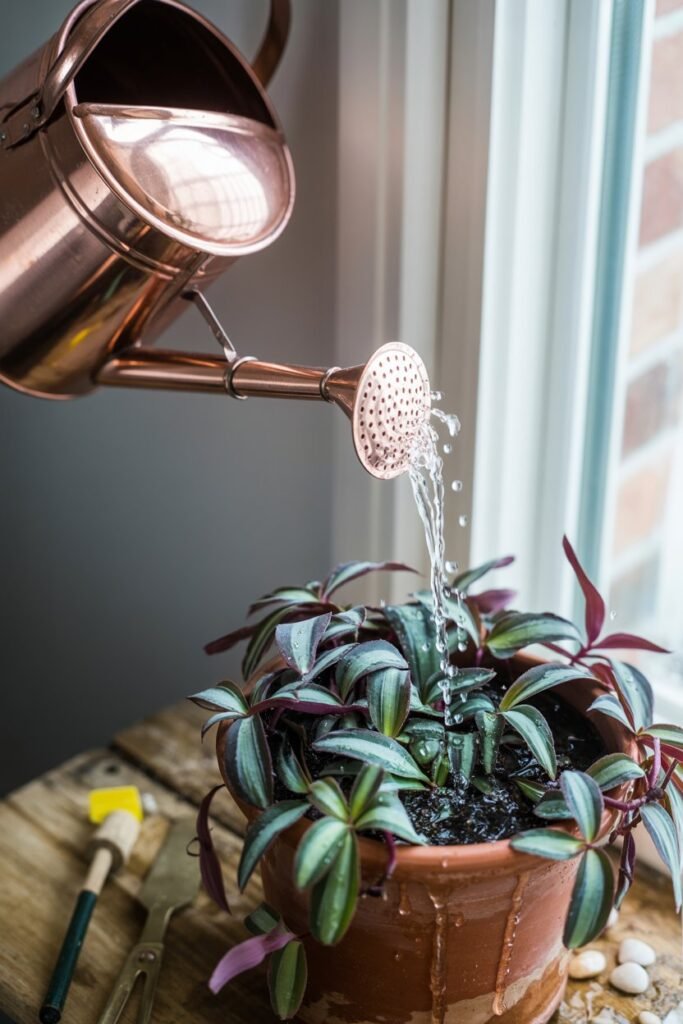
Watering is where many people go wrong not because the plant is difficult, but because it grows so fast it looks like it needs constant water.
The Simple Rule I Follow
Water when the top inch of soil feels dry.
Signs You’re Overwatering
- Yellowing leaves
- Mushy stems
- Root rot
Signs You’re Underwatering
- Dry, crispy leaves
- Slowed growth
My Routine
Instead of watering on a strict schedule, I check the soil regularly. Some weeks it needs more water, some less it depends on temperature and light.
Consistency matters more than frequency.
Read How to Grow Hibiscus: A Complete Guide From My Garden to Yours
Step 4: Propagation — Where the Magic Happens
If there’s one reason people fall in love with Tradescantia, it’s this: propagation is almost effortless.
Why It’s So Easy
The plant naturally grows nodes along its stems. Each node has the potential to become a new plant.
Propagating in Water
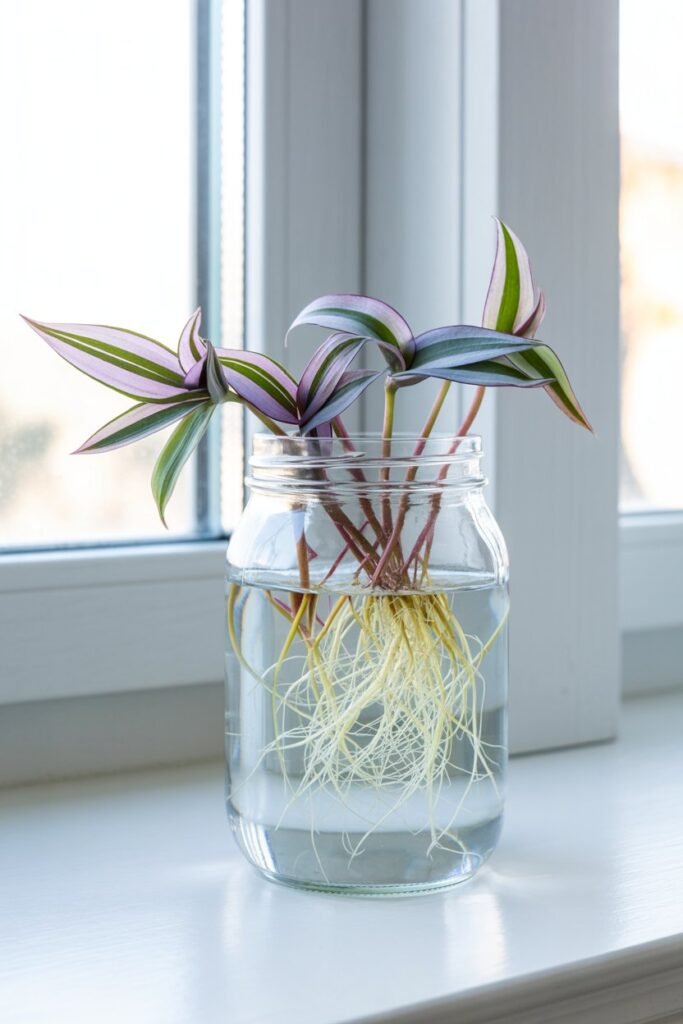
This is my favorite method when I want to watch the process.
Steps:
- Cut a healthy stem (4–6 inches long)
- Remove lower leaves
- Place in a jar of clean water
- Keep in bright, indirect light
What You’ll See
- Roots in 3–7 days
- Strong growth within 1–2 weeks
There’s something deeply satisfying about seeing roots form it never gets old.
Propagating in Soil
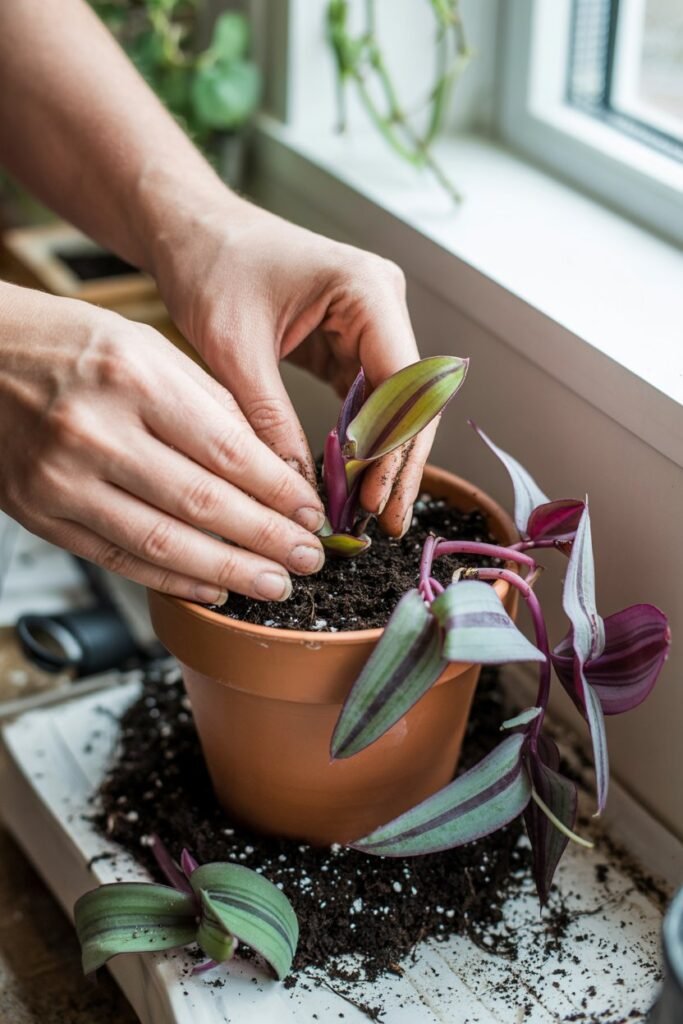
This method is even simpler.
Steps:
- Take a cutting
- Insert directly into moist soil
- Keep lightly damp
Why I Use This Often
Plants propagated directly in soil tend to adapt faster and grow stronger long-term.
Step 5: Pruning — The Key to a Full, Lush Plant
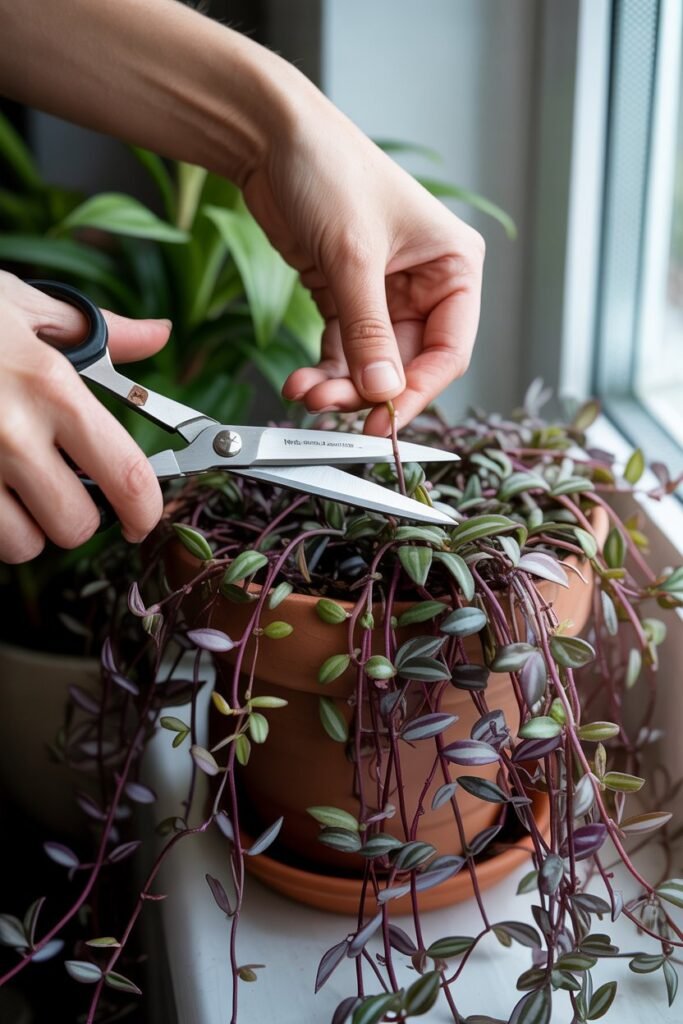
If you skip pruning, wandering jew will still grow but it won’t look its best.
Why Pruning Matters
- Encourages bushier growth
- Prevents long, bare vines
- Keeps the plant compact and attractive
How I Do It
- Cut just above a node
- Prune regularly (every 2–3 weeks during active growth)
A Personal Habit
Every time I prune, I never throw away cuttings. I propagate them. Over time, one plant can turn into many.
Step 6: Feeding — Supporting Healthy Growth
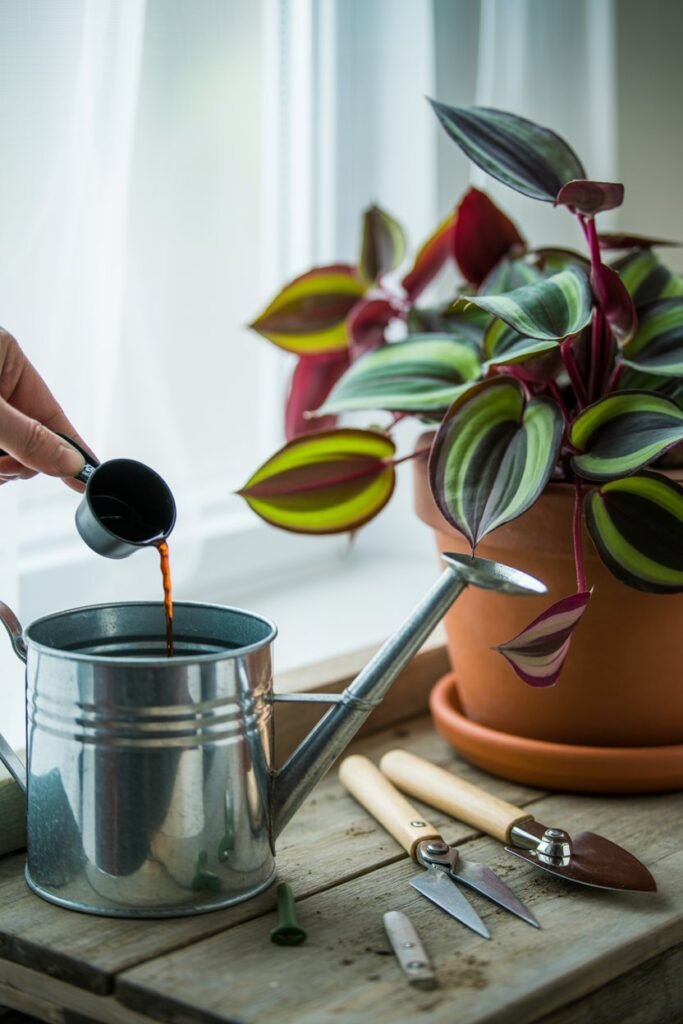
Wandering jew isn’t a heavy feeder, but a little nutrition goes a long way.
What to Use
- Balanced liquid fertilizer
Feeding Schedule
- Every 4 weeks during spring and summer
- Reduce feeding in cooler months
My Experience
Overfeeding leads to fast but weak growth. I always dilute fertilizer slightly more than recommended to keep growth steady and strong.
Step 7: Temperature and Humidity
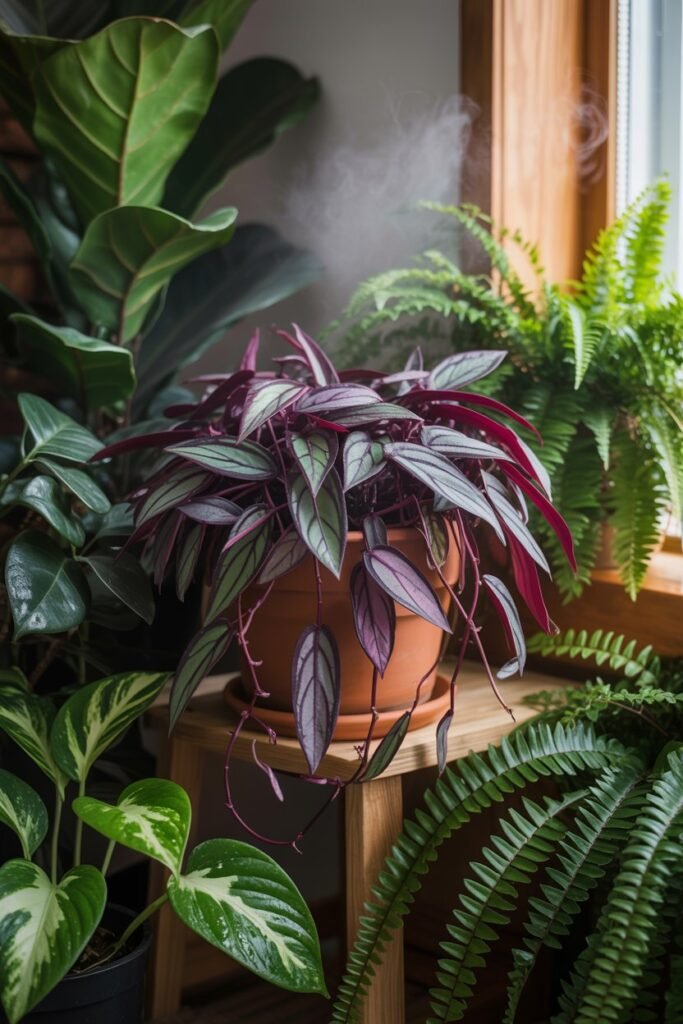
This plant prefers comfortable, stable conditions.
Ideal Range
- Temperature: 18–29°C (65–85°F)
- Moderate humidity
What I’ve Noticed
It adapts well to indoor environments, but very dry air can cause leaf tips to brown.
Simple Fixes
- Light misting
- Grouping plants together
- Keeping it away from harsh air vents
Step 8: Choosing the Right Container
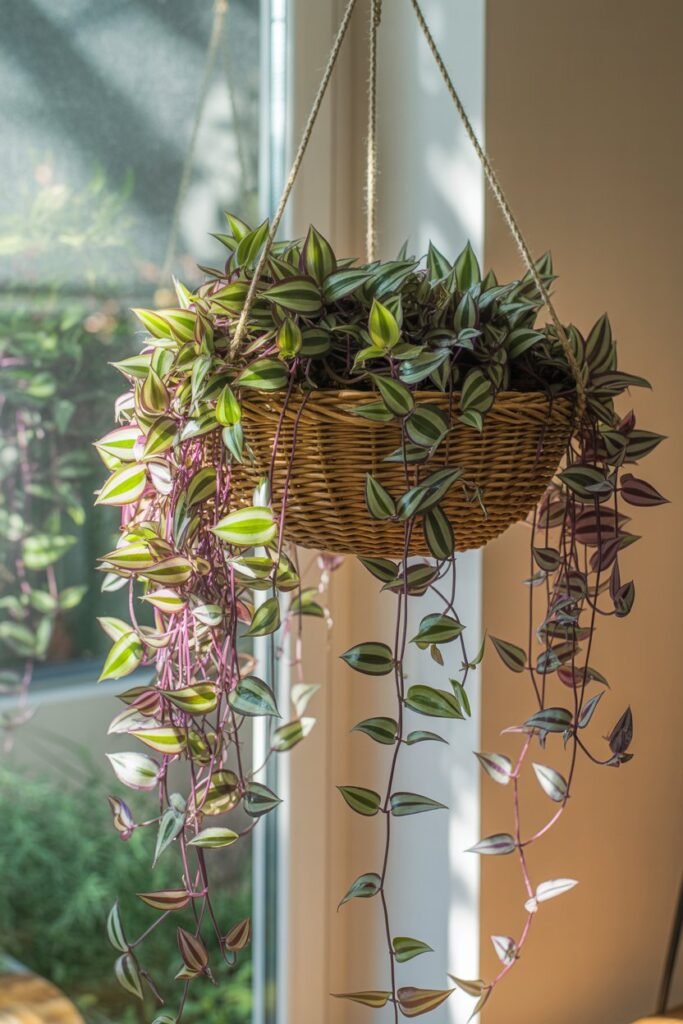
The pot you choose affects both health and appearance.
What Works Best
- Pots with drainage holes
- Hanging baskets for trailing growth
My Favorite Setup
A hanging planter near a bright window allows the vines to cascade naturally it turns the plant into a living piece of décor.
Step 9: Repotting and Refreshing Your Plant
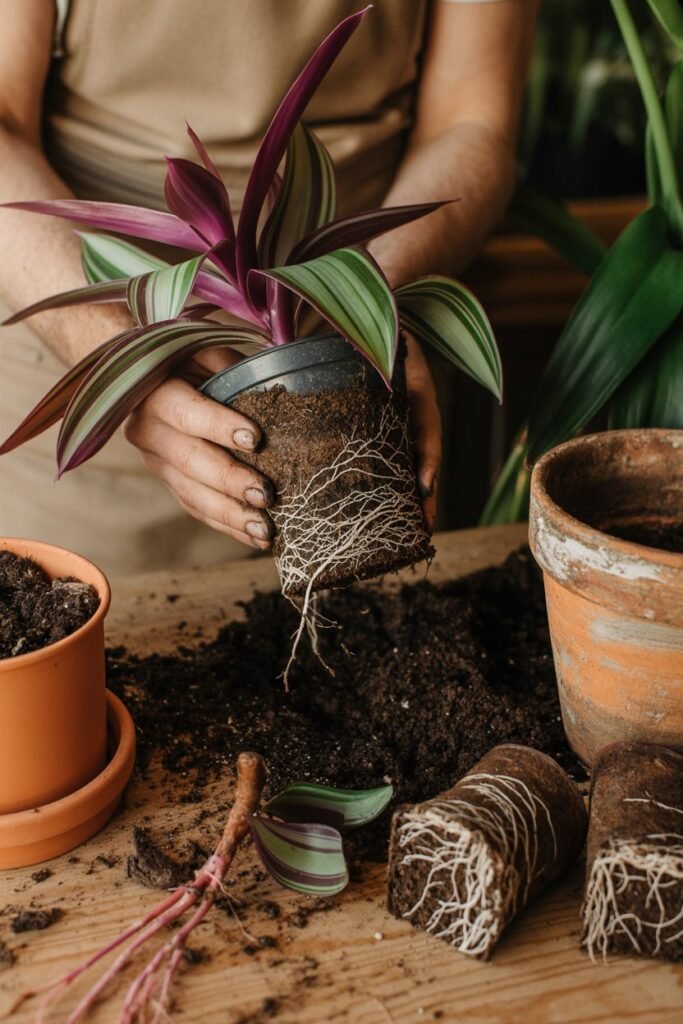
Wandering jew grows fast, and over time, it can outgrow its pot or become leggy.
When to Repot
- Roots are crowded
- Growth slows
- Soil dries out too quickly
My Approach
Rather than simply repotting, I often:
- Take fresh cuttings
- Start a new, fuller plant
This keeps the plant looking young and vibrant.
Common Pests and How to Handle Them
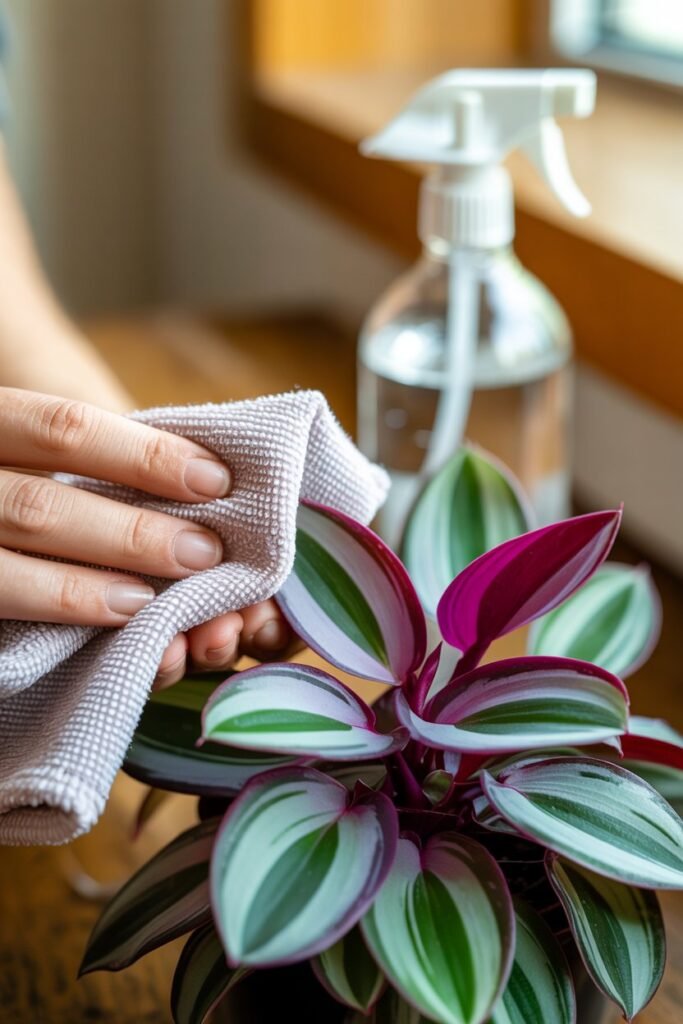
Although hardy, wandering jew can occasionally attract pests.
Common Issues
- Spider mites
- Aphids
What I Do
- Rinse leaves with water
- Apply mild insecticidal soap if needed
Healthy plants are far less likely to develop infestations.
Indoor vs Outdoor Growing
Indoors
- Easier to control conditions
- Great for decoration
Outdoors
- Faster growth
- More intense coloration
In warm climates, it can even spread as ground cover.
Creative Ways to Style Wandering Jew
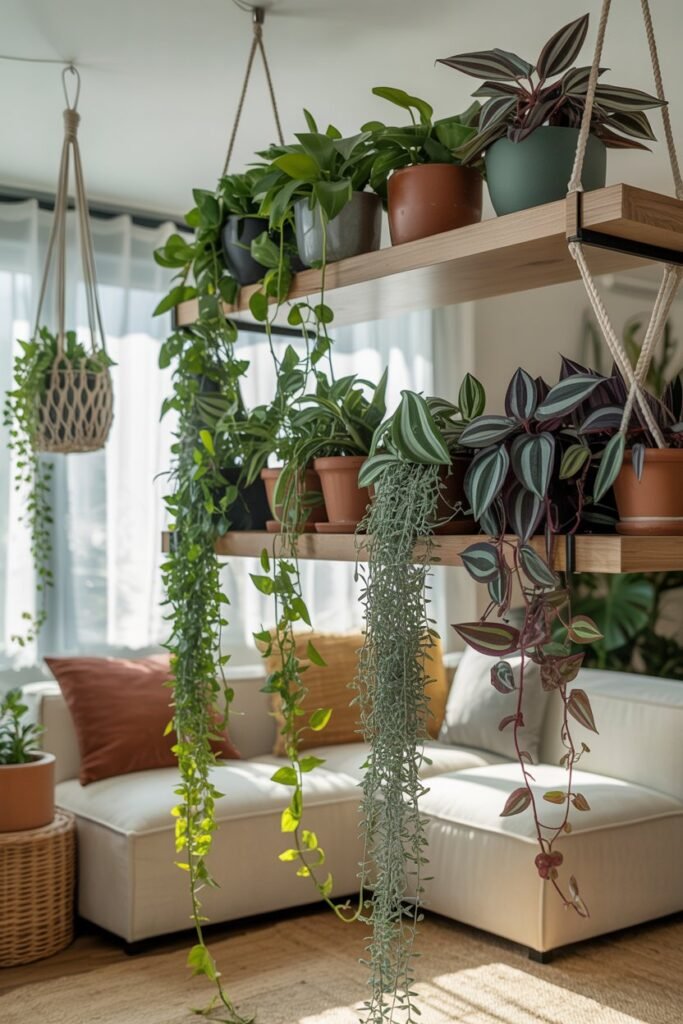
This plant isn’t just about growth it’s about beauty.
Styling Ideas
- Hanging near windows
- Trailing from shelves
- Mixed into container arrangements
I’ve found it pairs beautifully with upright plants, creating contrast and depth.
A Simple Start Guide (If You’re Beginning Today)
If I were starting from scratch again, here’s exactly what I’d do:
- Take a healthy cutting
- Root it in water or soil
- Place in bright, indirect light
- Water when soil feels slightly dry
- Prune regularly
- Propagate often
That’s all it takes.
Lessons I’ve Learned from Growing Wandering Jew
This plant teaches more than just gardening.
It teaches:
- Observation noticing how leaves respond to light
- Patience allowing roots to form naturally
- Generosity turning one plant into many
There’s something grounding about caring for a plant that grows so freely. It reminds you that growth doesn’t need to be forced it just needs the right conditions.
Final Thoughts
Wandering jew (Tradescantia) is one of those plants that quietly becomes part of your daily life. You trim it, water it, propagate it and before you know it, it’s everywhere, softening corners and brightening spaces.
It doesn’t demand perfection. It doesn’t punish small mistakes. It simply grows again and again so long as you meet it halfway.
And that’s what makes it special.
