
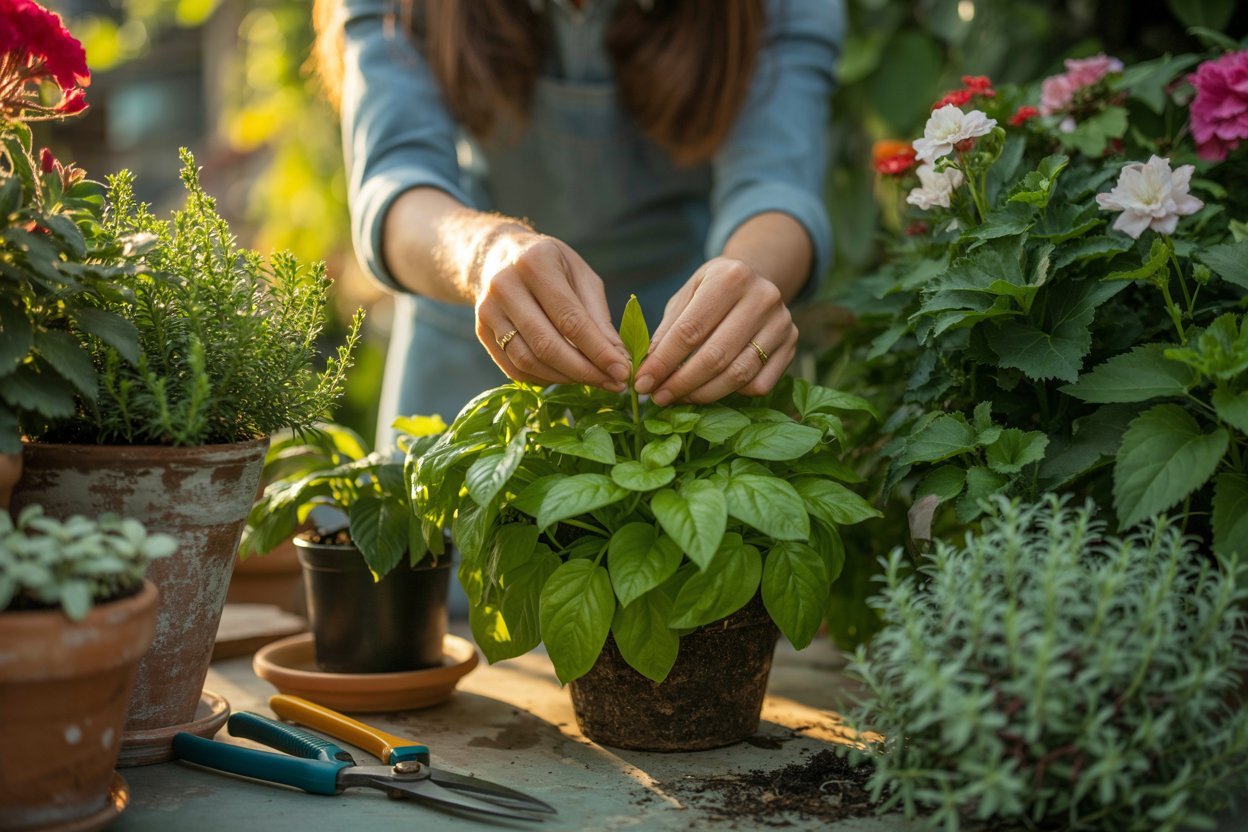

Have you ever looked at one of your plants and wished it looked fuller, healthier, and packed with lush leaves instead of a few long, leggy stems? I know I have!
The good news is that growing bushier plants isn’t about luck it’s all about giving them the right care at the right time.
Whether you’re growing houseplants, herbs, flowering favorites, or garden shrubs, a few simple techniques can completely transform the way they grow.
In this guide, I’ll walk you through the practical methods I personally rely on to encourage thicker, fuller growth so your plants can truly thrive.
Why Some Plants Become Leggy Instead of Bushy
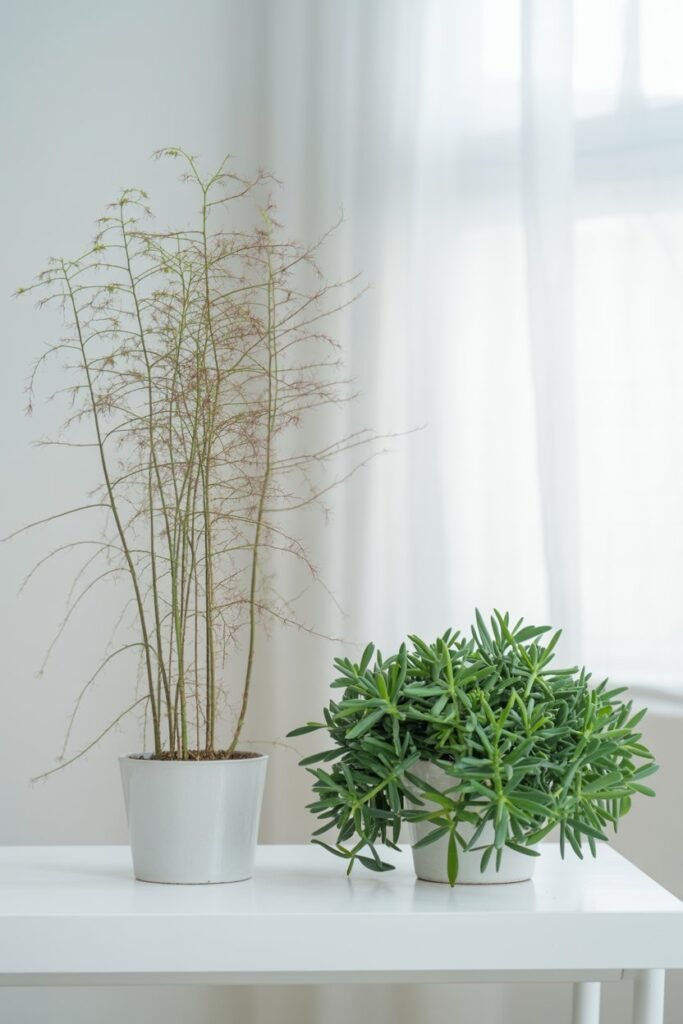
One of the most common questions I hear from new gardeners is, “Why is my plant growing tall but not full?” In most cases, the answer comes down to growing conditions rather than the plant itself.
Plants naturally grow toward light. When they don’t receive enough sunlight, they stretch their stems in search of a brighter spot. This creates long spaces between leaves, known as internodes, making the plant appear thin and sparse.
Other factors can also contribute to leggy growth, including:
- Insufficient sunlight
- Too much nitrogen fertilizer
- Infrequent pruning
- Overcrowded roots
- Poor airflow
- Inconsistent watering
- Growing during the wrong season
The encouraging part is that most of these issues are easy to correct. Once you improve your plant’s environment and encourage branching, you’ll usually notice fuller growth within a few weeks or months, depending on the plant.
What Makes a Plant Grow Bushier?
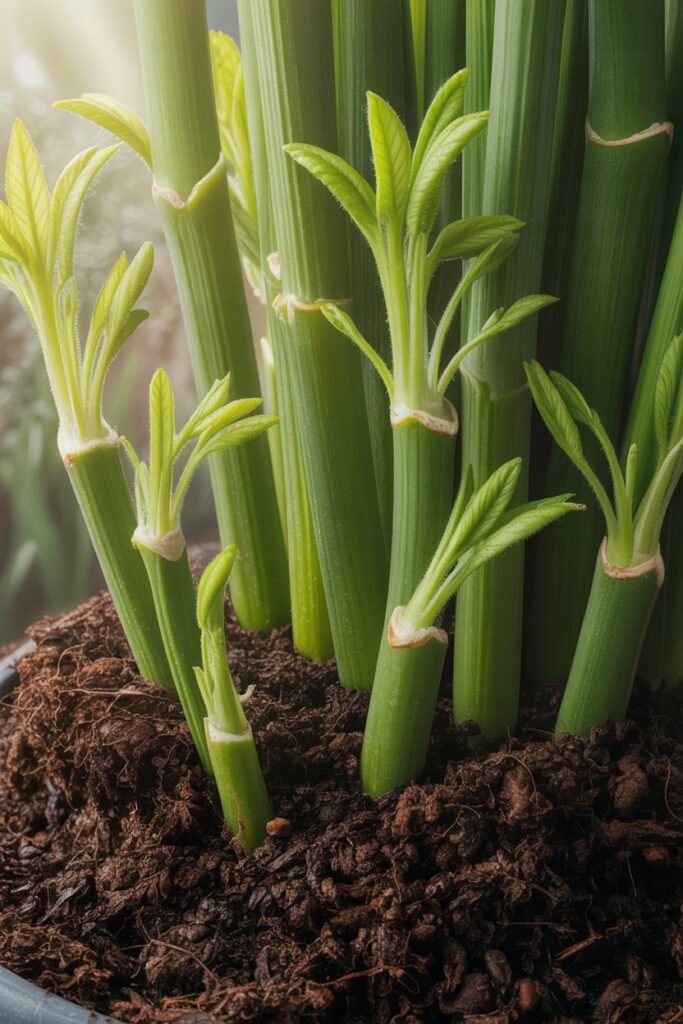
Bushy growth happens when a plant produces more side branches instead of putting all its energy into one tall main stem.
Most plants naturally focus on growing upward because of something called apical dominance.
The growing tip releases hormones that suppress the lower buds from developing. When you pinch or prune that top growth, those hormones are reduced, allowing side shoots to wake up and begin growing.
Think of it like redirecting traffic. Instead of all the energy moving to one destination, it gets distributed to multiple branches, creating a fuller, healthier-looking plant.
To encourage bushier growth, you’ll want to focus on:
- Regular pruning or pinching
- Bright, appropriate light
- Balanced nutrition
- Proper watering
- Healthy root development
- Good air circulation
- Consistent maintenance
The more consistently you provide these conditions, the more your plants will reward you with dense, lush growth.
1. Pinch Back the Growing Tips
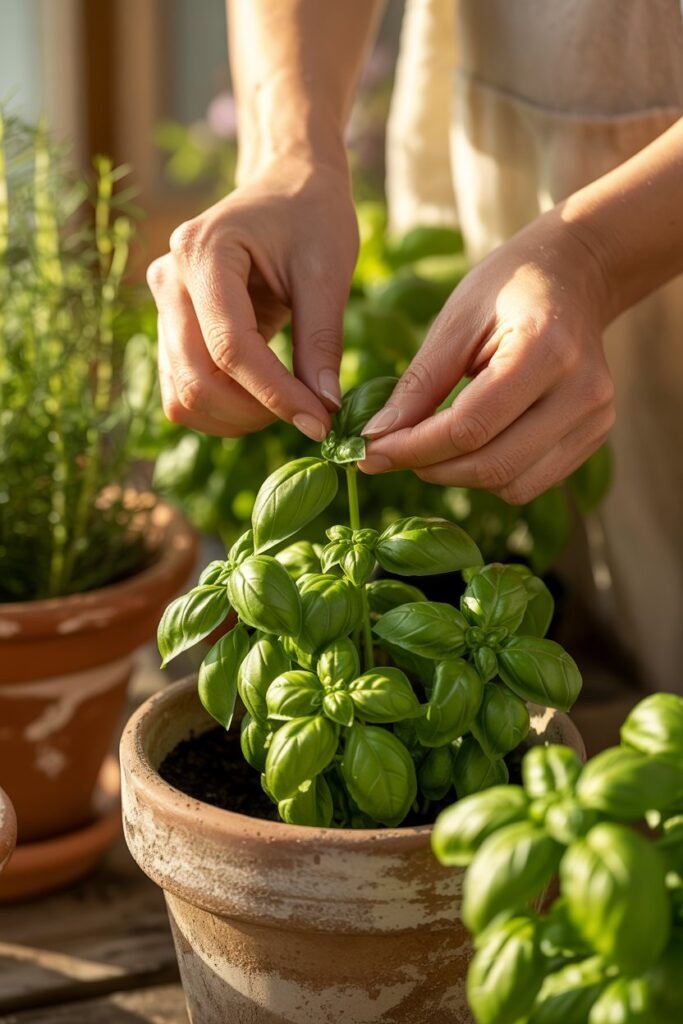
If I could recommend just one trick for making almost any plant bushier, it would be pinching back the growing tips.
Pinching simply means removing the soft new growth at the end of a stem using your fingers or clean pruning snips. This encourages the plant to stop growing upward for a while and instead send out multiple side branches.
It’s especially effective for:
- Basil
- Mint
- Coleus
- Petunias
- Fuchsias
- Pothos
- Philodendrons
- Young pepper plants
How to do it:
- Find the newest growing tip.
- Locate a pair of healthy leaves beneath it.
- Pinch or snip just above those leaves.
- Wait for new shoots to emerge from the leaf nodes.
Within a few weeks, you’ll usually notice two or more new stems growing where there was once only one.
For the best results, pinch plants while they’re actively growing during spring and summer rather than during winter dormancy.
2. Prune Regularly and Correctly
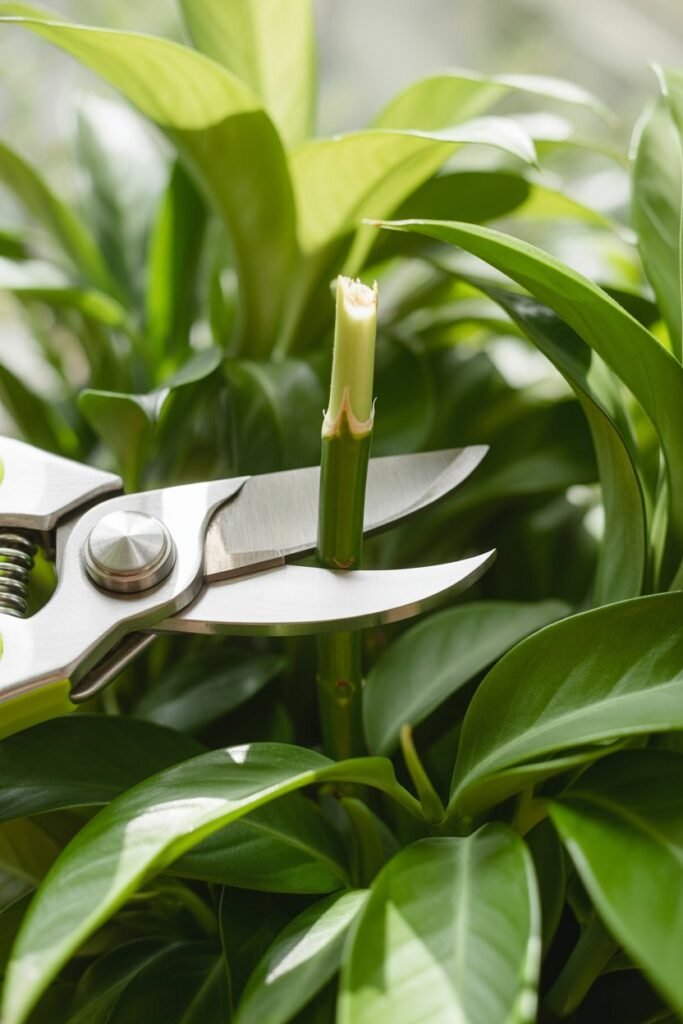
Pruning goes beyond simply removing damaged branches it’s one of the best ways to shape a fuller, stronger plant.
When you prune strategically, you encourage dormant buds along the stem to produce fresh side shoots. Over time, this creates a much denser plant with better structure.
When pruning:
- Always use clean, sharp pruners.
- Cut just above a healthy leaf node.
- Remove weak, crossing, or damaged stems.
- Never remove more than one-third of the plant at one time.
For flowering plants, check whether they bloom on old wood or new wood before pruning. Cutting at the wrong time could reduce the next season’s flowers.
Regular light pruning every few weeks often produces much better results than one heavy pruning session once a year.
3. Give Your Plant Enough Sunlight
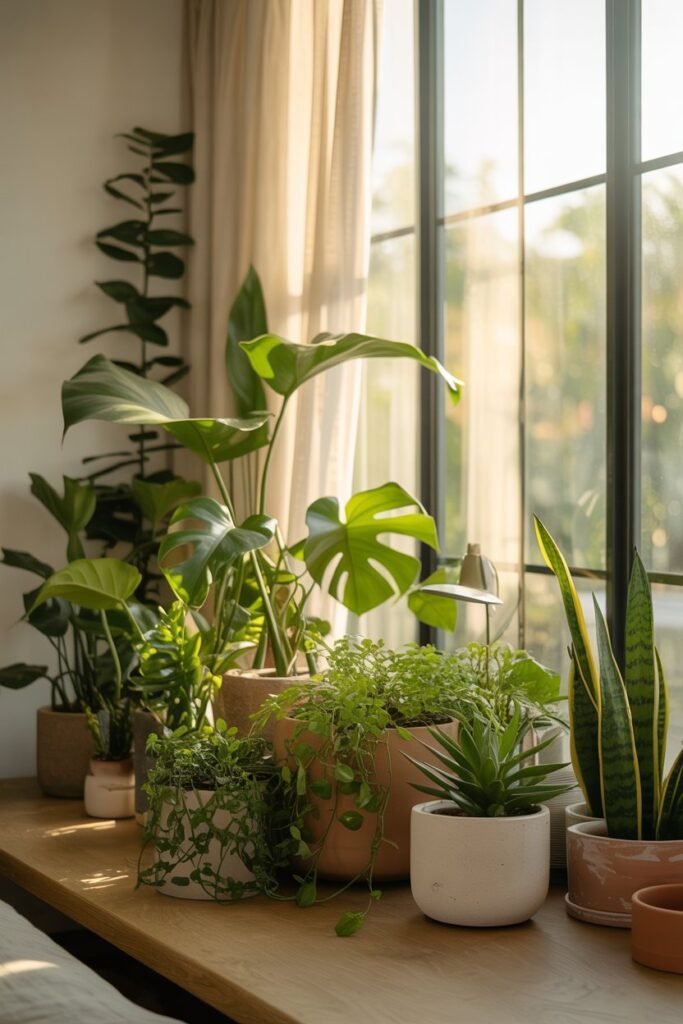
Light is one of the biggest factors in whether a plant grows full and bushy or tall and spindly. Even if you’re watering and fertilizing perfectly, your plant won’t become dense if it isn’t getting enough light.
When a plant is placed in a spot that’s too dark, it stretches toward the nearest light source. This process, called stretching or becoming “leggy,” results in long stems with fewer leaves. Over time, the plant can become weak and uneven.
To encourage bushier growth:
- Place sun-loving plants where they receive at least 6–8 hours of direct sunlight each day.
- Bright indirect light is ideal for many tropical houseplants.
- Rotate indoor plants every week so all sides receive even light.
- Move plants closer to a bright window if you notice long, sparse growth.
- Consider using grow lights during winter or in darker rooms.
Keep an eye on your plant’s leaves too. Pale leaves, long stems, and wide gaps between leaves are all signs that it may need more light.
Remember that every plant has different light needs, so always match the lighting conditions to the type of plant you’re growing.
4. Feed with the Right Fertilizer
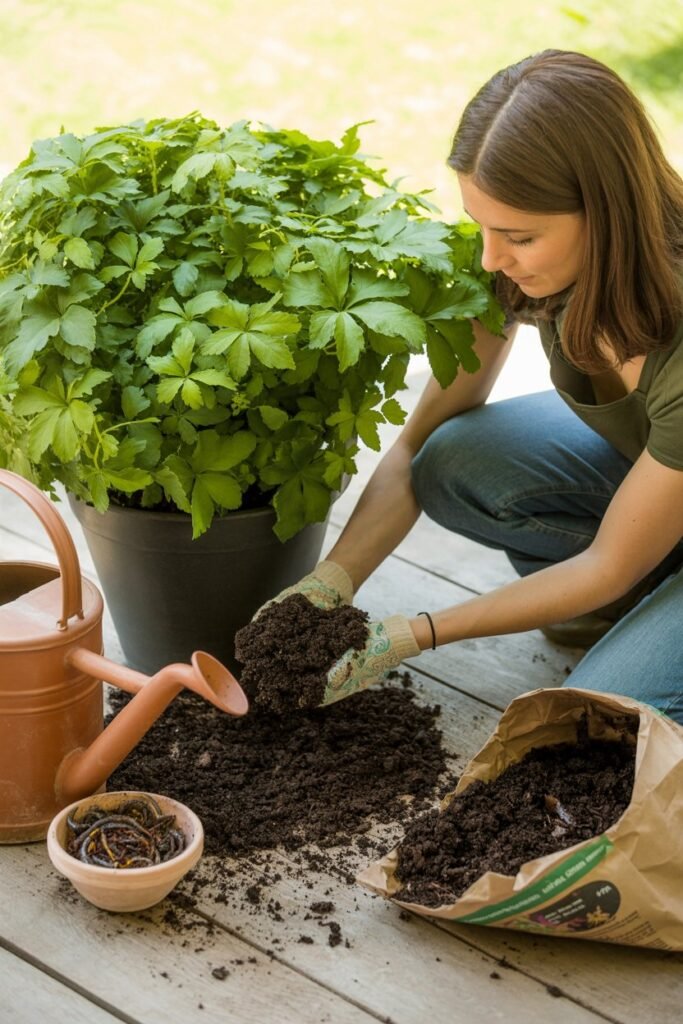
A healthy, well-fed plant has more energy to produce new branches and lush foliage. But feeding isn’t about giving as much fertilizer as possible it’s about giving the right nutrients in the right amounts.
Nitrogen encourages leafy growth, phosphorus supports roots and flowers, and potassium helps improve overall plant strength. A balanced fertilizer often provides the best results for encouraging bushier growth.
For most plants:
- Feed during the active growing season.
- Follow the recommended application rate on the label.
- Water the soil before applying fertilizer if using a concentrated product.
- Avoid fertilizing dormant plants during winter.
Be careful not to overfeed. Too much fertilizer, especially high-nitrogen formulas, can cause plants to grow very quickly with soft, weak stems. Excess fertilizer may also burn the roots and slow healthy development.
Organic fertilizers like compost, worm castings, fish emulsion, or seaweed extract provide nutrients gradually and also improve soil health over time.
A steady feeding routine is far more beneficial than occasional heavy applications.
5. Water Consistently Without Overwatering
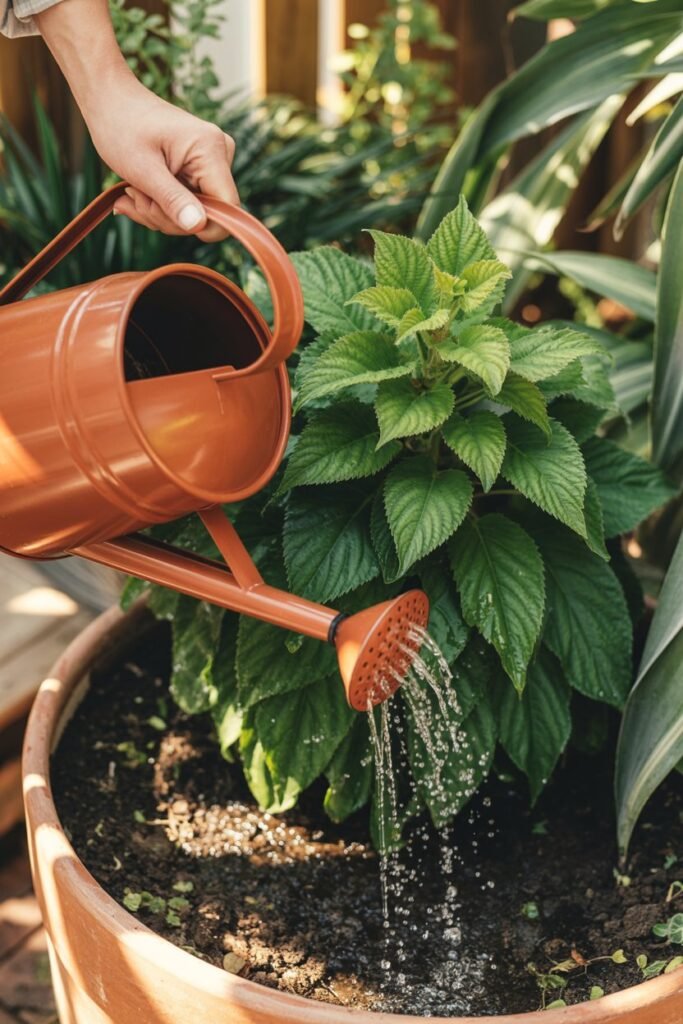
Watering may seem simple, but it’s one of the easiest ways to either help or harm your plant’s growth.
Plants need moisture to produce fresh stems and leaves, but constantly soggy soil deprives the roots of oxygen. Weak roots struggle to support vigorous, bushy growth.
Instead of watering on a fixed schedule, check the soil first.
A few helpful habits include:
- Stick your finger about an inch into the soil.
- Water when the top layer feels dry (unless your plant prefers consistently moist soil).
- Water deeply so moisture reaches the entire root system.
- Empty saucers beneath pots after watering.
- Always use containers with drainage holes.
On the other hand, allowing the soil to become bone dry too often can also slow branching and stunt new growth.
Consistent moisture helps plants grow at a steady pace, making it easier for them to develop thick, healthy foliage.
6. Repot When the Roots Become Crowded
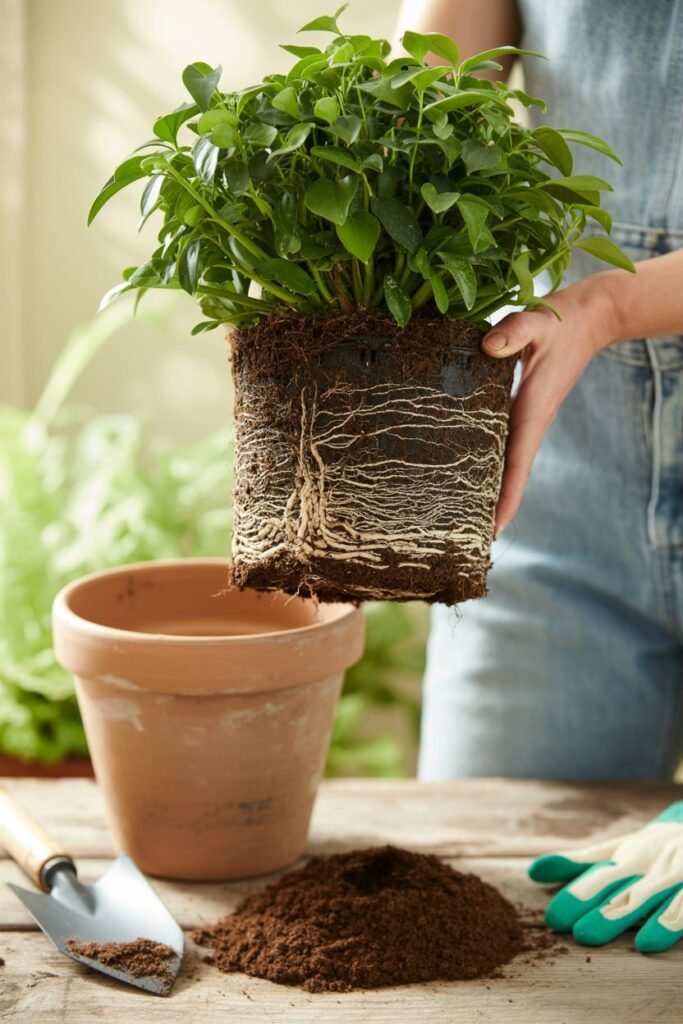
Sometimes the reason a plant isn’t becoming bushier has nothing to do with its leaves it’s happening below the soil.
When roots completely fill a pot, they begin circling around each other. This limits the plant’s ability to absorb water and nutrients, leaving less energy for producing new branches.
Signs your plant may be root-bound include:
- Roots growing through drainage holes.
- Water running straight through the pot.
- Soil drying out very quickly.
- Slow or stalled growth.
- Smaller new leaves.
When repotting, choose a container that’s only one or two inches wider than the current pot. A pot that’s too large can hold excess moisture, increasing the risk of root rot.
Use fresh, high-quality potting mix and gently loosen any tightly wound roots before placing the plant in its new home.
Many plants respond with a noticeable flush of fresh growth once their roots have more space.
7. Rotate Indoor Plants Regularly

Have you ever noticed your houseplant leaning dramatically toward a window? That’s perfectly natural, but it can make the plant look uneven and sparse.
Rotating your plant every week or two helps all sides receive similar amounts of light. As a result, new growth develops more evenly, creating a balanced and fuller appearance.
This simple habit is especially helpful for:
- Pothos
- Snake plants
- Philodendrons
- Rubber plants
- Peace lilies
- Spider plants
- Monsteras
Turning the pot just a quarter turn each time is usually enough.
It’s a small task that takes only a few seconds, yet it can make a remarkable difference in your plant’s overall shape over the course of a growing season.
8. Harvest Herbs Frequently
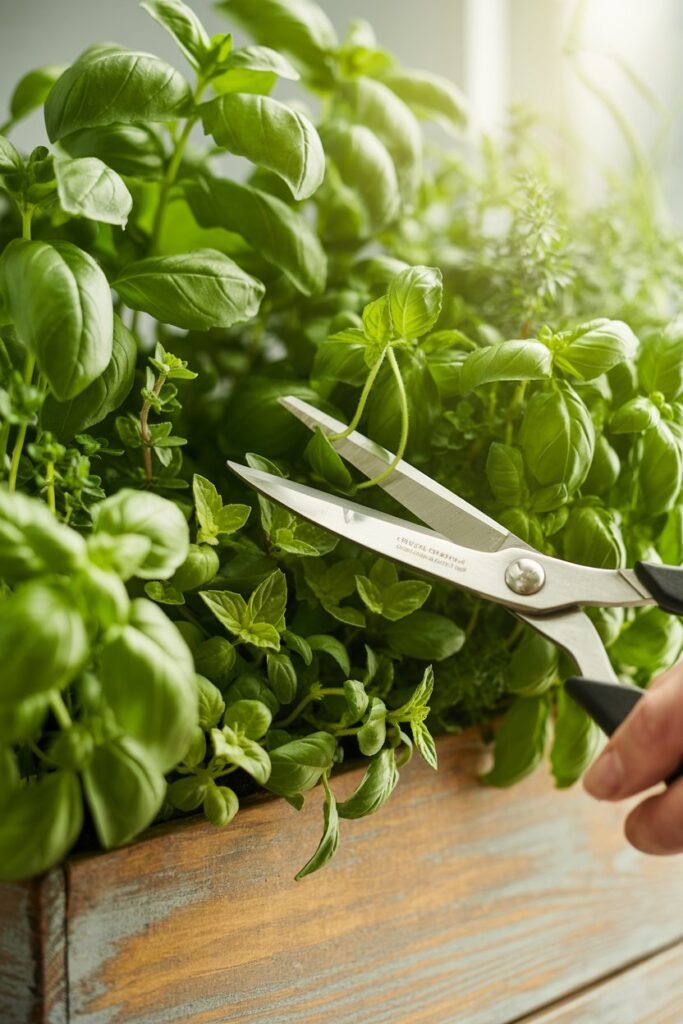
If you’re growing herbs, regular harvesting is actually one of the best ways to make them bushier.
Instead of removing leaves one at a time, trim stems just above a pair of healthy leaves. Each cut encourages the plant to produce multiple new shoots, leading to a thicker, more productive plant.
This works wonderfully for herbs such as:
- Basil
- Mint
- Oregano
- Thyme
- Lemon balm
- Sage
Avoid harvesting more than one-third of the plant at a time, especially if it’s still young.
Frequent, gentle harvesting not only keeps herbs compact but also provides you with a continuous supply of fresh leaves for cooking while encouraging even more growth.
9. Choose the Right Growing Season for Pruning
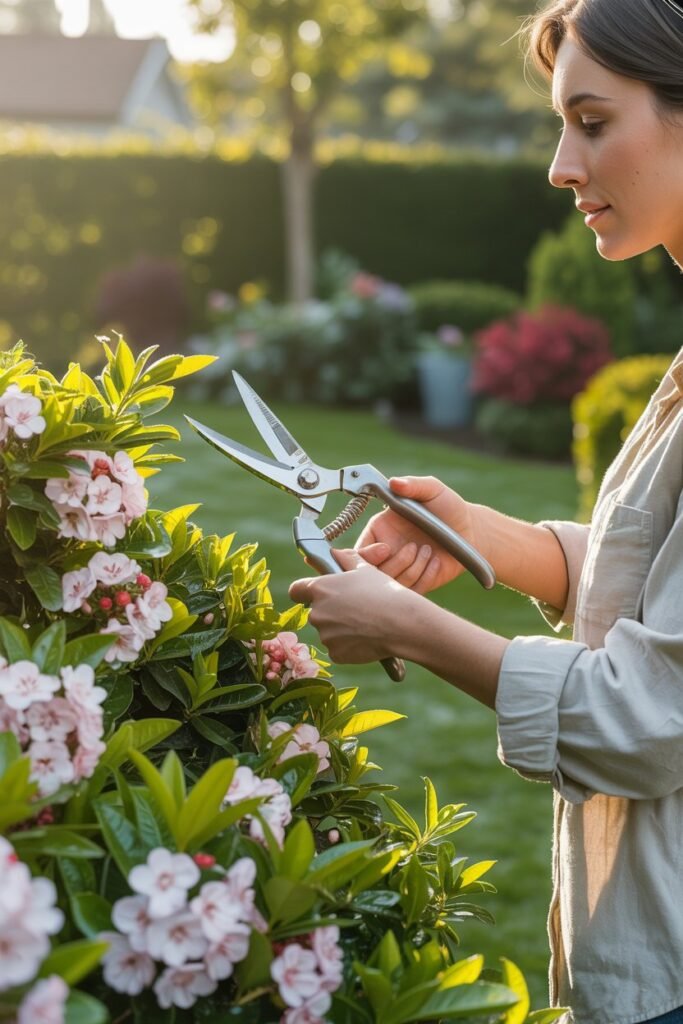
Timing can make all the difference when you’re trying to encourage bushier growth. While pruning is beneficial, doing it during the wrong season can slow recovery or reduce flowering on certain plants.
For most plants, the best time to prune is during their active growing season, usually spring through early summer. At this time, plants have plenty of energy to produce fresh shoots and quickly fill out with new growth.
As a general guide:
- Spring: Ideal for most houseplants, shrubs, herbs, and perennials.
- Early Summer: Great for shaping fast-growing plants after their first flush of growth.
- Late Summer: Light trimming is usually fine, but avoid heavy pruning that encourages tender new growth before cold weather.
- Fall and Winter: Avoid major pruning unless you’re removing dead or damaged stems or pruning a plant that requires winter pruning.
Always research flowering shrubs before pruning. Some bloom on old wood, while others bloom on new wood. Pruning at the wrong time may remove next season’s flower buds.
Pruning when your plant is naturally ready to grow gives it the best chance to produce thick, healthy branches instead of struggling to recover.
10. Remove Dead or Weak Growth
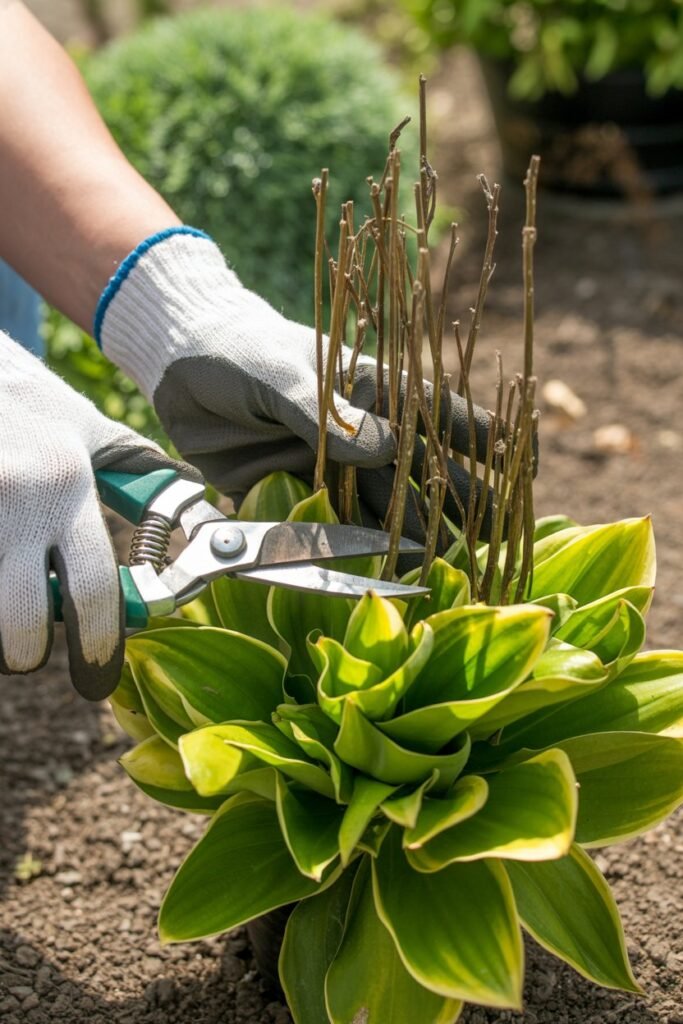
Dead, damaged, or weak stems don’t just make a plant look untidy they also use energy that could be directed toward healthy new growth.
I make it a habit to inspect my plants every couple of weeks. A quick cleanup often makes a noticeable difference in both appearance and overall health.
Look for:
- Brown or dried stems
- Yellowing leaves
- Broken branches
- Diseased growth
- Thin, weak shoots
- Branches rubbing against each other
Use clean, sharp pruning shears and make your cuts just above a healthy node or branch junction.
Removing unhealthy growth improves airflow, reduces the chance of pests and diseases, and encourages the plant to invest its energy in producing stronger, fuller stems.
Think of it as giving your plant a fresh start. The healthier the remaining growth, the more vigorous the new branching will be.
11. Improve Air Circulation Around Your Plants
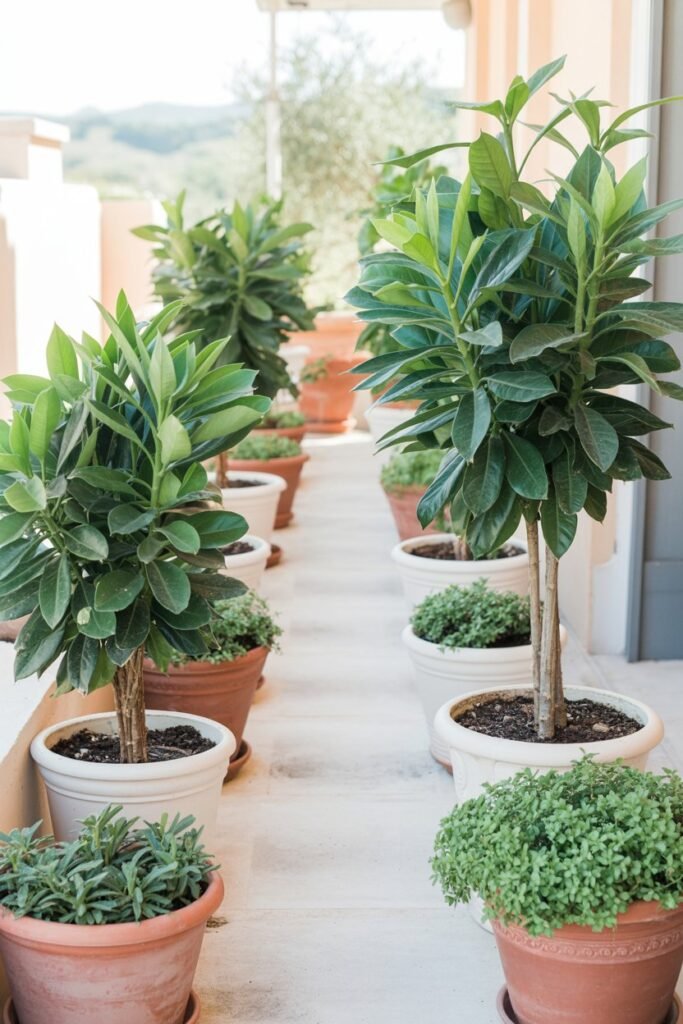
Good airflow is often overlooked, but it’s an important part of growing healthy, bushy plants.
When plants are packed too closely together, humidity builds up around the leaves. This creates ideal conditions for fungal diseases and pests, while also limiting light from reaching lower stems.
To improve air circulation:
- Leave enough space between plants.
- Thin out overcrowded stems when necessary.
- Avoid pushing pots tightly against each other.
- Use a small fan indoors if airflow is poor.
- Remove fallen leaves and garden debris around the base of plants.
Better airflow helps leaves dry more quickly after watering, reduces disease problems, and allows sunlight to reach more parts of the plant.
Healthy stems exposed to good light and fresh air are much more likely to produce vigorous side branches.
12. Be Patient and Stay Consistent
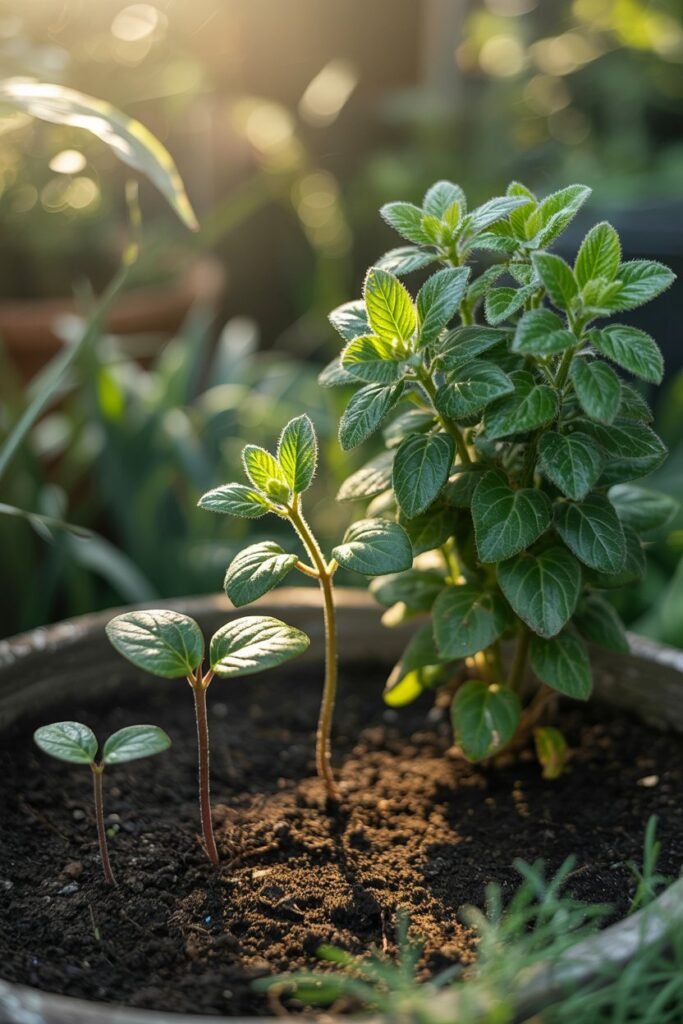
One of the biggest gardening lessons I’ve learned is that bushier plants don’t happen overnight.
After pinching, pruning, or repotting, it’s normal for your plant to take a little time before showing noticeable changes.
Some fast-growing herbs may respond within a couple of weeks, while slower-growing houseplants and shrubs may need several months.
Instead of looking for instant results, focus on giving your plants consistent care.
Keep up with:
- Proper lighting
- Regular watering
- Occasional feeding
- Seasonal pruning
- Pest checks
- Cleaning away dead leaves
Small improvements made consistently will always produce better long-term results than dramatic changes made all at once.
Gardening is a journey, and watching your plants gradually become fuller and healthier is one of the most rewarding parts of it.
Common Mistakes That Prevent Bushy Growth
Even experienced gardeners make mistakes from time to time. Fortunately, most of these problems are easy to fix once you know what to look for.
Here are some of the most common reasons plants stay thin and leggy:
Not Providing Enough Light
Without sufficient light, plants stretch instead of branching. Always match your plant’s light requirements and move it to a brighter location if needed.
Overwatering
Constantly wet soil weakens roots and slows healthy growth. Let the soil dry slightly between waterings when appropriate for your plant.
Never Pruning
Plants left untouched often continue growing upward with very little side branching. Regular pinching and pruning encourage fuller growth.
Overfertilizing
Too much fertilizer can produce soft, weak stems that flop over instead of becoming sturdy and compact.
Using Dirty Pruning Tools
Unclean tools can spread diseases from one plant to another. Always disinfect pruning shears before and after use.
Ignoring Pests
Aphids, spider mites, mealybugs, and other pests feed on new growth, reducing a plant’s ability to produce healthy branches. Check your plants regularly and deal with infestations early.
Choosing the Wrong Pot Size
A pot that’s too small restricts root growth, while one that’s much too large can stay wet for too long. Choose a container that’s only slightly larger than the current one.
Avoiding these common mistakes can dramatically improve your chances of growing dense, vibrant plants.
Plants That Naturally Respond Well to Bushier Growth Techniques
While almost any plant can benefit from proper care, some respond especially well to pinching and pruning.
Here are a few favorites:
Herbs
- Basil
- Mint
- Oregano
- Thyme
- Sage
- Lemon balm
Houseplants
- Pothos
- Philodendron
- Coleus
- Tradescantia
- Polka dot plant
- Swedish ivy
Flowering Plants
- Petunias
- Geraniums
- Marigolds
- Zinnias
- Fuchsias
- Chrysanthemums
Garden Shrubs
- Boxwood
- Hydrangeas (prune according to variety)
- Spirea
- Butterfly bush
- Lavender
These plants usually respond with multiple new branches after being pinched or pruned correctly, making them excellent choices if you’re aiming for a lush, full garden.
Frequently Asked Questions
How long does it take for a plant to become bushier?
It depends on the plant. Fast-growing herbs may produce new branches within two to four weeks, while larger houseplants or shrubs may take several months to show significant changes.
Can every plant be pinched back?
Not all plants respond the same way. Many herbs, annual flowers, and tropical houseplants benefit from pinching, but some plants, such as palms, have a single growing point and should not be pinched or heavily pruned.
Does pruning hurt the plant?
Healthy pruning does not harm a plant when done correctly. In fact, it often improves growth, encourages branching, and helps remove weak or diseased stems.
Should I fertilize immediately after pruning?
It’s usually best to wait about a week before fertilizing, especially if you’ve done heavy pruning. This gives the plant time to recover before encouraging new growth.
Can indoor plants become bushier too?
Absolutely. Houseplants often become much fuller when given enough bright light, regular pinching, occasional pruning, and proper watering.
Final Thoughts
One of the things I love most about gardening is seeing how a few simple habits can completely transform a plant.
If you’ve been wishing for fuller herbs, lush houseplants, or shrubs with thicker growth, the secret isn’t complicated it’s consistency. A little pruning here, a pinch there, plenty of light, and the right care can make a world of difference over time.
Don’t feel like you have to try every technique at once. Start with one or two that fit your plant’s needs, then watch how it responds.
Before long, you’ll notice stronger stems, more side branches, and a healthier, bushier plant that looks like it’s thriving. Happy gardening!
