
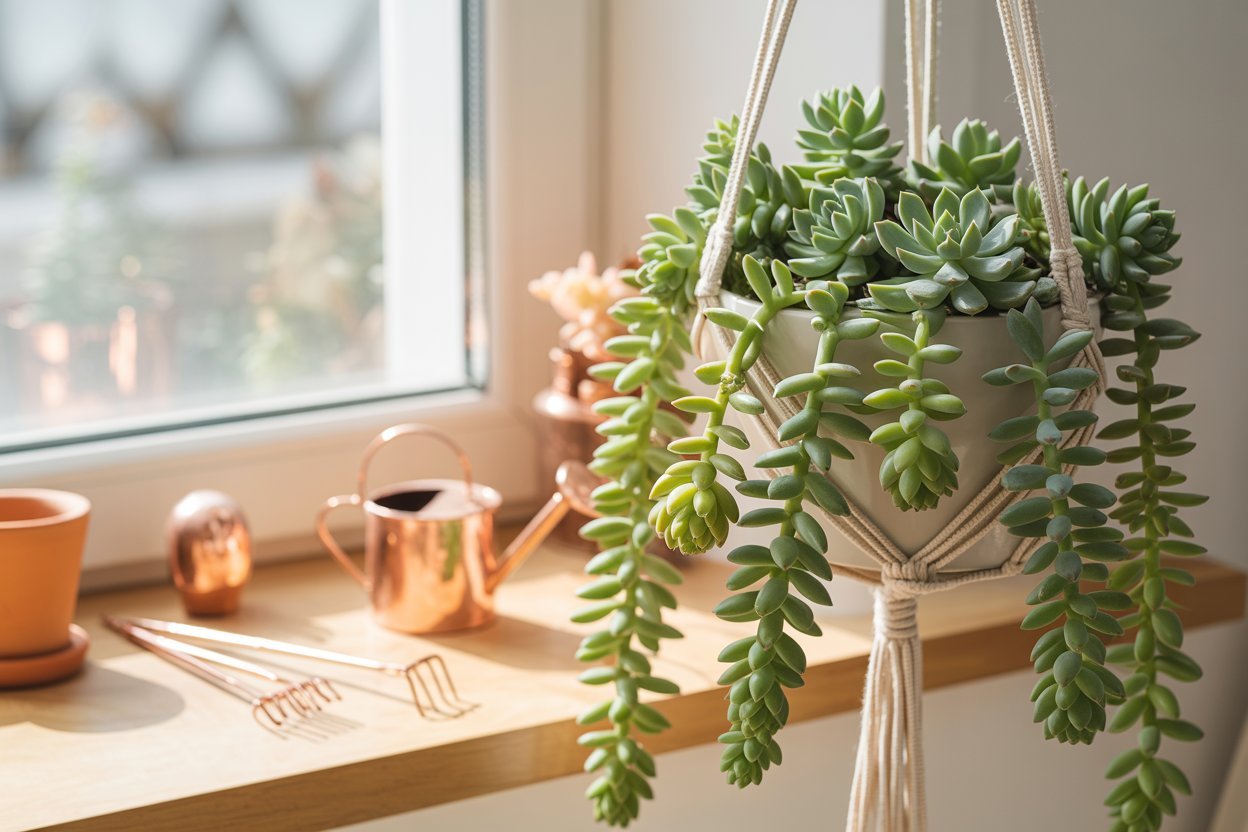

Soft trailing vines, tiny leaves shaped like jumping dolphins, and a playful look that instantly catches attention the dolphin plant is one of those houseplants that makes indoor gardening feel magical.
If you already own one, it’s completely natural to want more of them around your home. The good news is that propagating a dolphin plant is much easier than many people think once you understand what this unique succulent needs to thrive.
This guide walks you through the easiest propagation methods that truly work, even if you are still new to plant care.
From stem cuttings and water propagation to soil rooting tips and aftercare, you’ll learn exactly how to grow healthy new dolphin plants without frustration.
By the end, you’ll feel confident enough to multiply your plant collection and keep your dolphin plant lush, full, and thriving all year long.
What Is a Dolphin Plant?
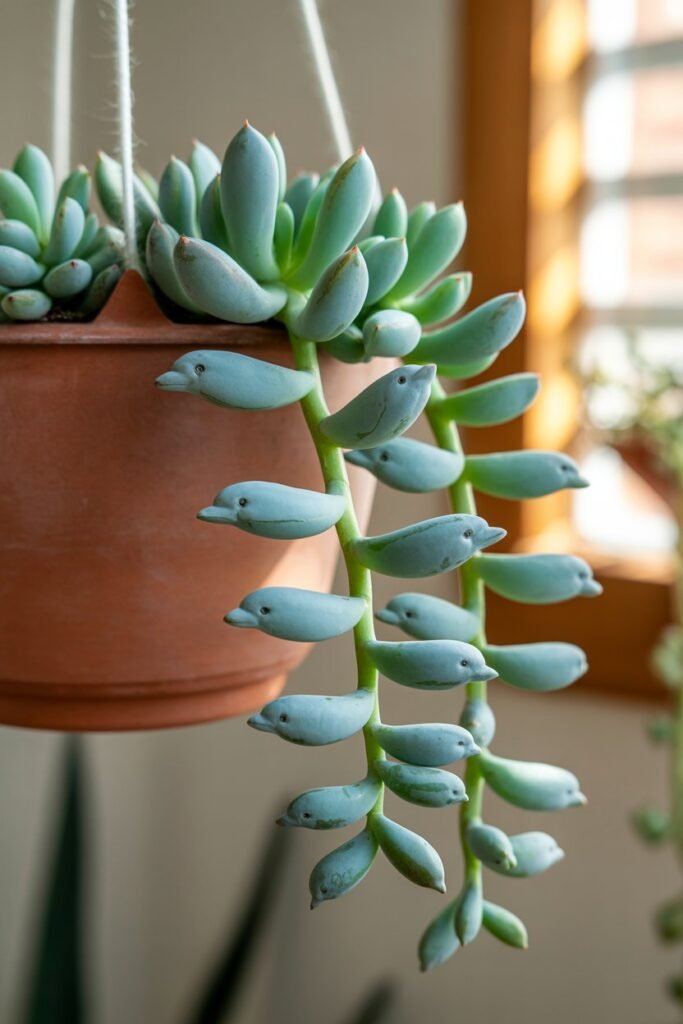
The dolphin plant, commonly known as String of Dolphins, is a beautiful trailing succulent admired for its curved leaves that resemble tiny dolphins leaping through the water.
Its botanical name is Senecio peregrinus, and it belongs to the same family as String of Pearls and String of Bananas. Because of its cascading growth habit, it looks stunning in hanging baskets, shelves, and decorative pots.
The plant thrives in bright indirect sunlight and prefers dry conditions, making it a relatively low-maintenance houseplant. However, propagation can sometimes feel tricky because succulent cuttings are sensitive to overwatering and rot.
Once you understand the right techniques, though, propagating this plant becomes surprisingly simple.
Why Propagate Your Dolphin Plant?
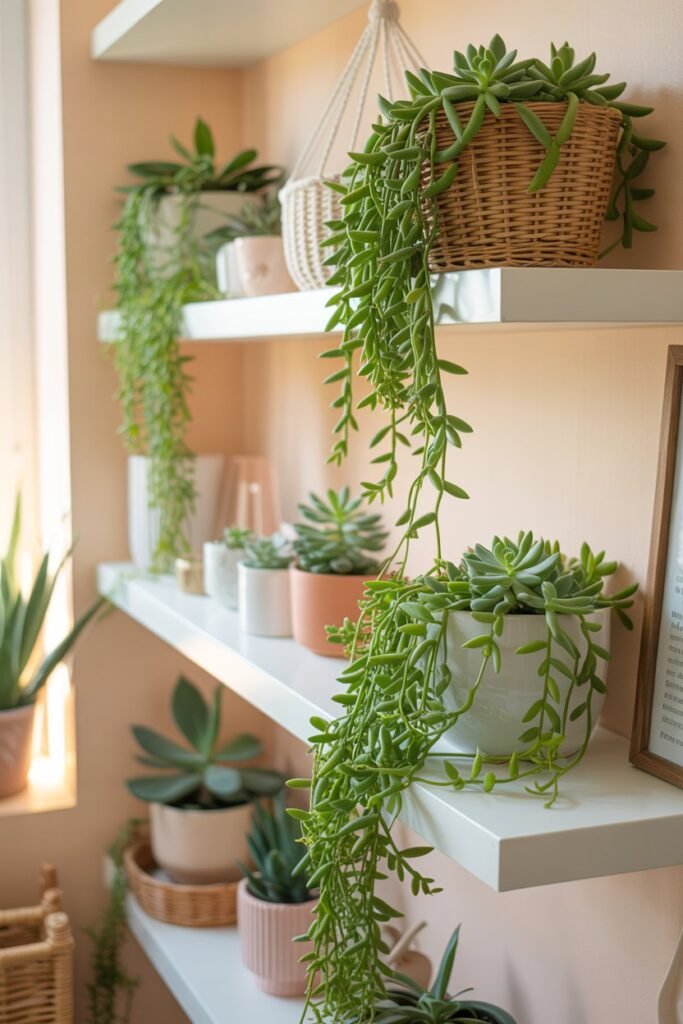
Propagation is not only a fun gardening project, but it also helps improve the health and appearance of your original plant.
Here are a few wonderful reasons to propagate your dolphin plant:
- Create fuller pots
- Save leggy or unhealthy vines
- Share plants with friends and family
- Grow backup plants in case one struggles
- Expand your indoor plant collection affordably
Many gardeners also notice that trimming and propagating encourages the mother plant to grow thicker and bushier over time.
Best Time to Propagate a Dolphin Plant
Timing matters more than many people realize.
The best seasons for propagation are:
- Spring
- Early summer
During these warmer months, the plant actively grows roots and new foliage faster.
Avoid propagating during:
- Winter
- Late fall
- Extremely cold weather periods
Cold temperatures slow root development and increase the chances of stem rot.
If you live in a warm climate and keep your plant indoors with stable temperatures, you may still have success year-round, but spring remains ideal.
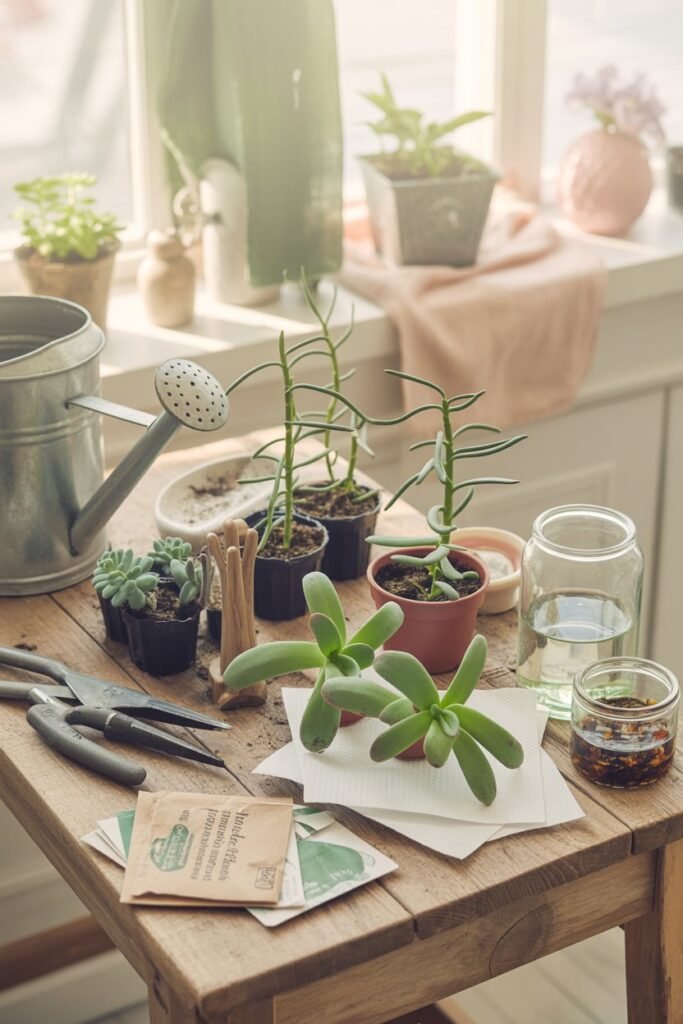
Supplies You’ll Need Before You Start
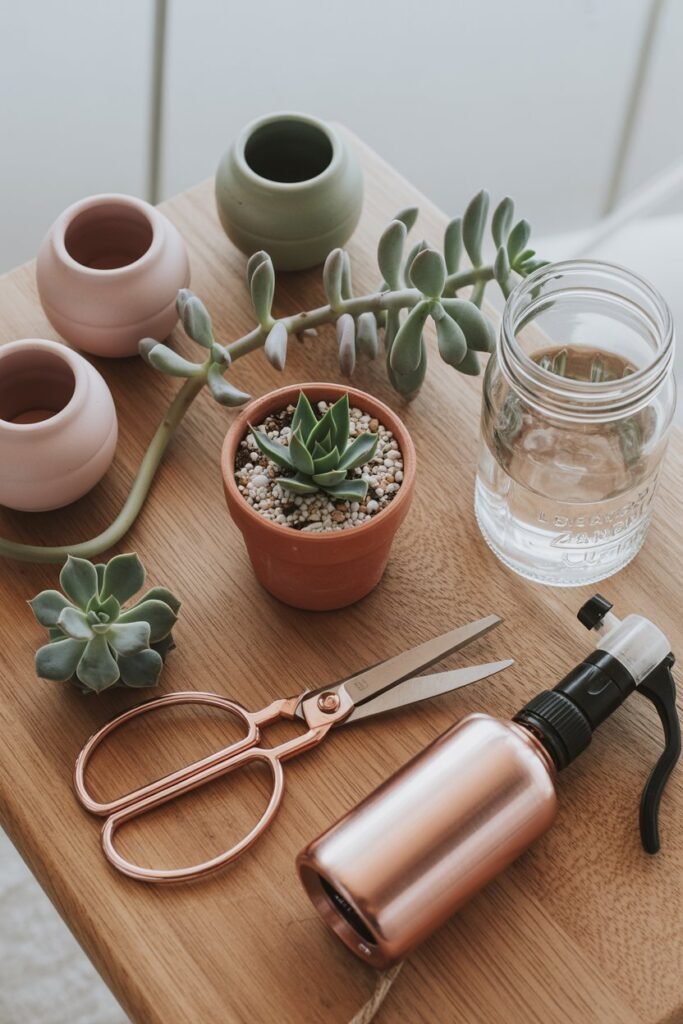
Having everything prepared beforehand makes the process smoother and less stressful for both you and the plant.
Essential Supplies
- Clean scissors or pruning shears
- Small nursery pots or containers
- Well-draining succulent soil
- Perlite or pumice
- Water spray bottle
- Healthy dolphin plant cuttings
- Optional rooting hormone
- Small glass jar (for water propagation)
Understanding the Best Propagation Method
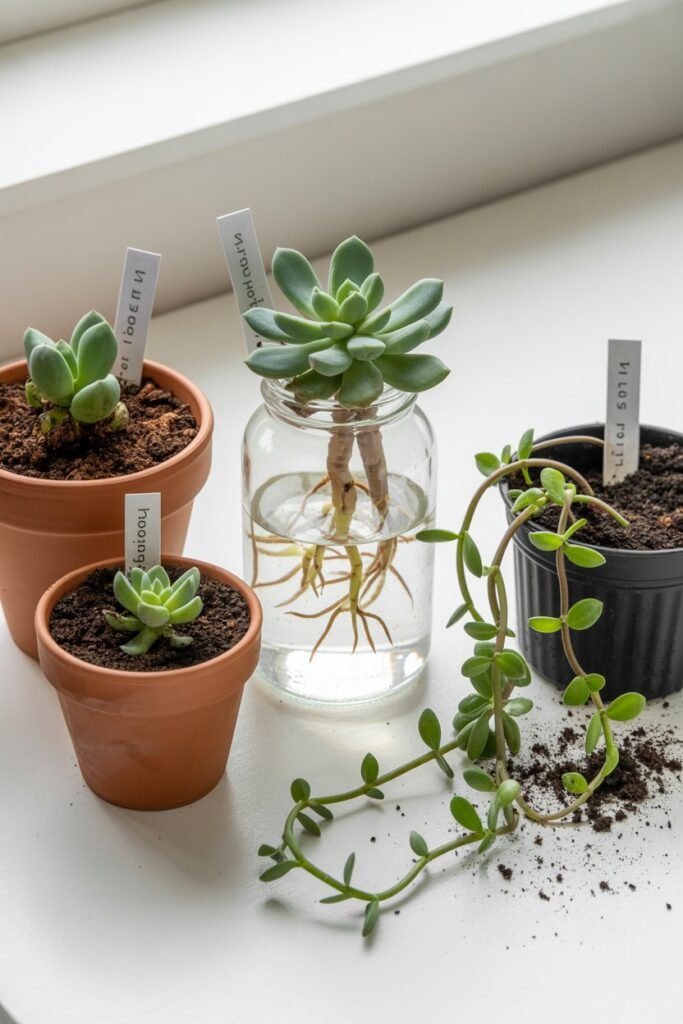
Dolphin plants can technically be propagated in several ways, but some methods are much more reliable than others.
Most Effective Methods
- Stem cuttings in soil
- Stem cuttings in water
- Vine layering
Least Reliable Method
- Leaf propagation
Unlike some succulents, dolphin plant leaves usually do not propagate successfully on their own.
Stem cuttings provide the fastest and healthiest results.
How to Choose Healthy Cuttings
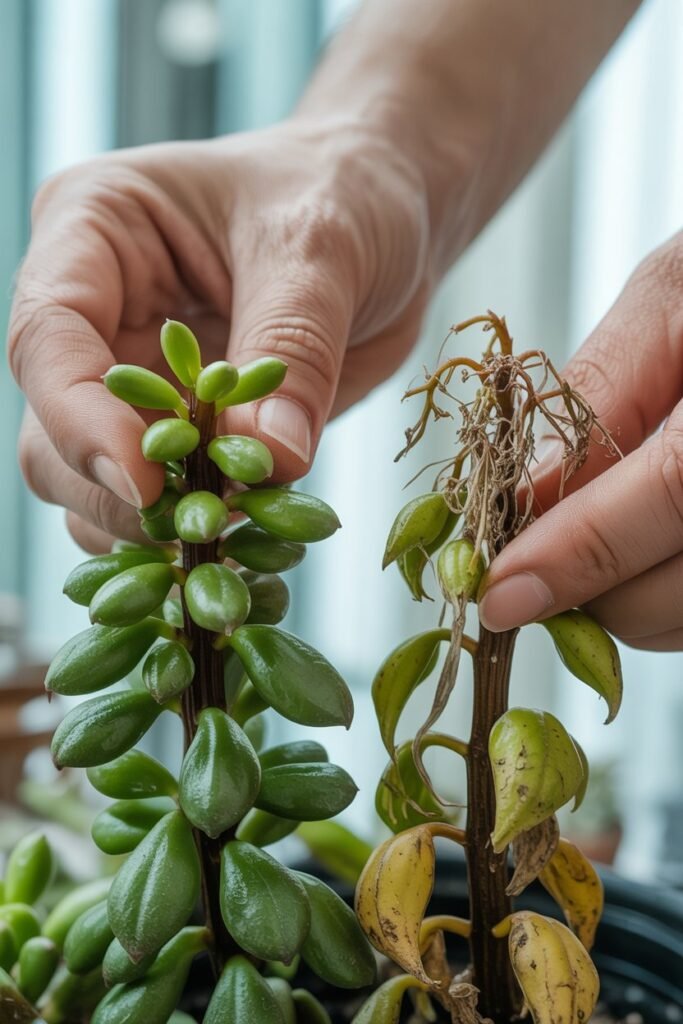
The quality of your cuttings can determine whether propagation succeeds or fails.
Look for These Signs
Choose vines that are:
- Healthy green
- Firm and plump
- Free from pests
- Not mushy or yellow
- At least 3–5 inches long
Avoid stems that look:
- Wilted
- Blackened
- Extremely thin
- Rotting
- Severely dehydrated
Healthy cuttings root much faster and produce stronger plants.
How to Take Dolphin Plant Cuttings Properly
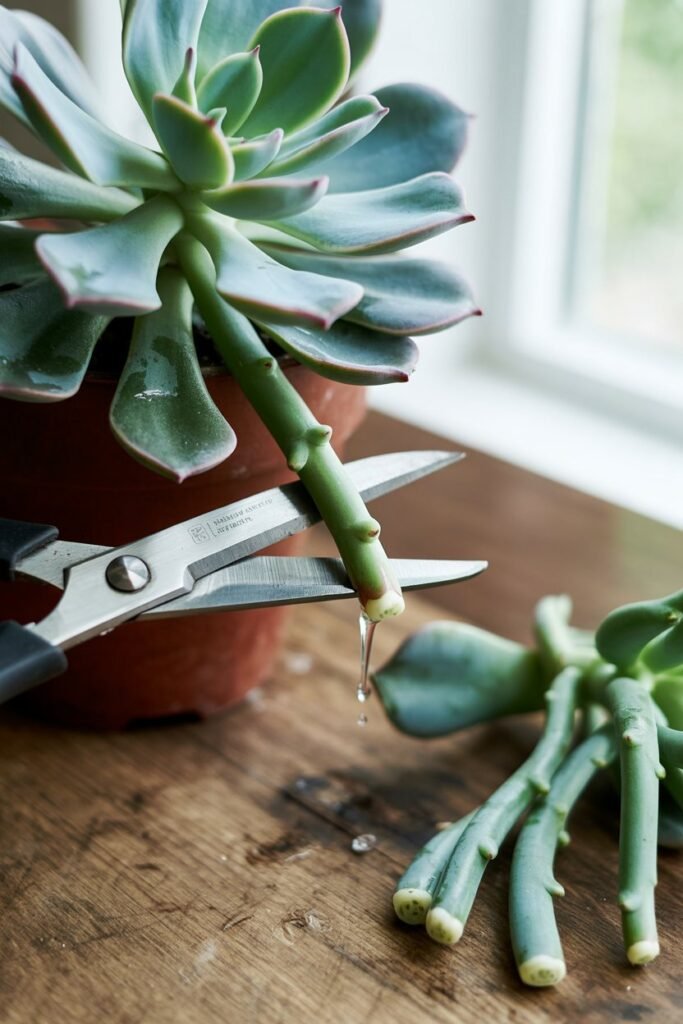
Proper cutting technique helps prevent disease and encourages quicker rooting.
Step-by-Step Instructions
Step 1: Sanitize Your Scissors
Always clean your scissors with rubbing alcohol before cutting.
This prevents bacteria and fungal infections from spreading.
Step 2: Cut Below a Leaf Node
A leaf node is the area where leaves emerge from the stem.
Cut slightly below the node because roots will grow from this section.
Step 3: Remove Lower Leaves
Carefully remove leaves near the bottom 1–2 inches of the stem.
This gives room for roots to develop.
Step 4: Allow Cuttings to Callous
Lay the cuttings aside for several hours or overnight.
This step is extremely important for succulents because it helps seal the cut area and reduces rot risk.
Method 1: How to Propagate a Dolphin Plant in Soil
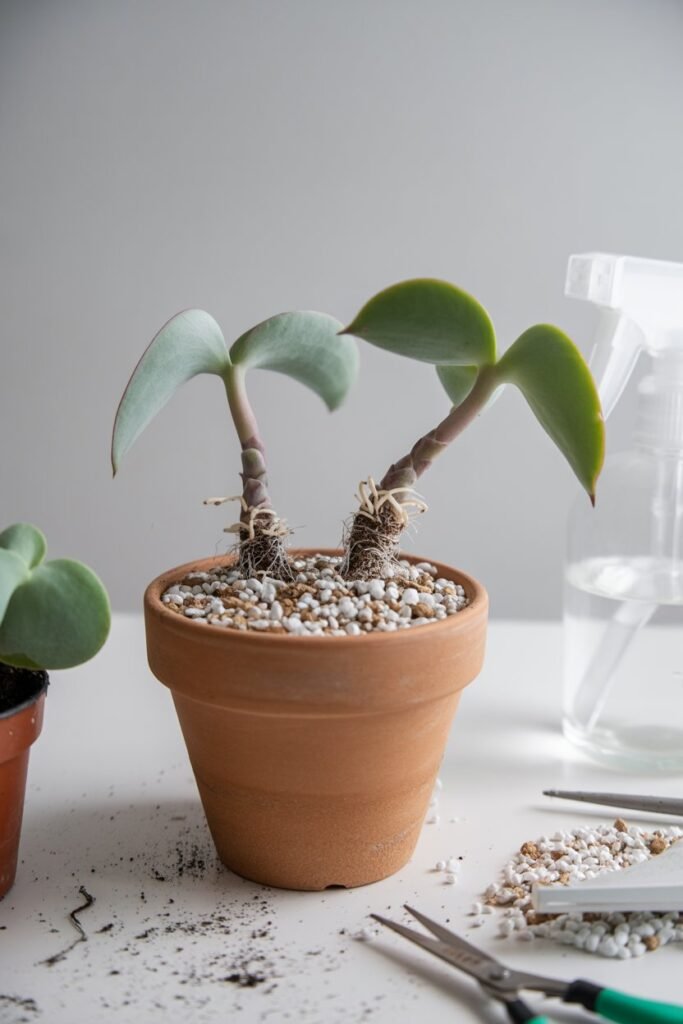
Soil propagation is usually the most successful method for this plant.
It mimics the plant’s natural growing environment and creates stronger roots over time.
Step-by-Step Soil Propagation Guide
Step 1: Prepare the Potting Mix
Use a fast-draining succulent mix.
You can improve drainage by combining:
- 2 parts succulent soil
- 1 part perlite or pumice
Avoid dense potting soil because it traps moisture.
Step 2: Fill Your Pot
Choose a small pot with drainage holes.
Fill it with your prepared soil mix.
Step 3: Insert the Cuttings
Place the cut end gently into the soil.
You can also lay longer vines across the surface with nodes touching the soil.
Those nodes often develop roots beautifully.
Step 4: Mist Lightly
Do not soak the soil.
Lightly mist or water just enough to slightly dampen the mix.
Step 5: Place in Bright Indirect Light
Keep the pot in a warm location with plenty of filtered sunlight.
Avoid harsh direct afternoon sun during rooting.
Step 6: Wait for Root Development
Roots usually appear within:
- 2 to 4 weeks
You’ll know rooting is successful when the cuttings stay firm and begin producing new growth.
Method 2: How to Propagate a Dolphin Plant in Water
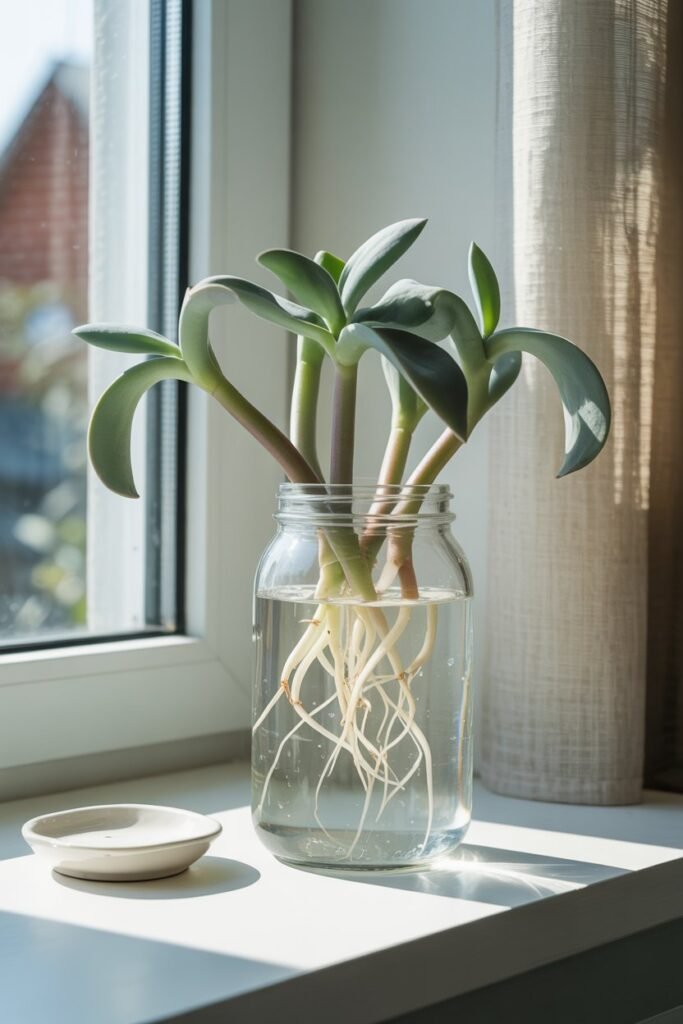
Water propagation can be fun because you get to watch the roots grow.
Although some gardeners prefer soil propagation, water propagation can still work very well if done carefully.
Step-by-Step Water Propagation
Step 1: Prepare a Clear Jar
Fill a small glass with room-temperature water.
Step 2: Place the Cutting in Water
Only submerge the bare stem.
Keep the leaves above water to prevent rot.
Step 3: Provide Bright Light
Place the jar near a bright window with indirect sunlight.
Step 4: Change Water Regularly
Refresh the water every few days to prevent bacteria buildup.
Step 5: Wait for Roots
Small roots often appear within:
- 1 to 3 weeks
Step 6: Transfer to Soil
Once roots reach about 1–2 inches long, move the cutting into succulent soil.
Do not leave it in water too long because water roots can struggle when transferred later.
Method 3: Propagating Through Vine Layering
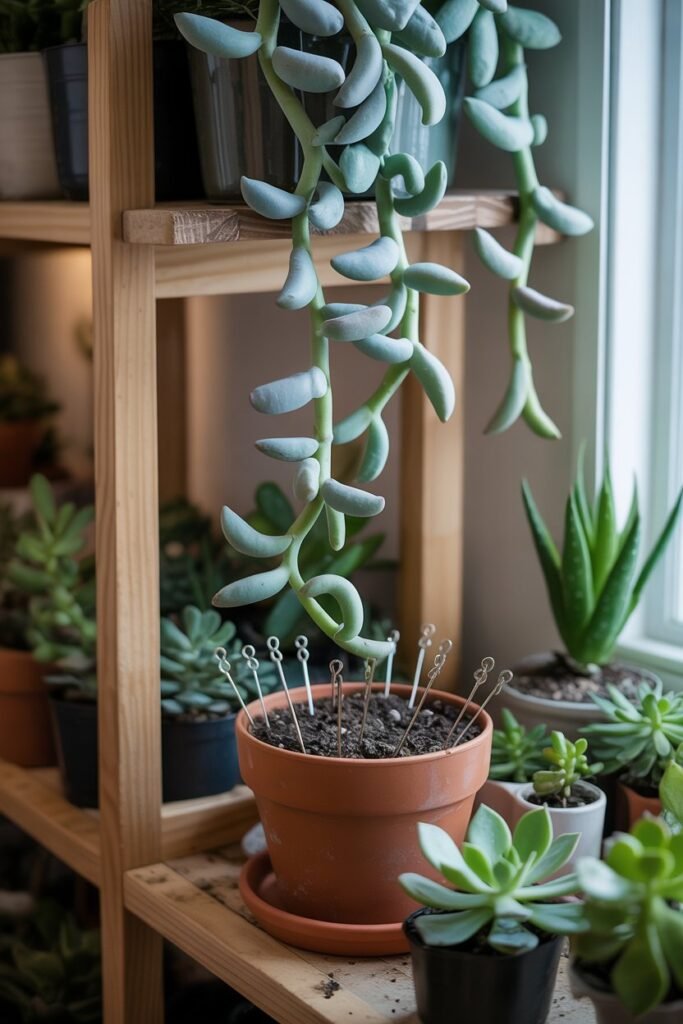
Layering is one of the easiest methods because the stem remains attached to the mother plant while rooting.
This reduces stress and increases success rates.
How to Layer a Dolphin Plant
Step 1: Place a Pot Beside the Mother Plant
Fill a small pot with succulent soil.
Step 2: Lay a Healthy Vine on Top
Choose a long trailing stem and gently place it across the soil surface.
Step 3: Secure the Vine
Use floral pins or lightly press the stem into the soil.
Step 4: Keep Soil Slightly Moist
Do not overwater.
Step 5: Wait for Roots to Form
Roots typically develop at the nodes within a few weeks.
Step 6: Separate the New Plant
Once rooted, cut the vine from the mother plant.
You now have a brand-new dolphin plant.
Common Propagation Mistakes to Avoid
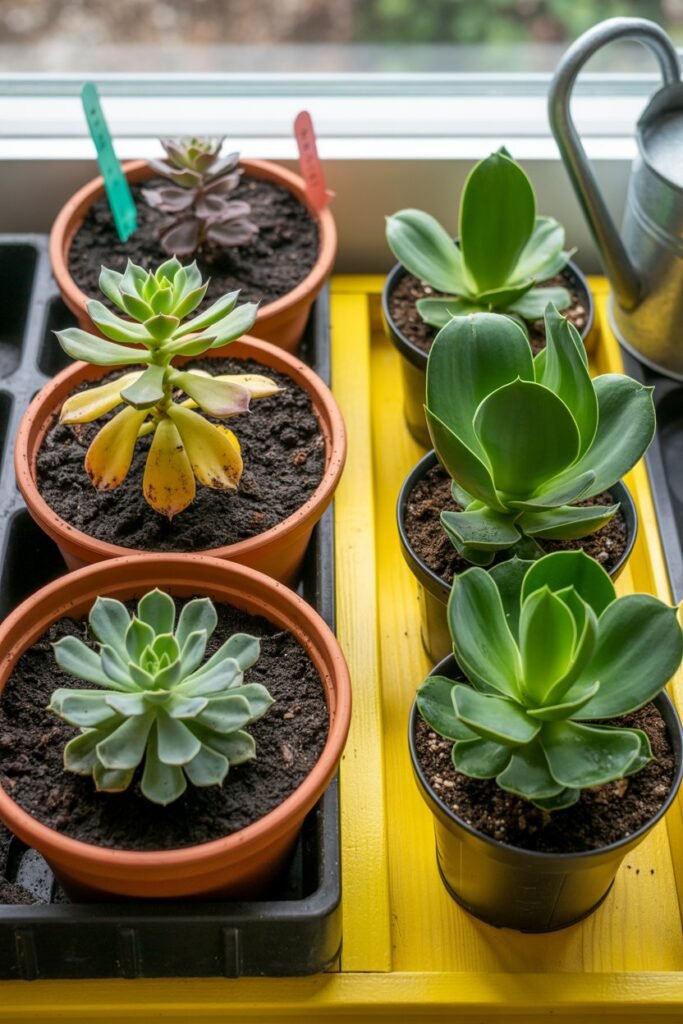
Many propagation failures happen because of a few simple mistakes.
Understanding them early can save you frustration.
Overwatering
This is the number one problem.
Dolphin plants are succulents and dislike soggy soil.
Too much moisture quickly causes rot.
Using Heavy Soil
Dense soil suffocates roots and traps water.
Always use airy succulent mixes.
Skipping the Callousing Step
Fresh cuts exposed to moisture too quickly can rot before rooting.
Letting cuttings dry first is essential.
Poor Lighting
Low light weakens cuttings and slows growth.
Bright indirect light is ideal.
Using Weak Cuttings
Thin or unhealthy stems struggle to root successfully.
Choose strong vines whenever possible.
How Long Does Dolphin Plant Propagation Take?
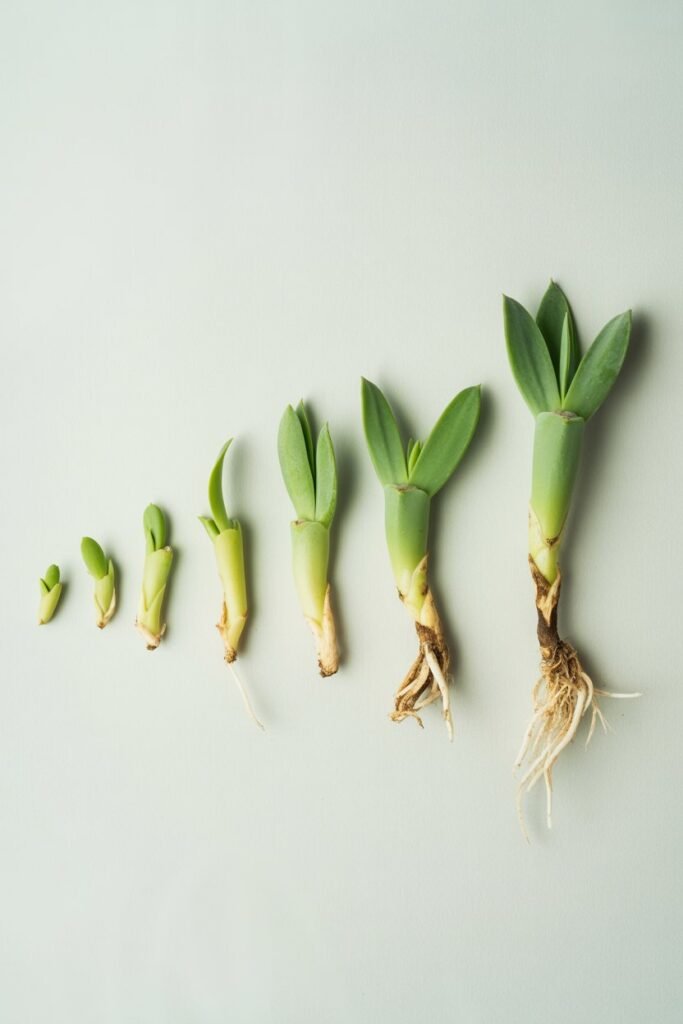
Patience is important because rooting speed varies depending on conditions.
Typical Timeline
- Callousing: several hours to 1 day
- Initial rooting: 1–4 weeks
- Noticeable new growth: 4–8 weeks
- Fully established plant: 2–3 months
Warm temperatures and bright lighting usually speed things up.
Best Lighting for Newly Propagated Dolphin Plants
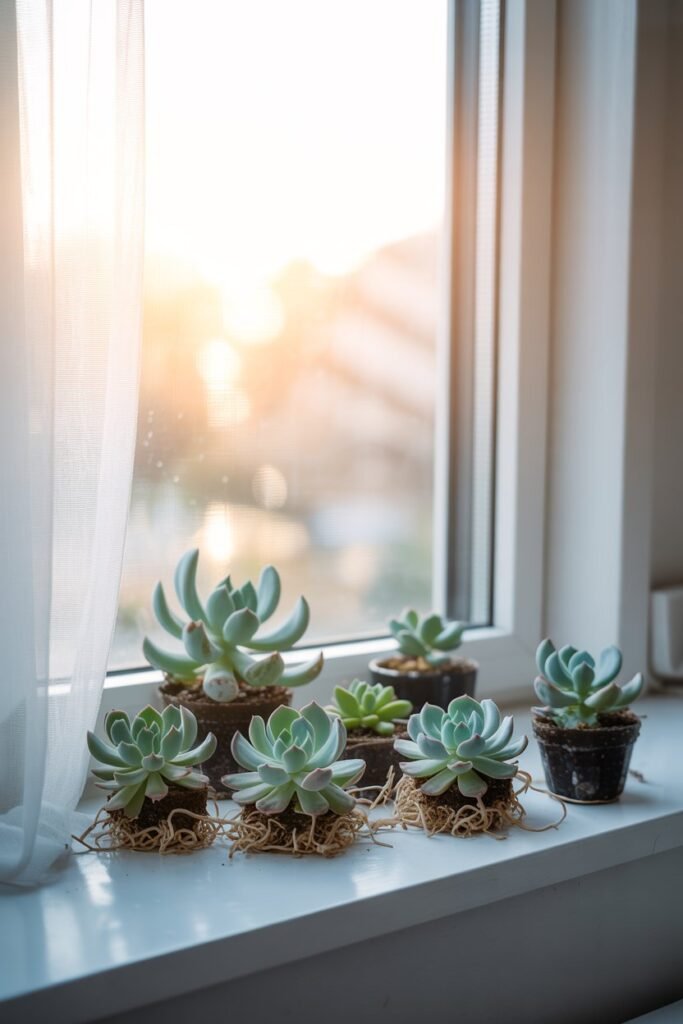
Lighting can dramatically affect rooting success.
Ideal Light Conditions
The best setup includes:
- Bright indirect sunlight
- East-facing windows
- Sheer-curtain filtered light
- Grow lights if natural light is limited
Avoid These Conditions
- Harsh direct afternoon sun
- Dark corners
- Cold drafty windows
Too much direct sun can scorch delicate cuttings before roots fully develop.
Proper Watering After Propagation
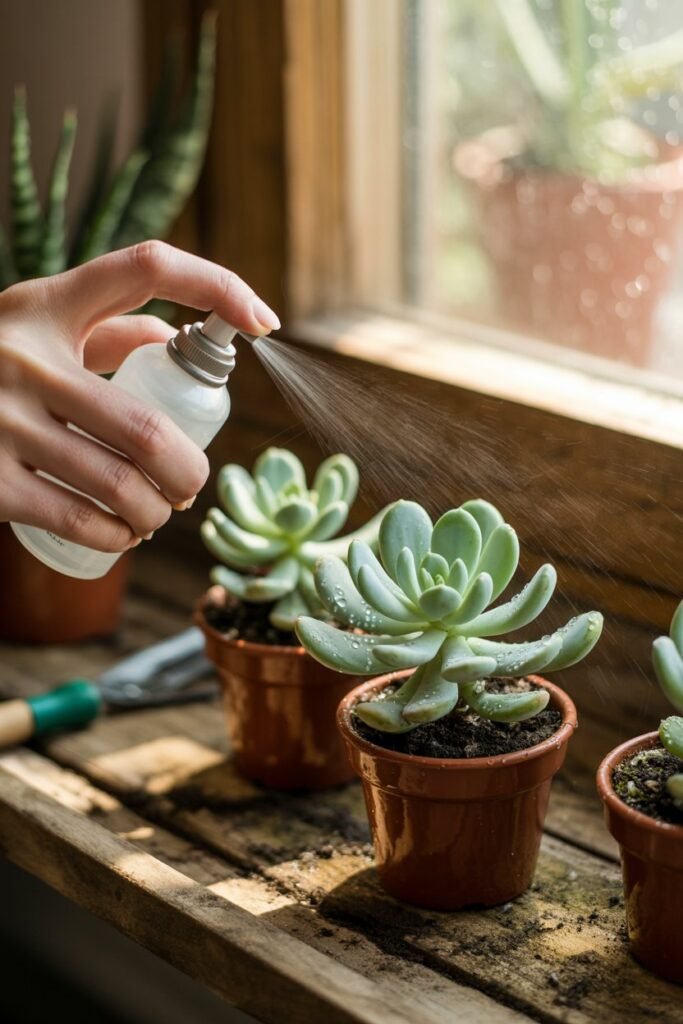
New cuttings need a different watering routine than mature plants.
During Rooting
Keep the soil:
- Slightly moist
- Never soaked
After Rooting
Allow the soil to dry more between waterings.
Mature dolphin plants prefer drier conditions.
A good rule is:
- Water deeply
- Then let the soil dry almost completely
Best Temperature and Humidity for Rooting
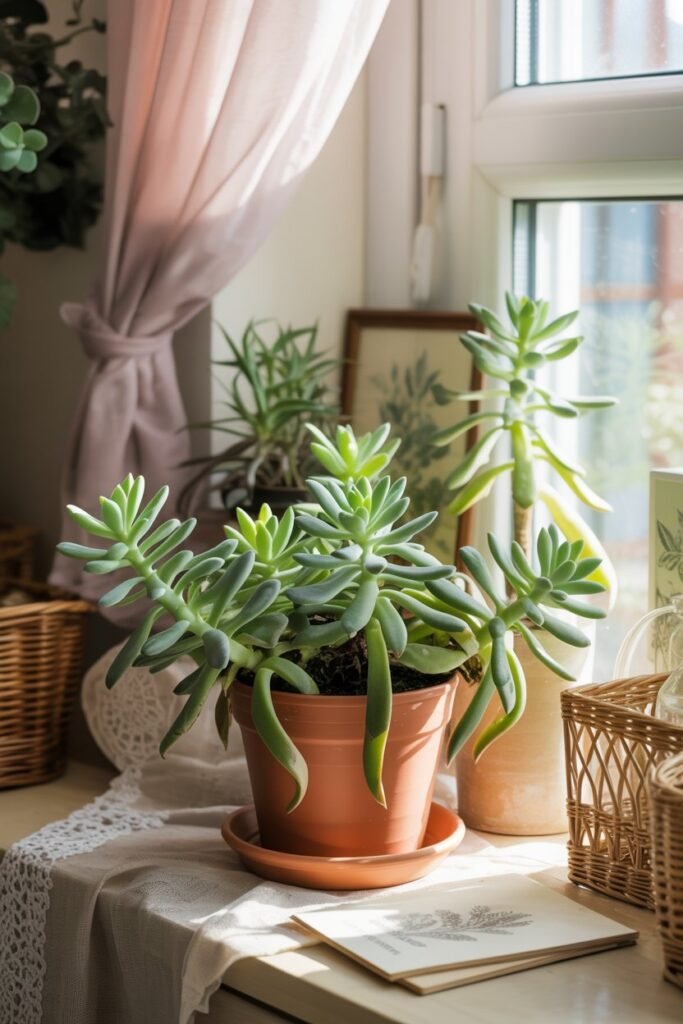
Dolphin plants root best in warm indoor environments.
Ideal Temperature Range
- 65°F–80°F (18°C–27°C)
Humidity Needs
Average indoor humidity is usually perfect.
Avoid:
- Excess humidity
- Poor airflow
- Cold damp conditions
These environments encourage fungal issues.
Signs Your Propagation Is Successful
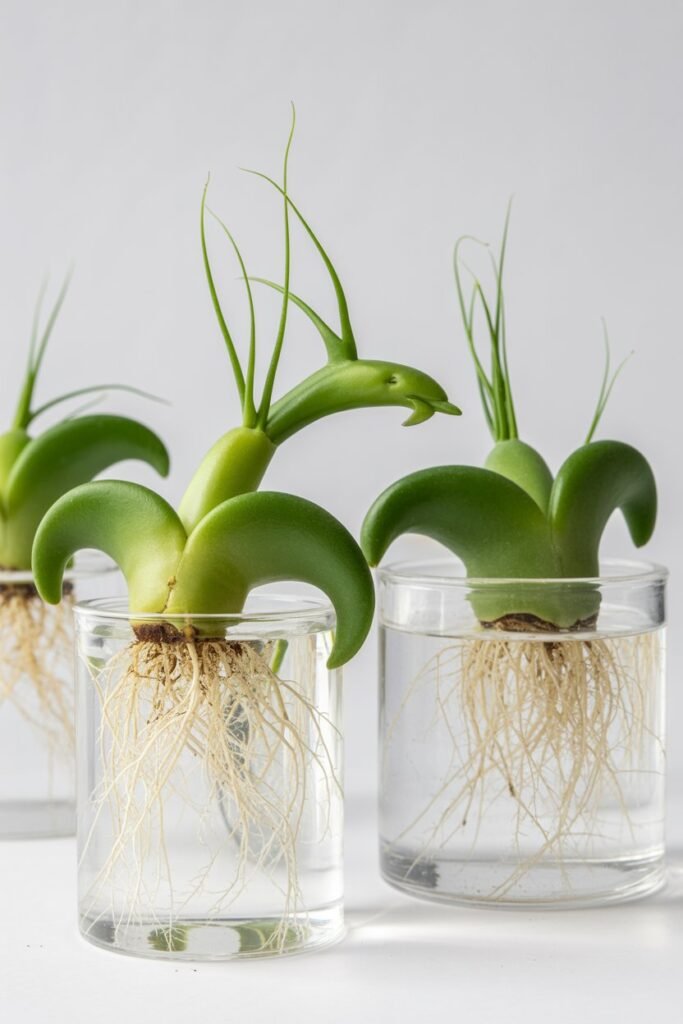
Watching for these signs can help you know your cuttings are thriving.
Healthy Signs
- Firm stems
- New leaf growth
- Roots forming at nodes
- Vibrant green color
- Resistance when gently tugged
These all indicate successful root development.
Signs Your Propagation Is Failing
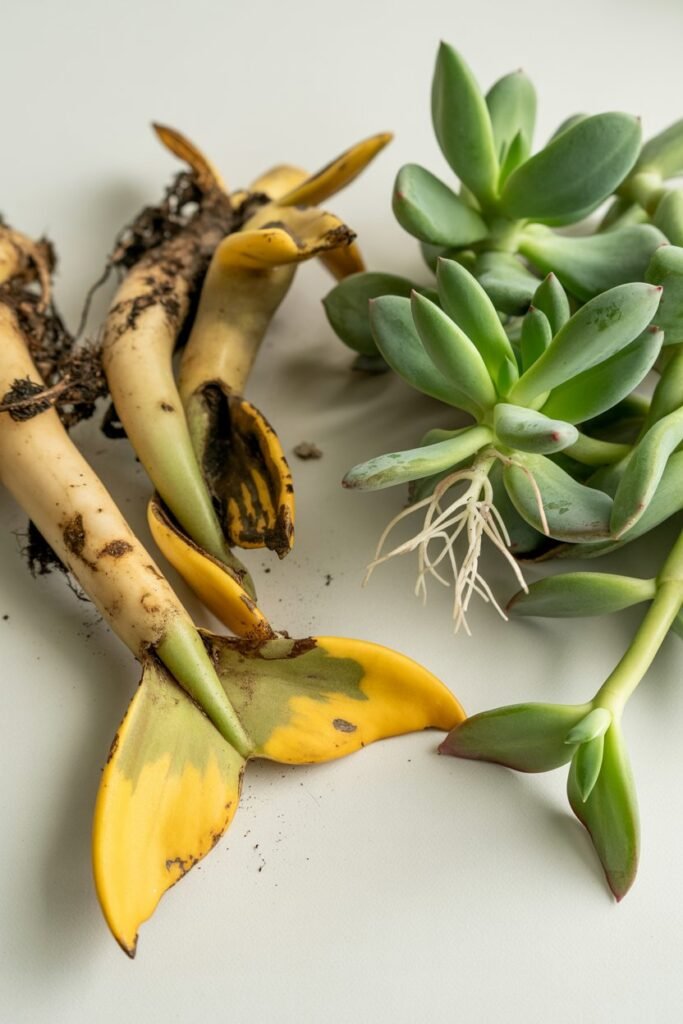
Not every cutting survives, especially in the beginning.
Warning Signs
- Mushy stems
- Black discoloration
- Foul smell
- Shriveling
- Yellowing vines
- Falling leaves
If rot appears, remove affected sections immediately and try again with healthier cuttings.
How to Make Your Dolphin Plant Fuller
One propagated cutting can eventually become an entire lush hanging basket.
Tips for a Fuller Plant
Plant Multiple Cuttings Together
Instead of one vine per pot, add several rooted cuttings together.
Prune Regularly
Light trimming encourages branching.
Provide Bright Light
Good lighting keeps growth compact and healthy.
Rotate the Pot
Turning the plant regularly helps create even growth.
Should You Use Rooting Hormone?
Rooting hormone is optional but can help speed up root development.
Benefits
- Faster rooting
- Higher success rate
- Stronger root systems
However, many dolphin plant cuttings root perfectly fine without it.
If you use rooting hormone, apply only a small amount to the cut end before planting.
Can You Propagate a Dolphin Plant From Leaves?
Technically possible, but extremely unreliable.
Unlike jade plants or echeverias, dolphin plant leaves rarely grow into full new plants on their own.
Stem cuttings remain the best and easiest option.
Repotting Newly Rooted Dolphin Plants
Once your propagated plant becomes established, it may eventually outgrow its container.
Signs It Needs Repotting
- Roots growing through drainage holes
- Soil drying extremely fast
- Slowed growth
- Crowded vines
Choose a pot only slightly larger than the previous one to avoid excess moisture retention.
Best Soil for Mature Dolphin Plants
Healthy mature plants depend heavily on proper soil.
Ideal Soil Characteristics
- Fast-draining
- Airy
- Sandy
- Lightweight
A great mix includes:
- Succulent soil
- Perlite
- Pumice
- Coarse sand
Avoid moisture-retaining mixes designed for tropical plants.
Fertilizing Propagated Dolphin Plants
New cuttings do not need fertilizer immediately.
Wait until:
- Roots establish
- New growth appears
Then feed lightly during spring and summer using:
- Diluted succulent fertilizer
- Balanced liquid fertilizer
Avoid overfertilizing because succulents are sensitive to salt buildup.
How to Prevent Root Rot
Root rot is one of the few serious problems dolphin plants face.
Prevention Tips
- Use drainage holes
- Avoid soggy soil
- Water only when needed
- Provide airflow
- Use well-draining soil
Healthy roots are white or light tan.
Dark mushy roots indicate rot.
Pests That Can Affect New Cuttings
Young propagations can occasionally attract pests.
Common Problems
- Mealybugs
- Fungus gnats
- Spider mites
Prevention
- Avoid overwatering
- Inspect plants regularly
- Keep good airflow
- Remove dead foliage quickly
Neem oil or insecticidal soap can help if pests appear.
Frequently Asked Questions
How often should I water propagated dolphin plant cuttings?
Water lightly when the soil begins drying out. Avoid soaking the soil.
Can dolphin plants grow in low light?
They survive in low light but become leggy and weak. Bright indirect light works best.
Why are my dolphin leaves losing their shape?
Insufficient light often causes leaves to flatten and lose their dolphin appearance.
How long does it take for cuttings to root?
Usually between 1 and 4 weeks depending on temperature, light, and moisture.
Can I propagate a dolphin plant in winter?
You can try indoors, but rooting is usually slower and less reliable.
Final Thoughts
Propagating a dolphin plant can feel incredibly rewarding, especially once you see those tiny curved leaves thriving on brand-new vines. With the right lighting, gentle watering, healthy cuttings, and a little patience, this playful succulent multiplies much more easily than most people expect.
Whether you choose soil propagation, water rooting, or vine layering, the key is keeping conditions warm, bright, and well-drained. Start with healthy stems, avoid overwatering, and give your cuttings time to establish strong roots.
Before long, you’ll have fuller hanging baskets, more plants to decorate your space, and plenty of adorable dolphin-shaped leaves trailing beautifully around your home.
