
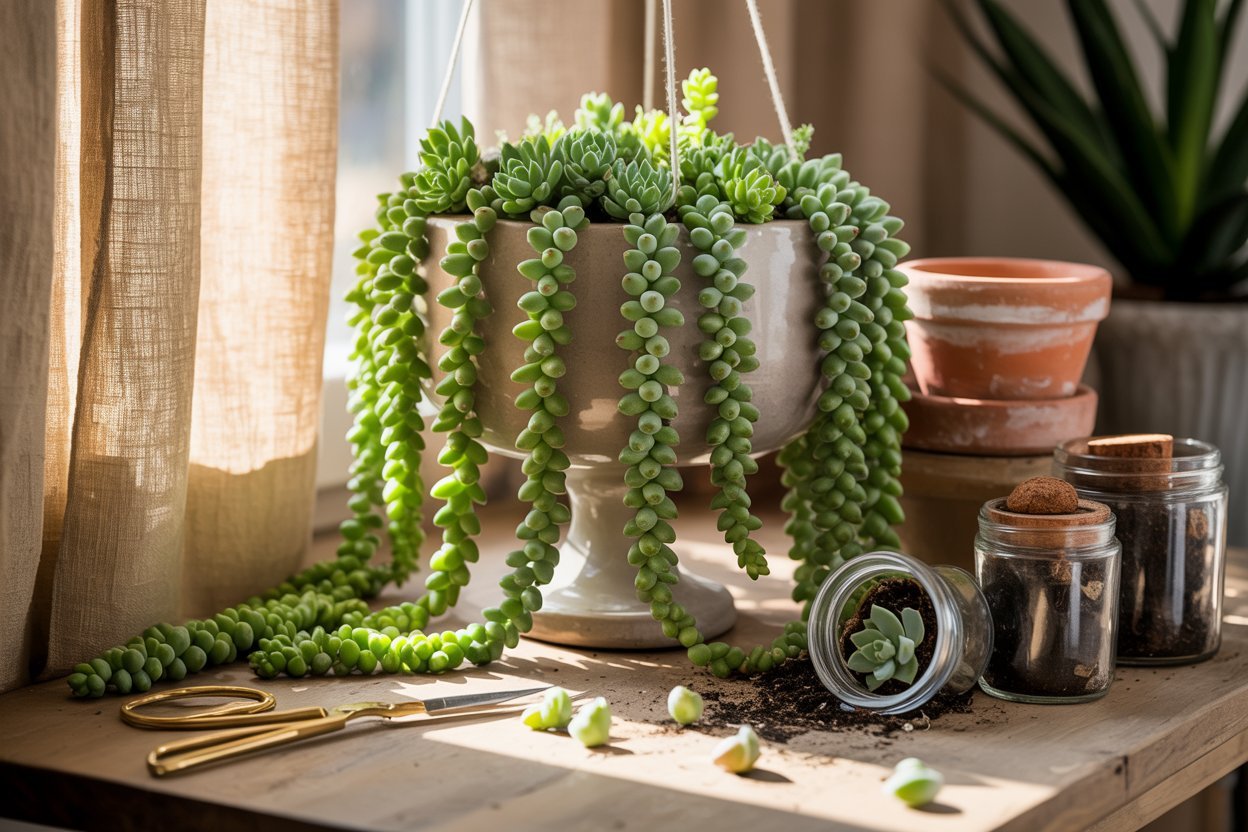

There’s something so magical about a healthy String of Pearls plant trailing gracefully from a hanging basket or shelf.
Those tiny bead-like leaves look like little green pearls cascading down in elegant strands, instantly giving any room a soft, dreamy jungle feel. The best part? Once you own one healthy plant, you can create many more through propagation.
Learning how to propagate String of Pearls is one of the easiest and most rewarding houseplant projects for beginner and experienced plant lovers alike.
With just a few healthy cuttings, a little patience, and the right care, you can grow entirely new plants using either soil or water propagation methods.
In this complete guide, you’ll learn:
- What propagation actually means
- The best time to propagate String of Pearls
- How to propagate in soil step-by-step
- How to propagate in water successfully
- Which method works best
- Common mistakes to avoid
- Aftercare tips for fuller, healthier plants
- Troubleshooting propagation problems
By the end of this guide, you’ll feel completely confident multiplying your beautiful String of Pearls plant at home.
What Is a String of Pearls Plant?
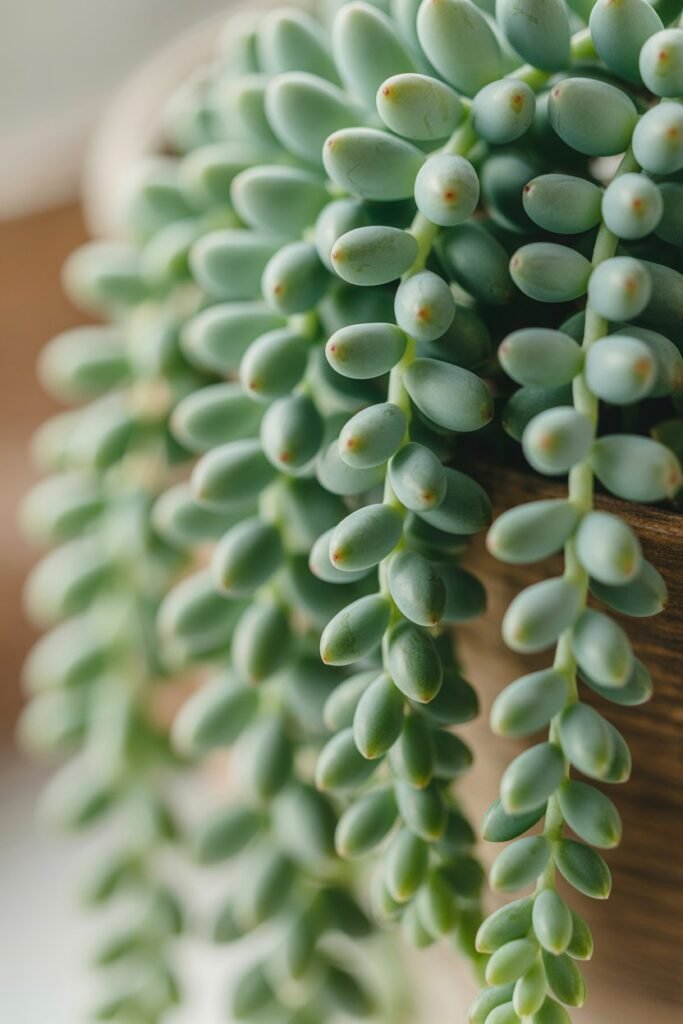
The String of Pearls plant, scientifically known as Curio rowleyanus (previously called Senecio rowleyanus), is a trailing succulent famous for its round bead-like leaves.
These unique “pearls” actually store water, helping the plant survive dry conditions. Native to southwest Africa, this succulent thrives in bright indirect light and prefers dry soil over constantly moist conditions.
String of Pearls is commonly grown in:
- Hanging baskets
- Decorative planters
- Shelf displays
- Indoor succulent collections
- Macrame plant hangers
One of the reasons this plant is so popular is because it propagates very easily when given the right environment.
Why Propagate String of Pearls?
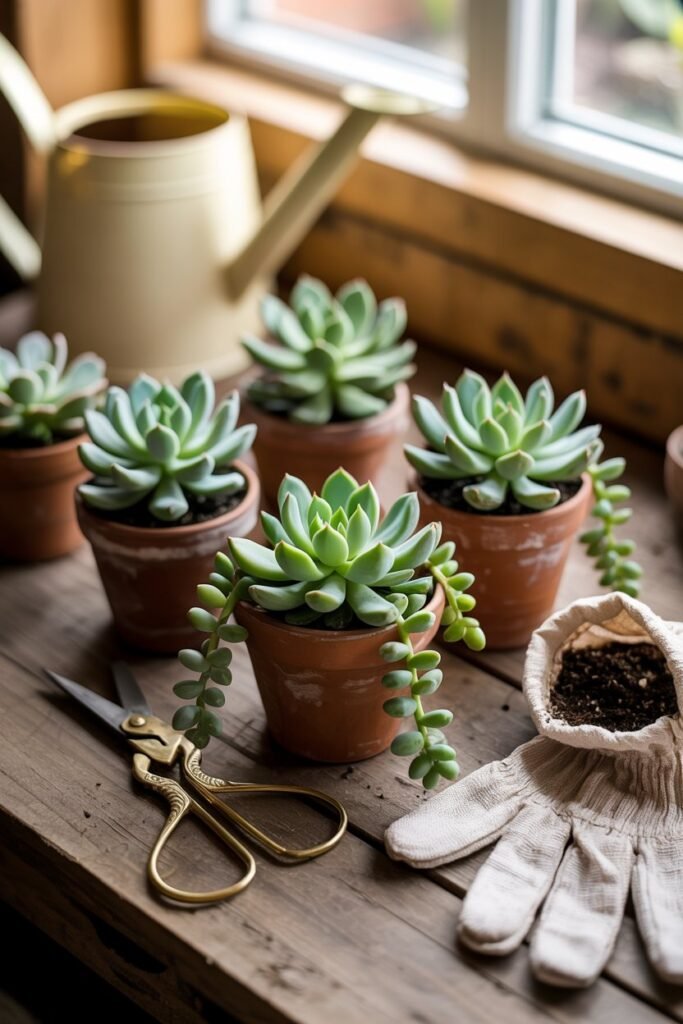
There are so many wonderful reasons to propagate this trailing succulent.
Create Fuller Plants
Older String of Pearls plants can become thin or leggy over time. Propagation helps fill out sparse pots and creates a lush overflowing appearance.
Save Damaged Plants
If your plant begins dying from root rot or poor lighting, healthy strands can often be propagated before the mother plant declines completely.
Make Plant Gifts
Propagated String of Pearls plants make adorable gifts for plant-loving friends and family.
Expand Your Collection for Free
Instead of purchasing more plants, propagation allows you to grow multiple pots from one plant.
Encourage Healthier Growth
Pruning and propagation often encourage the mother plant to branch out and grow thicker strands.
When Is the Best Time to Propagate String of Pearls?
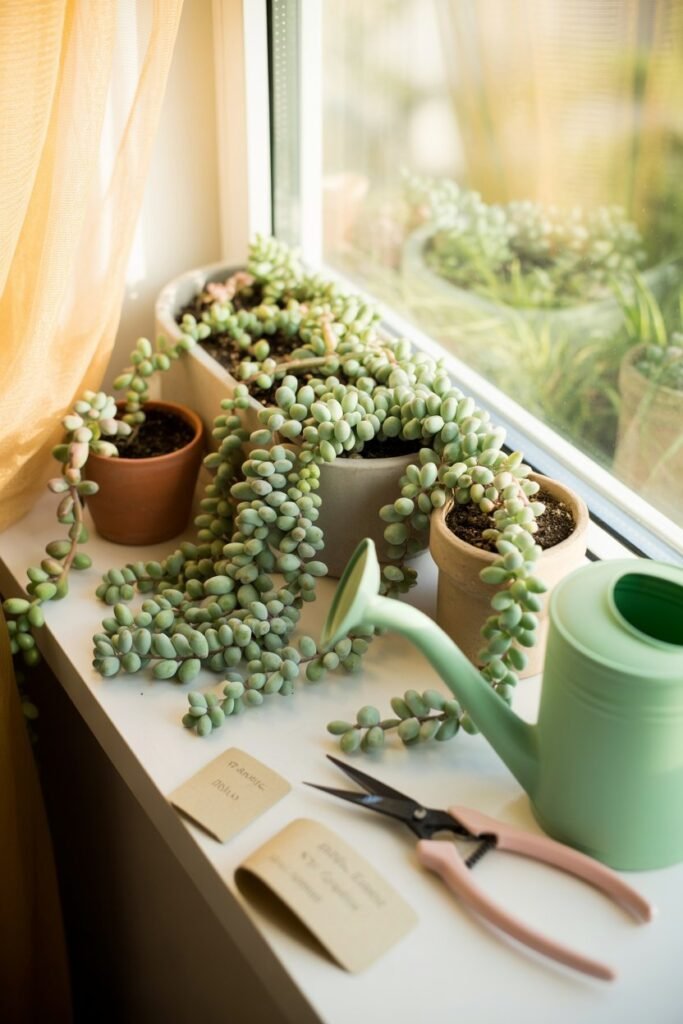
The ideal time to propagate String of Pearls is during its active growing season.
Best Seasons
- Spring
- Early summer
During warmer months, the plant naturally grows faster, which helps new roots develop more quickly.
Can You Propagate in Winter?
Yes, but it may take much longer for roots to form because the plant grows more slowly in cooler temperatures and lower light conditions.
If propagating during winter:
- Use bright indirect light
- Keep temperatures warm
- Avoid overwatering
- Expect slower rooting
Understanding How String of Pearls Propagation Works
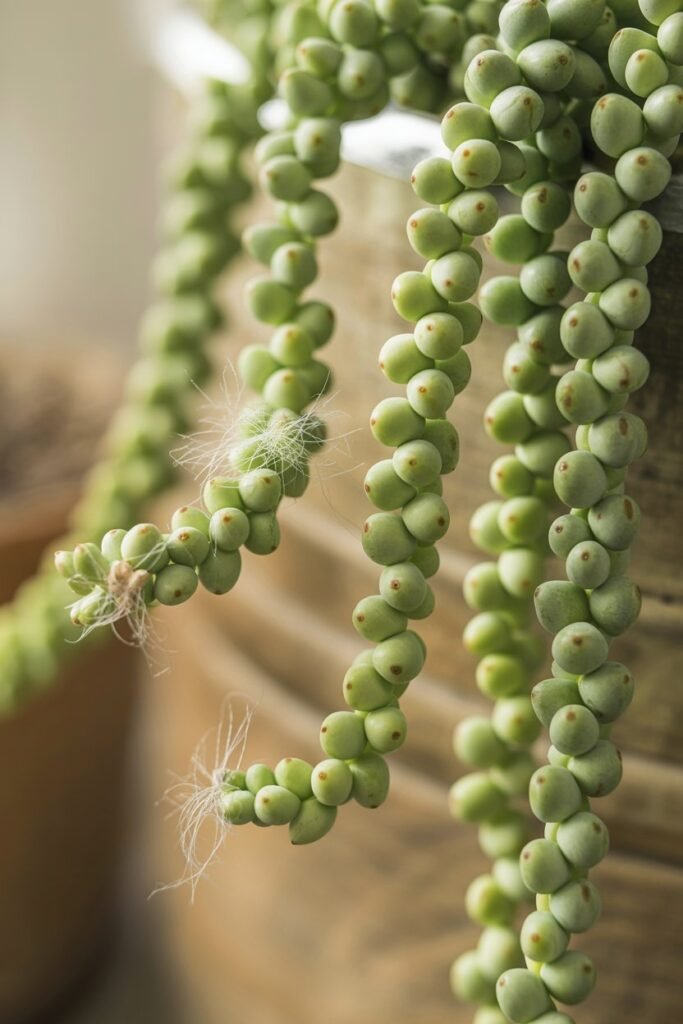
String of Pearls propagates from stem cuttings.
Each strand contains nodes, which are the tiny points where pearls and roots can develop. When these nodes touch soil or water, they can grow new roots and eventually become a brand-new plant.
This is why even one healthy strand can create an entire pot over time.
Supplies You’ll Need
Before starting, gather your propagation materials.
For Soil Propagation
You’ll need:
- Healthy String of Pearls cuttings
- Small nursery pot or shallow container
- Succulent or cactus soil
- Perlite or pumice for drainage
- Clean scissors or pruning snips
- Spray bottle
- Bright indirect light source
For Water Propagation
You’ll need:
- Healthy cuttings
- Small glass jar or vase
- Clean water
- Sharp sterilized scissors
- Sunny indoor spot with indirect light
How To Choose Healthy Cuttings
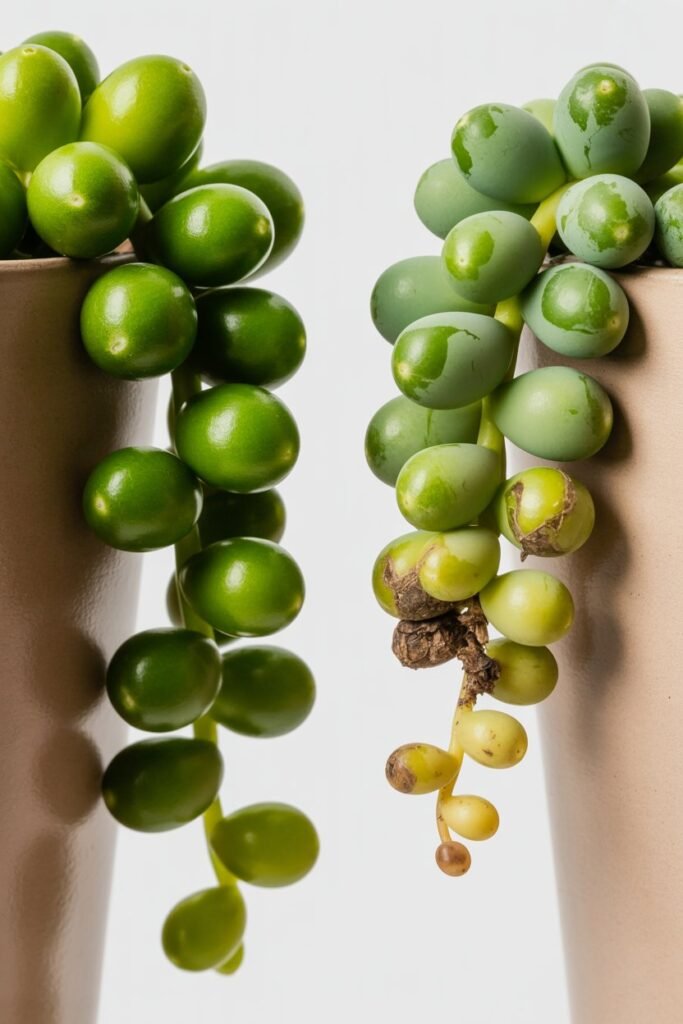
The success of propagation starts with selecting healthy strands.
Choose vines that are:
- Green and plump
- Firm to the touch
- Free from mushy pearls
- Free from pests
- At least 3–5 inches long
Avoid:
- Yellow strands
- Rotten stems
- Shriveled pearls
- Pest-infested vines
Healthy cuttings root much faster and have a higher success rate.
How To Take String of Pearls Cuttings
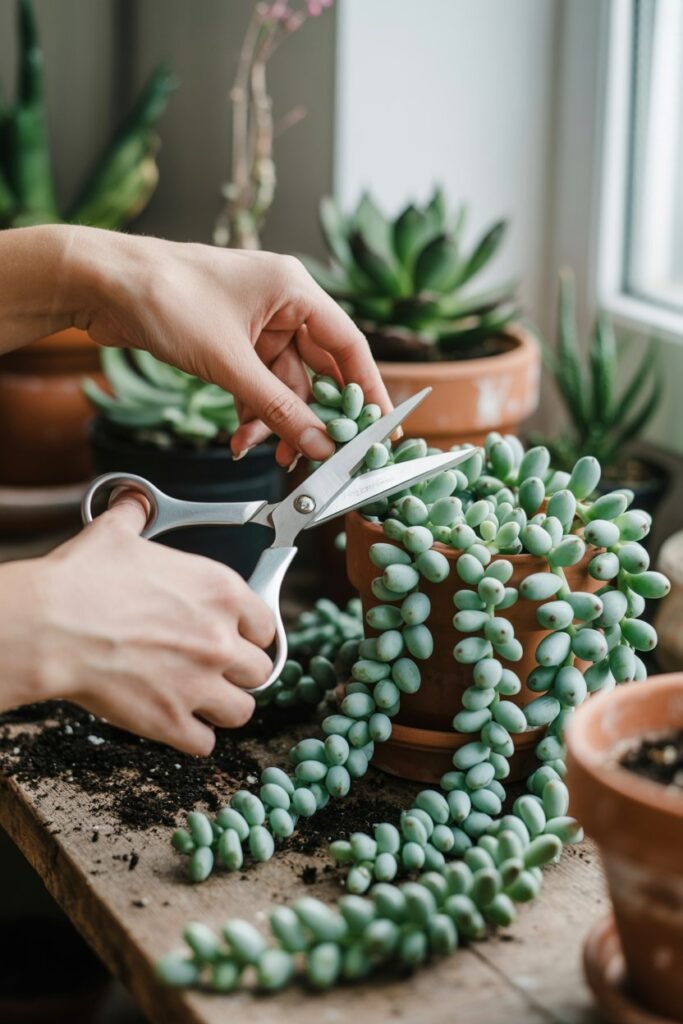
Taking cuttings properly helps prevent stress and rot.
Step 1: Sterilize Your Scissors
Clean your scissors with rubbing alcohol to prevent bacteria or fungal infections.
Step 2: Cut Below a Node
Trim a healthy strand just below a node.
Nodes are where:
- Pearls attach
- New roots emerge
Step 3: Remove Lower Pearls
Remove several pearls near the bottom of the cutting so the bare stem can root more easily.
Step 4: Let the Cuttings Callous
Allow cuttings to dry for a few hours before planting.
This helps:
- Prevent rot
- Seal the cut end
- Improve propagation success
How To Propagate String of Pearls in Soil
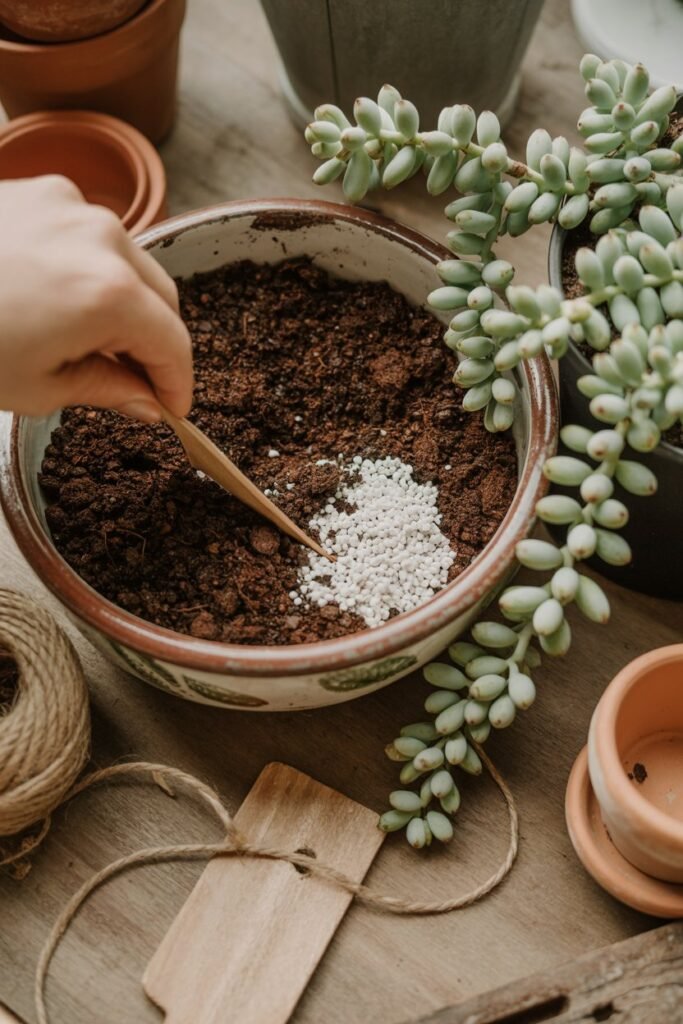
Soil propagation is one of the fastest and most reliable methods.
Many gardeners prefer this technique because the roots adapt immediately to soil conditions.
Step 1: Prepare the Potting Mix
Use a well-draining succulent soil mix.
A good combination includes:
- 2 parts succulent soil
- 1 part perlite or pumice
The soil should feel airy and drain quickly.
Heavy compact soil can cause stem rot.
Step 2: Fill Your Pot
Use a shallow container with drainage holes.
String of Pearls has shallow roots, so deep pots are unnecessary.
Fill the container with lightly moist soil.
Do not soak the soil completely.
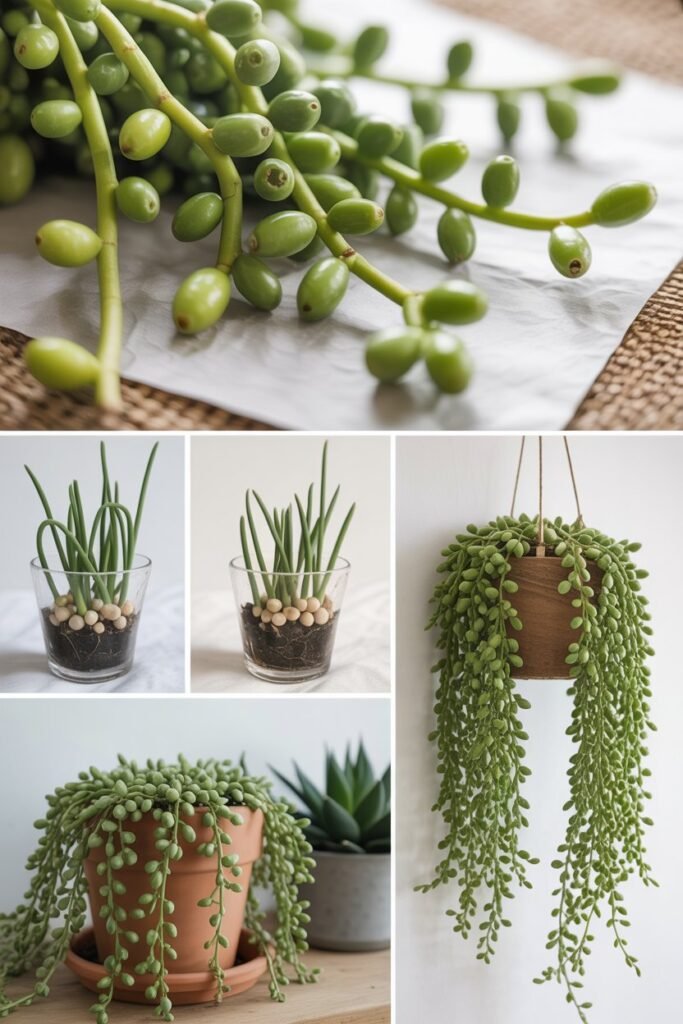
Step 3: Lay the Strands on Top of the Soil
Instead of burying the entire cutting, gently lay the vines across the soil surface.
Press the exposed nodes lightly into the soil.
This is important because:
- Nodes develop roots
- Buried pearls may rot
- Surface contact encourages spreading
You can also pin the strands down gently using floral pins or bent paper clips.
Step 4: Provide Bright Indirect Light
Place the pot in a bright location.
Ideal lighting includes:
- Near east-facing windows
- Bright filtered sunlight
- Indoor grow lights
Avoid intense direct afternoon sun during propagation because delicate cuttings can dry out too quickly.
Step 5: Keep the Soil Slightly Moist
Unlike mature String of Pearls plants, fresh cuttings need slightly more moisture while rooting.
Mist lightly or water sparingly when:
- The top soil begins drying
- The cuttings look slightly dehydrated
Avoid soggy soil.
Too much water is the biggest propagation mistake.
Step 6: Wait for Root Growth
Roots typically form within:
- 2–4 weeks during spring/summer
- Longer during cooler months
You’ll notice:
- New growth
- Firmer strands
- Anchored stems
Once rooted, you can reduce watering and care for the plant normally.
How To Propagate String of Pearls in Water
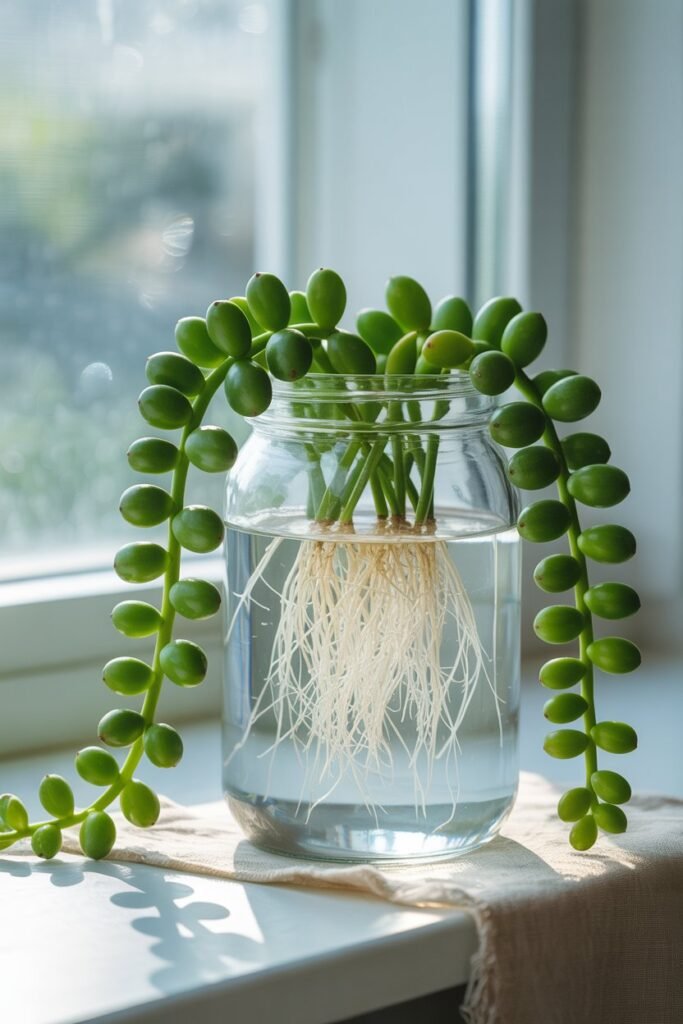
Water propagation is popular because you can actually watch the roots grow.
It’s also a fun method for beginner plant lovers.
Step 1: Prepare the Cuttings
Remove the lower pearls from the stem section that will sit in water.
Make sure:
- No pearls sit underwater
- Only bare stems touch the water
Submerged pearls often rot quickly.
Step 2: Place Cuttings in Water
Fill a small glass jar with clean room-temperature water.
Insert the cuttings so:
- Bare stems sit underwater
- Pearls stay above the waterline
A clear glass container makes it easy to monitor root development.
Step 3: Provide Bright Indirect Light
Place the jar near bright filtered sunlight.
Avoid harsh direct sun because it may:
- Overheat the water
- Cause stem damage
- Encourage algae growth
Step 4: Change the Water Regularly
Replace the water every few days.
Fresh water:
- Prevents bacteria
- Reduces rot
- Adds oxygen
Cloudy water should always be replaced immediately.
Step 5: Wait for Roots to Develop
Tiny white roots usually appear within:
- 1–3 weeks
Wait until roots are at least 1–2 inches long before transferring to soil.
Step 6: Transfer to Soil
Once rooted:
- Plant carefully into succulent soil
- Water lightly
- Keep soil slightly moist for the first week
The plant may need time adjusting from water roots to soil roots.
Soil vs Water Propagation: Which Is Better?
Both methods work beautifully, but each has advantages.
| Soil Propagation | Water Propagation |
|---|---|
| Less transplant shock | Easy to monitor roots |
| Lower rot risk | Fun for beginners |
| Stronger soil-adapted roots | Faster visible results |
| Minimal maintenance | Requires water changes |
Most experienced succulent growers prefer soil propagation because the roots adapt immediately to their final growing environment.
However, water propagation is wonderful if you enjoy watching the process unfold.
How Long Does Propagation Take?
Propagation speed depends on:
- Temperature
- Lighting
- Humidity
- Cutting health
- Season
Typical timeline:
| Stage | Estimated Time |
|---|---|
| Callousing | Few hours |
| Root formation | 1–4 weeks |
| New growth | 3–6 weeks |
| Fuller plant | Several months |
Patience is key.
String of Pearls grows steadily but not instantly.
Signs Your Propagation Is Successful
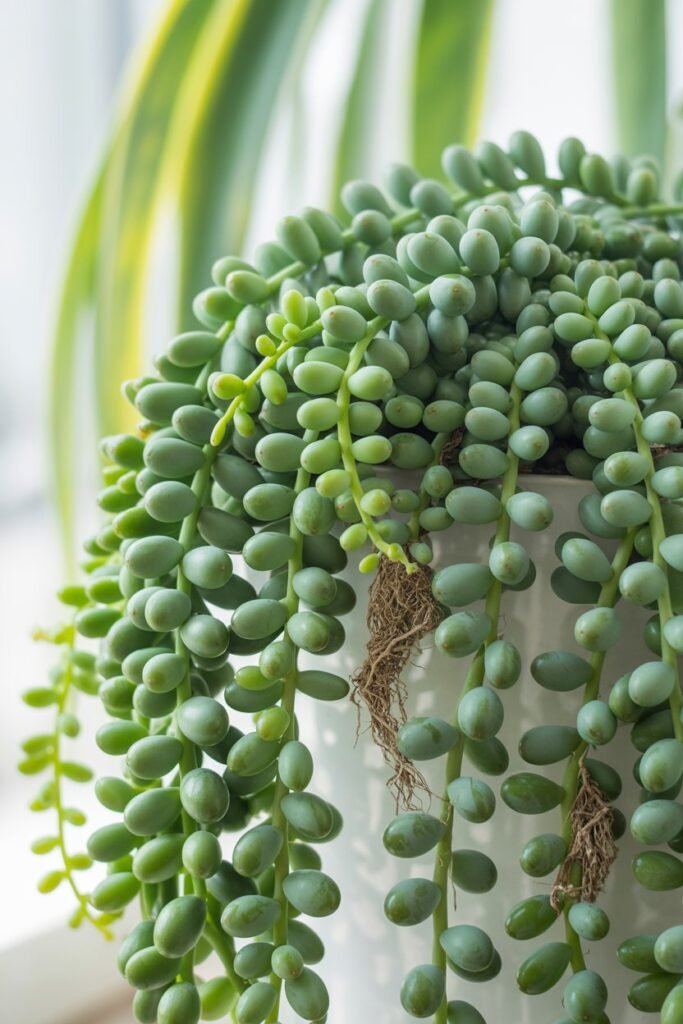
Healthy propagation usually shows these signs:
New Root Growth
Tiny white roots emerging from nodes indicate success.
Plump Pearls
Healthy pearls remain firm and hydrated.
New Vine Growth
Fresh stems and baby pearls mean the cutting has rooted successfully.
Anchored Stems
Cuttings resist gentle pulling once roots develop.
Common String of Pearls Propagation Mistakes
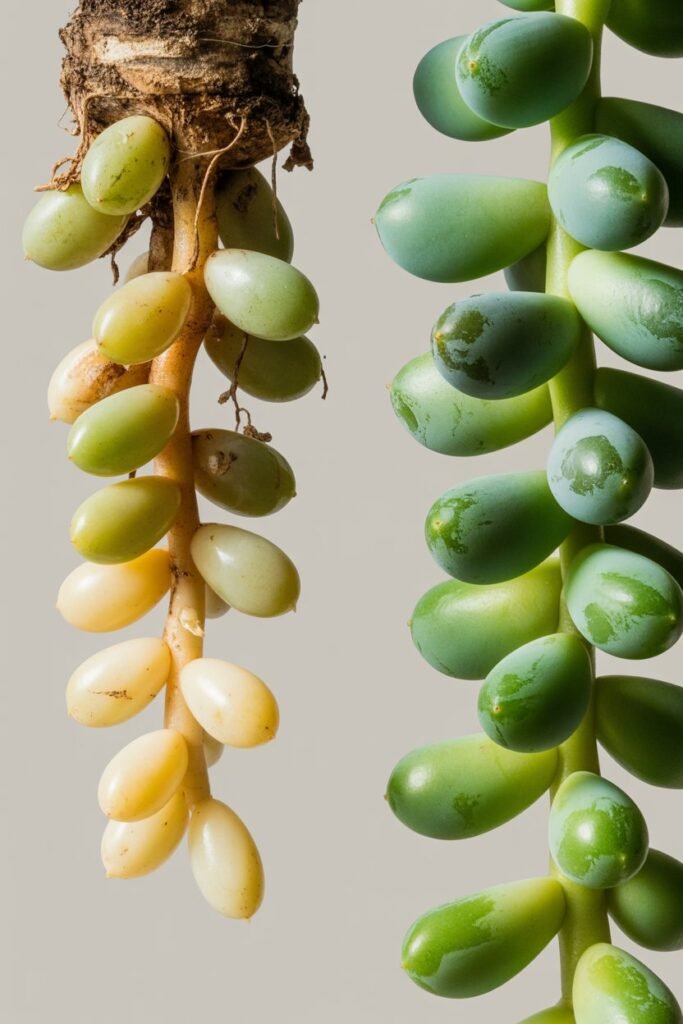
Even easy plants can struggle if conditions are wrong.
Here are the most common mistakes to avoid.
1. Overwatering
This is the number one reason propagations fail.
Too much moisture causes:
- Stem rot
- Mushy pearls
- Fungal problems
Always allow slight drying between watering.
2. Using Heavy Soil
Dense potting soil traps moisture around delicate stems.
Always use:
- Succulent soil
- Perlite
- Fast-draining mixes
3. Not Enough Light
Low light slows rooting and causes weak growth.
String of Pearls prefers:
- Bright indirect light
- Several hours of filtered brightness daily
4. Submerging Pearls in Water
Only bare stems should touch water.
Pearls sitting underwater usually rot quickly.
5. Propagating Unhealthy Strands
Weak cuttings struggle to root successfully.
Always start with healthy vigorous vines.
How To Make Your String of Pearls Fuller
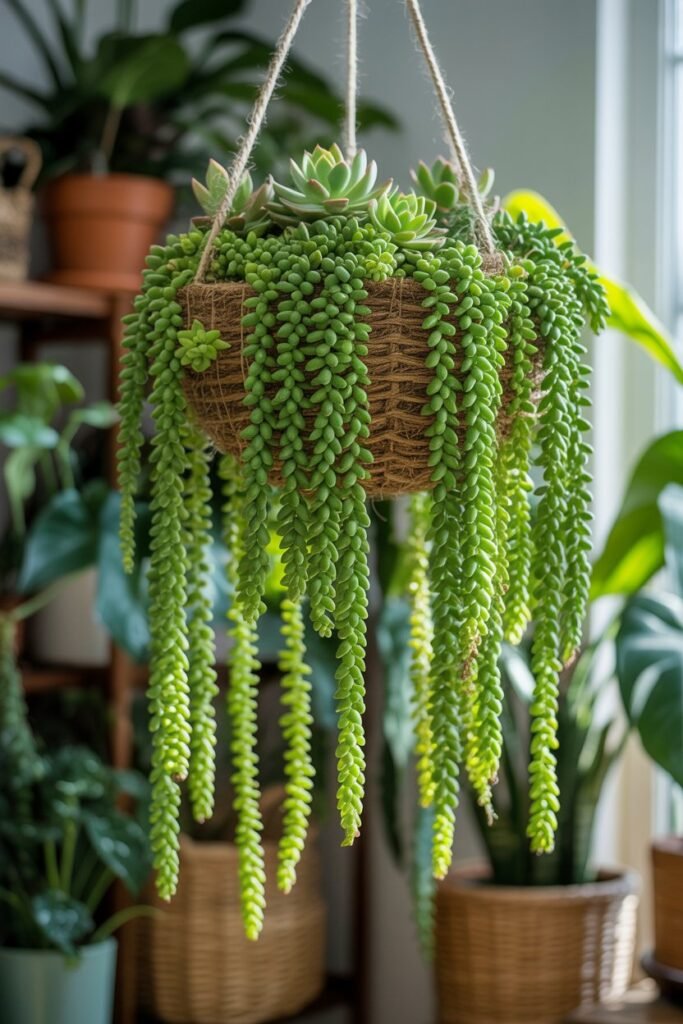
One of the best propagation tricks is planting multiple strands into the same pot.
For a fuller basket:
- Coil vines around the soil surface
- Pin strands down
- Layer multiple cuttings together
Every rooted node eventually creates more trailing growth.
This technique creates those gorgeous overflowing hanging baskets you often see online.
Best Soil for String of Pearls
Choosing the right soil matters enormously.
The ideal mix should:
- Drain quickly
- Stay airy
- Prevent sogginess
A good DIY mix includes:
- Succulent soil
- Perlite
- Pumice
- Coarse sand
Avoid moisture-retaining mixes designed for tropical plants.
Best Lighting for Propagation
Lighting directly affects rooting speed.
Ideal Conditions
- Bright indirect light
- Morning sunlight
- Filtered south-facing light
- Grow lights indoors
Avoid
- Dark rooms
- Intense afternoon heat
- Deep shade
Insufficient light leads to stretched weak growth.
Temperature and Humidity Tips
String of Pearls prefers warm indoor conditions.
Ideal Temperature
- 70–80°F (21–27°C)
Avoid
- Frost
- Cold drafts
- Sudden temperature swings
Moderate household humidity works perfectly.
High humidity combined with poor airflow may increase rot risk.
Can You Propagate from a Single Pearl?
Technically yes, but it’s much harder.
A single pearl without enough stem attached often struggles to produce roots.
Stem cuttings with multiple nodes are far more successful.
Can You Propagate Broken Strands?
Absolutely.
Broken healthy strands are perfect for propagation.
Instead of throwing them away:
- Trim neatly
- Let callous
- Root them in soil or water
Many plant lovers intentionally prune vines specifically to propagate them.
How To Care for Newly Propagated Plants
Once rooted, your new plant will need proper care to continue thriving.
Watering
Allow soil to dry partially between watering.
String of Pearls dislikes constantly wet soil.
Lighting
Provide bright indirect sunlight daily.
Fertilizing
Feed lightly during spring and summer with diluted succulent fertilizer.
Repotting
Repot only when:
- Roots outgrow the container
- Soil becomes compacted
This plant prefers slightly snug pots.
How Often Should You Water Propagated String of Pearls?
Fresh propagations need more moisture than mature plant but still not too much.
A good rule:
- Water lightly when the top soil feels dry
- Never allow prolonged sogginess
Once fully established:
- Reduce watering frequency
- Let soil dry more deeply
Can String of Pearls Grow Outdoors?
Yes, in warm climates.
Outdoor conditions should include:
- Bright shade
- Mild temperatures
- Protection from harsh midday sun
In cooler regions, it’s best grown indoors or brought inside during cold weather.
Troubleshooting Propagation Problems
Problem: Mushy Stems
Cause:
- Overwatering
- Poor drainage
Fix:
- Remove rotten sections
- Allow soil to dry
- Improve airflow
Problem: Shriveling Pearls
Cause:
- Underwatering
- Roots not developed yet
Fix:
- Lightly increase moisture
- Maintain bright indirect light
Problem: No Root Growth
Cause:
- Cold temperatures
- Low light
- Unhealthy cuttings
Fix:
- Move to brighter location
- Increase warmth
- Try fresh cuttings
Problem: Yellowing Pearls
Cause:
- Excess moisture
- Root rot
- Poor lighting
Fix:
- Reduce watering
- Check drainage
- Increase light exposure
Final Thoughts
Propagating String of Pearls is one of the most satisfying houseplant projects you can try. Watching tiny roots emerge and new vines begin trailing feels incredibly rewarding, especially when those once-small cuttings transform into lush overflowing plants.
Whether you choose soil propagation or water propagation, success comes down to a few simple things:
- Healthy cuttings
- Bright indirect light
- Patience
- Proper watering
Soil propagation is often the easiest long-term method, while water propagation offers the fun of watching roots develop in real time. Both can produce beautiful thriving plants when done correctly.
With a little care and consistency, you’ll soon have fuller baskets, healthier vines, and plenty of new String of Pearls plants to decorate your home or share with fellow plant lovers.
And honestly, once you successfully propagate your first strand, it becomes wonderfully addictive.
