
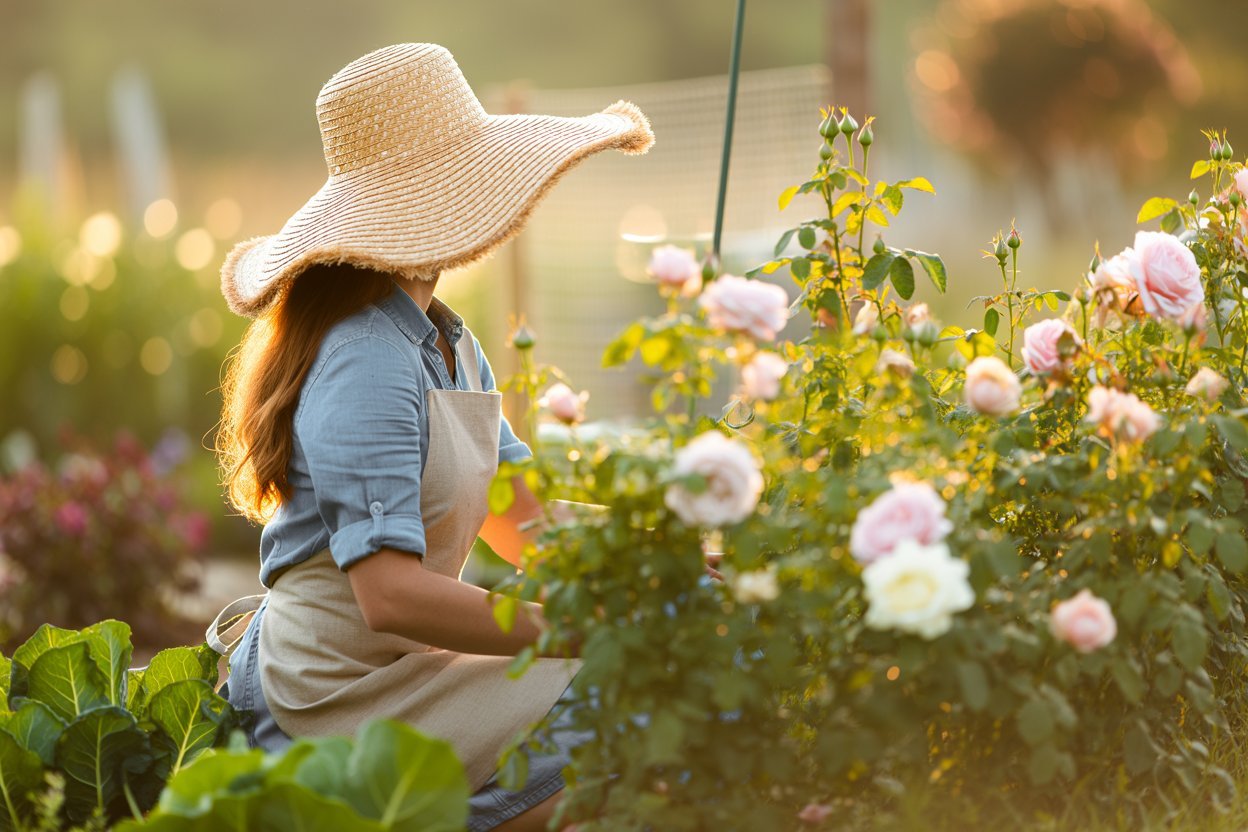

My hands smell like tomato leaves and lavender right now, and honestly, there’s no better perfume.
July is the month I fall in love with my garden all over again the roses are showing off, the herbs are practically begging to be snipped, and every morning walk-through feels like visiting old friends.
But July is also sneaky. The heat creeps up, the weeds get bold, and if you blink, your beautiful beds can slip into chaos.
So grab your sun hat and a cold glass of mint lemonade, darling, because we’re going to walk through everything your garden needs this month together.
Why July Deserves Your Full Attention
There’s a certain magic to July gardening that no other month quite matches. Everything is at its peak the color, the growth, the sheer abundance of it all.
But that peak also means your garden is working overtime, and so should you (just a little). The plants are thirstier, the pests are hungrier, and the sun is more intense than it’s been all year.
Think of July as the month where consistency matters more than effort. A little attention every day beats one big overwhelming session on the weekend.
This is the month to slow down, observe, and respond to what your garden is actually telling you not what a calendar says it should be doing. With that mindset, let’s get into the details.
1. Watering Wisely (Not Just More)
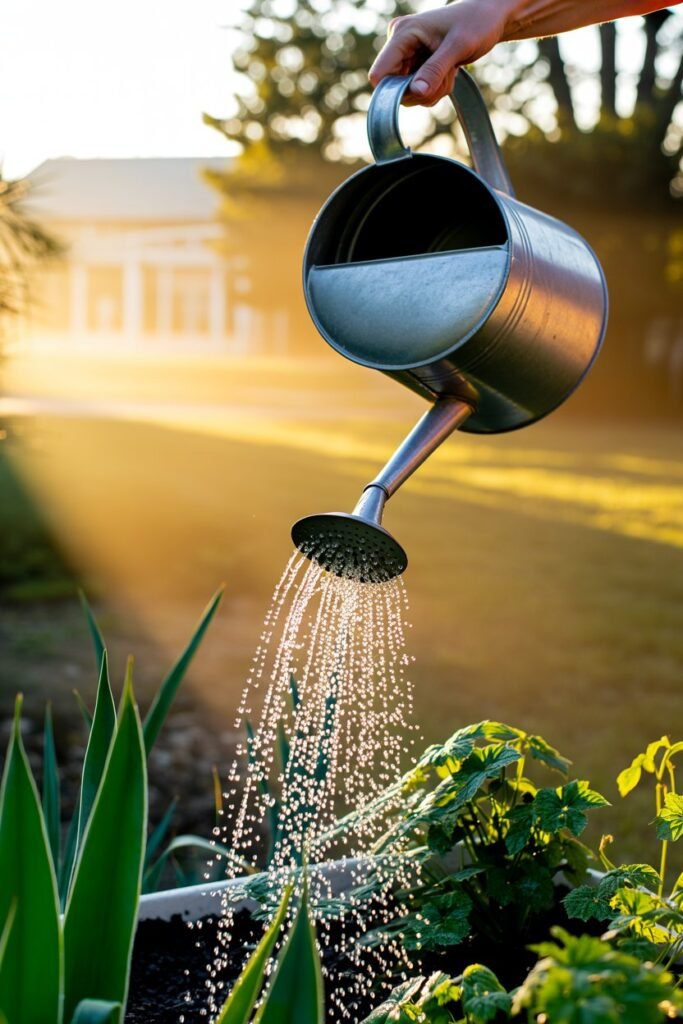
July heat can fool even experienced gardeners into overwatering. The trick isn’t watering more it’s watering smarter.
- Water early in the morning, ideally before 9 a.m., so plants absorb moisture before the heat evaporates it.
- Water deeply and less frequently rather than a light daily sprinkle. Deep watering encourages roots to grow downward, making plants more drought-resilient.
- Check soil moisture with your finger before watering if the top two inches are dry, it’s time.
- Use mulch generously around your plants to lock in moisture and keep roots cool.
- Container gardens and hanging baskets may need daily watering in extreme heat, so check them morning and evening.
- Avoid watering leaves directly, especially in the evening, as this can invite fungal issues overnight.
A soaker hose or drip irrigation system is a gardener’s best friend this month. It saves water, saves time, and keeps your plants consistently happy.
2. Deadheading and Pruning for More Blooms
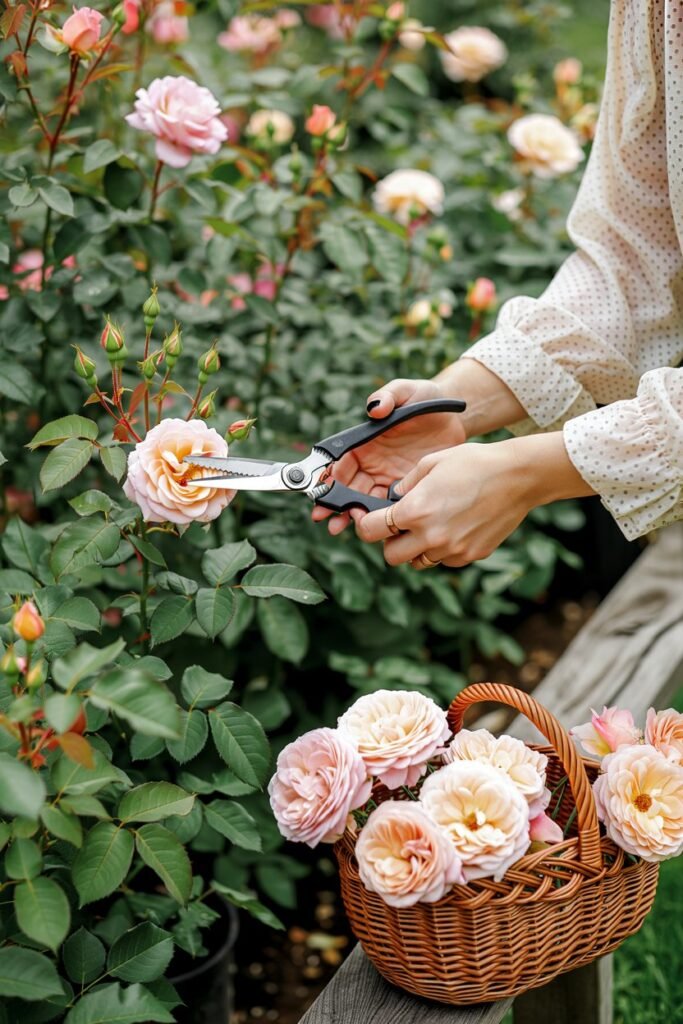
If you want your flowers to keep giving you that gorgeous summer show, deadheading is non-negotiable this month.
- Snip off spent blooms on roses, petunias, marigolds, and zinnias to encourage new buds.
- Prune leggy herbs like basil and mint to keep them bushy rather than flowering and turning bitter.
- Cut back early summer perennials that have finished blooming, like delphiniums or catmint, for a possible second flush.
- Remove any yellowing or damaged leaves to keep plants looking tidy and reduce disease risk.
- Lightly trim hedges and shrubs, but avoid heavy pruning in extreme heat, which can stress plants.
Think of deadheading as a little act of self-care for your garden — a small, repetitive ritual that keeps everything looking its best.
3. Weeding Before They Take Over
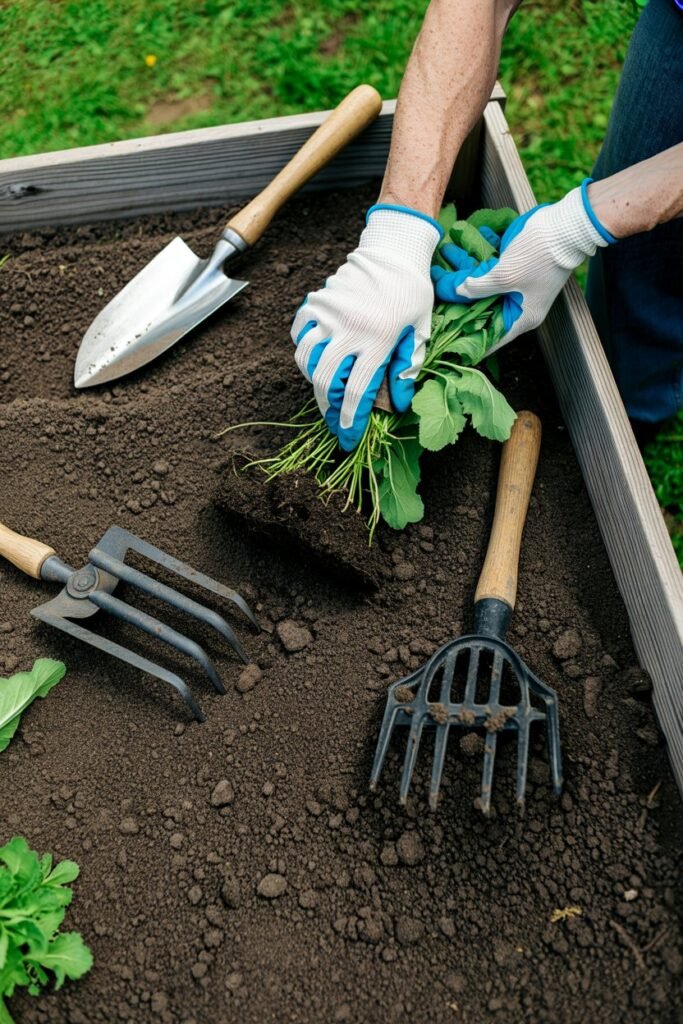
Weeds absolutely thrive in July heat and humidity, and if you let them go even a week, they multiply fast.
- Pull weeds after watering or rain, when the soil is soft and roots come out easily.
- Focus on removing weeds before they go to seed to prevent next month’s explosion.
- Apply a fresh layer of mulch in any bare spots to suppress new weed growth.
- Keep pathways and edges clean, since neglected borders often become the entry point for weeds spreading into beds.
A little weeding every few days keeps this chore light and manageable, rather than a dreaded weekend battle.
4. Feeding Your Garden the Right Way
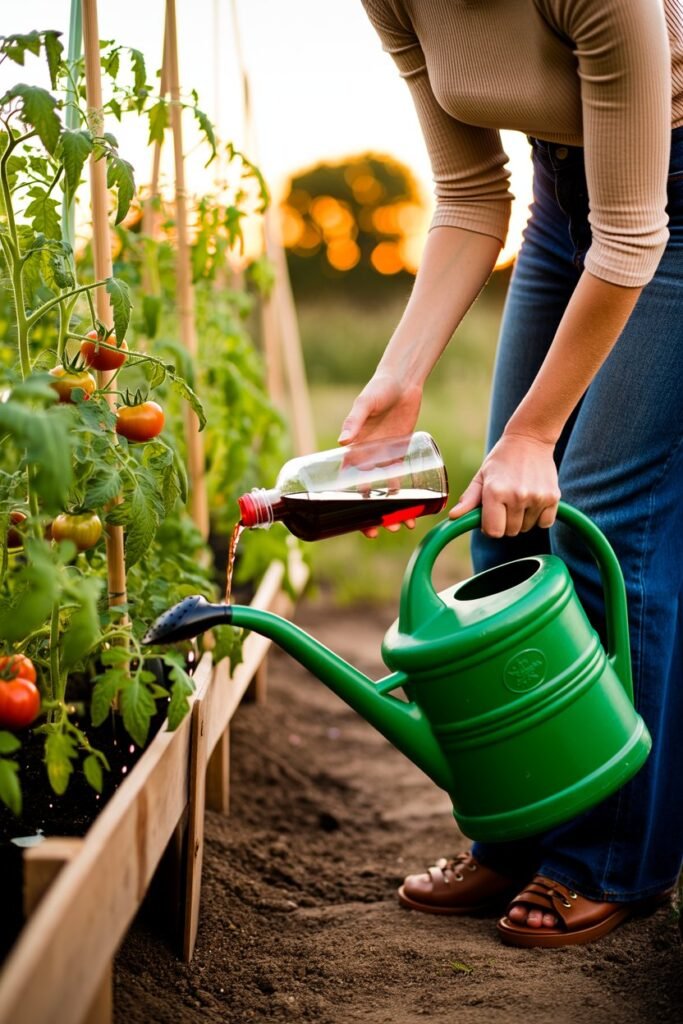
July’s heavy growth means your plants are using up nutrients fast, so a mid-summer feed can make a real difference.
- Feed vegetables like tomatoes, peppers, and squash with a balanced or fruit-focused fertilizer every two to three weeks.
- Give roses a boost with a rose-specific feed to support continuous blooming.
- Apply a diluted liquid feed to container plants, since potting soil nutrients deplete faster than garden beds.
- Avoid heavy fertilizing during extreme heat waves, as it can stress plants rather than help them.
- Consider a gentle organic option like compost tea or seaweed extract for a nourishing, low-risk boost.
Feeding your garden in July is like giving it a little pep talk just enough encouragement to keep pushing through the heat.
5. Harvesting at the Peak of Freshness
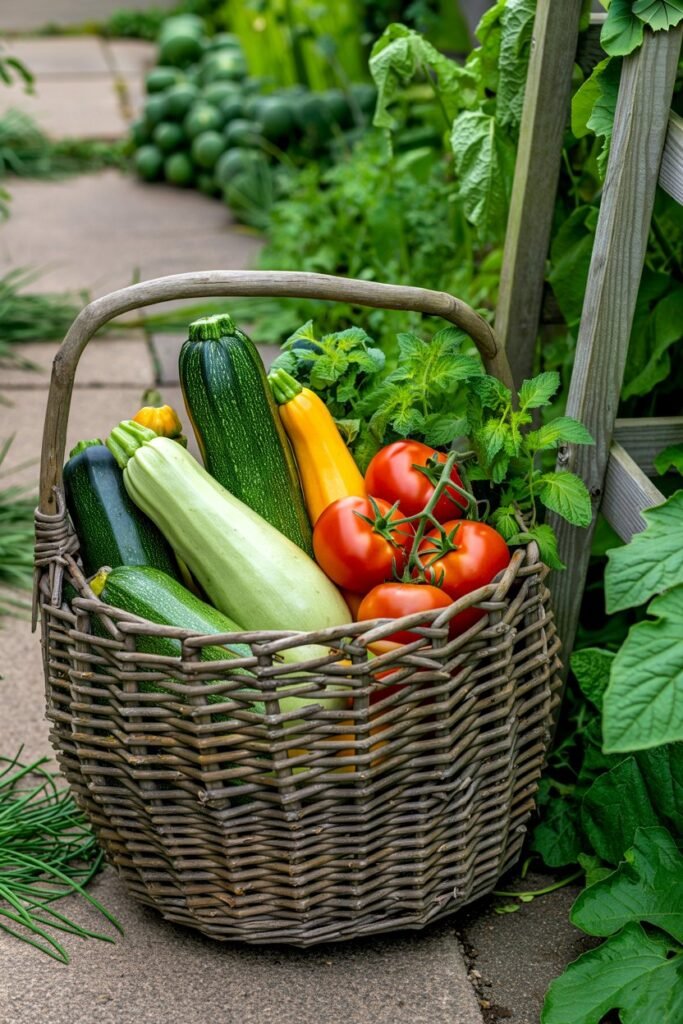
This is the fun part. July is often when the garden starts truly rewarding you.
- Harvest zucchini and cucumbers frequently, even when small, to encourage continuous production.
- Pick tomatoes as they ripen rather than letting them sit, which can attract pests and split fruit.
- Snip herbs regularly, ideally in the morning after dew has dried, for the best flavor and oil content.
- Harvest berries as soon as they’re ripe, since summer heat can cause them to spoil quickly.
- Check beans and peas daily, as they can go from perfect to overripe within a day or two.
There’s something deeply satisfying about a basket full of your own homegrown veggies and herbs. Let this be your reminder to actually enjoy the fruits (literally) of your labor.
6. Pest and Disease Patrol
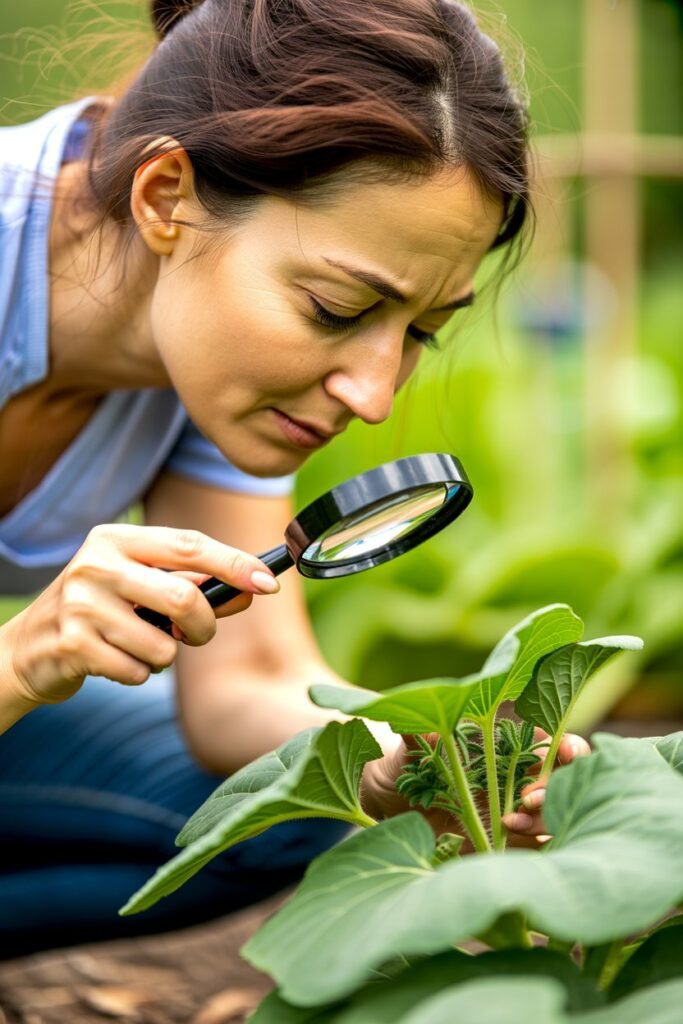
Warm, humid July days are prime time for pests and fungal issues, so a little vigilance goes a long way.
- Inspect the undersides of leaves for aphids, spider mites, and whiteflies weekly.
- Watch for powdery mildew on squash, cucumbers, and roses, especially in humid climates.
- Use insecticidal soap or neem oil for organic pest control rather than harsh chemicals.
- Encourage beneficial insects like ladybugs and lacewings by planting companion flowers such as alyssum or dill.
- Remove any diseased leaves immediately and dispose of them away from your compost pile.
Early detection really is everything here a five-minute daily glance can save you a much bigger headache later.
7. Supporting and Staking Plants
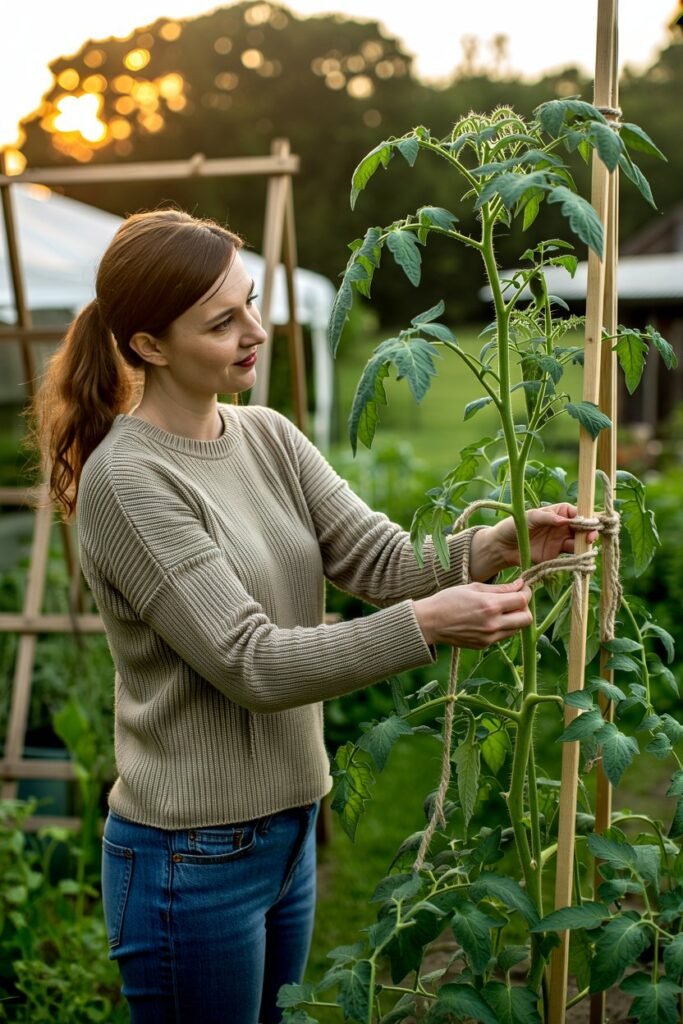
By July, many plants have grown tall, heavy, or sprawling, and they need a little extra support.
- Stake tomatoes, peppers, and tall flowers like dahlias and gladiolus to prevent wind and rain damage.
- Add trellises for climbing vegetables like beans, peas, and cucumbers if you haven’t already.
- Tie back sprawling vines gently, avoiding tight ties that can damage stems.
- Check existing stakes and supports, since summer storms can loosen or knock them over.
Giving your plants a little structural support now prevents heartbreak later when a storm rolls through unexpectedly.
8. Lawn Care in the Summer Heat
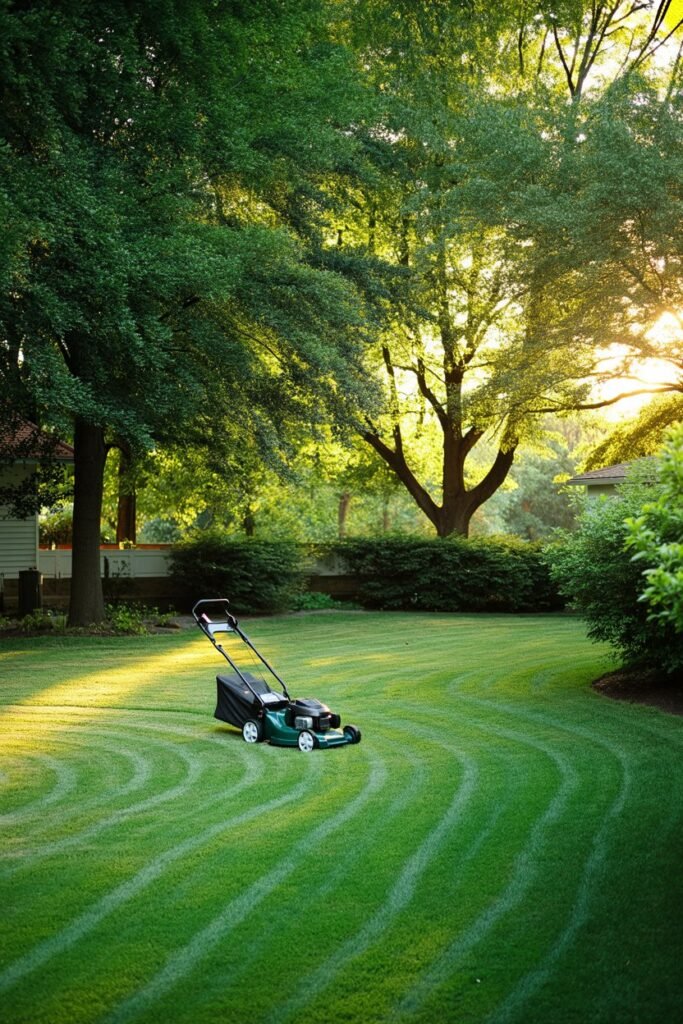
Your lawn needs a slightly different approach in July than in spring.
- Raise your mower blade height to reduce stress on grass and help it retain moisture.
- Water lawns deeply once or twice a week rather than daily light watering.
- Avoid mowing during the hottest part of the day.
- Leave grass clippings on the lawn occasionally to act as a natural mulch and nutrient source.
A slightly longer, relaxed lawn actually handles July heat far better than a tightly manicured one.
9. Planning Ahead for Fall
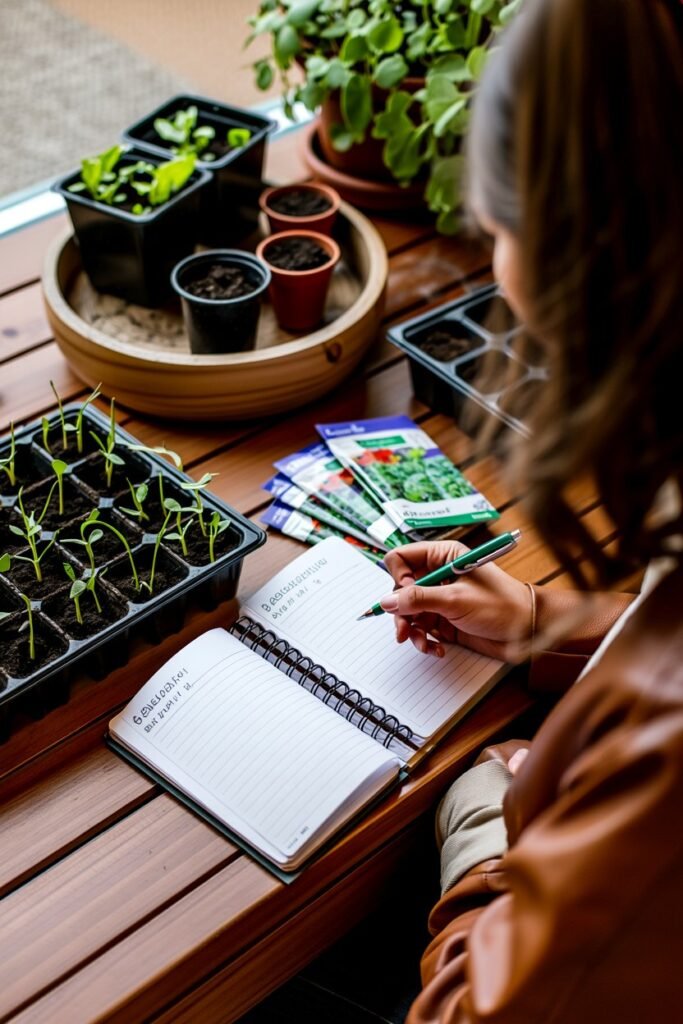
While July feels like the height of summer, savvy gardeners are already thinking a season ahead.
- Start seeds indoors or in trays for fall crops like broccoli, cabbage, and kale.
- Order or plan for fall bulbs if you want a head start on autumn color.
- Take notes on what’s thriving and what’s struggling this year to guide next year’s planting choices.
- Photograph your garden at its peak for inspiration and reference later.
This small habit of planning ahead means you’ll never feel caught off guard when the seasons shift.
10. Taking Care of Yourself, Too

Gardening in July heat isn’t just about the plants it’s about you as well.
- Garden during the cooler morning or evening hours whenever possible.
- Stay hydrated and wear breathable, sun-protective clothing.
- Take breaks in the shade, especially during peak afternoon heat.
- Keep a cold drink nearby and don’t push through exhaustion just to finish a task.
Your garden will still be there in an hour. Your wellbeing matters just as much as your watering schedule.
Your Complete July Gardening Checklist
Print this out, pin it to your gardening shed, or save it to your phone whatever helps you actually use it.
Watering
- Water early morning, deeply and less frequently
- Check soil moisture before watering
- Refresh mulch to retain moisture
- Check containers and hanging baskets daily
Pruning & Deadheading
- Deadhead flowering annuals and perennials
- Prune leggy herbs
- Remove yellowing or damaged leaves
- Lightly trim shrubs and hedges
Weeding
- Weed beds weekly
- Remove weeds before they seed
- Mulch bare soil patches
Feeding
- Fertilize vegetables every 2–3 weeks
- Feed roses with a rose-specific formula
- Feed container plants regularly
- Consider organic feeds like compost tea
Harvesting
- Harvest zucchini and cucumbers often
- Pick ripe tomatoes promptly
- Snip herbs in the morning
- Check berries, beans, and peas daily
Pest & Disease Control
- Inspect leaves weekly for pests
- Watch for powdery mildew
- Use neem oil or insecticidal soap as needed
- Remove diseased foliage promptly
Support & Structure
- Stake tall or heavy plants
- Check trellises and supports
- Gently tie back sprawling vines
Lawn Care
- Raise mower blade height
- Water deeply once or twice weekly
- Avoid mowing in peak heat
Planning Ahead
- Start fall crop seeds
- Plan fall bulb orders
- Take garden notes and photos
Self-Care
- Garden during cooler hours
- Stay hydrated and sun-protected
- Take shade breaks as needed
A Final Note Before You Head Out to the Garden
July asks a little more of us, but it gives so much more in return.
There’s a rhythm to this month water, watch, harvest, repeat and once you settle into it, the garden almost takes care of itself.
So take your checklist, your sun hat, and maybe that glass of lemonade, and go enjoy the beautiful chaos of a July garden.
It won’t look this abundant forever, so soak in every bit of it while you can.
