
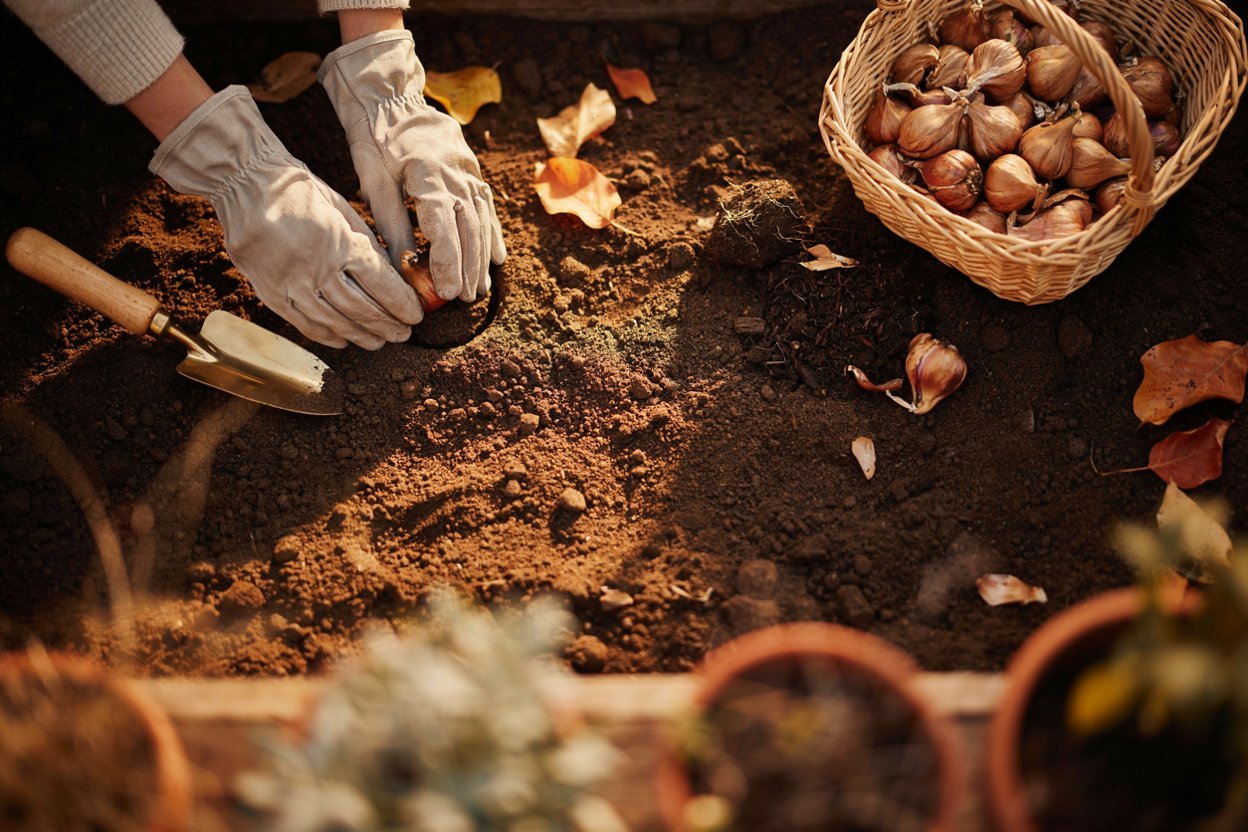

Grab your favorite mug of tea, slip on your comfiest cardigan, and let’s step outside together, because October has a way of turning even the busiest gardener into a dreamer.
There’s something so soothing about the crunch of leaves underfoot and the golden light settling over the beds we’ve tended all year.
This month isn’t about frantic effort, it’s about gentle, purposeful care that sets the stage for a garden that thrives long after the frost arrives.
So, pour yourself something warm, and let’s get your garden ready for the season ahead.
Why October Matters So Much for Your Garden
Think of October as your garden’s bedtime routine. Just like we wind down for the night with a skincare ritual and a good book, our gardens need their own version of tucking in before winter’s chill sets in.
The work you do this month, from planting bulbs to protecting tender roots, directly shapes how vibrant and healthy your garden will be come spring.
Skip these steps, and you might find yourself facing sad, leggy perennials or bulbs that never bloomed.
But tend to them now, with a little love and attention, and you’ll be rewarded with a garden that bounces back beautifully.
1. Plant Your Spring-Blooming Bulbs
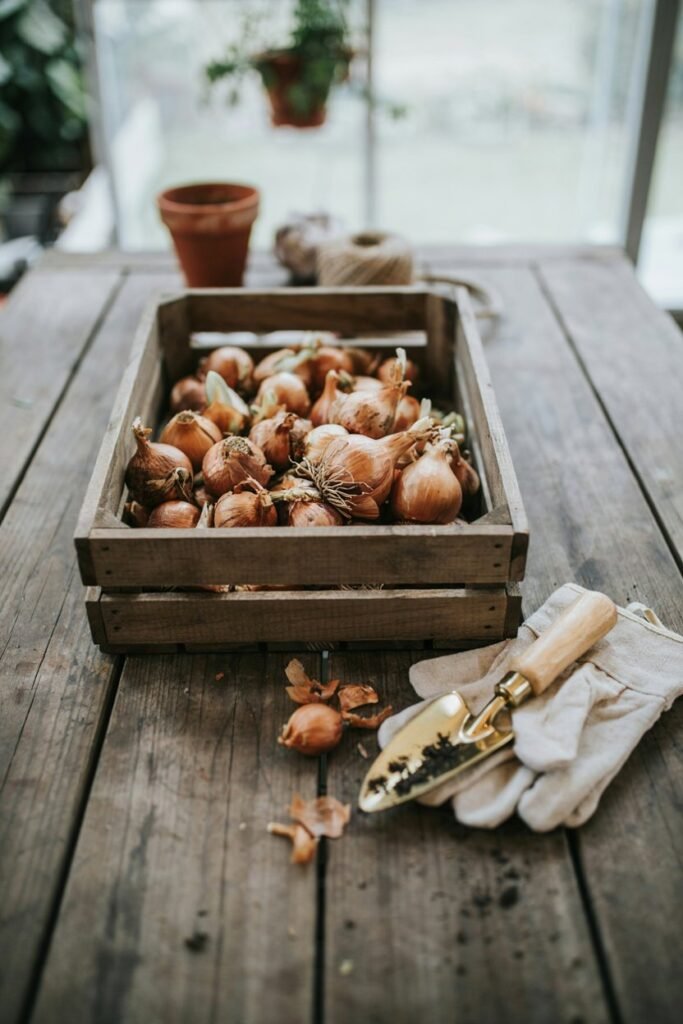
If there’s one task that feels the most magical this month, it’s planting bulbs.
There’s a quiet kind of faith involved in tucking a papery brown bulb into cool soil, trusting that months from now it will push through and unfurl into something breathtaking.
What to plant now:
- Tulips
- Daffodils
- Crocuses
- Hyacinths
- Alliums
- Snowdrops
How to do it right:
- Plant bulbs at a depth roughly two to three times their height. A general rule of thumb is that larger bulbs like tulips and daffodils go about 6 to 8 inches deep, while smaller ones like crocuses only need 3 to 4 inches.
- Choose a spot with good drainage. Bulbs sitting in soggy soil are prone to rot, so if your soil holds water, work in some compost or coarse sand before planting.
- Point the pointed end up and the flatter, root end down. It seems obvious, but it’s easy to lose track once you’re elbow-deep in a bag of bulbs.
- Space them a few inches apart so they have room to multiply and spread in future years.
- Water them in gently after planting to help settle the soil around the bulbs.
A sweet little tip: plant in clusters rather than straight rows for a more natural, romantic look come springtime. Odd numbers, like five or seven bulbs grouped together, tend to look more organic than tidy little lines.
2. Divide and Transplant Perennials
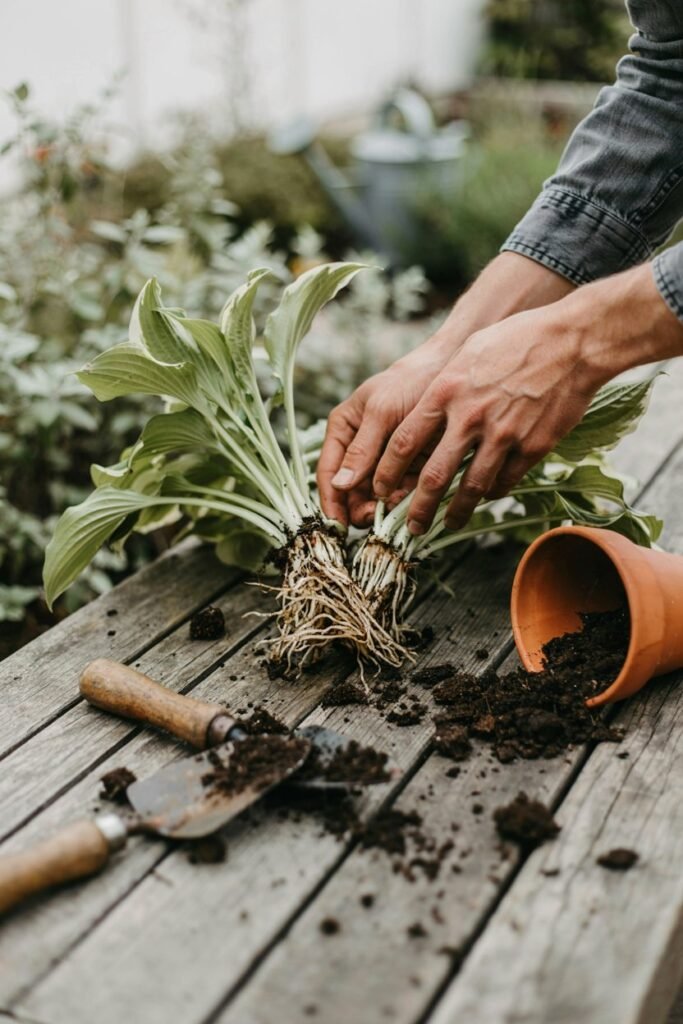
Early to mid-October is one of the best windows for dividing overcrowded perennials, since the soil is still warm enough to encourage root growth, but the air is cool enough to reduce stress on the plant.
Great candidates for division:
- Hostas
- Daylilies
- Peonies (though these prefer division in early autumn specifically)
- Irises
- Coneflowers
To divide, dig up the entire clump, gently shake off excess soil, and use a sharp spade or knife to separate the root ball into smaller sections, each with a few healthy shoots or eyes attached.
Replant promptly, water deeply, and add a layer of mulch to help the roots settle in before the ground freezes.
3. Clean Up Spent Annuals and Vegetable Beds

It’s tempting to let the garden coast into winter looking a little wild, and honestly, there’s a whole movement around leaving things messy for the sake of wildlife.
But a little tidying goes a long way toward preventing pests and disease from overwintering in your soil.
- Pull up spent annuals and any vegetable plants that have finished producing, especially tomatoes, squash, and cucumbers, which can harbor fungal spores.
- Compost healthy plant debris, but toss anything that showed signs of disease or pest infestation straight into the trash rather than your compost pile.
- Harvest any remaining green tomatoes, peppers, or herbs before a hard frost catches them.
- Leave a few seed heads standing, like coneflowers and black-eyed Susans, since they offer food for birds through the colder months.
4. Plant Garlic and Overwintering Vegetables
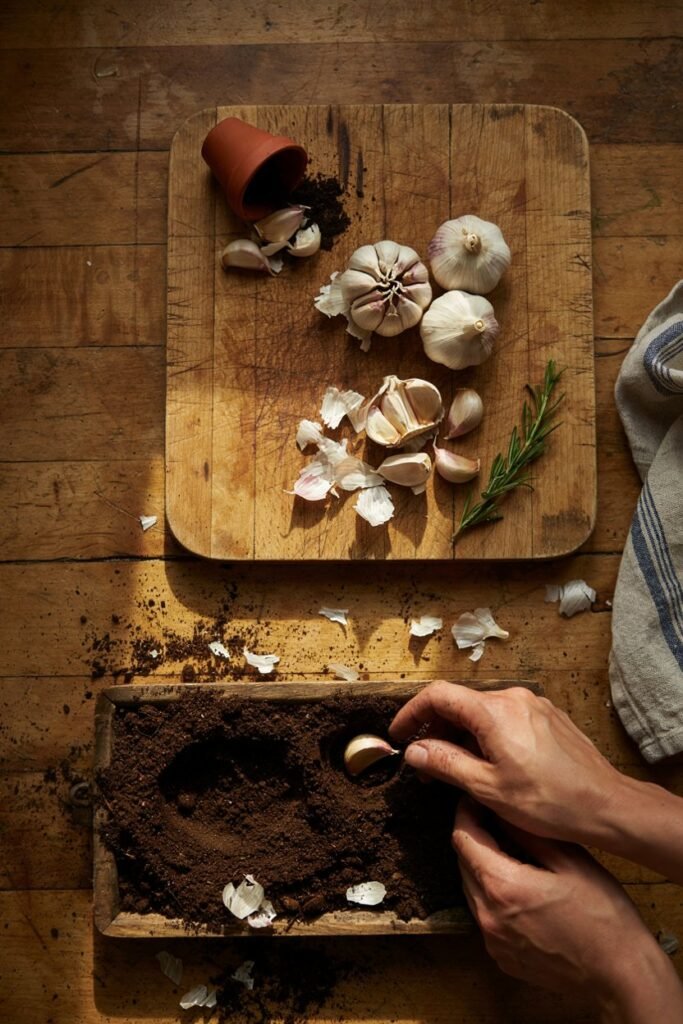
October is prime time for planting garlic, and if you’ve never grown your own, this is the month to start. Garlic planted now will establish roots before winter and reward you with a hearty harvest by mid-summer.
How to plant garlic:
- Break apart a bulb into individual cloves, keeping the papery skin intact.
- Plant each clove pointed end up, about 2 inches deep, spaced 4 to 6 inches apart.
- Choose a sunny spot with well-draining soil, and add a layer of straw mulch on top to protect against harsh freezes.
You can also tuck in cool-season crops like spinach, kale, and certain lettuce varieties if you’re in a milder climate zone, as these can often handle light frosts and continue producing into the cooler months.
5. Feed and Amend Your Soil
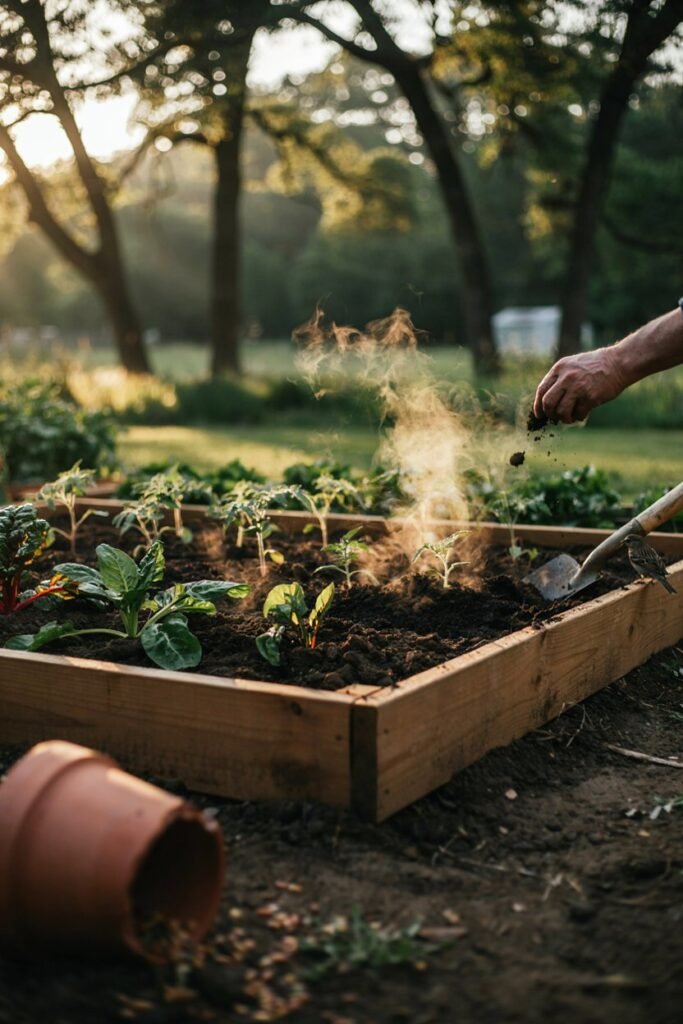
Your soil has worked hard all growing season, and October is the perfect time to give back to it. Healthy soil means healthy plants, and a little effort now sets you up beautifully for spring.
- Spread a layer of compost over garden beds to replenish nutrients.
- Consider planting a cover crop, like clover or winter rye, which will protect and enrich your soil over winter and can simply be tilled under come spring.
- Test your soil’s pH if you haven’t in a while, so you know exactly what amendments your garden needs before next season’s planting begins.
6. Protect Tender Plants
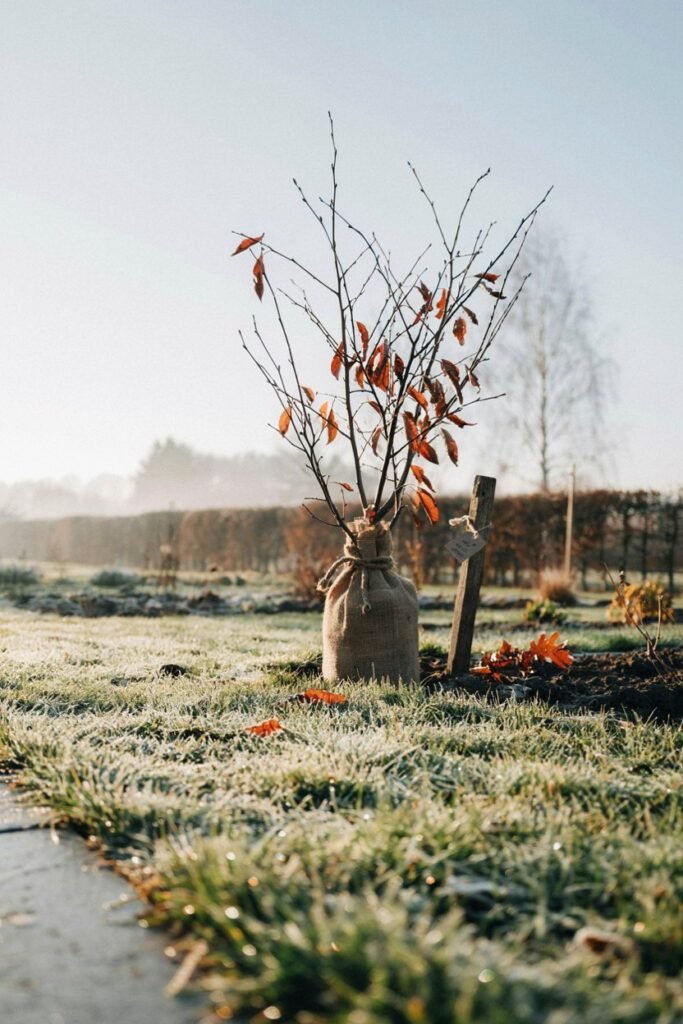
If you’re growing anything that isn’t quite hardy enough to handle a hard freeze, now is the time to think about protection.
- Bring potted tropicals, tender herbs, and non-hardy succulents indoors before nighttime temperatures dip below 45°F.
- Wrap the base of young trees and shrubs with burlap or tree guards to protect against frost cracking and hungry critters looking for a winter snack.
- Add a generous layer of mulch, around 2 to 3 inches, around the base of perennials, roses, and shrubs to insulate roots against temperature swings.
- Cover tender plants with frost cloth on nights when a cold snap is forecast.
7. Give Your Lawn Some Love
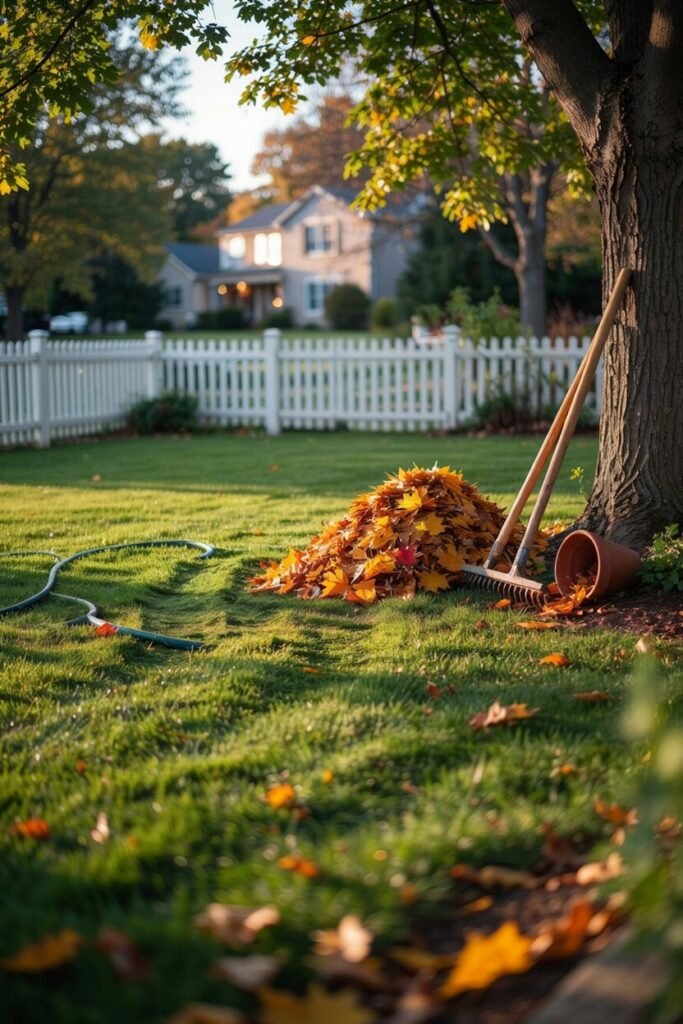
Autumn is actually one of the best times of year to focus on lawn health, since cooler temperatures and lingering warmth in the soil create ideal conditions for grass roots to grow strong.
- Continue mowing as needed, gradually lowering the blade height with each cut as growth slows.
- Aerate compacted areas to help water, air, and nutrients reach the roots more easily.
- Overseed thin or bare patches now while the soil is still warm enough for germination.
- Apply a fall fertilizer formulated to strengthen roots rather than push new top growth, which will help your lawn come back lush and green in spring.
- Keep raking those fallen leaves. A thick layer left sitting on grass can smother it and encourage fungal issues.
8. Tend to Your Roses
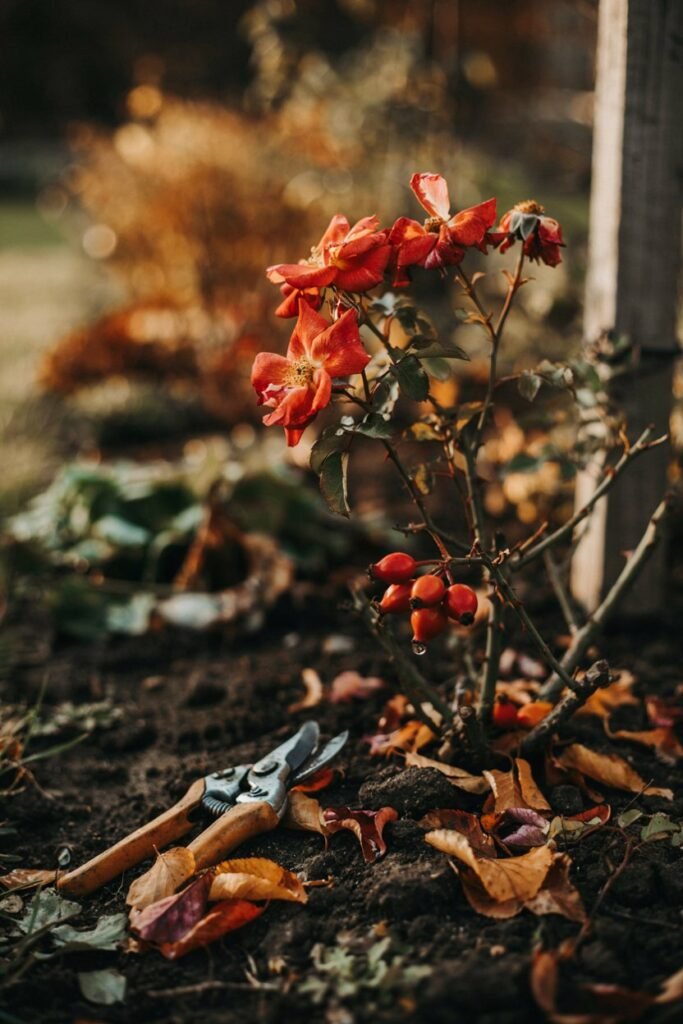
Roses deserve a little extra attention this month to ensure they come back beautifully next year.
- Stop fertilizing roses now, as you don’t want to encourage tender new growth right before frost.
- Continue deadheading spent blooms, but let the last few flowers of the season go to hip, since rose hips add lovely color to the winter garden and provide food for birds.
- Once a hard frost has passed, cut back tall canes to prevent wind rock, and mound mulch or compost around the base for insulation.
9. Bring Houseplants Back Inside

If you moved your houseplants outdoors for a summer vacation on the porch or patio, October is your cue to bring them back in before nighttime temperatures drop too low.
- Inspect each plant closely for pests like aphids or spider mites before bringing it inside, since you don’t want to introduce unwanted visitors to your indoor collection.
- Give leaves a gentle rinse and wipe down to remove dust and any lingering bugs.
- Transition plants gradually if possible, since the shift from bright outdoor light to dimmer indoor conditions can cause a bit of leaf drop as they adjust.
10. Save Seeds for Next Year

There’s something wonderfully sentimental about saving seeds from your favorite blooms and vegetables to plant again next season. It’s a lovely way to carry a bit of this year’s garden forward into the next.
- Choose seeds from your healthiest, most vigorous plants.
- Allow seed heads to dry fully on the plant before collecting them.
- Store seeds in labeled paper envelopes in a cool, dry, dark place until you’re ready to plant again.
Wonderful candidates for seed saving include zinnias, marigolds, sunflowers, beans, and peas.
11. Clean and Store Your Garden Tools
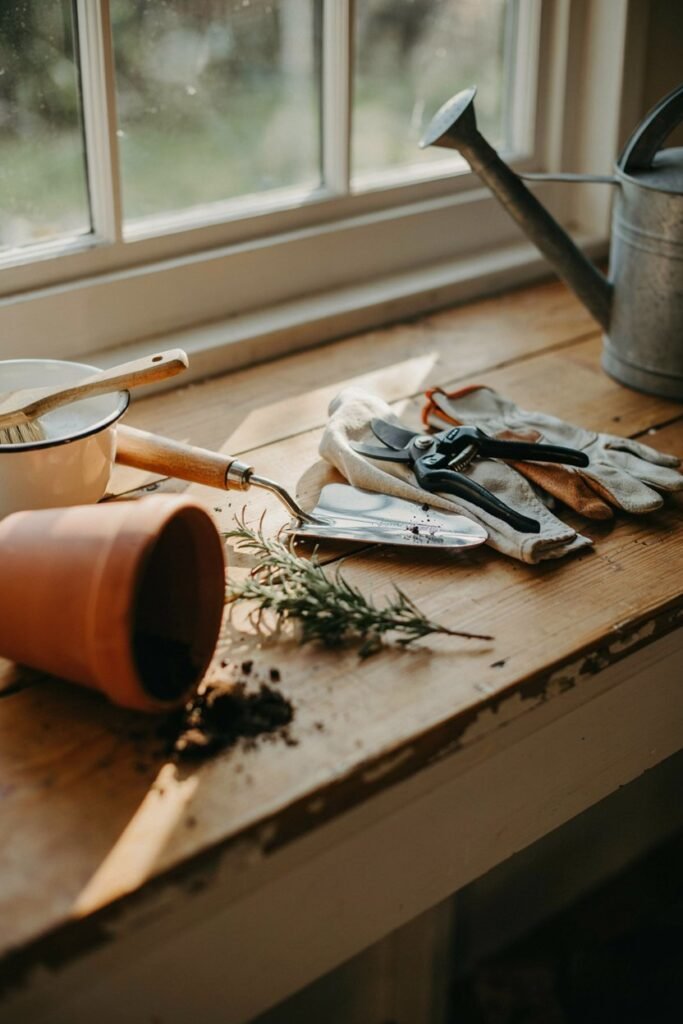
Before the season fully winds down, take a little time to care for the tools that have supported you through months of digging, pruning, and planting.
- Clean off dirt and sap with warm, soapy water, then dry thoroughly to prevent rust.
- Sharpen blades on pruners and shears so they’re ready to go come spring.
- Oil wooden handles lightly to prevent cracking over the dry winter months.
- Drain and store hoses properly to avoid cracking from freezing temperatures.
12. Create a Cozy Habitat for Wildlife
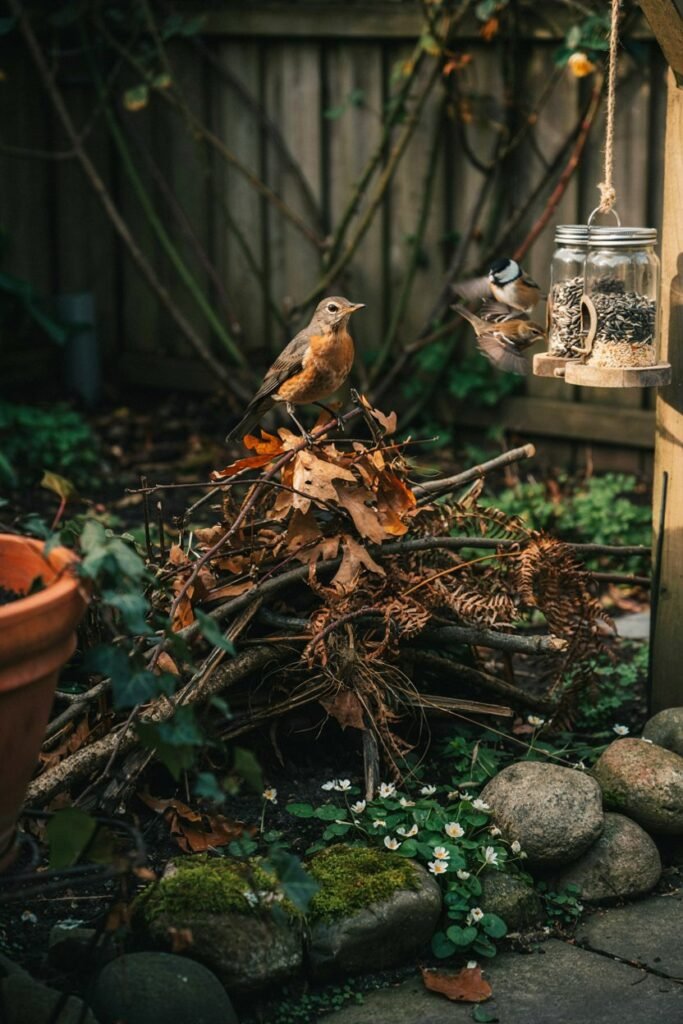
October is a beautiful time to think beyond just your plants and consider the little creatures who share your garden.
- Leave a small brush pile or log stack in a corner of your yard to give shelter to beneficial insects and small critters through winter.
- Keep bird feeders filled and fresh, since natural food sources become scarcer as the season progresses.
- Add a heated birdbath or simply keep water available, since fresh water can be hard for birds to find once temperatures drop.
13. Plan and Dream for Next Year

Once the practical tasks are done, allow yourself a little time to dream.
Flip through seed catalogs, sketch out new bed designs, or simply jot down notes about what worked beautifully this year and what you’d love to try differently next season.
- Keep a simple garden journal noting bloom times, successes, and any pest or disease issues you encountered.
- Take photos of your garden now so you have a visual reminder of layout and spacing when planning next year’s additions.
- Research new varieties you’d love to add, whether it’s a new rose, a unique dahlia, or heirloom vegetable seeds.
14. Prune with a Light Hand
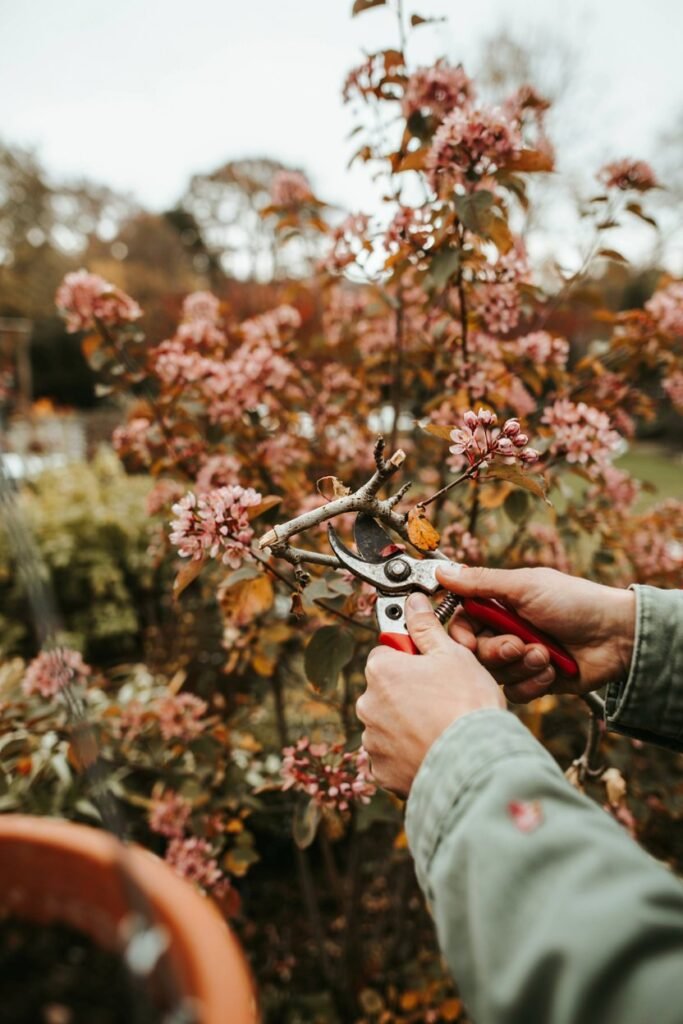
October calls for restraint when it comes to pruning, and that’s a lesson worth embracing. Heavy pruning encourages tender new growth, and that soft new growth is exactly what winter frost loves to damage.
- Stick to removing only dead, damaged, or diseased branches from trees and shrubs.
- Save the bulk of your structural pruning for late winter or early spring, when plants are fully dormant and you can see their shape clearly without leaves in the way.
- An exception to this rule is spring-flowering shrubs like lilacs and forsythia, which have already set next year’s buds, so it’s best to leave them completely untouched until after they bloom.
- Hydrangeas can be a bit tricky, since some varieties bloom on old wood and others on new wood, so it’s worth double-checking your specific variety before reaching for the shears.
15. Check In on Container Gardens
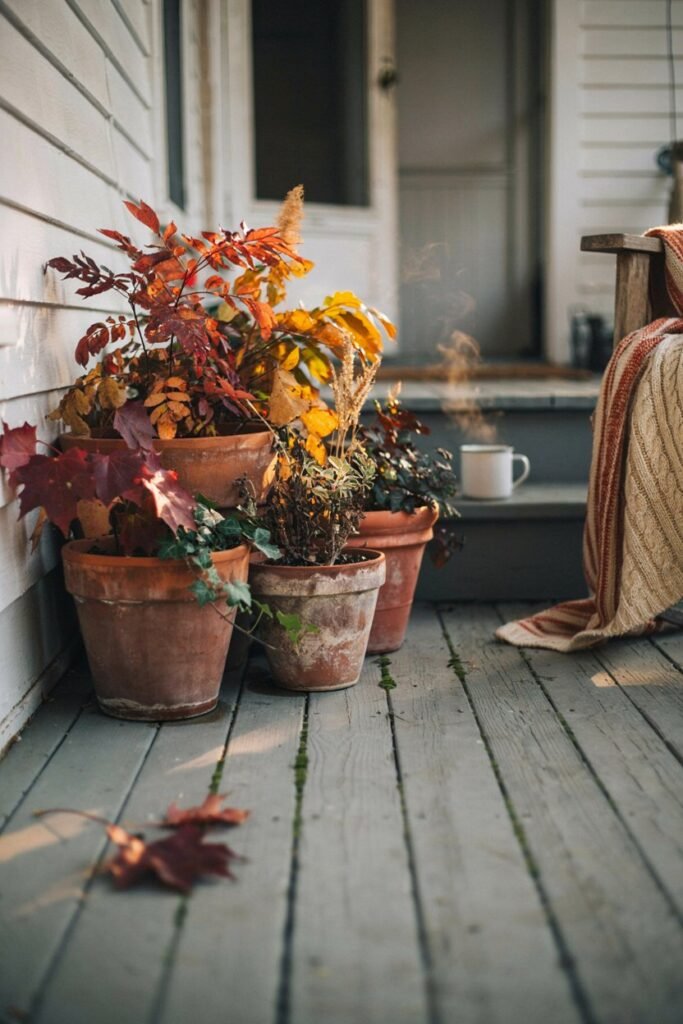
Containers dry out and freeze faster than garden beds, so they deserve a little extra attention this month.
- Move containers with tender perennials to a sheltered spot, like against a house wall or into an unheated garage, to buffer them from the harshest temperature swings.
- Terracotta and ceramic pots are prone to cracking when water inside them freezes and expands, so consider moving empty pots into storage or wrapping them for protection.
- Refresh container soil with a bit of compost if you plan to keep planting in them through the cooler months, since containers deplete nutrients faster than garden beds.
- Group containers together in a cluster, which helps insulate the pots in the middle and creates a slightly warmer little microclimate.
16. Watch the Weather and Know Your Frost Dates
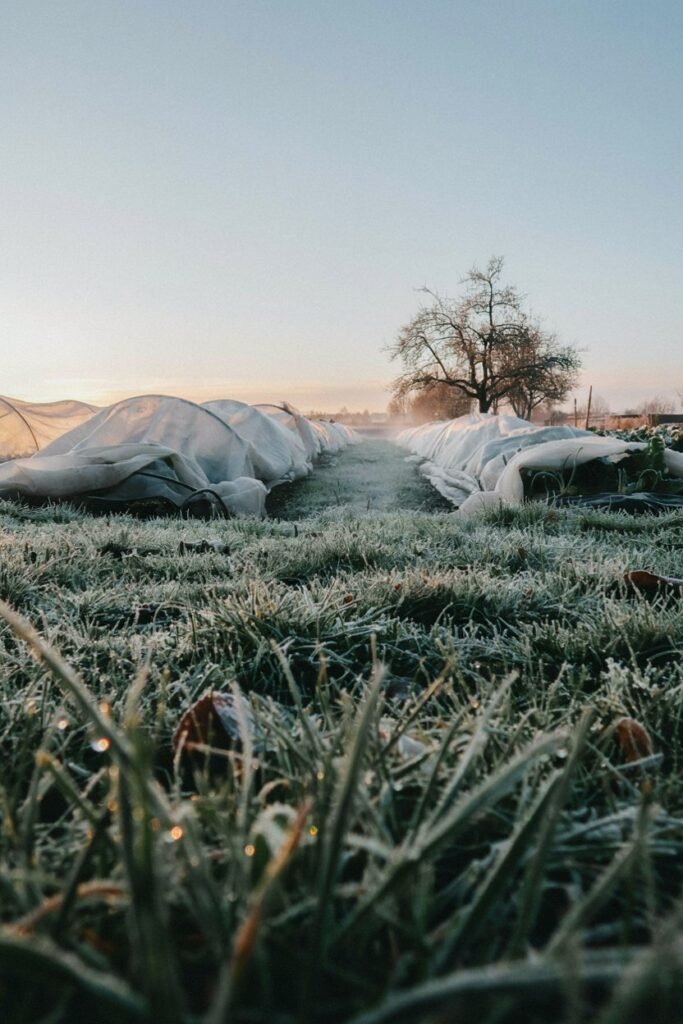
One of the most valuable things you can do this month is simply pay attention. Knowing your average first frost date helps you time everything from harvesting to bulb planting with much more confidence.
- Look up the average first frost date for your specific growing zone, since this can vary significantly even within the same state or region.
- Keep frost cloth, old sheets, or row covers on hand so you can quickly protect tender plants on nights when an early cold snap is forecast.
- Remember that microclimates exist even within your own yard. A spot near a brick wall or under tree cover often stays a few degrees warmer than an open patch of lawn.
Frequently Asked Questions About October Gardening
Is it too late to plant bulbs in October? Not at all. October is actually considered the ideal month for planting most spring-blooming bulbs in many regions, since the soil is still workable but cool enough to encourage strong root development before winter dormancy sets in.
Should I fertilize my garden in October? Generally, it’s best to avoid heavy nitrogen fertilizers this month, since they encourage soft new growth that frost can easily damage. A layer of compost is a gentler, more appropriate way to nourish your soil heading into winter.
When should I stop watering my garden? Keep watering as needed until the ground freezes, particularly for newly planted bulbs, trees, and shrubs, which need consistent moisture to establish their root systems before winter dormancy.
Can I still start a compost pile in October? Absolutely, and it’s a wonderful time to do so. Fallen leaves make a fantastic source of carbon-rich material to balance out fresher green scraps from your kitchen and garden cleanup.
A Gentle Final Thought
Gardening in October is really an act of love, both for the space you’ve cultivated and for the future version of yourself who will walk outside next spring to blooming tulips and thriving perennials.
Every bulb you plant, every leaf you rake, and every tool you carefully put away is a small gift to your future self.
So take your time with these tasks this month, breathe in that crisp autumn air, and enjoy the quiet satisfaction of preparing your garden for its winter rest.
Spring will be here before you know it, and your garden will thank you for every bit of care you gave it now.
Happy gardening, lovely!
