
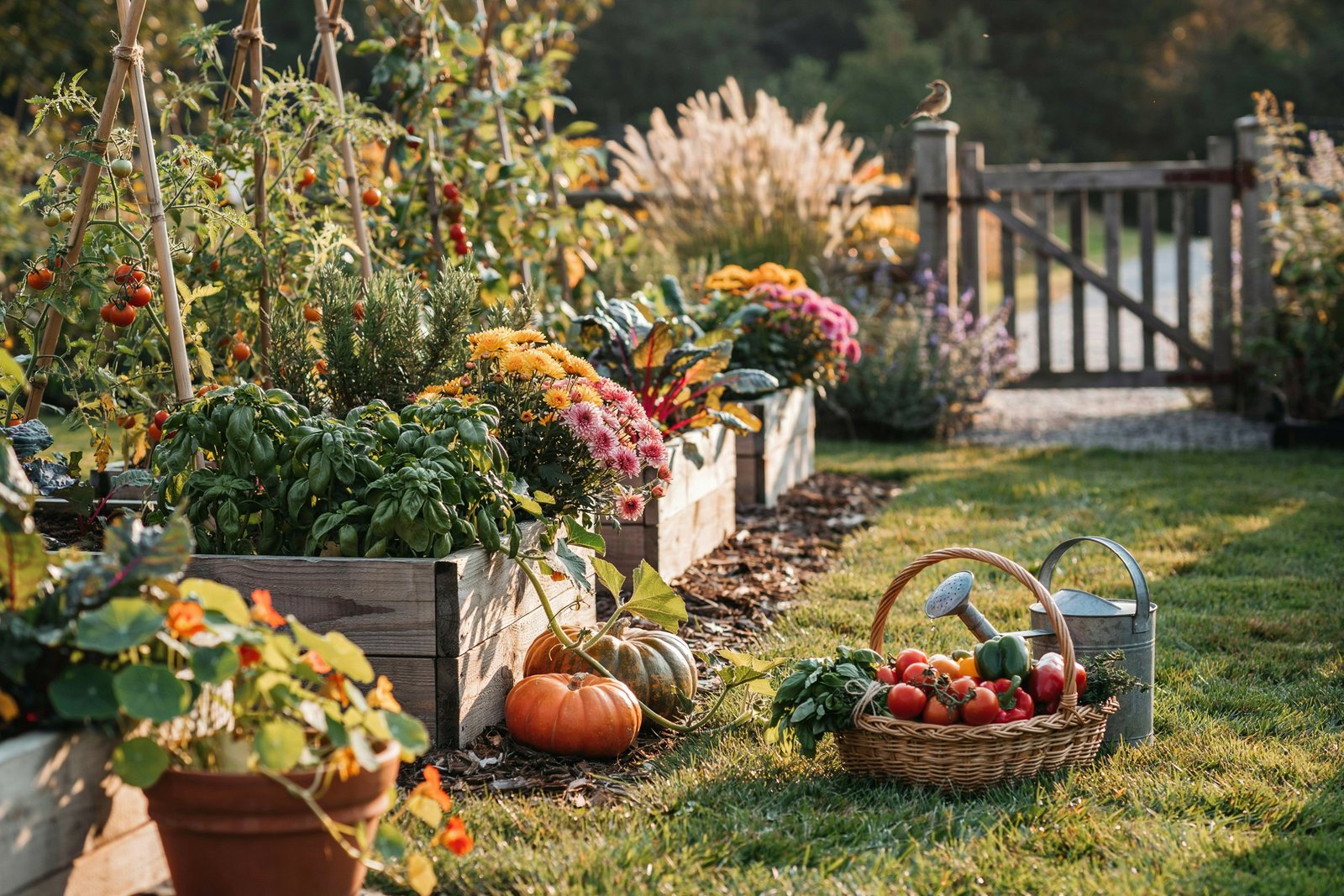

September is one of my favorite months in the garden. The intense heat of summer begins to soften, mornings feel fresher, and many plants get a second chance to shine before the first frost arrives.
It’s also the month when I start thinking ahead instead of simply reacting to what needs watering or harvesting.
I’ve learned that the little jobs I complete in September make a huge difference in how my garden performs through fall, winter, and even next spring.
A few hours spent planting, pruning, cleaning, and preparing now can save weeks of work later.
Whether you’re growing vegetables, flowers, herbs, shrubs, or houseplants, September is the perfect time to refresh your garden after the busy summer season.
This checklist will walk you through everything I recommend doing this month, with simple explanations, practical tips, and plenty of ideas you can adapt to your own garden.
Let’s get started.
Why September Is Such an Important Gardening Month
September sits right between two growing seasons.
Summer annuals are beginning to fade while cool-season vegetables, autumn flowers, and spring bulbs are ready to take their place. Soil is still warm enough for roots to establish, but cooler air reduces stress on plants.
This makes September ideal for:
- Planting trees and shrubs
- Growing fall vegetables
- Dividing perennials
- Feeding the lawn
- Planting spring bulbs
- Harvesting vegetables
- Saving seeds
- Preparing for frost
- Improving garden soil
Instead of seeing September as the end of gardening season, I always think of it as the beginning of next year’s success.
1. Walk Through Your Garden Before Doing Anything
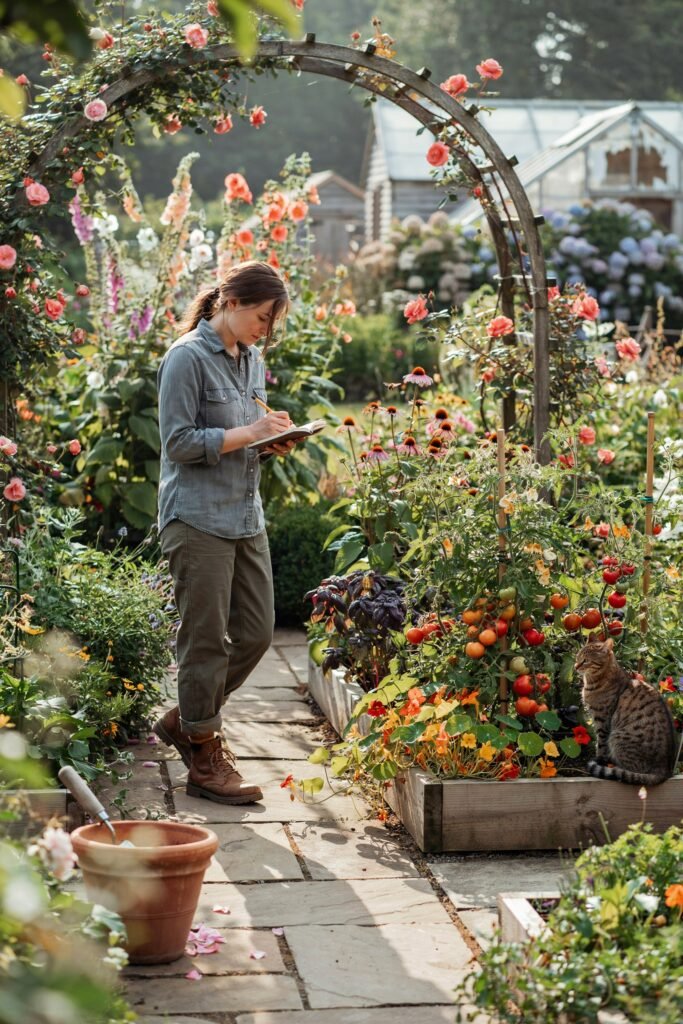
Before you pick up your gloves or reach for your pruning shears, take a few quiet minutes to simply walk through your garden.
I know it’s tempting to dive straight into weeding or planting, but I’ve found that slowing down first helps me notice things I would otherwise miss.
I like to carry a cup of coffee and my phone or a small notebook so I can jot down ideas as I go. This little habit has saved me countless trips back and forth because I already know exactly what needs my attention.
As you stroll through your garden, pay close attention to:
- Dead or dying plants that need removing
- Empty spaces that could be replanted with fall flowers or vegetables
- Weeds that have popped up after summer rains
- Signs of insect damage like chewed leaves or sticky residue
- Plants that are leaning and need staking
- Broken branches caused by storms or heavy harvests
- Containers that dry out faster than your garden beds
- Yellowing or diseased foliage
- Areas where mulch has thinned and soil is exposed
Don’t forget to look underneath leaves as well. That’s often where pests like aphids, spider mites, or caterpillars like to hide.
Starting with a simple garden inspection helps you create a clear plan instead of bouncing from one chore to another. It also allows you to catch small problems before they become much bigger ones later in the season.
2. Remove Summer Plants That Have Finished
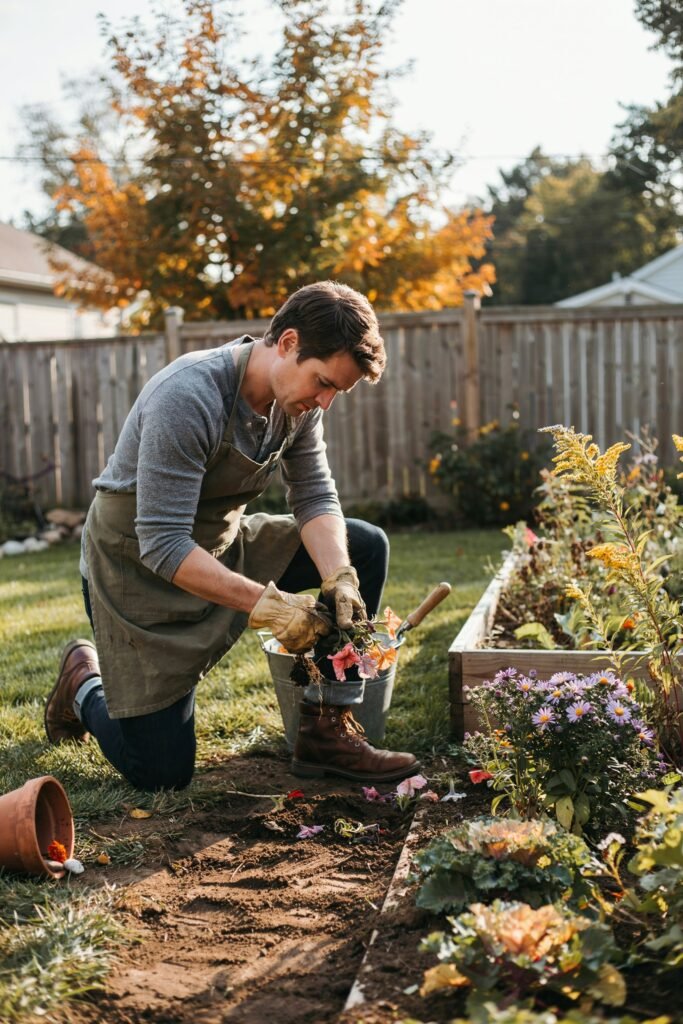
By September, many of the hardworking annuals that filled your garden with color all summer are beginning to slow down.
Some vegetables have stopped producing, flowers may look tired, and certain plants have naturally reached the end of their growing season.
Although it can feel a little sad pulling them out, removing spent plants is one of the best things you can do for your garden.
Clearing away old growth instantly makes your beds look tidier and creates valuable space for cool-season crops and fall flowers.
Plants commonly ready to remove include:
- Spent petunias
- Fading marigolds
- Old zinnias
- Finished bean plants
- Dead cucumber vines
- Bolted lettuce
- Pea vines
- Old squash vines that have stopped producing
As you remove plants, inspect them carefully. Healthy plants can be chopped into smaller pieces and added to your compost pile where they’ll eventually become rich organic matter.
However, if you notice powdery mildew, blight, black spot, rust, or any serious fungal disease, it’s much safer to dispose of those plants with your yard waste rather than composting them.
This helps prevent diseases from surviving the winter and returning next spring.
Once the old plants are gone, lightly loosen the soil, add a layer of compost, and your garden bed will be ready for its next season of growth.
3. Harvest Everything That’s Ready
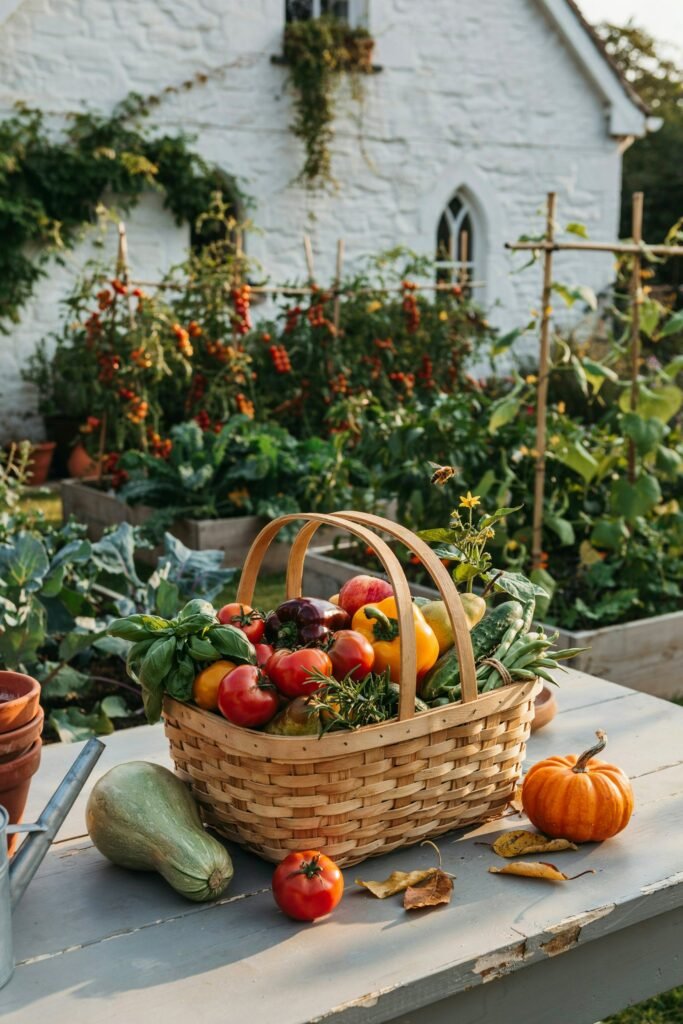
September is often one of the busiest harvest months of the year, and I honestly think it’s one of the most rewarding. After months of watering, feeding, and caring for your plants, this is when your hard work really pays off.
Don’t leave ripe fruits and vegetables sitting on the plant for too long. Harvesting regularly encourages many crops to continue producing until the first frost.
Keep an eye on crops such as:
- Tomatoes
- Sweet peppers
- Hot peppers
- Eggplants
- Green beans
- Cucumbers
- Pumpkins
- Winter squash
- Apples
- Pears
If frost is expected, pick any mature green tomatoes as well. They can continue ripening indoors on a sunny windowsill or in a paper bag.
Herbs also deserve special attention this month. Before cooler temperatures slow their growth, harvest generous bunches of:
- Basil
- Rosemary
- Sage
- Thyme
- Oregano
- Mint
- Lemon balm
Tie herbs into small bundles and hang them upside down in a dry, well-ventilated room, or use a dehydrator for quicker drying.
Preserving herbs now means you’ll still be enjoying homegrown flavor long after your outdoor garden has gone dormant.
4. Plant Cool-Season Vegetables
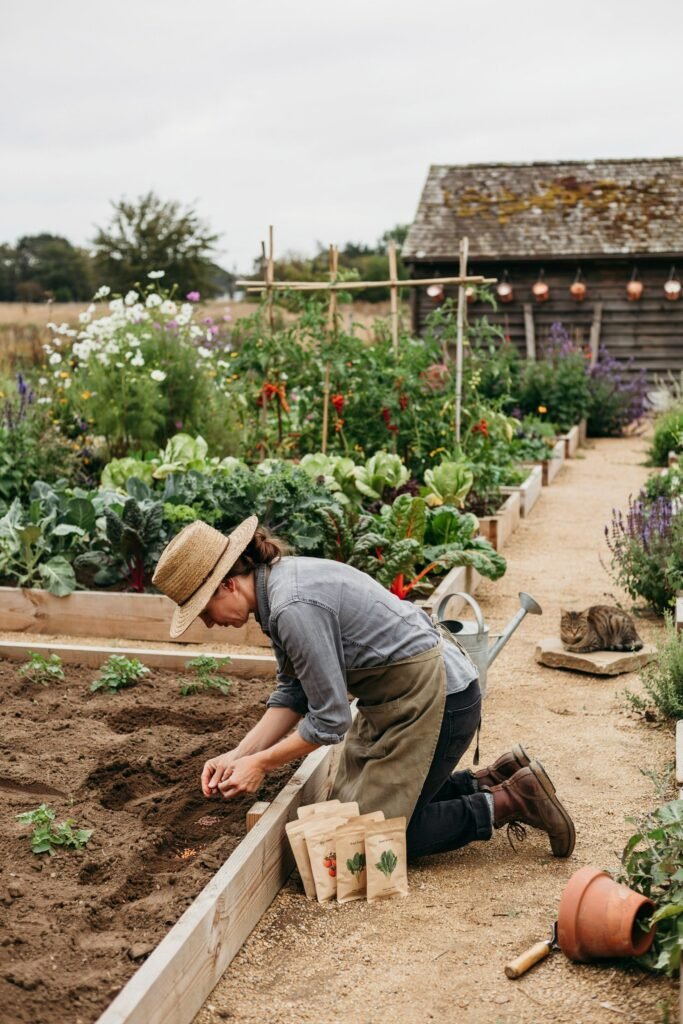
One of my favorite things about September is that it feels like getting a second chance to grow fresh vegetables. As the intense summer heat fades, many leafy greens and root crops actually thrive in the cooler weather.
The soil is still warm enough for quick germination, while cooler air temperatures reduce stress on young seedlings.
Excellent vegetables to plant now include:
- Spinach
- Lettuce
- Kale
- Swiss chard
- Arugula
- Radishes
- Carrots
- Turnips
- Beets
- Bok choy
- Mustard greens
- Cilantro
- Parsley
Prepare the soil by mixing in compost before sowing seeds or transplanting seedlings. Rich, loose soil helps roots establish quickly.
After planting, keep the soil consistently moist until seeds sprout. A thin layer of straw or shredded leaves can help retain moisture while reducing weed growth.
If temperatures are still unusually warm where you live, consider providing afternoon shade for delicate greens until cooler weather settles in.
5. Divide Overgrown Perennials
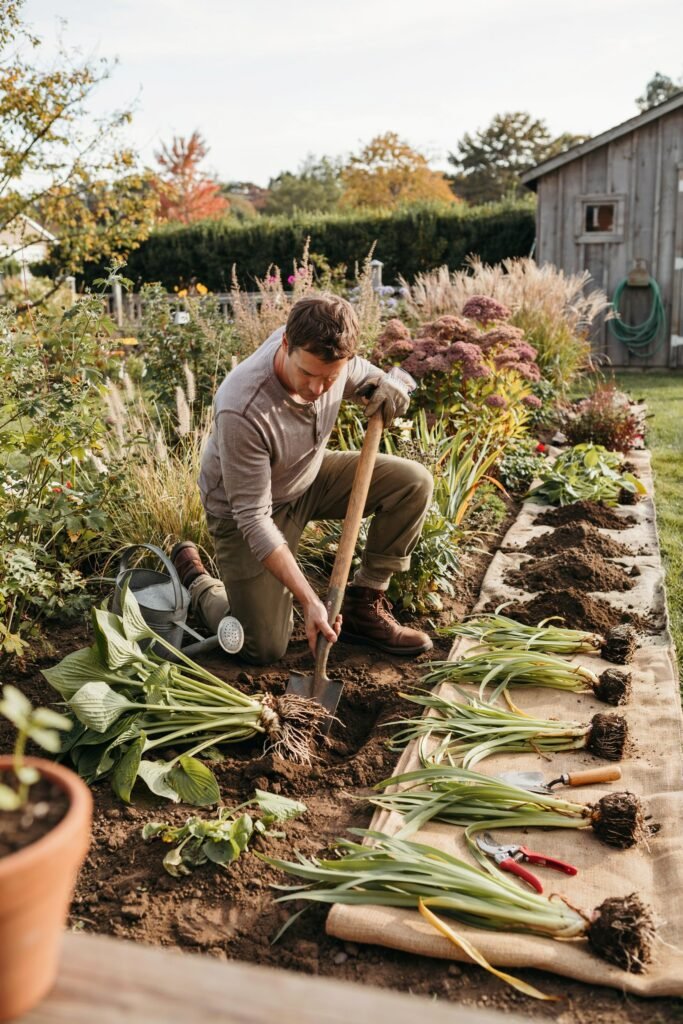
If some of your perennial flowers looked crowded or didn’t bloom as well this summer, September is the perfect time to divide them.
Many perennials naturally spread over the years, forming dense clumps that compete for water and nutrients. Dividing them every few years keeps plants healthy, encourages better flowering, and gives you free plants to use elsewhere in your garden.
Good candidates include:
- Hostas
- Daylilies
- Black-eyed Susans
- Bee balm
- Coneflowers
- Shasta daisies
- Yarrow
- Siberian iris
Begin by watering the plant the day before digging. Carefully lift the entire clump using a garden fork or spade, then gently separate it into smaller sections with healthy roots attached.
Replant the divisions at the same depth they were growing before, water them thoroughly, and apply mulch to help retain moisture.
Cool September temperatures reduce transplant shock, giving plants several weeks to establish roots before winter arrives.
6. Plant Spring-Flowering Bulbs
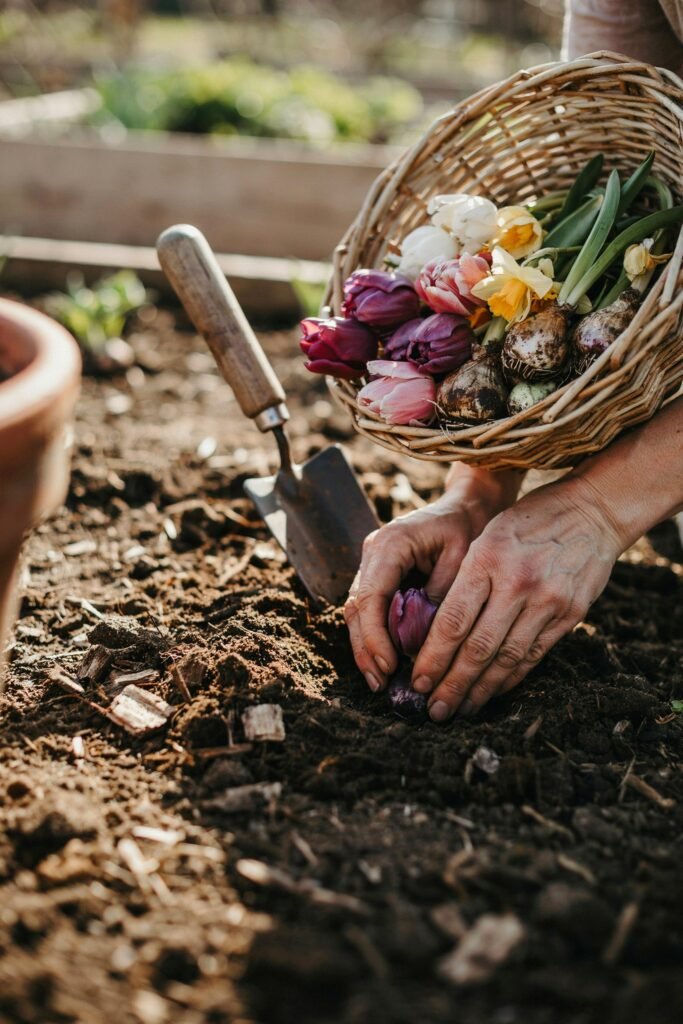
Although spring may feel far away, September is the perfect month to start planning for it. Planting bulbs now means you’ll be rewarded with cheerful blooms just as winter comes to an end.
Bulbs develop strong root systems throughout fall while the soil is still warm, preparing them for a spectacular spring display.
Some beautiful choices include:
- Tulips
- Daffodils
- Crocuses
- Hyacinths
- Alliums
- Snowdrops
- Grape hyacinths
Choose a sunny spot with well-draining soil, as bulbs dislike sitting in soggy ground. Before planting, mix compost or bulb fertilizer into the soil to give roots a healthy start.
As a general rule, plant bulbs two to three times as deep as the bulb is tall, with the pointed end facing upward.
For the most natural-looking display, plant bulbs in clusters or drifts rather than perfectly straight rows. The result will look much more like a colorful spring meadow.
7. Refresh Mulch Around Plants
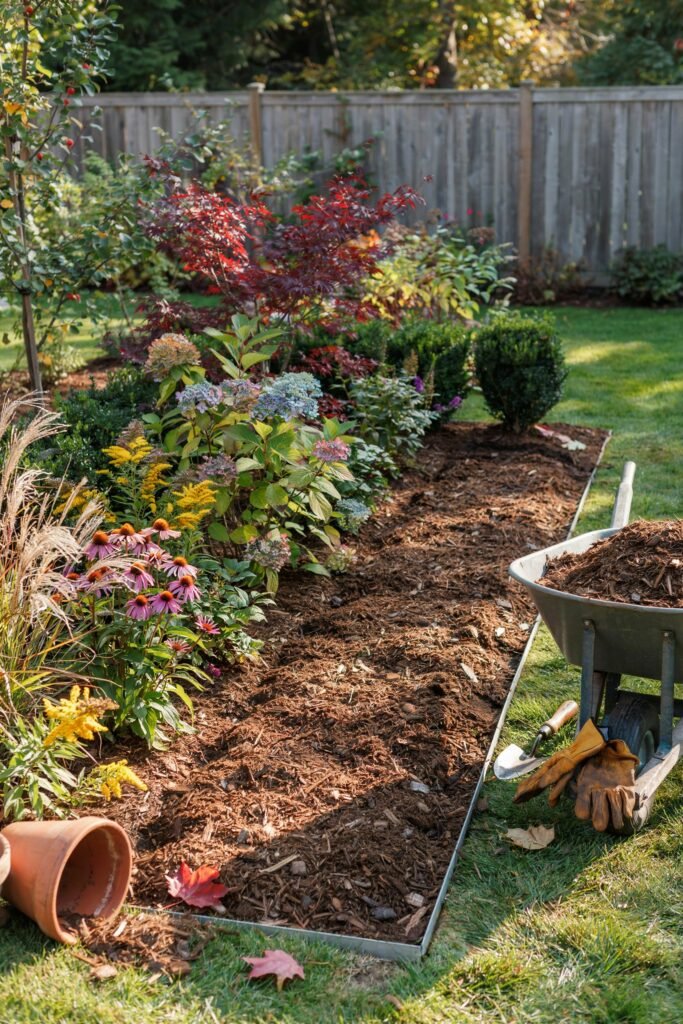
By the time September arrives, the mulch you spread in spring has usually started to break down.
Summer heat, heavy rain, wind, and regular watering gradually thin it out, leaving patches of bare soil exposed. This is the perfect time to replenish it before cooler weather arrives.
A fresh layer of mulch does much more than make your garden look neat and finished.
It helps the soil hold onto moisture during dry autumn weeks, prevents weeds from taking over empty spaces, keeps soil temperatures more stable, and slowly improves your soil as it decomposes.
It’s one of those simple jobs that pays off for months.
Great mulch materials include:
- Bark chips
- Shredded hardwood mulch
- Pine needles
- Straw
- Shredded leaves
- Compost
- Wood chips
Spread about 2 to 3 inches of mulch around flower beds, vegetable gardens, shrubs, and young trees. Avoid piling mulch directly against plant stems or tree trunks, as this can trap moisture and lead to rot or encourage pests.
If you have plenty of fallen leaves already, don’t let them go to waste. Shred them with a lawn mower and use them as a free, nutrient-rich mulch. They’ll slowly break down over winter, feeding the soil and encouraging beneficial earthworms.
Refreshing your mulch now also means you’ll spend less time pulling weeds next spring, making it one of the easiest ways to save yourself work later.
8. Feed Your Lawn
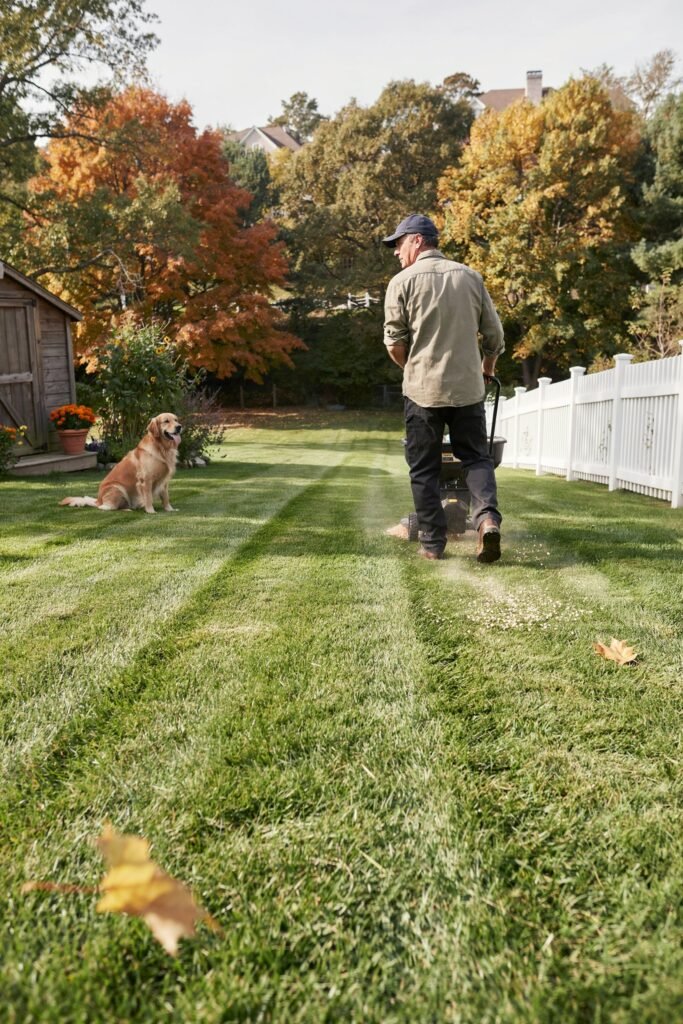
If you only fertilize your lawn once each year, September is one of the best times to do it.
While the grass may not seem to be growing as quickly as it did in spring, something important is happening beneath the surface.
As temperatures cool, grass begins focusing its energy on developing deeper, stronger roots rather than producing lots of new blades.
A fall feeding helps your lawn:
- Develop a stronger root system
- Stay greener for longer
- Recover from summer heat stress
- Improve drought tolerance
- Produce thicker growth next spring
Choose a lawn fertilizer that’s designed for fall use and follow the application instructions carefully. Over-fertilizing won’t make your lawn healthier in fact, it can weaken it by encouraging excessive leafy growth instead of strong roots.
For the best results, mow your lawn before applying fertilizer and water it afterward unless rain is expected within the next day. The moisture helps carry nutrients down into the soil where the roots can absorb them.
September is also a great time to rake away any accumulated thatch, remove fallen branches, and trim lawn edges for a clean, well-maintained appearance.
A little lawn care now will reward you with a lush, healthy lawn that’s ready to burst back to life when spring arrives.
9. Overseed Thin Lawn Areas
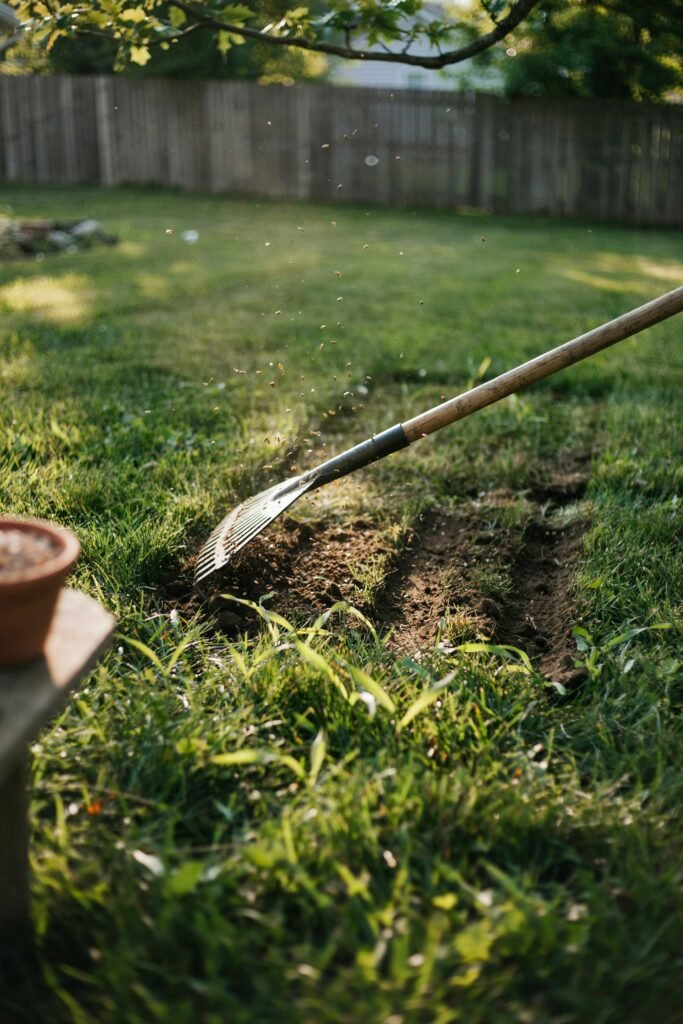
After months of summer heat, heavy foot traffic, and dry weather, many lawns develop thin patches or bare spots. Fortunately, September offers ideal conditions for repairing them.
The combination of warm soil and cooler air allows grass seed to germinate quickly without the intense stress of midsummer temperatures.
Here’s how I usually tackle bare spots:
- Pull out weeds and remove dead grass.
- Loosen the top inch or two of soil with a rake.
- Spread fresh grass seed evenly over the area.
- Lightly rake again so the seed makes good contact with the soil.
- Cover with a very thin layer of compost or straw if desired.
- Water gently every day until seedlings become established.
Depending on the grass variety, you’ll usually begin seeing new growth within one to three weeks.
Try to avoid walking on newly seeded areas while the grass is becoming established. If possible, keep pets off these spots as well until the seedlings have grown several inches tall.
Overseeding each fall is one of the easiest ways to maintain a thick, healthy lawn that naturally crowds out weeds.
10. Keep Watering Newly Planted Trees and Shrubs
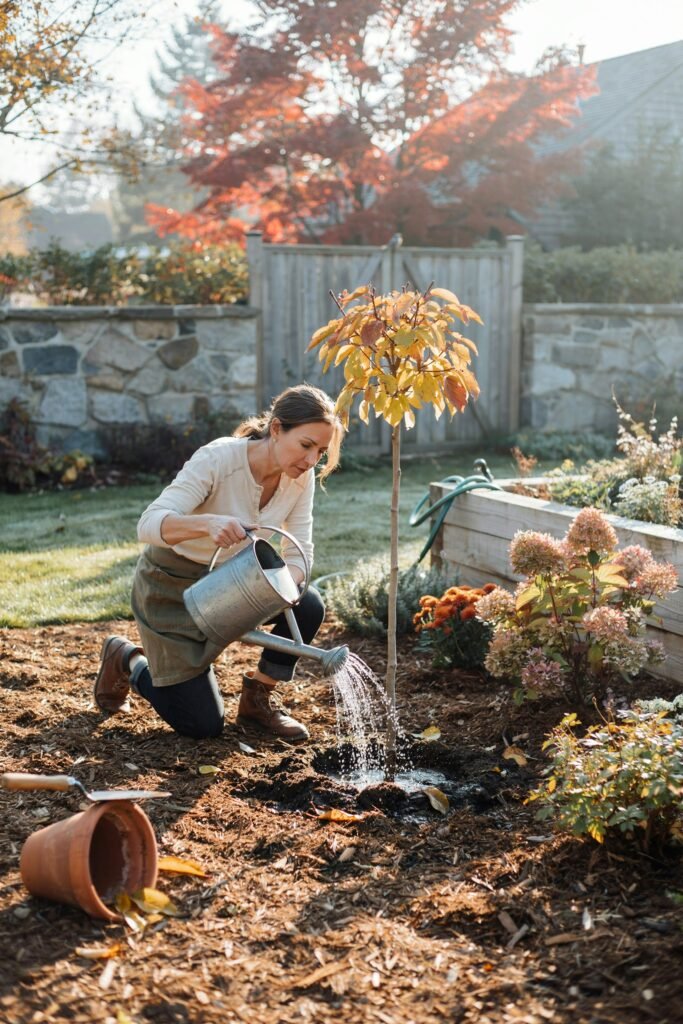
One gardening mistake I see quite often is assuming that cooler weather means watering is no longer necessary.
While established plants usually need less water in September, newly planted trees and shrubs still require consistent moisture to build strong root systems before winter arrives.
In fact, roots continue growing long after the leaves begin slowing down.
Rather than watering a little every day, give your plants a deep soak once or twice each week. Deep watering encourages roots to grow farther into the soil, making plants stronger and more drought-tolerant in the future.
When watering:
- Water slowly so moisture reaches deep into the root zone.
- Check the soil first by inserting your finger a few inches down.
- Water early in the morning whenever possible.
- Add mulch around the base to help conserve moisture.
If rainfall has been plentiful, you may not need to water as often. Always let the soil not the calendar be your guide.
Taking the time to care for young trees and shrubs this fall gives them a much better chance of thriving next year.
11. Prune Carefully
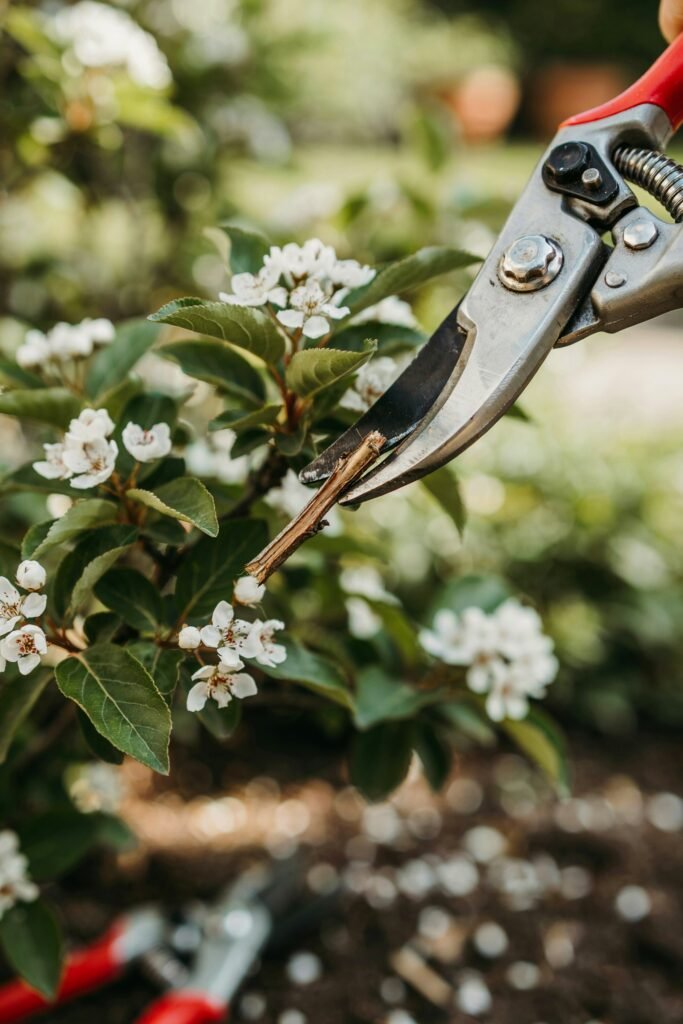
September is a month for gentle cleanup not heavy pruning.
While it may be tempting to reshape shrubs or cut back overgrown branches, major pruning can actually encourage tender new growth that won’t have enough time to harden off before winter.
Instead, focus only on removing damaged or unhealthy growth.
Look for:
- Dead branches
- Broken stems
- Diseased growth
- Crossing branches that rub together
- Damaged flowers
- Storm-damaged limbs
Always use clean, sharp pruning shears to make smooth cuts that heal more quickly. If you’re pruning diseased plants, disinfect your tools between cuts to avoid spreading infections.
Be especially careful with spring-flowering shrubs such as lilacs, azaleas, and forsythia. Many of these plants have already formed next year’s flower buds by September, so heavy pruning now could mean fewer blooms in spring.
Think of September pruning as light housekeeping rather than major remodeling. Save larger shaping jobs for the appropriate dormant season.
12. Deadhead Flowers That Are Still Blooming
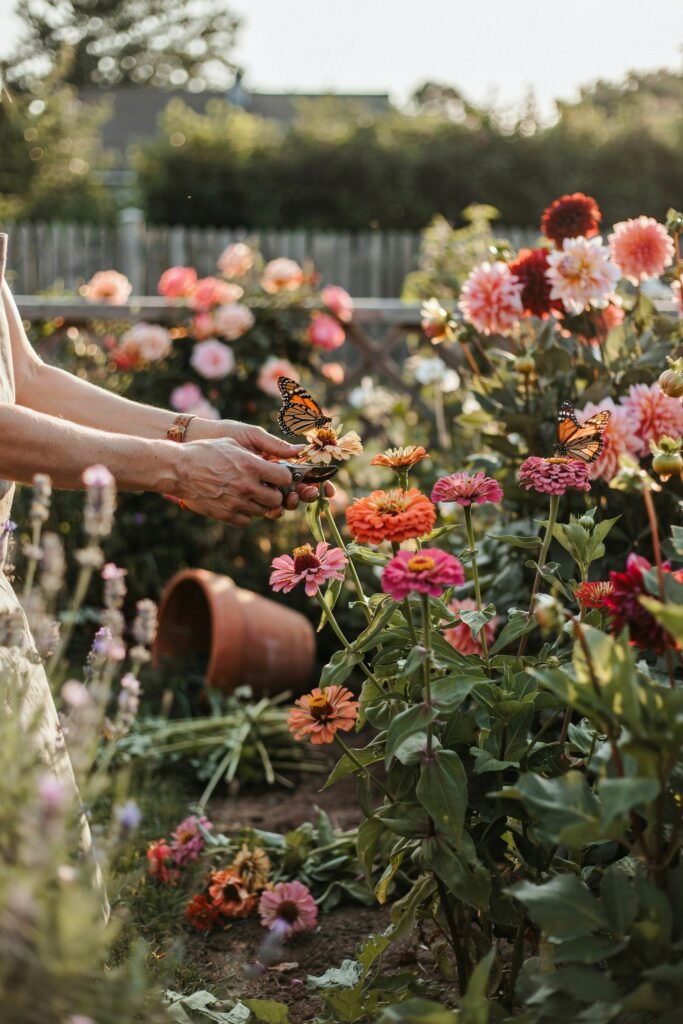
Just because summer is winding down doesn’t mean your flower garden has to. Many annuals and even some perennials will continue blooming until the first frost if you keep removing old flowers.
Deadheading is one of the simplest garden chores, yet it makes an enormous difference.
Continue deadheading plants like:
- Roses
- Cosmos
- Dahlias
- Zinnias
- Marigolds
- Petunias
- Salvia
- Blanket flower
- Coreopsis
Removing faded blooms prevents plants from putting energy into seed production. Instead, they redirect that energy toward producing fresh flowers.
As you deadhead, also remove yellowing leaves and damaged stems. This improves airflow around the plant and reduces the chance of fungal diseases developing during cool, damp autumn weather.
Don’t remove every flower, though. Consider leaving a few seed heads on plants like coneflowers and sunflowers later in the season. Birds will appreciate the natural food source during fall and winter, adding even more life to your garden.
With just a few minutes of deadheading every week, your flower beds can stay colorful well into autumn.
13. Save Seeds From Your Favorite Flowers
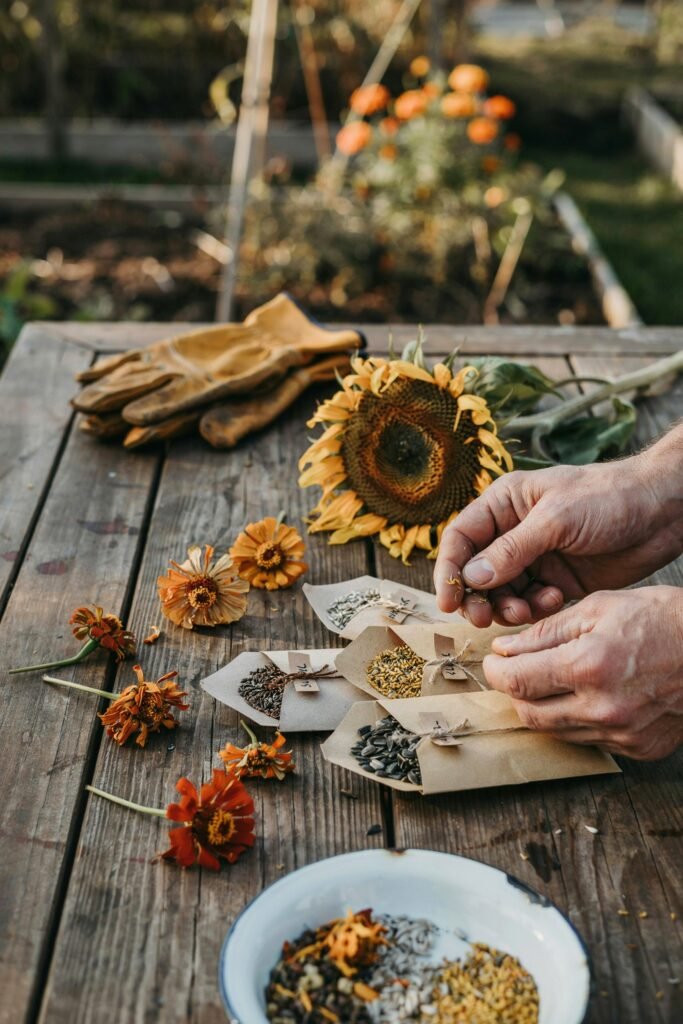
September is one of my favorite months for saving seeds because it feels like I’m collecting little gifts for next year’s garden.
Instead of buying new seed packets every spring, you can gather seeds from many of your healthiest, most beautiful flowers and grow them again for free.
Choose plants that performed well throughout the season. Look for flowers with vibrant color, strong stems, and excellent disease resistance, as these traits are more likely to be passed on to the next generation.
Some of the easiest flowers to save seeds from include:
- Zinnias
- Cosmos
- Sunflowers
- Calendula
- Marigolds
- Nasturtiums
- Bachelor buttons
- Sweet peas
Allow the flower heads to remain on the plant until they are completely dry. Once they’re brown and crisp, gently collect the seeds and brush away any petals or plant debris.
Store your seeds in:
- Paper envelopes
- Small paper bags
- Glass jars with labels
- Seed storage organizers
Always label each packet with the plant name and the date you collected it. You may think you’ll remember later, but after a few months, many seeds look surprisingly similar!
Keep your seeds in a cool, dark, and dry place until spring. Properly stored seeds can remain viable for several years, making this a budget-friendly habit that every gardener should try.
14. Check for Pests Before They Overwinter
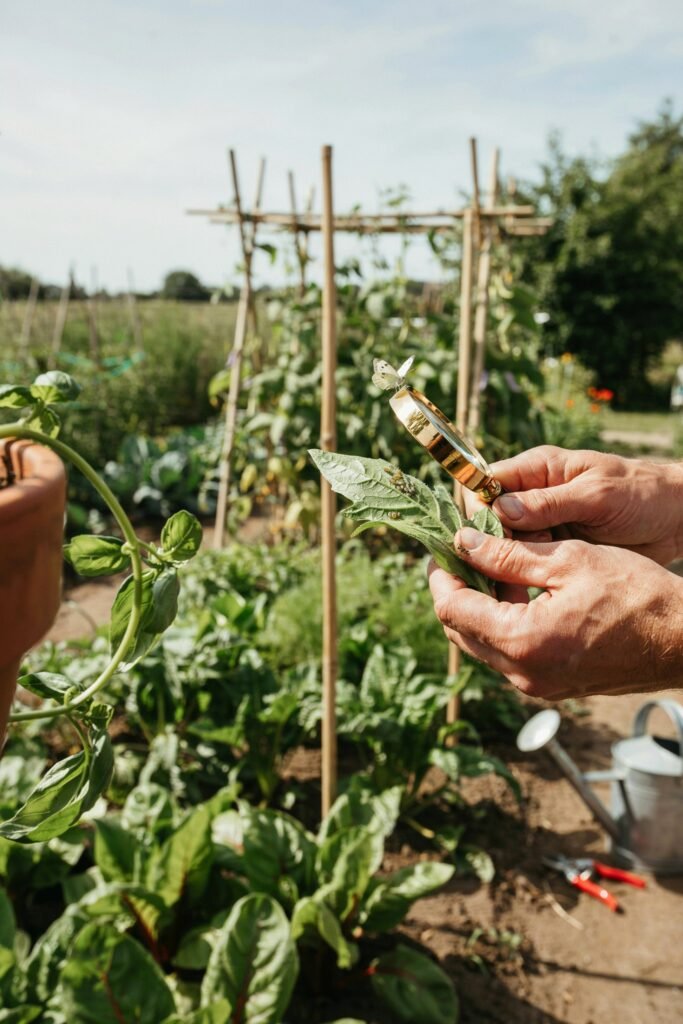
As summer comes to an end, many garden pests begin searching for sheltered places where they can survive the winter. If you don’t catch them now, you could find yourself dealing with much larger infestations next spring.
That’s why I always spend some time carefully inspecting my plants before colder weather settles in.
Pay close attention to:
- The undersides of leaves
- Plant stems
- Around flower buds
- Tree bark
- Raised beds
- Containers
- Garden structures
- The base of shrubs
Keep an eye out for common pests like:
- Aphids
- Spider mites
- Whiteflies
- Mealybugs
- Scale insects
- Caterpillar eggs
- Slugs and snails
If you notice small infestations, many pests can simply be washed off with a strong stream of water or removed by hand. Larger infestations may require insecticidal soap or another garden-safe treatment.
Also remove fallen fruit, damaged vegetables, and plant debris from around your garden beds. Rotting plant material provides excellent hiding places for insects and fungal diseases.
Spending just a little time inspecting your garden now can save you countless hours of pest control next season.
15. Improve Your Soil
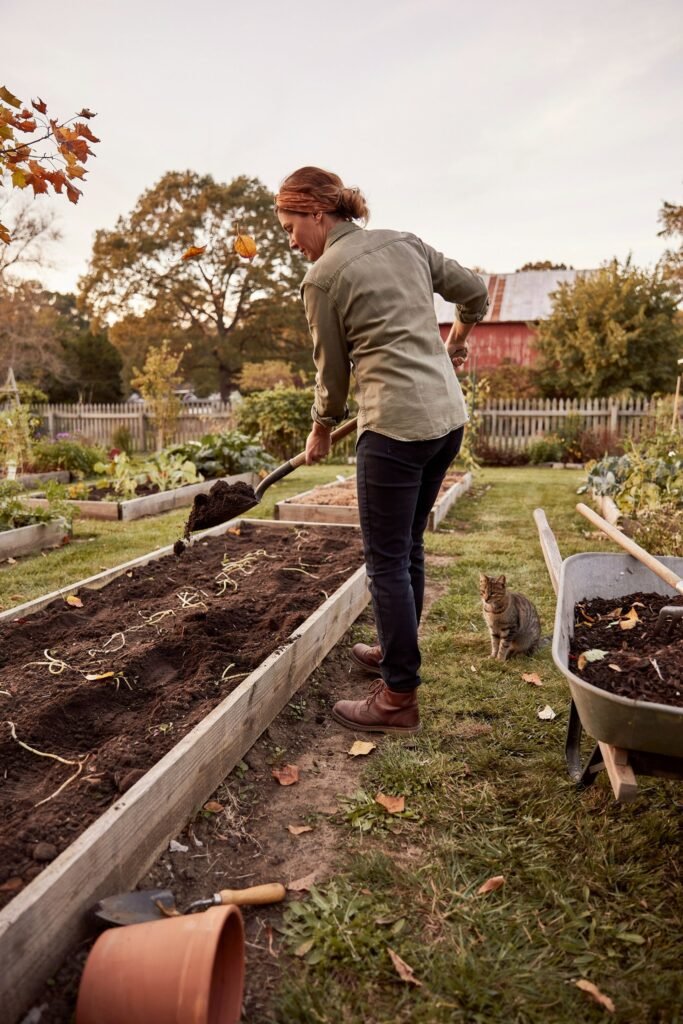
Healthy plants always begin with healthy soil.
September is one of the very best times to improve your garden because the soil is still warm enough for beneficial microbes to stay active, allowing organic matter to break down throughout autumn and winter.
Rather than leaving empty garden beds bare, use this opportunity to feed the soil for next year’s growing season.
Excellent soil amendments include:
- Homemade compost
- Well-aged manure
- Leaf mold
- Organic soil conditioner
- Worm castings
- Composted bark
- Mushroom compost
Spread a generous layer over your garden beds and gently work it into the top few inches of soil. If you’re practicing no-dig gardening, simply leave the compost on the surface. Earthworms and soil organisms will gradually pull the nutrients down naturally.
Avoid working your soil if it’s overly wet, as this can compact it and damage its structure.
Adding organic matter improves:
- Drainage
- Moisture retention
- Soil fertility
- Beneficial microbial activity
- Root development
Think of this as investing in next year’s garden. Every shovel of compost you add now will reward you with healthier plants, better harvests, and fewer problems in the seasons ahead.
16. Clean Garden Tools
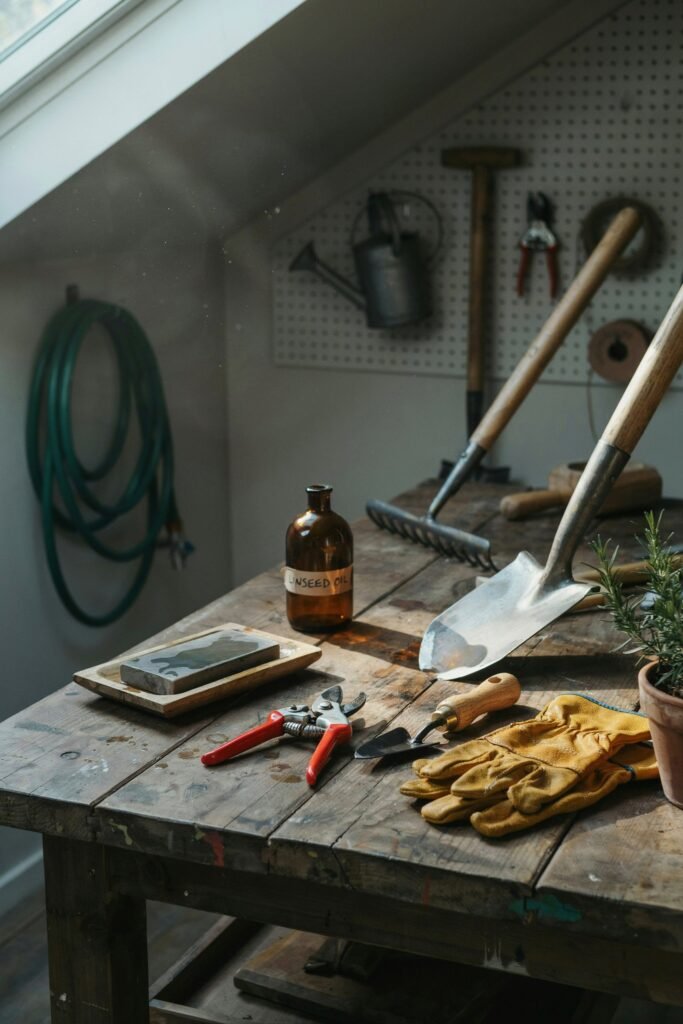
After months of digging, pruning, planting, and harvesting, your garden tools deserve a little care too. I always set aside an afternoon in September to clean and maintain my equipment before putting it away for winter.
It might not be the most exciting garden task, but it’s one that can save you money by extending the life of your tools.
Gather and clean your:
- Pruners
- Loppers
- Shovels
- Garden forks
- Hoes
- Hand trowels
- Rakes
- Spades
- Wheelbarrows
Remove any dried soil with a stiff brush, then wash tools with warm water if needed. Dry everything thoroughly before storing them to prevent rust.
Sharpen blades on pruners, shears, hoes, and shovels so they’re ready for next season. Sharp tools make cleaner cuts, which are healthier for your plants and much easier on your hands.
Finally, wipe metal parts with a light coat of oil and tighten any loose screws or wooden handles.
Store tools in a dry shed or garage rather than leaving them exposed to rain and moisture.
A little maintenance now means you’ll be ready to garden the moment spring arrives.
17. Refresh Container Gardens
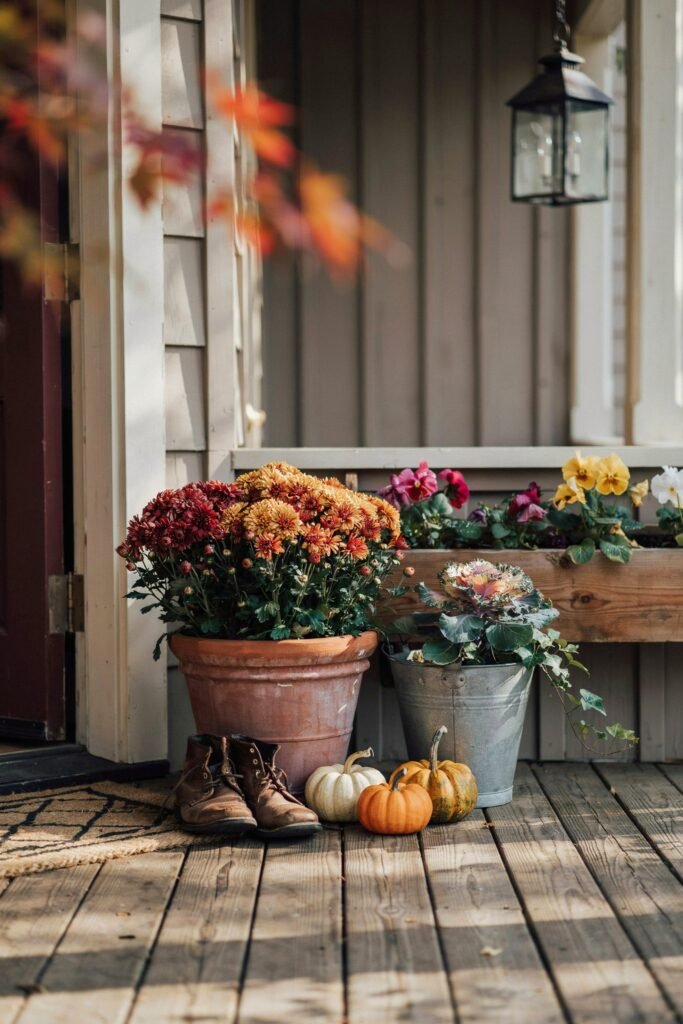
By September, many container gardens have started looking a little tired after months of blooming through the summer heat. Instead of emptying your pots completely, give them a fresh new look with colorful fall plants.
This is one of my favorite gardening projects because it instantly brightens patios, porches, balconies, and entryways.
Replace faded annuals with cool-season favorites like:
- Chrysanthemums
- Pansies
- Violas
- Ornamental kale
- Ornamental cabbage
- Heuchera
- Ivy
- Dusty miller
- Small evergreen shrubs
Before planting, remove old roots and refresh the potting mix by adding compost or fresh potting soil.
Don’t be afraid to mix different textures and heights together. Combining flowering plants with trailing vines and ornamental grasses creates beautiful arrangements that last well into autumn.
For extra seasonal charm, tuck in small pumpkins, colorful gourds, pinecones, or decorative branches. These simple additions can transform an ordinary container into a welcoming fall display without much effort.
Keep watering your containers regularly, as pots dry out much faster than garden beds, even when temperatures become cooler.
18. Bring Houseplants Back Indoors Carefully

If your houseplants spent the summer outdoors enjoying fresh air and sunshine, September is usually the time to bring them back inside. However, don’t rush this step without inspecting them first.
Outdoor conditions often invite unwanted visitors that you definitely don’t want living inside your home all winter.
Carefully inspect every plant for:
- Spider mites
- Aphids
- Mealybugs
- Scale insects
- Fungus gnats
- Ant nests
- Snails hiding in the pot
Wash both sides of the leaves with lukewarm water to remove dust and insects. You can also wipe larger leaves with a damp cloth or spray the plant with insecticidal soap if needed.
Before moving plants inside permanently, quarantine them in a separate room, garage, or covered porch for about two weeks. This gives you time to spot any hidden pests before they spread to your other houseplants.
Since indoor light levels are lower than outdoors, expect some plants to drop a few leaves while they adjust. This is completely normal.
Once inside, reduce watering slightly because most houseplants grow more slowly during fall and winter.
With a little preparation, your houseplants will transition indoors much more smoothly and stay healthy all season long.
19. Prepare for Early Frost
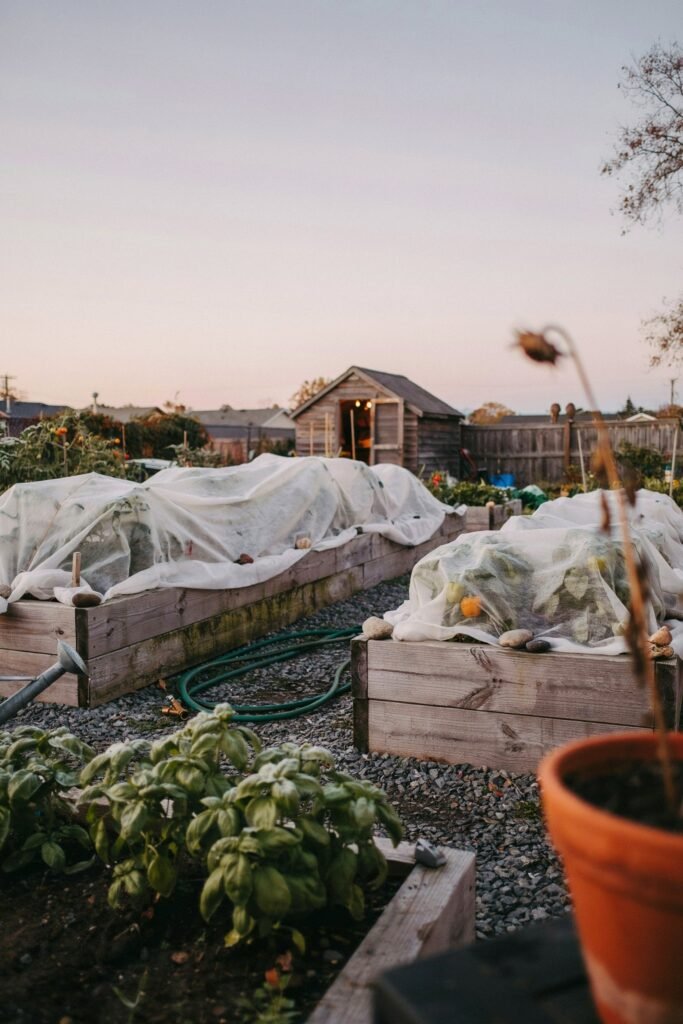
In many areas, September can bring the season’s first surprise frost. While it may not happen every year, it’s always a good idea to be prepared so you can protect your most tender plants if temperatures suddenly drop.
Keep a few supplies nearby, such as:
- Frost cloths
- Old bed sheets
- Plant covers
- Buckets or large pots
- Lightweight blankets
If frost is in the forecast, cover tender plants like tomatoes, peppers, basil, eggplants, and young seedlings before sunset. Make sure the cover reaches the ground to trap warmth from the soil, and remove it the next morning once temperatures rise.
If a hard frost is expected, harvest any ripe vegetables, herbs, or flowers before the cold arrives. Spending just a few minutes preparing for frost can help extend your harvest and protect plants you’ve cared for all season.
20. Start a Compost Pile With Autumn Materials
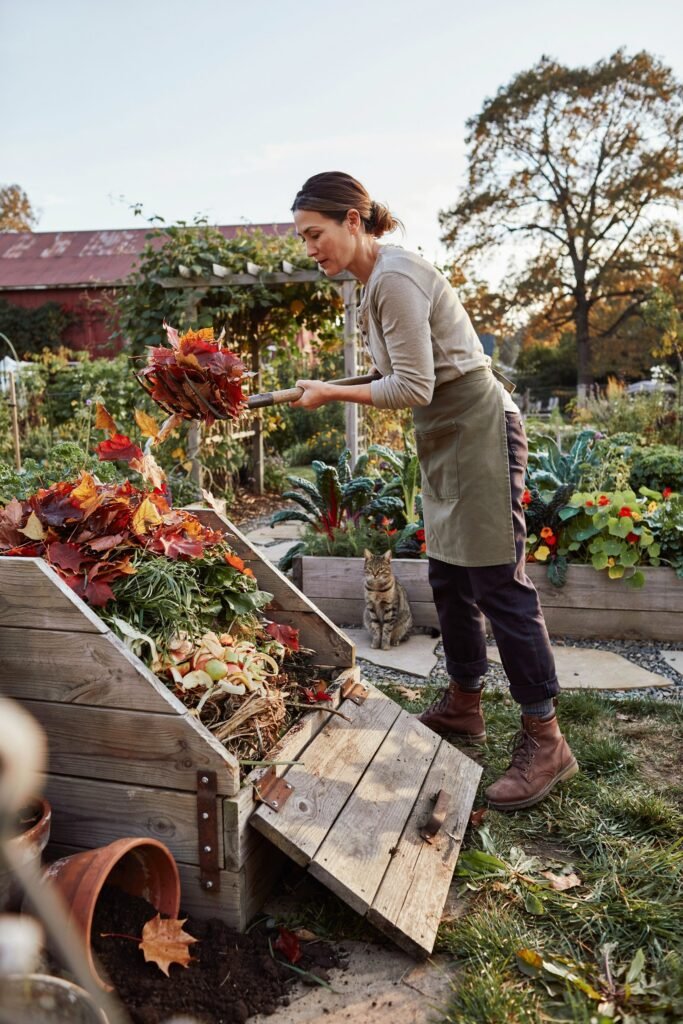
September is one of the best months to start or refresh a compost pile because your garden naturally produces plenty of compostable materials.
Instead of throwing them away, turn them into nutrient-rich compost that will improve your soil next season.
A healthy compost pile should include a mix of green materials and brown materials.
Green materials include:
- Vegetable scraps
- Fruit peels
- Coffee grounds
- Fresh grass clippings
- Healthy garden trimmings
Brown materials include:
- Dry leaves
- Straw
- Shredded cardboard
- Newspaper
- Small twigs
Layer the materials as you add them, keep the pile slightly moist, and turn it every couple of weeks to improve airflow. Avoid adding diseased plants, meat, dairy, or weeds that have gone to seed.
By next spring, you’ll have rich, homemade compost that’s perfect for feeding your flower beds, vegetable garden, and containers. It’s one of the easiest ways to recycle garden waste while creating a healthier garden for the seasons ahead.
Bonus September Gardening Tips
Here are a few extra habits that always help my garden transition smoothly into autumn:
- Label new plants before you forget what they are.
- Photograph flower beds while they’re still attractive for next year’s planning.
- Keep harvesting herbs before cold nights arrive.
- Water deeply during dry weeks, even if temperatures are cooler.
- Collect fallen leaves to use as mulch or compost instead of throwing them away.
- Watch weather forecasts closely, especially if you garden in an area with unpredictable early frosts.
- Make notes about plants that performed well and those you may want to replace next season.
Small observations now can save you time, money, and guesswork when spring returns.
Common September Gardening Mistakes to Avoid
Even experienced gardeners can make a few seasonal missteps. Here are some of the most common ones I try to avoid every year:
- Stopping watering too early. Cooler weather doesn’t mean plants no longer need moisture, especially newly planted trees, shrubs, and perennials.
- Leaving diseased plants in the garden. Fungal diseases and pests can overwinter in plant debris and cause problems next year.
- Pruning spring-flowering shrubs heavily. This can remove flower buds that have already formed for next season.
- Waiting too long to plant bulbs. Planting before the ground freezes gives bulbs time to establish strong roots.
- Ignoring the lawn. September is one of the best times to fertilize and overseed for a healthier lawn next year.
- Forgetting to label saved seeds. It’s surprisingly easy to mix up flower and vegetable seeds if they aren’t labeled right away.
- Not preparing for early frost. A sudden cold night can damage tender plants if you’re caught off guard.
Avoiding these simple mistakes can help your garden finish the season strong and set the stage for a successful spring.
Final Thoughts
September always feels like a fresh start in my garden.
While many people see it as the winding down of the growing season, I see it as an opportunity to care for what I’ve grown, prepare for what’s next, and give my plants the best possible foundation for the months ahead.
You don’t have to tackle every task in a single weekend. Even checking off a few items each week can make a noticeable difference.
By harvesting regularly, planting cool-season crops, dividing perennials, refreshing mulch, caring for your lawn, and preparing for cooler weather, you’ll create a healthier, more resilient garden that rewards you well beyond autumn.
Gardening is always about looking ahead, and September is the perfect month to do just that.
A little thoughtful care now will pay off with stronger plants, richer soil, and an even more beautiful garden when the seasons change once again.
