
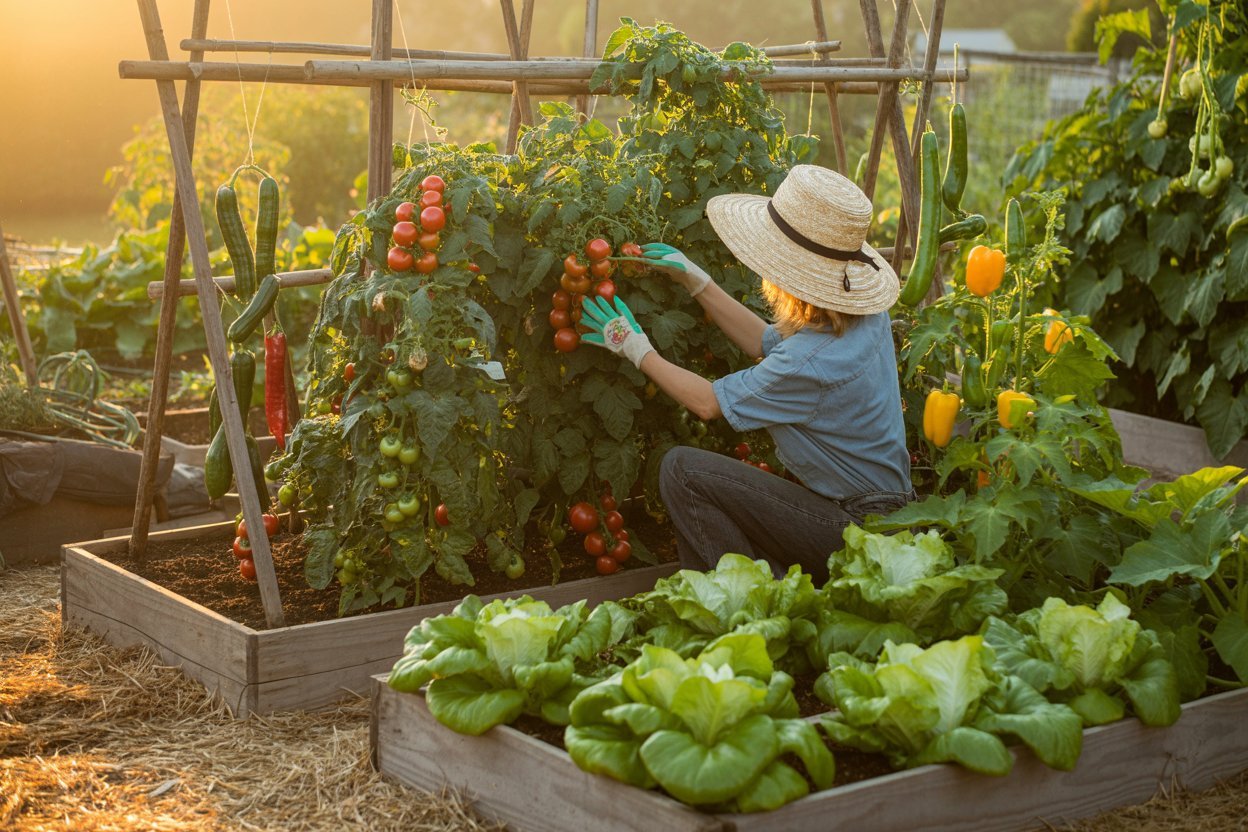

Warm summer mornings in the garden feel magical. The tomatoes are finally ripening, cucumber vines are climbing with energy, peppers are flowering, and every bed seems full of promise.
Then suddenly, yellow leaves appear. Powdery white spots spread across squash plants. Tomato stems begin to wilt overnight. Healthy vegetables can go from thriving to struggling in what feels like a matter of days during summer heat.
Every gardener experiences this at some point.
Summer creates the perfect environment not only for vegetables to grow quickly, but also for fungal diseases, bacterial infections, pests, and stress-related problems to spread fast.
High humidity, overcrowded plants, warm nights, inconsistent watering, and poor airflow can all turn a beautiful vegetable garden into a frustrating mess.
The good news is that most summer vegetable diseases are preventable.
With a few smart gardening habits, you can dramatically reduce disease problems and keep your crops productive all season long. Prevention is always easier than trying to cure a sick plant once the damage spreads. A healthy garden starts long before symptoms appear.
In this detailed guide, you’ll learn practical and beginner-friendly summer vegetable disease prevention tips for more than 10 popular vegetables.
You’ll also discover how to recognize early warning signs, improve plant health naturally, water correctly during hot weather, and create a stronger garden ecosystem that naturally resists disease.
Why Summer Diseases Spread So Quickly in Vegetable Gardens
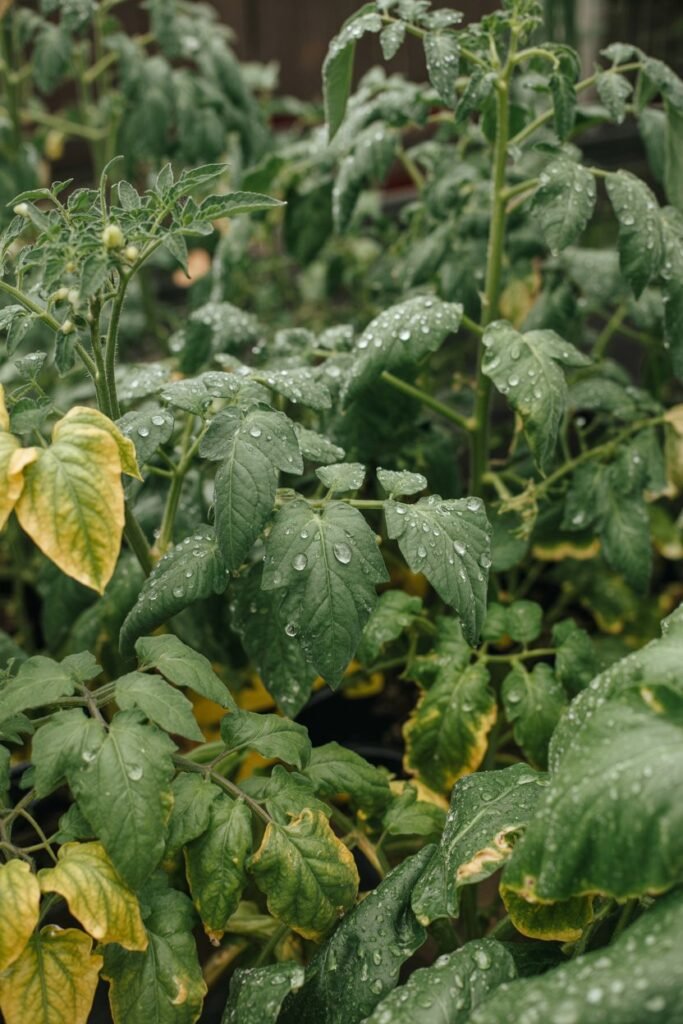
Summer weather creates ideal conditions for many plant diseases. Heat alone is not usually the main problem. The real issue comes from the combination of warmth, moisture, and poor air circulation.
Common summer conditions that encourage disease include:
- Humid air
- Overhead watering
- Crowded plants
- Wet leaves overnight
- Poor soil drainage
- Heat stress
- Nutrient deficiencies
- Infected garden debris
- Pest damage
Fungal diseases especially thrive in these conditions. Spores spread through water droplets, wind, garden tools, insects, and even your hands while working in the garden.
The key to prevention is creating an environment where diseases struggle to survive.
1. Start With Healthy Soil First
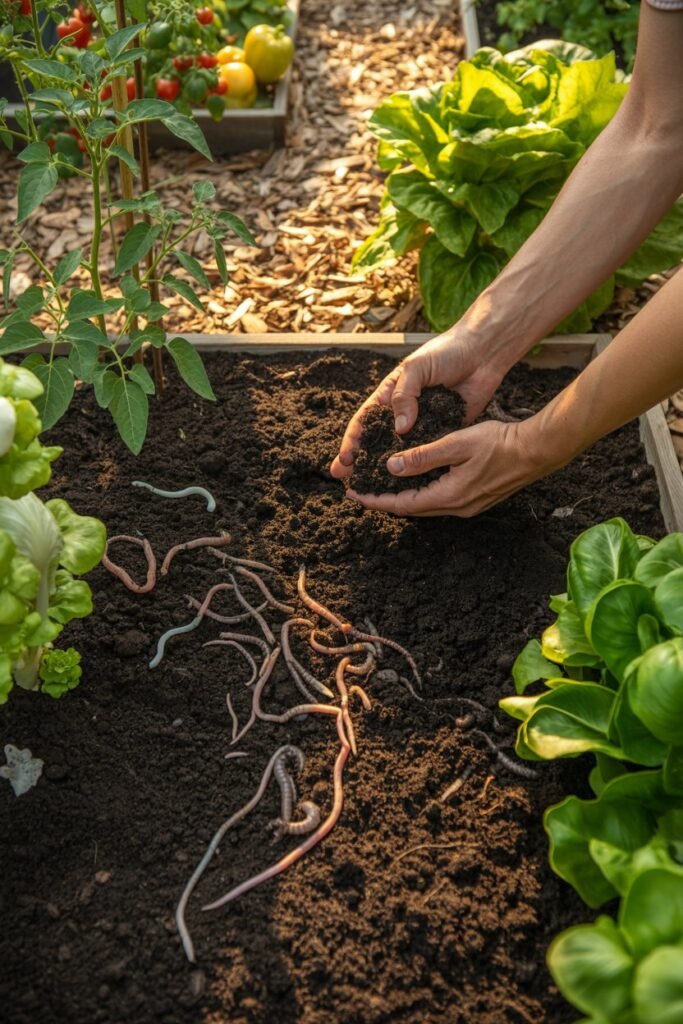
Healthy soil creates stronger plants, and stronger plants naturally resist disease better.
Weak soil leads to stressed vegetables, making them more vulnerable to fungal infections, root rot, bacterial diseases, and pest attacks.
Before planting summer vegetables:
- Add compost to improve soil structure
- Avoid compacted soil
- Ensure proper drainage
- Test soil pH if possible
- Add organic matter regularly
- Mulch to protect soil moisture
Rich soil encourages strong root systems, balanced moisture levels, and healthy microbial life that helps suppress harmful pathogens naturally.
Signs Your Soil May Be Causing Problems
- Water pooling after rain
- Hard, cracked soil
- Yellowing leaves
- Stunted growth
- Frequent wilting
- Mushy roots
Improving soil health is one of the best long-term disease prevention strategies any gardener can use.
2. Space Vegetables Properly
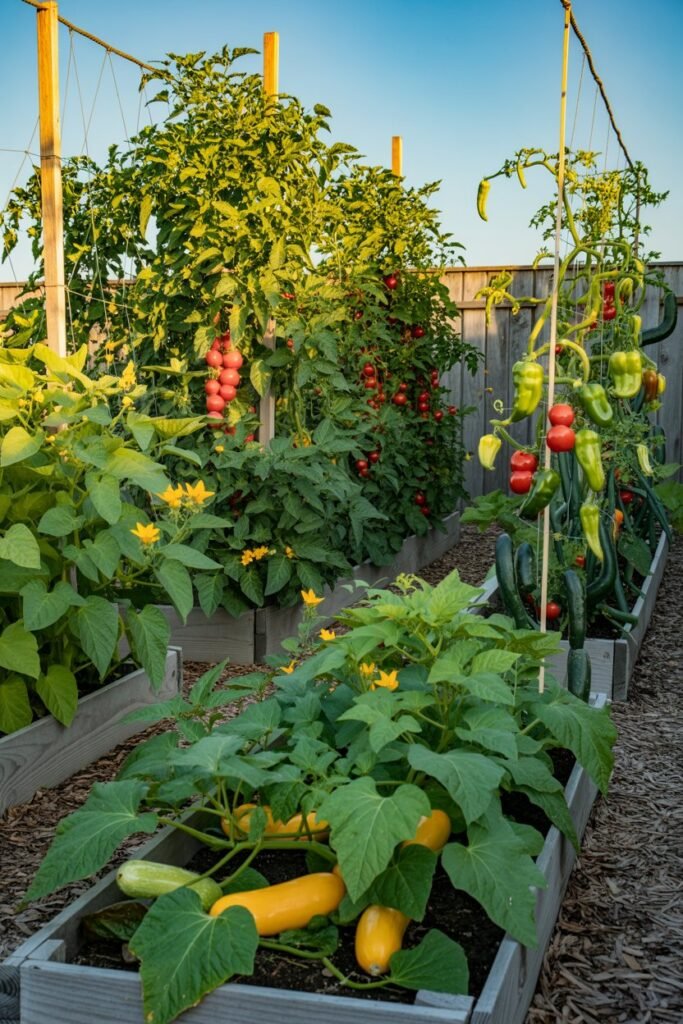
One of the biggest mistakes summer gardeners make is overcrowding plants.
Tiny seedlings may look far apart at planting time, but summer vegetables grow quickly. When leaves overlap too heavily, airflow decreases and moisture gets trapped between plants. That creates a perfect environment for fungal diseases.
Proper spacing helps:
- Leaves dry faster
- Air circulate freely
- Sunlight reach lower leaves
- Reduce humidity around plants
- Prevent disease spread
Ideal Spacing for Popular Summer Vegetables
Tomatoes
Allow 18–36 inches apart depending on variety.
Cucumbers
Provide plenty of room for vines or grow vertically.
Peppers
Space 18–24 inches apart.
Zucchini
Needs large spacing because leaves grow huge.
Squash
Requires wide spacing for airflow.
Beans
Avoid planting too densely.
Eggplant
Needs breathing room to reduce mildew problems.
Okra
Space generously for air movement.
Melons
Avoid crowding vines together.
Lettuce
Thin regularly to prevent rot and mildew.
Even if your garden space is small, resist the urge to overcrowd. Healthy airflow saves plants.
3. Water the Right Way
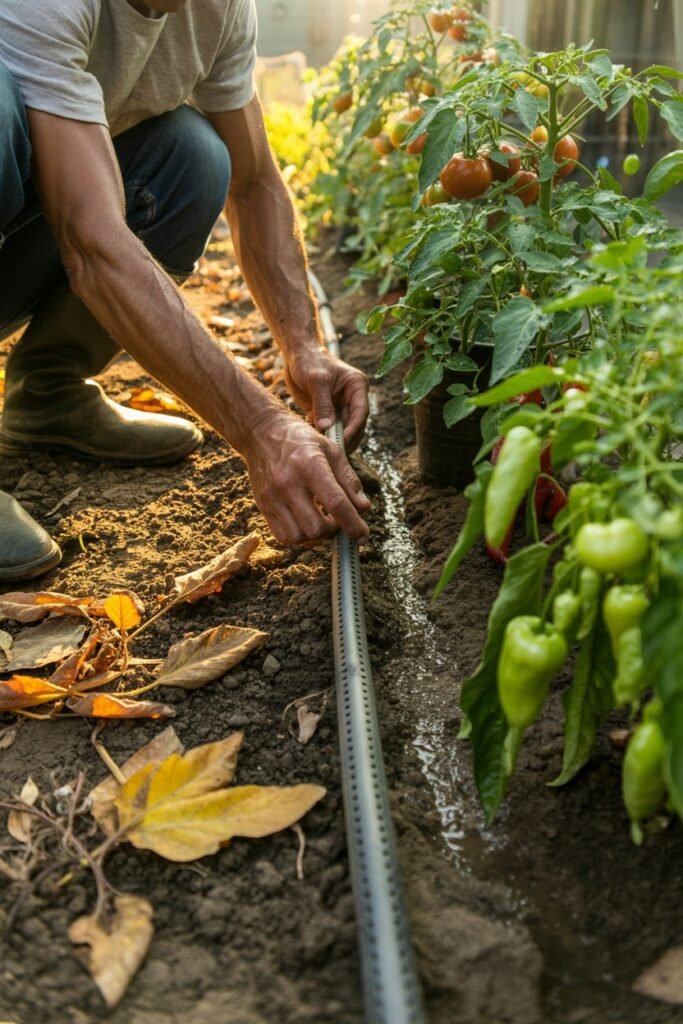
Improper watering is one of the leading causes of summer vegetable disease.
Wet leaves combined with warm temperatures allow fungal spores to multiply rapidly.
Best Watering Practices
Water Early in the Morning
Morning watering gives leaves time to dry before evening.
Avoid Watering at Night
Wet leaves overnight encourage mildew and fungal infections.
Water the Soil, Not the Leaves
Focus water near the roots instead of spraying foliage.
Use Drip Irrigation or Soaker Hoses
These methods reduce leaf moisture and disease spread.
Water Deeply
Shallow watering creates weak roots and stressed plants.
Avoid Overwatering
Too much moisture leads to root rot and fungal problems.
Consistent watering is especially important during extreme heat waves because stressed plants become vulnerable to infection much faster.
4. Mulch Your Vegetable Garden
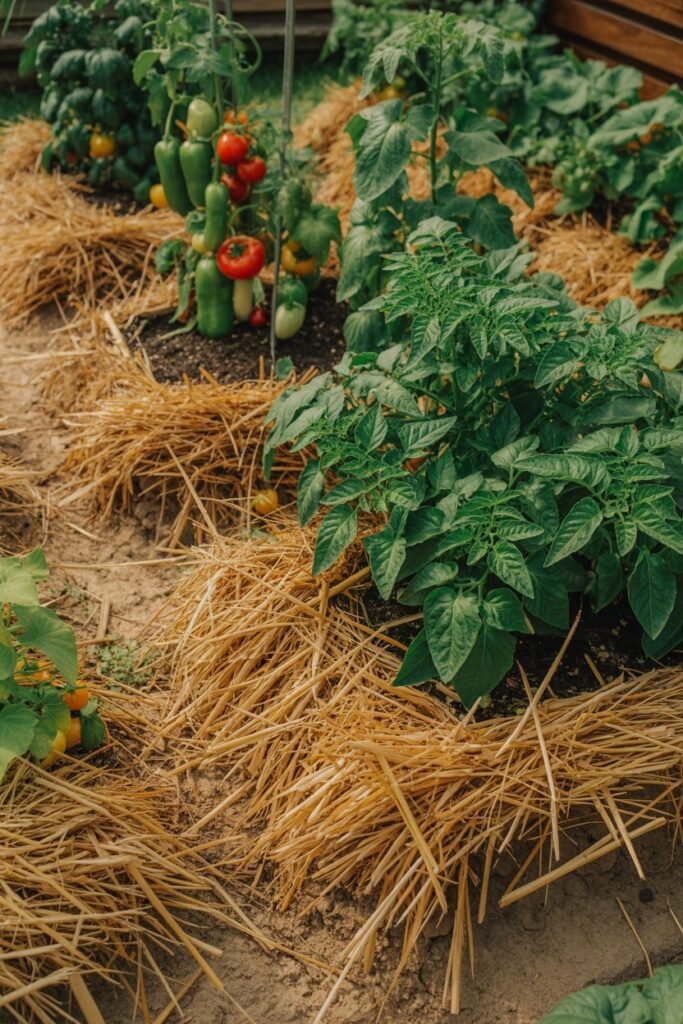
Mulching is one of the simplest yet most effective disease prevention tools.
Mulch protects plants by:
- Preventing soil splash during watering
- Reducing fungal spores reaching leaves
- Conserving soil moisture
- Keeping roots cooler
- Suppressing weeds
- Reducing stress during heat
Best Mulches for Summer Vegetable Gardens
- Straw
- Shredded leaves
- Grass clippings (chemical-free)
- Pine needles
- Compost
- Wood chips around pathways
Apply mulch around plants while keeping it a few inches away from stems to prevent rot.
A 2–3 inch mulch layer works well for most summer vegetables.
5. Rotate Crops Every Year
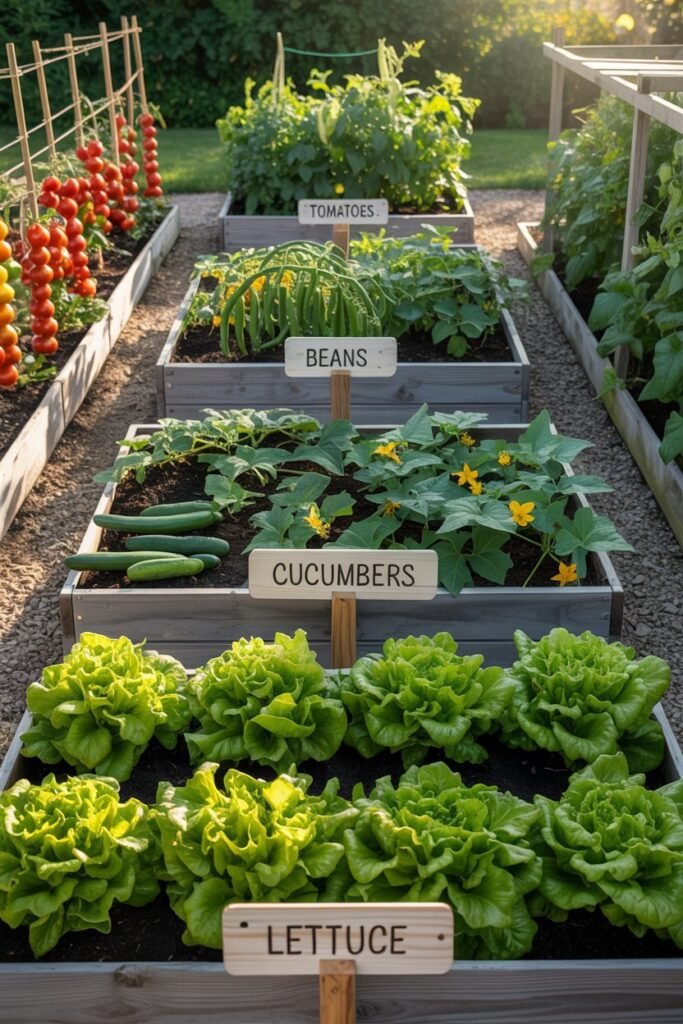
Planting the same vegetables in the same spot year after year allows diseases to build up in the soil.
Crop rotation breaks disease cycles naturally.
Simple Crop Rotation Example
Avoid planting:
- Tomatoes after tomatoes
- Peppers after peppers
- Cucumbers after squash
- Beans after beans
Many vegetables from the same family share diseases.
Plant Families to Watch
Nightshade Family
- Tomatoes
- Peppers
- Eggplant
- Potatoes
Cucurbit Family
- Cucumbers
- Squash
- Pumpkins
- Melons
Legume Family
- Beans
- Peas
Rotate crops to different beds each year whenever possible.
6. Keep Garden Tools Clean
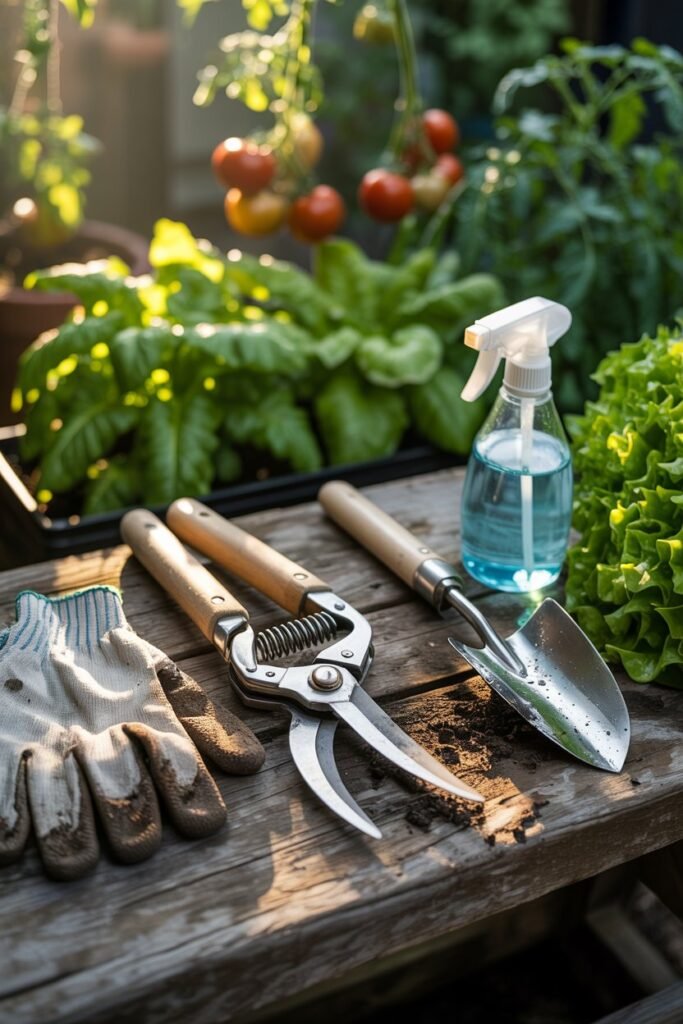
Dirty tools spread disease surprisingly fast.
Pruners, gloves, stakes, cages, and even watering cans can transfer bacteria and fungal spores between plants.
Simple Garden Tool Cleaning Routine
- Wipe tools after use
- Remove plant sap and debris
- Disinfect pruners between sick plants
- Wash gloves regularly
- Clean tomato cages at season’s end
A simple bleach solution or rubbing alcohol works well for disinfecting tools.
This small habit can prevent major disease outbreaks.
7. Remove Diseased Leaves Immediately
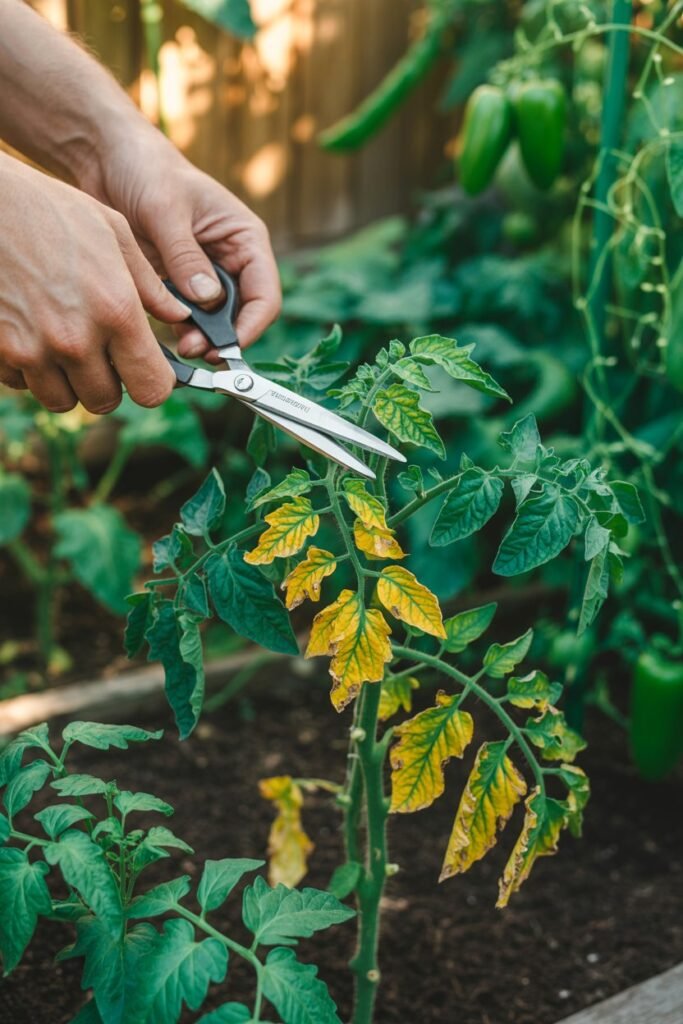
One infected leaf can quickly spread problems across your garden.
Inspect plants regularly and remove:
- Yellow leaves
- Spotted foliage
- Moldy growth
- Wilted stems
- Blackened leaves
- Powdery patches
Important Tip
Never compost severely diseased plant material unless your compost pile gets extremely hot.
Dispose of infected debris away from the garden.
Keeping beds clean greatly reduces future infections.
8. Support Plants Off the Ground
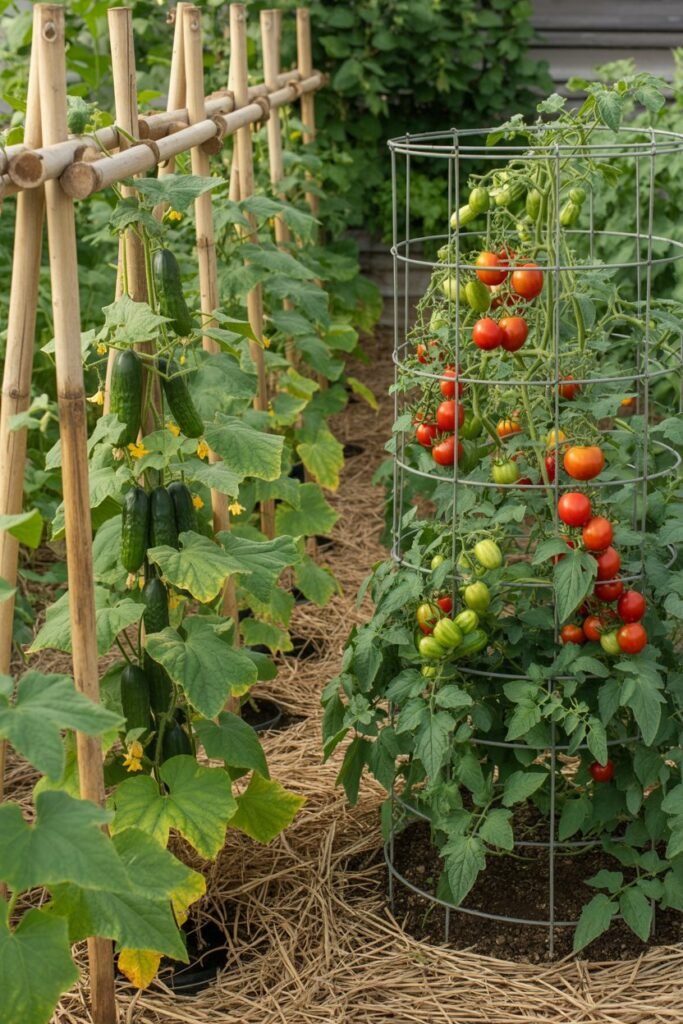
Vegetables lying directly on damp soil are more likely to develop disease.
Supporting plants improves airflow and reduces moisture problems.
Best Support Methods
Tomatoes
Use cages, stakes, or trellises.
Cucumbers
Grow vertically whenever possible.
Beans
Use poles or trellis systems.
Peas
Support vines early.
Melons
Can be trained vertically with slings.
Vertical growing also saves space and makes harvesting easier.
9. Avoid Working in Wet Gardens
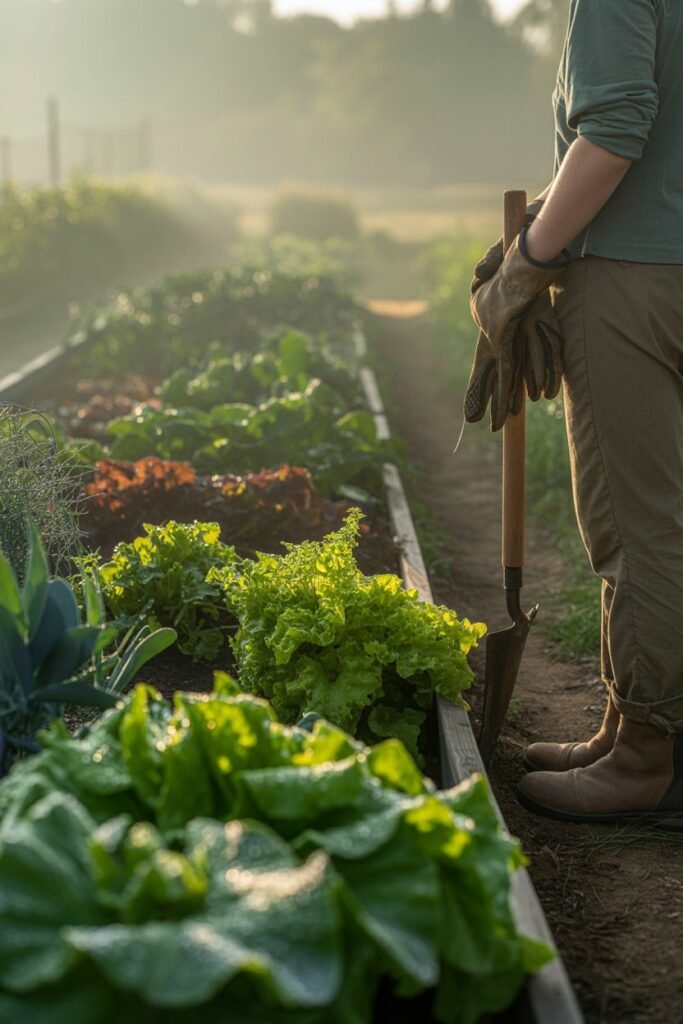
Walking through wet plants spreads disease quickly.
Fungal spores and bacteria move easily from plant to plant through moisture.
Avoid:
- Pruning wet plants
- Harvesting during heavy dew
- Touching infected foliage after rain
Wait until leaves dry before gardening whenever possible.
This simple habit prevents many common diseases from spreading.
10. Feed Plants Properly
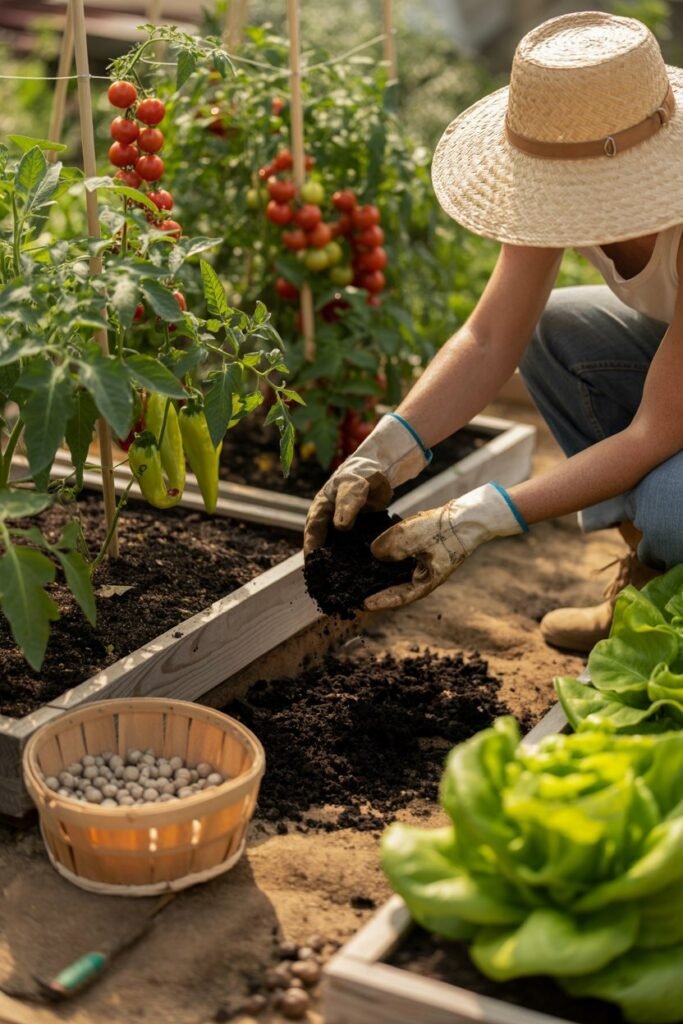
Overfed or underfed plants are more likely to develop problems.
Too much nitrogen creates lush leafy growth that attracts pests and fungal disease. Too little nutrition weakens the plant.
Balanced Feeding Tips
- Use compost regularly
- Apply balanced organic fertilizer
- Avoid overfertilizing
- Feed consistently during heavy growth
- Watch for nutrient deficiencies
Healthy plants naturally defend themselves better against infections.
Disease Prevention Tips for 12 Popular Summer Vegetables
Tomatoes
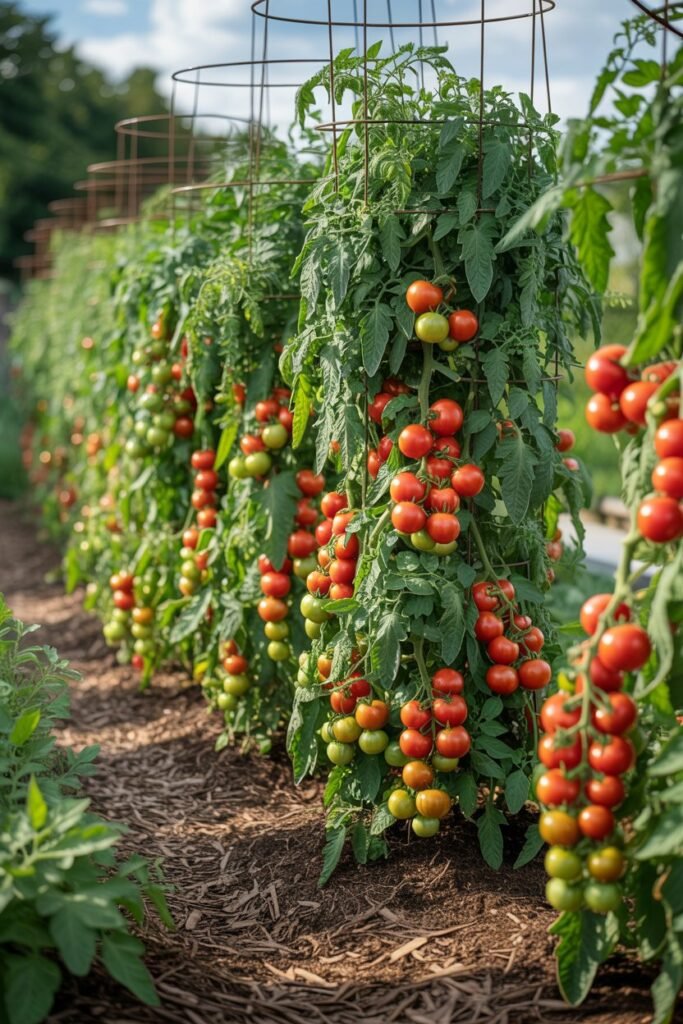
Tomatoes are one of the most disease-prone summer vegetables.
Common Tomato Diseases
- Early blight
- Late blight
- Septoria leaf spot
- Fusarium wilt
- Blossom end rot
Prevention Tips
- Mulch heavily
- Water at soil level
- Remove lower leaves
- Space plants well
- Use cages or stakes
- Avoid wet foliage
- Rotate crops yearly
Pruning lower tomato leaves improves airflow dramatically.
Cucumbers
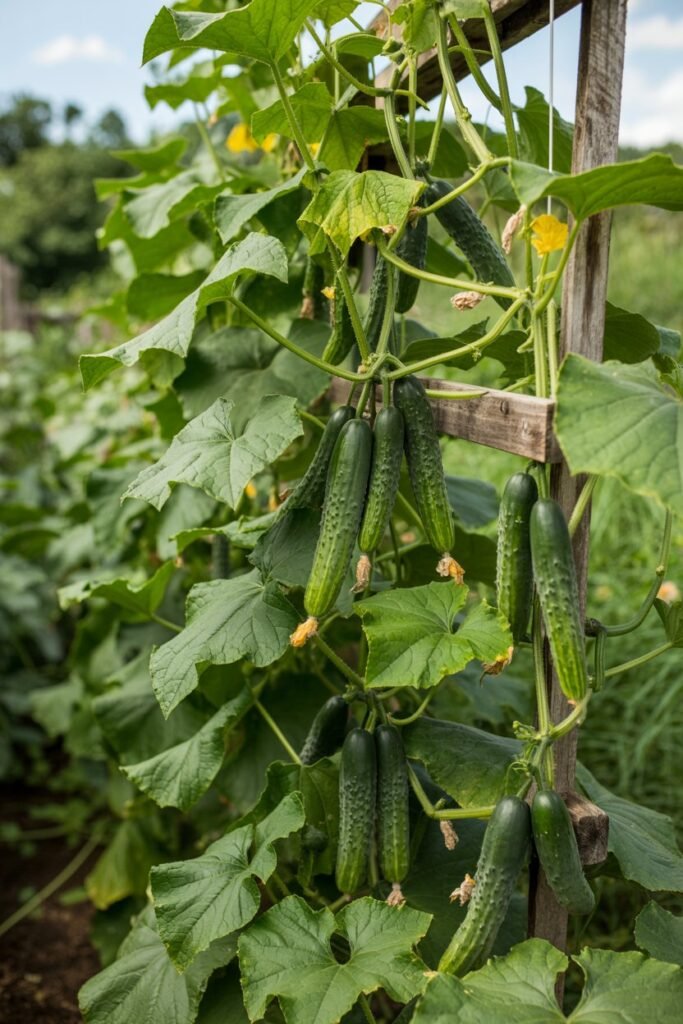
Cucumbers love warmth but struggle with fungal diseases in humid weather.
Common Cucumber Diseases
- Powdery mildew
- Downy mildew
- Bacterial wilt
Prevention Tips
- Grow vertically
- Water consistently
- Avoid leaf wetness
- Remove infected leaves quickly
- Improve airflow
Trellising cucumbers is one of the best prevention methods.
Peppers
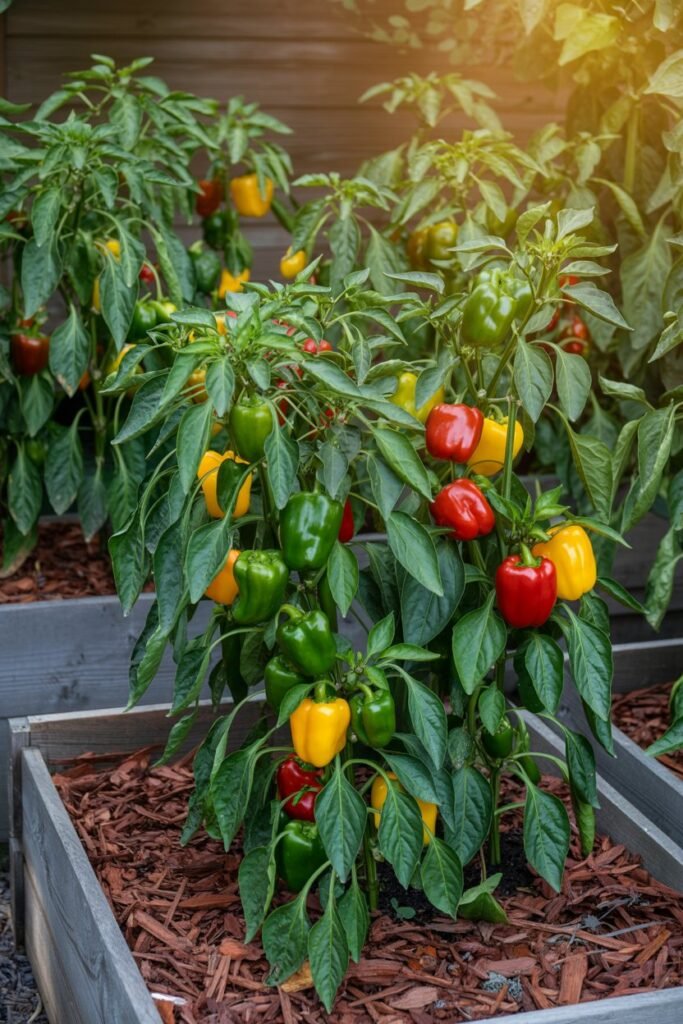
Peppers prefer warm dry conditions but can develop fungal issues in humid climates.
Common Pepper Diseases
- Bacterial leaf spot
- Anthracnose
- Blossom end rot
Prevention Tips
- Avoid overcrowding
- Water evenly
- Mulch around roots
- Remove diseased fruit
- Rotate crops
Zucchini
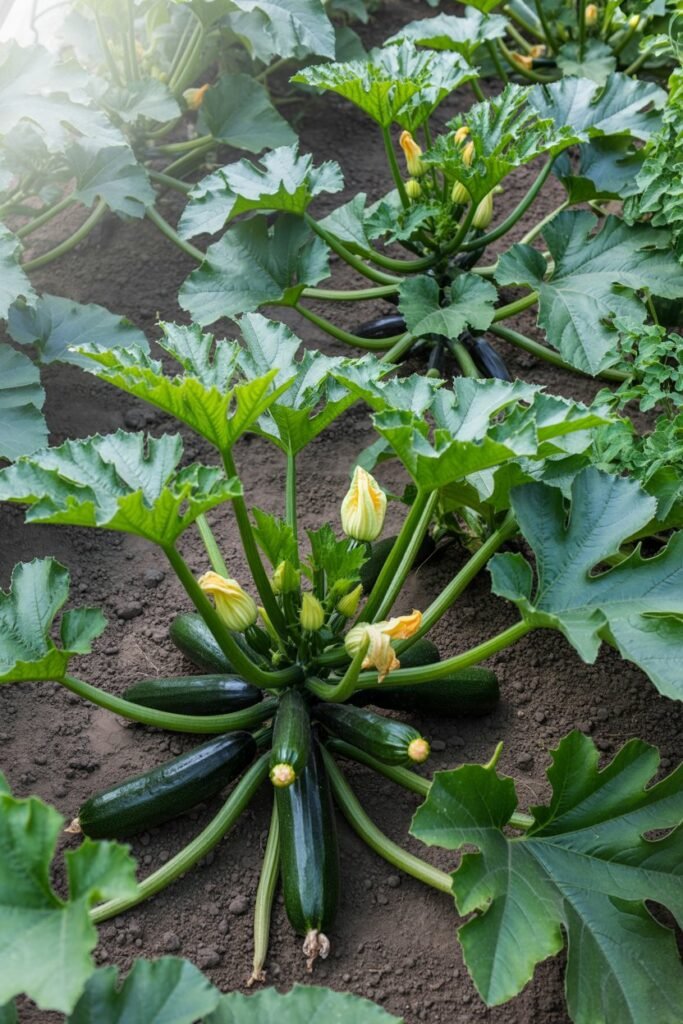
Zucchini grows fast but is highly vulnerable to powdery mildew.
Common Diseases
- Powdery mildew
- Blossom rot
- Bacterial wilt
Prevention Tips
- Space widely
- Water roots only
- Improve airflow
- Remove infected leaves early
- Avoid overhead watering
Large zucchini leaves trap humidity easily, so spacing matters tremendously.
Squash
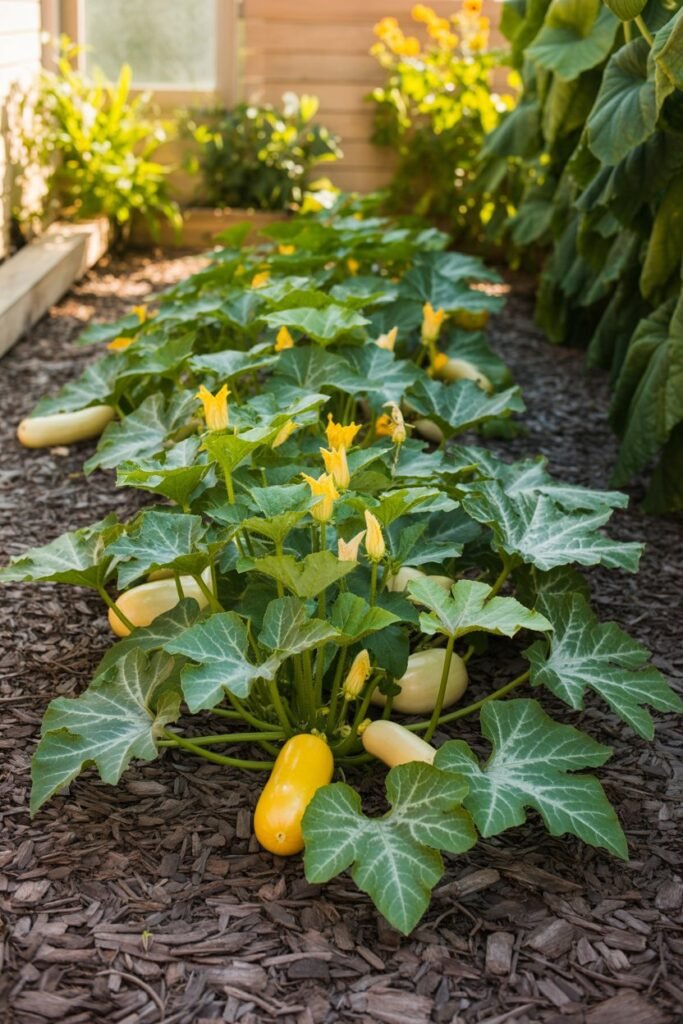
Summer squash and winter squash share many disease problems.
Common Diseases
- Powdery mildew
- Vine rot
- Downy mildew
Prevention Tips
- Grow in full sun
- Avoid wet foliage
- Rotate yearly
- Mulch consistently
- Keep leaves dry
Beans
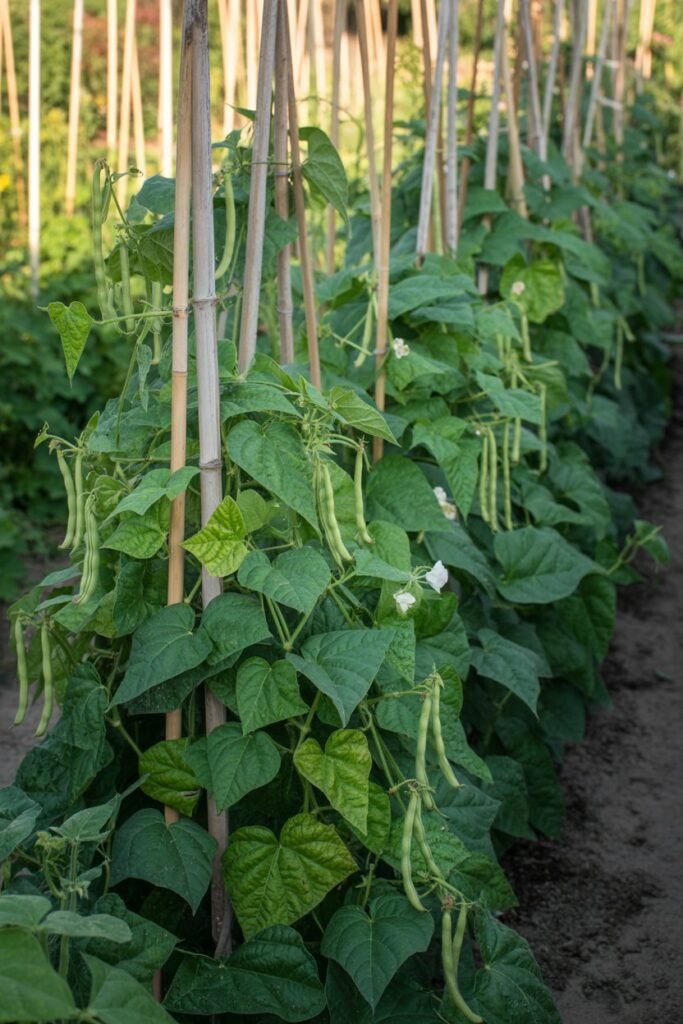
Beans are generally easy to grow but still vulnerable during wet summers.
Common Diseases
- Rust
- Bacterial blight
- Mosaic virus
Prevention Tips
- Avoid handling wet plants
- Thin crowded rows
- Remove infected plants
- Water carefully
Never harvest beans while foliage is wet.
Lettuce
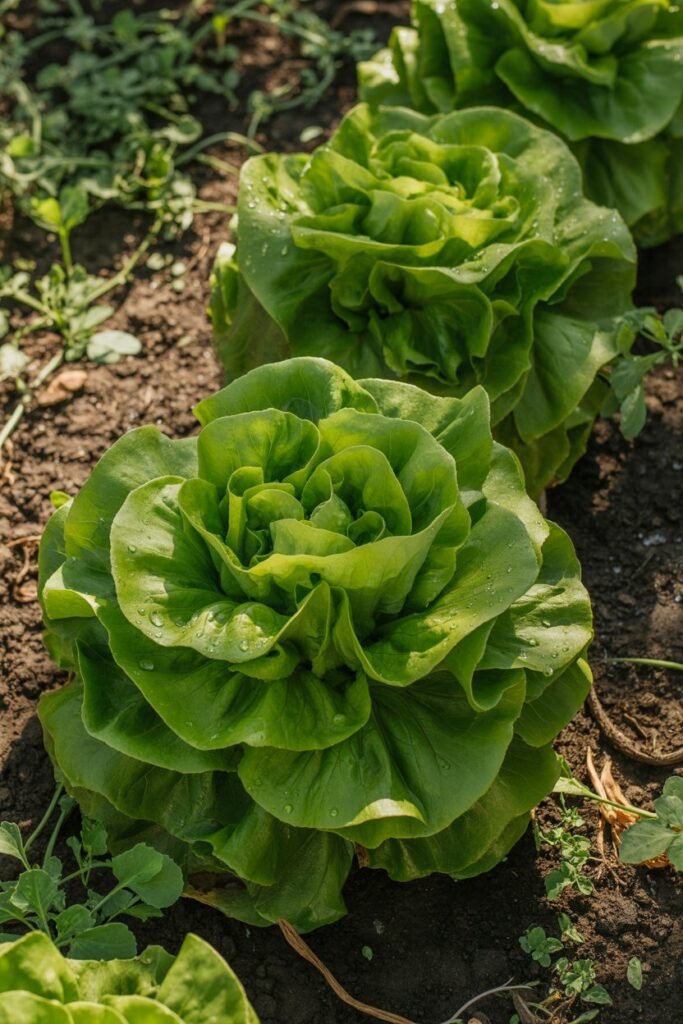
Lettuce struggles during hot humid weather.
Common Problems
- Bottom rot
- Powdery mildew
- Tip burn
Prevention Tips
- Provide afternoon shade
- Water consistently
- Thin seedlings
- Harvest frequently
Heat stress weakens lettuce quickly.
Eggplant
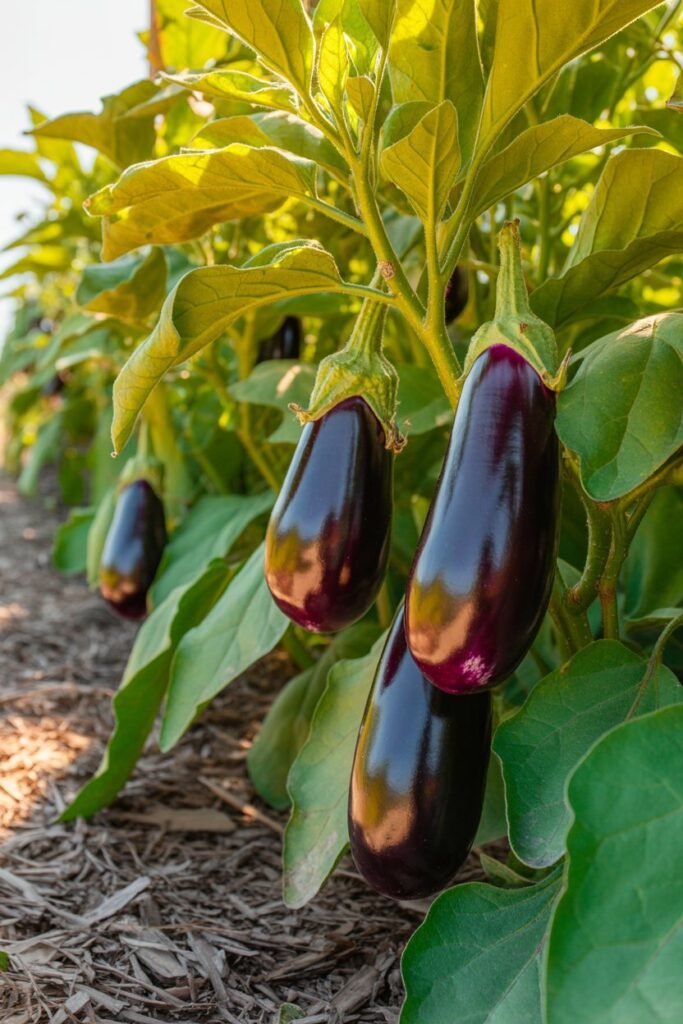
Eggplants need warmth but dislike soggy soil.
Common Diseases
- Verticillium wilt
- Fungal leaf spots
- Root rot
Prevention Tips
- Improve drainage
- Rotate crops
- Avoid overwatering
- Space properly
Okra
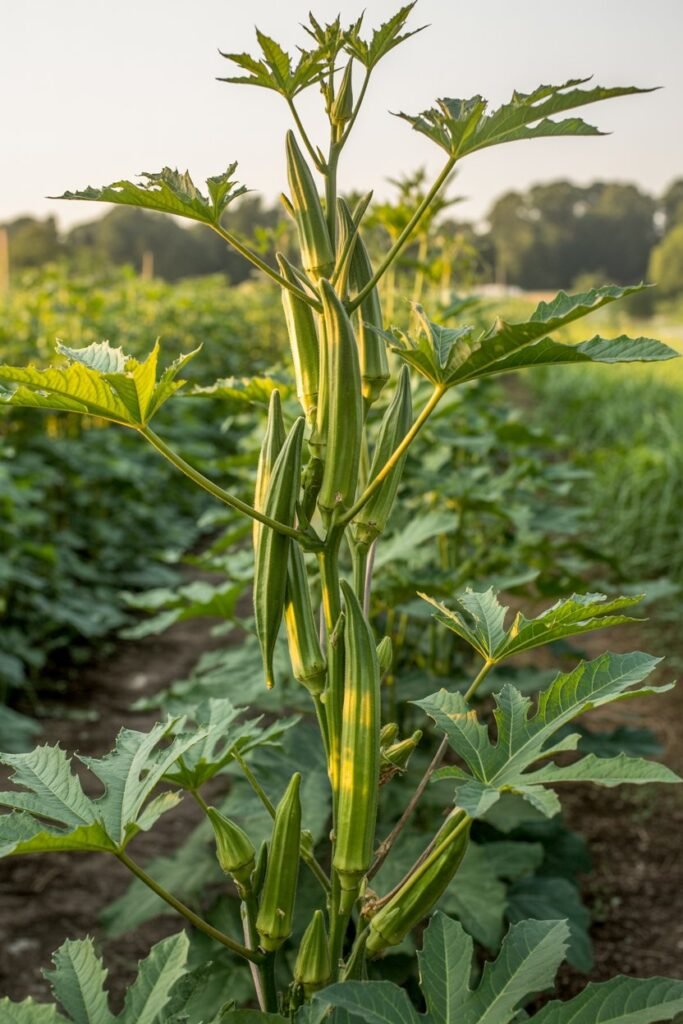
Okra handles heat well but still benefits from disease prevention.
Common Diseases
- Powdery mildew
- Fusarium wilt
- Leaf spot
Prevention Tips
- Space plants generously
- Water deeply
- Remove damaged leaves
- Keep weeds controlled
Melons
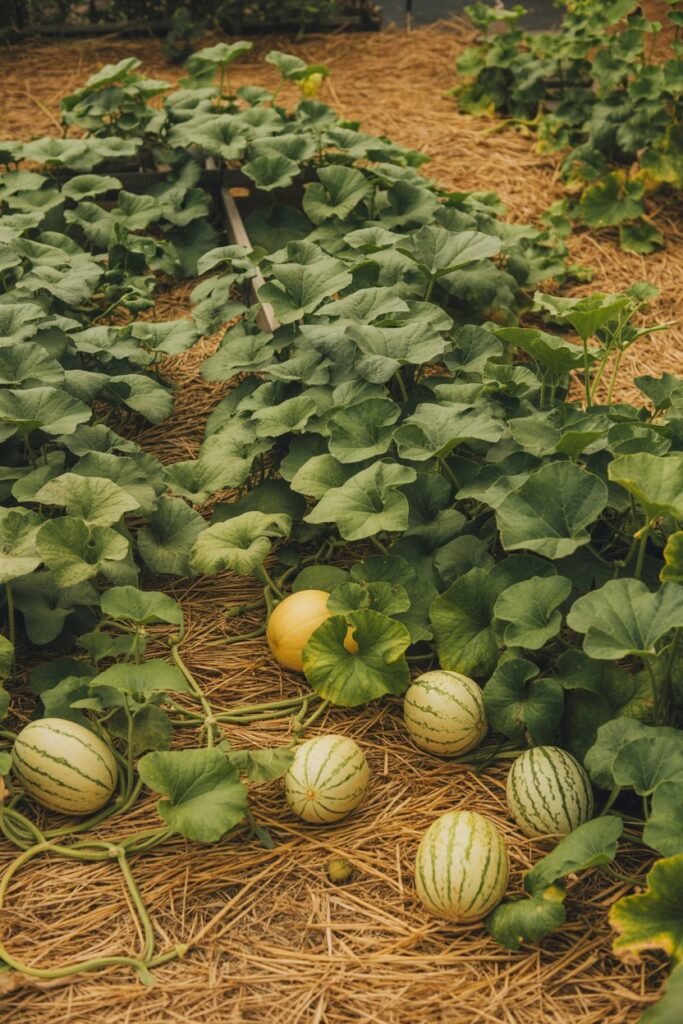
Melons need excellent airflow to stay healthy.
Common Diseases
- Downy mildew
- Powdery mildew
- Fusarium wilt
Prevention Tips
- Avoid crowded vines
- Mulch heavily
- Water roots only
- Rotate yearly
Carrots
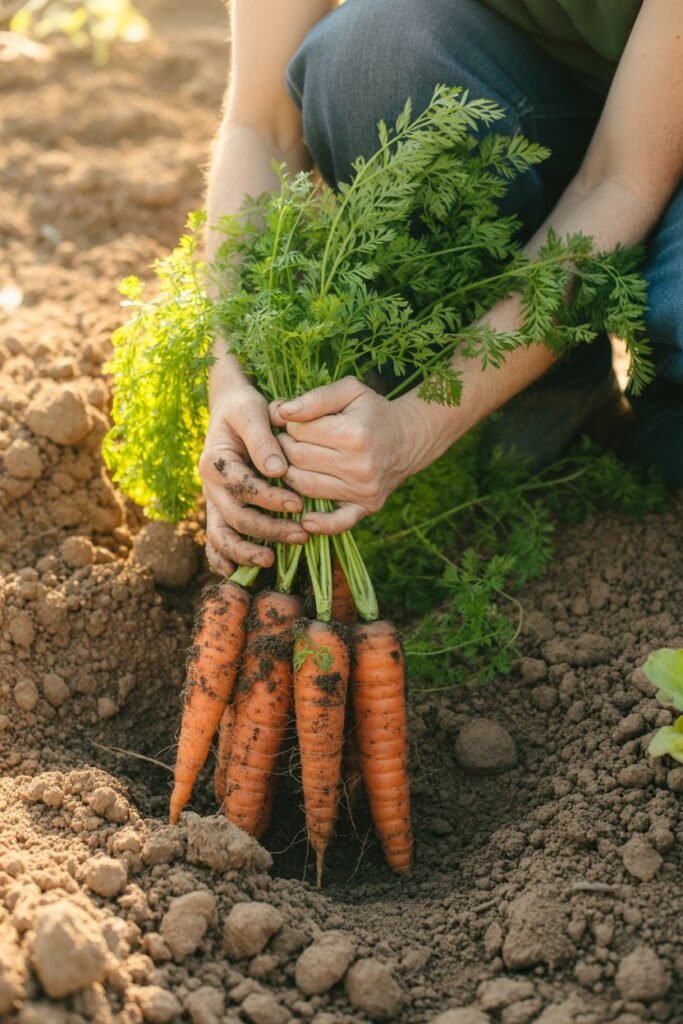
Carrots can suffer from fungal issues in overly wet soil.
Common Diseases
- Leaf blight
- Root rot
Prevention Tips
- Thin seedlings
- Avoid soggy soil
- Improve drainage
- Rotate crops
Spinach
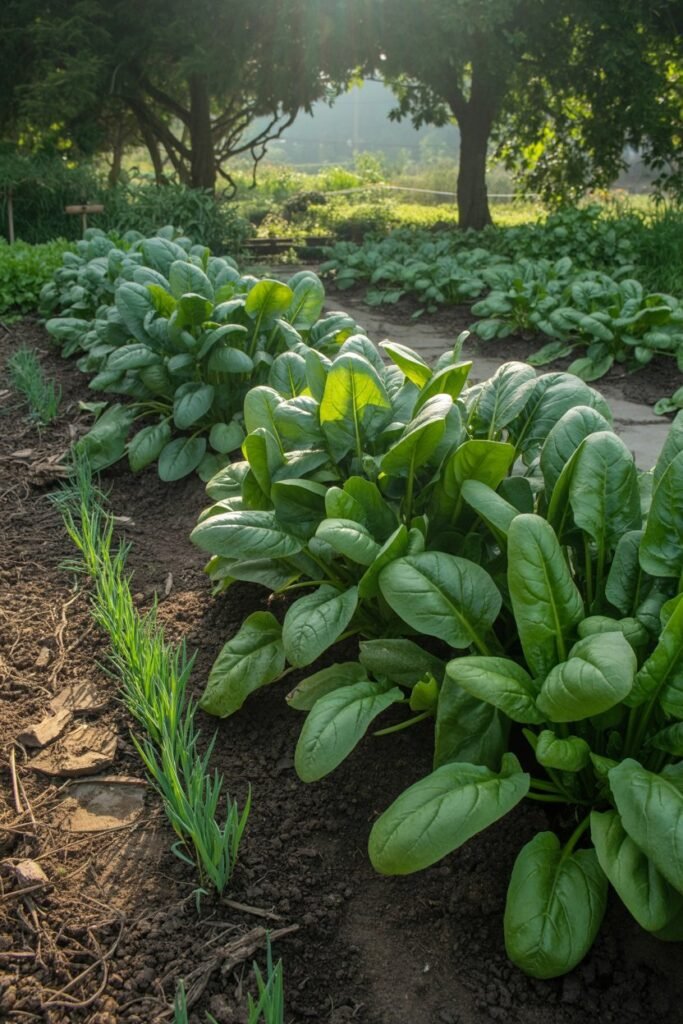
Spinach often struggles in hot humid summers.
Common Diseases
- Downy mildew
- Leaf spot
Prevention Tips
- Grow in partial shade
- Water carefully
- Harvest regularly
- Improve airflow
Natural Ways to Prevent Vegetable Diseases
Many gardeners prefer avoiding harsh chemicals whenever possible.
Fortunately, several natural strategies work extremely well.
Neem Oil
Neem oil helps suppress fungal diseases and certain pests.
Use:
- Early in the morning
- On dry days
- As prevention rather than cure
Baking Soda Spray
A mild baking soda solution may help reduce powdery mildew.
Compost Tea
Healthy compost tea may improve beneficial microbial activity.
Companion Planting
Certain plants help improve garden health naturally.
Good companions include:
- Basil
- Marigolds
- Nasturtiums
- Garlic
- Chives
These plants may help deter pests and improve biodiversity.
Signs Your Vegetable Plants Are Stressed
Stressed plants are far more vulnerable to disease.
Watch for:
- Drooping leaves
- Slow growth
- Yellowing foliage
- Brown edges
- Wilting during mild temperatures
- Blossom drop
Stress often comes from:
- Heat
- Irregular watering
- Poor soil
- Overcrowding
- Nutrient imbalance
Fixing stress early helps prevent disease later.
Common Summer Gardening Mistakes That Cause Disease
Overwatering
Too much water suffocates roots and promotes fungal growth.
Crowding Plants
Poor airflow increases humidity.
Ignoring Early Symptoms
Small spots quickly become major outbreaks.
Watering at Night
Wet overnight leaves create fungal paradise.
Reusing Infected Soil
Diseases can survive between seasons.
Leaving Dead Leaves in Beds
Decaying material harbors pathogens.
Avoiding these mistakes makes a massive difference in garden health.
Best Times to Inspect Your Garden
Daily observation helps catch problems early.
Morning Checks
Look for:
- Wilted plants
- Yellow leaves
- Pest damage
Evening Checks
Watch for:
- Moisture issues
- Mold growth
- Fungus development
Early detection prevents widespread infection.
Weather and Disease Prevention
Different weather patterns increase disease risks.
During Humid Weather
- Increase airflow
- Reduce overhead watering
- Prune crowded growth
During Heavy Rain
- Check mulch levels
- Remove damaged leaves
- Improve drainage
During Heat Waves
- Water deeply
- Mulch heavily
- Reduce plant stress
Adapting your care routine to weather conditions keeps plants stronger.
Building a Disease-Resistant Garden Long Term
Healthy gardens become more resilient over time.
Focus on:
- Healthy soil
- Biodiversity
- Crop rotation
- Consistent watering
- Proper spacing
- Seasonal cleanup
Gardens with balanced ecosystems naturally experience fewer major disease outbreaks.
Patience and observation are just as important as fertilizers and watering schedules.
Final Thoughts
Summer vegetable gardening can feel incredibly rewarding when plants are healthy and productive. Watching vines climb, peppers ripen, and tomatoes swell in the heat is one of the best parts of the growing season. But summer diseases can quickly turn excitement into frustration if preventative care is ignored.
The secret is staying proactive instead of reactive.
Simple habits like watering correctly, improving airflow, mulching consistently, cleaning tools, rotating crops, and checking plants daily can prevent most common vegetable diseases before they become serious.
Healthy gardens are not built through perfection. They grow through observation, consistency, and small smart decisions repeated throughout the season.
Once you begin focusing on prevention instead of treatment, your summer vegetable garden becomes stronger, healthier, and far more productive year after year.
