
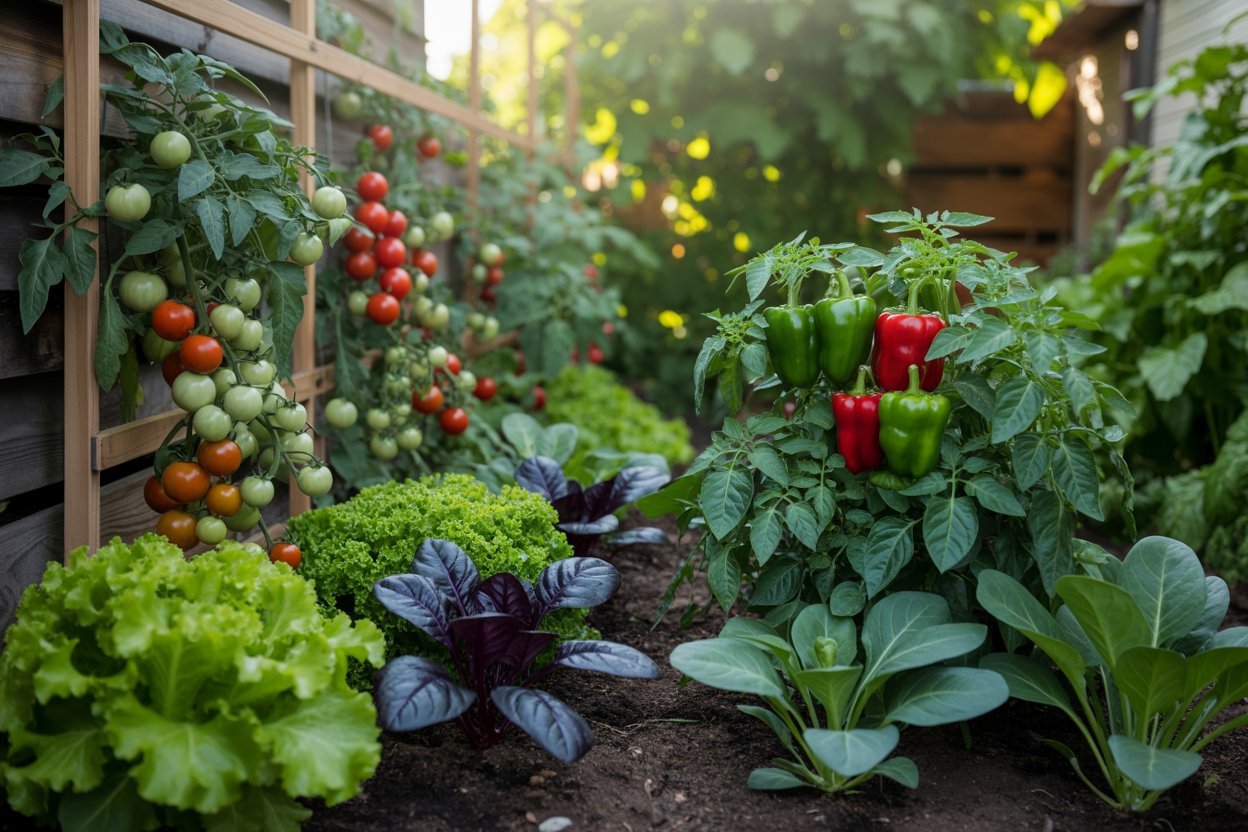

A small garden can feel limiting at first until you realize just how much abundance it’s capable of holding.
Over the years, I’ve learned that growing more food isn’t about having more land; it’s about understanding how plants truly want to grow and working with that rhythm instead of against it.
Once you shift your perspective, even the smallest patch of soil or a few containers can become incredibly productive. This method isn’t complicated, but it is intentional.
It blends smart spacing, layered planting, and thoughtful timing to turn ordinary gardens into thriving, generous spaces.
If you’ve ever wished your garden could give you more without expanding it, this approach will change the way you grow forever.
What Is This Method All About?
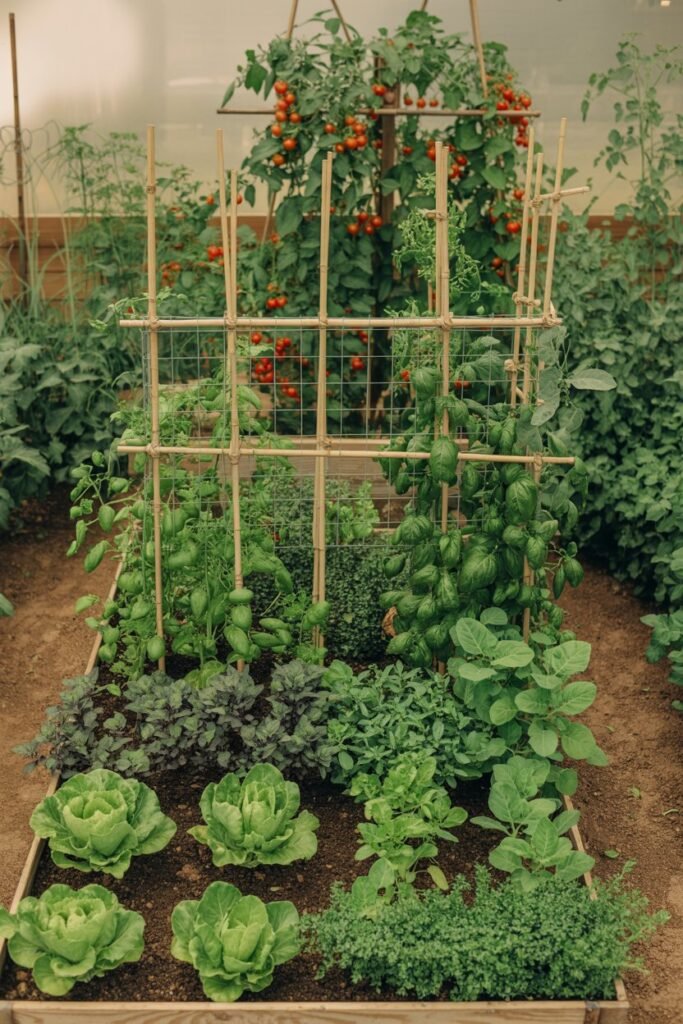
At its heart, this gardening method is about maximizing every inch of space while keeping plants healthy and productive.
Instead of planting in wide, spaced-out rows, you grow closer together but not carelessly. Each plant is placed with purpose, creating a living system where everything supports something else.
This method combines a few powerful principles:
- Intensive planting (close spacing)
- Vertical growing
- Succession planting
- Companion planting
- Layering crops (like a forest garden, but simpler)
Think of it as designing a garden the way nature does full, layered, and efficient.
Why This Method Works So Well
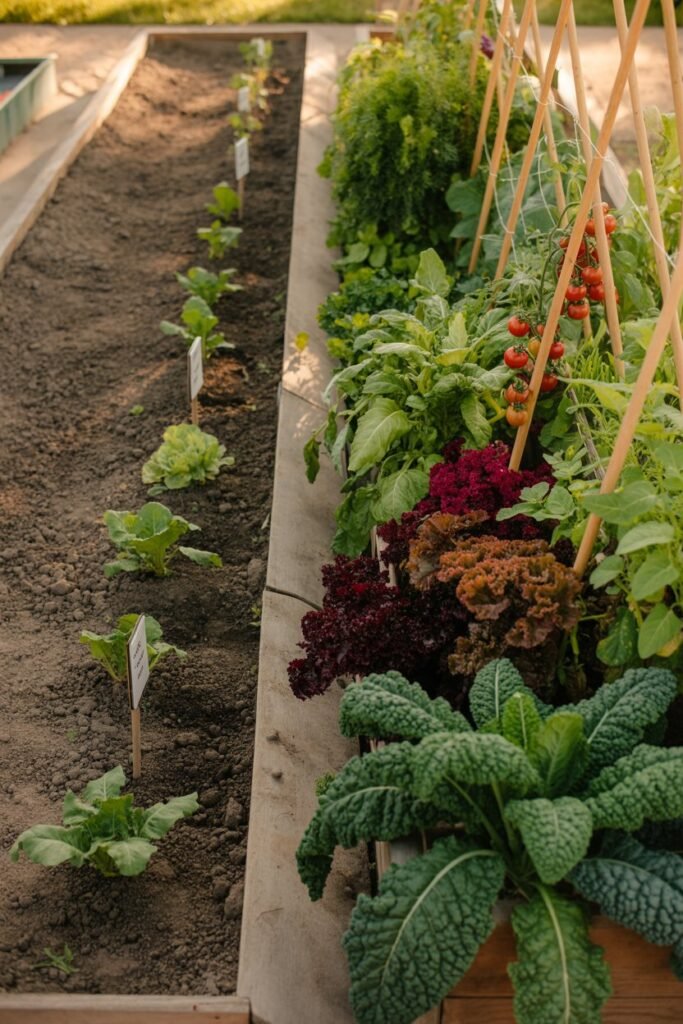
Traditional gardening often wastes space without realizing it. Rows leave empty pathways, soil sits exposed, and plants grow far apart.
While this can make maintenance easier, it doesn’t make the most of your growing area.
This method changes that by:
1. Reducing Wasted Space
Every inch of soil is used for growing something useful. No bare patches, no empty gaps.
2. Improving Soil Health
Closely spaced plants shade the soil, keeping it cool and moist while reducing weeds.
3. Increasing Yield
More plants in the same space naturally means more harvest—if done correctly.
4. Creating a Microclimate
Plants protect each other from harsh sun, wind, and heavy rain.
5. Reducing Maintenance
Less exposed soil means fewer weeds and less watering.
Step 1: Start With Healthy, Living Soil
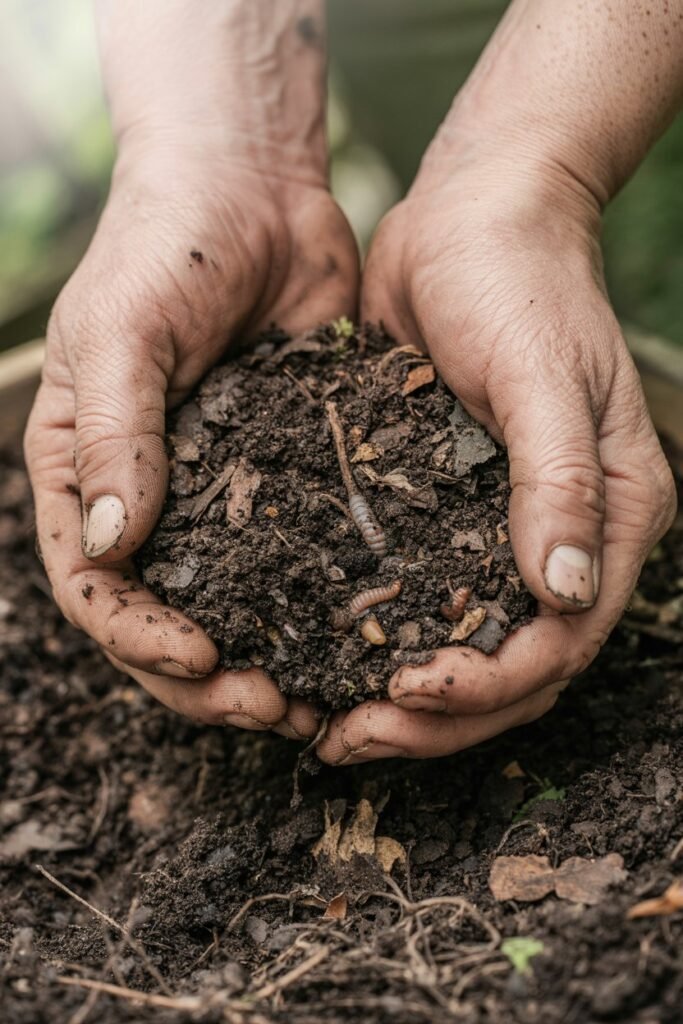
Before anything else, your soil must be rich and alive. When plants grow closer together, they rely even more on good soil because they’re sharing nutrients.
How to Prepare Your Soil
- Add compost generously (this is non-negotiable)
- Mix in organic matter like leaf mold or aged manure
- Avoid compacting the soil keep it loose and airy
- Mulch lightly to protect moisture
A Gardener’s Tip
I like to think of soil as the “engine” of the garden. If it’s strong, everything else becomes easier even in tight spaces.
Step 2: Ditch Rows and Think in Blocks
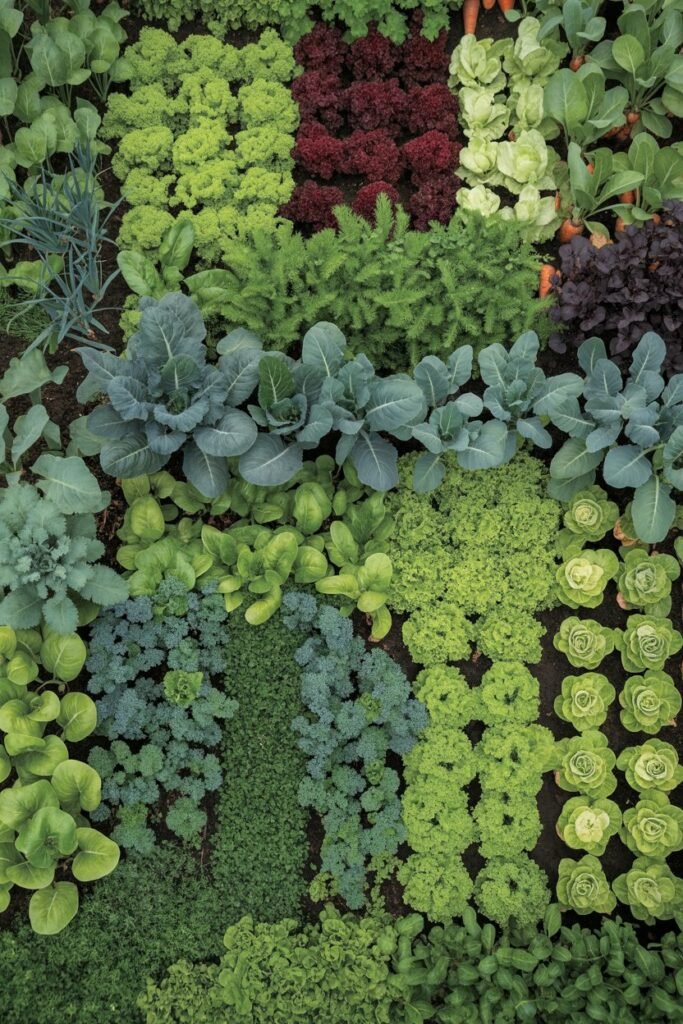
One of the biggest shifts in this method is moving away from traditional rows.
Instead of planting like this:
Carrots  -----
Empty space ------
Lettuce  ------
You plant in dense blocks or grids, like this:
Carrots Carrots Carrots
Carrots Carrots Carrots
Carrots Carrots Carrots
Why This Works
- Plants form a natural canopy
- Soil stays shaded
- Weeds struggle to grow
- You harvest more per square foot
How Close Should You Plant?
Closer than usual but not crowded.
A simple rule:
- Leaves should just touch at maturity, not overlap heavily
Step 3: Grow Up, Not Just Out
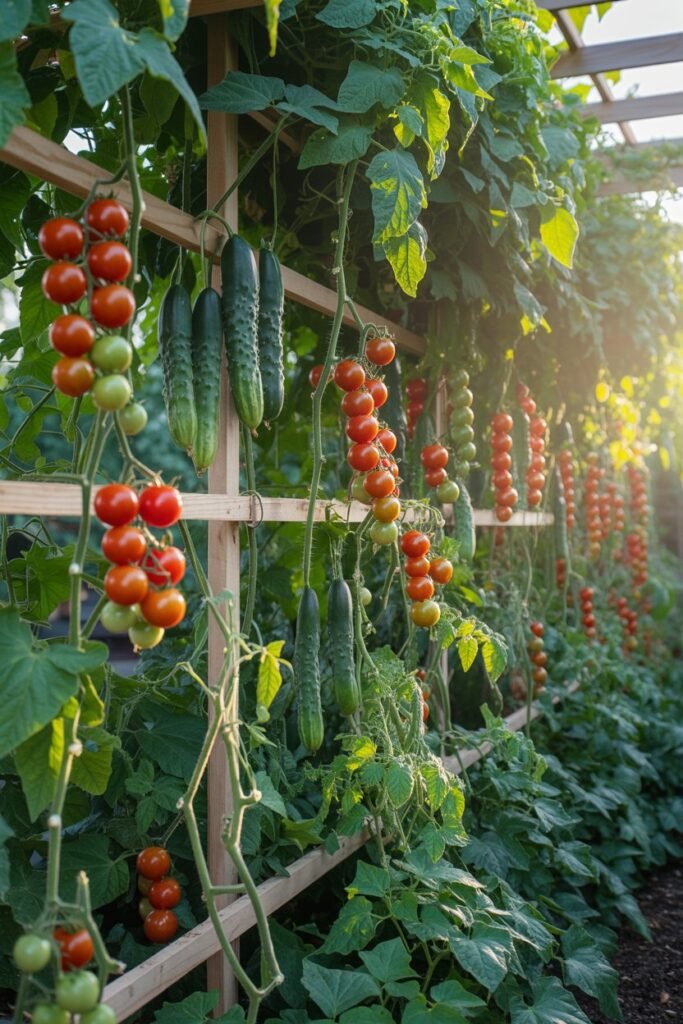
Vertical gardening is one of the most powerful ways to increase your harvest.
What You Can Grow Vertically
- Tomatoes
- Cucumbers
- Beans
- Peas
- Squash (some varieties)
How to Do It
- Use trellises, stakes, or cages
- Train plants upward early
- Tie gently as they grow
Why It Matters
When you grow upward:
- You free up ground space
- Improve airflow (less disease)
- Make harvesting easier
A Gardener’s Insight
Once I started growing vertically, my garden doubled in productivity without expanding at all.
Step 4: Practice Succession Planting
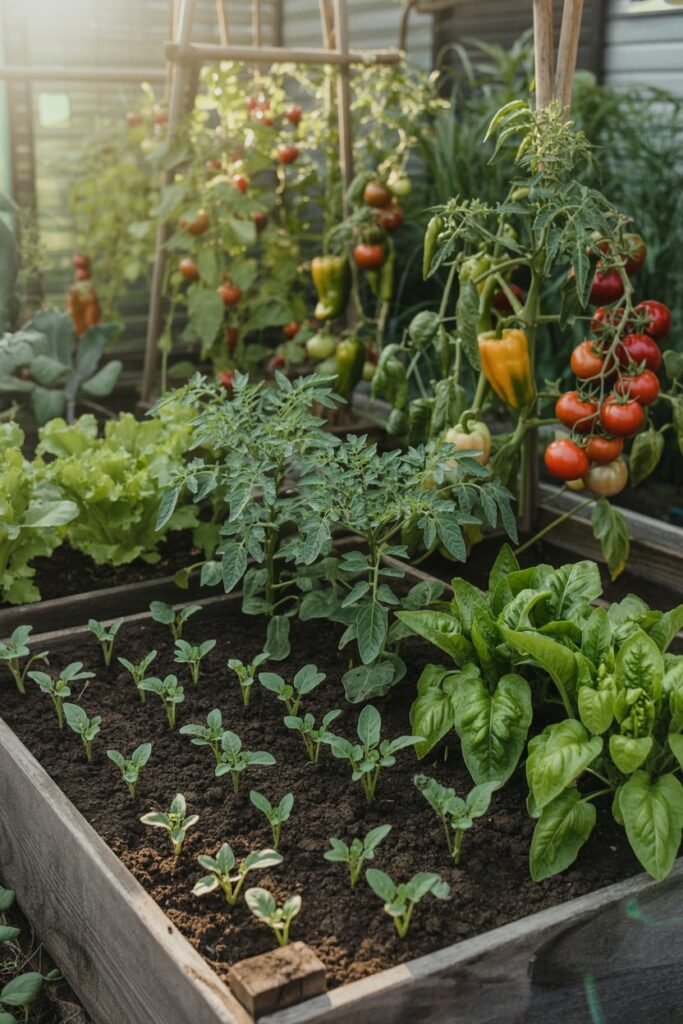
This is where the magic really happens.
Instead of planting once and harvesting once, you keep planting throughout the season.
How It Works
As soon as one crop finishes, another takes its place.
For example:
- Early lettuce → followed by beans
- Radishes → followed by carrots
- Spinach → followed by peppers
Timing Is Everything
- Fast-growing crops (like radishes) mature in 3–4 weeks
- Medium crops (like lettuce) in 6–8 weeks
- Slow crops (like tomatoes) take longer
You layer them over time so your garden is always producing something.
Step 5: Use Companion Planting Wisely
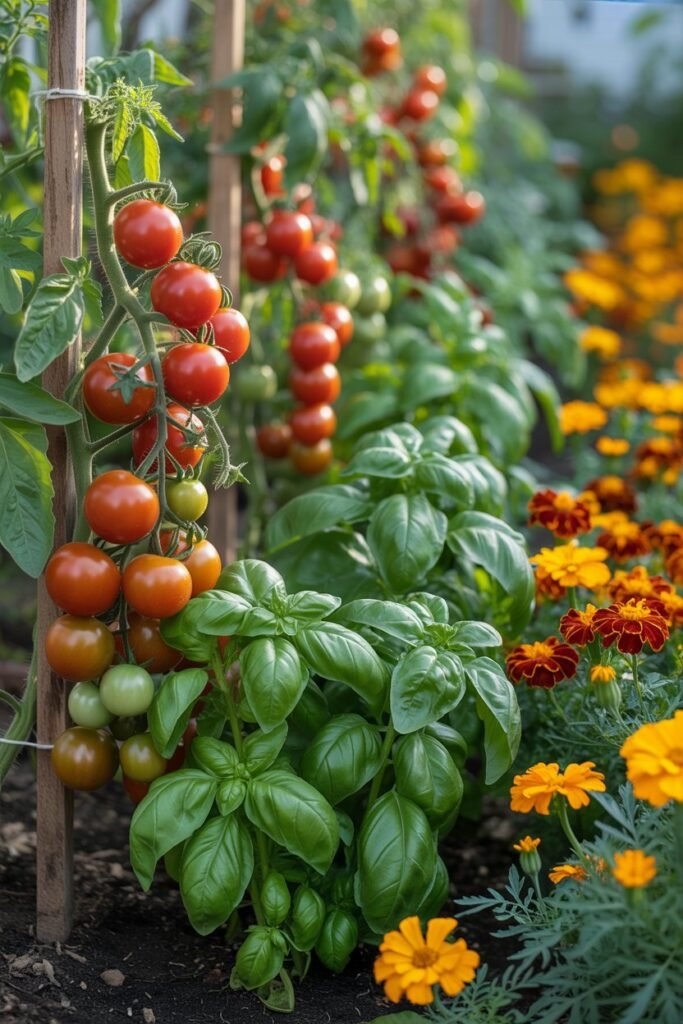
Not all plants compete some actually help each other.
Good Companion Examples
- Tomatoes + basil
- Carrots + onions
- Lettuce + radishes
- Beans + corn
Benefits
- Better growth
- Fewer pests
- Improved flavor (in some cases)
A Simple Rule
Pair plants with different needs:
- Deep roots + shallow roots
- Tall plants + low growers
- Fast growers + slow growers
Step 6: Layer Your Crops
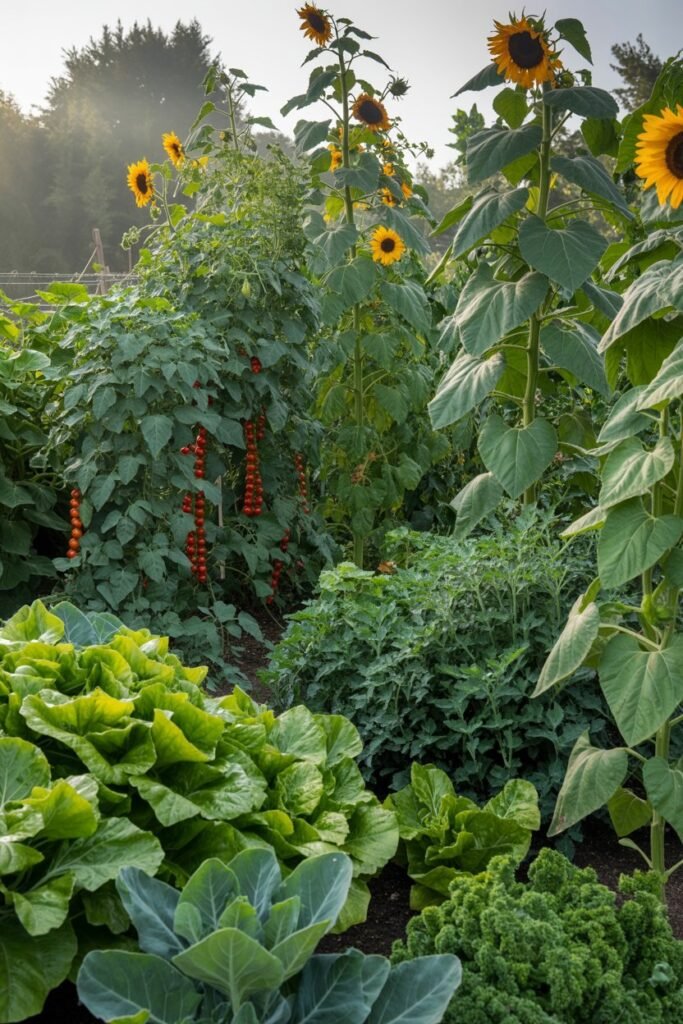
This is where your garden starts to feel alive and full.
The Three Layers
- Vertical Layer (tall plants)
- Tomatoes, beans, corn
- Mid Layer (medium height)
- Peppers, cabbage, eggplant
- Ground Layer (low-growing)
- Lettuce, spinach, herbs
Example Layout
- Tomatoes growing upward
- Basil and peppers underneath
- Lettuce covering the ground
This creates a mini ecosystem where nothing is wasted.
Step 7: Water and Feed Intentionally
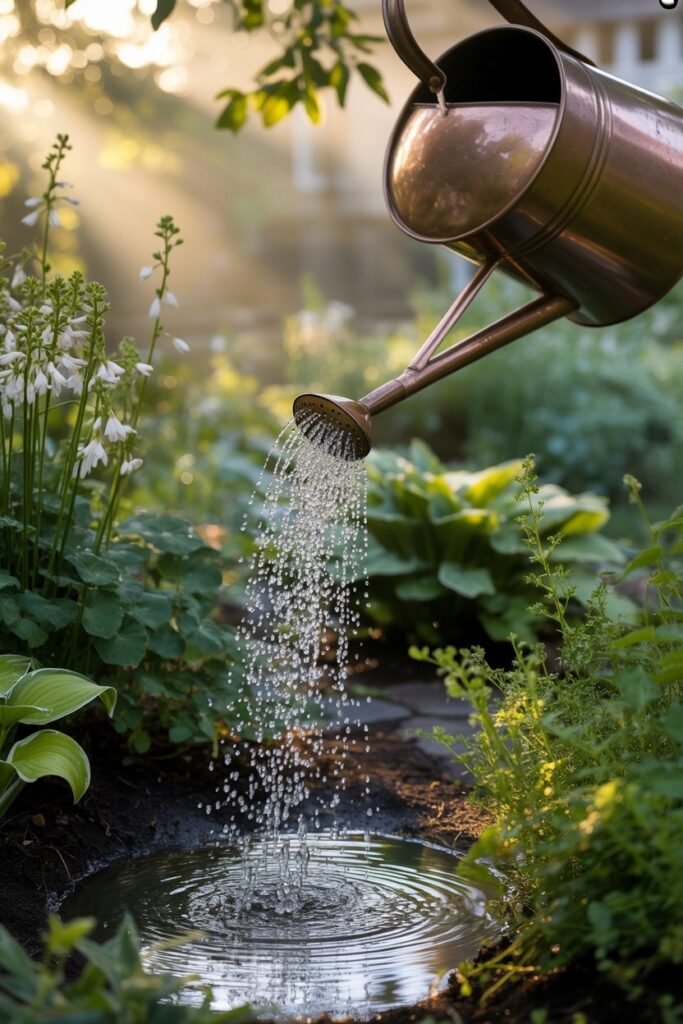
With plants growing closer together, your watering and feeding need to be consistent.
Watering Tips
- Water deeply, not lightly
- Early morning is best
- Focus on the soil, not leaves
Feeding Tips
- Use compost regularly
- Add liquid fertilizer every few weeks
- Watch your plants they’ll tell you what they need
Step 8: Harvest Often (This Is Important)
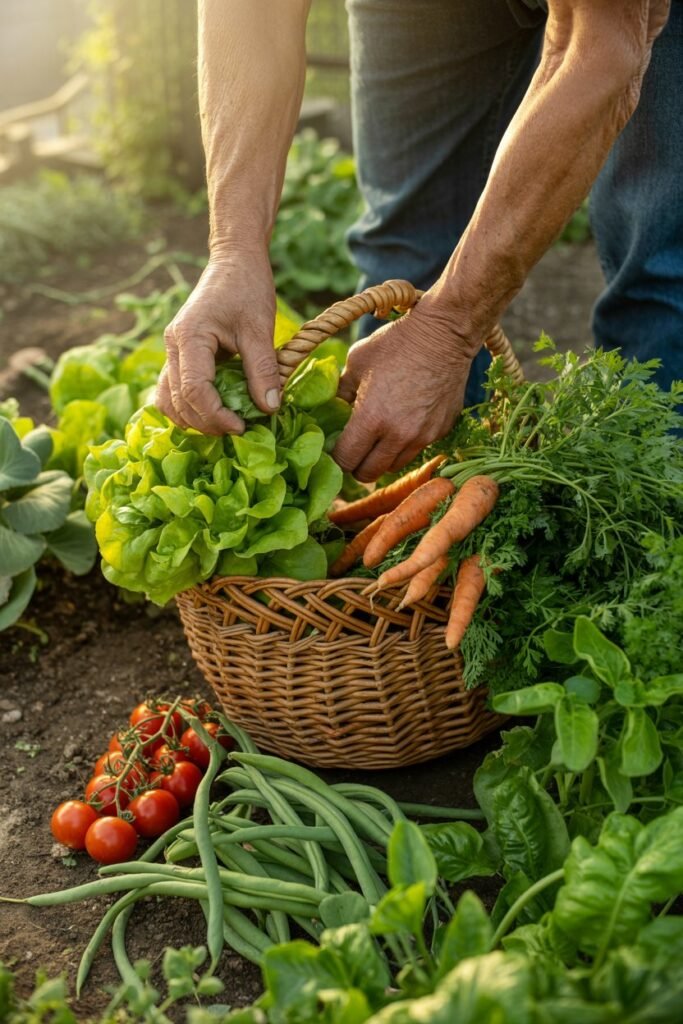
Frequent harvesting encourages more growth.
Why It Matters
- Plants produce more when picked regularly
- Prevents overcrowding
- Keeps crops tender and flavorful
What to Harvest Frequently
- Lettuce (cut-and-come-again style)
- Herbs
- Beans
- Tomatoes
Common Mistakes to Avoid
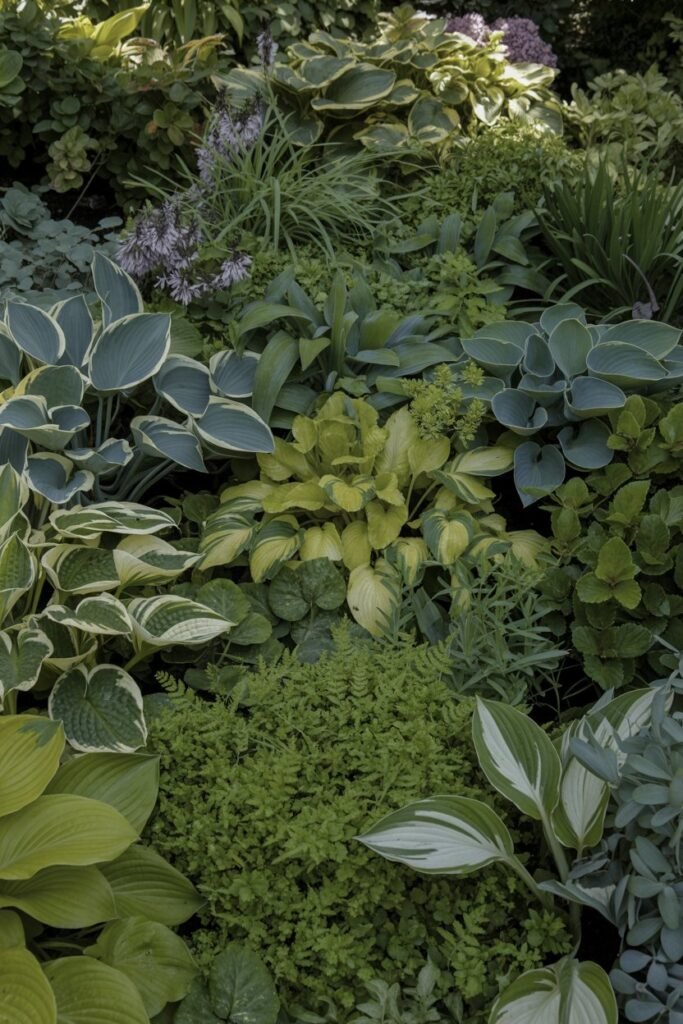
Even a great method can fail if a few key things are overlooked.
1. Planting Too Close
There’s a difference between intensive and crowded.
2. Ignoring Soil Health
More plants = more demand on the soil.
3. Forgetting Airflow
Dense planting needs good circulation.
4. Not Planning Succession
Without replanting, the system loses its power.
A Simple Garden Plan Using This Method
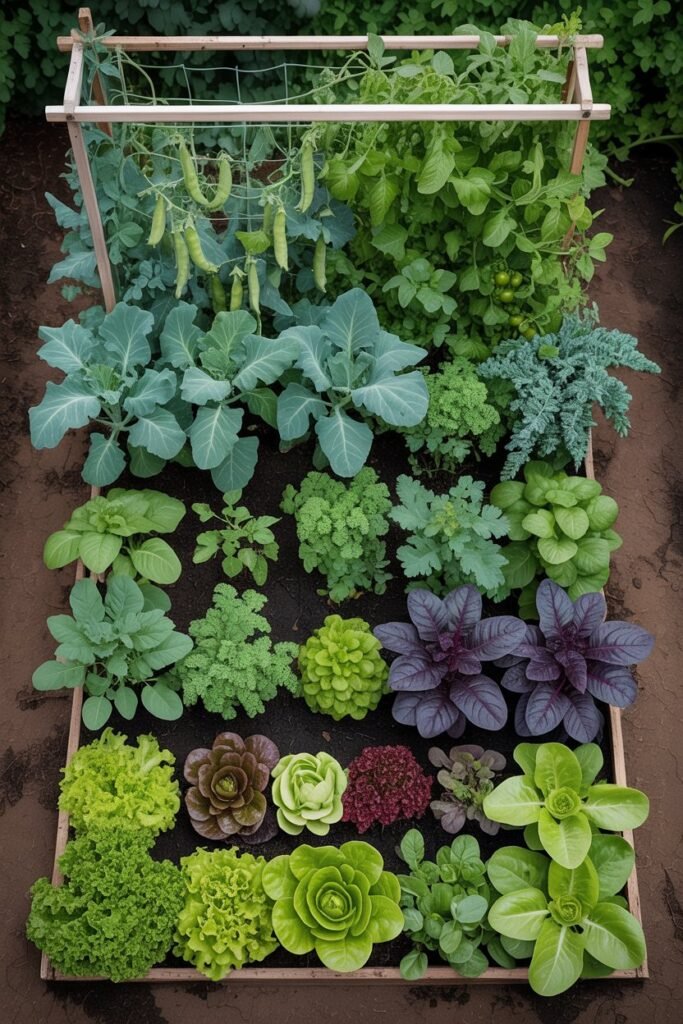
Here’s an easy example you can follow:
Bed Layout (Small Space)
- Back row: Trellised tomatoes
- Middle: Peppers and basil
- Front: Lettuce and spinach
Rotation Plan
- Early season: Spinach + radishes
- Mid-season: Tomatoes + peppers
- Late season: Lettuce + herbs
This single bed can produce food for months without stopping.
Why This Method Feels So Different
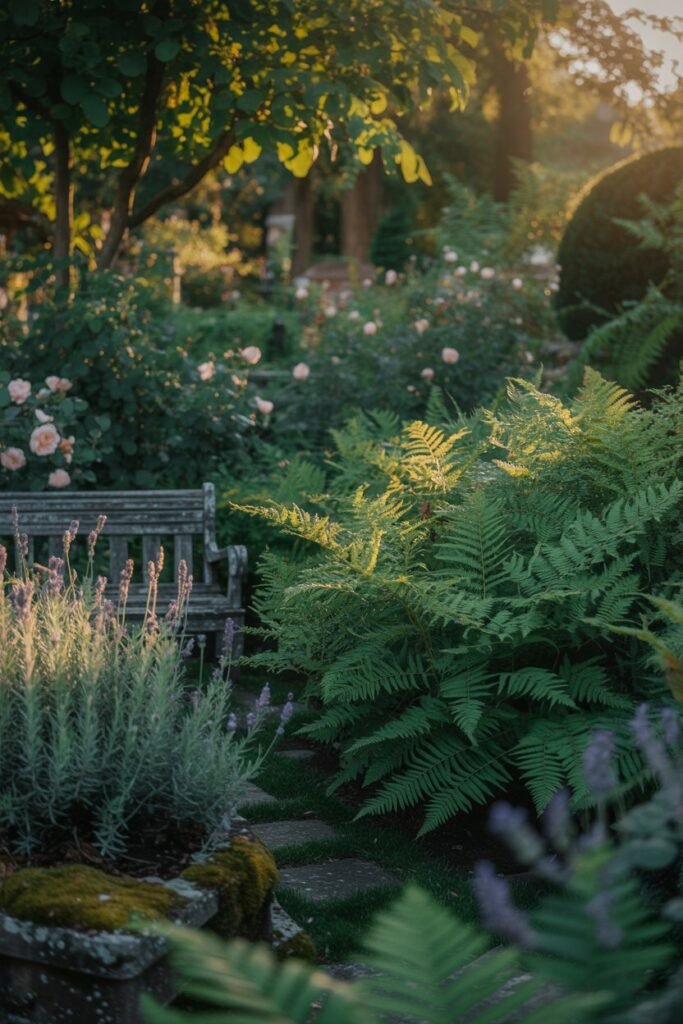
Once you start gardening this way, something shifts.
Your garden no longer feels like rows of plants it feels like a living, breathing system. Everything is connected. Everything has a purpose.
You begin to notice:
- How plants protect each other
- How soil stays moist longer
- How much more food you’re harvesting
And most importantly, you realize you don’t need more space you just needed a better way to use it.
Final Thoughts
This gardening method isn’t about working harder it’s about working smarter and more intuitively. It invites you to slow down, observe, and design your space with intention.
Start small. Try one bed using these principles. Watch how it grows, how it fills in, how it produces more than you expected.
Because once you see what’s possible in a small space, you’ll never garden the same way again.
