
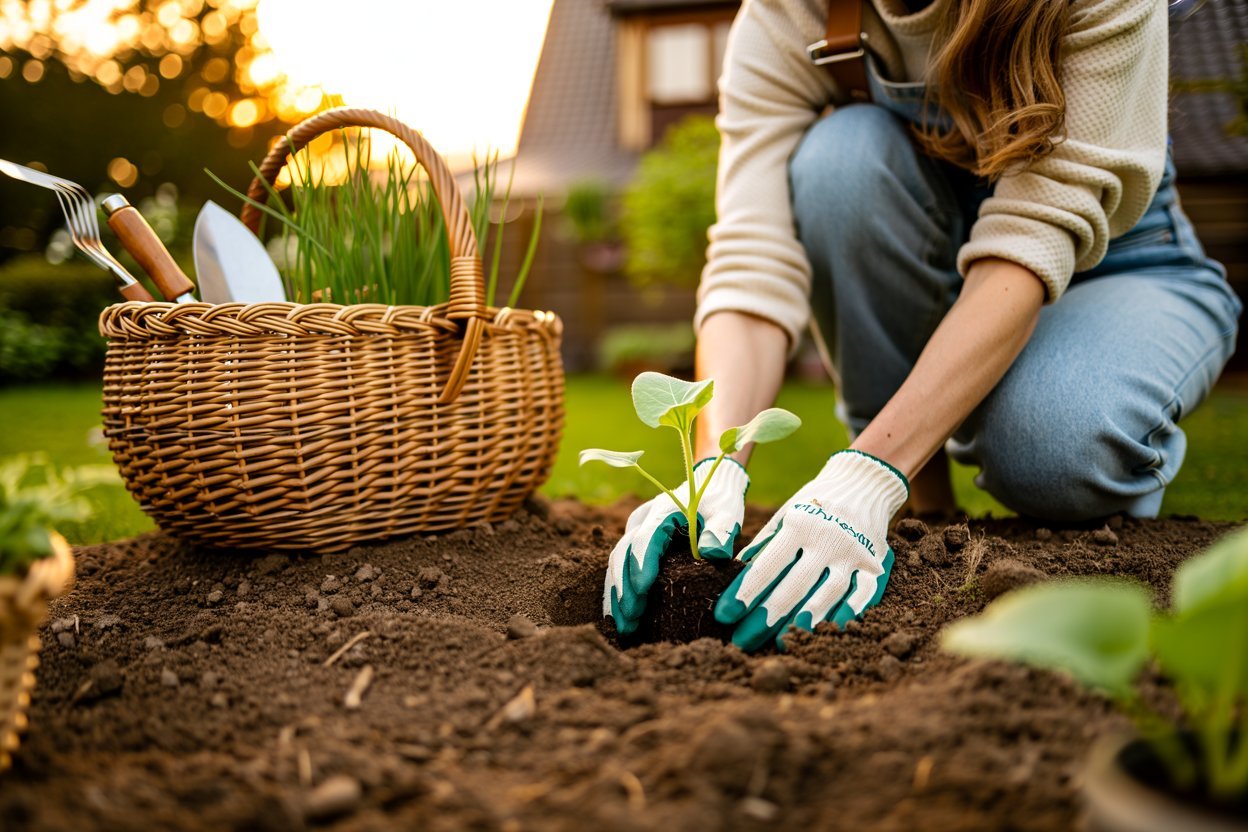

I still remember standing in the garden aisle of my local nursery, completely overwhelmed, holding a tomato seedling like it was a newborn I didn’t know how to hold.
I had no idea what “hardening off” meant, why my soil mattered so much, or why my first basil plant died within a week. Gardening felt like a language everyone else already spoke fluently.
If you’re just starting out and feeling that same mix of excitement and “where do I even begin,” this checklist is for you, girl to girl, from someone who has made every mistake so you don’t have to.
1. Start With Your Soil, Not Your Seeds
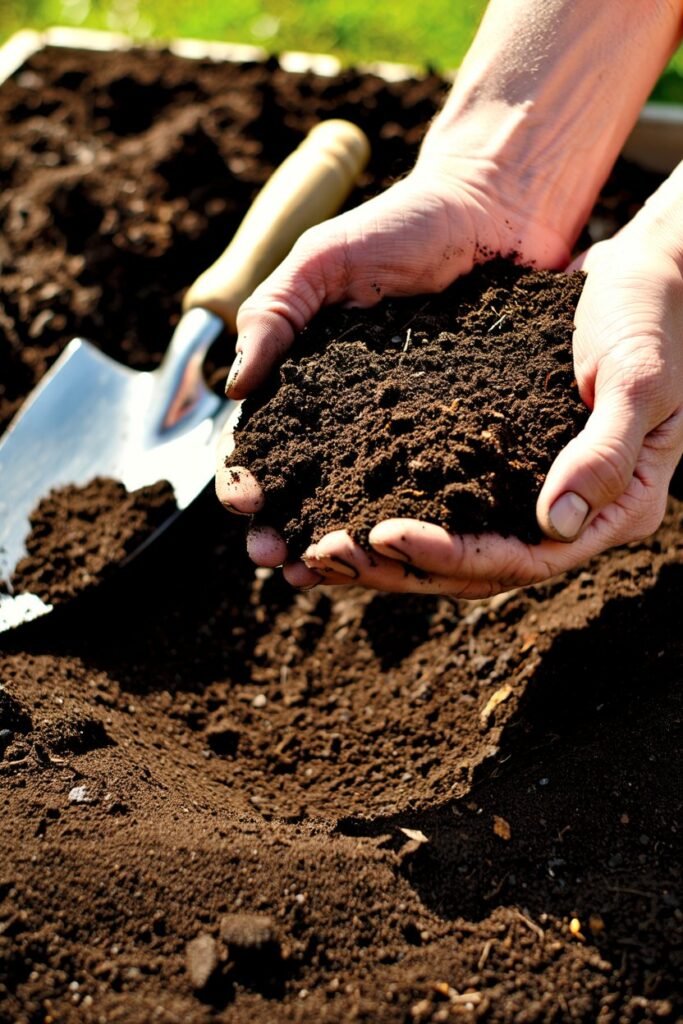
Before you buy a single plant, get to know your dirt. Soil is the foundation of everything that grows, and most beginner struggles trace back to it.
- Test your soil. A simple at-home soil test kit (available at most garden centers for under $15) will tell you your soil’s pH and basic nutrient levels. Most vegetables and flowers thrive in slightly acidic to neutral soil, around 6.0 to 7.0 pH.
- Check the drainage. Dig a hole about a foot deep, fill it with water, and see how long it takes to drain. If water sits for more than a few hours, you may have heavy clay soil that needs amending with compost or organic matter.
- Add compost. Whether store-bought or homemade, compost improves soil structure, adds nutrients, and helps both sandy and clay soils perform better.
2. Understand Your Sunlight
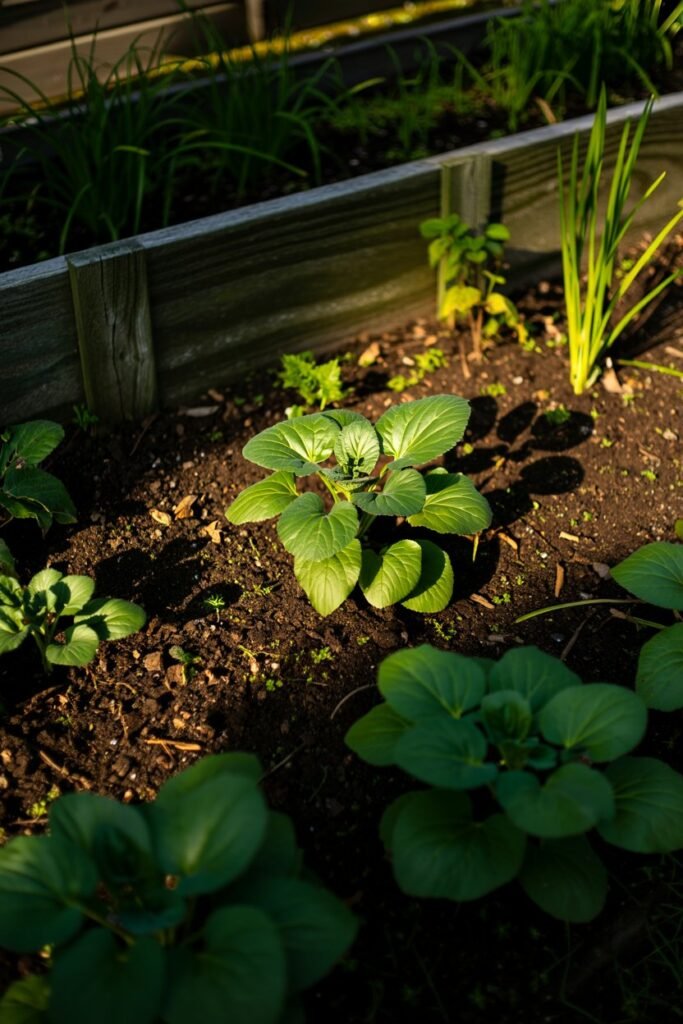
This is the step so many new gardeners skip, and it’s the reason plants often struggle no matter how much love and water you give them.
- Full sun means 6+ hours of direct sunlight daily. Most vegetables (tomatoes, peppers, squash) and flowering plants need this.
- Partial sun/shade means 3–6 hours of direct light. Leafy greens, herbs like mint and parsley, and many shade-tolerant flowers do well here.
- Full shade means less than 3 hours of direct sun. This limits you to shade-loving plants like hostas, ferns, and certain begonias.
Spend a day watching your yard or balcony before planting anything. Note where the sun hits in the morning, midday, and afternoon. This one observation will save you so much heartbreak later.
3. Choose Plants Suited to Your Climate
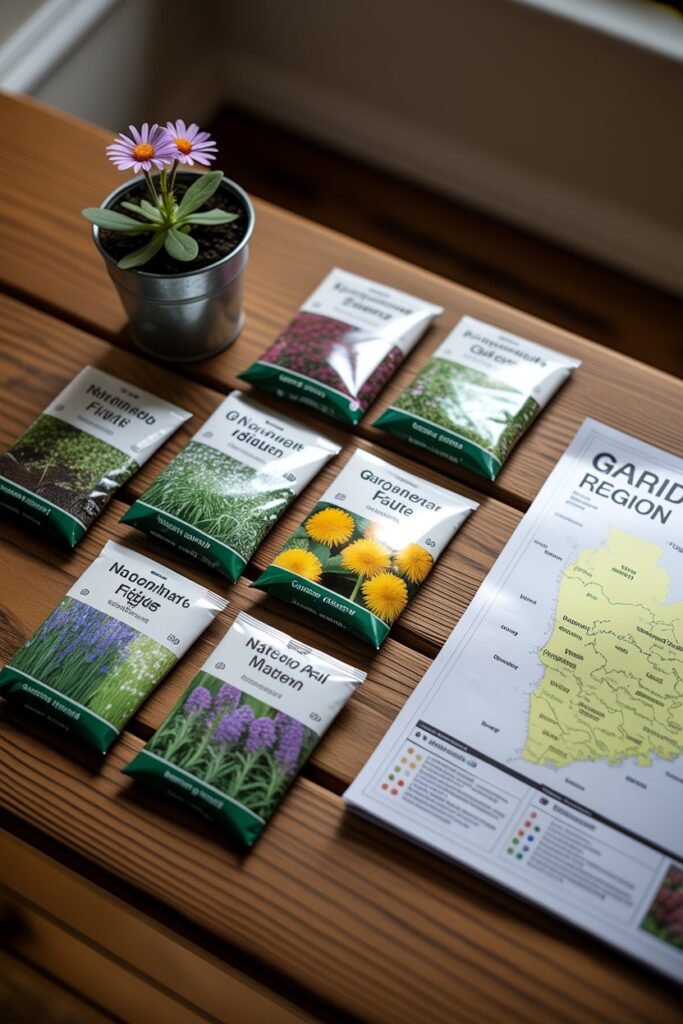
Every region has a USDA Hardiness Zone (in the U.S.) or equivalent climate zone elsewhere, which tells you what plants can survive your winter lows and summer highs.
You can look up your zone online in seconds, and it should guide every plant purchase you make.
A gorgeous lavender plant from a magazine might be a dream in a dry, sunny climate but a nightmare in a humid one.
Native plants are also worth considering, since they’re already adapted to your local rainfall, soil, and pests, which means less maintenance for you.
4. Build a Basic Tool Kit
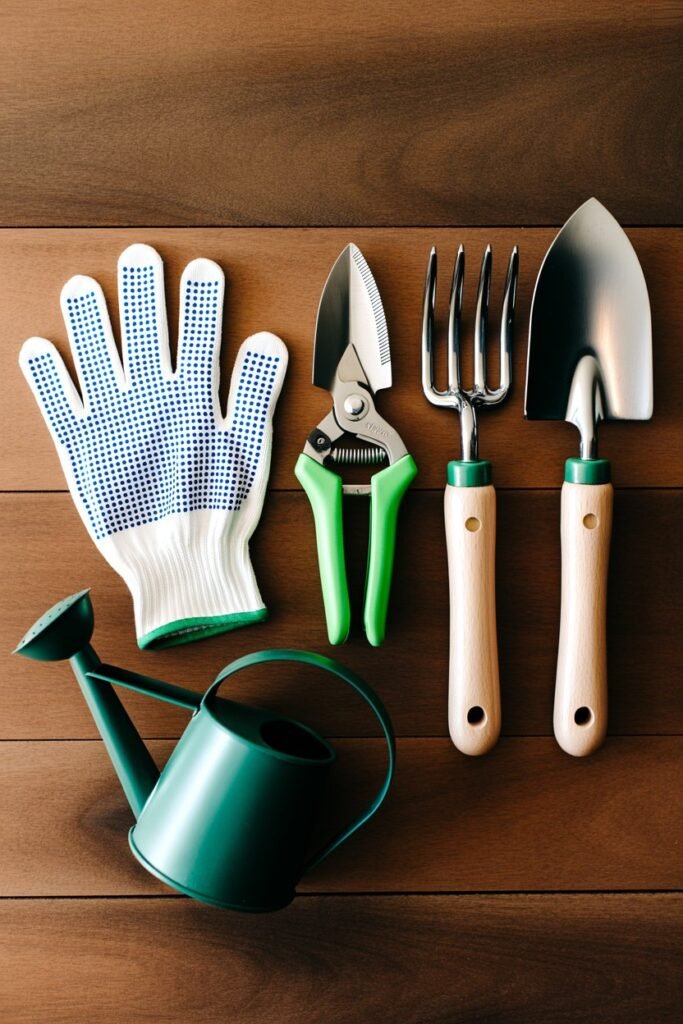
You don’t need a shed full of fancy equipment to start. Here’s what actually gets used:
- A sturdy pair of gardening gloves
- Hand trowel for digging and transplanting
- Pruning shears for trimming and deadheading
- A watering can or hose with an adjustable nozzle
- A garden fork for loosening soil
- A wheelbarrow or bucket, if you’re working with any real volume of soil or mulch
Quality matters more than quantity here. One good trowel will outlast five cheap ones.
5. Learn the Watering Basics
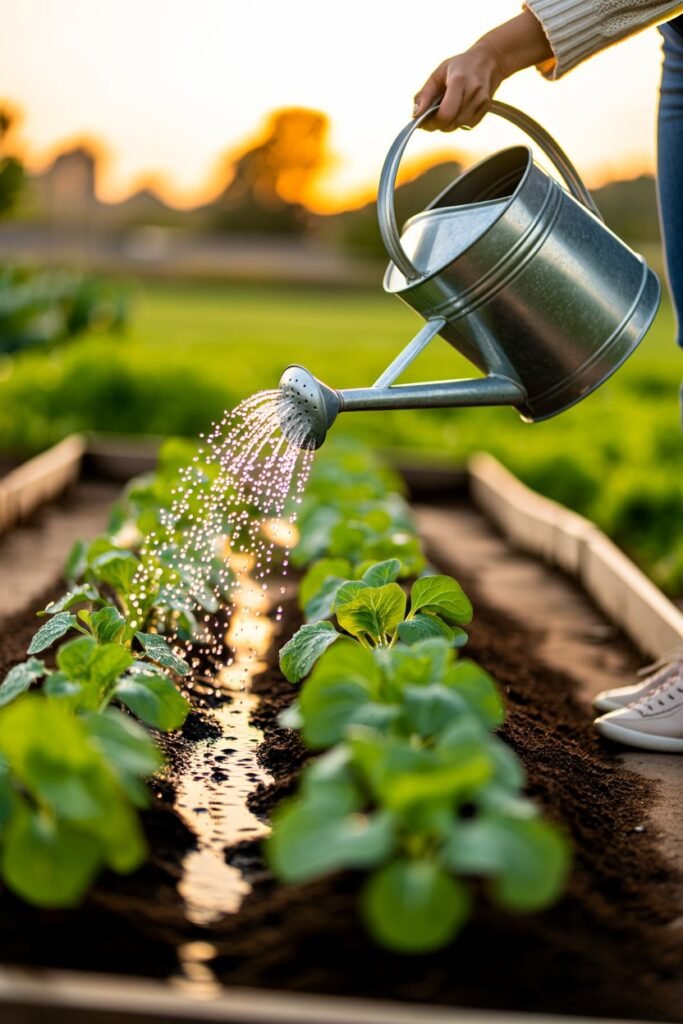
Overwatering kills more houseplants and garden plants than underwatering does, so this is worth getting right early on.
- Water deeply but less frequently, rather than a little bit every day. This encourages roots to grow downward and makes plants more resilient.
- Stick your finger about an inch into the soil before watering. If it’s still moist, wait.
- Water in the early morning when possible. This reduces evaporation and gives leaves time to dry before evening, which helps prevent fungal issues.
- Container plants dry out faster than in-ground plants, so check them more often, especially in warm weather.
6. Start Small and Simple
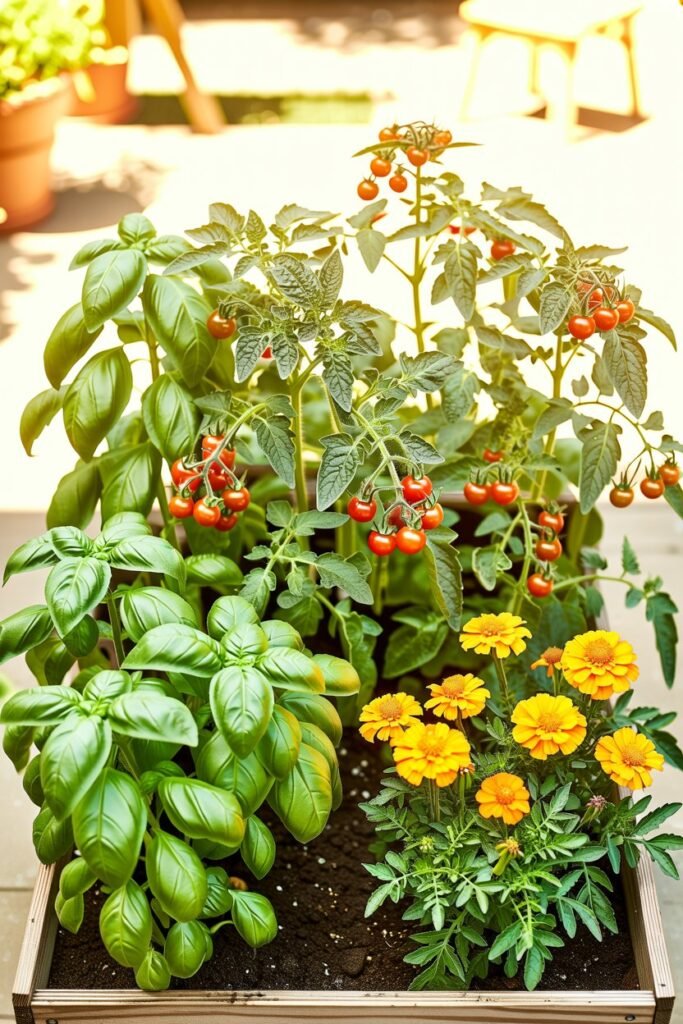
One of the most loving things you can do for yourself as a new gardener is resist the urge to plant everything at once.
Pick 3–5 easy, forgiving plants for your first season. Great beginner-friendly options include:
- Herbs: basil, mint, chives, rosemary
- Vegetables: cherry tomatoes, lettuce, radishes, zucchini
- Flowers: marigolds, zinnias, sunflowers, cosmos
These are all known for being tolerant of minor mistakes, which means more wins and fewer disappointments while you’re learning.
7. Know Your First and Last Frost Dates
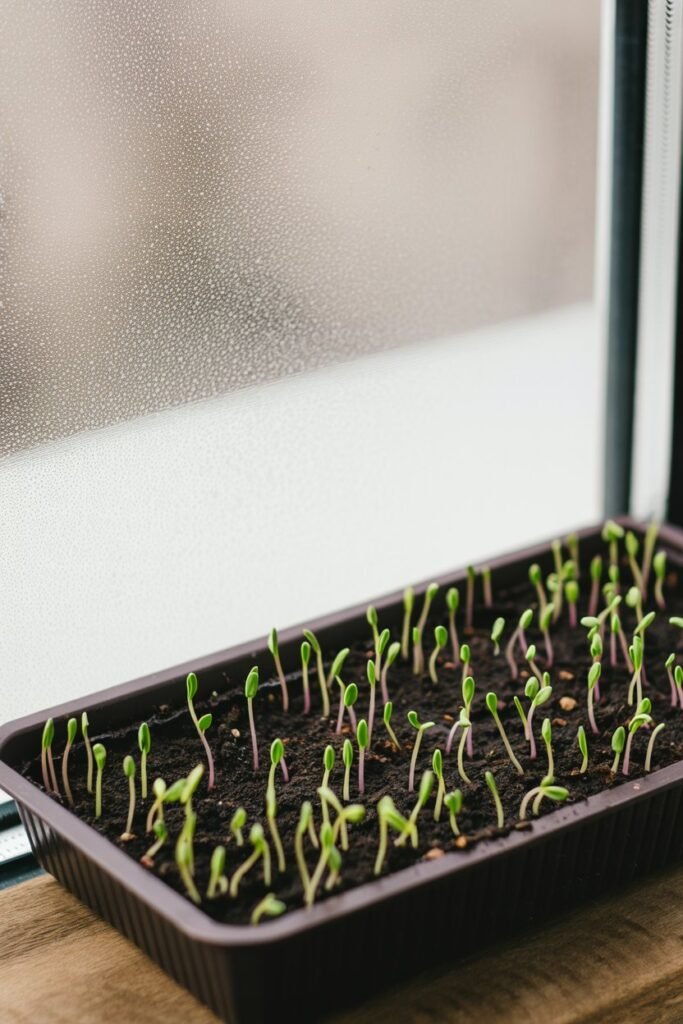
Timing really is everything in gardening. Planting too early can mean losing tender seedlings to a late frost, while planting too late can shorten your growing season.
Look up your area’s average last frost date in spring and first frost date in fall.
Most seed packets and plant tags will tell you how many weeks before or after these dates to plant, so keep this information handy through the season.
8. Get Familiar With Common Pests and Diseases
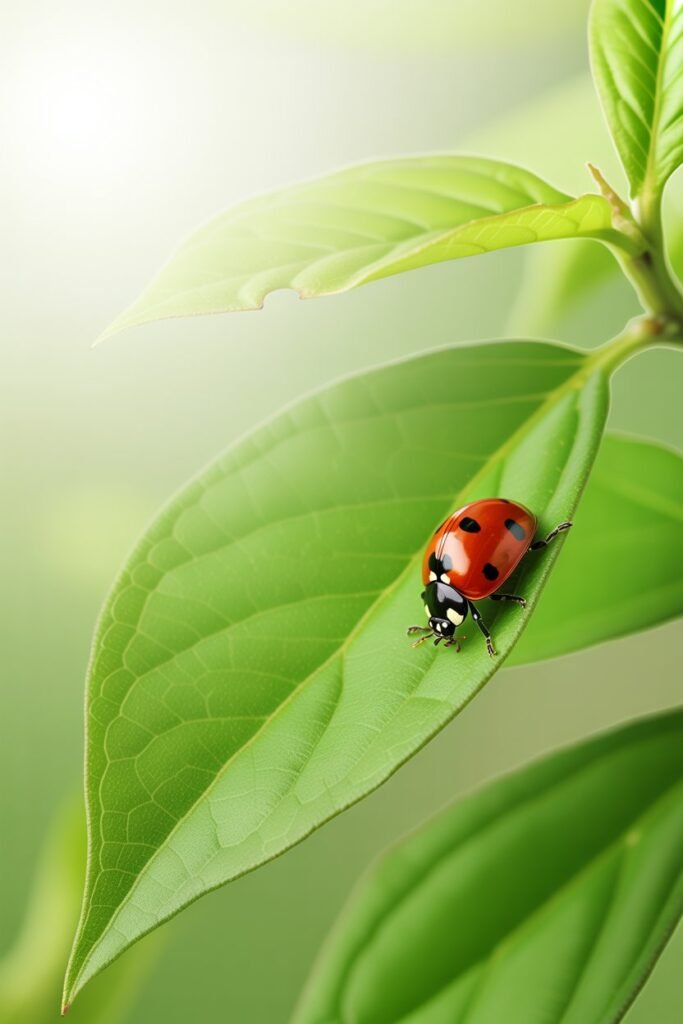
You don’t need to memorize an encyclopedia of garden problems, but knowing the basics helps you catch issues early.
- Aphids are tiny insects that cluster on new growth and can often be washed off with a strong spray of water or treated with insecticidal soap.
- Powdery mildew shows up as a white, dusty coating on leaves, usually from poor air circulation or overhead watering. Spacing plants properly and watering at the base helps prevent it.
- Slugs and snails love moist, shady spots and can shred leafy greens overnight. Copper tape, crushed eggshells, or beer traps are gentle, non-toxic deterrents.
Checking your plants a few times a week, even just while you’re watering, means you’ll catch problems while they’re still small and manageable.
9. Mulch Like You Mean It
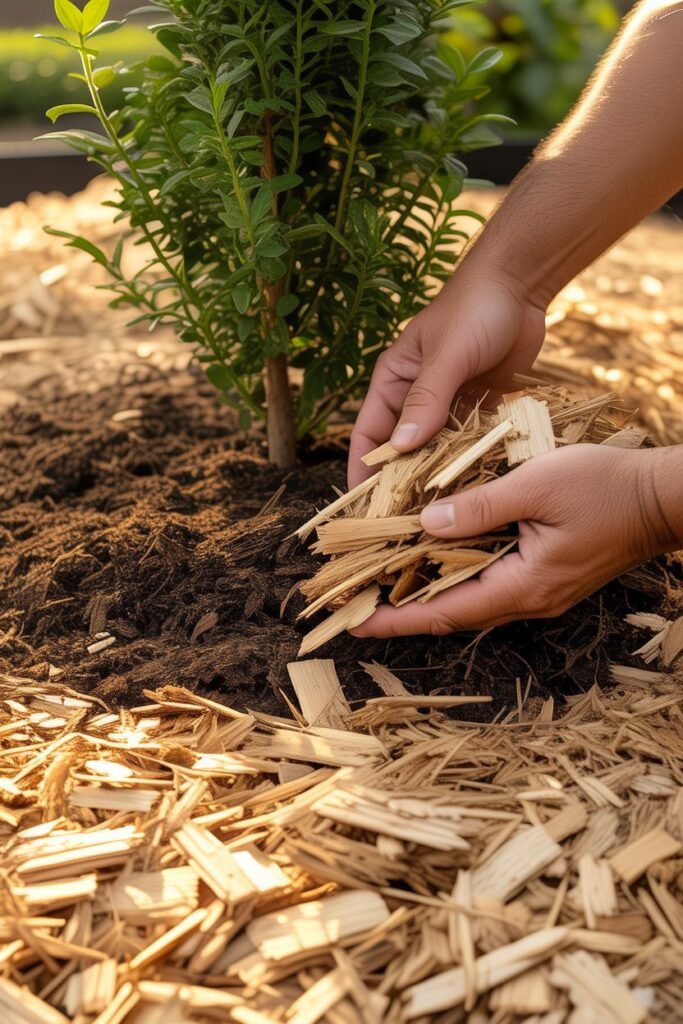
Mulch is one of the most underrated tools in a garden. A 2–3 inch layer of mulch (straw, wood chips, or shredded leaves) around your plants will:
- Retain soil moisture, so you water less often
- Suppress weeds before they even sprout
- Regulate soil temperature
- Slowly break down and add organic matter to your soil
Just keep mulch a couple of inches away from plant stems to avoid rot.
10. Keep a Garden Journal
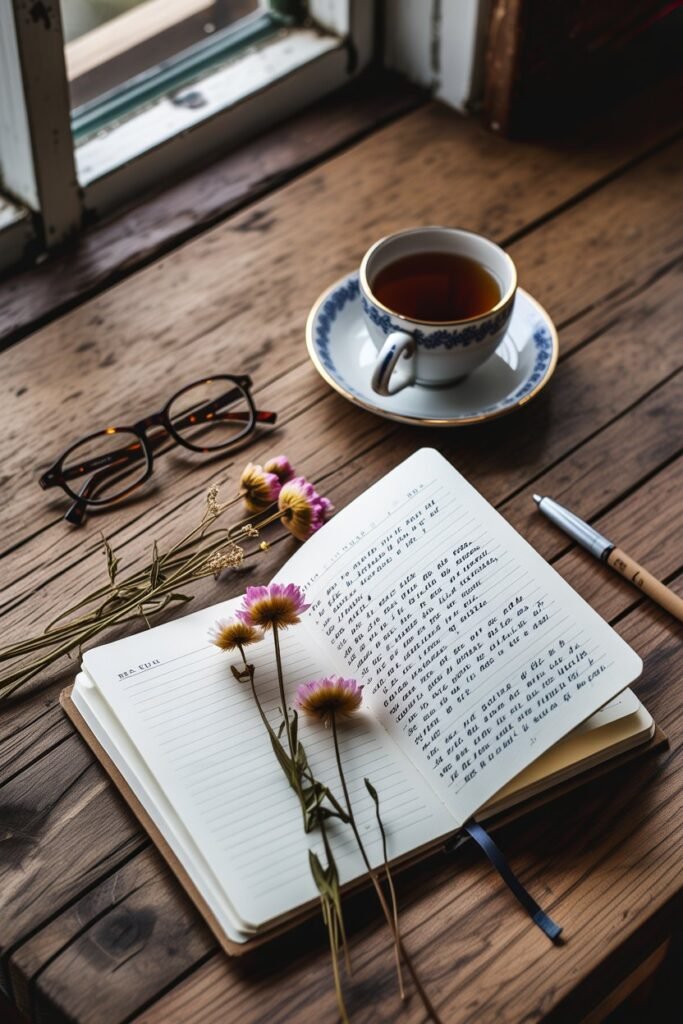
This might sound like an extra chore, but it becomes one of your most valuable tools over time.
Jot down what you planted, when, where, and how it did. Note the weather, any pest problems, and what worked or didn’t.
Next season, this record becomes your personal guidebook, tailored to your exact yard and climate, which is more useful than any generic advice (including this post).
11. Be Patient With Yourself
Plants die. Even experienced gardeners lose plants to weather, pests, or simple bad luck.
This isn’t a reflection of your ability or your care. Every gardener, no matter how green their thumb looks now, started exactly where you are.
Treat each season as a chance to learn a little more about your specific space, your specific climate, and your specific rhythm.
Your Quick-Reference New Gardener Checklist
- Test your soil’s pH and drainage
- Map out sunlight patterns in your space
- Look up your climate/hardiness zone
- Gather basic tools (gloves, trowel, shears, watering can, fork)
- Learn proper watering habits for your plants
- Choose 3–5 beginner-friendly plants
- Know your first and last frost dates
- Learn to spot common pests and diseases early
- Apply a 2–3 inch layer of mulch
- Start a simple garden journal
- Give yourself grace as you learn
Final thought
Gardening is of those pursuits that rewards patience and observation far more than perfection. You don’t need to get everything right this season, or even this year.
You just need to start, pay attention, and let your garden teach you as you go.
I promise, the moment you see that first seedling push through the soil you planted with your own hands, you’ll understand why so many of us fall in love with this hobby for life.
