
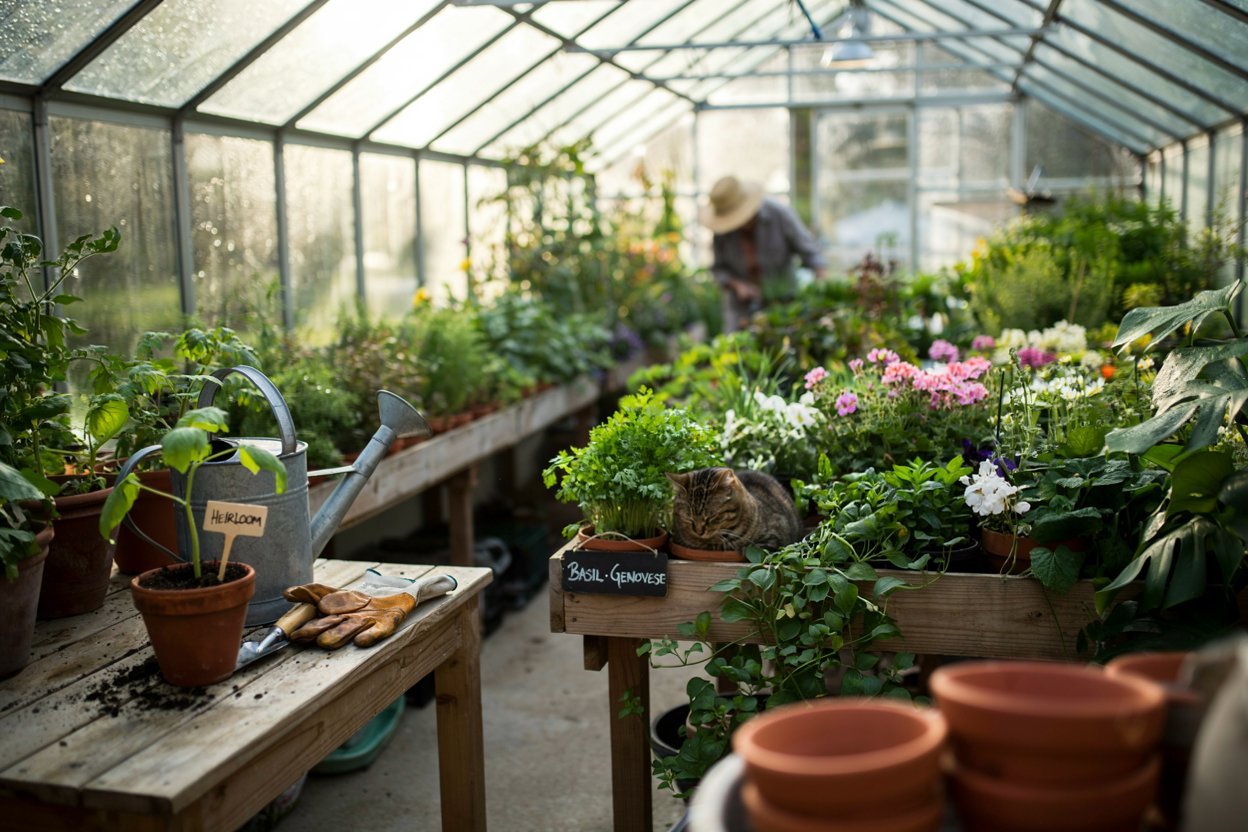

I still remember the first time I walked into my own greenhouse, coffee in hand, sunlight pouring through the panels, and the smell of damp soil and tomato leaves wrapping around me like a hug.
It felt like my own little slice of magic. But here’s the thing nobody tells you when you fall in love with greenhouse gardening: that magic only sticks around if you take care of the space that makes it possible.
Over the years (and yes, a few mistakes along the way), I’ve learned exactly what it takes to keep a greenhouse thriving, and I’m sharing every bit of it with you today.
Why Greenhouse Maintenance Deserves Your Attention

A greenhouse isn’t just a pretty glass box full of plants, it’s a living ecosystem you’re responsible for. Every panel, vent, hinge, and watering line plays a role in keeping your plants healthy.
Skip maintenance for a season, and you might find yourself battling pests, mold, cracked glazing, or plants that just won’t thrive no matter how much love you pour into them.
Think of your greenhouse like your car or your skin (stick with me here, ladies): a little consistent care goes a lot further than a big scramble once something breaks.
Regular maintenance protects your investment, keeps your plants productive, and honestly, makes gardening feel a lot less stressful.
There’s nothing worse than heading out to tend your tomatoes only to discover a leak, a pest infestation, or a broken heater in the middle of winter.
This guide is your one-stop resource.
I’m going to walk you through daily, weekly, monthly, and seasonal maintenance tasks, plus a full structural and equipment care guide, so you can keep your greenhouse in tip-top shape no matter what time of year it is.
Daily Greenhouse Maintenance Checklist
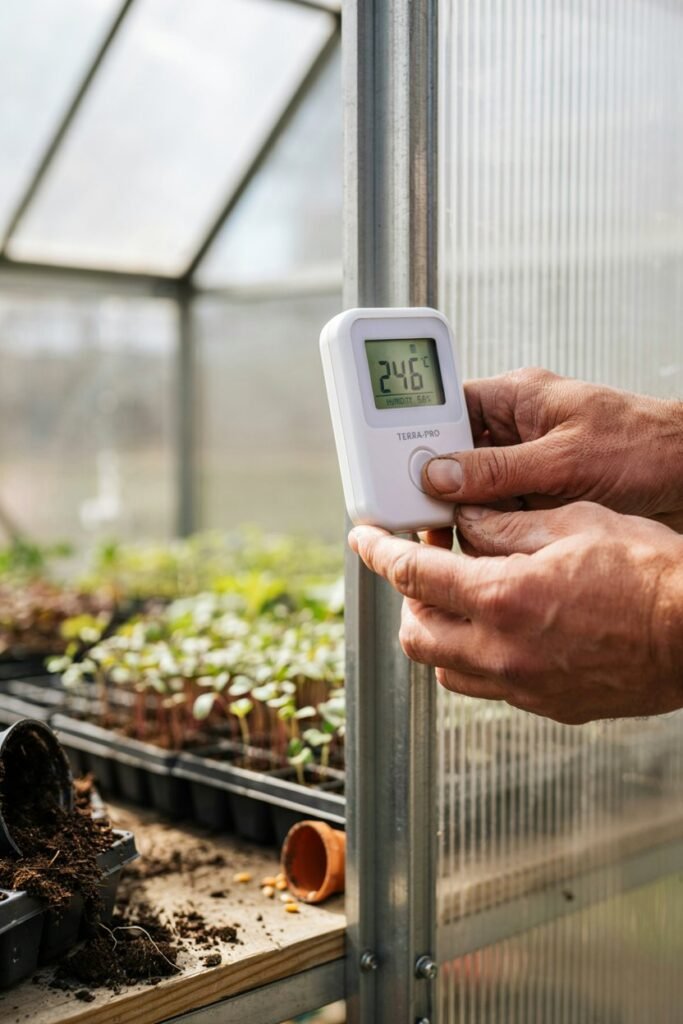
These are the little five-to-ten minute rituals that make the biggest difference over time. Think of this as your morning coffee routine, but for your greenhouse.
- Check the temperature. Glance at your thermometer or smart sensor first thing. Greenhouses can swing from freezing to sweltering in a matter of hours, especially on sunny winter days.
- Inspect for condensation buildup. Excess moisture on the walls or ceiling is often a sign poor ventilation, which can quickly lead to mold or fungal issues.
- Look at your plants closely. Check leaves for discoloration, wilting, or pest activity. Catching problems early saves you from bigger headaches later.
- Check soil moisture. Stick a finger an inch or two into the soil. If it’s bone dry or soggy, adjust your watering schedule accordingly.
- Open or adjust vents and doors. Depending on the weather, you may need to let some airflow in to regulate temperature and humidity.
- Remove any dead leaves or debris. Fallen leaves and plant debris are an open invitation for pests and disease, so clear them out daily if you can.
- Check your watering system. Make sure drip lines, hoses, or irrigation timers are working properly and nothing is clogged or leaking.
Weekly Greenhouse Maintenance Checklist
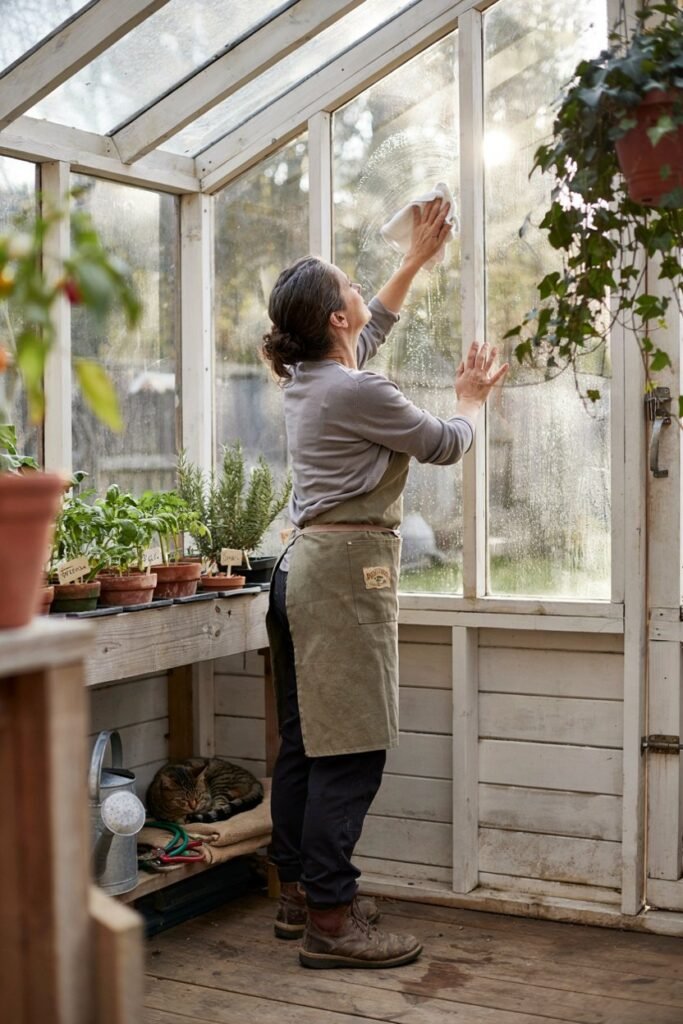
Once a week, set aside 30 minutes to an hour to go a little deeper.
- Wipe down glazing and surfaces. Dust, algae, and grime can build up on glass or polycarbonate panels, blocking sunlight your plants need.
- Inspect for pests thoroughly. Turn leaves over, check stems, and look in soil for early signs of aphids, spider mites, whiteflies, or fungus gnats.
- Check your growing structures. Look at shelving, benches, and hanging supports for stability. A wobbly shelf full of pots is an accident waiting to happen.
- Test your ventilation system. Fans, louvers, and vents should open and close smoothly. Lubricate hinges if needed.
- Fertilize as needed. Depending on your plants, weekly or biweekly feeding might be part of your routine. Check your specific plant needs.
- Prune and deadhead. Removing spent blooms and overgrown foliage encourages healthier growth and better air circulation.
- Clean tools after use. Dirty pruners and trowels can spread disease between plants, so a quick wipe-down with rubbing alcohol goes a long way.
Monthly Greenhouse Maintenance Checklist
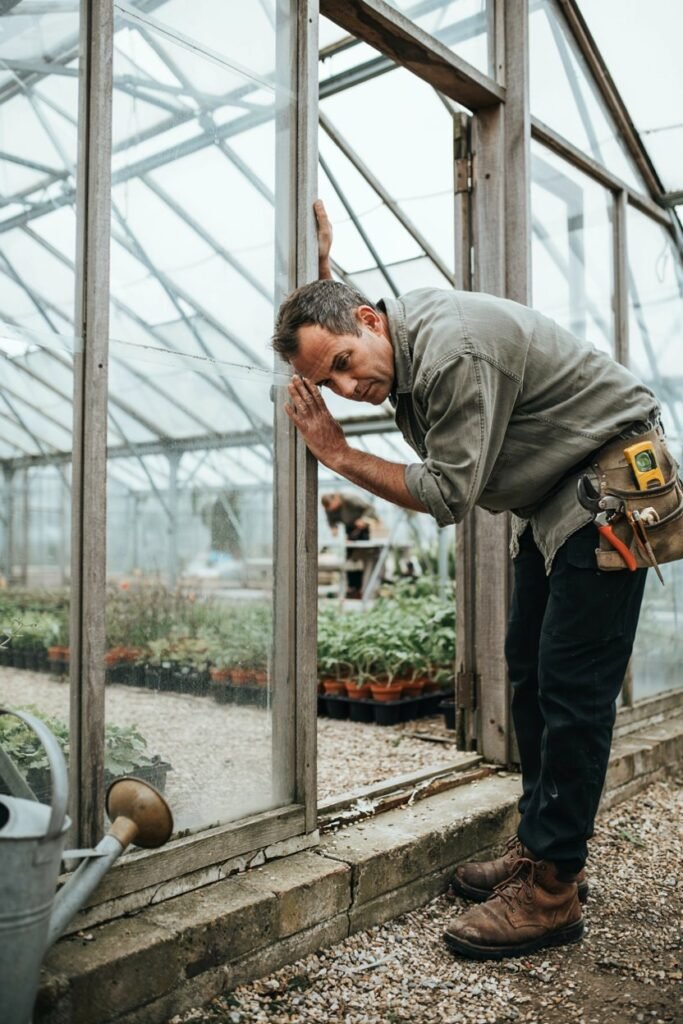
This is where you step back and look at the bigger picture.
- Deep clean the flooring. Sweep, hose down, or mop depending on your flooring type. Built-up dirt and organic matter can harbor pests and pathogens.
- Inspect the foundation and frame. Look for cracks, rust, rot, or shifting that could compromise structural integrity.
- Check seals and weather stripping. Gaps around doors and vents let precious heat escape in winter and let pests sneak in year-round.
- Test heating and cooling systems. Run your heater or cooling fan to make sure everything is functioning before you actually need it in an emergency.
- Check electrical connections. If you have lighting, heating mats, or automated systems, inspect wiring and outlets for wear or damage.
- Rotate or repot plants as needed. Root-bound plants won’t thrive, so monthly is a good time to assess if anyone needs a bigger home.
- Sharpen and oil tools. Well-maintained tools make every task easier and reduce plant damage from ragged cuts.
- Check for standing water. Puddles anywhere in or around your greenhouse can attract mosquitoes and promote mold growth.
Seasonal Greenhouse Maintenance Guide
Now let’s talk seasons, because your greenhouse’s needs shift dramatically throughout the year, and a little forward planning makes all the difference.
Spring Maintenance Checklist
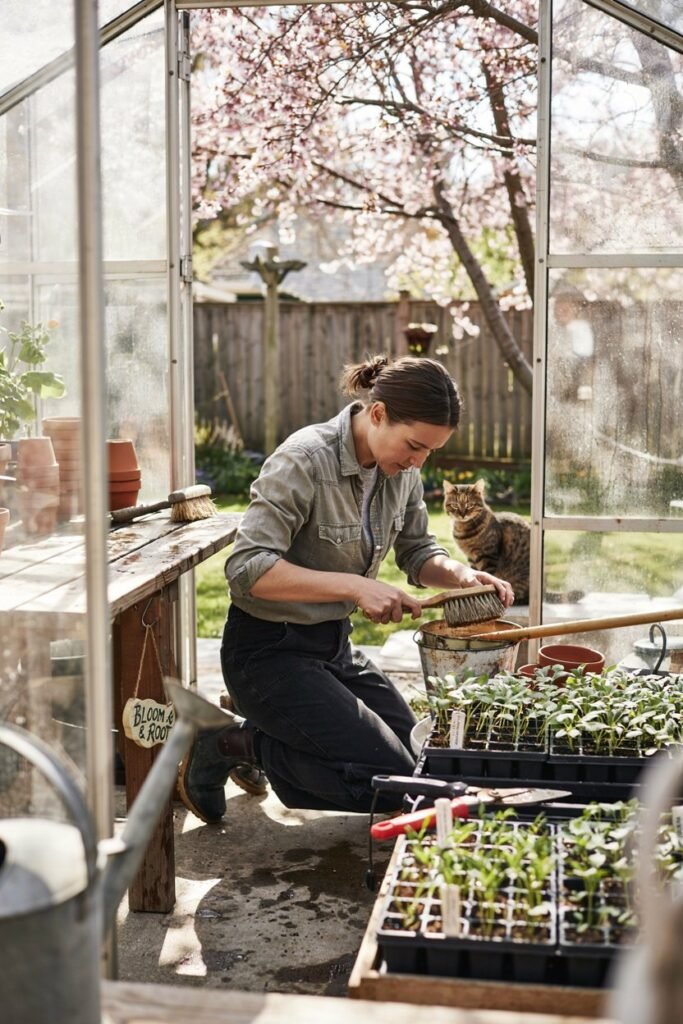
Spring is your fresh start, the season of renewal for both your plants and your greenhouse structure.
- Deep clean everything. Wash all glazing inside and out, scrub benches and pots, and disinfect surfaces to eliminate any overwintering pests or pathogens.
- Inspect for winter damage. Check for cracked panels, loose bolts, rusted hinges, or anything the winter weather may have worn down.
- Test your irrigation system. Make sure hoses, drip lines, and timers weren’t damaged by freezing temperatures.
- Check your ventilation. As temperatures rise, proper airflow becomes essential to prevent overheating.
- Refresh your soil and growing beds. Add compost, check pH levels, and replace any depleted soil in raised beds or containers.
- Inspect shading systems. If you use shade cloth, make sure it’s in good condition and ready to go for the sunnier months ahead.
- Service your heating system. Give your heater one last check before you put it away for the season, and clean it thoroughly before storage.
Summer Maintenance Checklist
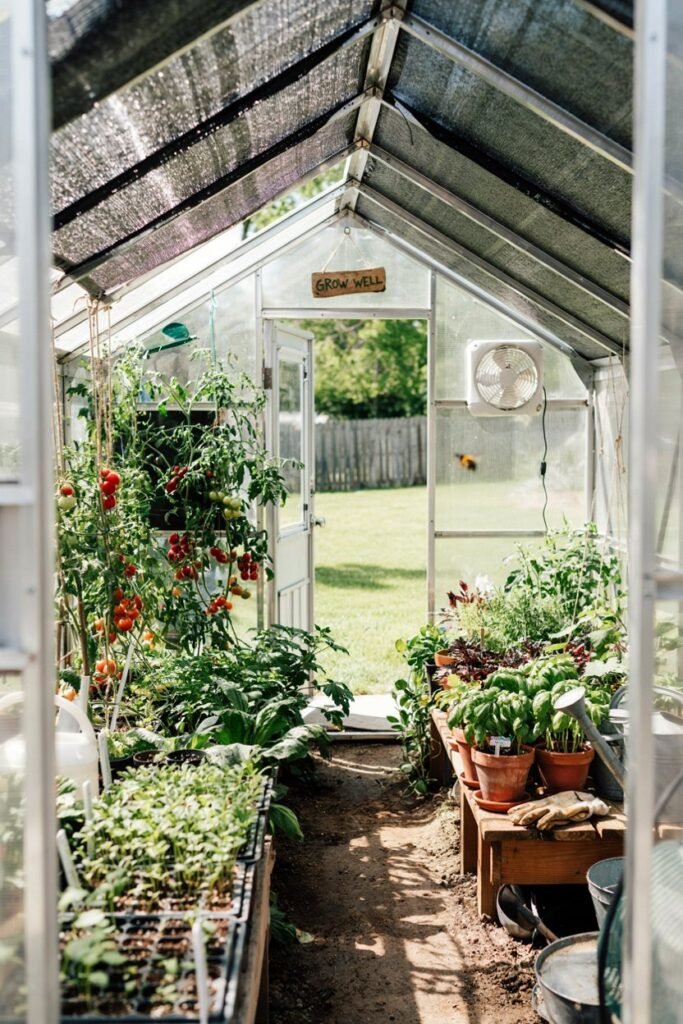
Summer is all about heat management and keeping things from getting out of control.
- Maximize ventilation. Open vents, doors, and run fans as needed to prevent your greenhouse from turning into an oven.
- Install or check shade cloth. Intense summer sun can scorch delicate plants, so shading is often necessary.
- Monitor watering closely. Hot weather means faster evaporation, so you may need to water more frequently, especially for container plants.
- Watch for pest population booms. Warm weather is prime time for aphids, spider mites, and whiteflies to multiply quickly.
- Check for overheating equipment. Fans and cooling systems work overtime in summer, so keep an eye (and ear) out for strain or malfunction.
- Clean your evaporative cooler or misting system. Mineral buildup and algae can clog these systems if not cleaned regularly.
- Inspect for sunburned foliage. Some plants may need extra shading or repositioning if leaves start showing scorch marks.
Fall Maintenance Checklist
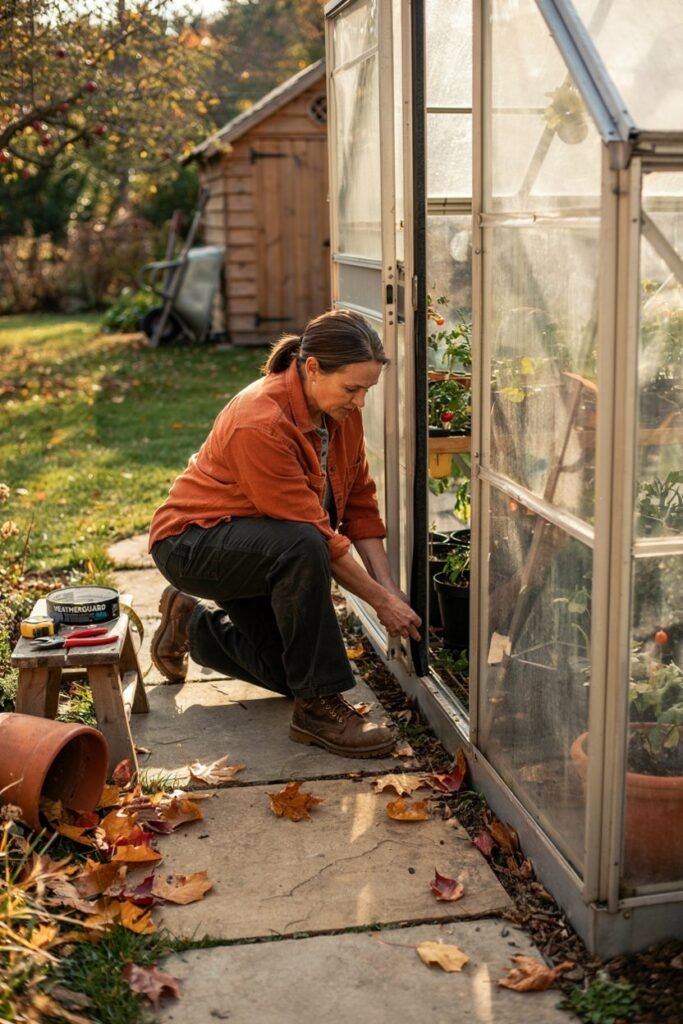
Fall is prep season, the time to get everything ready for the colder months ahead.
- Clean and store summer equipment. Shade cloths, fans, and cooling systems should be cleaned before storage if you won’t need them in winter.
- Inspect and repair glazing. Look for cracks or gaps that could let in cold drafts once temperatures drop.
- Check insulation. Bubble wrap insulation, weather stripping, and door seals should all be inspected and replaced if worn.
- Service your heating system. Test heaters, replace filters, and make sure everything is in working order before you truly need it.
- Reduce watering frequency. As growth slows down, most plants need less frequent watering.
- Clean gutters and drainage systems. Falling leaves can clog drainage, leading to water pooling around your greenhouse foundation.
- Bring in sensitive plants. If you use your greenhouse alongside outdoor beds, this is the time to relocate tender plants indoors for protection.
Winter Maintenance Checklist
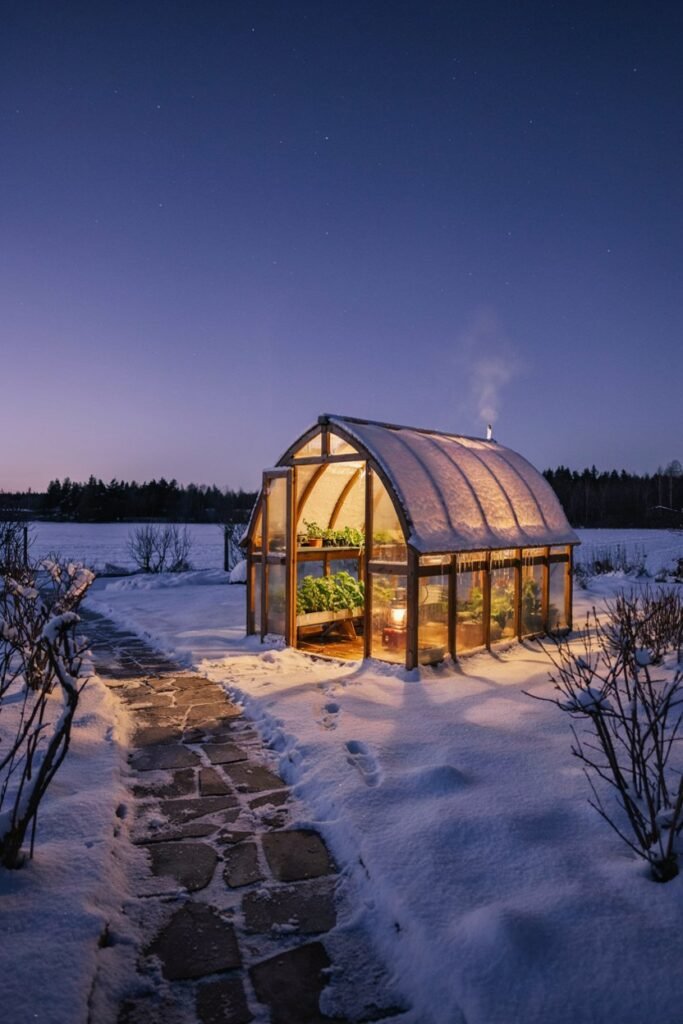
Winter maintenance is all about protection and vigilance.
- Monitor temperatures closely. Invest in a reliable thermometer or smart sensor, and check it multiple times a day during extreme cold snaps.
- Insulate strategically. Bubble wrap on glazing, thermal curtains, or added insulation around the foundation can make a huge difference.
- Clear snow buildup. Heavy snow can crack panels or even collapse structures, so gently remove snow from the roof after storms.
- Check heating systems daily. A heater failure in winter can wipe out an entire greenhouse of plants in a single cold night.
- Reduce humidity carefully. Cold, damp air promotes fungal disease, so ventilate briefly on milder days even in winter.
- Inspect for ice damage. Check pipes, irrigation lines, and any water reservoirs for freezing or cracking.
- Watch for pest overwintering. Some pests seek shelter in greenhouses during winter, so keep inspecting even when growth slows down.
Structural Maintenance Guide
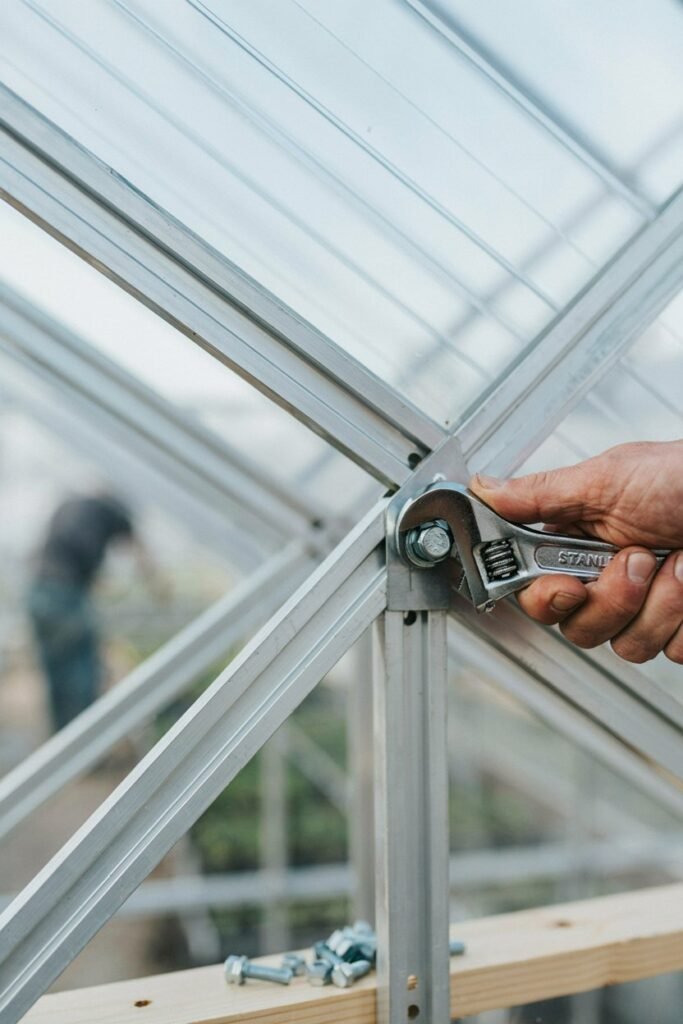
Your greenhouse structure is the foundation of everything else, quite literally. Here’s how to keep it solid for years to come.
Glazing and Panels
Whether you have glass, polycarbonate, or polyethylene film, your glazing needs regular attention.
Clean it gently with a soft brush and mild soap solution, avoiding abrasive materials that can scratch or cloud the surface.
Inspect for cracks, yellowing, or delamination, especially in polycarbonate panels, which can degrade over time from UV exposure.
Replace damaged panels promptly, since even small cracks let in drafts and moisture that disrupt your greenhouse’s climate control.
Frame and Foundation
Your frame, whether wood, aluminum, or PVC, needs periodic inspection for rust, rot, warping, or loose connections.
Tighten bolts and screws as needed, and treat wood frames with weather-resistant sealant every year or two.
Check the foundation for cracks, shifting, or water pooling nearby, which can undermine stability over time.
Doors, Vents, and Hardware
Hinges, latches, and vent mechanisms see a lot of use, so they wear down faster than you might expect.
Lubricate moving parts regularly, tighten loose hardware, and replace worn weather stripping around doors and vents to maintain a proper seal.
Climate Control Maintenance
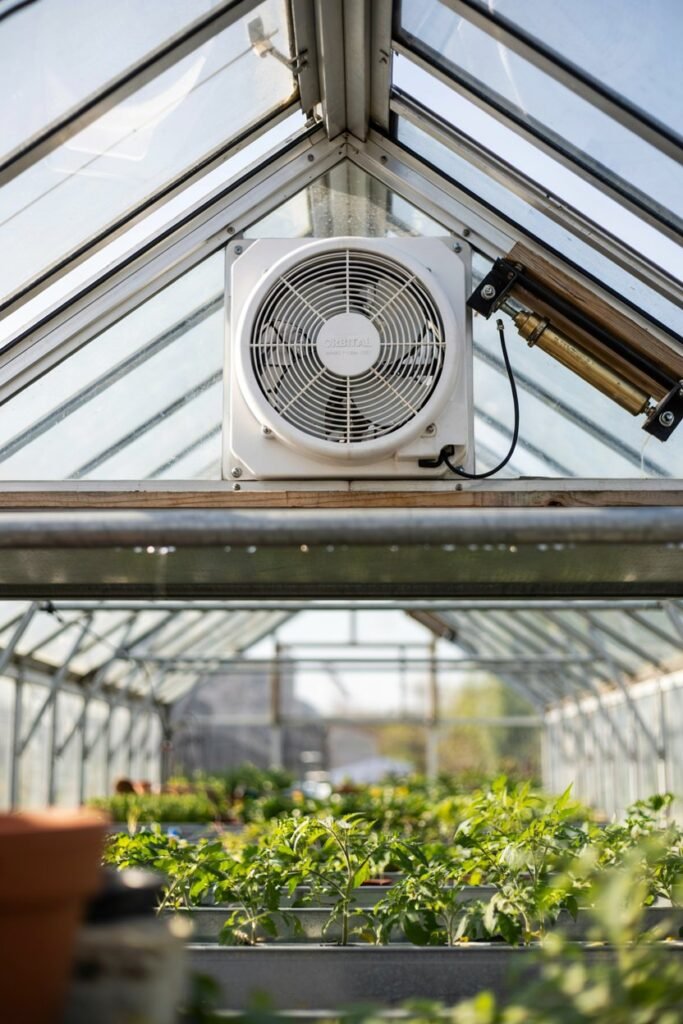
Ventilation Systems
Fans, louvers, and vents are your greenhouse’s lungs. Clean fan blades regularly to remove dust buildup, which reduces efficiency and strains the motor.
Check automatic vent openers for proper calibration, since these temperature-sensitive devices can drift out of adjustment over time.
Heating Systems
Whether you use a space heater, propane heater, or heat mats, regular maintenance prevents dangerous malfunctions.
Clean or replace filters, check for gas leaks if applicable, and test thermostats for accuracy. Never wait until the first cold night to discover your heater isn’t working.
Cooling Systems
Evaporative coolers and misting systems need regular cleaning to prevent mineral buildup and algae growth.
Check pads, pumps, and nozzles monthly during the growing season, and flush the system with a vinegar solution periodically to clear mineral deposits.
Pest and Disease Prevention Guide
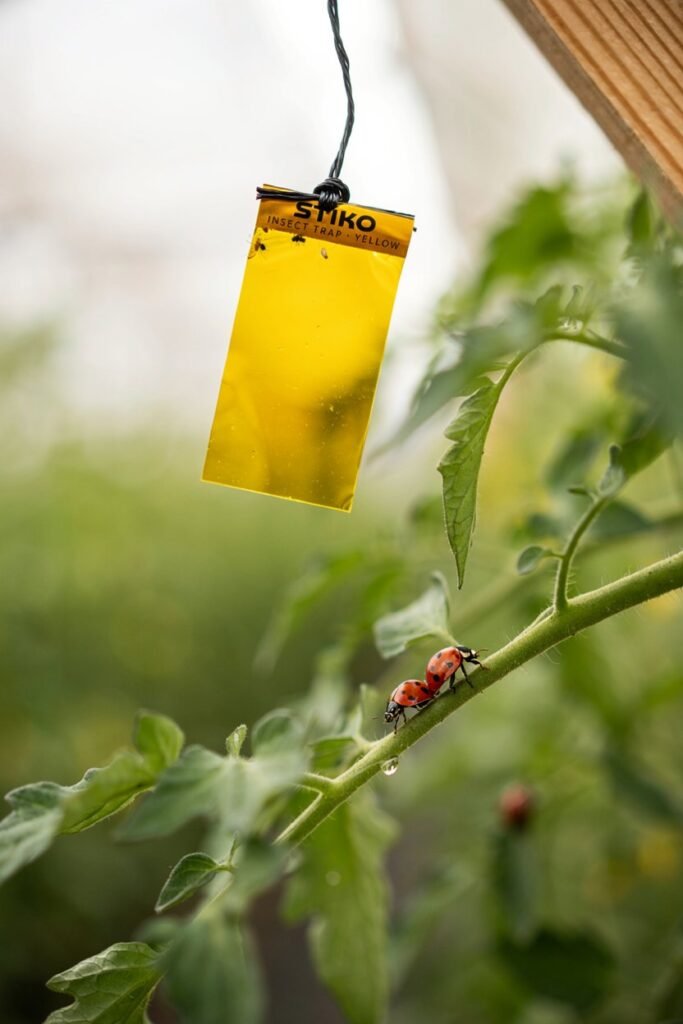
Prevention truly is the best medicine when it comes to greenhouse pests and diseases.
- Practice good sanitation. Clean tools, pots, and surfaces regularly to prevent disease spread between plants.
- Inspect new plants before introducing them. Quarantine new arrivals for a week or two to make sure they aren’t bringing unwanted hitchhikers.
- Use sticky traps. Yellow and blue sticky traps help you monitor pest populations before they become a full-blown infestation.
- Encourage beneficial insects. Ladybugs, lacewings, and predatory mites can help keep pest populations in check naturally.
- Maintain proper airflow. Good ventilation reduces humidity levels that encourage fungal disease and mold growth.
- Remove infected plants immediately. Don’t let one sick plant become an outbreak. Isolate or remove it as soon as you notice symptoms.
Soil and Growing Bed Maintenance
Healthy soil is the backbone of a thriving greenhouse. Rotate crops when possible to prevent nutrient depletion and disease buildup in the same soil.
Test soil pH and nutrient levels periodically, adjusting with amendments as needed.
Refresh raised beds or containers with fresh compost annually, and avoid letting soil become compacted, which restricts root growth and drainage.
Irrigation System Maintenance
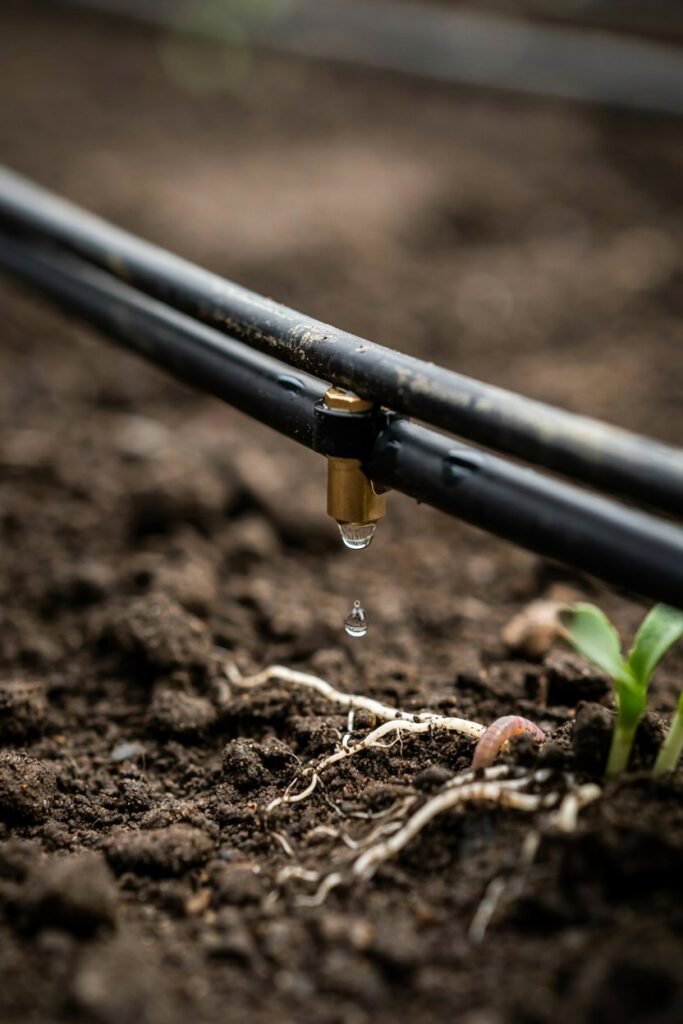
Your watering system deserves just as much attention as your plants.
- Check for clogs regularly. Mineral deposits and debris can block emitters and drip lines over time.
- Inspect for leaks. A small leak can waste water and create excess humidity that promotes disease.
- Clean filters. Irrigation filters should be cleaned or replaced periodically to maintain proper water flow.
- Test timers and controllers. Automated systems should be checked regularly to make sure they’re running on schedule.
- Winterize before freezing temperatures. Drain lines and disconnect hoses before the first hard freeze to prevent cracking.
Tools and Equipment Care
Well-maintained tools last longer and keep your plants healthier too.
- Clean after every use. Wipe down pruners, trowels, and shovels to remove soil and plant residue.
- Disinfect regularly. A quick wipe with rubbing alcohol or a diluted bleach solution prevents disease transmission between plants.
- Sharpen blades. Dull tools crush plant tissue instead of making clean cuts, which invites disease.
- Store properly. Keep tools dry and organized to prevent rust and prolong their lifespan.
- Inspect power equipment. Fans, heaters, and pumps should be checked for wear, unusual noises, or reduced performance.
A Quick-Glance Master Checklist
To make this even easier to reference, here’s a condensed version you can print out and stick right on your greenhouse wall.
Daily: Check temperature, inspect plants, check soil moisture, adjust vents, remove debris, check irrigation.
Weekly: Clean glazing, inspect for pests, check structures, test ventilation, fertilize, prune, clean tools.
Monthly: Deep clean flooring, inspect foundation, check seals, test heating and cooling, check electrical, repot plants, sharpen tools.
Seasonally: Deep clean and inspect for damage each spring, manage heat and shading in summer, insulate and prep in fall, protect and monitor closely in winter.
Common Greenhouse Problems and How to Troubleshoot Them
Even with the best maintenance routine, things can still go a little sideways sometimes. Here’s a quick troubleshooting guide for the issues I get asked about most often.
Problem: Excessive condensation on the walls and ceiling. This usually means your ventilation isn’t keeping up with the humidity your plants and soil are producing.
Try opening vents for short periods even in cooler weather, running a small circulation fan, and watering earlier in the day so leaves have time to dry before evening temperatures drop.
Problem: Plants growing leggy and weak. Leggy, stretched-out growth is almost always a sign of insufficient light.
Check for dirty or shaded glazing, consider adding supplemental grow lights during darker months, and make sure nearby trees or structures aren’t casting shadows over your greenhouse during peak growing season.
Problem: Sudden pest infestation. A pest population that seems to appear overnight is usually one that’s been building quietly for weeks.
Go back to basics: inspect the undersides of leaves, introduce beneficial insects, isolate affected plants, and treat with insecticidal soap or neem oil if the infestation is significant.
Prevention through regular weekly inspections really is your best defense here.
Problem: Temperature swings that stress your plants. If your greenhouse is baking hot by midday and freezing by night, your insulation and ventilation systems likely need attention.
Thermal mass solutions like water barrels can help buffer temperature swings, and automatic vent openers take the guesswork out of daytime cooling.
Problem: Mold or mildew on soil or plant stems. This is typically caused by excess moisture combined with poor air circulation.
Reduce watering frequency, space plants further apart for better airflow, and add a small fan to keep air moving throughout the space.
Problem: Cracked or fogged polycarbonate panels. UV exposure breaks down polycarbonate over time, causing yellowing, cracking, or a cloudy appearance.
Unfortunately, this is mostly a sign that panels have reached the end of their lifespan and need replacing, though a UV-protective coating can extend the life of newer panels.
Problem: Uneven watering across your growing beds. Check your irrigation system for clogged emitters or uneven water pressure. Rotating or replacing worn-out drip lines and periodically flushing the system with clean water can resolve most uneven watering issues.
Building Your Greenhouse Toolkit
Having the right tools on hand makes every maintenance task faster and far less frustrating. Here’s what I recommend keeping stocked in or near your greenhouse at all times.
- A reliable thermometer and hygrometer. Digital versions with min/max memory let you track overnight lows and midday highs at a glance.
- A soft-bristle brush and mild soap. Perfect for gentle glazing cleaning without scratching surfaces.
- Pruning shears and a small hand trowel. Keep a dedicated pair just for greenhouse use, and clean them after every session.
- Rubbing alcohol or a diluted bleach spray. Essential for disinfecting tools and surfaces between uses.
- Sticky traps. Both yellow and blue varieties help you monitor for common pests before infestations take hold.
- A soil pH testing kit. Quick and affordable, and incredibly useful for catching nutrient imbalances early.
- Weather stripping and silicone sealant. Handy for quick fixes on drafty doors or vents.
- A small shop vacuum or broom and dustpan. Keeping floors clear of debris takes just a few minutes but prevents pest habitats from forming.
- Spare irrigation parts. Extra emitters, connectors, and a small length of tubing can save you a frustrating mid-season scramble.
Creating a Maintenance Schedule That Actually Sticks
I’ll be honest with you, checklists are only useful if you actually follow them. Here are a few tips that have helped me stay consistent over the years.
Set a recurring reminder on your phone for your weekly and monthly tasks, so they don’t slip your mind during busy weeks.
Keep a small notebook or app specifically for your greenhouse, jotting down what you did and noticed each time you visit.
This makes it so much easier to spot patterns, like a recurring pest problem or a heater that struggles every time temperatures drop below a certain point.
Consider pairing maintenance tasks with something you already enjoy, like your morning coffee or a favorite podcast episode.
Turning greenhouse care into a little ritual rather than a chore makes it so much easier to stay consistent, even on your busiest days.
And finally, give yourself grace. Some seasons of life get hectic, and your greenhouse maintenance might slip for a week or two. That’s completely normal.
The goal isn’t perfection, it’s building sustainable habits that keep your greenhouse healthy over the long run.
Final Thoughts
Caring for a greenhouse is a lot like caring for anything you love, it takes consistency, attention, and a little patience with yourself when things don’t go perfectly.
Some weeks you’ll breeze through every task on this list, and other weeks life will get busy and you’ll just manage the basics. That’s okay. What matters is building these habits into a rhythm that works for you and your space.
Your greenhouse is more than a structure, it’s a place where you nurture life, find peace, and watch your hard work bloom quite literally in front of you.
Treat it with the same care you’d give any relationship that matters to you, and it will reward you season after season with healthy, thriving plants.
I hope this checklist becomes your go-to reference every time you step into your greenhouse. Bookmark it, print it, share it with your gardening friends.
Here’s to many more seasons of green thumbs and thriving harvests, ladies. You’ve got this.
