
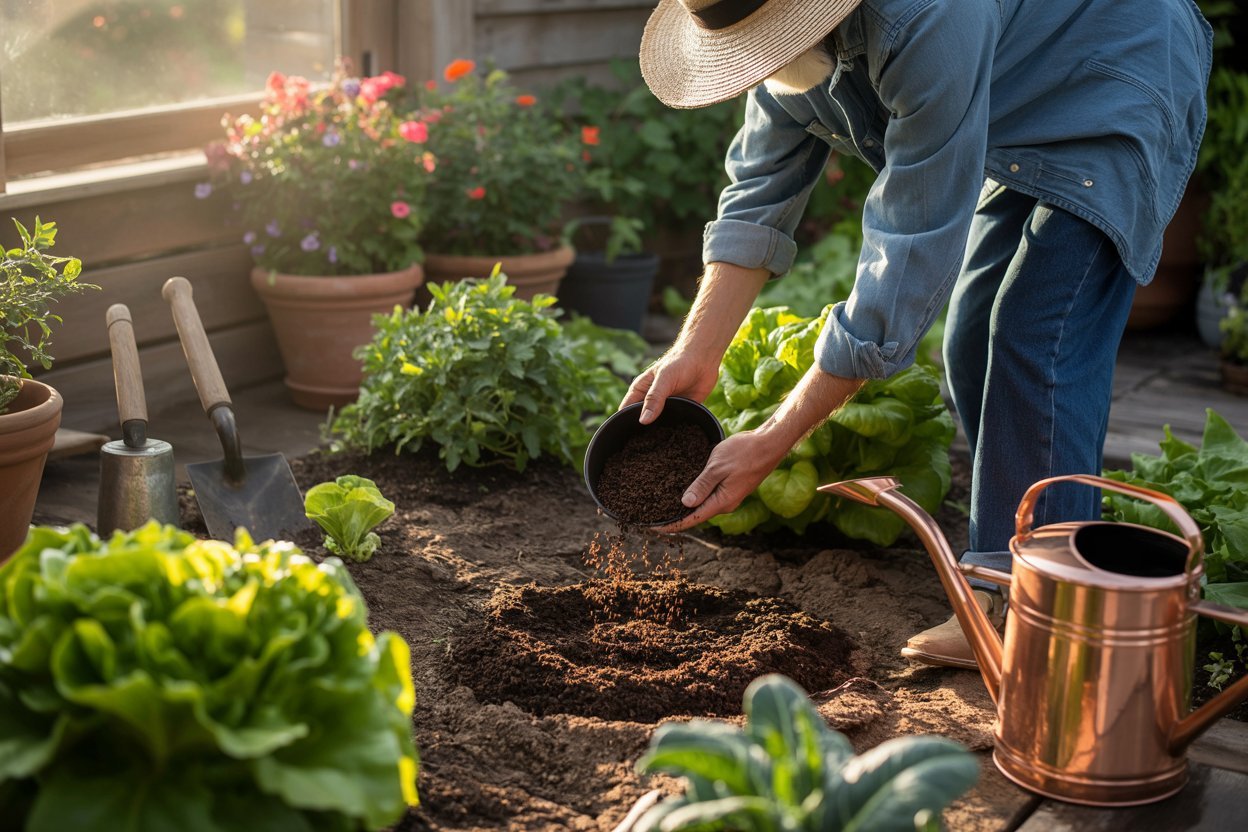

If you’re anything like most gardeners, you’re always looking for simple, natural ways to nourish your plants without spending extra money.
And sometimes, the best solutions are already sitting in your kitchen like used coffee grounds.Instead of tossing them in the trash, those leftover grounds can become a powerful addition to your garden.
But here’s the truth many people overlook: not all plants love coffee grounds, and using them the wrong way can actually do more harm than good.
This guide will walk you through everything you need to know from the science behind coffee grounds to a detailed list of plants that truly thrive on them.
You’ll also learn how to apply them properly, avoid common mistakes, and turn your everyday coffee habit into a gardening advantage.
Let’s dig in.
What Are Used Coffee Grounds?

Used coffee grounds are the leftover material after brewing coffee. While they may seem like waste, they’re actually packed with nutrients and organic matter that can benefit soil health.
What’s Inside Coffee Grounds?
Used coffee grounds contain:
- Nitrogen (low to moderate amounts)
- Small amounts of phosphorus and potassium
- Organic matter that improves soil structure
- Trace minerals like magnesium and calcium
Unlike fresh coffee grounds, used grounds are less acidic, making them safer for a wider range of plants.
Are Coffee Grounds Acidic or Neutral?
This is one of the biggest misconceptions in gardening.
The Truth About Acidity
- Fresh coffee grounds → acidic
- Used coffee grounds → closer to neutral (pH 6.5–6.8)
This means you can safely use used grounds for many plants, but they still tend to benefit acid-loving plants the most.
Benefits of Using Coffee Grounds in the Garden
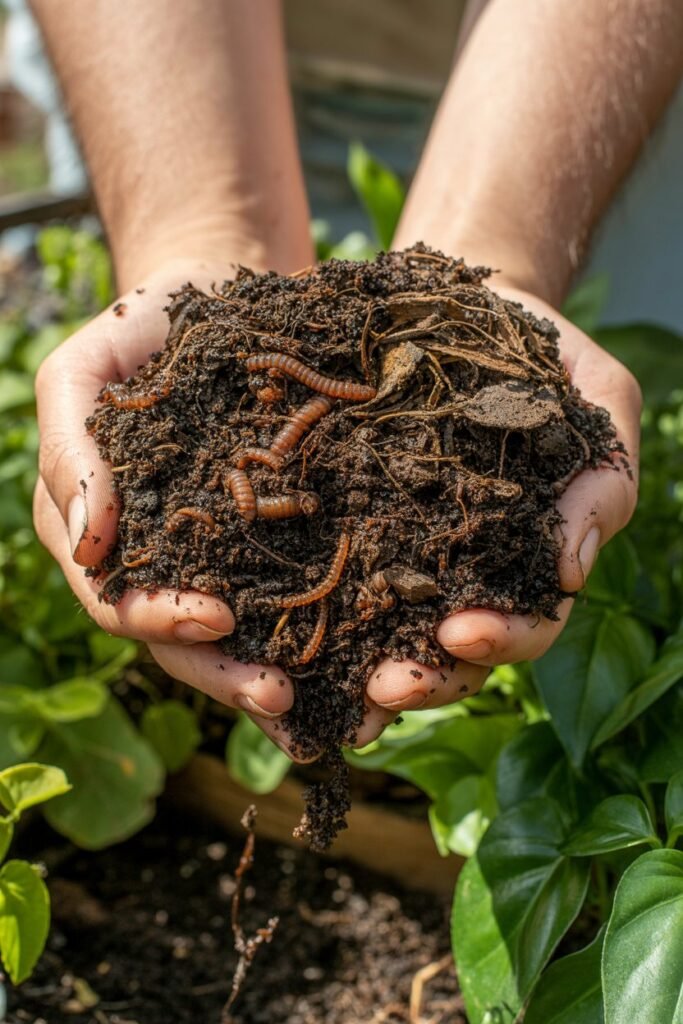
Before we get into specific plants, let’s understand why coffee grounds are so valuable.
1. Improves Soil Structure
Coffee grounds add organic matter, helping soil:
- Retain moisture
- Drain properly
- Stay loose and airy
2. Boosts Microbial Life
They feed beneficial microbes and earthworms, which:
- Break down nutrients
- Improve soil fertility
3. Provides Slow-Release Nitrogen
Unlike chemical fertilizers, coffee grounds release nutrients gradually.
4. Acts as a Natural Mulch
When used correctly, they help:
- Suppress weeds
- Retain soil moisture
What Kind Of Plants Love Used Coffee Grounds?
Now let’s get into the heart of this guide.
1. Acid-Loving Plants

These are the plants that benefit the most from coffee grounds.
Blueberries
Blueberries thrive in acidic soil. Coffee grounds:
- Help maintain the right pH
- Improve soil richness
Azaleas
Azaleas love nutrient-rich, slightly acidic soil, making coffee grounds a great addition.
Rhododendrons
Similar to azaleas, they benefit from:
- Improved soil structure
- Gentle acidity
Hydrangeas
Coffee grounds can help:
- Enhance soil conditions
- Potentially deepen blue flower tones in acidic soils
Camellias
These flowering shrubs respond well to organic matter like coffee grounds.
2. Leafy Greens
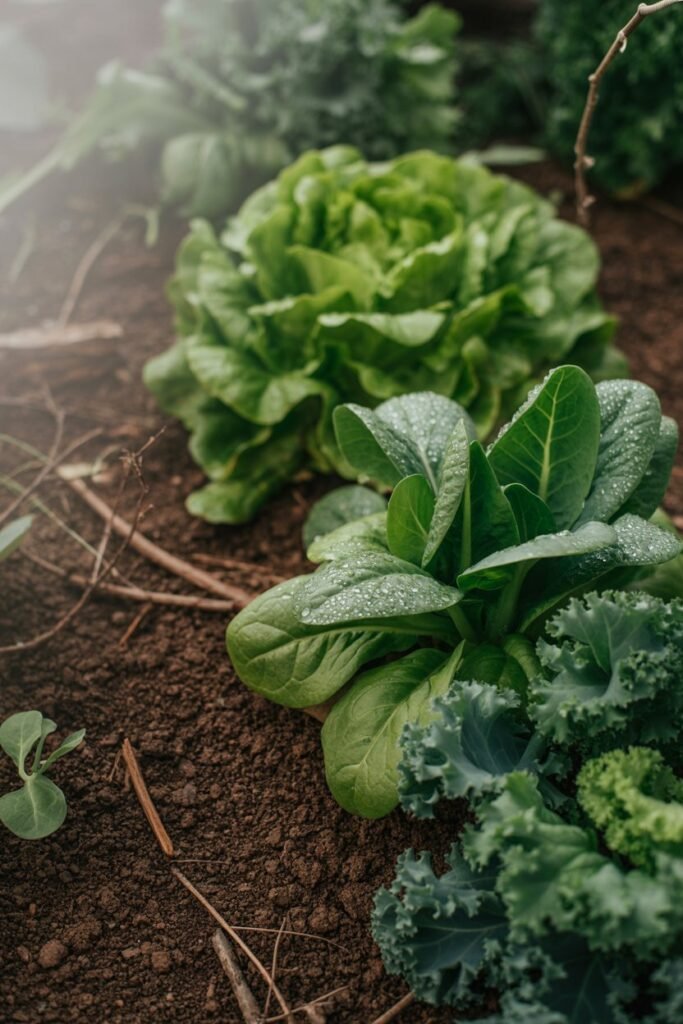
Leafy vegetables love nitrogen and coffee grounds provide it.
Spinach
Coffee grounds support lush leaf growth.
Lettuce
They help:
- Improve soil texture
- Encourage steady growth
Kale
Kale thrives with nitrogen-rich soil, making coffee grounds beneficial.
3. Root Vegetables (With Caution)

Some root crops benefit, but moderation is key.
Carrots
Coffee grounds can:
- Loosen soil
- Improve root formation
Radishes
They grow well in soil enriched with organic matter.
Tip: Mix coffee grounds into soil don’t layer them on top.
4. Fruiting Plants
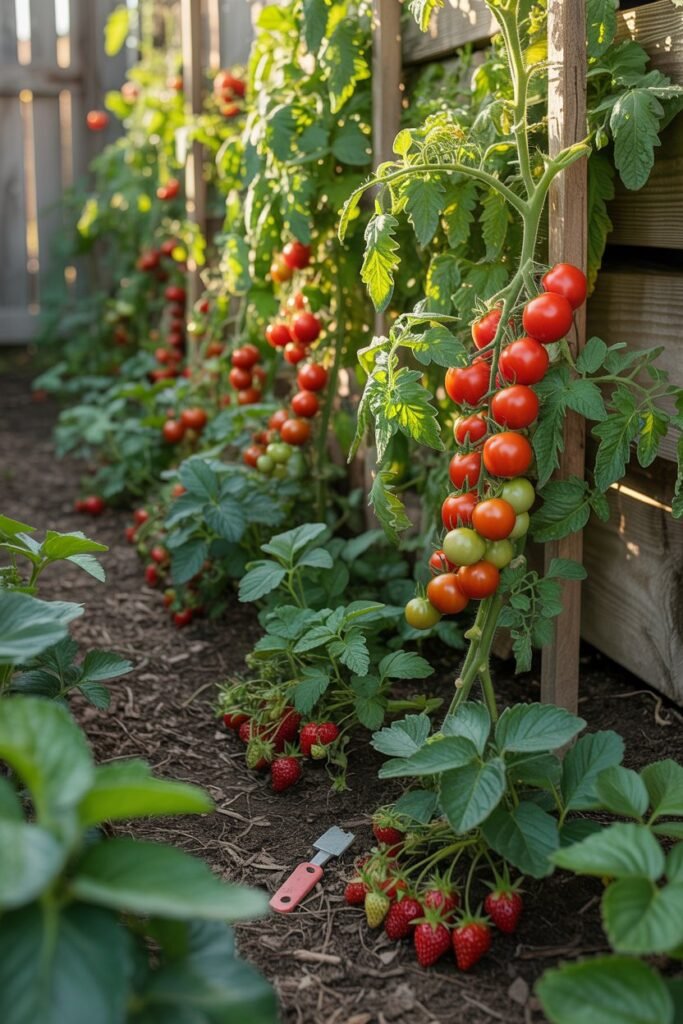
Certain fruiting plants can benefit from coffee grounds.
Tomatoes (Use Carefully)
Tomatoes can benefit from:
- Improved soil structure
- Small nitrogen boost
But too much nitrogen can reduce fruit production so go light.
Strawberries
Coffee grounds help:
- Improve soil health
- Support steady growth
5. Houseplants That Benefit
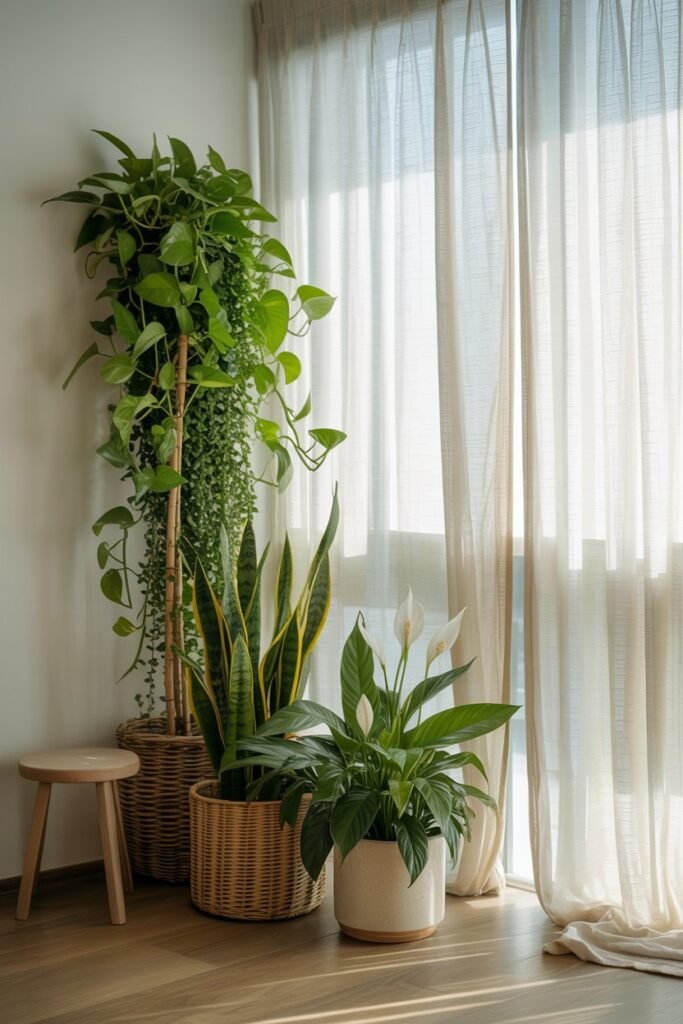
Indoor plants can also enjoy coffee grounds when used properly.
Pothos
Small amounts can boost growth.
Snake Plant
Use sparingly to avoid overfeeding.
Peace Lily
Benefits from occasional nutrient boosts.
Plants That Do NOT Like Coffee Grounds

Just as important as knowing what to use knowing what to avoid.
Avoid Using Coffee Grounds On:
- Lavender
- Rosemary
- Thyme
- Orchids
- Succulents and cacti
Why?
These plants prefer:
- Dry conditions
- Well-draining soil
- Low nutrient environments
Coffee grounds can:
- Retain too much moisture
- Lead to root rot
How to Use Coffee Grounds in Your Garden
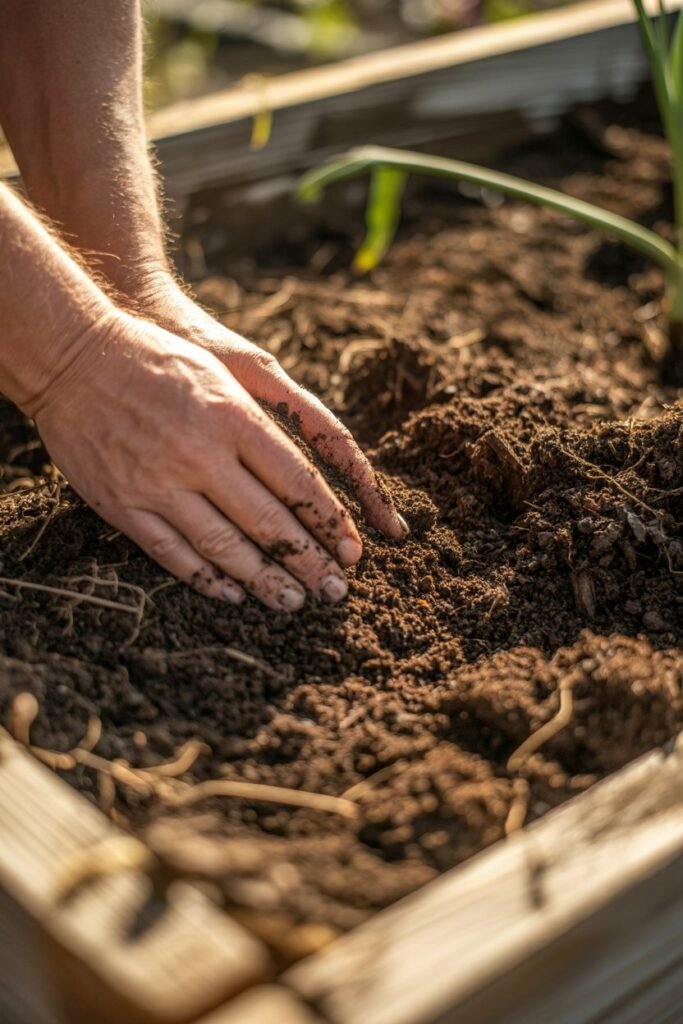
Using coffee grounds correctly is just as important as choosing the right plants.
Method 1: Mix Into Soil
This is the safest and most effective method.
How to do it:
- Sprinkle a thin layer
- Mix into the top few inches of soil
Method 2: Add to Compost
One of the best ways to use coffee grounds.
Benefits:
- Balances green and brown materials
- Speeds up decomposition
Tip: Coffee grounds count as a “green” material.
Method 3: Liquid Fertilizer (Coffee Tea)
A gentle way to feed plants.
How to make it:
- Soak used grounds in water for 24–48 hours
- Strain and use the liquid
Method 4: Mulching (With Caution)
Only use thin layers.
Why?
Thick layers can:
- Compact easily
- Block water and air
Common Mistakes to Avoid
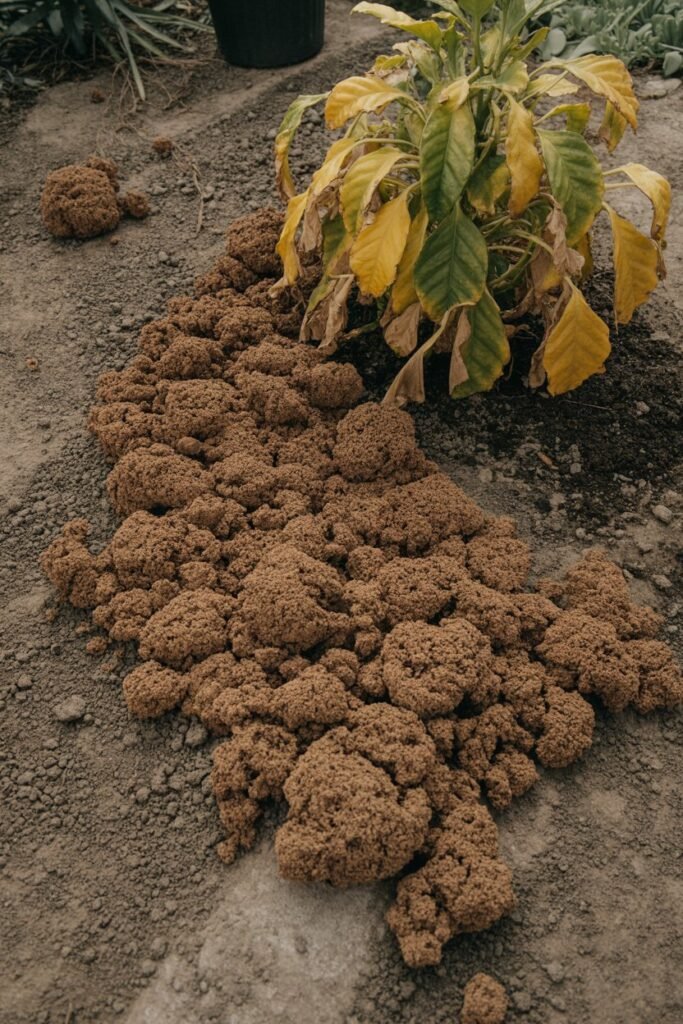
Even experienced gardeners make these mistakes.
1. Using Too Much
Coffee grounds should be used in moderation.
2. Applying Them Directly in Thick Layers
This can create a barrier that repels water.
3. Using Fresh Grounds Instead of Used
Fresh grounds are too acidic.
4. Ignoring Plant Needs
Not all plants benefit always match your method to the plant.
How Often Should You Use Coffee Grounds?
- Once every 2–4 weeks for most plants
- Less frequently for sensitive plants
- Regularly in compost
Signs You’re Using Too Much Coffee Grounds
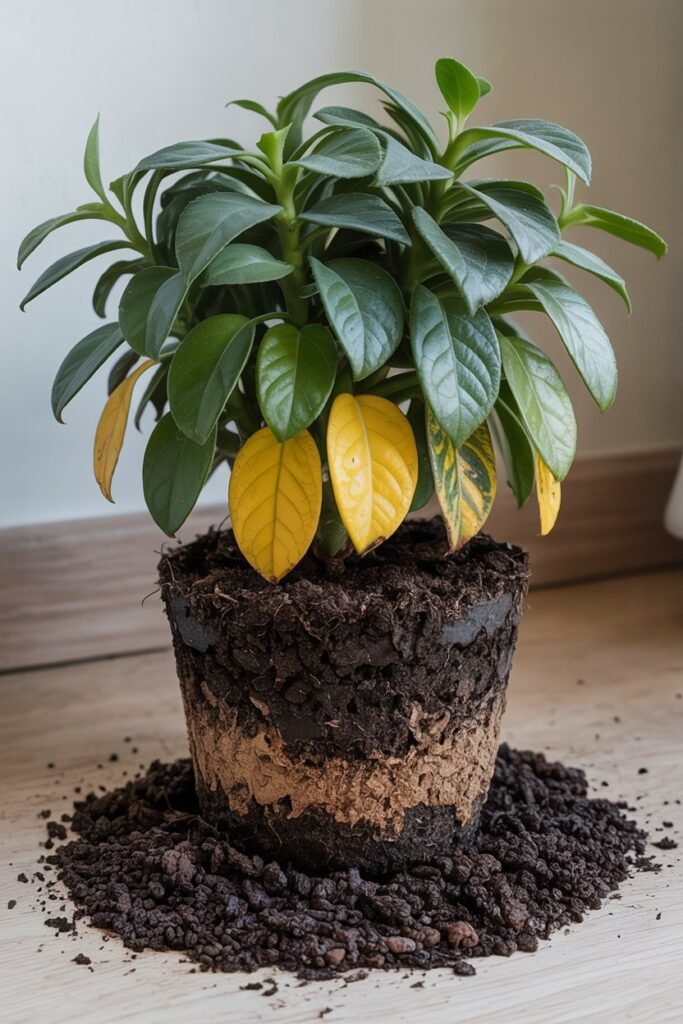
Watch your plants closely.
Warning Signs:
- Yellowing leaves
- Stunted growth
- Mold on soil surface
- Water not soaking into soil
If you notice these, reduce or stop use.
Coffee Grounds and Soil Health
Over time, coffee grounds help create healthier soil.
Long-Term Benefits:
- Improved structure
- Increased microbial activity
- Better nutrient availability
This leads to stronger, more resilient plants.
Can Coffee Grounds Repel Pests?
There’s some truth but don’t rely on it fully.
Possible Benefits:
- May deter slugs and snails
- Can discourage some insects
Reality:
They are not a guaranteed pest control method.
Coffee Grounds and Earthworms
Earthworms love coffee grounds.
They:
- Break them down quickly
- Improve soil aeration
- Enhance nutrient cycling
A garden rich in worms is a healthy garden.
Sustainability Benefits
Using coffee grounds is an eco-friendly gardening practice.
Why It Matters:
- Reduces kitchen waste
- Cuts down on chemical fertilizers
- Supports natural soil health
Final Thoughts
Used coffee grounds can be a powerful, natural addition to your garden but only when used wisely.
The key is balance.
Focus on plants that truly benefit, apply in moderation, and always pay attention to how your plants respond.
When used correctly, coffee grounds can improve soil, support plant growth, and help you garden more sustainably.
So the next time you brew a cup of coffee, don’t throw those grounds away your garden might just love them.
