
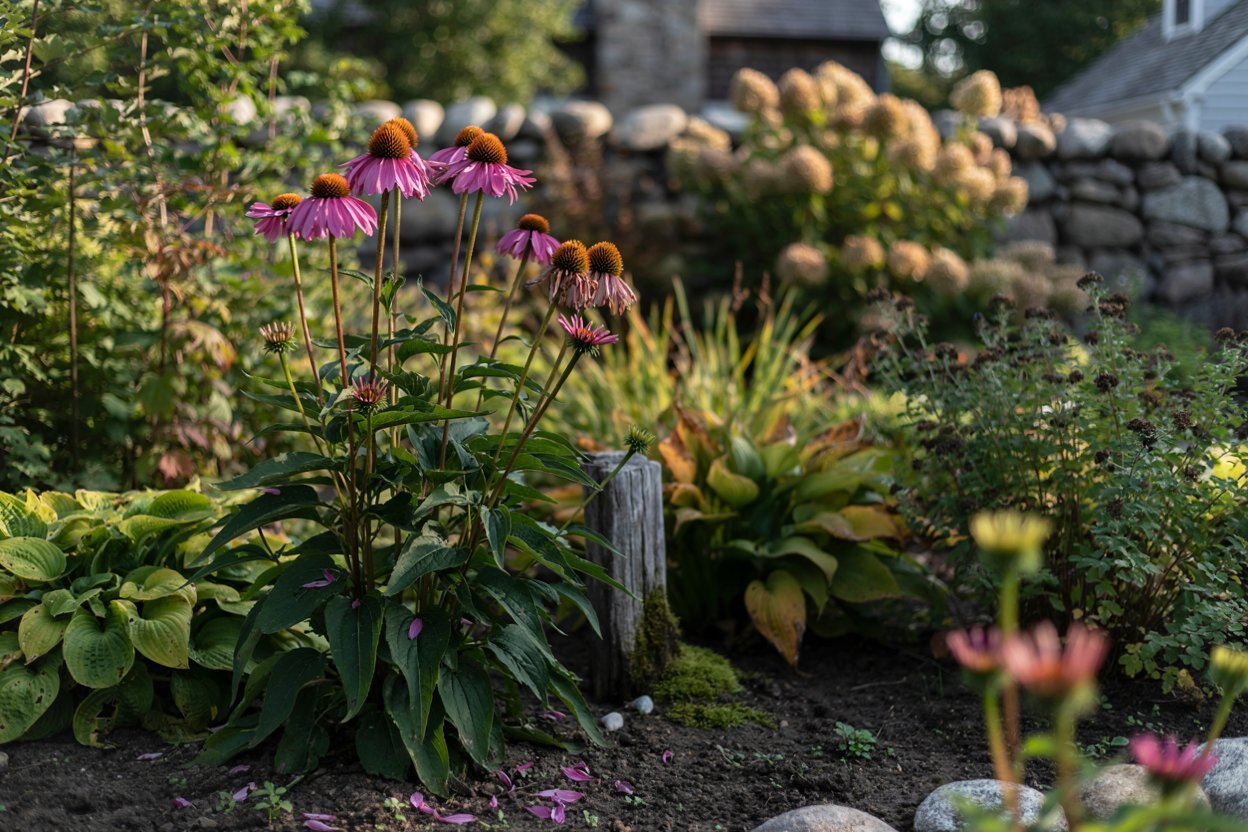

I always find it a little difficult to cut back my coneflowers at the end of the season.
Those faded flowers may look finished, but I’ve learned that they can still be doing important work in the garden.
Coneflower stems and seed heads can provide food for birds, shelter for beneficial insects, and winter interest.
At the same time, there are moments when cutting them back is exactly what the plant needs. Knowing when to prune and when to simply leave them alone makes fall and spring garden care much easier.
Should You Cut Back Coneflowers in the Fall?
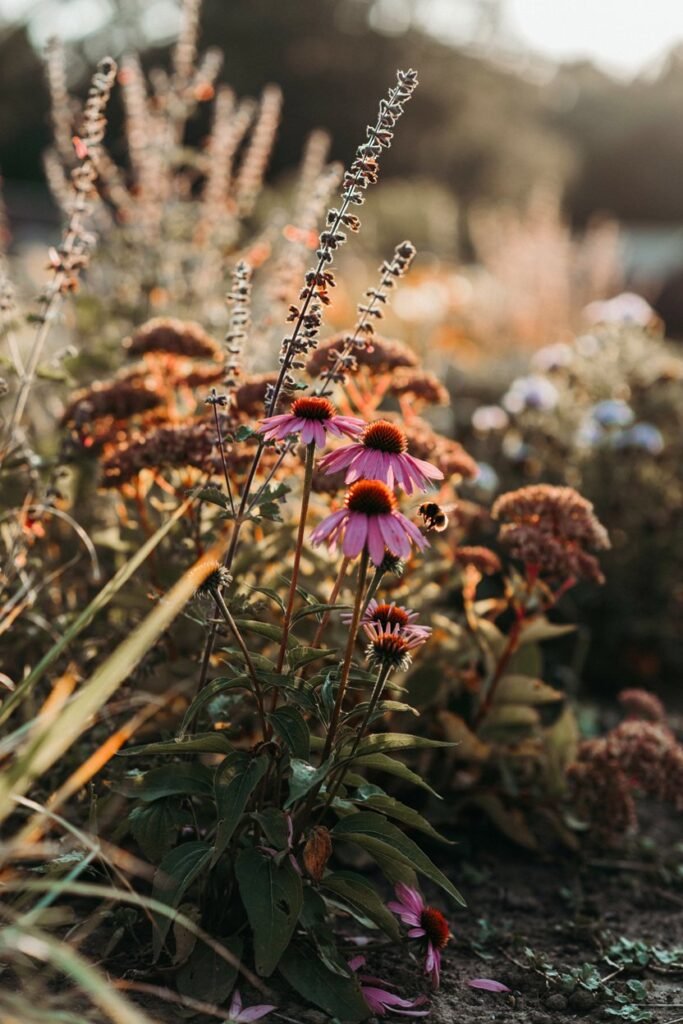
In most gardens, I prefer not to cut coneflowers back in fall.
It can be tempting to tidy everything once the flowers fade, especially if you like a neat-looking garden. But those brown stems and dried seed heads are far more useful than they may appear.
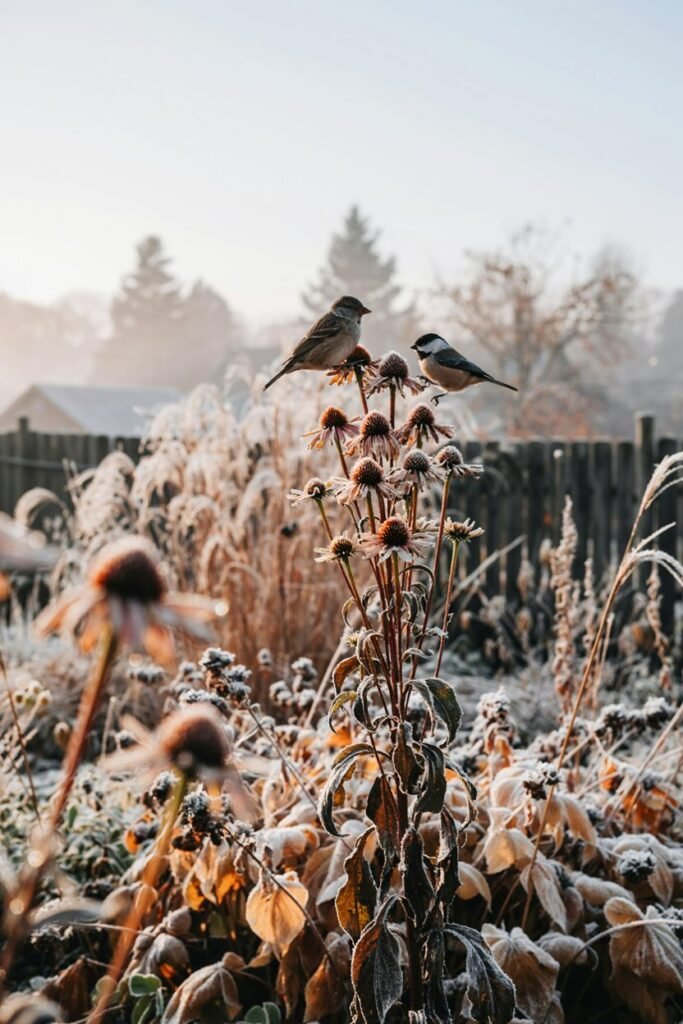
Coneflowers, also known as Echinacea, produce seed-filled central cones after flowering. Birds can feed on these seeds during the colder months, while the standing stems provide places where beneficial insects can shelter.
The dried plants also add texture to the winter garden. Frost, snow, and even a light coating of ice can make the seed heads surprisingly attractive.
So, unless your plants have a specific problem, I would leave them standing through fall and winter.
Why Leaving Coneflowers Standing Helps
There are several good reasons to resist the urge to clean them up immediately.
Bird food: Mature coneflower seed heads can provide food for seed-eating birds, including goldfinches.
Winter habitat: Hollow perennial stems can provide shelter for native bees and other beneficial insects.
Winter interest: The dried flower heads add structure to a garden after most colorful flowers have disappeared.
Natural protection: Standing stems can help catch snow around the plant, which may provide some insulation around the crown.
Natural reseeding: If you allow some flowers to mature completely, dropped seeds may produce new coneflowers in suitable conditions.
For me, this is one of those garden tasks where doing less can actually be better.
When Is the Best Time to Cut Back Coneflowers?
For most gardeners, late winter or early spring is the best time to cut back coneflowers.
Instead of cutting them down immediately after flowering, wait until winter has passed and the plant is getting ready for its new growing season.
You can then remove the old stems before fresh growth becomes too large.
One important consideration is beneficial insects. Some insects use hollow perennial stems as winter shelter, so extremely early spring cleanup can disturb them.
If your weather allows, waiting until temperatures have warmed consistently gives overwintering insects more time to become active.
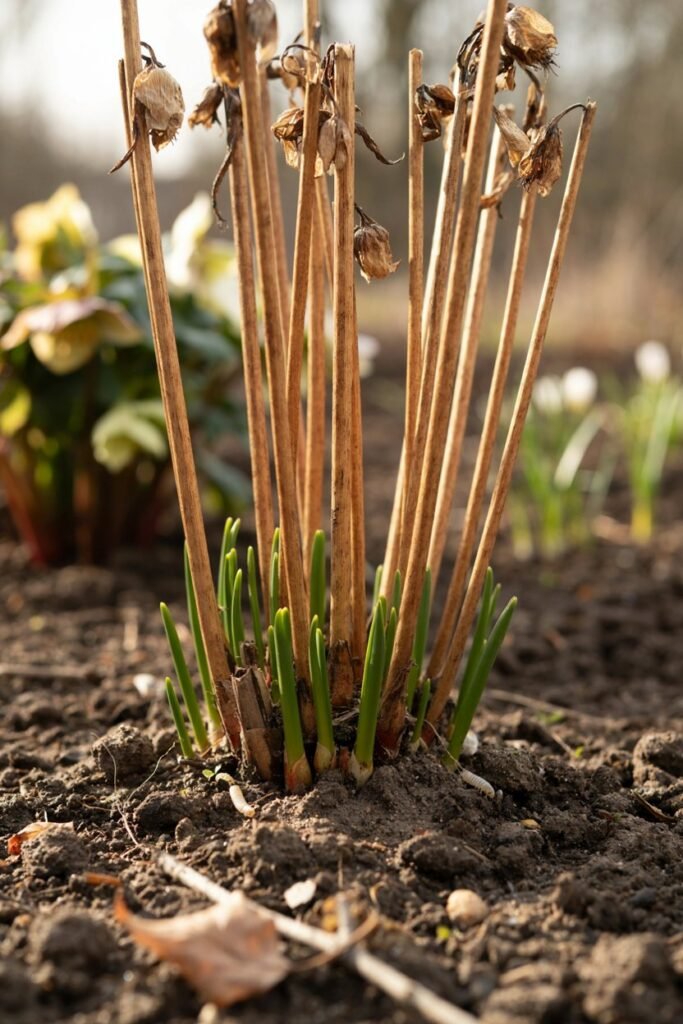
Once you’re ready to prune, look closely at the base of the plant. You may see tiny new shoots beginning to appear.
That is a good reminder that the plant is waking up.
How to Cut Back Coneflowers in Spring
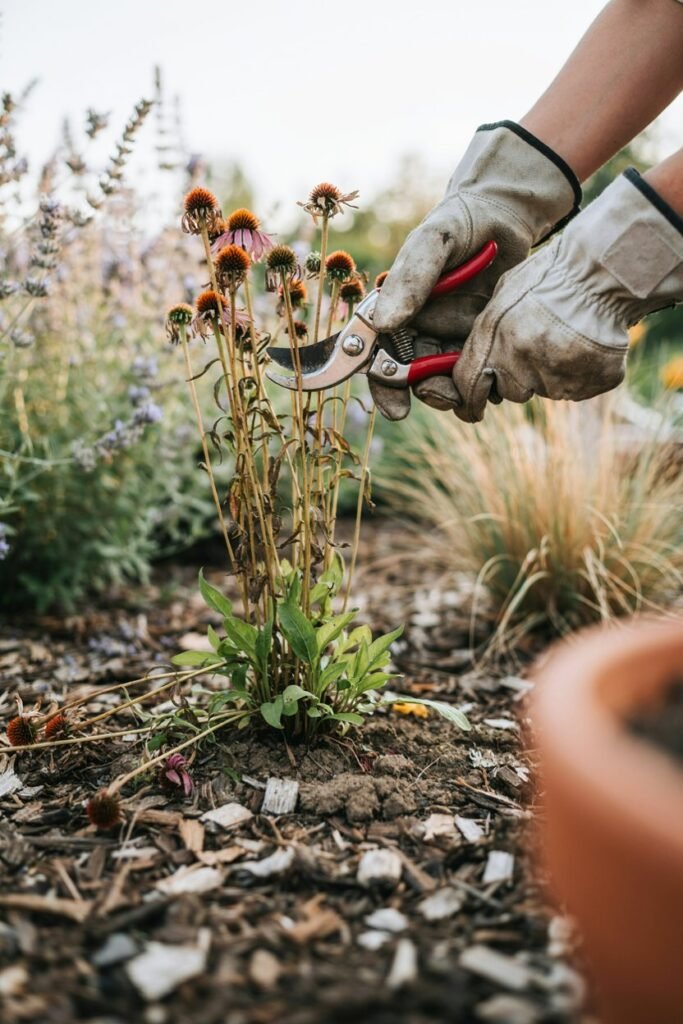
Cutting back coneflowers is thankfully very simple.
You don’t need complicated pruning techniques or special equipment.
What You’ll Need
- Clean hand pruners or garden shears
- Gardening gloves
- A bucket or garden bag for debris
- Rubbing alcohol for cleaning your pruner blades
Before cutting, make sure your pruners are clean and sharp. Cleaning the blades between plants can help reduce the chance of spreading disease.
Step 1: Remove the Old Stems
Gather the dried stems together and cut them down close to the base of the plant.
Leaving roughly 2 inches of stem above the ground is a simple approach.
Try not to damage the fresh shoots emerging from the crown.
Step 2: Remove Dead Debris
Pick up loose stems, old leaves, and other debris around the plant.
If the plant was healthy, some organic material can be composted where appropriate.
However, diseased foliage should be removed from the garden rather than added to your compost pile.
Step 3: Check the New Growth
Once the old stems are gone, look for healthy new shoots.
If you see strong green growth emerging from the crown, that’s a great sign that your coneflower is beginning its new season.
Don’t worry if the plant looks small at first. Coneflowers can quickly develop into full, flowering plants once warm weather arrives.
When You Should Cut Back Coneflowers in Fall
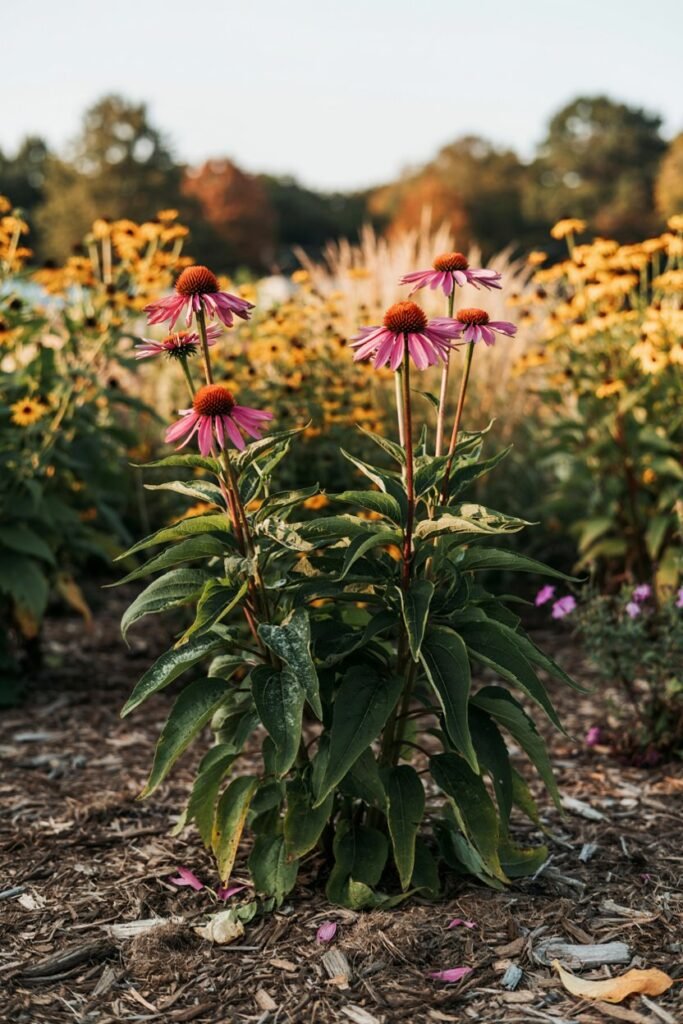
Although I generally recommend leaving healthy coneflowers standing, there are situations when fall pruning makes sense.
The biggest exception is disease.
If your coneflower has a serious fungal disease, leaving infected foliage and stems sitting in the garden may not be the best choice.
Watch for Powdery Mildew
Powdery mildew is one of the problems coneflowers can experience.
It often appears as a white or gray, powdery coating on the leaves. As the problem becomes more severe, affected foliage can become discolored and unhealthy.
If your coneflowers have significant disease, remove the affected plant material rather than leaving it in place simply for winter interest.
Cut away affected stems and foliage, then dispose of the debris appropriately.
Don’t put heavily diseased material into your home compost pile.
Also take a look at the growing conditions.
Coneflowers generally perform best in full sun and well-drained soil. Crowded plants can have poorer air circulation, which may encourage fungal problems.
If your coneflowers are packed tightly together, giving them more space can help improve airflow.
What About Deadheading Coneflowers in Summer?
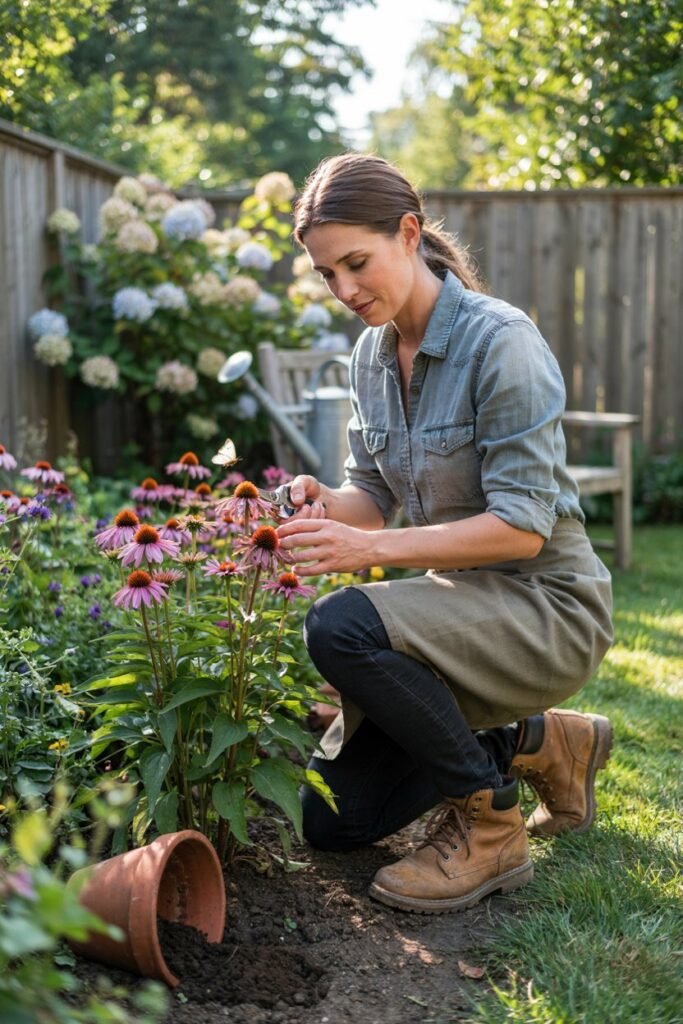
Deadheading is different from cutting the entire plant back.
Instead of removing all the stems, you’re simply removing individual flowers after they fade.
I like to deadhead coneflowers during the earlier part of the flowering season when I want to encourage more blooms.
As one flower fades, use clean pruners to cut the flower stalk back toward a new side shoot or developing flower bud.
This keeps the plant looking fresh and can encourage additional flowers.
When Should You Stop Deadheading?
This is where timing becomes important.
If you want birds to enjoy the seeds later in the year, stop deadheading toward the end of summer or around early fall, depending on your local growing season.
Allow some of the final flowers to remain on the plant.
Those flowers can develop into mature seed heads that remain available through fall and winter.
So you don’t necessarily have to choose between a long flowering season and a wildlife-friendly garden.
You can enjoy both by deadheading earlier and then allowing the final flowers to mature.
Should You Cut Back Coneflowers After Every Bloom?
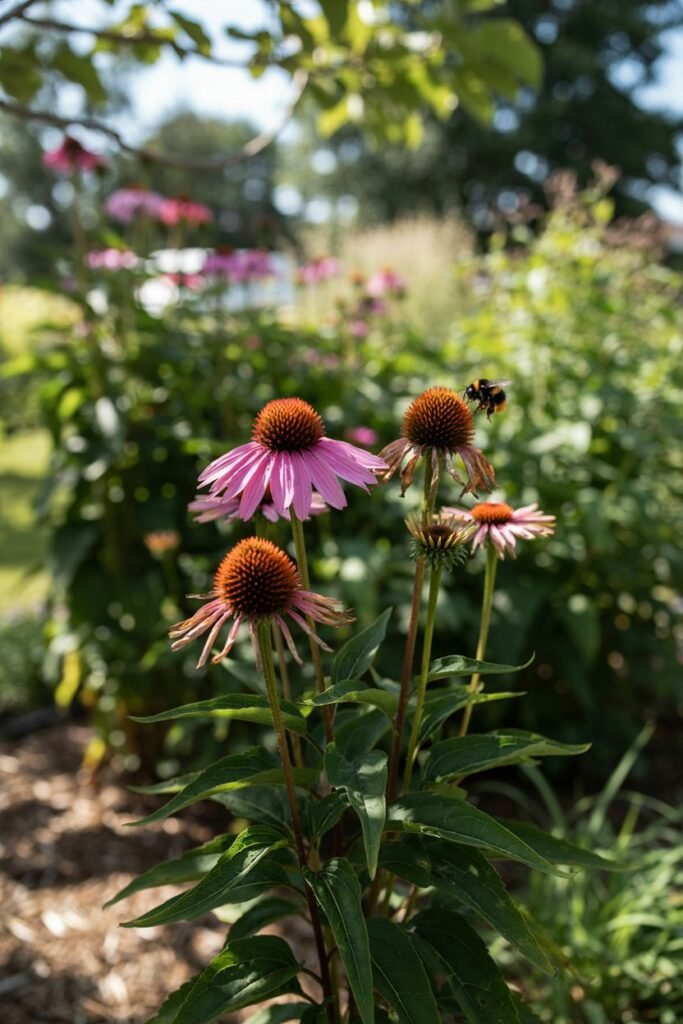
No.
You don’t need to remove every fading flower.
In fact, I wouldn’t recommend trying to keep every single coneflower bloom perfectly tidy throughout the entire season.
Some faded flowers can remain on the plant, especially as summer moves toward fall.
If your goal is more flowers, deadhead selectively.
If your goal is supporting birds and allowing natural reseeding, leave more flowers alone.
This simple balance makes coneflower care much easier.
Can You Use the Chelsea Chop on Coneflowers?
Yes, but this technique is best suited to taller coneflower varieties.
The Chelsea chop involves cutting back part of a perennial’s growth in late spring before flower buds develop.
For a tall coneflower that tends to flop, cutting some stems back by about one-third to one-half can create a shorter, sturdier plant.
An interesting benefit is that the uncut stems may flower first, while the trimmed stems flower later.
That can help spread the flowering period.
However, I wouldn’t use this technique on short or dwarf coneflowers. Cutting an already compact plant can leave it unnecessarily short.
What If My Coneflowers Flop?
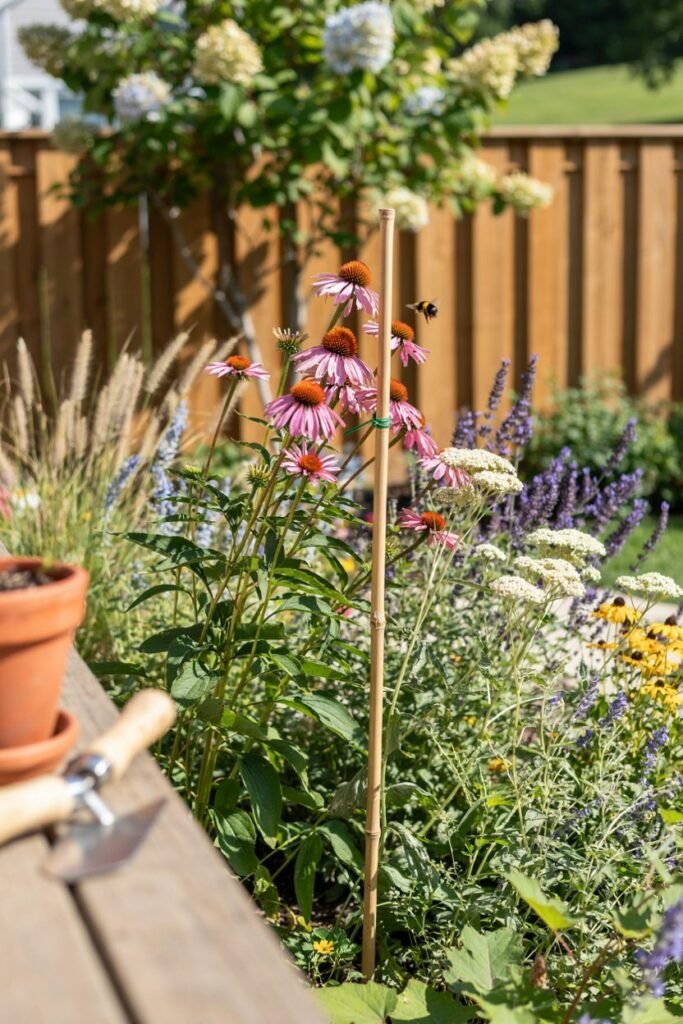
Flopping can happen when coneflowers grow tall, especially if they receive less sunlight than they prefer or are growing in overly rich conditions.
Before reaching for the pruners, look at the growing conditions.
Coneflowers generally prefer full sun, meaning a location with plenty of direct sunlight.
If the plants are reaching toward the light, consider whether nearby plants, shrubs, or structures are creating too much shade.
A late-spring Chelsea chop can also help control tall varieties before they flower.
Another option is simply to support particularly tall plants with discreet garden supports.
Do Coneflowers Need Fertilizer?
Coneflowers are relatively low-maintenance plants, so I don’t like to overcomplicate their care.
If your soil is reasonably healthy, you usually don’t need to feed them heavily.
A light layer of compost around the plants in spring can help improve the soil and provide nutrients without encouraging excessive growth.
Spread the compost around the plant rather than piling it directly against the crown.
Healthy soil, adequate sunlight, and good drainage are often more important than frequent feeding.
How Much Water Do Coneflowers Need?
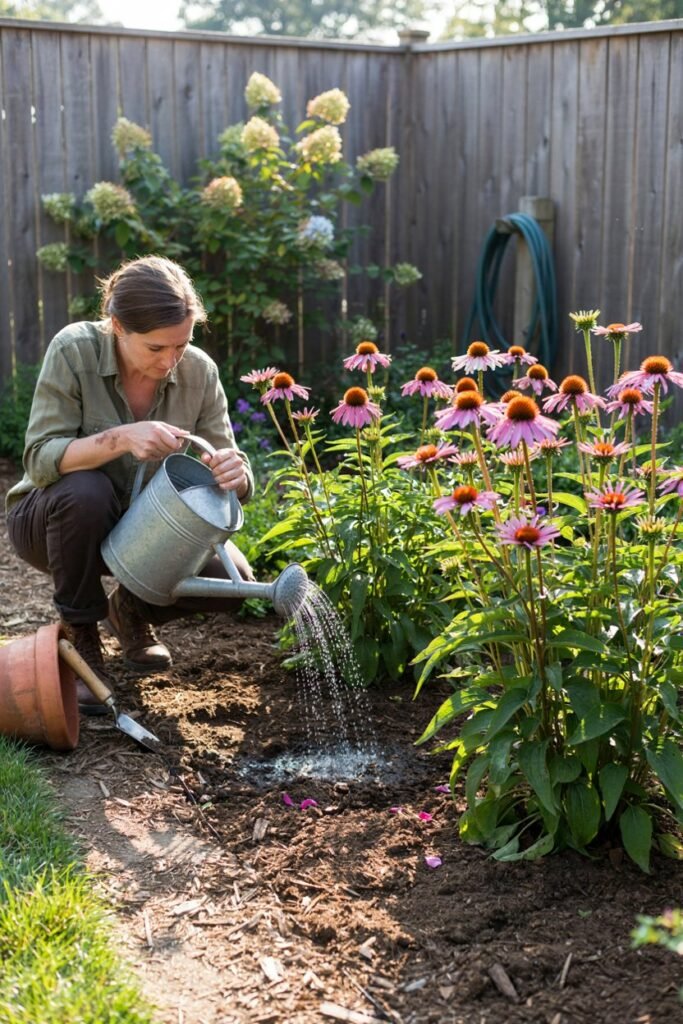
One reason I love coneflowers is that they can handle dry conditions once established.
That doesn’t mean they never need water.
Newly planted coneflowers need consistent moisture while their roots become established.
Established plants generally need additional watering during prolonged periods of drought or unusually hot weather.
When you do water, water deeply rather than giving the plant a tiny amount every day.
Then allow the soil to dry somewhat between waterings, particularly if your soil drains slowly.
Avoid keeping the roots constantly wet.
Should You Divide Coneflowers?
If a coneflower clump becomes overcrowded, dividing it can be useful.
Early spring is a convenient time to divide established coneflowers because the plant is beginning active growth.
Dig around the clump carefully and lift it from the soil.
Use a sharp spade or garden knife to separate the crown into healthy sections, making sure each division has roots and growing points.
Replant the divisions promptly and water them well.
Give the plants enough room for good air circulation as they mature.
My Simple Coneflower Pruning Routine
If you’re unsure what to do with your coneflowers throughout the year, this simple routine works well for me:
Spring: Cut down last year’s stems once winter has passed and conditions are warming. Remove dead or diseased material.
Early summer: Allow the plant to grow naturally. If tall varieties need shaping, consider a Chelsea chop before flower buds develop.
Mid-summer: Deadhead fading flowers if you want to encourage more blooms.
Late summer: Start leaving some flowers alone so they can mature into seed heads.
Fall: Leave healthy stems and seed heads standing for birds, insects, and winter interest.
Winter: Leave the plant alone and let nature do the work.
Next spring: Cut back the remaining stems and begin the cycle again.
The Bottom Line
Coneflowers don’t need to be perfectly tidy to be healthy.
In fact, one of the best things you can do for them is to leave them alone during much of the fall and winter.
Their dried seed heads can feed birds, while their hollow stems can provide valuable winter shelter for beneficial insects.
When pruning is needed, late winter or early spring is usually the best time to cut healthy plants back.
During summer, selective deadheading can encourage more flowers, while stopping deadheading later in the season gives the final blooms time to produce seeds.
The only time I would be quicker to clean up in fall is when disease is present.
Once you understand this simple rhythm, coneflower care becomes much less about constant pruning and much more about knowing when to step back and let your garden do what it naturally does best.
