


A few summers ago, I stood in my garden staring at a row of tired-looking plants that simply refused to grow no matter how much fertilizer I used.
I had followed every gardening rule I knew, bought expensive plant food, and watered faithfully, yet my flowers still looked dull and my vegetables barely produced.
Out of pure curiosity, I tried an old gardening trick my grandmother once mentioned adding a little sugar water to the soil. Within weeks, I noticed healthier leaves, stronger blooms, and happier plants overall.
That tiny kitchen ingredient completely changed the way I garden, and honestly, I haven’t looked at plant care the same way since.
Why Gardeners Are Talking About Sugar
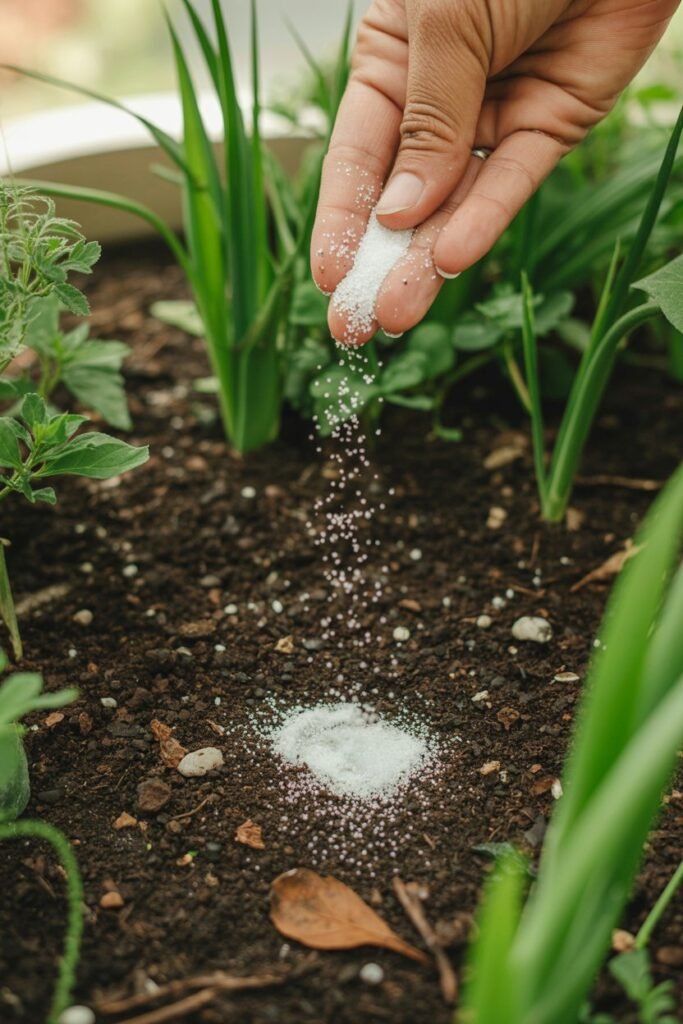
For years, fertilizer has been treated like the ultimate solution for every struggling plant. Yellow leaves? Add fertilizer. Slow growth? Add more fertilizer. Weak blooms? Feed again.
But many gardeners are beginning to realize that over-fertilizing can actually harm plants instead of helping them.
Sugar, when used correctly, can support healthy soil biology, encourage beneficial microbes, and even help stressed plants recover. It is not a magical replacement for all fertilizers, but it can become a surprisingly useful gardening tool when used wisely.
The key is understanding:
- What sugar actually does for plants
- Which plants benefit from it
- How to use it safely
- When to avoid it completely
Once you understand the balance, sugar can become one of the simplest and cheapest plant-care tricks in your gardening routine.
Does Sugar Really Help Plants?
The Truth About Sugar in Gardening
Plants naturally produce sugar through photosynthesis. Sunlight, water, and carbon dioxide combine to create glucose, which fuels plant growth.
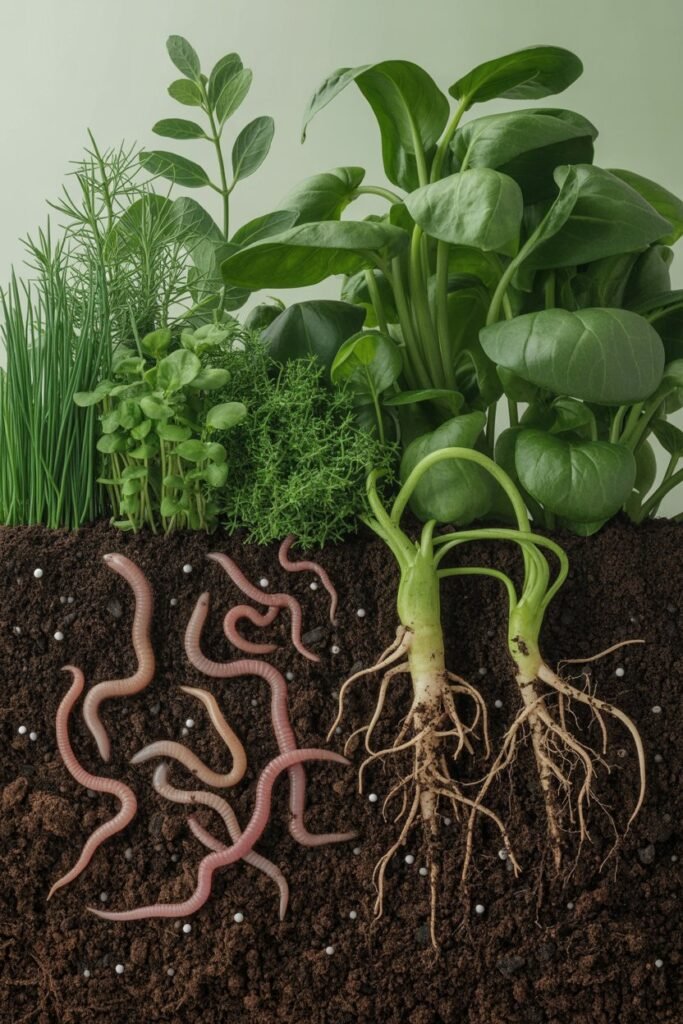
When gardeners add sugar to soil, they are not directly “feeding” the plant the way fertilizer does. Instead, sugar mainly feeds the microorganisms living in the soil.
Healthy soil contains:
- Beneficial bacteria
- Fungi
- Earthworms
- Microbes
These organisms break down nutrients and help plant roots absorb them more efficiently.
A small amount of sugar can stimulate microbial activity, creating healthier soil conditions for plants.
That is why some gardeners notice:
- Faster recovery after transplanting
- Greener foliage
- Improved flowering
- Better soil texture
- Increased microbial activity
However, too much sugar can create problems, which is why moderation matters.
Sugar vs Fertilizer: What’s the Difference?
Fertilizer Feeds the Plant
Traditional fertilizer provides nutrients such as:
- Nitrogen
- Phosphorus
- Potassium
- Calcium
- Magnesium
Plants need these nutrients to grow properly.
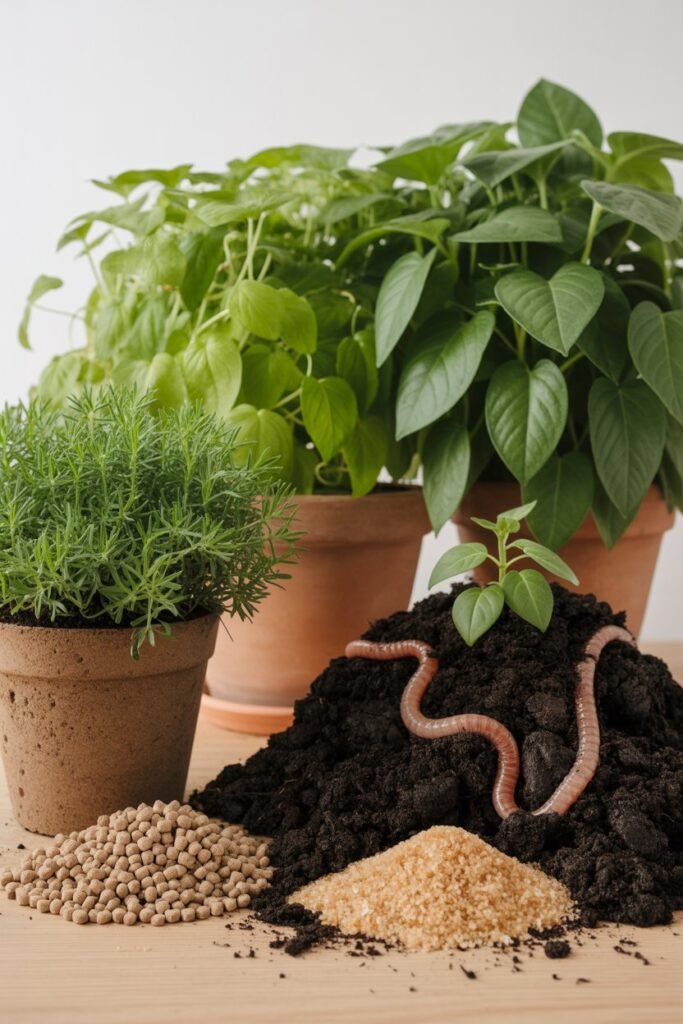
Sugar Feeds the Soil
Sugar does not contain the full nutrients plants require.
Instead, sugar supports microbial life in the soil, helping the ecosystem around the roots become healthier.
Think of fertilizer as vitamins for the plant and sugar as support for the soil community.
The best gardens usually have both:
- Healthy nutrient levels
- Healthy soil biology
Why Too Much Fertilizer Can Be Harmful
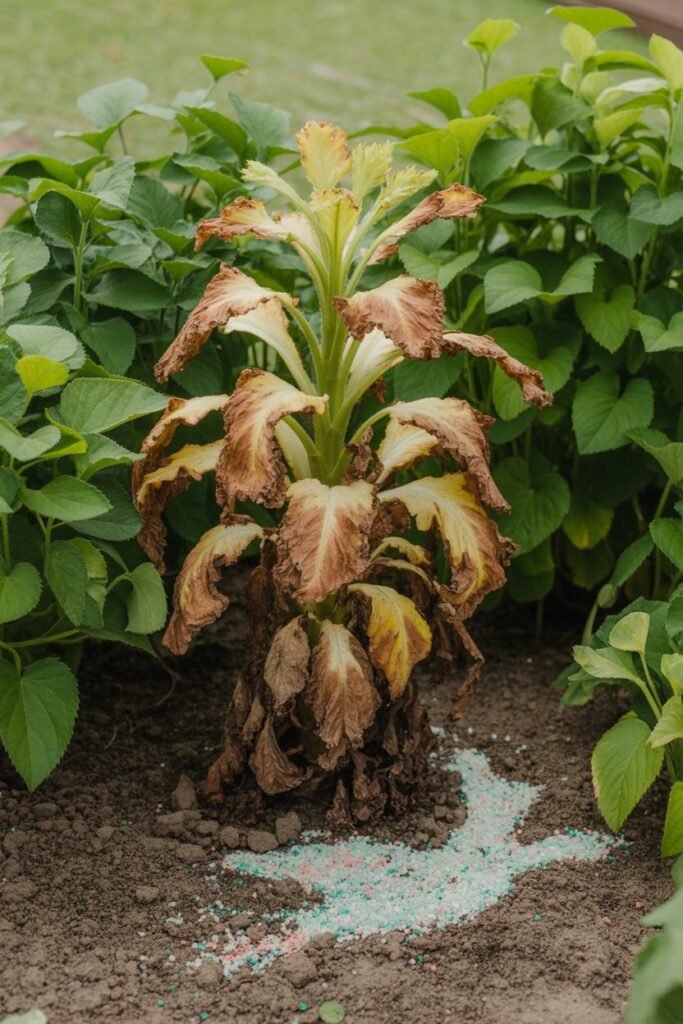
Many gardeners unknowingly damage plants with excessive fertilizer use.
Over-fertilizing can cause:
1. Root Burn
Excess fertilizer salts can burn delicate roots and prevent water absorption.
Signs of root burn:
- Brown leaf tips
- Crispy edges
- Wilting despite watering
2. Weak Growth
Too much nitrogen creates lush leaves but weak stems and fewer flowers.
Plants may look green while secretly becoming fragile.
3. Soil Imbalance
Heavy fertilizer use can reduce microbial diversity and damage soil health over time.
Healthy soil is alive. Overfeeding plants chemically can disrupt that balance.
4. Salt Build-Up
Synthetic fertilizers often leave salts behind in the soil.
This can:
- Prevent nutrient absorption
- Dry out roots
- Cause stunted growth
Sugar, when used carefully, may help encourage microbial activity that improves soil conditions naturally.
How Sugar Helps Plants
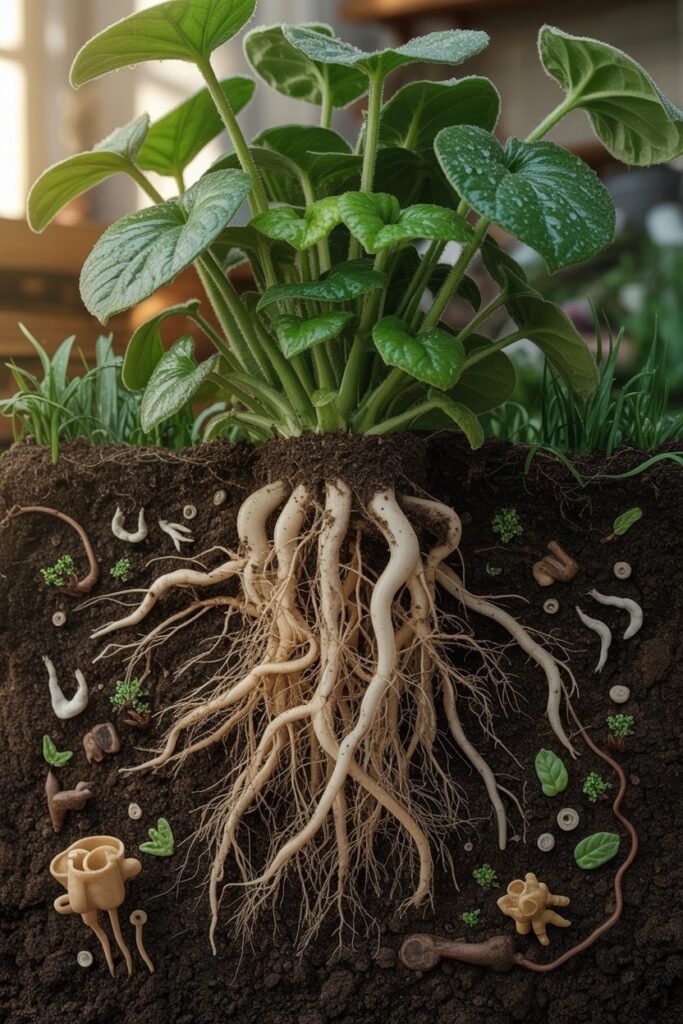
1. Encourages Beneficial Soil Microbes
Microorganisms love simple carbohydrates.
Adding a tiny amount of sugar gives microbes an energy boost, helping them break down organic matter faster.
Healthier microbial activity can improve:
- Nutrient availability
- Soil texture
- Root health
2. Helps Reduce Transplant Shock
Newly transplanted plants often struggle while adjusting to new soil.
A diluted sugar-water solution may help stressed plants recover more quickly by supporting soil microbes around weakened roots.
Many gardeners use sugar water after:
- Repotting houseplants
- Moving seedlings
- Transplanting vegetables
3. May Improve Flower Production
Some flowering plants respond positively to occasional sugar feeding because healthier soil supports stronger blooming.
Gardeners often report better results with:
- Roses
- Hydrangeas
- Hibiscus
- Flowering annuals
4. Can Boost Compost Activity
Sugar can accelerate compost decomposition by feeding beneficial bacteria.
A little sugar added to compost piles may help:
- Speed up breakdown
- Increase heat activity
- Encourage microbial growth
Best Types of Sugar to Use
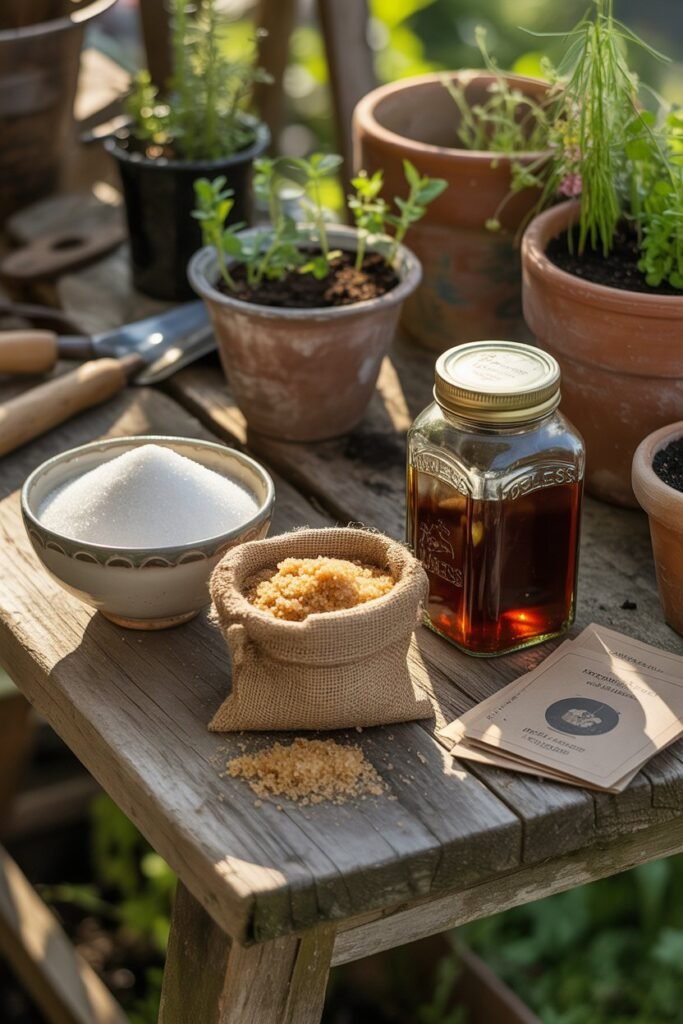
Not all sugars work equally well in the garden.
White Granulated Sugar
This is the most commonly used option because it dissolves easily and contains no added flavorings.
Best for:
- Sugar-water solutions
- Compost boosting
- Soil microbe support
Brown Sugar
Brown sugar can also work because it contains molasses, which may provide trace minerals.
However, it can attract ants more easily.
Molasses
Many experienced gardeners actually prefer unsulfured molasses over regular sugar.
Molasses contains:
- Potassium
- Calcium
- Iron
- Magnesium
It supports microbial activity while adding trace nutrients.
How to Make Sugar Water for Plants
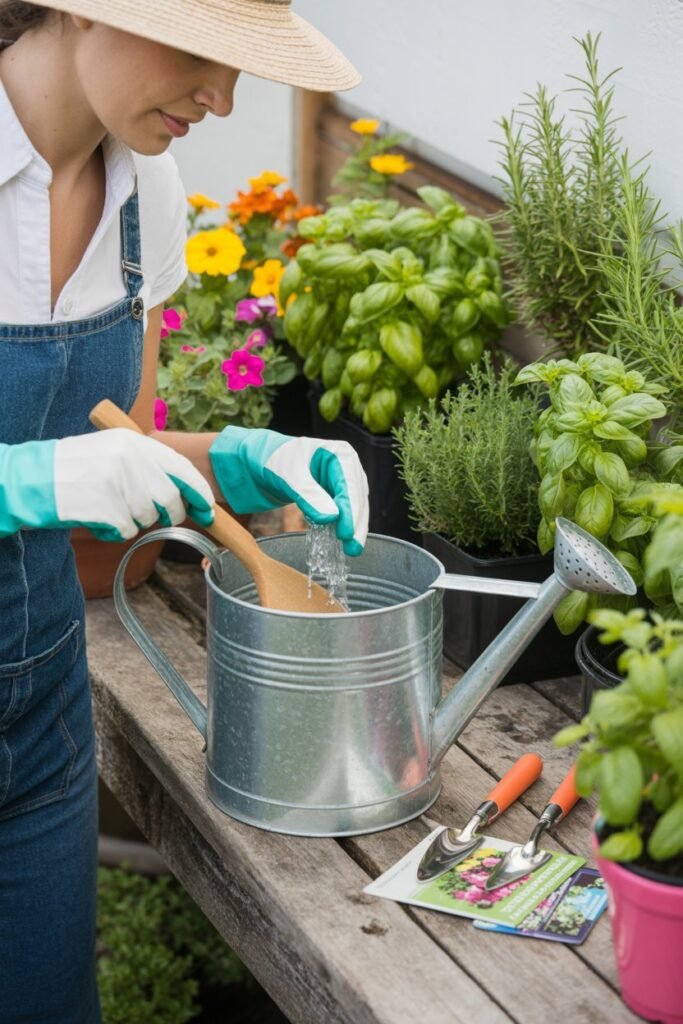
Simple Sugar Water Recipe
Ingredients:
- 1 tablespoon sugar
- 1 quart (4 cups) lukewarm water
Instructions:
- Dissolve sugar completely
- Allow mixture to cool
- Water soil lightly around the base of the plant
Do not soak the plant excessively.
How Often Should You Use Sugar Water?
Less is definitely more.
Recommended schedule:
- Once every 3 to 4 weeks
- Occasionally during transplant recovery
- Sparingly during flowering season
Using sugar too often can create fungal issues and attract pests.
Plants That May Benefit From Sugar Water
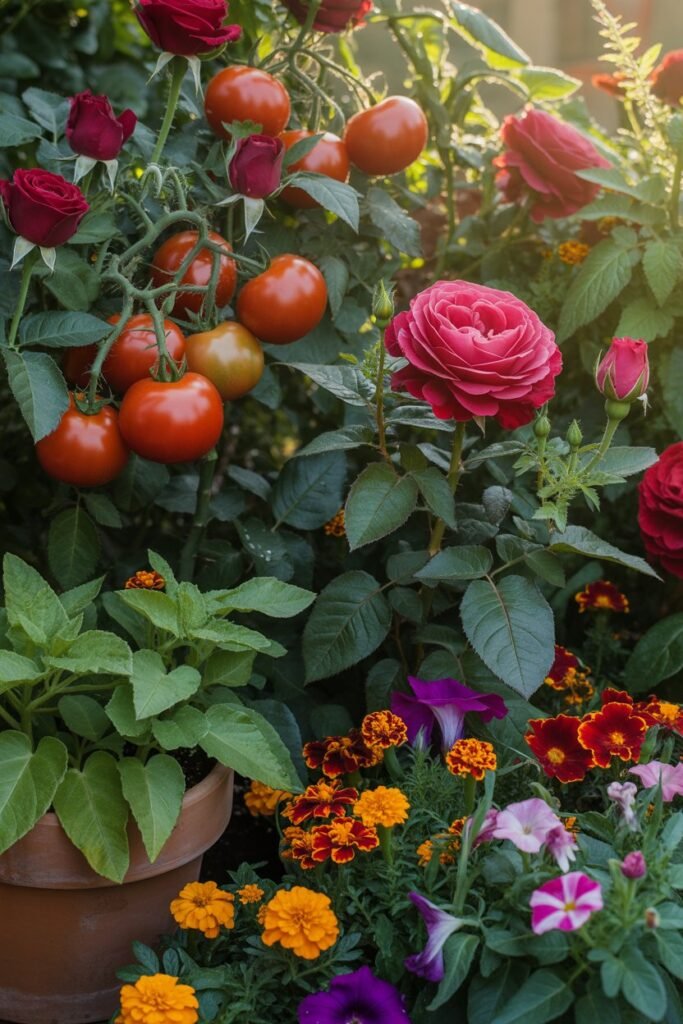
1. Roses
Roses are heavy feeders and appreciate healthy soil biology.
Sugar water may support:
- Bloom production
- Root recovery
- Soil microbial health
2. Tomato Plants
Tomatoes often benefit from improved microbial activity in soil.
Sugar should not replace tomato fertilizer, but occasional use may help stressed plants recover.
3. Houseplants Recovering From Stress
Repotted or neglected houseplants sometimes respond well to diluted sugar water.
Especially useful for:
- Pothos
- Peace lilies
- Spider plants
4. Flowering Annuals
Petunias, geraniums, and marigolds may benefit from occasional sugar feeding during blooming season.
Plants You Should NEVER Feed Sugar
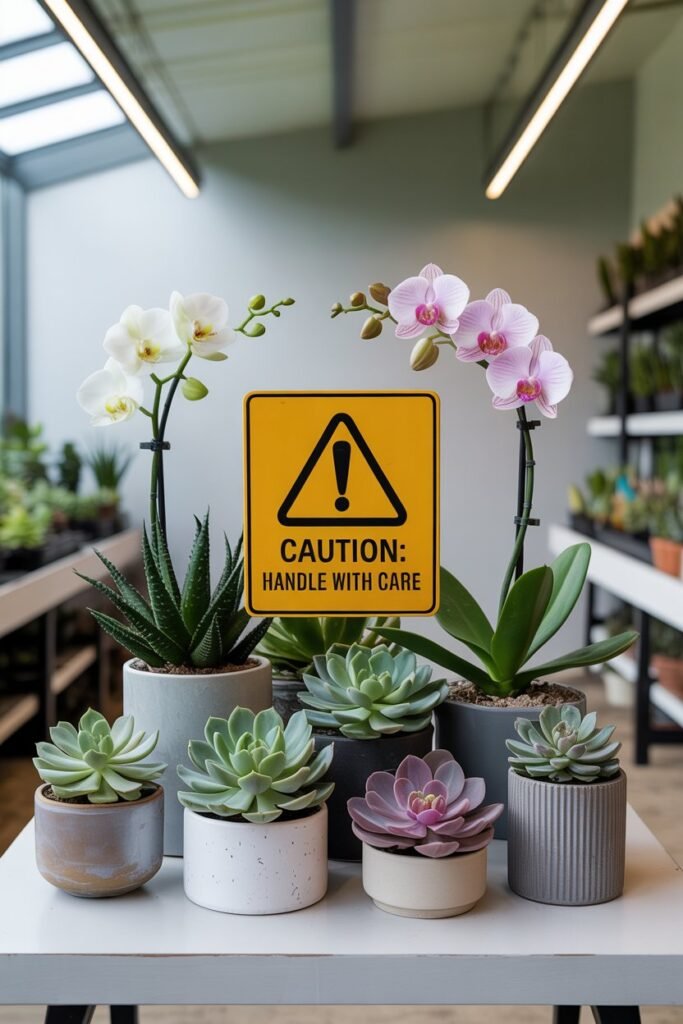
Some plants simply do not respond well to sugar treatments.
Avoid Using Sugar On:
Succulents and Cacti
Too much moisture and sugar can encourage rot.
Orchids
Orchids are sensitive to fungal growth.
Plants Already Struggling With Fungus
Sugar can worsen fungal issues.
Overwatered Plants
Adding sugar to soggy soil can create bacterial problems.
Common Sugar Gardening Mistakes
1. Using Too Much Sugar
More sugar does not equal healthier plants.
Excess sugar can:
- Feed harmful fungi
- Attract pests
- Disrupt soil balance
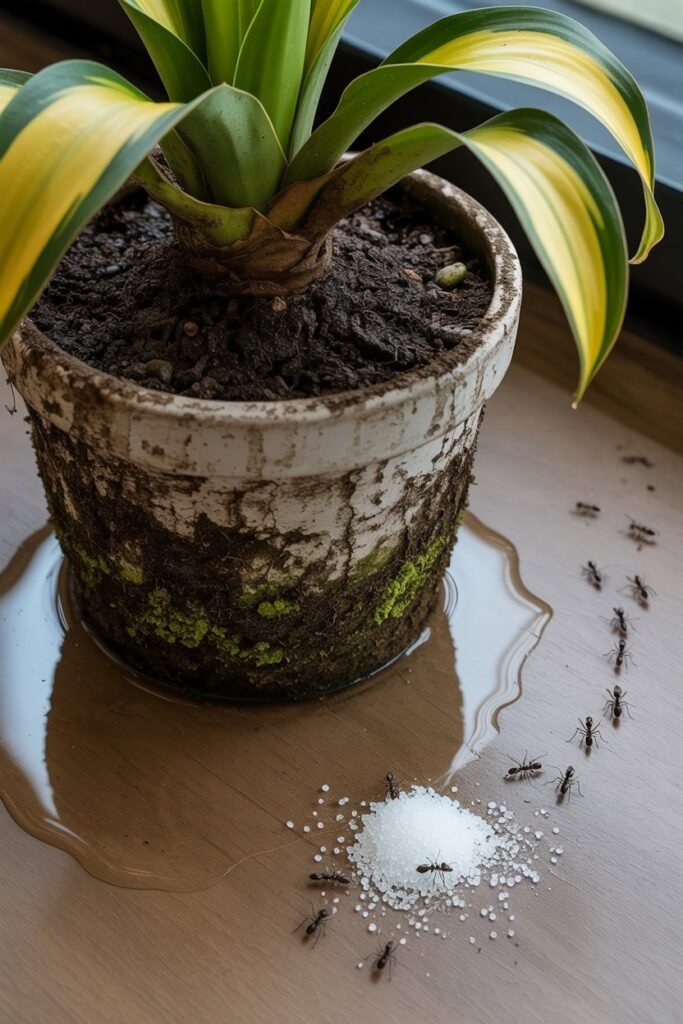
2. Pouring Sugar Directly on Soil
Dry sugar sprinkled heavily onto soil may attract ants and insects.
Always dilute sugar in water first.
3. Using Sugar Instead of Fertilizer Completely
Plants still need nutrients.
Sugar should support healthy soil, not replace proper plant nutrition entirely.
4. Feeding Sick Plants Repeatedly
If a plant is diseased, sugar alone will not fix the issue.
Always identify:
- Pests
- Root rot
- Poor drainage
- Nutrient deficiencies
before adding anything to the soil.
Can Sugar Attract Pests?
Yes, it can.
Improper sugar use may attract:
- Ants
- Gnats
- Fruit flies
- Mold
To avoid this:
- Use diluted mixtures only
- Avoid overwatering
- Apply directly to soil
- Never leave sugary residue on leaves
The Best Alternative: Molasses
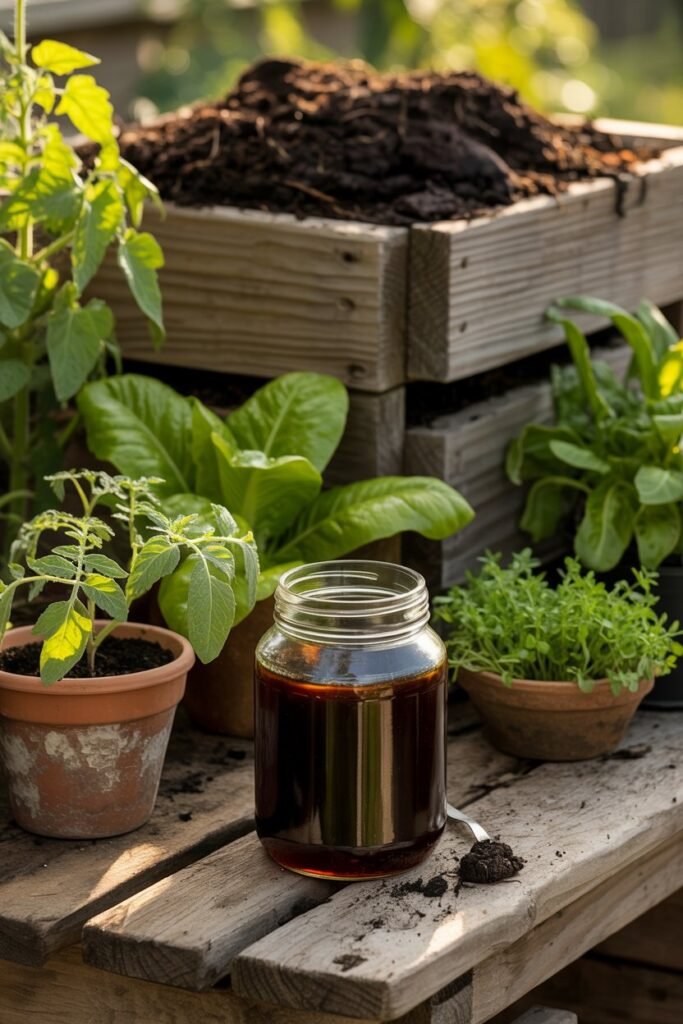
Many organic gardeners prefer molasses because it offers more than simple sugar.
Benefits of Molasses:
- Feeds microbes
- Adds trace minerals
- Supports compost
- Encourages healthy soil biology
Simple Molasses Mix:
- 1 tablespoon unsulfured molasses
- 1 gallon water
Use once monthly for most garden plants.
Sugar for Compost Piles
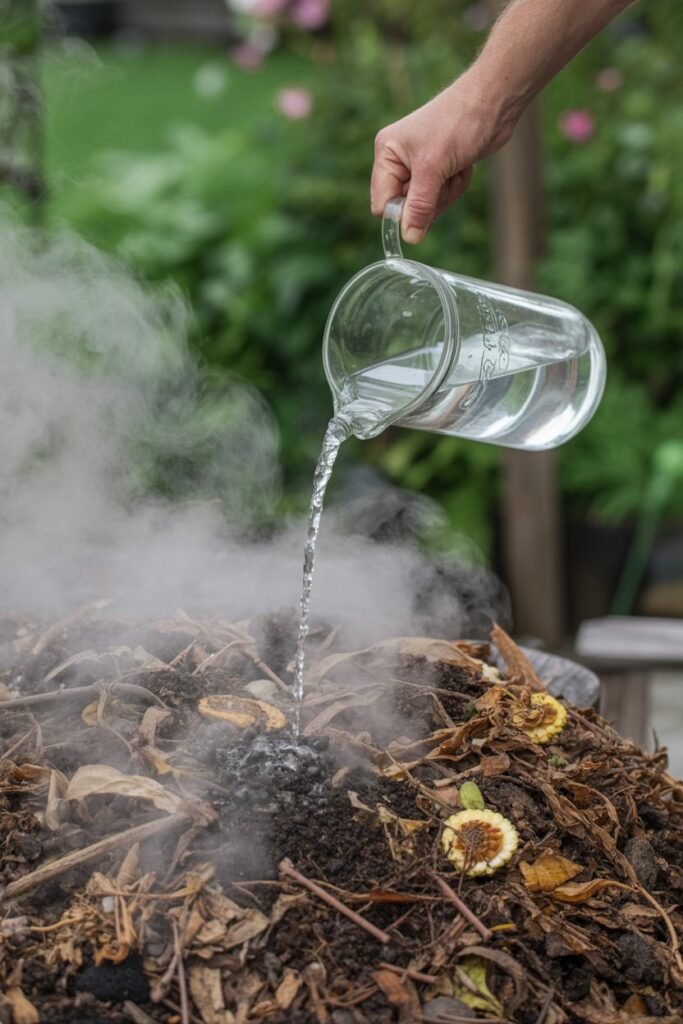
Compost piles depend on microbial activity to break down materials.
Adding a little sugar can jumpstart decomposition.
How to Use It:
- Dissolve 1 tablespoon sugar in water
- Pour lightly over compost pile
- Mix thoroughly
Do not overdo it.
Too much sugar may create odor problems.
Sugar Water for Cut Flowers

One of the most effective uses for sugar is extending the life of cut flowers.
Florists often add sugar to flower water because it helps nourish blooms after cutting.
Homemade Flower Food Recipe
Ingredients:
- 1 tablespoon sugar
- 2 tablespoons lemon juice
- 1 quart water
This helps:
- Feed blooms
- Reduce bacteria
- Keep arrangements fresh longer
Organic Gardening and Soil Health
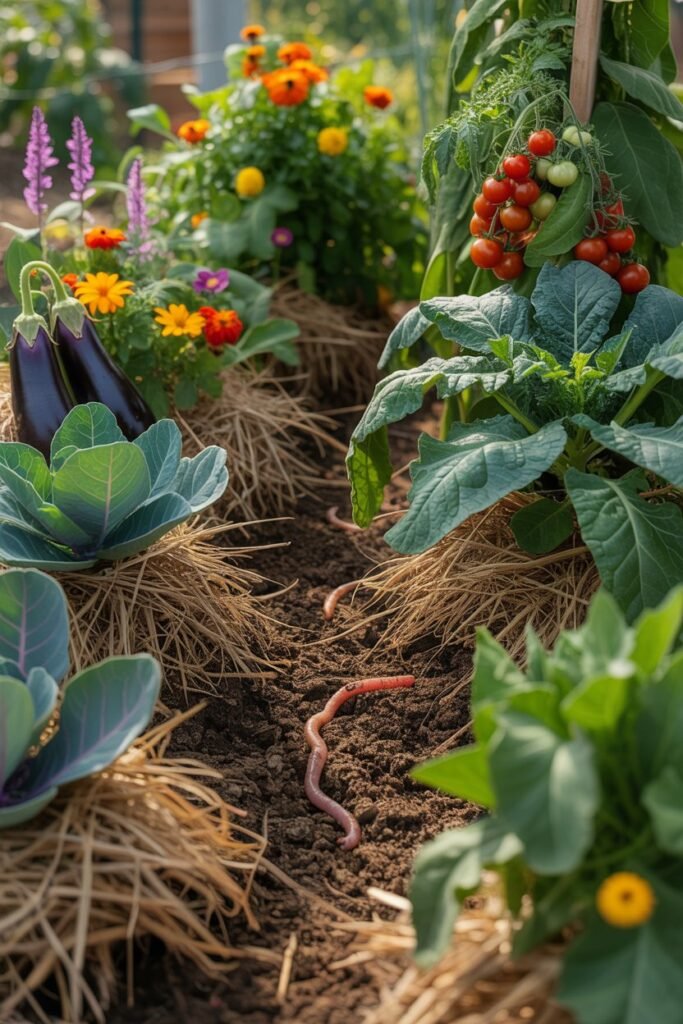
Modern gardening is slowly shifting away from heavy chemical dependence and moving toward healthier soil ecosystems.
Healthy soil contains:
- Organic matter
- Beneficial fungi
- Earthworms
- Bacteria
- Natural nutrient cycles
Sugar fits into this philosophy because it supports microbial life rather than forcing rapid synthetic growth.
Still, balance matters.
The healthiest gardens combine:
- Compost
- Mulch
- Proper watering
- Organic matter
- Moderate feeding
- Healthy soil biology
Signs Your Plants Need Better Soil, Not More Fertilizer
Sometimes gardeners mistake poor soil health for nutrient deficiency.
Signs of unhealthy soil:
- Water drains poorly
- Soil feels compacted
- Plants stay weak despite fertilizer
- Earthworms are absent
- Soil smells sour
Improving soil biology may help more than simply adding extra fertilizer.
Natural Ways to Improve Soil Besides Sugar
Sugar is only one tool.
Other excellent soil boosters include:
Compost
Adds nutrients and organic matter naturally.
Worm Castings
Rich in beneficial microbes and gentle nutrients.
Mulch
Protects soil moisture and encourages microbial life.
Compost Tea
A liquid microbial booster for garden beds.
Seaweed Fertilizer
Provides trace minerals and supports root growth.
Is Sugar Better Than Fertilizer?
Not exactly.
Sugar is best viewed as a supplement, not a replacement.
Fertilizer provides:
- Essential nutrients
Sugar provides:
- Microbial support
Healthy gardening usually requires both good nutrition and healthy living soil.
My Favorite Way to Use Sugar in the Garden
Personally, I love using diluted molasses water during transplant season.
Whenever I move seedlings outdoors, I give them:
- Deep watering
- Mulch
- A tiny molasses boost
The difference in recovery is often noticeable within days.
Plants seem less stressed and settle into the garden faster.
It has become one of those old-fashioned gardening tricks I continue returning to every single season.
Final Thoughts
Gardening often teaches us that simple solutions can sometimes work surprisingly well. Sugar is not a miracle cure, and it certainly will not replace proper plant care, but when used thoughtfully, it can support healthier soil and stronger plants naturally.
The real secret is balance.
Too much fertilizer can overwhelm plants, damage roots, and weaken soil health over time. A gentle approach that focuses on feeding the soil ecosystem often creates healthier gardens in the long run.
If you are curious, try experimenting with a small batch of sugar water on a few plants and observe how they respond. Every garden behaves a little differently, and part of the joy of gardening comes from discovering what truly helps your plants thrive.
Sometimes the best garden tricks are already sitting quietly in your kitchen cabinet.
