
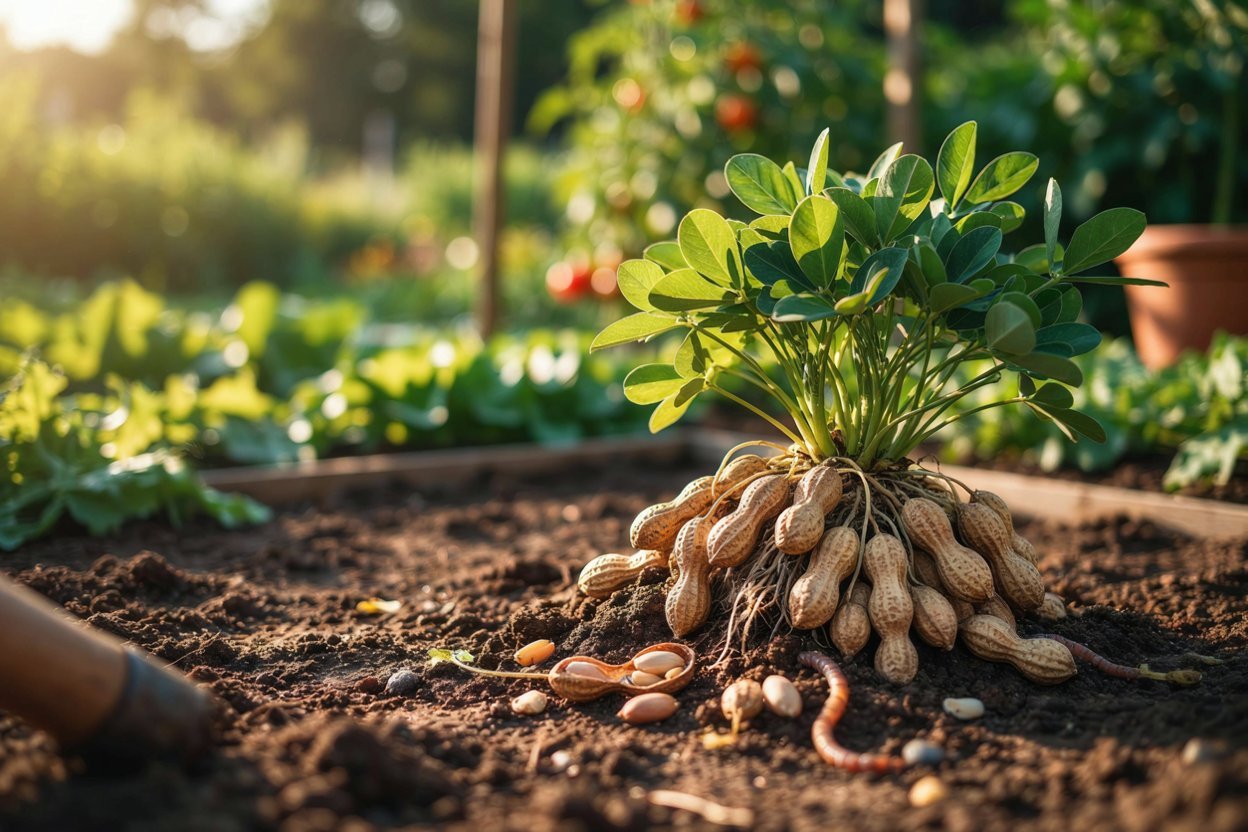

Growing peanuts at home is one of those gardening projects that feels a little like magic.
I still remember the first time I pulled a peanut plant from the soil and realized the real harvest was hiding underground.
After watching the plants flower, peg into the soil, and slowly develop their pods, I became hooked.
Peanuts are surprisingly easy to grow when you give them loose soil, plenty of sunshine, consistent moisture, and enough room to spread.
With the right variety and good growing conditions, a single healthy plant can produce a generous handful of peanuts and sometimes 100 or more individual nuts.
Why Grow Peanuts at Home?

Peanuts are a fun crop for gardeners because the part you harvest develops beneath the soil. Unlike tomatoes, peppers, or beans, you cannot see the developing pods getting larger as the season progresses.
Peanuts are actually legumes, related to beans and peas. However, they have a fascinating growing habit.
The plant flowers above the soil, and after pollination, small stems called pegs grow downward and push into the soil. The peanut pods then develop underground at the ends of those pegs.
Growing them yourself also gives you control over the growing conditions. You can choose a sunny garden bed, raised bed, large container, or even a grow bag as long as the soil is loose enough for the pegs to enter easily.
And when harvest time finally arrives, pulling up a mature peanut plant and discovering all those pods underneath is incredibly satisfying.
Read How to Grow Avocado From Seed (A Complete Step-by-Step Guide)
How Many Peanuts Can One Plant Produce?
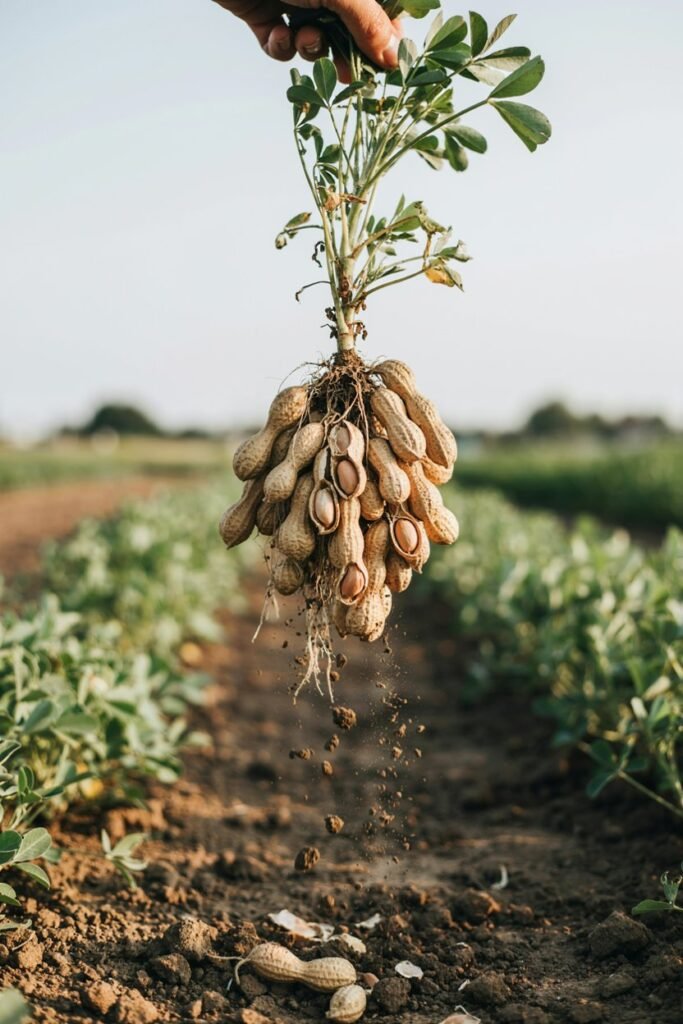
The phrase “100+ nuts per plant” can be an exciting gardening goal, but it is important to understand what that number means.
A peanut plant can produce many individual peanuts under good growing conditions, but the actual harvest varies considerably depending on:
- Peanut variety
- Length of the growing season
- Soil quality
- Sunlight
- Water availability
- Plant spacing
- Temperature
- Pest and disease pressure
- Pollination and peg development
- Harvest timing
Some plants will produce fewer peanuts, while vigorous plants in ideal conditions can produce a surprisingly large number.
If your goal is to maximize the number of peanuts per plant, focus less on chasing a specific number and more on giving every plant the conditions it needs to produce as many healthy pods as possible.
Read Grow Your Own Chocolate Tree Indoors (Even In Cold Climates
Choose the Right Peanut Variety

Before planting, choose a variety that fits your climate and available growing season.
Peanuts generally need a long, warm growing season. Depending on the variety, they may need several months of warm weather before they are ready to harvest.
Common peanut types include:
Virginia Peanuts
Virginia types produce large peanuts and are often grown for eating roasted or boiled.
They tend to need a relatively long growing season, so check the days to maturity before planting.
Runner Peanuts
Runner peanuts produce medium-sized peanuts and are widely grown commercially. They can be a good choice when you want plenty of individual kernels.
Spanish Peanuts
Spanish varieties often mature relatively quickly compared with some other types. They are also known for their smaller kernels and reddish skins.
Valencia Peanuts
Valencia peanuts are popular among home gardeners because some varieties mature relatively quickly and can produce several kernels per pod.
For a home garden, look for a variety suited to your local growing season rather than simply choosing the variety with the largest peanuts.
Where Should You Grow Peanuts?

Peanuts need plenty of sunlight.
Choose a location that receives at least 6–8 hours of direct sunlight per day.
A sunny garden bed is ideal, but you can also grow peanuts in:
- Raised beds
- Large containers
- Grow bags
- Deep garden boxes
- Large tubs with drainage holes
The most important thing is that the soil is loose and easy to dig through.
Avoid areas where water regularly collects after rain. Peanut pods develop underground, so constantly wet soil can cause problems with root health and pod development.
The Best Soil for Peanuts

If you want a generous peanut harvest, pay close attention to your soil.
Peanuts prefer loose, well-draining soil that allows the pegs to easily push downward after flowering.
Heavy clay can make growing peanuts more difficult because it becomes hard for the pegs to penetrate the soil.
A good peanut-growing soil should be:
- Loose
- Well-draining
- Moderately fertile
- Free of large stones
- Easy to dig
- Not excessively rich in nitrogen
Sandy or sandy-loam soil is particularly useful because peanut pods can develop more easily in it.
Before planting, loosen the soil to a depth of roughly 12 inches if possible.
Remove rocks, large clumps, roots, and debris that could interfere with pod development.
Read How to Grow Honeyberry Plants: Homestead Survival Guide
Do Peanuts Need Fertilizer?

Peanuts do need nutrients, but they are legumes, so nitrogen management is a little different from growing many other vegetables.
Too much nitrogen can encourage leafy growth instead of helping you get the best possible pod production.
Peanuts particularly benefit from adequate calcium because developing pods need calcium.
A soil test is the best way to determine whether your garden needs additional nutrients.
Instead of automatically adding large amounts of fertilizer, improve your soil with mature compost and use a fertilizer only when your soil or crop needs it.
If calcium is low, address that based on your soil test rather than adding unnecessary amendments.
How to Plant Peanuts

Once your soil has warmed up and the danger of cold weather has passed, you can plant.
Peanuts are warm-season crops and do not perform well in cold soil.
Step 1: Prepare the Soil
Loosen the planting area deeply.
Break apart compacted soil and remove stones and weeds.
The goal is to create a soft growing area where peanut pegs can easily enter the ground.
Step 2: Use Raw Peanuts for Seed
If you are planting peanuts from the grocery store, be careful.
Roasted, salted, cooked, or otherwise processed peanuts will not grow.
Use untreated, raw peanuts intended for planting whenever possible.
Keep the thin papery skin around the peanut intact because removing it can damage the seed.
Step 3: Plant the Seeds
Plant peanuts about 1½–2 inches deep.
Space individual seeds approximately 6–8 inches apart, depending on the variety.
If you’re planting in rows, leave roughly 24–36 inches between rows so the plants have room to spread.
Cover the seeds gently with soil.
Do not pack the soil down heavily.
Step 4: Water Gently
Give the planting area a thorough but gentle watering.
Keep the soil consistently moist while the seeds germinate.
Avoid turning the soil into mud.
Under warm conditions, peanut seeds may begin emerging within about a week or two.
Caring for Peanut Plants

Once your peanuts are growing, the plants are fairly straightforward to maintain.
The biggest priorities are sunlight, water, weed control, and loose soil.
Give Them Plenty of Sun
Peanuts are sun-loving plants.
More sunlight generally means better energy production for the plant.
Choose an open location where surrounding trees or buildings will not shade the plants for most of the day.
Water Consistently
Peanuts need regular moisture, particularly during establishment, flowering, and pod development.
The soil should stay reasonably moist but not constantly saturated.
Water deeply when the upper layer of soil begins drying.
During very hot weather, you may need to water more frequently.
A layer of organic mulch around the plants can help slow moisture loss and reduce competition from weeds.
Keep Weeds Under Control
Weeds compete with peanut plants for:
- Water
- Nutrients
- Sunlight
- Growing space
Keep the planting area relatively weed-free, especially while the plants are young.
Be careful when cultivating around mature peanut plants.
Once peanut pegs begin entering the soil, aggressive digging or hoeing can damage them.
Hand-pulling weeds around the plants is often safer.
The Fascinating Peanut Peg Stage

This is one of my favorite parts of growing peanuts.
After the plant flowers, the flowers eventually produce small structures called pegs.
These pegs grow downward toward the soil.
Once they reach the ground, they push into it.
The peanut pod then develops underground at the end of the peg.
This means that peanuts need accessible soil around the base of the plant.
If the soil is hard, compacted, or covered with a thick layer of material that prevents the pegs from reaching the ground, pod development can suffer.
This is one reason loose soil is so important.
Should You Hill Soil Around Peanut Plants?
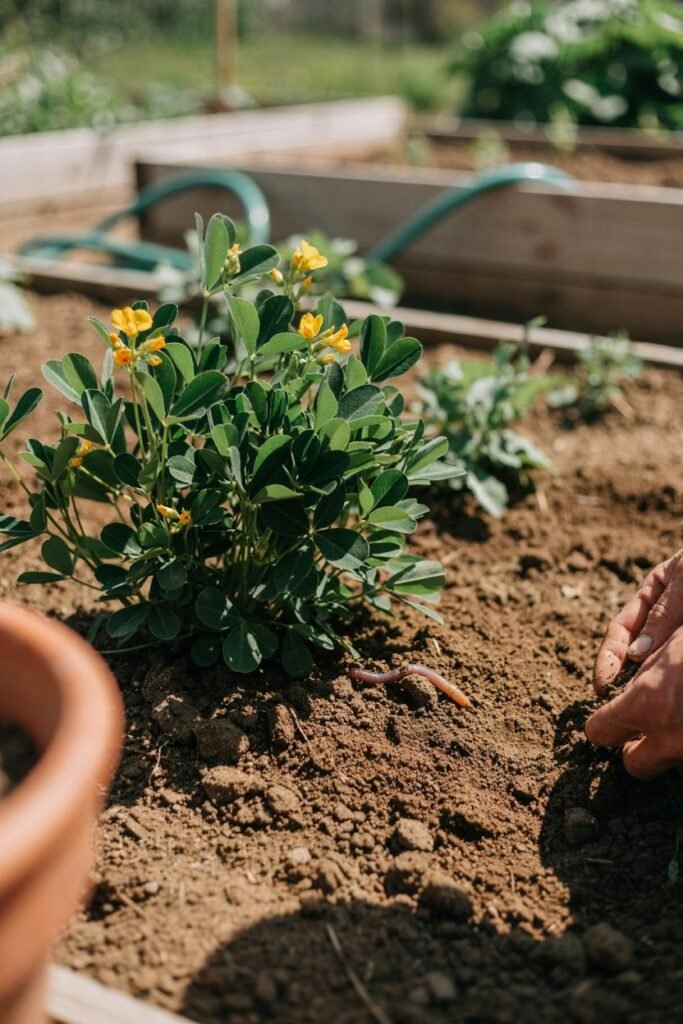
Gently adding loose soil around the base of peanut plants can sometimes help provide additional soft soil for pegs to enter.
However, don’t bury the entire plant.
The goal is simply to maintain loose, accessible soil around the flowering zone.
Avoid disturbing existing pegs once they have entered the ground.
How to Encourage More Peanuts Per Plant
If you’re aiming for a large harvest, focus on the basics.
1. Start With Quality Seed
Healthy seed gives your plants a better beginning.
2. Plant in Warm Soil
Cold soil can slow germination and growth.
3. Give Plants Plenty of Sun
Peanuts need strong sunlight throughout the growing season.
4. Keep Soil Loose
Loose soil makes it easier for pegs to penetrate.
5. Avoid Excess Nitrogen
You want healthy plants without encouraging excessive leaf growth at the expense of reproductive development.
6. Provide Consistent Moisture
Drought stress can interfere with growth and pod development.
7. Control Weeds
Reduce competition during the growing season.
8. Protect the Plants
Watch for insects, disease, and animals that may damage the plants or developing pods.
9. Don’t Harvest Too Early
Allow the pods enough time to mature underground.
10. Choose a Variety Suited to Your Climate
A variety that can complete its life cycle in your growing season is much more useful than one that requires a longer season than you have available.
Growing Peanuts in Containers
You don’t need a traditional garden to grow peanuts.
A large container can work surprisingly well.
Choose a container that is:
- At least 12 inches deep
- Wide enough for the plant to spread
- Equipped with drainage holes
- Filled with loose, well-draining growing medium
A wider container is especially useful because peanut plants spread outward.
Avoid small pots that restrict the roots and make it difficult for flowering pegs to reach suitable soil.
You can also use a large grow bag or tub.
If using a container, remember that potting mix dries out faster than garden soil, so monitor moisture carefully during hot weather.
Common Peanut Growing Problems
Yellow Leaves
Yellow foliage can have several causes, including watering problems, nutrient issues, root stress, or natural aging.
Check the soil before adding fertilizer.
Poor Pod Development
Poor pod development can occur when plants are stressed, soil is compacted, conditions are unsuitable, or the crop doesn’t have enough time to mature.
Check whether the soil is loose and whether the plants are receiving enough sunlight and moisture.
Plants Look Healthy but Produce Few Peanuts
A large leafy plant does not automatically mean a large peanut harvest.
Excess nitrogen, poor growing conditions, insufficient sunlight, or unsuitable temperatures can affect pod production.
Waterlogged Soil
Peanuts do not appreciate constantly saturated soil.
Improve drainage if water sits around the plants.
Peanut Pests to Watch For
Like any garden crop, peanuts can attract pests.
Depending on where you live, watch for:
- Aphids
- Caterpillars
- Cutworms
- Thrips
- Spider mites
- Other chewing or sap-sucking insects
Inspect plants regularly rather than waiting until serious damage appears.
Look underneath leaves and around new growth.
Also keep an eye out for animals that may dig around peanut plants looking for developing pods.
Healthy plants with good airflow and appropriate watering are generally better equipped to handle minor pest pressure.
When Are Peanuts Ready to Harvest?
Knowing when to harvest is one of the most important parts of growing peanuts.
Peanuts generally need several months of warm growing weather.
As the plant approaches maturity, the leaves may begin turning yellow.
You can carefully check a few pods before harvesting the entire crop.
Dig gently around the edge of the plant and examine the pods.
Mature peanuts should have developed shells and kernels appropriate for the variety.
Don’t rely only on the calendar.
Growing conditions can speed up or slow down maturity.
How to Harvest Peanuts
When the peanuts appear mature, loosen the soil around the plant with a garden fork.
Avoid driving the fork directly into the base because you don’t want to slice through the pods.
Lift the entire plant carefully.
Shake or brush away loose soil.
You should see clusters of peanut pods attached to the roots and pegs.
This is always one of the most rewarding moments of the entire process.
How to Cure Fresh Peanuts
Freshly harvested peanuts contain considerable moisture and need to be properly dried before long-term storage.
After harvesting, allow the plants and pods to dry in a warm, dry, well-ventilated location.
Keep them protected from rain and excessive humidity.
Good airflow is important.
Once the pods are thoroughly dry, remove them from the plants and continue drying if necessary.
Proper drying reduces the chance of spoilage during storage.
How to Store Homegrown Peanuts
Once completely dry, store peanuts in a cool, dry place.
For longer storage, many gardeners prefer keeping shelled or unshelled peanuts in airtight containers under suitable conditions.
If you notice mold, unusual odors, or signs of spoilage, discard affected peanuts.
Never consume peanuts that appear moldy or improperly stored.
Can You Save Peanuts for Next Year’s Crop?
Yes, you can save suitable peanuts for planting the following season.
Choose healthy, mature, undamaged pods from productive plants.
Keep them dry and protected until planting time.
Do not roast or process the peanuts you intend to use as seed.
Also remember that saved seed may not always produce plants identical to the parent if you grew a variety that can cross-pollinate with another variety nearby.
Final Thoughts
Growing peanuts is such a rewarding project because the harvest stays hidden until the very end.
Watching the plants flower and send their little pegs into the soil gives you a fascinating glimpse into how this unusual crop develops.
If you want the best chance of harvesting a large number of peanuts from each plant, concentrate on the things you can control: warm weather, plenty of sunlight, loose soil, steady moisture, good weed management, and a peanut variety suited to your growing season.
With patience and good care, even a small garden can give you a surprisingly generous peanut harvest.
