


I love the little surprises that make a garden feel truly alive, and seeing a dragonfly gliding over my plants is one of my favorites. These beautiful insects are more than just lovely visitors, too.
Dragonflies are predators that spend their adult lives hunting other insects, making them welcome guests in a garden where I want to encourage natural pest control.
If you would like to see more dragonflies around your yard, you do not need a complicated setup.
A little water, the right plants, sunny resting spots, and fewer harsh pesticides can make your garden much more inviting. Here are some simple ways to create a space where dragonflies can visit, hunt, and potentially reproduce.
Why Attract Dragonflies to Your Garden?

Dragonflies are fascinating predators. As adults, they spend much of their time flying around open areas and catching insects in the air.
That makes them interesting allies for gardeners who want to encourage natural insect predators instead of relying entirely on chemical treatments.
I would not think of dragonflies as a magic solution for every garden pest, though.
They are most useful as part of a larger approach that includes healthy plants, habitat for beneficial insects, good garden hygiene, and careful pest management.
Creating a garden that supports natural enemies can help build a healthier ecosystem overall.
Extension guidance also recommends reducing unnecessary broad-spectrum pesticide use because these products can harm beneficial insects and other natural enemies.
1. Add a Small Garden Pond
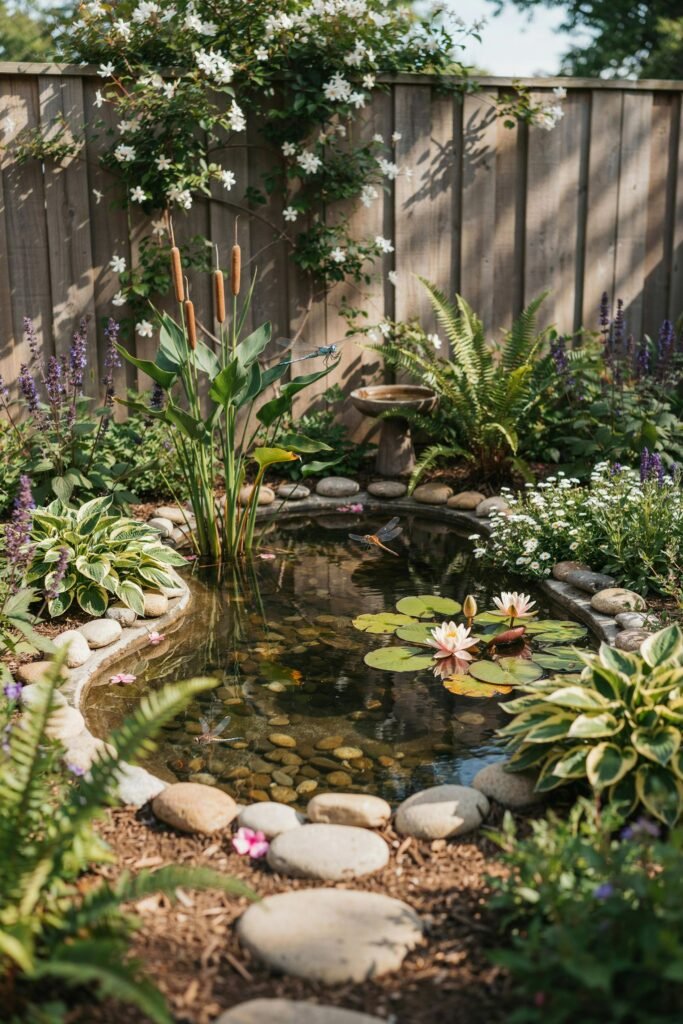
If I wanted to make one major change to attract dragonflies, I would start with water.
Dragonflies spend an important part of their life cycle in water. Their young, called nymphs, live underwater before eventually emerging and becoming adults.
You do not necessarily need a huge pond. Even a small backyard pond can provide useful habitat if it is designed with wildlife in mind.
You could use:
- A small preformed pond
- A half barrel or large container
- A shallow wildlife pond
- A lined garden pond
- A natural pond if you already have one
Try to create different depths rather than making the entire pond one uniform depth. Aquatic plants and some shallow areas can make the space more useful to wildlife.
Before adding anything, make sure the pond is appropriate for your climate and that it can be maintained safely.
Read 11 Flowers to Attract Dragonflies to Your Garden (And Why You’ll Love Having Them Around)
2. Grow Aquatic Plants Around the Water

A pond becomes much more attractive to wildlife when you add suitable aquatic and marginal plants.
Plants around the edges can provide places for dragonflies to perch and can make the pond feel more natural.
Depending on your climate, consider plants such as:
- Rushes
- Sedges
- Water lilies
- Pickerelweed
- Native aquatic plants
- Other locally appropriate pond-edge plants
The exact plants that work best will depend on where you live, so I prefer choosing species that naturally perform well in my region rather than trying to force a plant into conditions it does not like.
Avoid filling every inch of the pond with plants, though. Leave some open water where dragonflies can fly and hunt.
3. Give Dragonflies Sunny Places to Perch

Dragonflies love sunny areas.
When I picture a dragonfly-friendly garden, I imagine a pond surrounded by plants with a few open, sunny spots where these insects can land and warm themselves.
You can provide simple perching locations with:
- Thin branches
- Reeds
- Tall stems
- Sticks placed near the pond
- Garden plants with sturdy upright stems
You do not need to make the garden look artificial. A few natural stems and branches can be enough.
Place some perches where they receive plenty of sunlight and have a clear view over the surrounding garden.
4. Choose Plants That Support a Lively Garden

Dragonflies are predators, so planting flowers does not necessarily attract them because they are looking for flower nectar.
Instead, a diverse garden can help create a richer food web by supporting many kinds of insects.
I like mixing flowering plants, native plants, grasses, shrubs, and plants suited to the local environment. A garden with different layers and blooming periods can provide habitat for a wider range of wildlife.
Some plants you might consider include:
- Yarrow
- Coneflowers
- Black-eyed Susans
- Goldenrod
- Native grasses
- Sedges
- Joe-Pye weed
- Native shrubs
Choose plants based on your local growing conditions rather than simply buying everything on a list.
A diverse garden can also provide habitat for other beneficial predators such as lady beetles, lacewings, spiders, and ground beetles.
Read Koi Pond Design: 8 Steps to Get It Right the First Time
5. Avoid Broad-Spectrum Pesticides Whenever Possible

This is one of the most important changes you can make.
It can be tempting to reach for a pesticide as soon as I see holes in a leaf or a few insects on a plant. But not every insect in the garden is harmful, and broad-spectrum pesticides can affect beneficial insects along with unwanted pests.
Instead, identify the insect first.
Ask yourself:
- What insect am I looking at?
- Is it actually damaging my plant?
- How much damage is occurring?
- Can I remove the insects by hand?
- Can I wash them off with water?
- Can I simply tolerate a small amount of damage?
Extension guidance recommends identifying pests before treatment and using less disruptive approaches when possible.
This approach also gives beneficial insects a better chance of staying in your garden.
6. Keep Some Open Space Around Your Pond

Dragonflies need room to fly.
A pond surrounded by a completely dense wall of vegetation may not provide the open hunting space they prefer.
I like the idea of combining dense planting in some areas with open spaces in others.
You could have:
Dense planting → pond edge → open water → sunny garden space
This creates different habitat zones instead of turning the entire area into one thick planting bed.
Open areas can also make it easier for you to enjoy watching the dragonflies as they fly across the garden.
7. Provide Different Water Depths
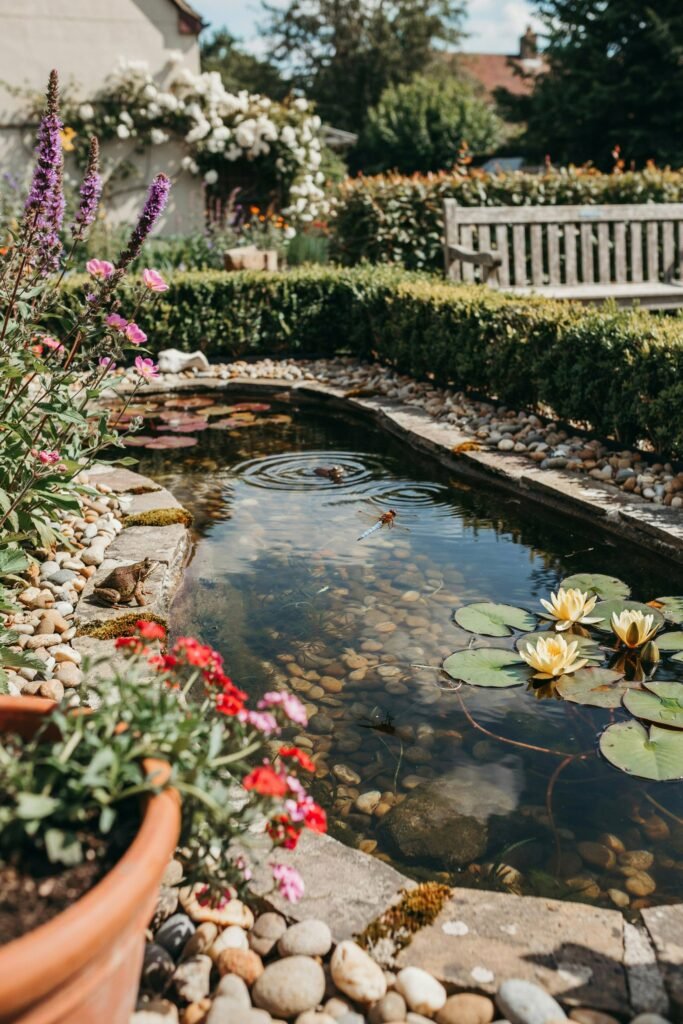
A wildlife-friendly pond does not have to be a simple bowl of water.
Different depths can create different conditions for aquatic life.
A shallow shelf can support marginal plants, while deeper sections provide additional underwater habitat.
If you are building a pond specifically for wildlife, research the pond depth and aquatic plants appropriate for your climate before digging.
And if you live somewhere very hot, remember that shallow water can warm and evaporate quickly. Regularly check your pond and maintain it according to the needs of the plants and wildlife living there.
8. Let Your Garden Be a Little Less Perfect

This is something I have learned to appreciate about gardening.
A perfectly manicured yard may look beautiful, but wildlife often benefits from a little variety.
A few natural stems, grasses, fallen leaves, shrubs, and slightly untidy corners can create hiding places and habitat for insects.
That does not mean allowing the entire garden to become neglected. Instead, consider leaving a small wildlife-friendly section where you do not constantly cut, spray, or clean everything.
That little patch can become surprisingly active.
Read Butterfly Puddling Area: How to Create One in Your Garden
9. Keep the Water Clean Without Making It Sterile
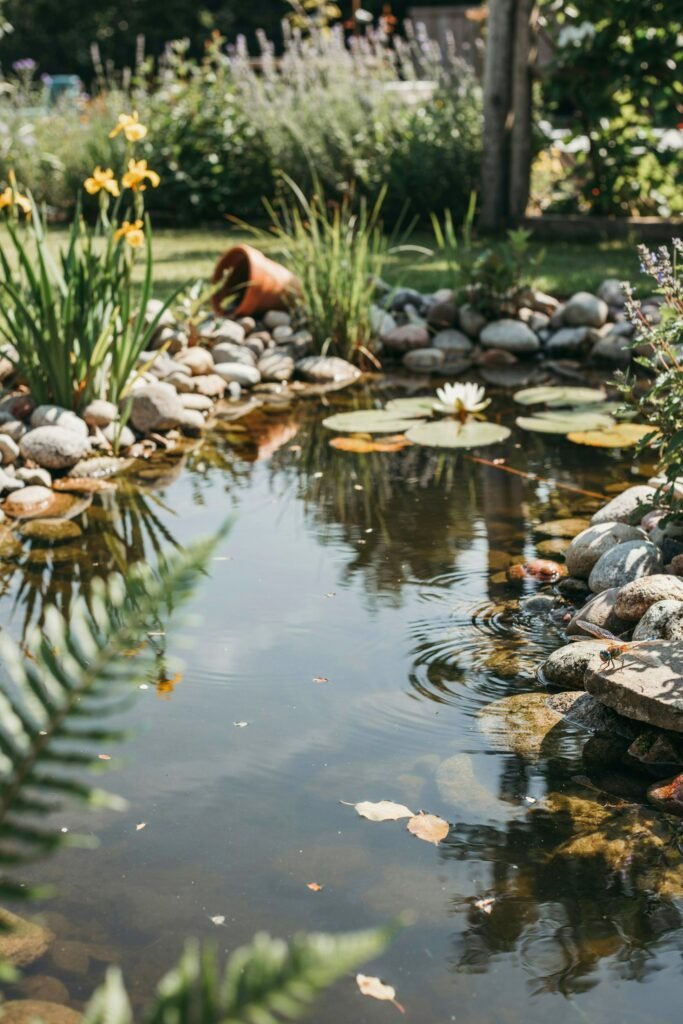
A dragonfly pond needs care, but you do not want to treat it like a swimming pool.
Avoid turning the pond into a chemically treated water feature if your goal is to create wildlife habitat.
Instead, focus on maintaining a healthy balance of plants, open water, and organic material.
Remove excessive debris when necessary, prevent unwanted buildup, and keep an eye on water quality.
Also be careful with anything that could run into the pond. Pesticides can move into water through runoff and spray drift, potentially affecting aquatic organisms.
10. Give Dragonflies Time to Find Your Garden

One mistake I would avoid is expecting dragonflies to appear immediately.
Creating habitat does not guarantee that dragonflies will move in overnight.
If suitable habitat already exists nearby, you may start noticing them fairly quickly. In other situations, it may take longer.
The important thing is to create conditions that make your garden useful rather than trying to force wildlife to appear.
Once the habitat improves, keep watching.
You may eventually notice different types of dragonflies visiting at different times of the year.
11. Add Rocks, Sticks, and Natural Perches

Simple materials can be surprisingly useful.
Flat rocks around the edge of a pond can provide sunny resting spots, while sticks and upright stems give dragonflies places to land.
I especially like this idea because it costs almost nothing.
You can use natural branches from your garden or arrange a few stones around the pond edge. Just make sure everything is stable and positioned safely.
A few carefully placed perches can make your pond look more natural while creating useful habitat.
12. Skip the Idea of a Completely Pest-Free Garden
This may sound strange when the goal is pest control, but a completely insect-free garden is not what I aim for.
Beneficial predators need prey.
If I remove every insect from the garden, I also remove part of the food web that supports predators.
Instead, I try to keep pest populations at manageable levels while allowing beneficial insects to do some of the work.
This is one reason integrated pest management focuses on identifying pests, monitoring them, and choosing appropriate control methods rather than automatically spraying everything. Extension resources also note that natural enemies can contribute to controlling unwanted insects.
How to Make a Simple Dragonfly-Friendly Garden
If you have limited space, you can still try a small setup.
Start with a container or small pond.
Then add a few suitable aquatic plants, some upright stems, a couple of sunny perches, and nearby flowering plants that support a variety of insects.
Keep the area free from unnecessary broad-spectrum pesticide applications.
That is really the heart of it.
You do not need an elaborate wildlife garden to get started.
A Simple Dragonfly Garden Checklist
- Add a small pond or suitable water feature.
- Include aquatic or pond-edge plants.
- Leave some open water.
- Provide sunny rocks, sticks, or stems for perching.
- Grow a diverse selection of garden plants.
- Avoid unnecessary broad-spectrum pesticides.
- Identify pests before treating them.
- Keep a small wildlife-friendly area.
- Maintain healthy pond water.
- Give dragonflies time to discover the habitat.
Final Thoughts
I think one of the sweetest things about gardening is realizing that we do not have to do everything ourselves. When we create the right conditions, nature can become part of the gardening process.
A small pond, a few plants, some sunny perches, and a little patience can turn an ordinary corner of the yard into a much more interesting place for wildlife.
Dragonflies will not solve every pest problem, and I would never rely on them alone. But encouraging them alongside other beneficial insects can help create a more balanced garden ecosystem.
So, if you have been looking for a natural way to make your garden more welcoming to dragonflies, start small. Give them water, habitat, sunlight, and a garden where beneficial insects have a chance to thrive.
Then keep an eye out.
That first dragonfly gliding over your pond might just become one of your favorite garden visitors.
