
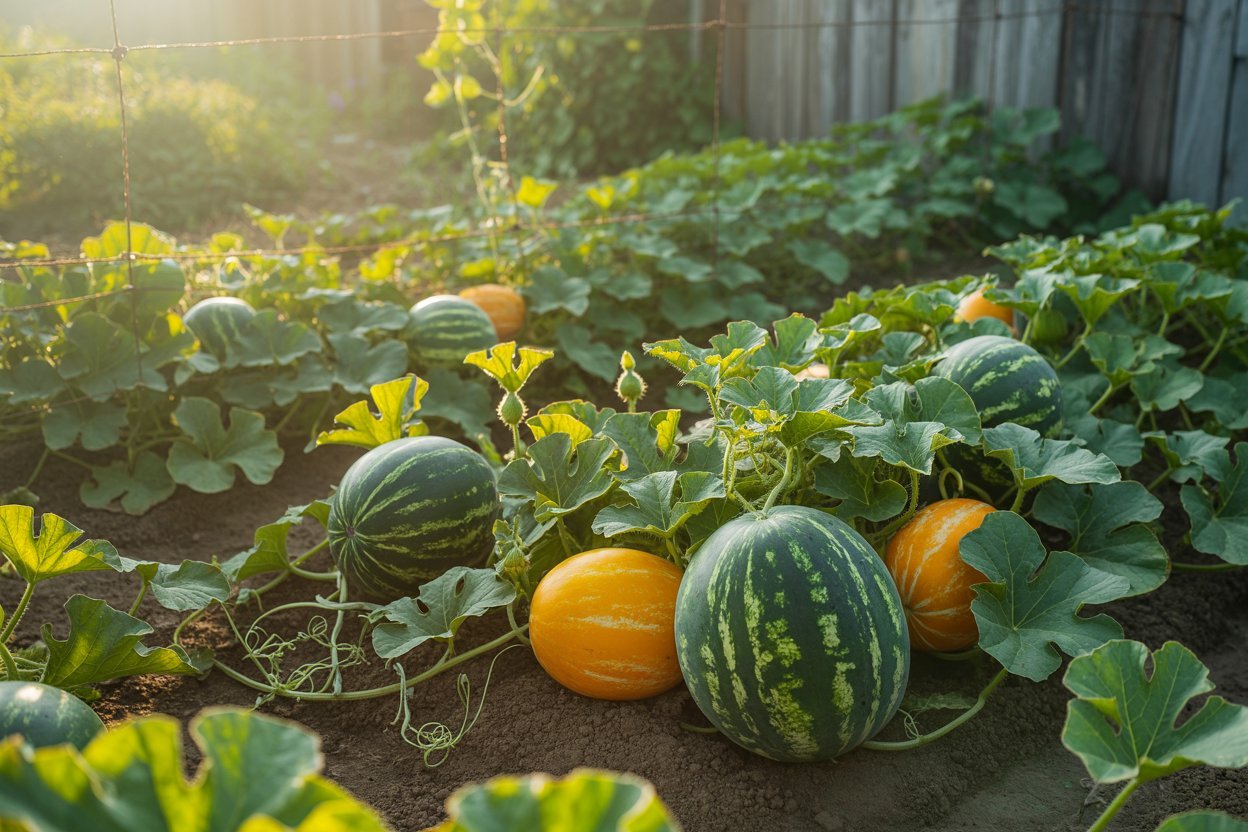

Few garden rewards feel as satisfying as cutting open a homegrown melon picked at perfect ripeness. The fragrance alone tells you something special is about to happen.
Whether you love juicy watermelon on hot afternoons, fragrant cantaloupe for breakfast, or honeydew sliced fresh from the vine, growing melons at home can be one of the most enjoyable parts of gardening.
Melons thrive in warm weather, rich soil, sunshine, and a little patience. They do ask for more space and attention than some crops, but the payoff is worth it.
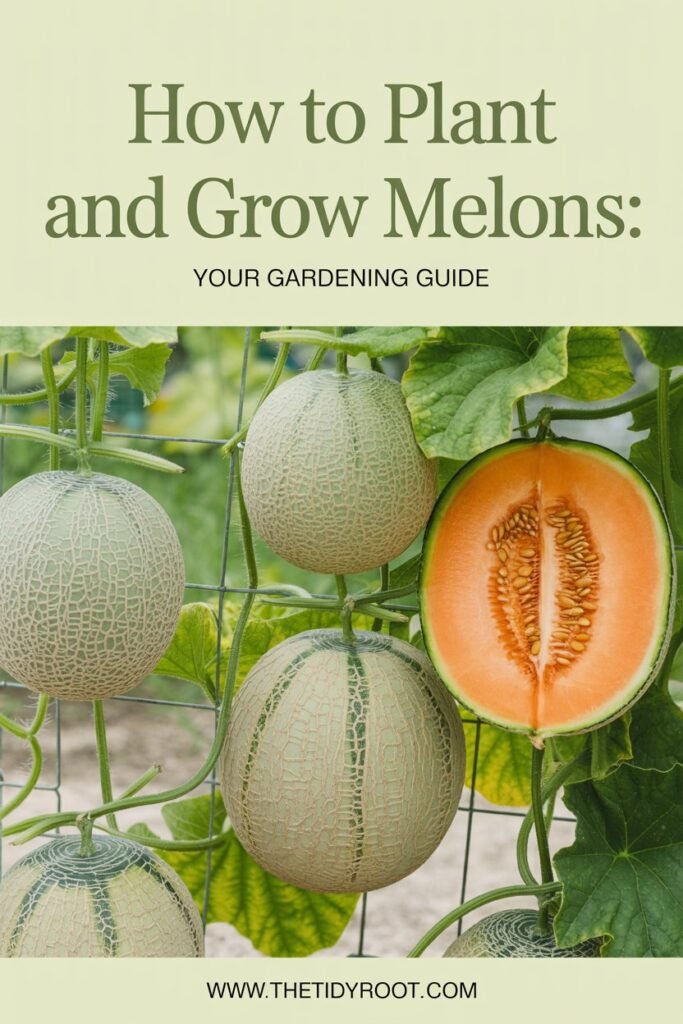
Store-bought melons are often harvested early so they can survive shipping, which means flavor can never fully develop the same way it does on the vine. When you grow your own, you can harvest at peak sweetness and texture.
This complete guide will walk you through everything you need to know about planting and growing melons successfully.
From choosing varieties and preparing soil to watering, feeding, pollination, pest control, harvesting, and troubleshooting, you’ll have a reliable roadmap for a productive melon patch.
Shop my amazon essentials
- Melon Seeds
- Garden Trowel
- Compost
- Watering Can
- Garden Hose
- Mulch
- Plant Labels
- Garden Gloves
- Trellis or Plant Support
- Organic Fertilizer
Why Grow Melons at Home?
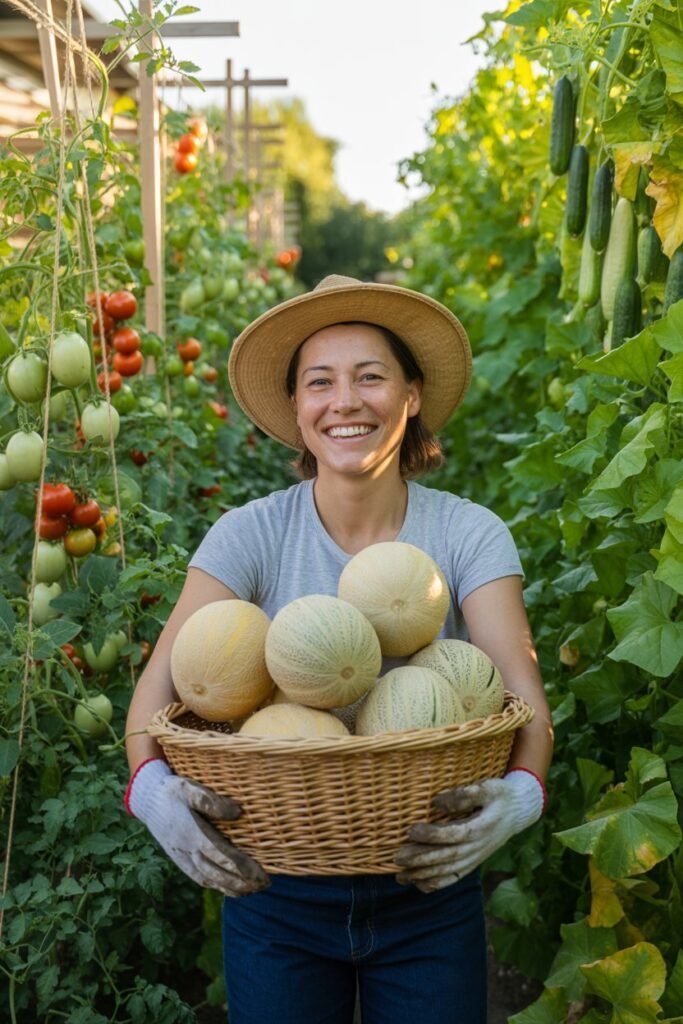
Growing melons offers benefits beyond the harvest basket.
Better Flavor
Vine-ripened melons are sweeter, juicier, and more aromatic than many store-bought options.
More Variety
Garden centers and seed catalogs offer unique melon varieties you may never see in grocery stores.
Freshness
You can harvest when fruit is perfectly ripe instead of buying fruit picked early.
Family-Friendly Gardening
Melons are exciting crops for children and beginners because watching fruits swell on the vine feels rewarding.
Great Value
A packet of seeds can produce many pounds of fruit for a small cost.
Read 15 Foods That Regrow With Water: Easy Kitchen Scraps You Can Grow Again
Types of Melons You Can Grow
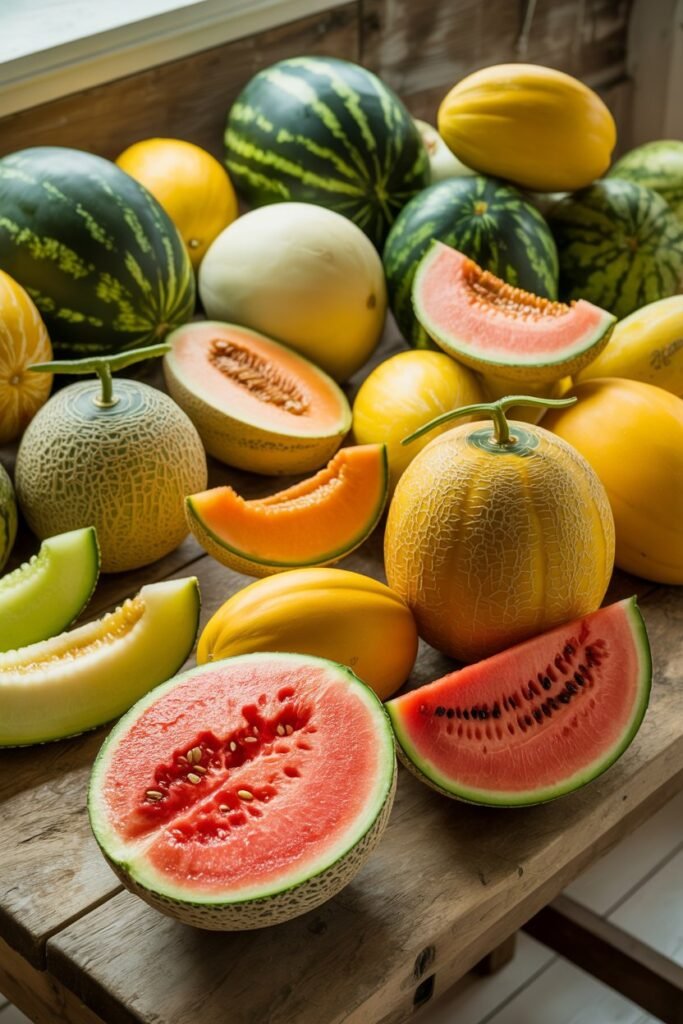
The word melon covers several different crops. Choosing the right type for your climate and space matters.
Watermelon
Large, refreshing fruits with crisp flesh. Some varieties need long summers, but smaller and early types suit many gardens.
Popular options:
- Sugar Baby
- Crimson Sweet
- Charleston Gray
- Blacktail Mountain
Cantaloupe / Muskmelon
Sweet orange flesh with a netted rind and rich aroma.
Popular options:
- Hale’s Best
- Ambrosia
- Minnesota Midget
- Athena
Honeydew
Smooth rind with pale green flesh and mild sweetness.
Popular options:
- Green Flesh Honeydew
- Orange Flesh Honeydew
Specialty Melons
Try unusual types like:
- Canary melon
- Galia melon
- Charentais
- Asian melons
Best Climate for Growing Melons
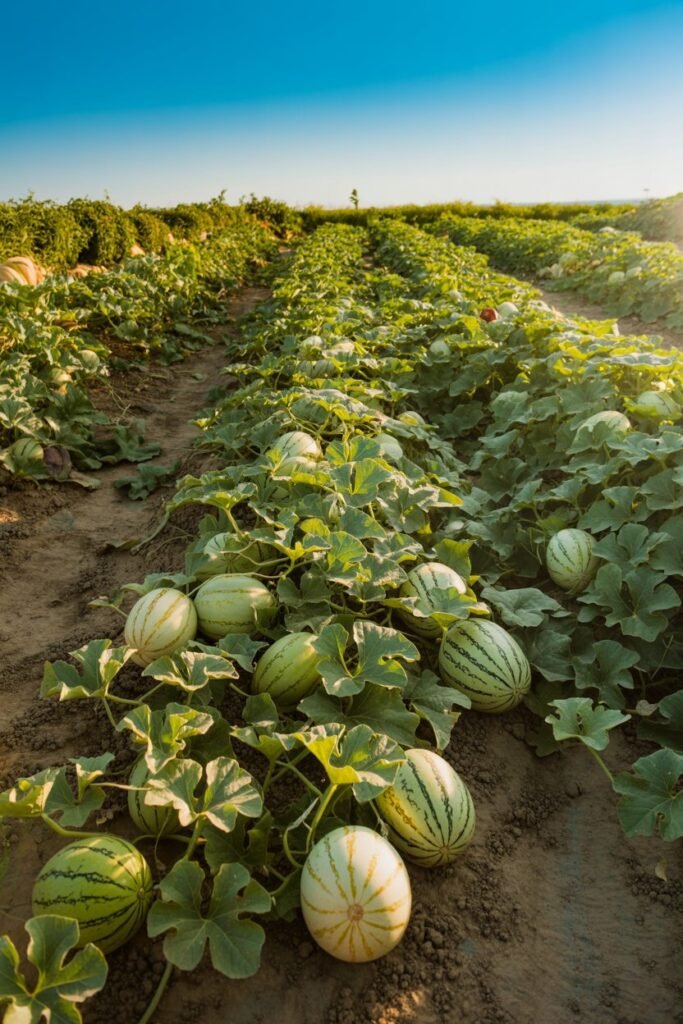
Melons love warmth. They perform best in:
- Day temperatures between 70°F and 90°F
- Warm soil above 70°F
- Full sun for at least 8 hours daily
- Low to moderate humidity with good airflow
Cold weather slows growth quickly. Frost can kill plants, so wait until danger of frost has passed before planting outdoors.
If your growing season is short, choose early-maturing varieties or start seeds indoors.
When to Plant Melons
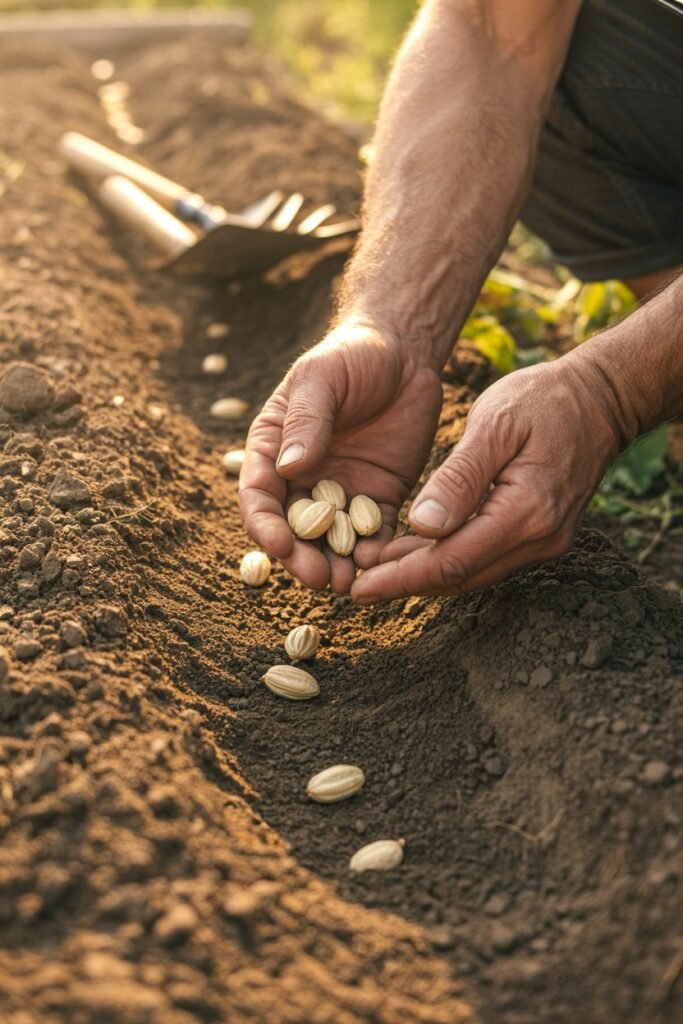
Timing is one of the biggest keys to success.
In Warm Regions
Plant outdoors in spring once soil warms.
In Cooler Regions
Wait until nights stay mild and soil is warm. Use black plastic mulch or row covers to warm soil faster.
Starting Indoors
Start seeds indoors 2 to 4 weeks before transplanting if your season is short. Avoid starting too early because melon roots dislike being cramped.
Choosing the Best Location
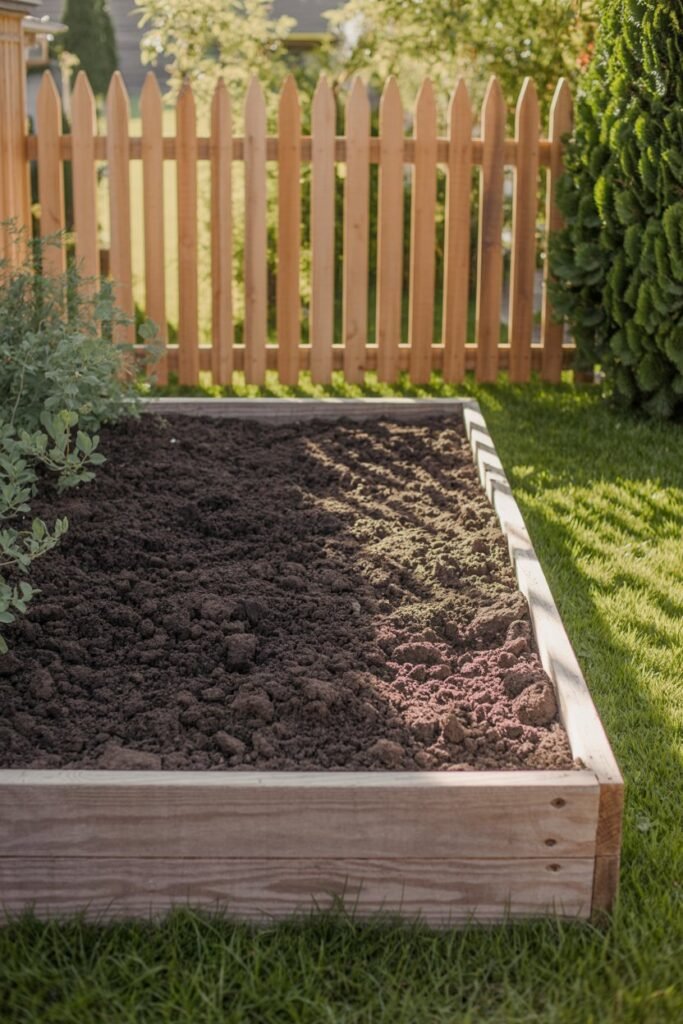
Melons need the warmest, sunniest spot in the garden.
Look for:
- Full sun all day
- Well-drained soil
- Good air movement
- Plenty of room for vines
- Easy access to water
Avoid low spots where cold air settles or areas with soggy soil.
Soil Preparation for Melons
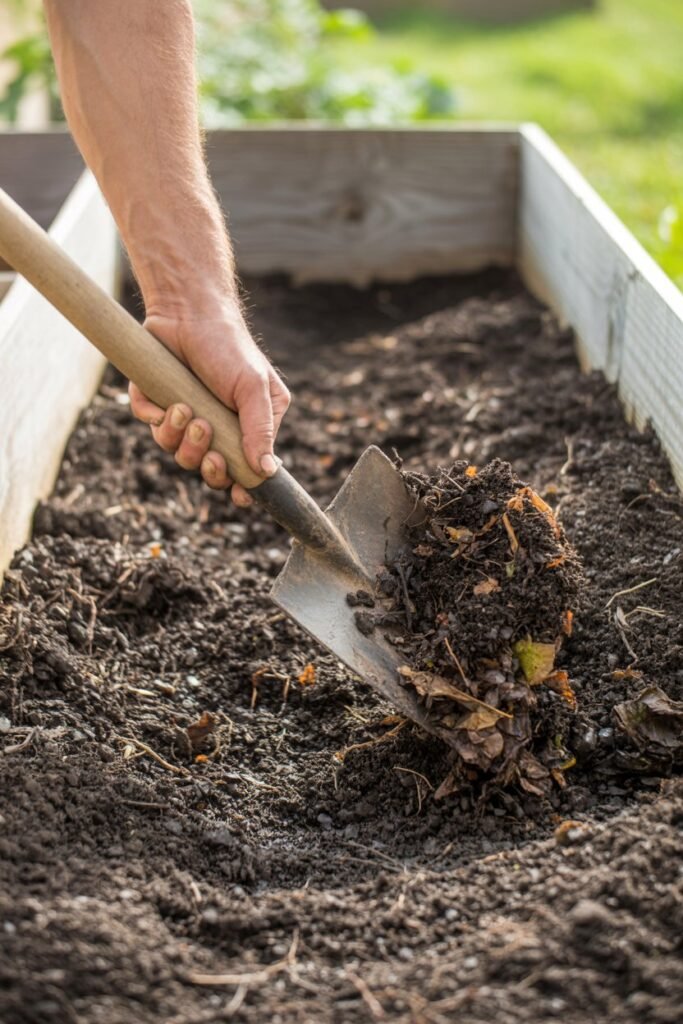
Melons are heavy feeders and appreciate fertile soil.
Ideal Soil
- Loose and crumbly texture
- Rich in organic matter
- pH between 6.0 and 6.8
- Good drainage
How to Prepare the Bed
A few weeks before planting:
- Remove weeds and debris.
- Loosen soil 10 to 12 inches deep.
- Mix in compost or aged manure.
- Add balanced organic fertilizer if needed.
- Shape raised rows or hills if drainage is poor.
Rich soil helps vines grow strong enough to support fruit production.
Read How to Grow Honeyberry Plants: Homestead Survival Guide
Should You Plant in Hills or Rows?
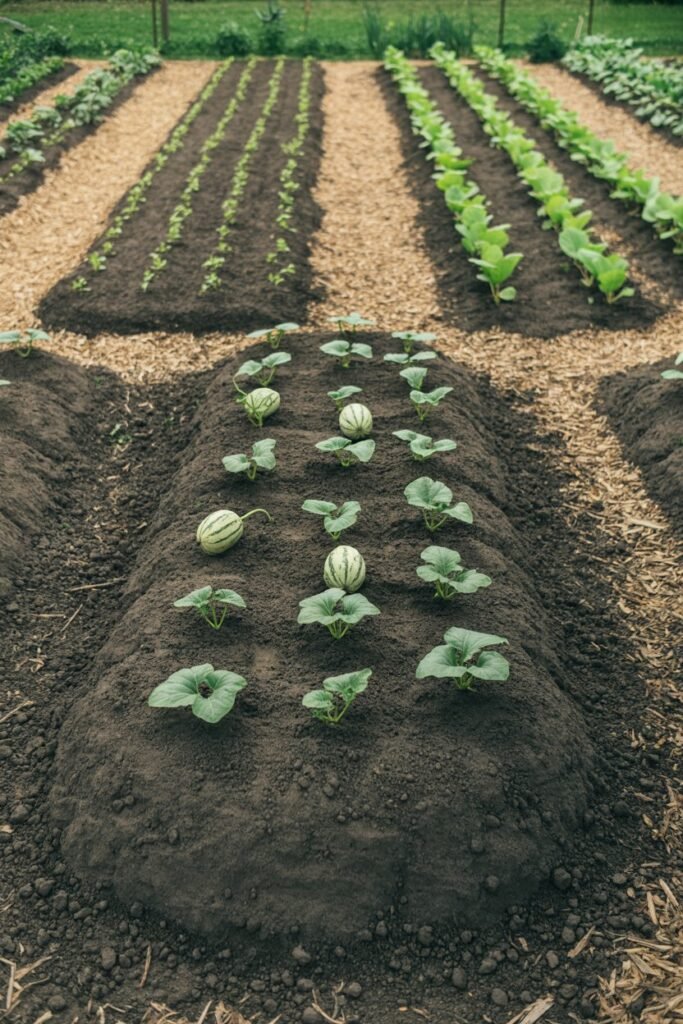
Both methods work well.
Hills
Traditional melon planting uses mounded hills.
Benefits:
- Warmer soil
- Better drainage
- Easier seed sowing
- Strong early growth
Plant 2 to 3 seeds per hill, then thin later.
Rows
Useful for larger gardens and irrigation systems.
Space rows wide enough for vines to spread.
How to Plant Melon Seeds Directly Outdoors
Direct sowing often gives the best results because roots are undisturbed.
Step-by-Step
- Wait for warm soil.
- Plant seeds 1 inch deep.
- Place 2 to 3 seeds per spot.
- Water gently after planting.
- Keep soil lightly moist until germination.
- Thin to the strongest seedling once true leaves appear.
Seeds usually sprout in 5 to 10 days in warm conditions.
How to Start Melons Indoors
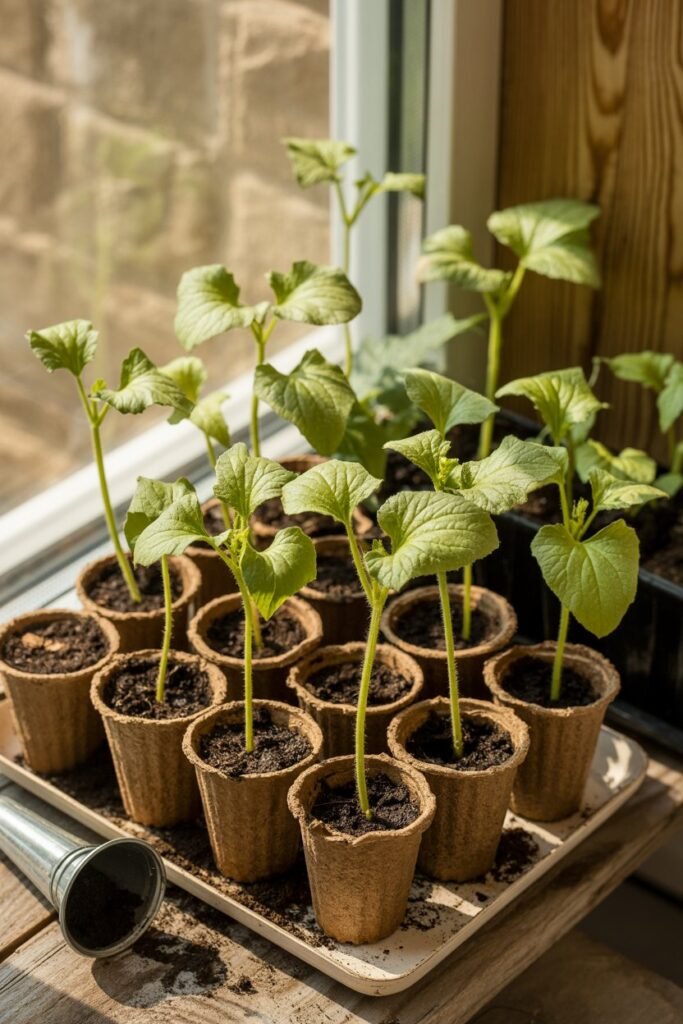
If summers are short, indoor starts can help.
Best Method
Use biodegradable pots or deep cells so roots are disturbed less during transplanting.
Steps
- Fill pots with seed-starting mix.
- Sow one seed per pot about 1 inch deep.
- Keep warm at 75°F to 85°F.
- Provide bright light after sprouting.
- Water carefully, never soaking constantly.
- Harden off before transplanting outdoors.
Transplant when plants have 2 to 3 true leaves and weather is warm.
Spacing Melon Plants Properly
Crowding leads to poor airflow, disease, and lower yields.
General Spacing
Watermelon
- 3 to 5 feet between plants
- 6 to 8 feet between rows
Cantaloupe and Smaller Melons
- 18 to 36 inches between plants
- 4 to 6 feet between rows
Always check seed packet recommendations.
Watering Melons Correctly
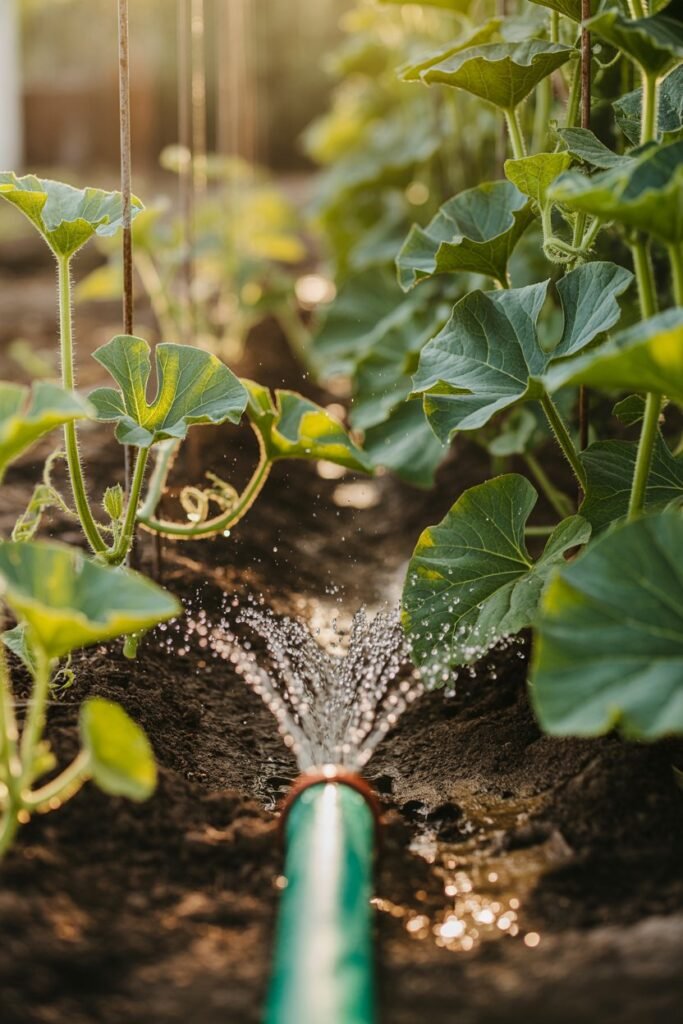
Melons need steady moisture, especially early and during fruit formation.
Best Watering Practices
- Water deeply rather than lightly
- Keep soil evenly moist
- Water at the base, not overhead
- Water in the morning
- Mulch to reduce evaporation
Important Tip for Sweetness
As fruits near maturity, reduce watering slightly. Too much water late in the season can dilute flavor and may split fruit.
Do not let plants wilt severely.
Mulching Around Melons
Mulch helps in several ways:
- Keeps soil warm
- Suppresses weeds
- Conserves moisture
- Keeps fruit cleaner
- Reduces soil splash disease
Good options:
- Straw
- Shredded leaves
- Grass clippings dried first
- Black plastic mulch in cool climates
Keep mulch a few inches away from stems.
Fertilizing Melon Plants
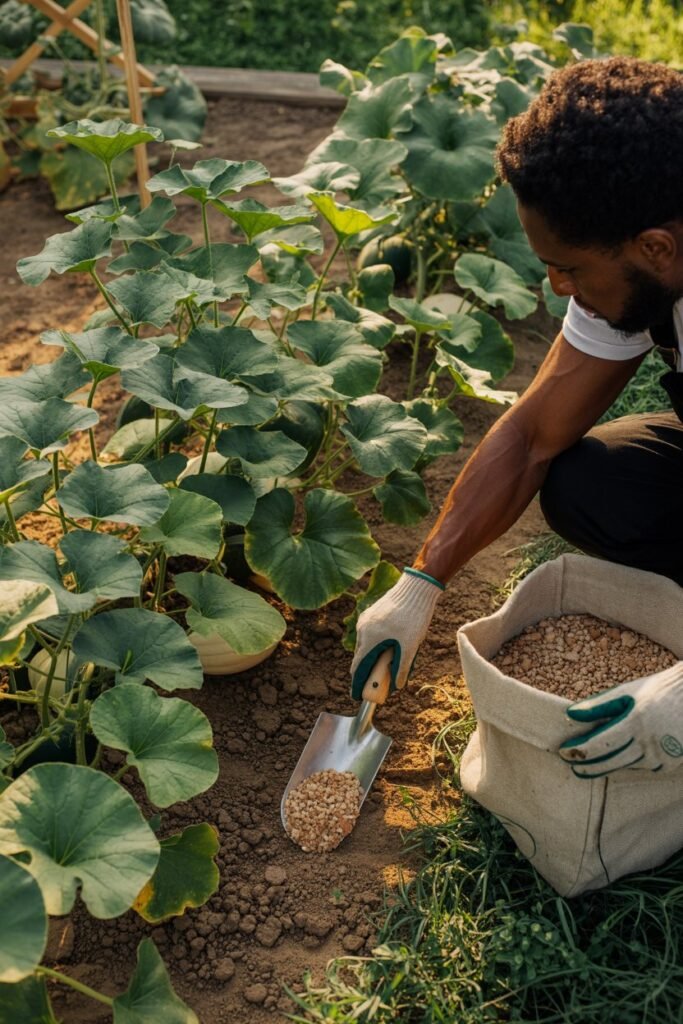
Melons need nutrients, but balance matters.
Early Growth Stage
Plants need nitrogen for leaf and vine growth.
Flowering and Fruiting Stage
Too much nitrogen late can create lots of vines but fewer fruits. Switch to fertilizer with more phosphorus and potassium.
Simple Feeding Plan
- Add compost before planting.
- Feed lightly when vines begin to run.
- Feed again when flowers appear.
- Stop heavy feeding once fruits enlarge.
Organic options:
- Compost tea
- Fish emulsion early
- Bone meal
- Kelp meal
- Balanced vegetable fertilizer
Pollination: Why It Matters
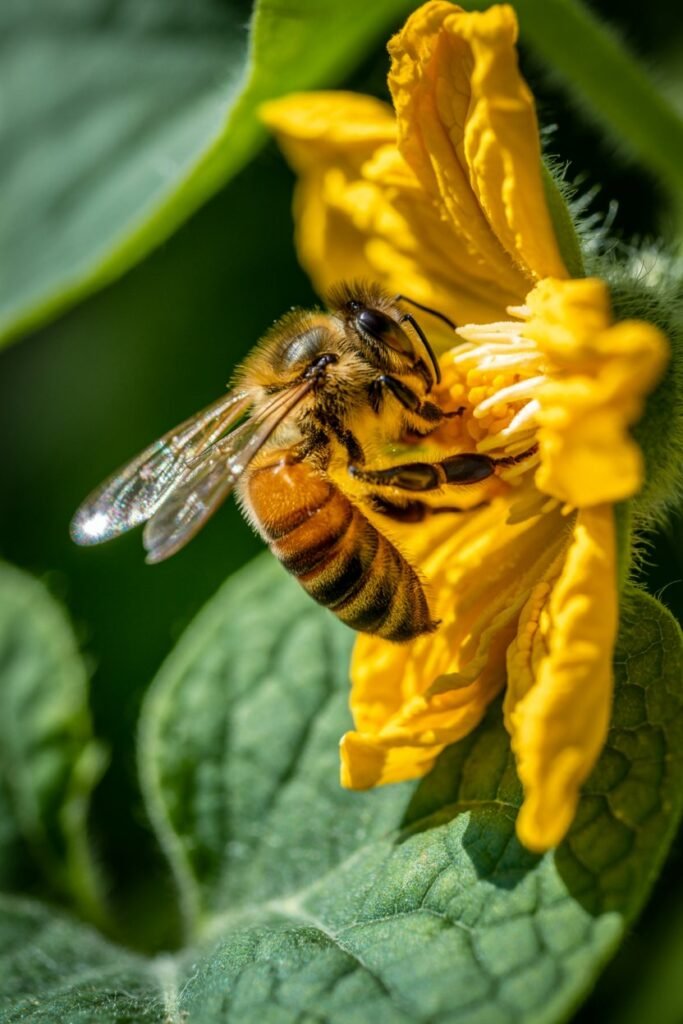
Melons produce separate male and female flowers. Bees move pollen between flowers so fruit can develop.
How to Recognize Flowers
Male Flowers
- Thin stems
- No tiny fruit behind bloom
Female Flowers
- Small swelling behind flower that looks like a baby melon
If Pollination Is Poor
You may see flowers drop or tiny fruits shrivel.
How to Help
- Plant flowers nearby for pollinators
- Avoid spraying insecticides during bloom
- Hand pollinate with a small brush if needed
Transfer pollen from male flower center to female flower center.
Supporting Vines and Saving Space
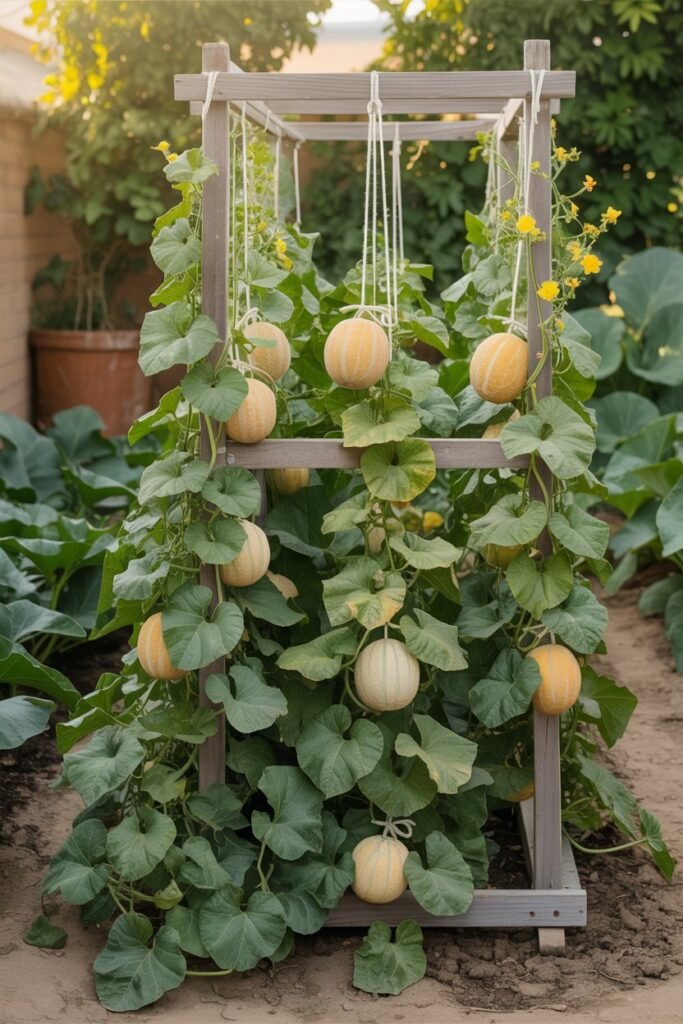
Melons usually sprawl, but smaller varieties can grow vertically.
Trellising Benefits
- Saves garden space
- Improves airflow
- Cleaner fruit
- Easier harvesting
Best for Trellis
- Small watermelons
- Cantaloupes
- Mini melons
Use strong supports and slings made from cloth or netting under fruits.
Pruning Melons: Is It Necessary?
Pruning is optional, but can help in small spaces.
Light Pruning Benefits
- Better airflow
- Easier management
- Directs energy to selected fruits
What to Remove
- Dead leaves
- Damaged vines
- Excess side shoots in crowded areas
Avoid heavy pruning. Leaves power fruit sweetness.
Common Problems When Growing Melons
1. Flowers But No Fruit
Cause:
- Poor pollination
- Too much nitrogen
- Heat stress
Fix:
- Encourage bees
- Reduce nitrogen
- Keep plants watered consistently
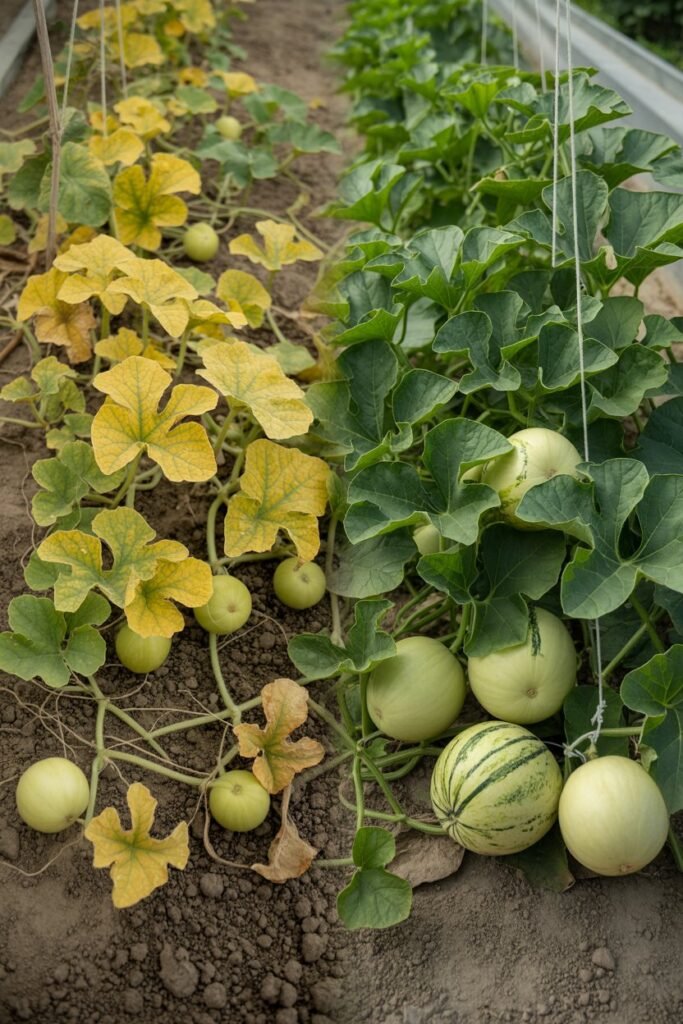
2. Yellow Leaves
Cause:
- Overwatering
- Nutrient deficiency
- Disease
Fix:
- Improve drainage
- Feed appropriately
- Remove diseased foliage
3. Small Fruit
Cause:
- Too many fruits per plant
- Poor soil fertility
- Irregular watering
Fix:
- Improve soil
- Water evenly
- Thin excessive fruit if needed
4. Cracked Fruit
Cause:
- Sudden heavy watering after dryness
Fix:
- Keep moisture consistent
5. Bland Flavor
Cause:
- Harvested too early
- Too much water near ripening
- Low sunlight
Fix:
- Wait for ripeness signs
- Reduce late watering slightly
- Grow in full sun
Common Pests on Melons
Aphids
Tiny sap-sucking insects on new growth.
Fix:
- Spray with water
- Encourage ladybugs
- Use insecticidal soap if needed
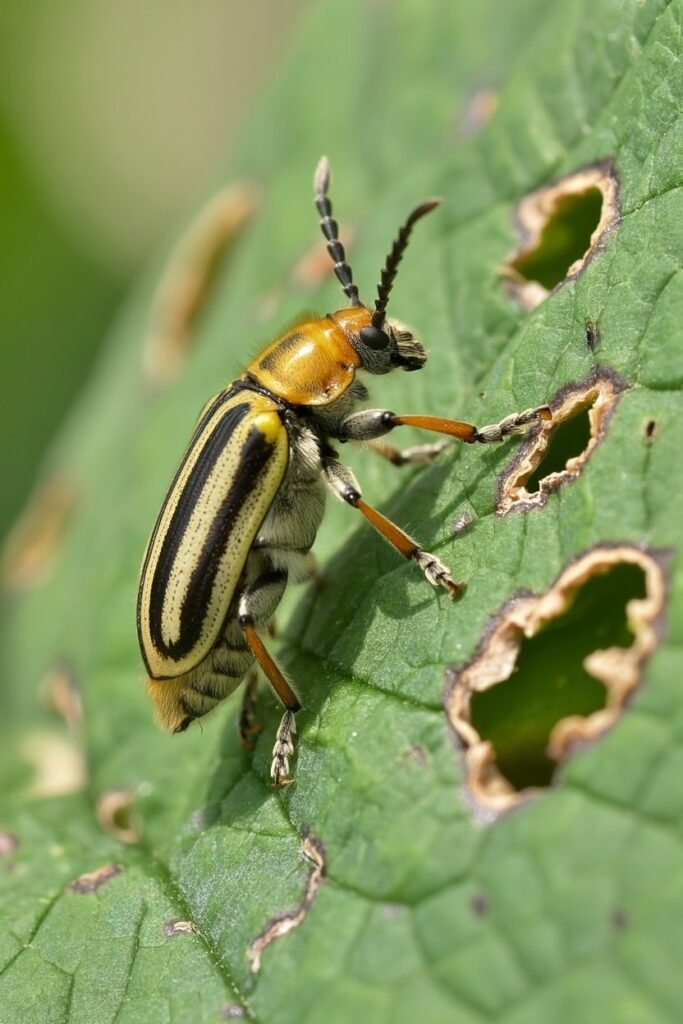
Cucumber Beetles
They chew leaves and can spread disease.
Fix:
- Row covers early season
- Handpick
- Clean garden debris
Squash Bugs
Can weaken vines.
Fix:
- Check under leaves for eggs
- Remove by hand
- Keep beds clean
Spider Mites
Often worse in hot dry weather.
Fix:
- Increase humidity around area lightly
- Spray undersides of leaves
- Remove damaged foliage
Common Diseases in Melons
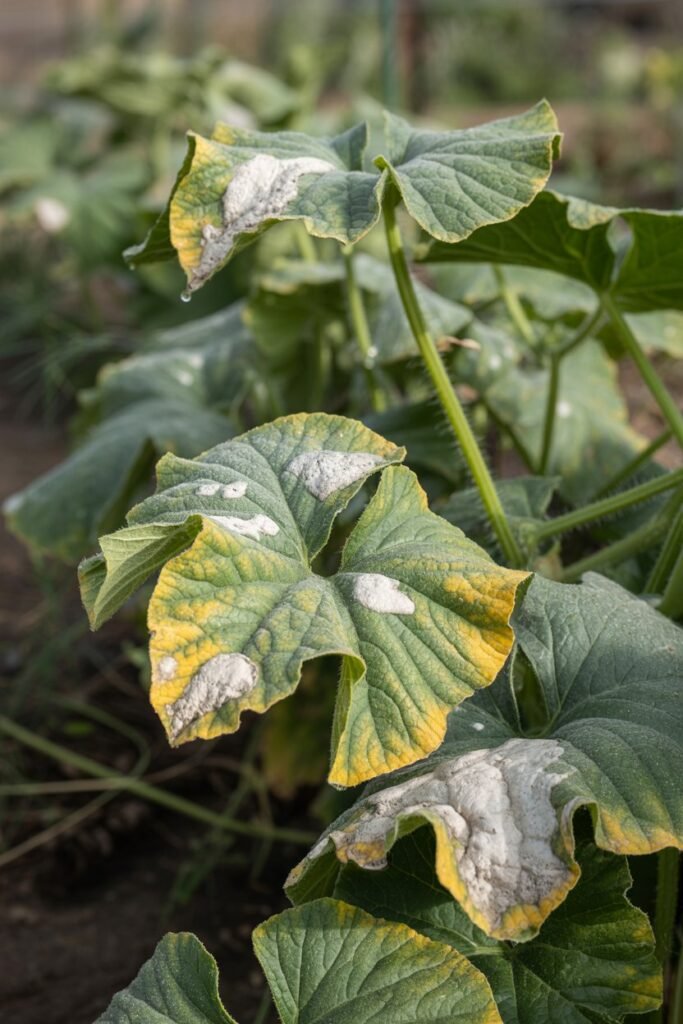
Powdery Mildew
White powdery coating on leaves.
Prevention:
- Good spacing
- Airflow
- Avoid overhead watering
Downy Mildew
Yellow patches and leaf decline.
Prevention:
- Dry foliage
- Crop rotation
Fusarium Wilt
Wilting vines from soil disease.
Prevention:
- Resistant varieties
- Rotate crops
- Healthy soil practices
Crop Rotation Matters
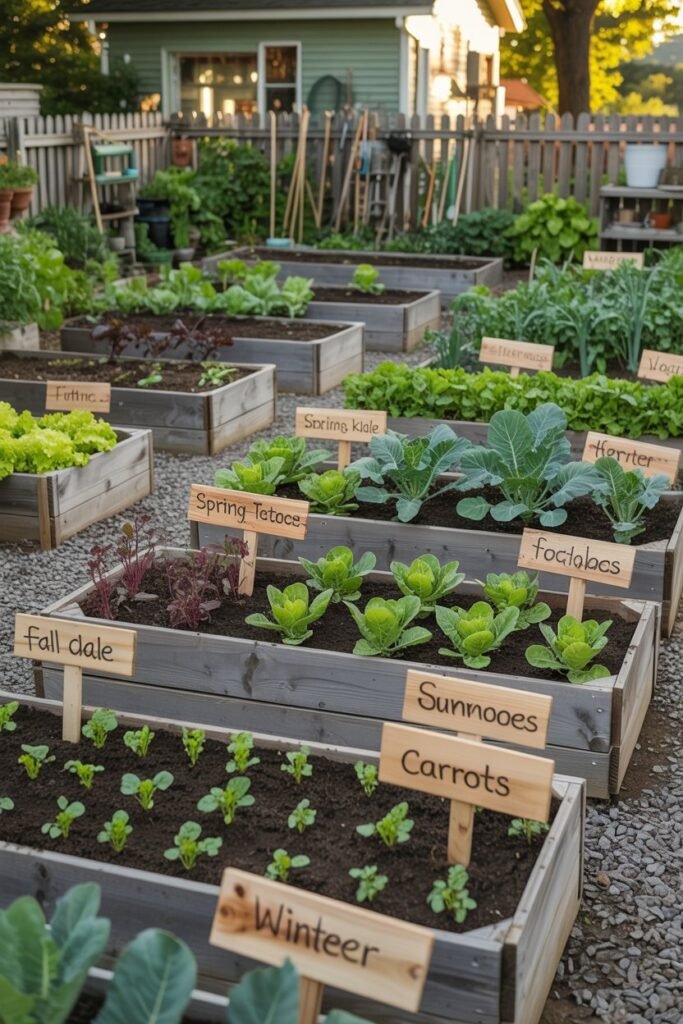
Do not grow melons or related crops in the same spot every year.
Rotate with unrelated crops for 3 to 4 years when possible.
Related crops include:
- Cucumbers
- Squash
- Pumpkins
- Zucchini
This reduces pests and soil disease.
How Many Melons Per Plant?
Yield depends on variety and care.
Watermelon
- Large types: 2 to 4 fruits
- Small types: 4 to 6 fruits
Cantaloupe
- 4 to 8 fruits or more
Healthy soil and strong pollination increase production.
How to Tell When Melons Are Ripe
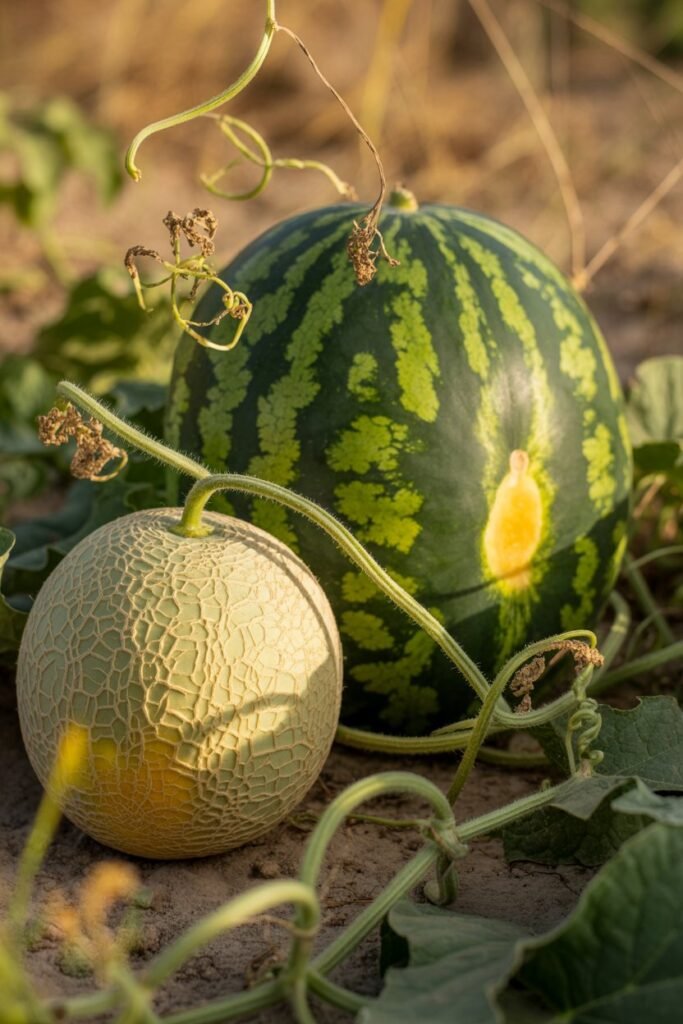
Harvest timing changes everything.
Watermelon Signs
- Ground spot turns creamy yellow
- Tendril nearest fruit dries
- Rind dulls slightly
- Deep hollow sound when tapped (not always reliable)
Cantaloupe Signs
- Strong aroma
- Netted rind fully developed
- Fruit slips easily from vine with gentle pressure
Honeydew Signs
- Skin changes from greenish to creamy tone
- Blossom end softens slightly
- Sweet fragrance develops
How to Harvest Melons
Use clean pruners or a knife.
- Cut stem rather than pulling
- Handle gently to avoid bruising
- Harvest in morning when cool if possible
Never leave ripe fruit too long in heat.
Storing Fresh Melons
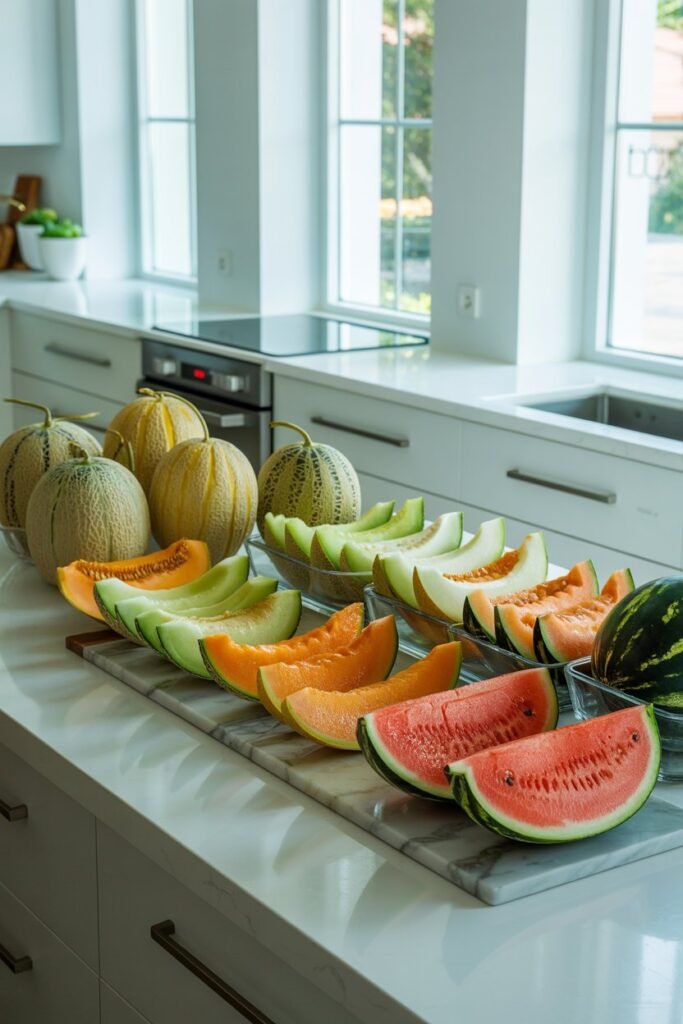
Whole Melons
Store at cool room temperature briefly or refrigerate depending on type and ripeness.
Cut Melons
Refrigerate promptly in sealed containers.
Use within several days for best flavor.
Growing Melons in Containers
Yes, it can be done with compact varieties.
Best Container Setup
- At least 15 to 25 gallon container
- Rich potting mix
- Strong trellis
- Full sun
- Regular feeding and watering
Choose smaller varieties like Sugar Baby or compact cantaloupes.
Containers dry quickly, so monitor moisture daily.
Best Companion Plants for Melons
Helpful companions include:
- Marigolds
- Nasturtiums
- Radishes
- Lettuce early in season
- Beans nearby (not crowding vines)
- Flowers for pollinators
Avoid overcrowding with large neighboring crops.
Tips for Sweeter Melons
Many gardeners ask how to get sweeter fruit.
Focus on These Factors
- Full sun
- Warm temperatures
- Proper variety choice
- Good soil fertility
- Consistent watering early
- Slightly reduced watering near ripeness
- Harvest only when fully ripe
Genetics matter too. Some varieties are naturally sweeter than others.
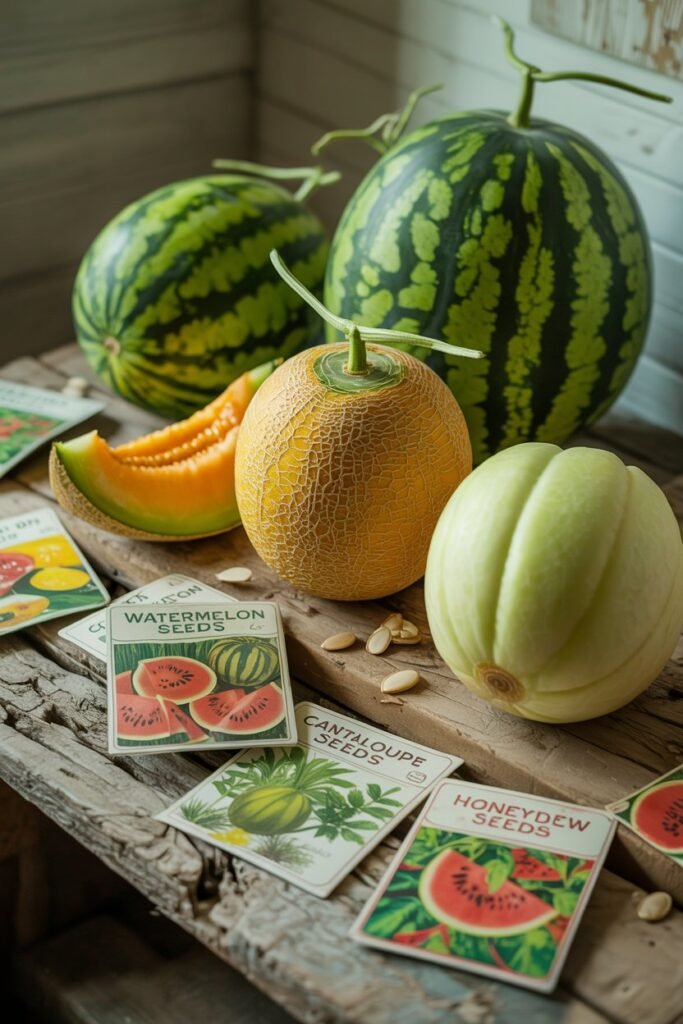
Best Melon Varieties for Beginners
Easy Watermelons
- Sugar Baby
- Blacktail Mountain
Easy Cantaloupes
- Hale’s Best
- Minnesota Midget
Reliable Honeydew
- Early Honeydew types
Choose disease-resistant seeds whenever possible.
Growing Melons in Short Seasons
If summers are brief:
- Use early varieties
- Start indoors carefully
- Warm soil with black plastic
- Use row covers early
- Plant in raised beds
- Choose smaller fruits that ripen faster
Beginner Mistakes to Avoid
Planting Too Early
Cold soil causes slow growth and rot.
Overwatering
Wet roots invite disease.
Underfeeding Poor Soil
Hungry plants struggle.
Crowding Plants
Less airflow means more disease.
Picking Too Soon
Unripe melons never reach full sweetness.
Ignoring Pollination
No pollination means no harvest.
Month-by-Month Quick Care Guide
Planting Time
- Sow or transplant after frost
- Keep soil moist
Vine Growth
- Feed lightly
- Weed carefully
- Mulch beds
Flowering
- Protect pollinators
- Water deeply
Fruiting
- Keep moisture steady
- Support fruits if trellised
Ripening
- Reduce excess watering
- Watch ripeness signs daily
Final Thoughts
Growing melons takes sunshine, warmth, fertile soil, and patience, but the reward is unforgettable flavor straight from the garden. A ripe melon harvested at the right moment tastes richer, sweeter, and fresher than almost anything from a store shelf.
Start with a reliable variety suited to your climate, prepare your soil well, keep moisture consistent, and pay attention during flowering and ripening. Even one healthy vine can provide a memorable harvest.
Once you grow your first truly ripe melon at home, it often becomes a crop you look forward to every single year.
