
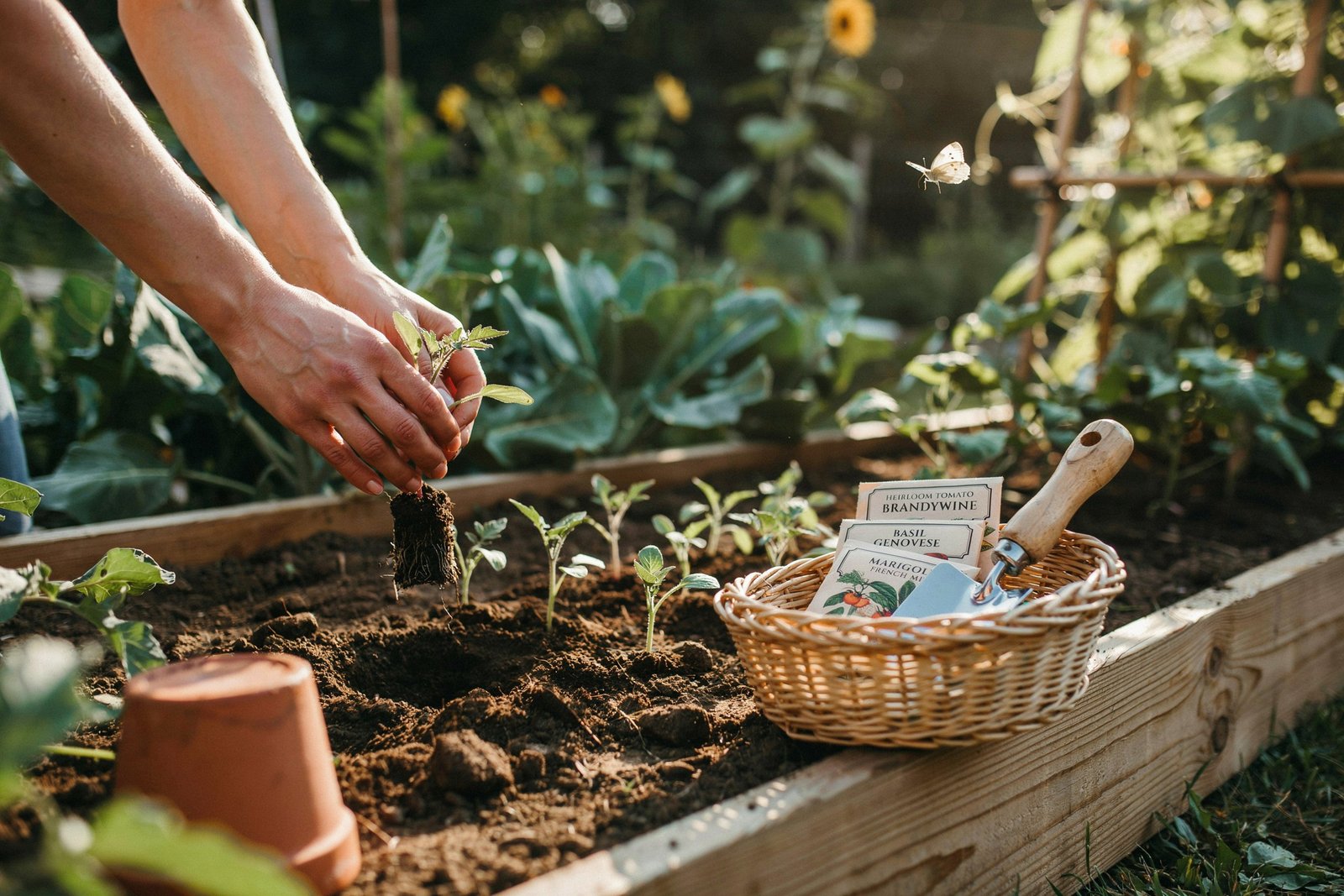

There’s something so satisfying about walking out to the garden in late summer with a handful of seed packets, ready to tuck in a whole new round of veggies while everyone else thinks the season is winding down.
I fell in love with fall gardening the year I planted my first August lettuce bed and was still harvesting crisp, sweet greens well into November.
If you’ve been feeling like your garden’s best days are behind it, I promise you, girl, they’re just getting started.
This guide will walk you through everything you need to plant a gorgeous, productive August garden.
Why August Is Secretly One of the Best Planting Months
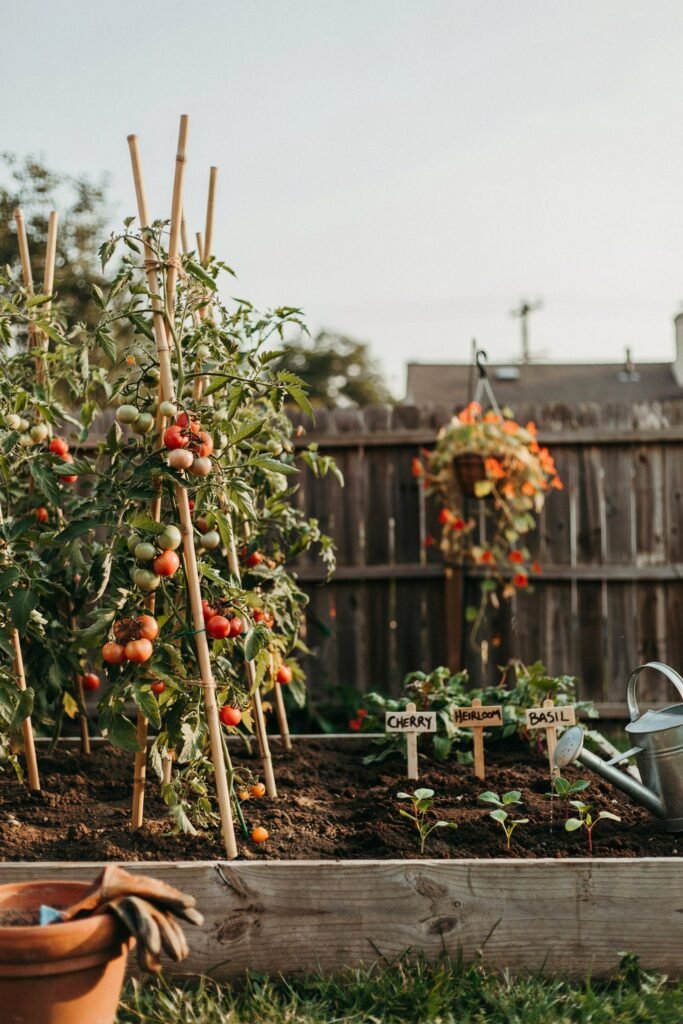
I know it sounds a little backwards. August feels like the tail end of summer, not the start of a new growing season.
But here’s the sweet secret experienced gardeners have known for years: many of our favorite vegetables actually prefer cooler weather, and August planting times them perfectly to mature just as the heat breaks.
Think about it this way. Spring planting means racing against a heat wave that can bolt your lettuce or stress your broccoli before it ever forms a proper head.
August planting flips that script. Your seedlings get to establish themselves in the last of summer’s warmth, then mature and thrive as temperatures gently cool into September and October.
It’s honestly a more forgiving window than spring, once you know what to plant.
This is also your chance at a second harvest from the same garden bed. If you pulled your garlic in July or your first round of bush beans is finished, don’t let that soil sit empty. A little compost, a little water, and you’re back in business.
Before you get started, it helps to know your first expected frost date, since that determines your true planting window. If you’re not sure, a quick search for your local extension office’s frost date chart will do the trick.
Once you have that number, you can count backwards using each vegetable’s “days to maturity” (found on the seed packet) to see what will comfortably finish before the cold sets in.
If you want a broader checklist of everything to tend to this month, not just planting, my August garden to-do list covers watering, pest patrol, and end-of-summer cleanup too.
A Few Quick Tips Before You Plant
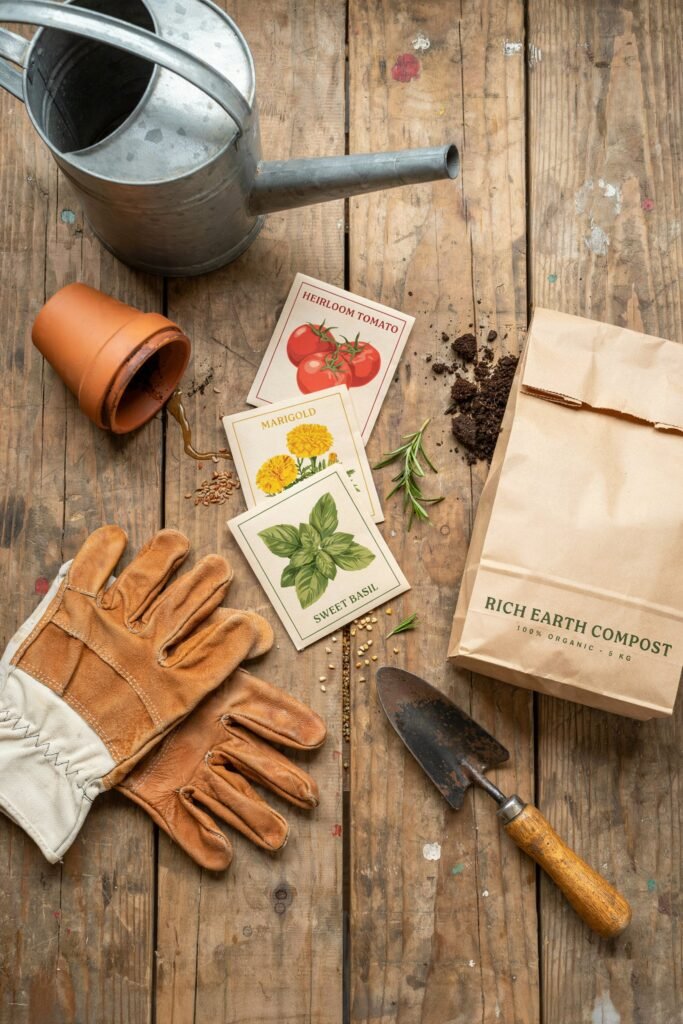
Refresh your soil. After a full season of growth, your soil is tired. Work in a couple inches of compost or a balanced organic fertilizer before you plant your next round.
If you’re building new space for this second wave, my raised bed gardening checklist walks you through getting a bed properly set up.
Keep seedlings shaded and moist. August sun is still intense, and tiny seedlings can dry out or scorch in a single afternoon.
A light shade cloth, a strategically placed patio umbrella, or even the dappled shade of a taller plant can make a big difference while seeds germinate.
Water consistently. Fall crops need steady moisture to germinate and establish, so don’t let this step slip just because summer’s big harvest is behind you.
Consider starting some indoors. For a few of the vegetables below, especially the slower growers like broccoli and cauliflower, starting seeds indoors in trays gives them a head start before you transplant them out.
A bright windowsill or a simple grow light setup on a shelf works just fine; you don’t need anything fancy to get healthy little seedlings going.
Mind your mulch. A two to three inch layer of straw or shredded leaves around your new seedlings helps regulate soil temperature, keeps weeds down, and holds onto moisture during those unpredictable late-summer days when it might swing from blazing hot to suddenly cool overnight.
Don’t be afraid to interplant. If you still have healthy summer crops like tomatoes or peppers thriving in a bed, you can often tuck quick-growing vegetables like lettuce or radishes into the gaps between them.
As your summer plants wind down, your new fall crop will already be established and ready to take over the space.
Now, let’s get into my favorite part: the vegetables themselves.
15 Vegetables to Plant in August
1. Lettuce
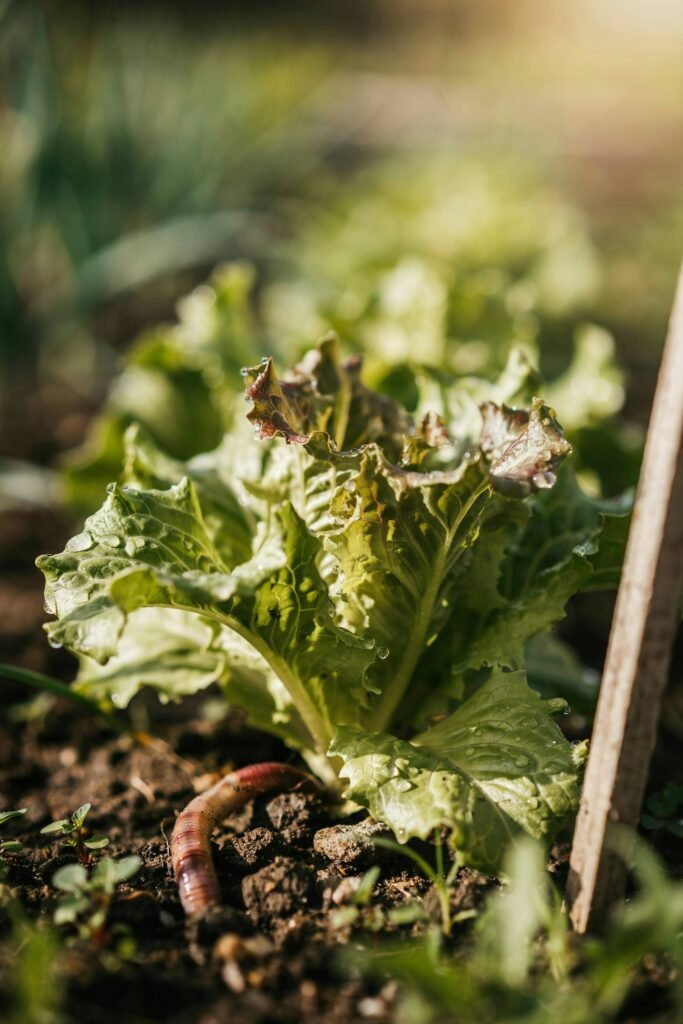
Lettuce is the easiest, most forgiving crop on this entire list, which is exactly why it’s first. Loose-leaf varieties like Black Seeded Simmons or Salad Bowl germinate quickly and can be harvested continuously by simply snipping outer leaves.
Sow seeds directly about a quarter inch deep, and keep the soil consistently moist since lettuce seeds can be finicky about drying out. You’ll have baby greens in about three to four weeks and full heads in six to eight.
A few extra tips: lettuce seeds can actually struggle to germinate in soil warmer than 75°F, so if your August afternoons are still scorching, sow in the late evening and give the bed a little afternoon shade until the weather cools.
Succession sow a small row every ten days or so, and you’ll have a steady, staggered harvest instead of one big flush that bolts before you can eat it all.
Lettuce also plays beautifully alongside root crops like carrots and radishes, since its shallow roots don’t compete for space underground.
2. Spinach
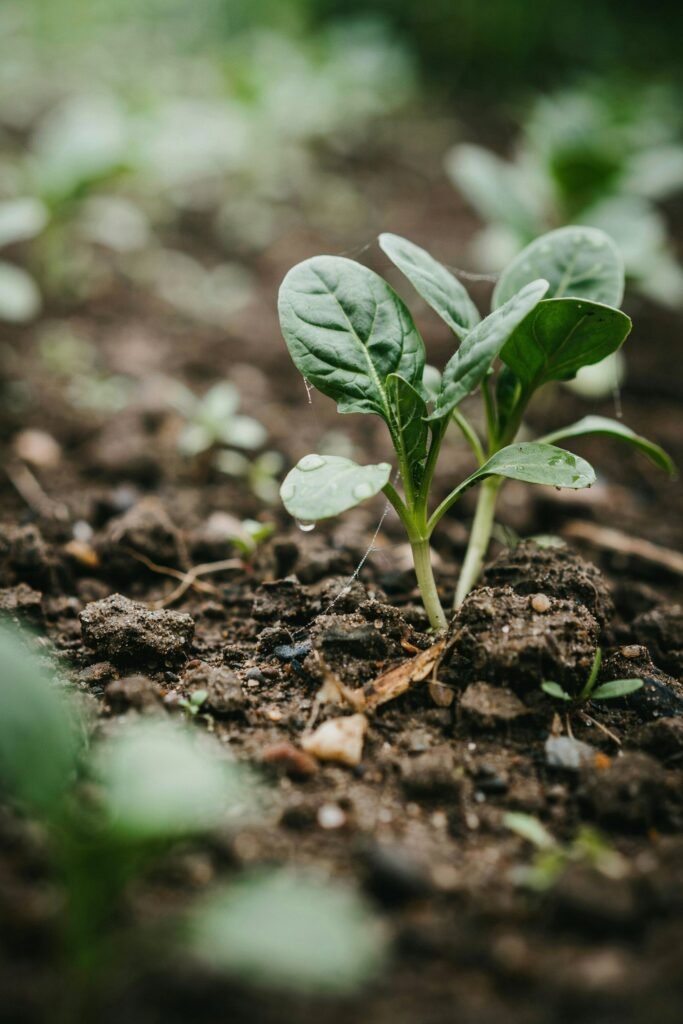
Spinach genuinely prefers cool weather, which makes it one of the happiest crops you can plant this month.
It’s also wonderfully cold hardy, often surviving light frosts and even improving in flavor afterward. Sow seeds about half an inch deep and thin seedlings to four inches apart once they sprout.
Spinach matures in around 40 to 45 days, so an August planting gives you a lovely autumn harvest with plenty of time to spare.
A few extra tips: spinach seed, like lettuce, doesn’t love hot soil, so soaking your seeds overnight before planting can help speed up germination during those warmer early weeks.
If you’d like to stretch your harvest well into winter, consider covering your spinach bed with a simple cold frame or a low tunnel once the nights turn chilly.
It’s an easy, inexpensive way to keep those tender leaves coming long after the rest of the garden has gone quiet for the season.
3. Kale
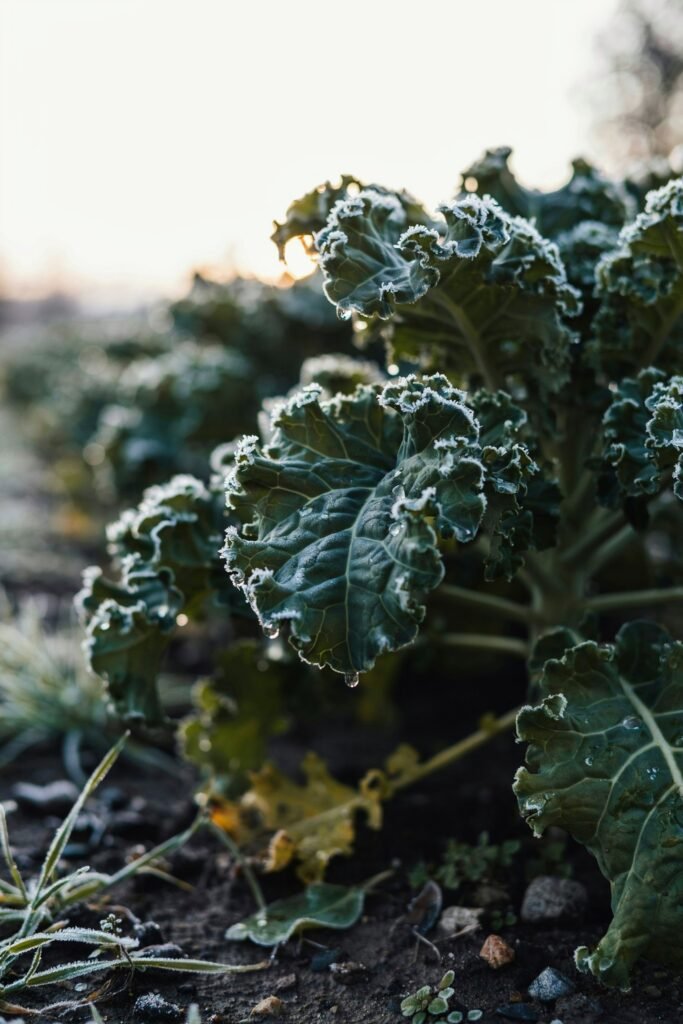
Kale is a superstar of the fall garden, and honestly, it tastes even better after a frost touches it, since the cold triggers the plant to produce natural sugars.
Direct sow seeds a half inch deep, or transplant small starts if you have them. Give each plant about 12 to 18 inches of space to fill out properly. You can begin harvesting outer leaves in as little as three weeks and keep picking for months.
A few extra tips: keep a close eye on young kale seedlings, since cabbage worms and aphids love this crop just as much as broccoli and cabbage.
A lightweight floating row cover placed right after sowing will keep pests off without any spraying needed.
Harvest kale from the outside in, always leaving the central growing point untouched, and the same plant will happily keep producing new leaves for you well into the colder months.
4. Swiss Chard
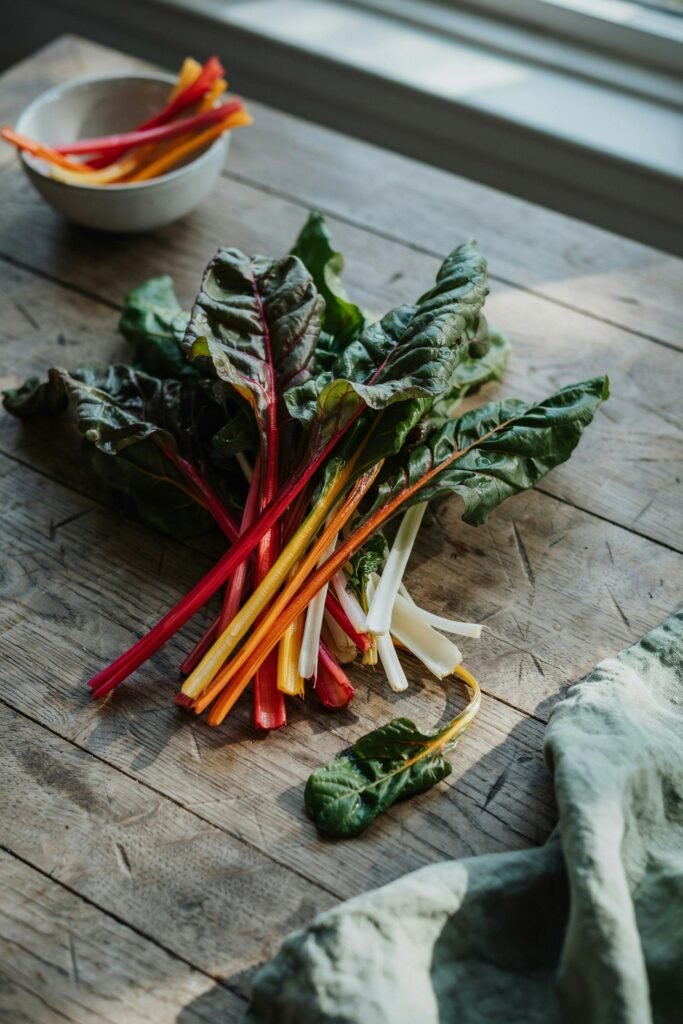
If you want a crop that’s as beautiful as it is productive, chard is it. The stems come in shades of ruby red, golden yellow, and bright white, and the plant keeps producing new leaves for weeks on end.
Sow seeds about half an inch deep and thin to six inches apart. Chard is wonderfully heat tolerant too, so it handles those last warm August days without any fuss while it settles in for the cooler months ahead.
A few extra tips: like beets, each chard “seed” is actually a little cluster of several seeds, so don’t be surprised when multiple seedlings pop up from a single spot; simply thin to the strongest one.
Chard is remarkably forgiving of neglect once established, tolerating both light frost and the occasional missed watering, which makes it a wonderful choice if your garden routine gets a little busy come September.
5. Broccoli
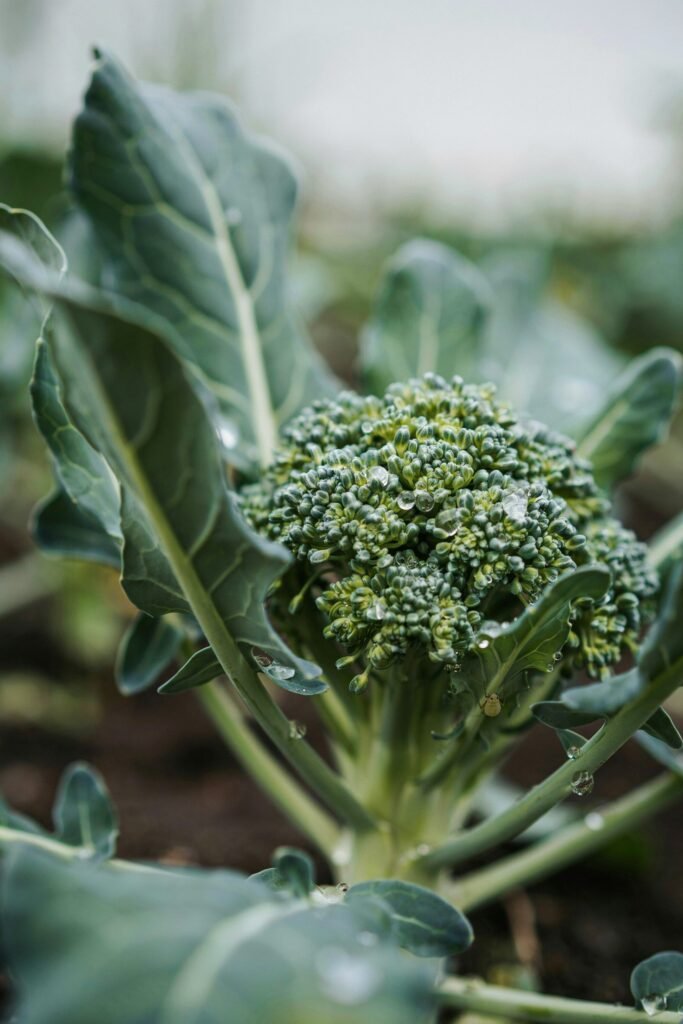
Broccoli genuinely prefers to mature in cool weather, since heat can cause it to bolt and flower prematurely instead of forming a nice tight head.
For best results, start seeds indoors in trays two to four weeks before you plan to transplant, then move seedlings outside once they have a few true leaves.
Space plants 18 to 24 inches apart, and expect to harvest in roughly 55 to 70 days from transplant.
A few extra tips: don’t pull the plant once you’ve cut the main head. Broccoli happily sends up smaller side shoots for weeks afterward, giving you a delightful little bonus harvest.
Feed your plants with a balanced fertilizer or compost tea about three weeks after transplanting to support that steady, continuous growth.
6. Cauliflower
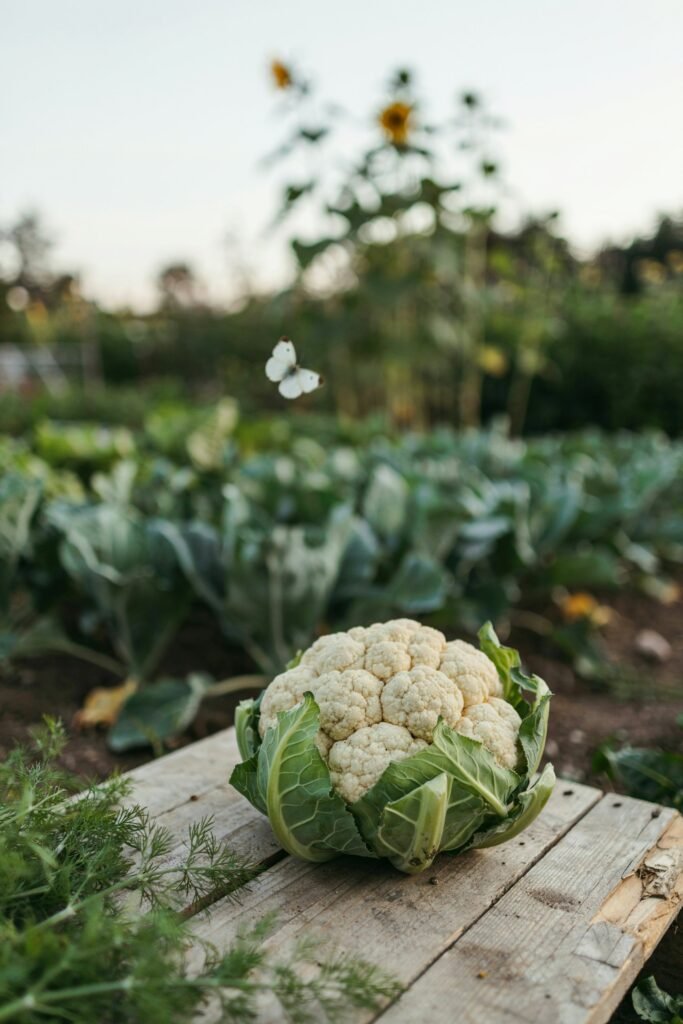
Cauliflower is a bit fussier than its cousin broccoli, but the reward, those creamy white curds, is so worth it.
Like broccoli, it does best started indoors and then transplanted once seedlings are sturdy.
Give plants a full 18 to 24 inches of breathing room, and keep the soil evenly moist throughout the growing period, since inconsistent watering can lead to smaller heads.
Most varieties mature in 60 to 75 days from transplant.
A few extra tips: once the head, or curd, starts to form, gently gather the outer leaves up over the top and secure them loosely with a rubber band or twine.
This little trick, called blanching, keeps the curd pale, tender, and protected from sun scorch. Check on it every few days, since it can go from perfect to overripe faster than you’d expect.
7. Cabbage
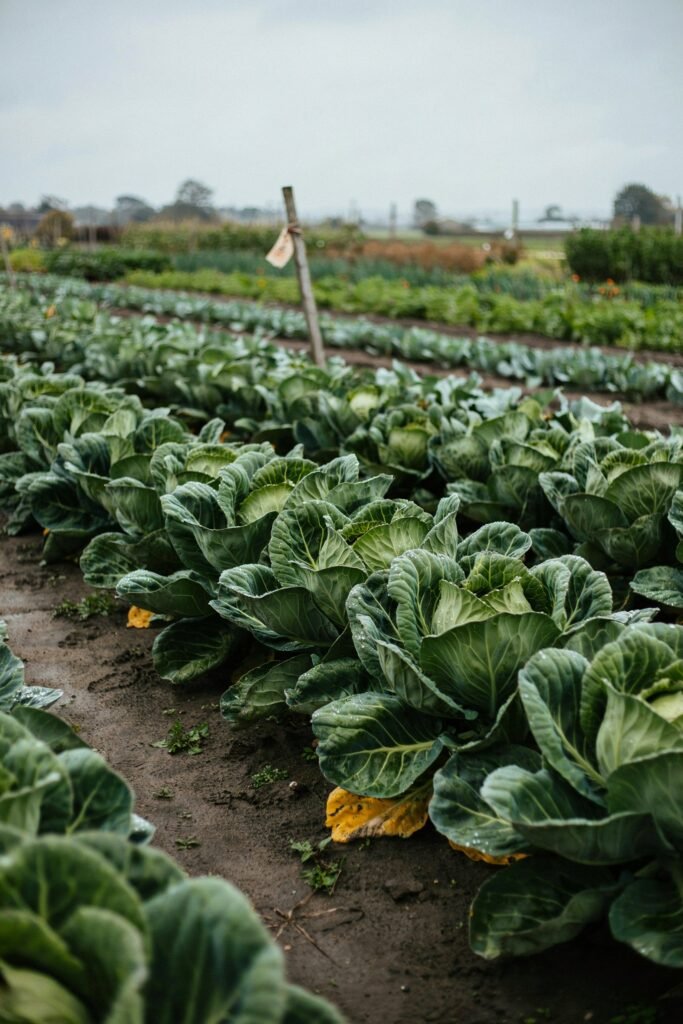
Cabbage loves the cooler stretch of fall, forming denser, sweeter heads than a spring-planted crop often does. You can direct sow or transplant starts, spacing plants about 12 to 18 inches apart depending on the variety.
Keep an eye out for cabbage worms, since they love this crop just as much as we do; a floating row cover is an easy, chemical-free way to keep them off. Expect harvest in 60 to 90 days.
A few extra tips: consistent watering matters enormously here, since irregular moisture can cause the heads to split right before harvest.
If you notice a head starting to crack, a firm twist to loosen the roots slightly can slow further water uptake and buy you a few extra days to get it picked.
Smaller, quicker-maturing varieties are the safer bet for an August planting if your frost date is coming up fast.
8. Carrots
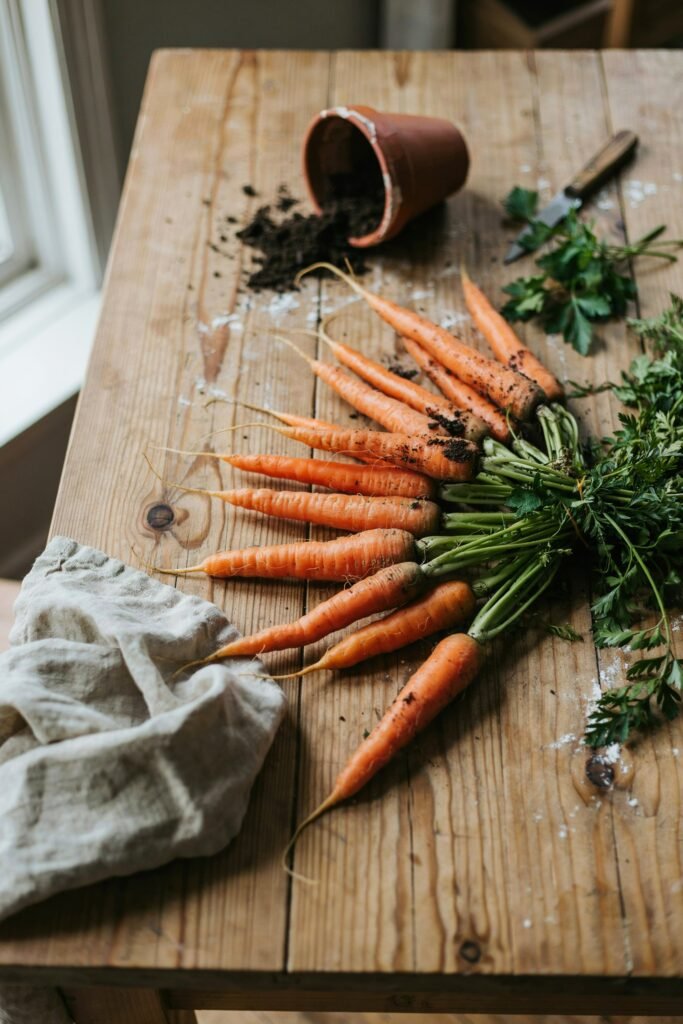
Carrots planted in August have a real advantage: the cooling weather as they mature makes them noticeably sweeter, since cold temperatures trigger the roots to convert starches into sugar.
Sow seeds directly, just a quarter inch deep, into loose, rock-free soil so the roots can grow straight and long. Thin seedlings to about two to three inches apart once they sprout. Most varieties are ready in 60 to 75 days.
A few extra tips: carrot seeds are notoriously slow and finicky to germinate, so keep the top layer of soil consistently damp for those first couple of weeks; a light row cover or board placed over the row can help hold moisture in until you see sprouts.
Once your carrots are established, a thick layer of mulch will help keep the soil temperature steady and the roots sweet as the weather cools.
9. Beets
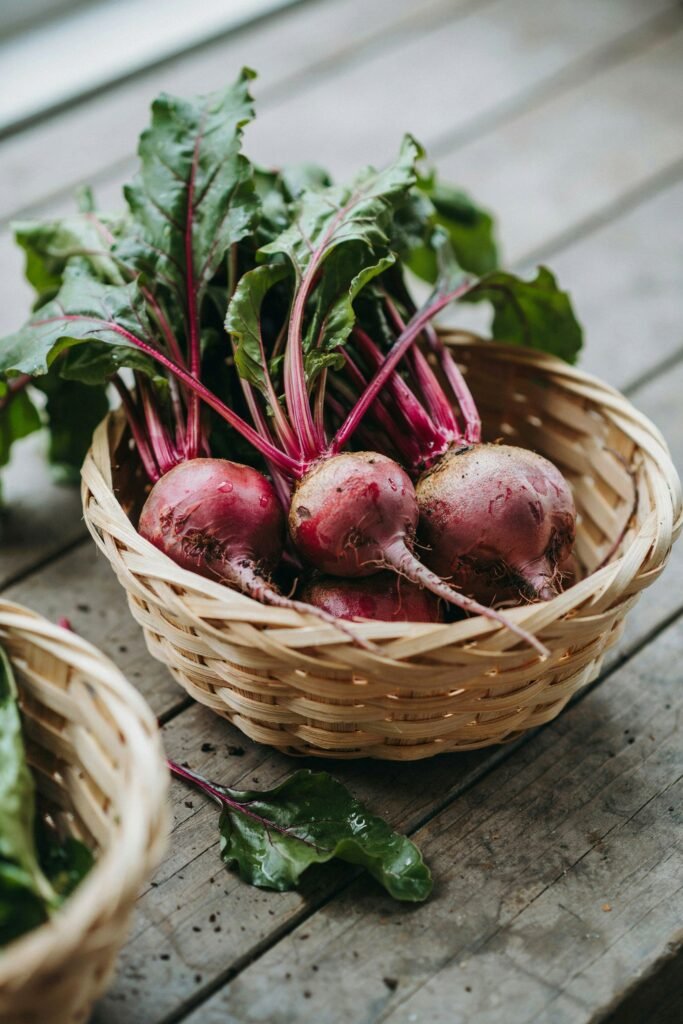
Beets are a lovely two-for-one crop, since you get both the sweet root and the tender greens on top.
Direct sow seeds about half an inch deep and thin to three to four inches apart, keeping in mind that each beet “seed” is actually a small cluster that can produce multiple seedlings.
They mature in about 50 to 60 days, and the cooler fall weather helps them develop that classic earthy sweetness.
A few extra tips: don’t throw away the thinnings. Those tiny seedlings you pull to make room for the rest make a beautiful, tender addition to a salad.
Beet greens themselves are also delicious sautéed, so treat this crop as a two-course harvest rather than just a root vegetable.
10. Radishes
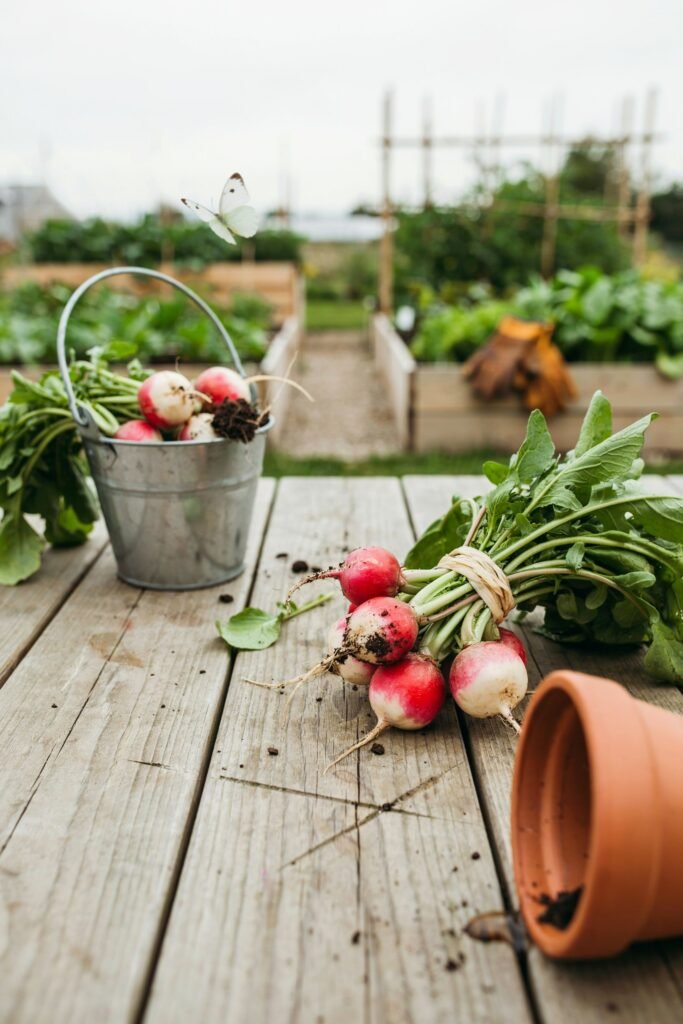
If you want something fast and satisfying, radishes are your answer.
Many varieties are ready to pull in just 25 to 30 days, which makes them perfect for filling in little gaps in your garden or giving new gardeners an early win.
Sow seeds directly, half an inch deep, and thin to about two inches apart. Keep the soil consistently moist for the crispest, least peppery roots.
A few extra tips: because radishes mature so quickly, they’re perfect for succession sowing every week or two throughout August and into September, giving you a rolling harvest rather than one big batch all at once.
Try a longer-season variety like a daikon or watermelon radish too, since these develop a milder, sweeter flavor and store beautifully once pulled.
11. Turnips
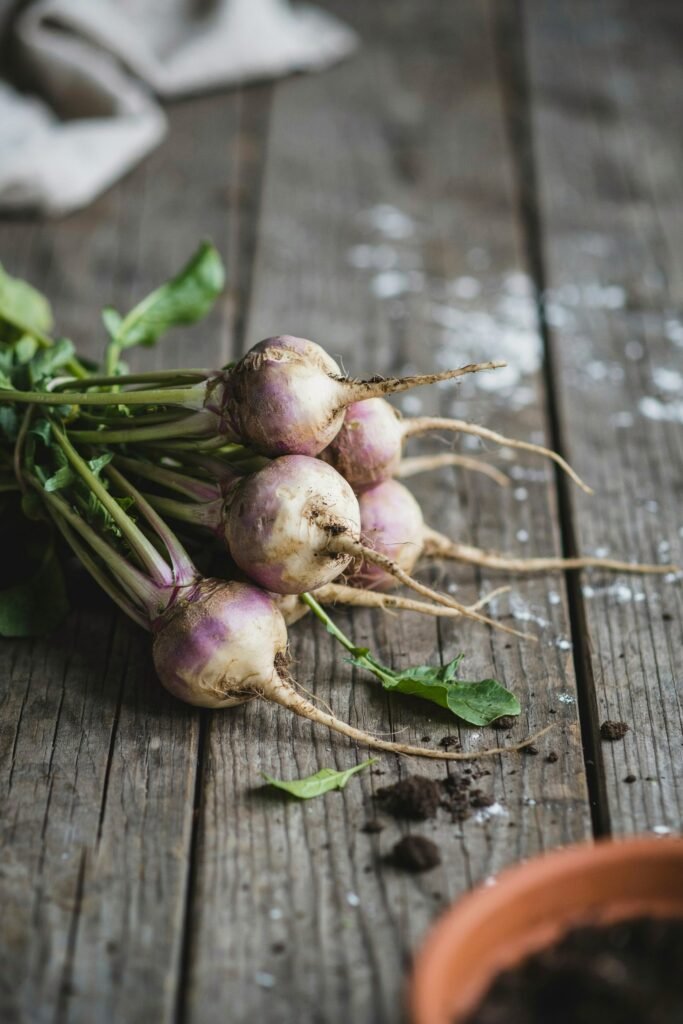
Turnips are wonderfully low-maintenance and give you both a root and a leafy green harvest, much like beets. Direct sow seeds a half inch deep and thin to four to six inches apart.
Smaller varieties mature quickly, often in around 40 to 60 days, and their flavor mellows and sweetens beautifully as the weather cools.
A few extra tips: for the mildest flavor, harvest turnips while they’re still small and young, roughly golf ball to tennis ball sized.
Left in the ground too long, especially in warm soil, they can turn woody and take on a stronger bite. Turnip greens are just as tasty as their roots, so treat every planting as double the harvest.
12. Green Onions (Scallions)
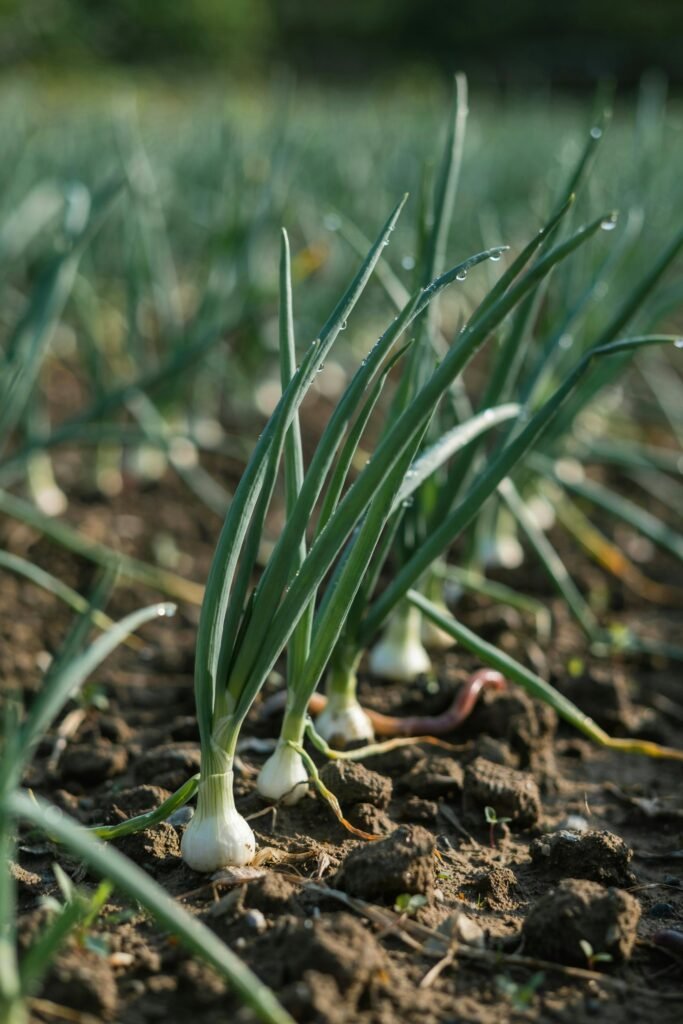
Green onions are one of the most forgiving crops you can plant, and they’re wonderful for tucking into any little empty corner of a bed.
Sow seeds a quarter to half inch deep in small clusters, or use sets for an even faster start. They’re ready to harvest in about 60 to 70 days from seed, though you can start snipping a few for a garnish much sooner than that.
A few extra tips: green onions are one of the few vegetables on this list that genuinely thrive in containers, making them a lovely option if you’re short on garden bed space.
You can also regrow a fresh batch from kitchen scraps by placing the root ends in a jar of water on a sunny windowsill, which is a fun little project if you want to see quick results.
13. Bush Beans
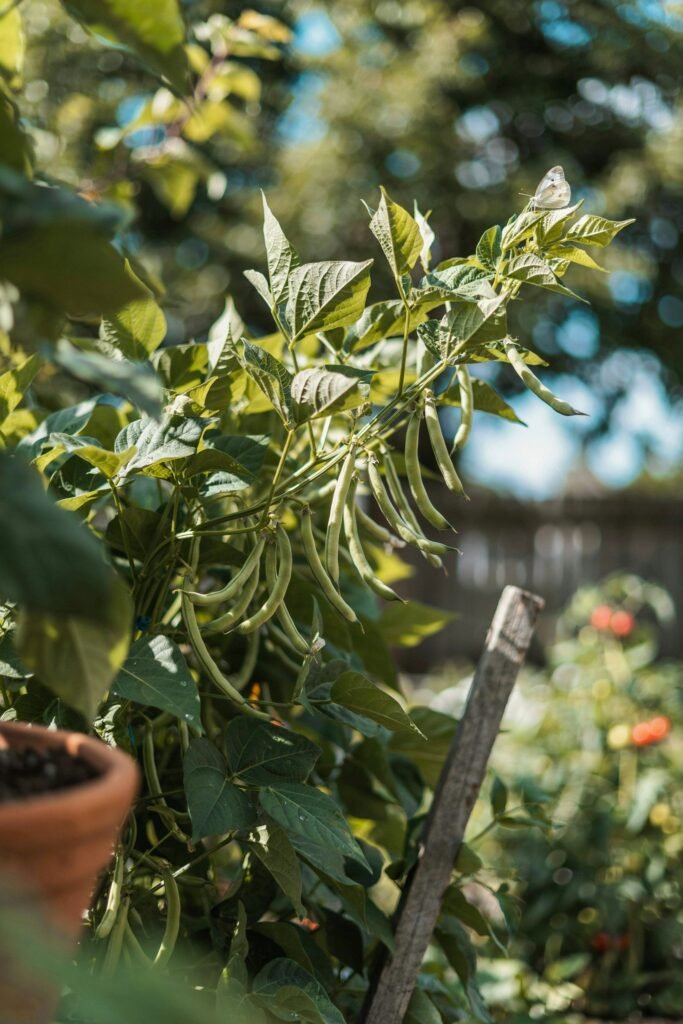
If your first bean planting has already finished producing, August still leaves enough time in most regions for one more quick round, as long as you check your days to maturity against your first frost date.
Bush beans are wonderfully low-fuss: direct sow seeds about an inch deep, spaced three to four inches apart, and you’ll be harvesting in as little as 50 to 55 days.
A few extra tips: beans are sensitive to any frost at all, so this is one crop where you’ll want to be extra careful counting backward from your area’s first expected frost date.
If you’re cutting it close, choose the fastest-maturing variety you can find, and keep a lightweight frost cloth on hand just in case an early cold snap sneaks in before harvest.
14. Peas
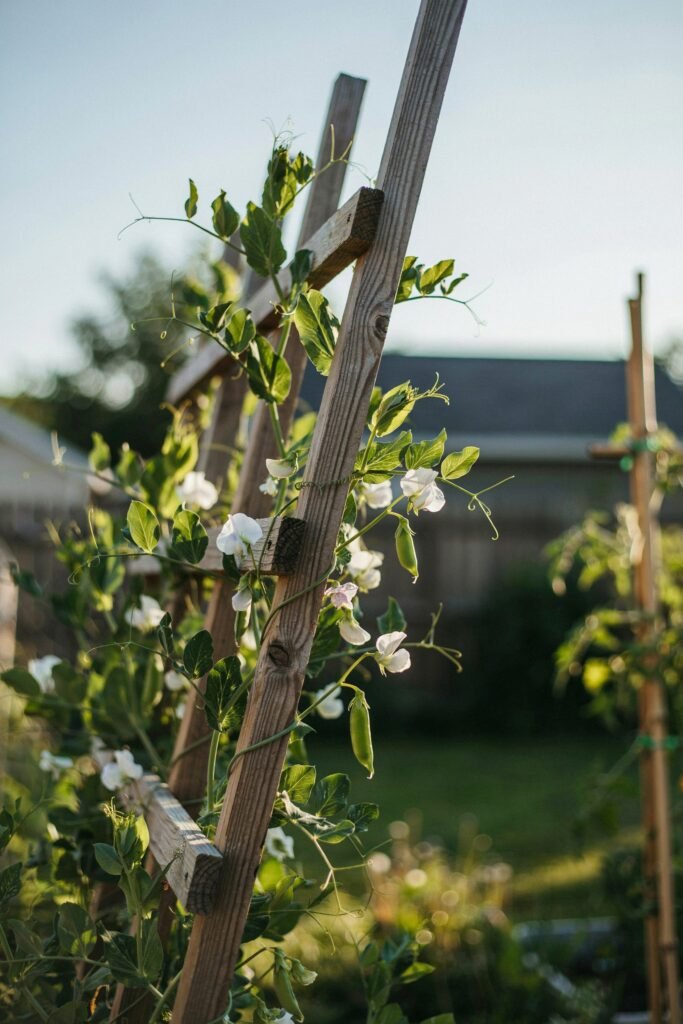
As the days shorten and cool, peas come back into their own.
Direct sow seeds about an inch deep, spacing them two inches apart, and give vining types a trellis to climb (my garden trellis ideas post has plenty of pretty, functional options if you need one).
Most varieties mature in 55 to 70 days, rewarding you with a sweet, tender harvest just as the weather turns crisp.
A few extra tips: soaking pea seeds in water for a few hours before planting can speed up germination considerably, which is helpful if you’re working against a tighter fall timeline.
Peas also fix nitrogen in the soil as they grow, so planting them where you’ll grow a hungrier crop like broccoli or cabbage next season is a lovely way to naturally enrich your beds.
15. Collard Greens
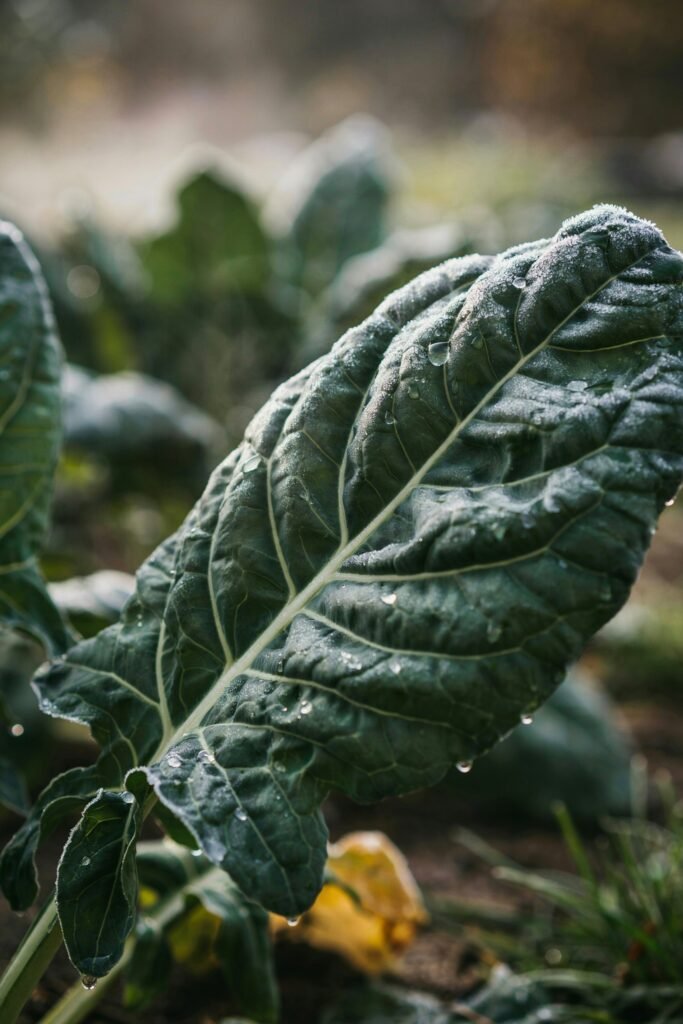
Collards are wonderfully sturdy and, much like kale, actually improve in flavor after a light frost.
Direct sow seeds a half inch deep or transplant starts, giving each plant about 18 to 24 inches to spread out.
They mature in around 55 to 75 days and will often keep producing well into the colder months, giving you a steady supply of hearty greens for soups and sautés all autumn long.
A few extra tips: collards are one of the most heat and cold tolerant greens you can grow, handling both a lingering August heatwave and a surprise November frost with equal grace.
Harvest leaves from the bottom up as the plant grows taller, and a single well-fed collard plant can keep you in greens for the better part of a season.
Putting It All Together: A Simple August Planting Plan
If all of this feels like a lot to juggle, here’s a gentle way to think about it. Group your vegetables by how quickly they mature so you can plan your garden bed like a little puzzle.
Quick wins (25–45 days): radishes, lettuce, spinach, turnips Mid-season crops (50–65 days): beets, bush beans, peas, carrots, chard, green onions Longer-season crops (55–90 days): broccoli, cauliflower, cabbage, kale, collard greens
Planting a mix from each group means you’ll have something to harvest early to keep your motivation up, while the slower growers quietly mature in the background for a beautiful late-fall payoff.
A Final Word From One Gardener to Another
August planting takes a little bit of faith.
It feels strange to be sowing seeds when the summer tomatoes are still coming in, but trust me, your future self, wrapped in a cozy sweater and harvesting fresh kale in October, will thank you.
Start small if you need to, pick two or three vegetables from this list, and build your confidence from there.
Before you know it, succession planting will feel like second nature, and your garden will be productive nearly year-round.
If you’re just getting your whole gardening routine together, my new gardener checklist is a lovely companion piece to this post, and if you’re gardening in a smaller space, don’t count yourself out.
My apartment vegetable garden ideas post shows just how much food you can grow in containers and small footprints.
And once September rolls around, keep the momentum going with my September gardening checklist.
Happy planting, friend. Here’s to a beautiful, bountiful fall garden.
