


I used to lose entire tomato plants overnight and never understand why until I started paying attention to the small warning signs my garden was giving me all along.
That’s the thing about pests: by the time you spot the damage, they’ve usually been settling in for weeks.
Over the years of trial, error, and a few heartbreaking harvests, I built a simple prevention routine that keeps my garden healthy without me constantly chasing problems.
Today I’m sharing every step of it with you, so your garden can stay just as thriving.
Why Pest Prevention Matters More Than Pest Control
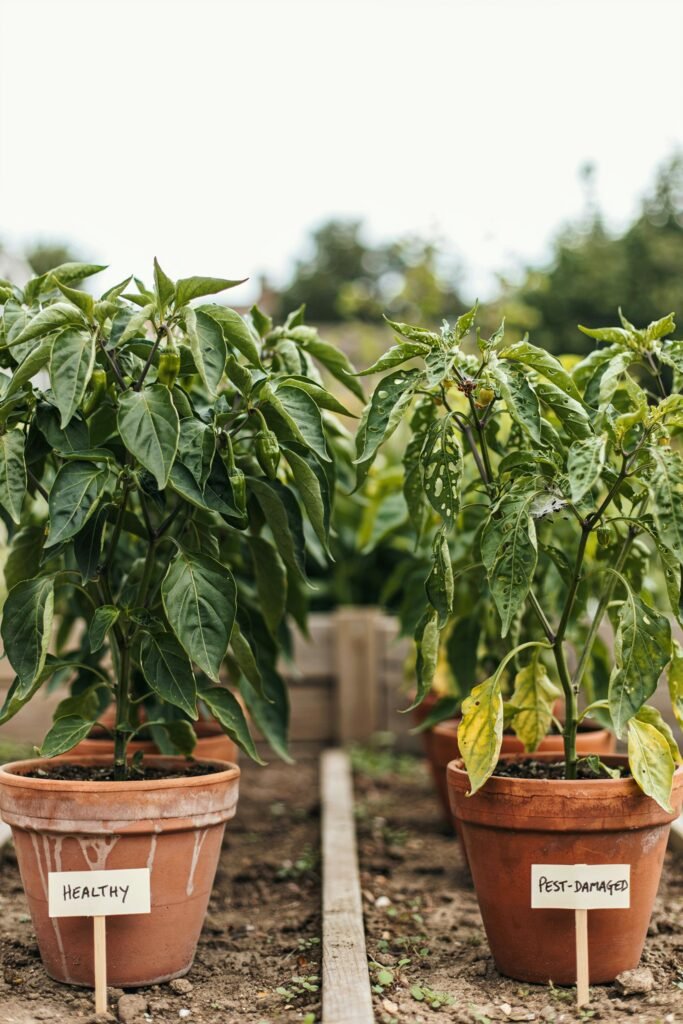
Here’s something I wish someone had told me when I was just starting out, the kind of advice I now share in my new gardener checklist: treating a pest problem is always harder, slower, and more expensive than preventing one.
Once aphids, squash bugs, or slugs establish themselves, you’re playing defense for the rest of the season.
Prevention, on the other hand, is quiet, steady, and mostly invisible.
It’s the daily habits, the small choices, and the seasonal rhythms that keep your garden one step ahead of trouble.
This checklist is built around that philosophy. It’s not a list of chemicals to spray when things go wrong. It’s a full-season, root-to-leaf approach to building a garden that pests simply don’t want to move into.
Step 1: Start With Healthy Soil
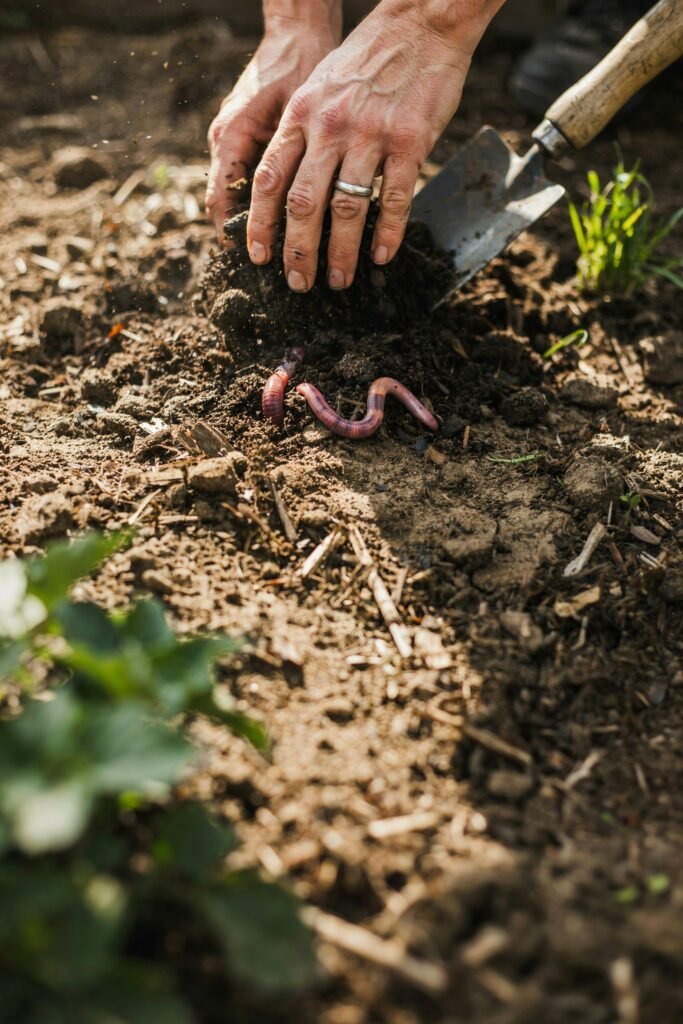
Everything begins underground. Weak, depleted, or poorly draining soil produces stressed plants, and stressed plants are a pest magnet. Insects are drawn to weakness the same way predators are drawn to the slowest animal in the herd.
- Test your soil’s pH and nutrient levels at the start of every season.
- Work in compost regularly to feed beneficial soil microbes that naturally suppress harmful organisms.
- Avoid compacting your soil by staying off garden beds when they’re wet.
- Make sure drainage is solid, since soggy roots invite fungus gnats and root rot, both of which weaken plants and attract secondary pests.
If you’re building new beds this year, my raised bed gardening checklist walks through exactly how to set up soil that supports strong, pest-resistant growth from day one.
I also like to think of soil health as a long game rather than a one-time fix. A single application of compost won’t undo years of depletion, so I treat feeding my soil as an ongoing relationship rather than a spring chore I check off and forget.
Adding organic matter twice a year, mulching to protect the soil surface, and avoiding synthetic fertilizers that can burn roots and weaken natural defenses all add up over time.
The healthier your soil biology, the more your plants can defend themselves from the inside out, long before a pest ever lands on a leaf.
Step 2: Choose Resistant Varieties From the Start

I learned this one the hard way after losing a whole bed of squash to vine borers three summers in a row. Some plant varieties are simply bred to be tougher against common pests and diseases.
- Look for seed packets or plant tags labeled “resistant” or “tolerant.”
- Ask your local nursery which varieties perform best in your specific climate, since pest pressure varies by region.
- Rotate your plant families each year so pests that overwintered in the soil don’t find their favorite host waiting for them again.
Step 3: Inspect Your Garden Every Single Day
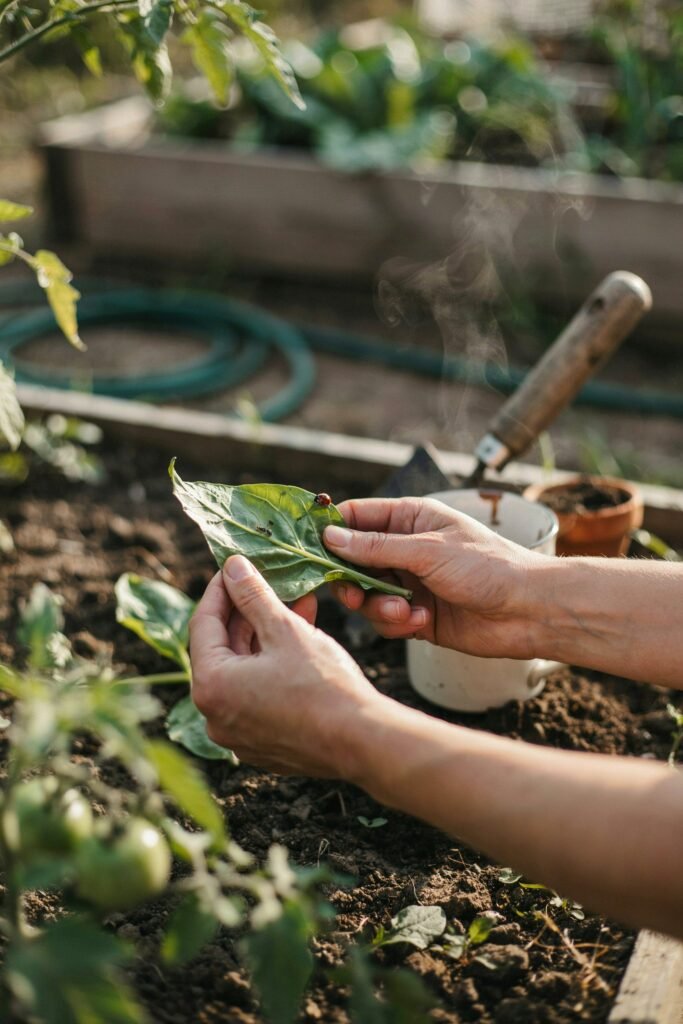
This is the single habit that has saved me more plants than anything else. A two-minute walk through your garden each morning, coffee in hand, lets you catch problems while they’re still small enough to fix by hand.
- Check the undersides of leaves, where most pests lay their eggs and hide.
- Look for tiny holes, discoloration, sticky residue, or curling leaves.
- Keep an eye on new growth, since tender shoots are the first target for many insects.
- Note anything unusual in a garden journal so you can track patterns over time.
I go into more depth on building this kind of routine in my July gardening checklist and my August garden to-do list, both of which are peak pest season here.
What I love most about this habit is how quickly it becomes automatic.
Within a few weeks, you’ll start noticing your plants’ normal rhythms so clearly that anything off feels immediately obvious, almost like knowing a close friend well enough to tell when something’s bothering them.
A slightly duller leaf color, a plant that seems to droop a bit earlier in the afternoon than usual, a faint stickiness on your fingers after brushing past a stem, these are all early warning signs long before an infestation becomes visible from a distance.
Catching things at this stage usually means a simple fix, like a blast of water or a few hand-picked bugs, instead of reaching for any kind of treatment at all.
Step 4: Practice Companion Planting
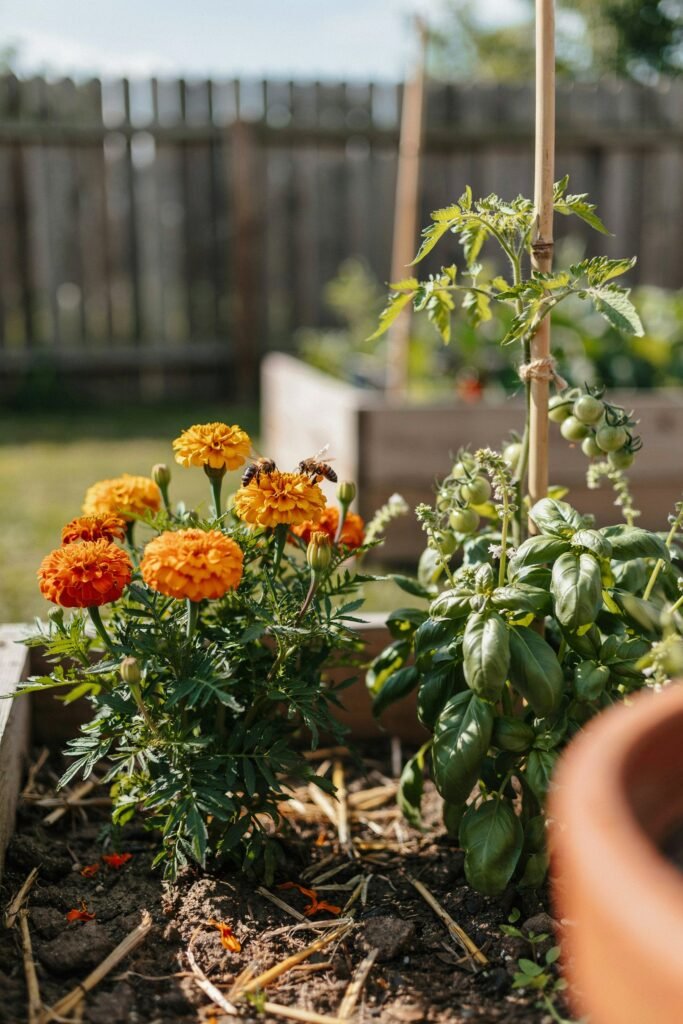
Nature already has a system for keeping pests in check, and companion planting simply borrows from it. Certain plants confuse, repel, or distract pests away from your prized crops.
- Plant marigolds near tomatoes and peppers to deter nematodes and aphids.
- Grow basil alongside tomatoes to help repel hornworms and whiteflies.
- Use nasturtiums as a “trap crop” that draws aphids away from your vegetables.
- Interplant garlic and chives among roses and other flowers to discourage aphids and Japanese beetles.
This works beautifully in flower beds too. If you’re planning your blooms for the season, my flower garden maintenance checklist shows how to build a layout that supports both beauty and built-in pest defense.
I’ll admit companion planting felt a little too good to be true when I first read about it, but after a few seasons of testing it side by side with untreated beds, I became a true believer.
The difference isn’t always dramatic overnight, but it compounds.
A bed surrounded by the right companions tends to have fewer pest visits, faster recovery when something does show up, and a noticeably more balanced mix of insect life overall, including the beneficial ones that help keep everything else in check.
Step 5: Install Physical Barriers Before You See a Problem
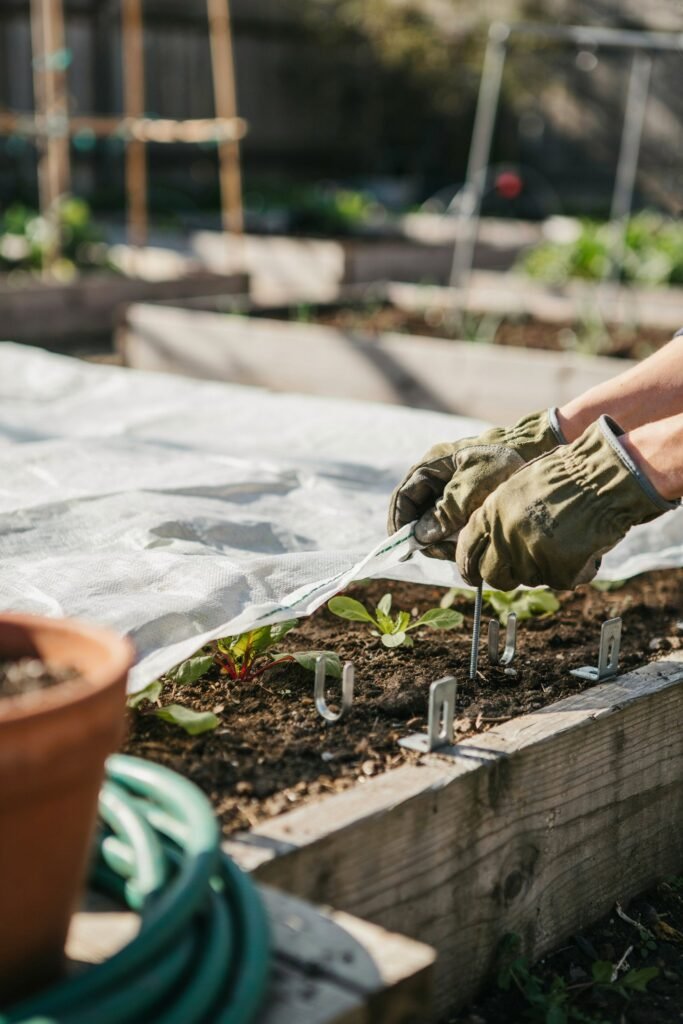
Barriers are one of the most underrated pest prevention tools because they stop insects before contact ever happens.
- Use floating row covers over young seedlings to block egg-laying insects like cabbage moths.
- Install copper tape around pots to stop slugs and snails in their tracks.
- Wrap tree trunks with sticky bands to intercept crawling pests like ants and caterpillars.
- Use fine mesh netting over berry bushes and fruit trees before fruit ripens.
If you garden in containers or raised structures, barriers are especially effective since pests have fewer entry points to begin with.
My essential gardening tools guide lists the specific supplies I always keep on hand for quick barrier setups.
Step 6: Water Wisely and Early in the Day
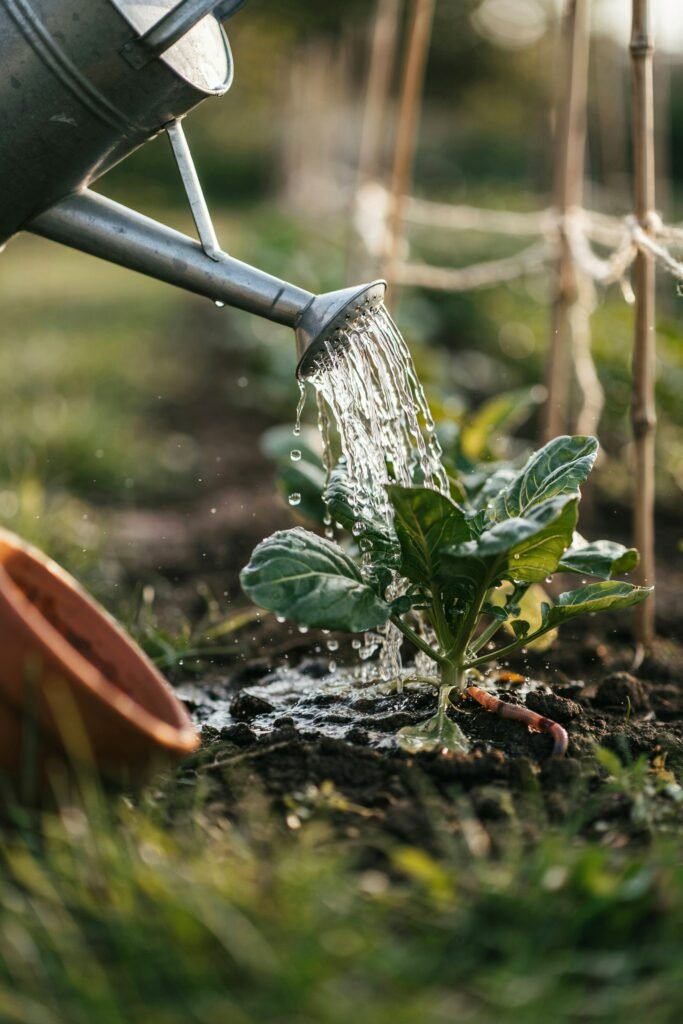
Overwatering, or watering at the wrong time, creates the exact damp conditions pests and fungal diseases love.
- Water in the early morning so foliage has time to dry before evening.
- Water at the base of the plant rather than overhead to keep leaves dry.
- Avoid letting standing water collect in saucers or trays, which attracts fungus gnats and mosquitoes.
- Check your containers regularly, since overwatered pots are one of the top causes of pest issues I see in my own potted plants, including mold that invites secondary pests.
Step 7: Keep Garden Hygiene as a Non-Negotiable Habit
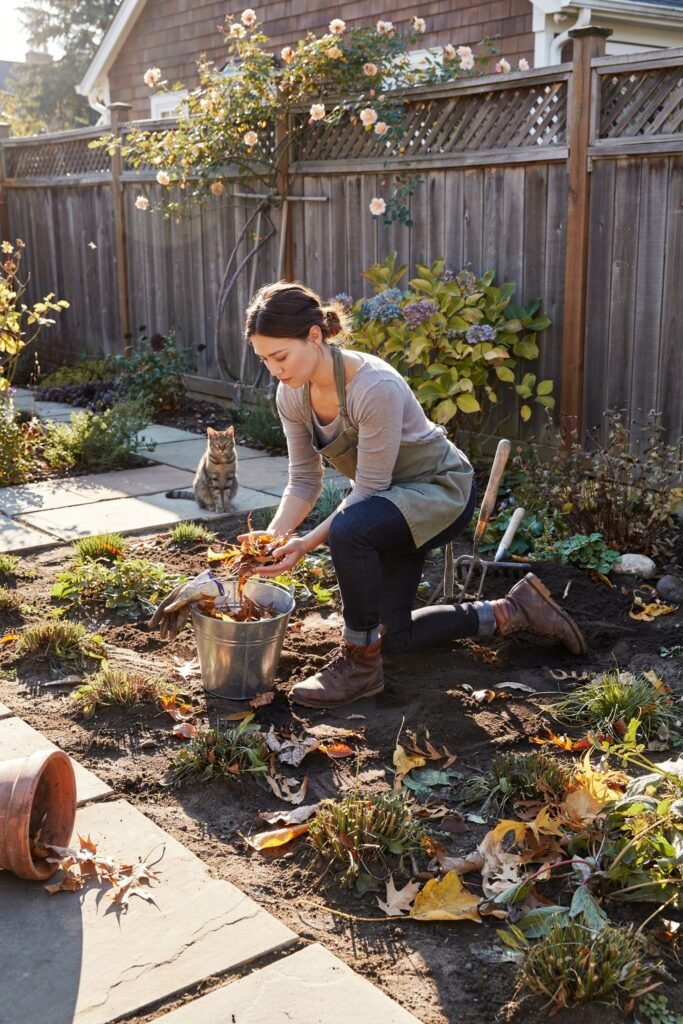
A messy garden is an open invitation. Pests love hiding spots, decaying debris, and untended corners.
- Remove fallen leaves, rotting fruit, and dead plant material regularly.
- Sanitize your pruning tools between plants to avoid spreading pests or disease.
- Clear weeds promptly, since many weeds host the same pests that target your vegetables and flowers.
- Store mulch and compost away from the base of stems to avoid attracting pests that hide in organic matter.
This kind of seasonal reset is something I do every year before autumn settles in, and I’ve detailed my whole process in my September gardening checklist.
Step 8: Encourage Beneficial Insects Into Your Garden
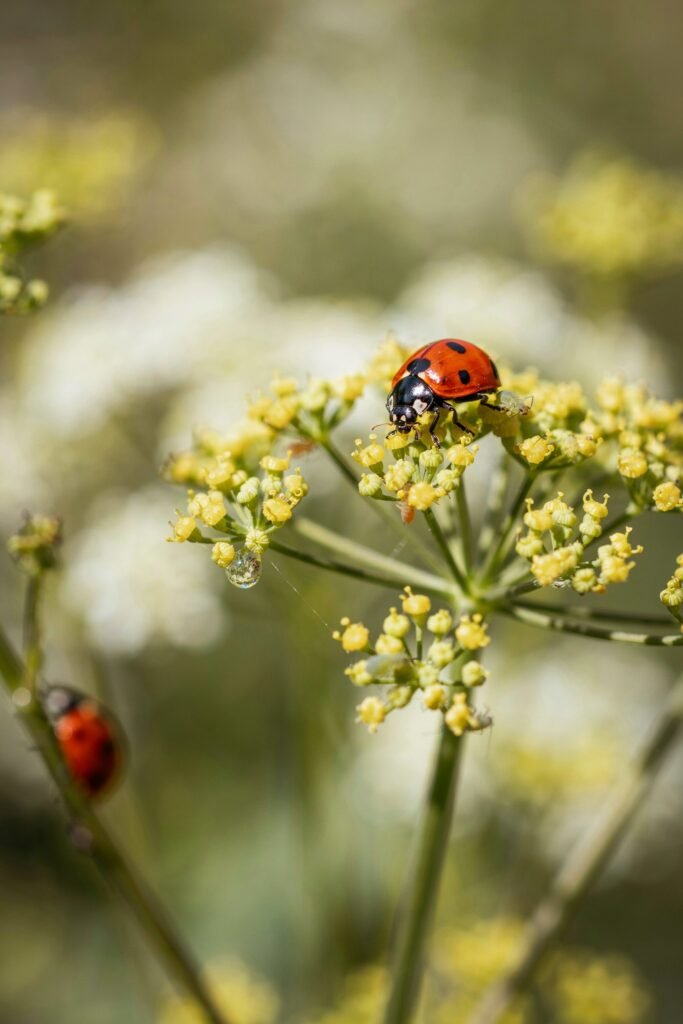
Not all bugs are the enemy. Some of the hardest-working pest control experts you’ll ever meet have six legs and live right in your garden if you let them.
- Plant flowers like dill, fennel, and yarrow to attract ladybugs, lacewings, and parasitic wasps.
- Add a small water source, like a shallow dish with stones, so beneficial insects and pollinators can drink safely.
- Avoid broad-spectrum pesticides that kill beneficial insects along with the pests you’re targeting.
- Leave a small “wild” patch in your yard where beneficial insects can shelter through winter.
Step 9: Use Organic Treatments as a Backup, Not a First Response
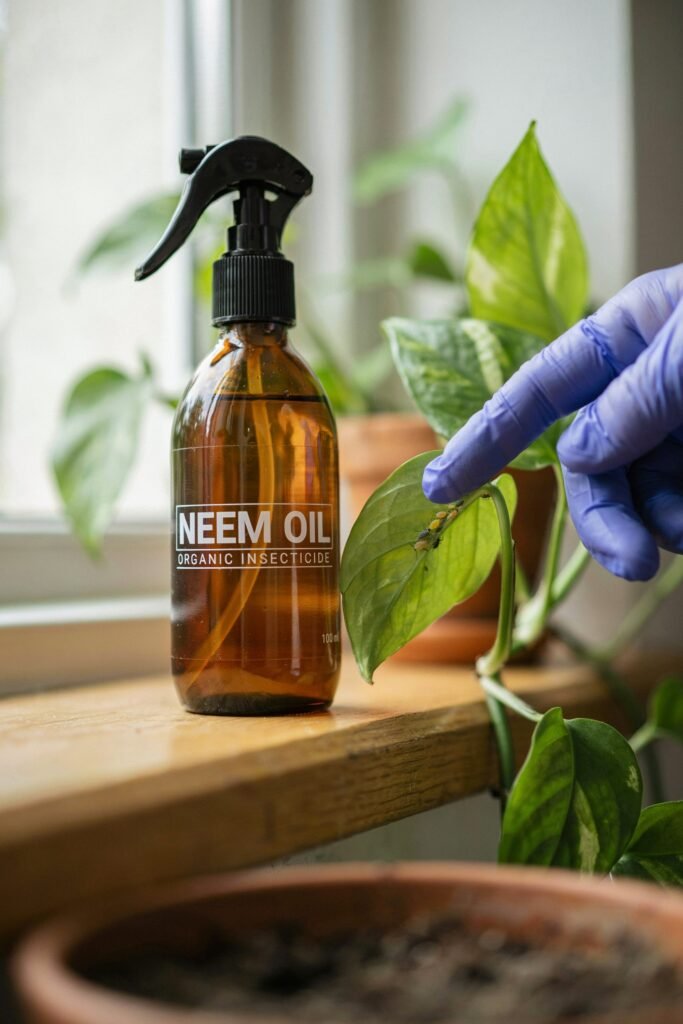
Even with the best prevention routine, some pests will slip through. When they do, reach for the gentlest effective option first.
- Neem oil works well against soft-bodied insects like aphids, mites, and whiteflies.
- Insecticidal soap is effective and safe for most beneficial insects when used correctly.
- Diatomaceous earth creates a barrier against crawling pests like slugs and beetles without harming the soil.
- Hand-picking larger pests like hornworms or Japanese beetles in the early morning, when they’re slow and easy to spot, is still one of the most effective methods I use.
If you’re growing containers of peppers or tomatoes, these treatments pair well with the techniques in my tomato container growing guide and jalapeño container guide, where pest pressure in confined spaces needs a slightly different approach.
Step 10: Protect Greenhouses and Enclosed Spaces Separately
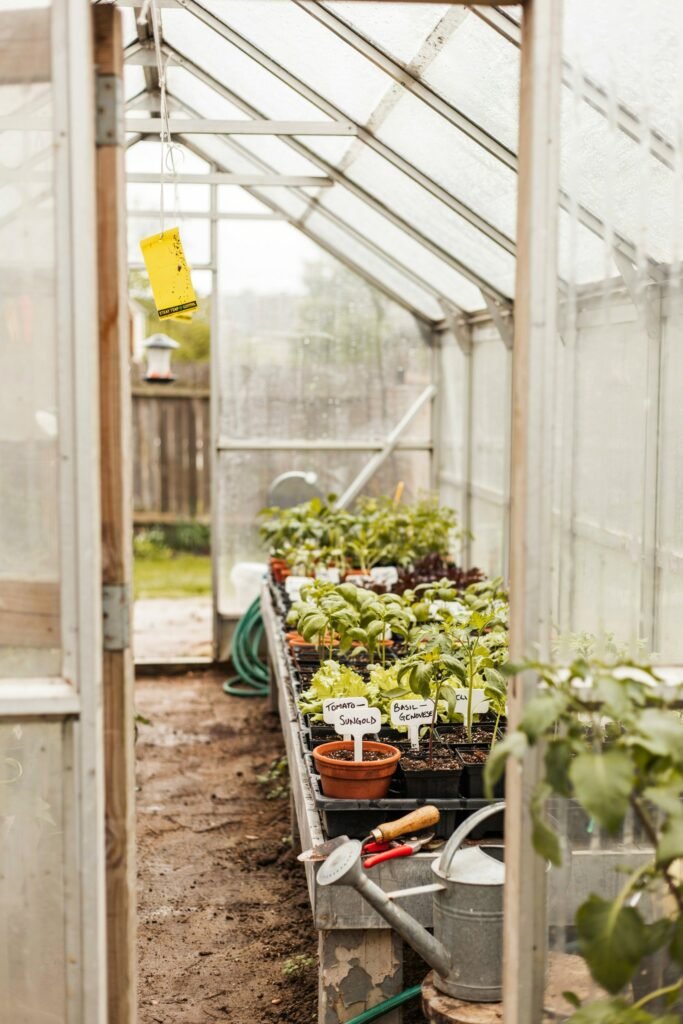
Greenhouses and hoop houses create warm, humid environments that can either shut pests out completely or trap them inside with nowhere to go.
- Inspect new plants thoroughly before bringing them into an enclosed space.
- Use sticky traps near entry points to monitor for early pest activity.
- Ventilate regularly to avoid the damp conditions that spider mites and fungus gnats thrive in.
- Clean surfaces and tools between seasons to prevent pests from overwintering indoors.
I cover this in much more depth in my greenhouse maintenance checklist, which pairs perfectly with this prevention routine if you garden under cover.
Step 11: Support Strong, Bushy Plant Growth
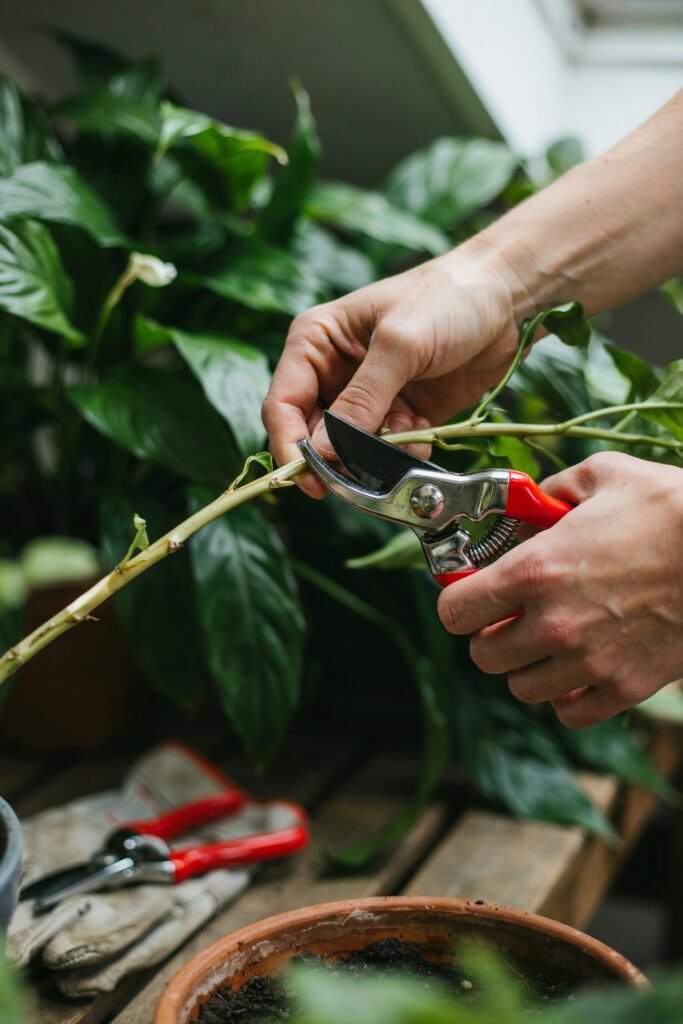
Here’s something a lot of people overlook: dense, healthy, well-pruned plants are naturally more resistant to pests than leggy, stressed ones. Strong growth means fewer weak points for insects to target.
- Prune regularly to improve airflow and remove any damaged growth pests could exploit.
- Pinch back leggy stems to encourage fuller, sturdier growth.
- Fertilize appropriately for each plant’s needs, since both under and overfeeding create vulnerabilities.
My guide on how to make any plant grow bushier goes step by step through the pruning and care techniques that build this kind of natural resilience.
Common Garden Pests and How to Prevent Them Specifically
Every garden has its own troublemakers, but a few show up almost everywhere. Here’s how I stay ahead of the most common ones.
Aphids cluster on new growth and stems. Prevent them with companion planting (marigolds, alliums), regular inspection of new growth, and a strong population of ladybugs.
Slugs and snails thrive in damp, shaded areas. Prevent them with copper barriers, diatomaceous earth, and watering in the morning instead of the evening.
Japanese beetles target roses, grapes, and many vegetables. Prevent them with handpicking in the early morning, row covers on vulnerable plants, and avoiding white or light-colored flowers that attract them most.
Squash bugs and vine borers attack cucurbits at the base of the stem. Prevent them with crop rotation, row covers on young plants, and checking the undersides of leaves for the copper-colored egg clusters they leave behind.
Spider mites love hot, dry, dusty conditions, especially in greenhouses. Prevent them with regular misting, good airflow, and keeping plants adequately watered during heat waves.
Whiteflies cluster on the undersides of leaves and multiply quickly in warm weather. Prevent them with yellow sticky traps, companion planting with basil, and removing heavily infested leaves early.
Cabbage worms and moths target brassicas like broccoli, cabbage, and kale, leaving telltale holes in leaves. Prevent them with floating row covers placed before the moths arrive, and regular checks for the pale green caterpillars hiding along leaf veins.
Fungus gnats are less about plant damage and more about damp, overwatered soil, especially in containers and greenhouses.
Prevent them by letting the top inch of soil dry between waterings, using sticky traps near pots, and topping soil with a thin layer of sand to disrupt their breeding cycle.
None of these pests operate in isolation, either. A garden weakened by one issue, like overwatering or nutrient-poor soil, tends to become vulnerable to several pests at once.
That’s exactly why prevention works best as a full system rather than a single fix aimed at one bug at a time.
A Season-by-Season Pest Prevention Calendar
One thing I’ve learned after years of tending my own garden is that pest prevention isn’t a single spring task, it’s something that shifts with the calendar.
Each season brings its own risks, and knowing what to focus on ahead of time makes the whole process feel far less overwhelming.
Early spring is all about resetting. This is when I clear away winter debris, refresh mulch, and check for overwintering pests hiding in old plant material or garden edges.
It’s also the best time to plan crop rotation and choose resistant varieties before anything goes into the ground.
Late spring into early summer is when I install my barriers, since this is the window when most egg-laying pests become active.
Row covers go on young seedlings, companion plants get tucked in alongside my vegetables, and I start my daily inspection habit in earnest, right as growth starts to take off.
Midsummer is peak pest season in most climates, and it’s when daily vigilance really pays off.
Heat and humidity bring aphids, spider mites, and squash bugs out in full force, so this is when I lean most heavily on handpicking, neem oil, and keeping a close eye on watering schedules.
My July gardening checklist and August garden to-do list both walk through this stretch of the season in detail.
Early autumn is cleanup and prevention for next year rolled into one.
Removing spent plants promptly, turning over compost, and clearing fallen fruit all reduce the number of pests that get a cozy place to overwinter.
My September gardening checklist and October gardening checklist cover this transition in full.
Winter is quieter, but it’s not a time to fully disengage. I use this season to clean and sharpen my tools, plan next year’s crop rotation, and research resistant varieties for the plants that struggled most the year before.
Frequently Asked Questions About Garden Pest Prevention
How often should I inspect my garden for pests? Ideally, once a day during the growing season, even if it’s just a quick two-minute walk-through. Pests multiply quickly, and catching an issue in its first few days makes an enormous difference in how easily it’s resolved.
Are natural pest prevention methods actually effective, or do I eventually need pesticides? In my experience, a consistent prevention routine dramatically reduces how often you’ll need to reach for any kind of treatment at all, natural or otherwise.
Most home gardens never need synthetic pesticides if healthy soil, companion planting, barriers, and daily attention are all in place.
What’s the single most effective pest prevention habit? If I had to choose only one, it would be the daily inspection habit.
Everything else on this list matters, but catching problems early is what consistently keeps small issues from becoming big ones.
Can I use these same steps for container gardens and greenhouses? Yes, with a few adjustments.
Containers and enclosed spaces tend to have fewer natural predators and less airflow, so barriers, regular inspection, and good watering habits matter even more.
My guides on growing tomatoes in pots and my greenhouse maintenance checklist both go into the specific differences to watch for.
Your Quick-Reference Pest Prevention Checklist
- Test and amend soil at the start of the season
- Choose resistant plant varieties for your region
- Walk your garden daily and check the undersides of leaves
- Companion plant with marigolds, basil, and alliums
- Install row covers, copper tape, or netting before problems start
- Water at the base, early in the morning
- Clear debris, dead material, and weeds regularly
- Attract beneficial insects with dill, fennel, and yarrow
- Keep neem oil and insecticidal soap on hand as backup
- Inspect greenhouse plants and tools before bringing them inside
- Prune regularly to encourage strong, dense growth
- Rotate crops each season to disrupt pest life cycles
A Final Thought From My Garden to Yours
Pest prevention isn’t about achieving a perfect, bug-free garden, because that’s not realistic and honestly, it’s not even the goal.
It’s about creating an environment so healthy and well-balanced that pests are the exception, not the rule.
Every habit on this list builds on the last, and together they create a garden that mostly takes care of itself. Start with just one or two steps this week, and let the rest become second nature over time, the same way mine did.
Some seasons will still bring surprises, and that’s okay too. Even the most experienced gardeners I know deal with the occasional aphid outbreak or a slug that finds its way past every barrier.
What matters is that you’re no longer starting from zero each time.
You’ll have healthy soil, strong plants, a few beneficial insects on your side, and the confidence that comes from knowing exactly what to check for and where to look.
That’s really what this whole checklist is about, giving you a sense of steady control over something that can otherwise feel unpredictable.
If you’re setting up a new garden space this season, be sure to check out my raised bed gardening checklist and my new gardener checklist for even more ways to start your garden off strong and pest-resistant from the very beginning.
