
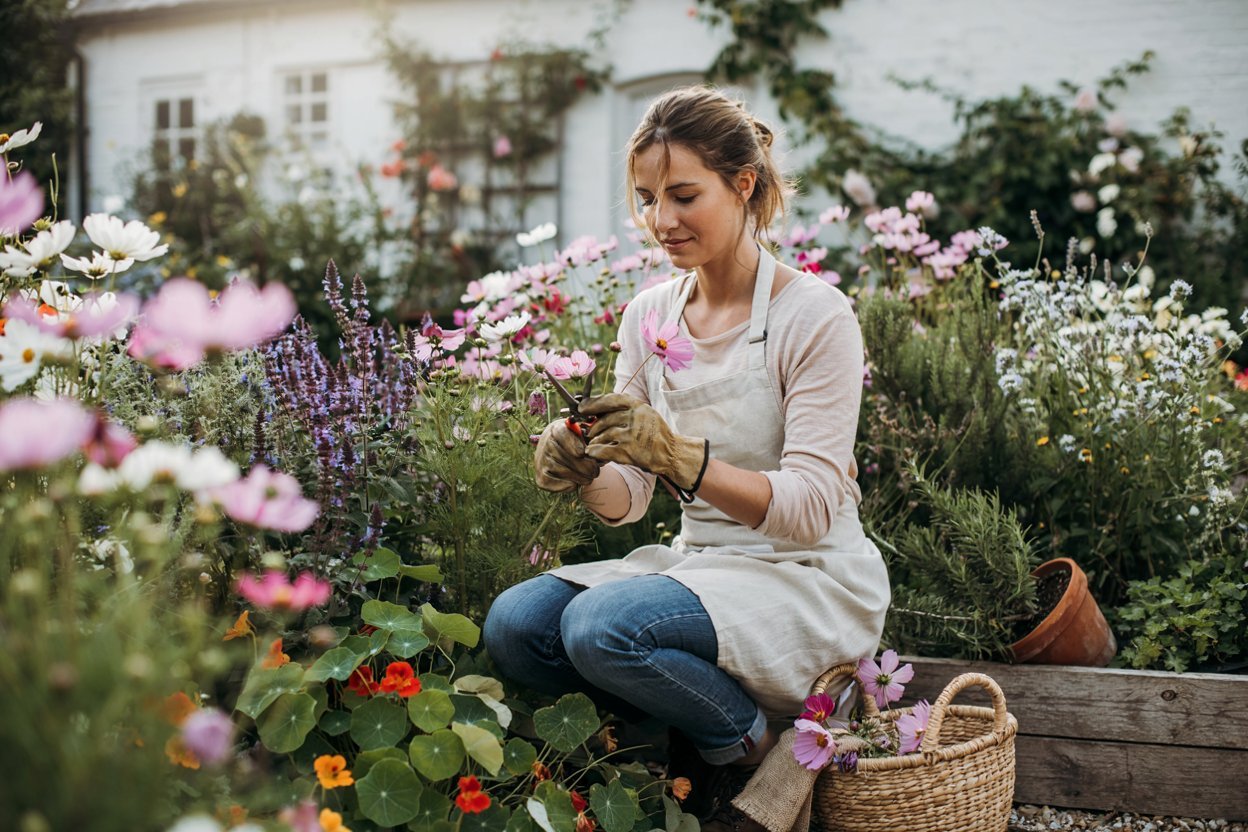

My flower beds used to be a mess of good intentions. I’d plant beautiful blooms in spring, feel proud for about six weeks, and then watch everything get leggy, buggy, and tired by July.
It wasn’t until I started following an actual maintenance rhythm, instead of just reacting to problems, that my garden finally looked the way I’d pictured it in my head.
This checklist is everything I wish I’d known sooner, broken down into simple, doable steps so your flowers stay healthy, full, and blooming all season long.
Why a Maintenance Routine Actually Matters
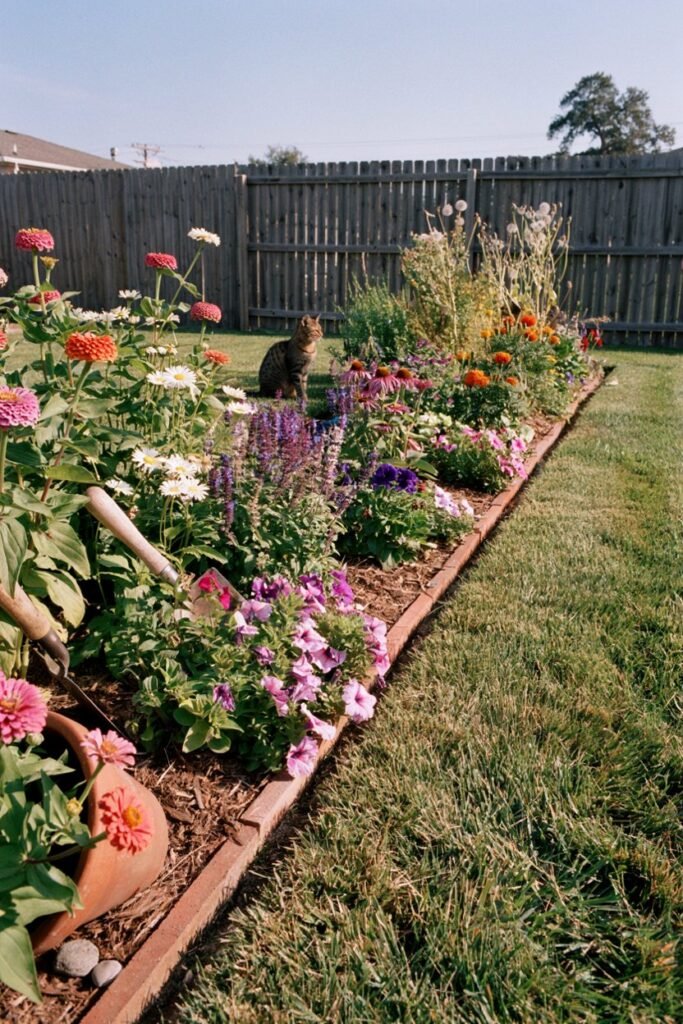
Here’s the thing nobody tells you when you start gardening: flowers don’t need you every single day, but they do need you consistently.
A garden that gets babied for one weekend and ignored for three weeks will always struggle, even if you’re doing all the “right” things during that one weekend.
Professional gardeners aren’t magic, they just have a rhythm. They know what needs attention this week, what can wait until next month, and what only matters twice a year.
Once I built that same rhythm into my own routine, my garden stopped feeling like a chore and started feeling like a peaceful little ritual I actually looked forward to.
If you’re just getting your beds established for the first time, I’d also point you toward the new gardener checklist I put together, it covers a lot of the foundational habits that make everything below so much easier.
Your Weekly Flower Garden Checklist
This is the part of maintenance that matters most, and it’s the part most people skip. A few minutes a week keeps small problems from becoming big ones.
Every week, walk your beds and check for:
- Soil moisture – Stick a finger about two inches into the soil. If it’s dry at that depth, it’s time to water.
- Spent blooms – Snip off any flowers that have faded, this is called deadheading, and it’s one of the biggest secrets to nonstop blooming.
- Weeds – Pull them while they’re small. A five-minute job today becomes a thirty-minute job in two weeks.
- Pests and disease – Flip a few leaves over and look for holes, spots, sticky residue, or tiny bugs.
- Stakes and supports – Make sure taller flowers like dahlias, delphiniums, or climbing varieties are still upright and tied securely. If you’re growing anything that climbs, these garden trellis ideas are worth a look for giving your blooms proper support as they grow.
- General tidiness – Remove yellowing leaves and any debris that’s collected around the base of your plants.
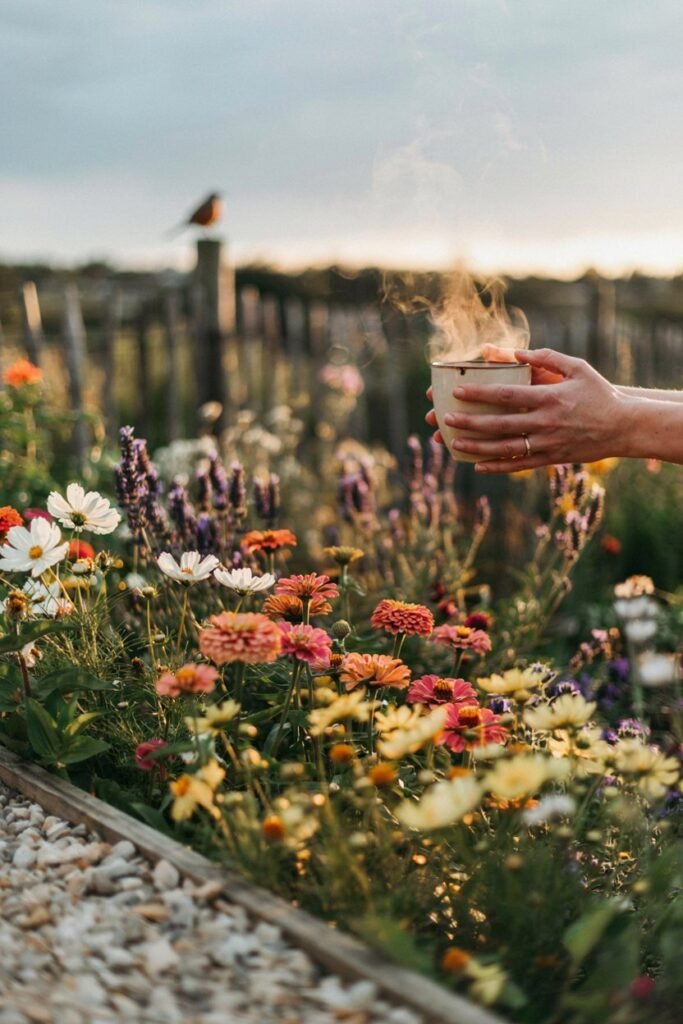
I like to do this walk-through with my morning coffee. It takes ten minutes and it’s honestly one of my favorite parts of the day.
Your Monthly Deep-Care Checklist
Once a month, go a layer deeper than your weekly walk-through:
- Fertilize according to what your specific flowers need (more on this below).
- Check mulch depth and top it up if it’s thinned out to less than two inches.
- Inspect the soil for compaction, drainage issues, or areas that stay soggy after rain.
- Divide overcrowded perennials if they’re spreading beyond their space.
- Reassess your layout – sometimes a plant that looked perfect in the store just isn’t happy where it landed, and that’s okay. If you’re rethinking your design, this flower garden layout guide is full of ideas for reworking a bed so it flows better and blooms in waves rather than all at once.
Spring Flower Garden Checklist
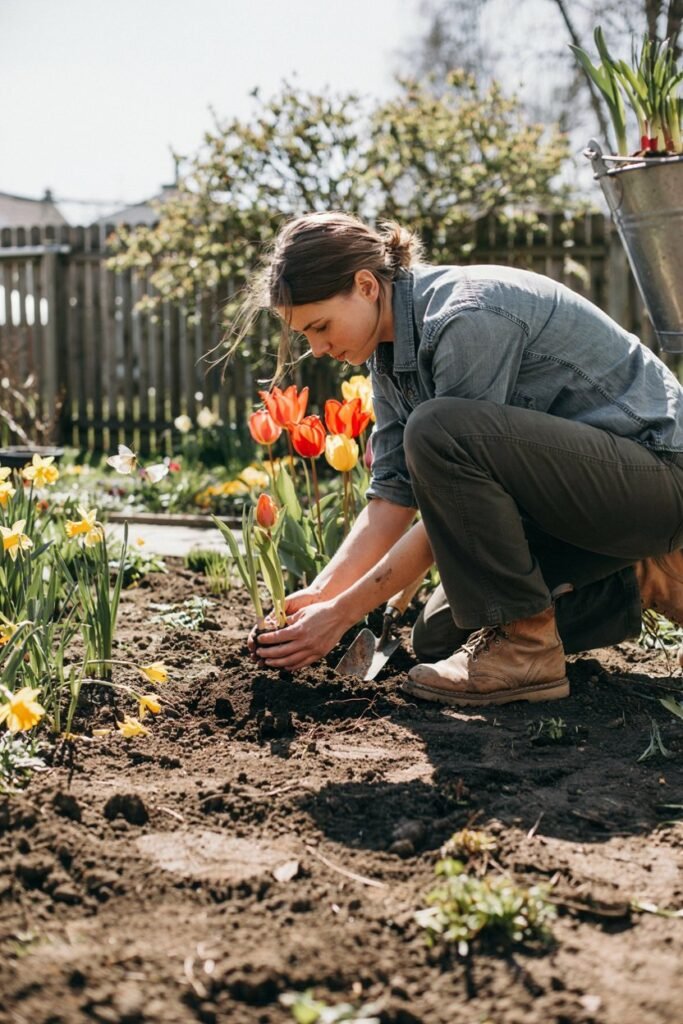
Spring is where the whole year gets set up, so don’t rush this stage.
- Clean up winter debris. Remove any leftover leaves, dead stems, and mulch that got matted down over winter.
- Test your soil. A simple soil test tells you whether you need to adjust pH or add nutrients before you plant anything new.
- Amend the soil with compost to give your flowers a nutrient-rich start.
- Start deadheading spring bulbs like tulips and daffodils once they’ve finished blooming, but leave the foliage until it yellows naturally so the bulb can recharge for next year.
- Divide and transplant any perennials that have outgrown their spot.
- Edge your beds to create a clean line between garden and lawn.
- Plant your new flowers once the danger of frost has passed in your area.
- Set up supports early for anything that will need staking later, it’s much easier to install before the plant gets tall and floppy.
If you’re building a brand-new bed this spring, the ultimate raised bed gardening checklist walks through everything from choosing materials to filling your bed with the right soil mix.
Summer Flower Garden Checklist
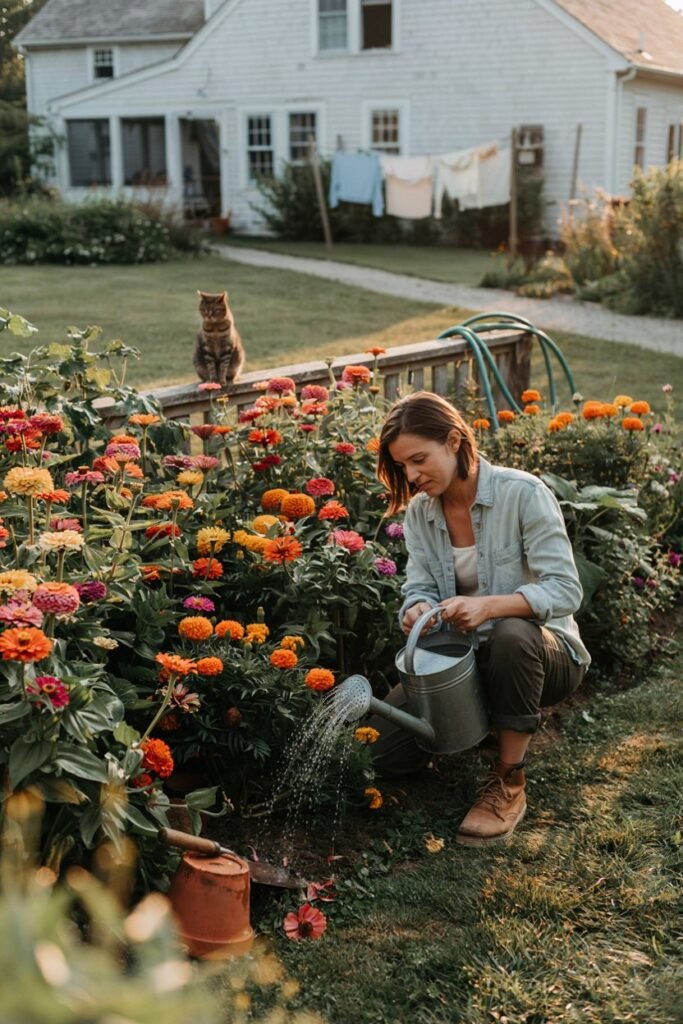
Summer is peak performance season, but it’s also when gardens are most likely to be neglected because life gets busy and the heat makes everything feel like more effort than it’s worth.
- Water deeply and consistently, especially during heat waves.
- Deadhead aggressively. Summer bloomers like zinnias, cosmos, and marigolds will keep producing flowers all season if you keep cutting the spent ones.
- Watch for pests like aphids and spider mites, which thrive in hot, dry conditions.
- Feed your blooming plants with a balanced fertilizer to keep energy levels up through the heat.
- Mulch generously to help retain moisture and keep roots cool.
- Stake and tie tall growers as they reach their full height.
- Harvest cut flowers in the early morning for the longest vase life, and it encourages even more blooming.
I keep month-specific lists on hand because summer sneaks up fast. My July gardening checklist and August garden to-do list break down exactly what to prioritize in each of those months so nothing slips through the cracks.
Fall Flower Garden Checklist
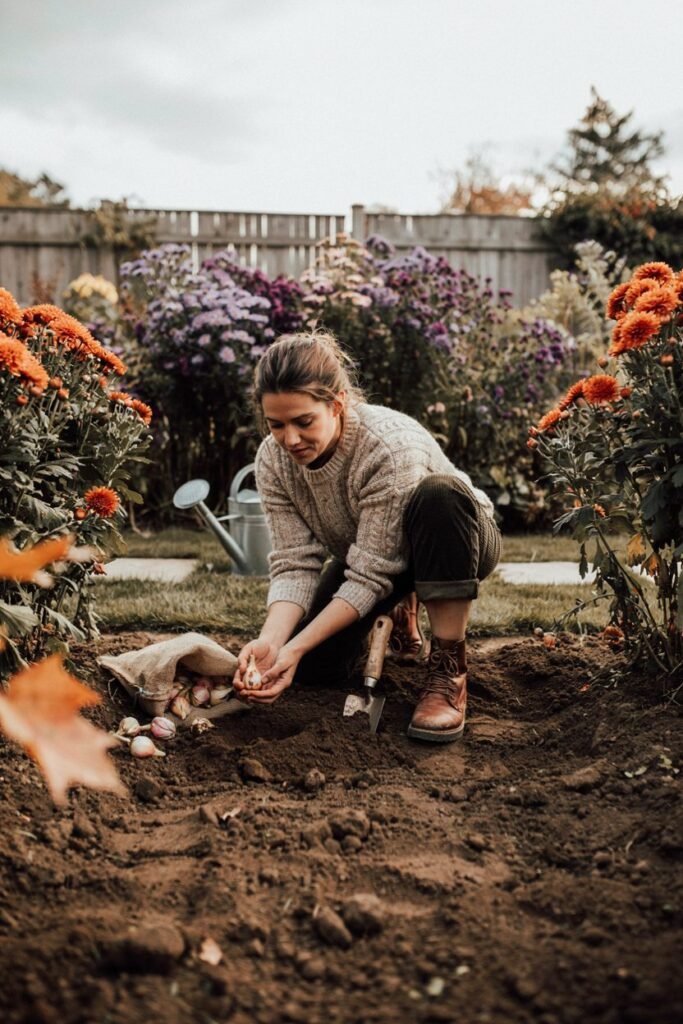
Fall is quieter, but it’s arguably the most important season for setting your garden up to come back strong.
- Plant spring bulbs like tulips, daffodils, and crocuses before the ground freezes.
- Cut back perennials that have finished blooming, though some, like coneflowers, are worth leaving for winter interest and bird food.
- Add a fresh layer of mulch to insulate roots before frost hits.
- Remove diseased foliage completely rather than composting it, so problems don’t carry over into next year.
- Bring in tender bulbs like dahlias and gladiolus if you’re in a colder zone.
- Fill gaps with fall bloomers so your beds don’t look bare heading into the cooler months.
For gorgeous late-season color, I always lean on these fall flowers that bloom until frost, and if you love container displays, these fall container garden ideas are gorgeous for porches and patios.
I also keep my September checklist and October checklist close by so I don’t forget the smaller seasonal tasks.
Winter Flower Garden Checklist
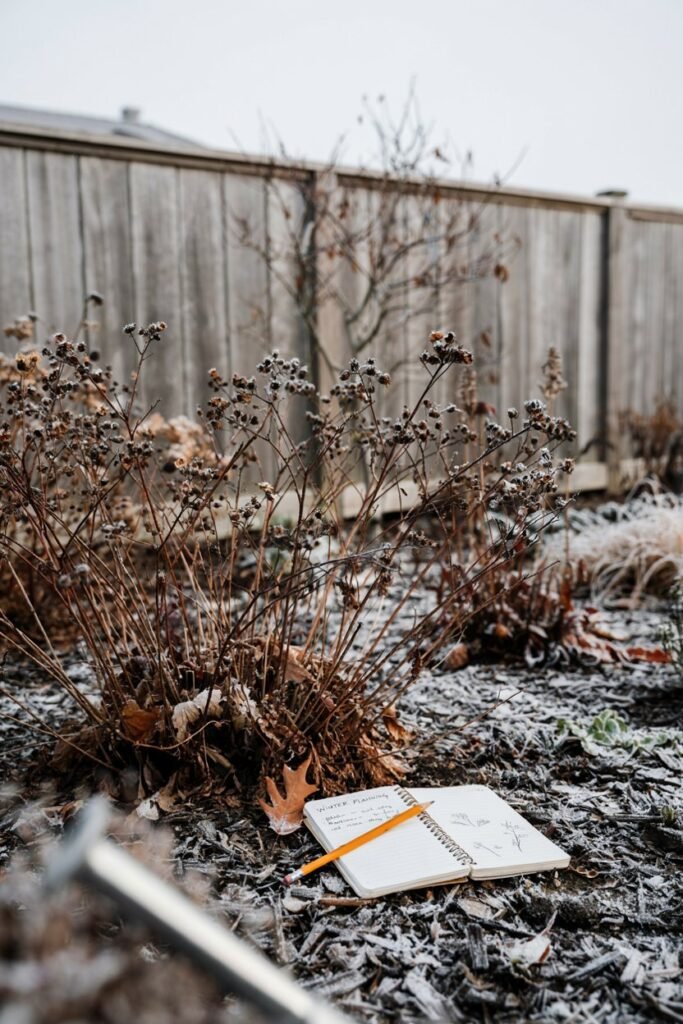
Winter isn’t “nothing time,” it’s recovery and planning time.
- Protect tender perennials with a layer of mulch or burlap wrap in colder climates.
- Avoid walking on frozen or waterlogged beds, which can compact the soil.
- Clean and store your tools so they’re ready to go come spring.
- Plan next year’s layout while everything is dormant and you can think clearly without the pressure of active blooms.
- Order seeds and bulbs early for the best selection.
If you have a greenhouse or hoop house to keep things going through the cold months, this greenhouse maintenance checklist is a great companion piece for winter care.
Watering Like a Professional
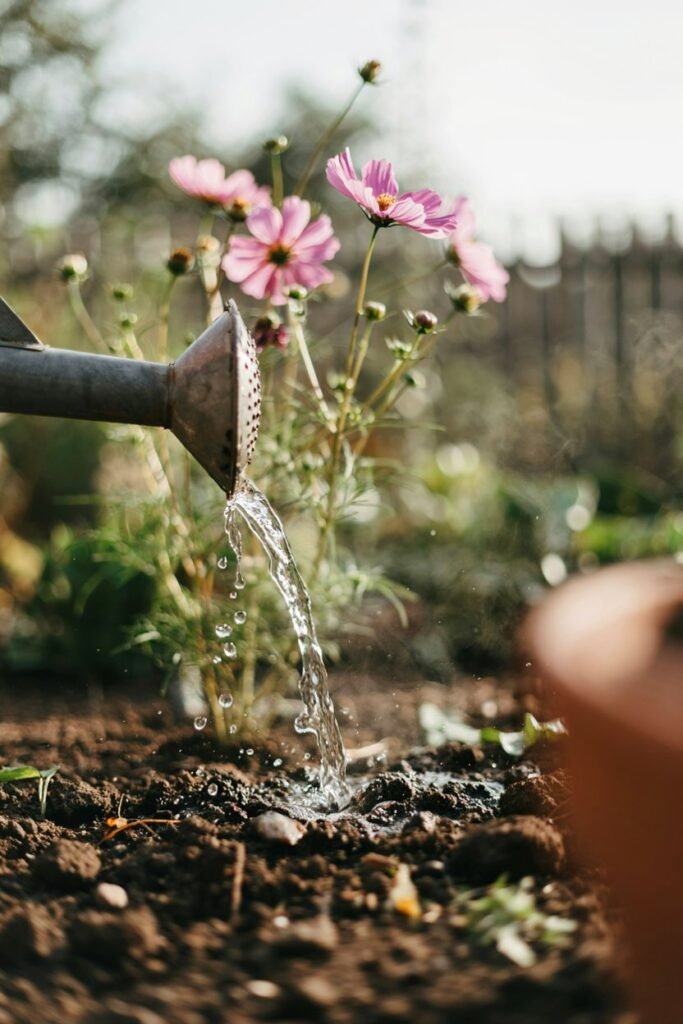
Watering seems simple until you realize most flower problems actually trace back to watering habits, not pests or disease.
The professional approach:
- Water deeply and less often, rather than a light sprinkle every day. Deep watering encourages roots to grow downward, which makes plants more resilient during dry spells.
- Water at the base of the plant, not over the leaves, to reduce the risk of fungal disease.
- Water in the early morning so plants have time to absorb moisture before the heat of the day, and any leaf splash has time to dry before evening.
- Adjust for rainfall. If it rained an inch this week, skip your watering day.
- Container flowers dry out faster than in-ground beds, so check them more frequently, especially in summer.
Deadheading and Pruning the Right Way
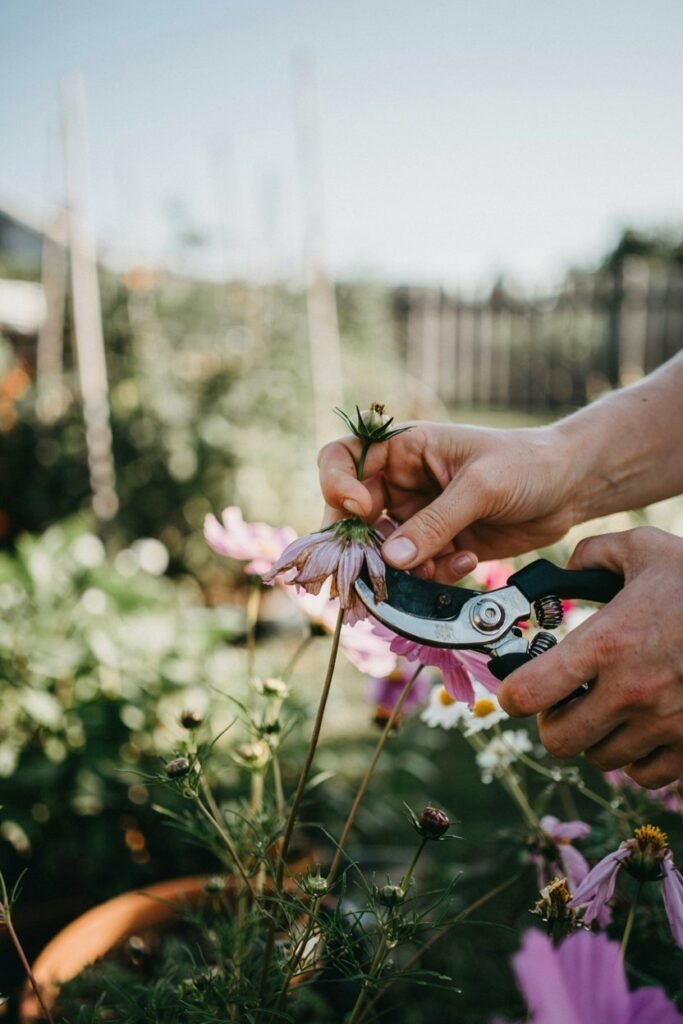
Deadheading is simply removing spent blooms, and it’s one of the highest-value, lowest-effort things you can do for a flower bed.
How to do it properly:
- Follow the stem of the faded flower down to the first set of healthy leaves or a lateral bud.
- Cut just above that point at a slight angle using clean, sharp shears.
- For plants that bloom in clusters, like coneflowers or salvia, remove the individual spent flower rather than the whole stem, if more buds are still forming below it.
- For woody perennials or shrubby flowers, prune in early spring before new growth appears, cutting out dead or crossing branches first.
Regular deadheading tricks the plant into producing more flowers instead of putting its energy into seed production, which is exactly why deadheaded plants tend to bloom so much longer than neglected ones.
If you want your plants to fill out fuller and bushier rather than tall and leggy, this guide to making any plant grow bushier pairs really well with a good pruning routine.
Feeding Your Flowers
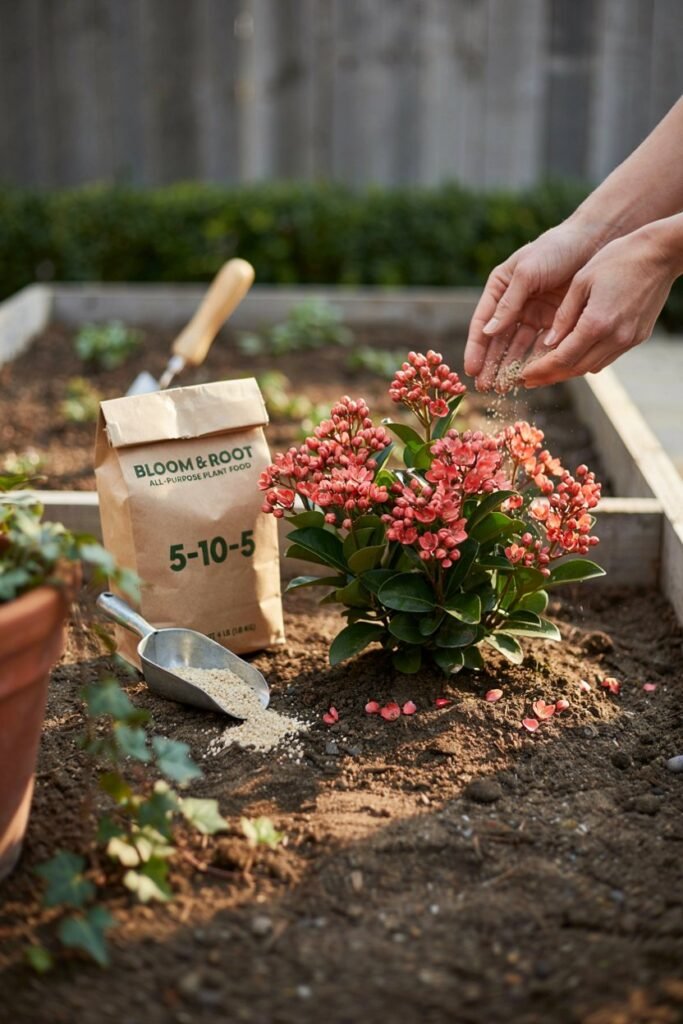
Flowers are heavy feeders during their blooming period, and soil nutrients get used up quickly.
- Slow-release granular fertilizer applied in spring gives plants a steady supply of nutrients over several months.
- Liquid fertilizer every two to four weeks during peak bloom gives an extra boost for heavy bloomers like petunias and roses.
- Compost worked into the soil each spring improves both nutrition and soil structure.
- Watch the ratio. Too much nitrogen produces lush leaves but fewer flowers, so look for fertilizers labeled for blooming plants specifically.
Weeding and Mulching
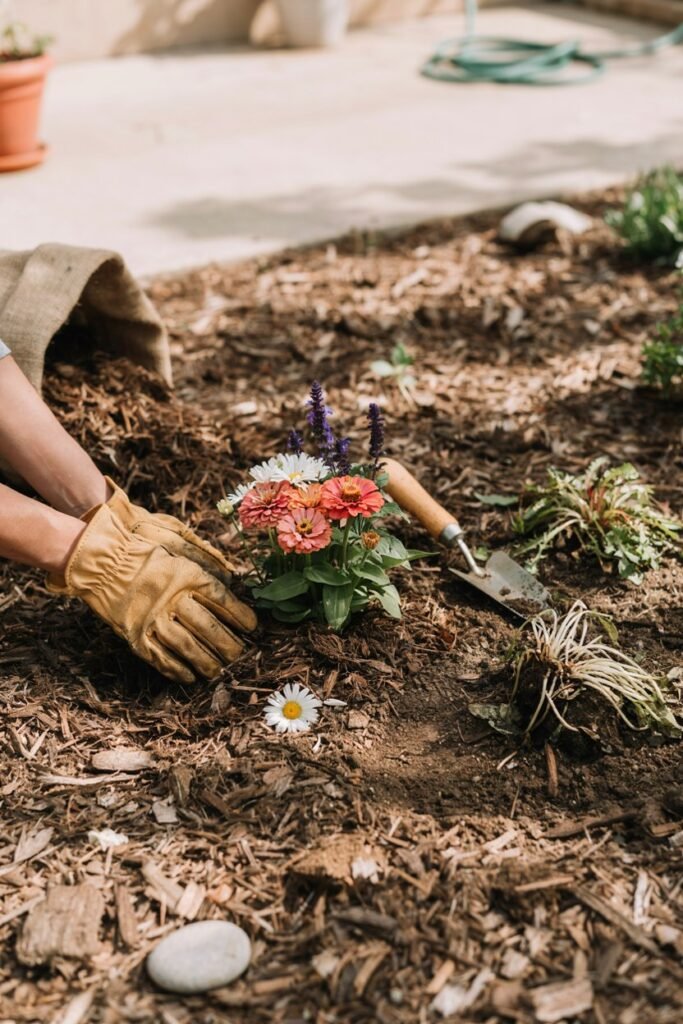
Weeds compete with your flowers for water, light, and nutrients, so staying ahead of them protects everything else you’re doing.
- Pull weeds when the soil is slightly damp, they come out roots and all far more easily than in dry, hard soil.
- Apply a two to three inch layer of mulch around your flowers, keeping it a couple of inches away from the base of each stem to prevent rot.
- Refresh mulch as it breaks down, usually once in spring and again in fall.
- Good mulch not only suppresses weeds, it also regulates soil temperature and holds in moisture, meaning less watering for you overall.
Pest and Disease Patrol
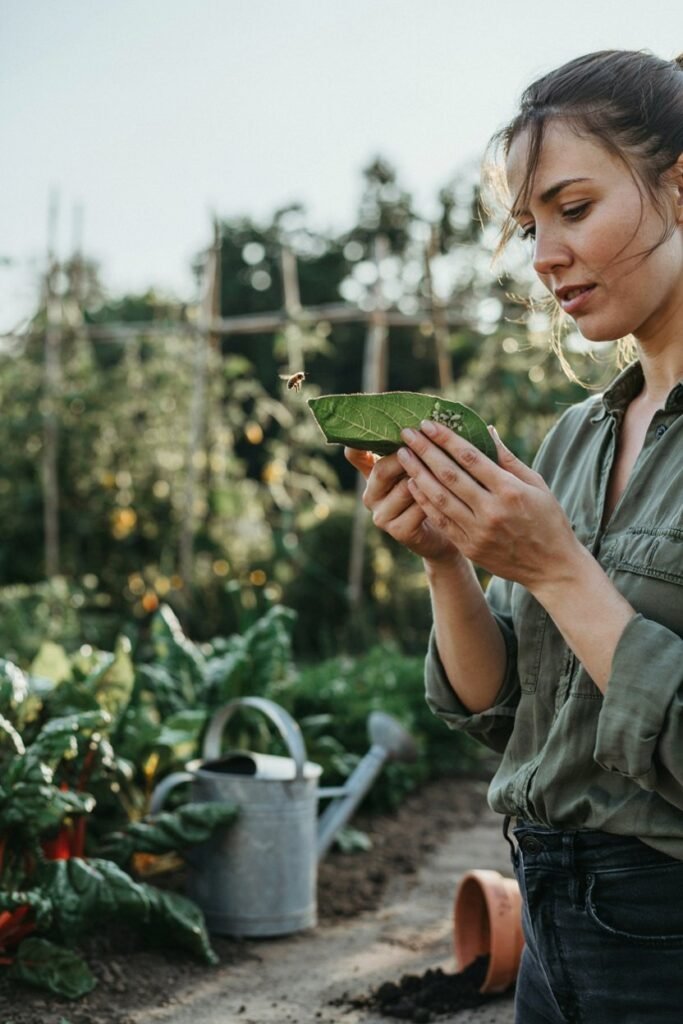
Catching problems early is what separates a thriving garden from one that’s constantly playing catch-up.
What to watch for:
- Aphids – tiny clusters on new growth, often trailing ants along with them.
- Powdery mildew – a white, dusty coating on leaves, common in humid conditions with poor air circulation.
- Black spot – dark spots on foliage, especially common on roses.
- Slugs and snails – ragged holes in leaves, usually worse after rain.
- Mold in containers – if you grow any potted flowers alongside your beds, mold can creep into damp soil surprisingly fast, and this guide on getting rid of mold in potted plants walks through simple, effective fixes.
Prevention beats treatment every time. Give plants proper spacing for airflow, water at the base instead of overhead, and remove affected foliage as soon as you spot it so problems don’t spread.
Tools I Actually Use
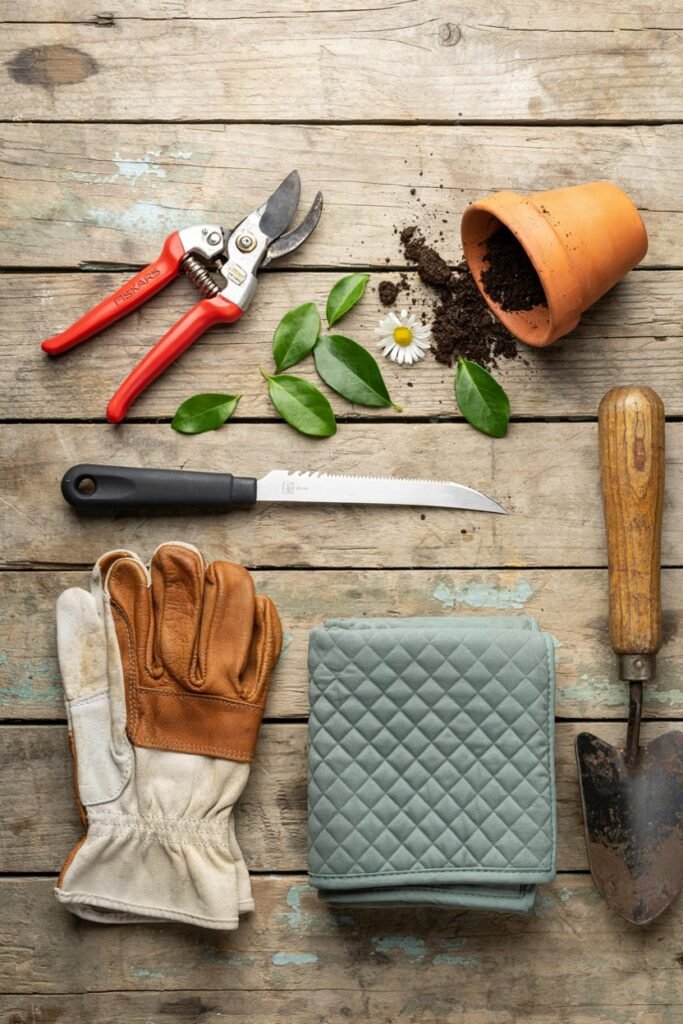
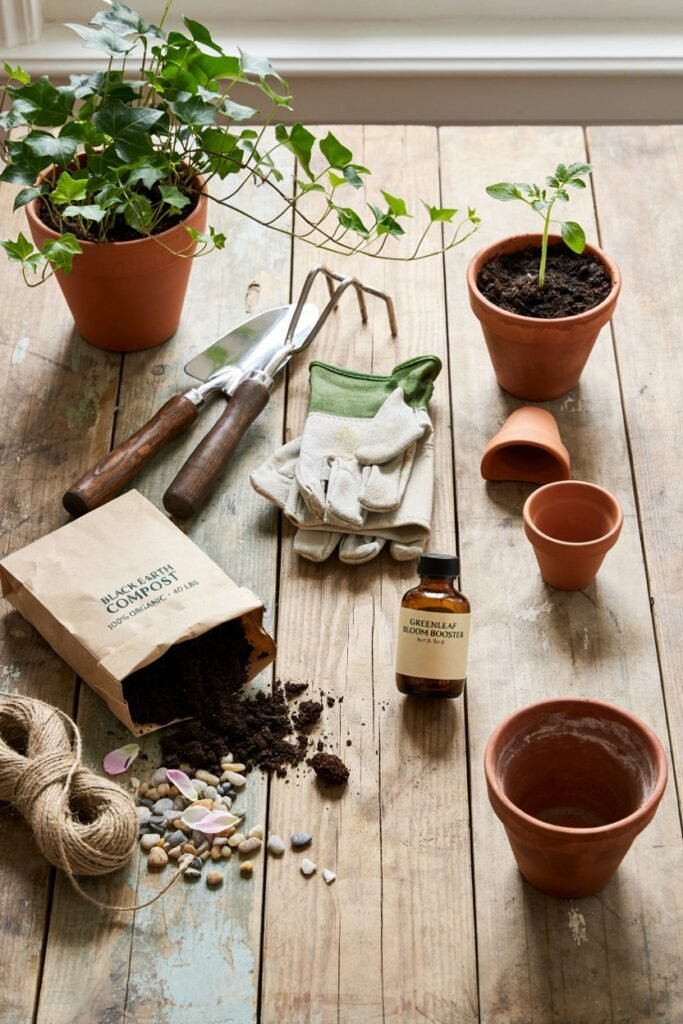
You don’t need a shed full of gadgets to maintain a flower garden well, but a handful of quality tools make every task on this list faster and easier.
- A sharp pair of bypass pruners for deadheading and cutting stems
- A hand trowel for planting and dividing
- A soil knife or hori-hori for weeding and transplanting
- A good pair of gloves that still let you feel what you’re doing
- A watering can with a rose attachment for gentle, targeted watering
- A kneeling pad, because your knees will thank you
If you want the full rundown of what’s genuinely worth owning, I go through it in detail in my list of essential gardening tools.
My Printable-Style Recap Checklist
Here’s the whole thing condensed, so you can screenshot it or copy it into your own notes.
Weekly
- Check soil moisture
- Deadhead spent blooms
- Pull weeds
- Check for pests and disease
- Check stakes and supports
- Tidy fallen leaves and debris
Monthly
- Fertilize
- Check and refresh mulch
- Inspect soil drainage
- Divide overcrowded perennials
- Reassess layout and gaps
Spring
- Clean up winter debris
- Test and amend soil
- Plant new flowers
- Divide perennials
- Edge beds and install supports
Summer
- Water deeply and consistently
- Deadhead often
- Watch for heat-loving pests
- Feed blooming plants
- Stake tall growers
Fall
- Plant spring bulbs
- Cut back finished perennials
- Mulch for winter protection
- Bring in tender bulbs
- Fill gaps with fall bloomers
Winter
- Protect tender perennials
- Stay off frozen or wet beds
- Clean and store tools
- Plan next year’s layout
- Order seeds and bulbs
Final Thoughts From One Gardener to Another
The biggest shift for me wasn’t learning some secret professional trick, it was learning to treat maintenance as an ongoing rhythm instead of a rescue mission.
Once you build these small habits into your week and season, your flower garden practically takes care of itself, and the moments you spend out there start feeling like a reward instead of a task.
If you’re working with a smaller space, don’t worry, all of this scales down beautifully, and these tiny garden ideas show just how much beauty you can pack into even the coziest corner.
Here’s to a garden that blooms right alongside you, season after season.
